
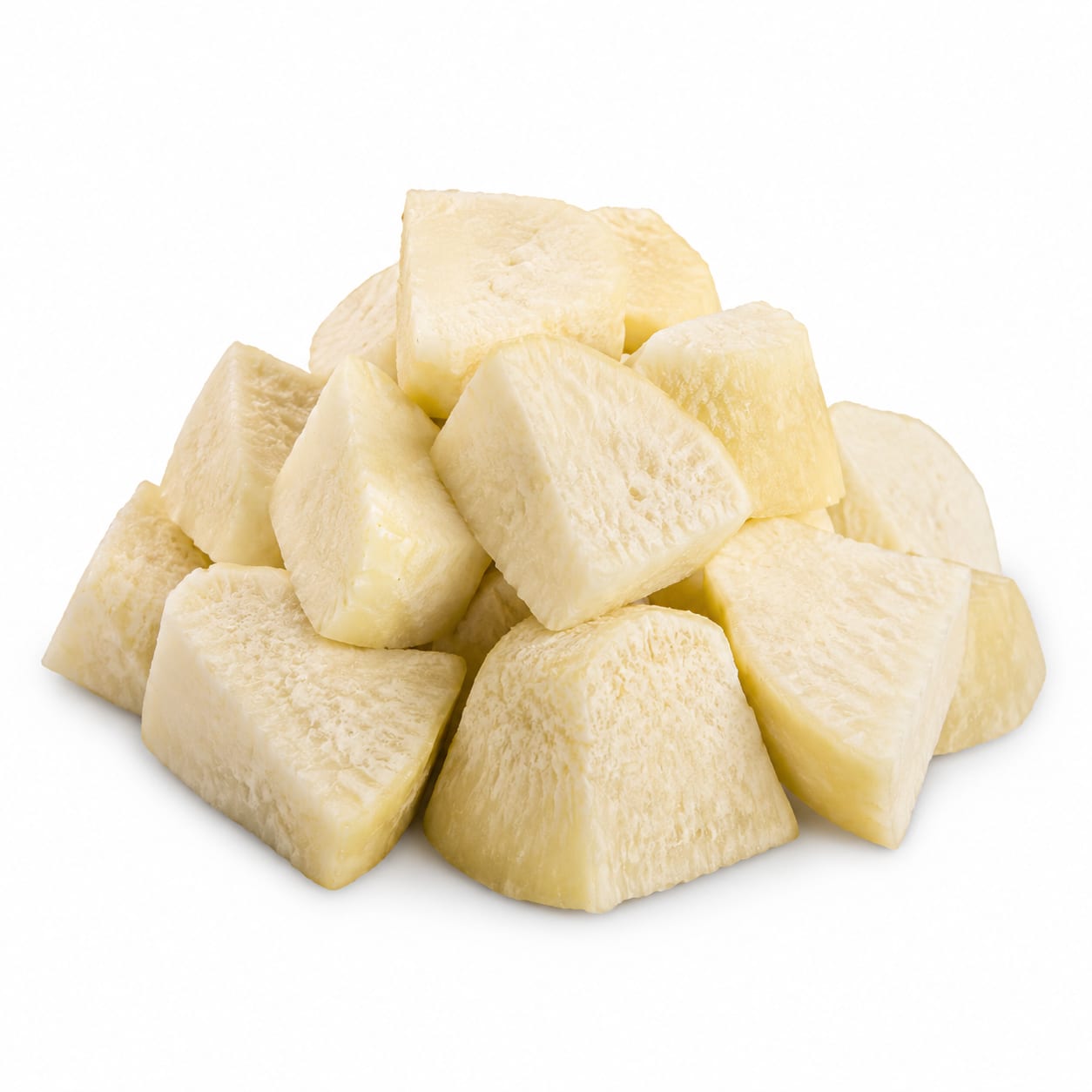
Root Vegetable
Yam
A starchy, fiber-rich root vegetable that provides sustained complex carbohydrates and essential minerals.
Yams are starchy tubers native to Africa and Asia, botanically distinct from sweet potatoes, recognized by their rough, scaly skin and firm, dry flesh that requires cooking to become edible.
complex carbohydrate root vegetable
Typical serving · 150g
Common varieties · white yam, yellow yam, purple yam (ube), chinese yam, lesser yam
Overall context score across nutrition, safety, and diet fit
At a glance
Quick facts
Simple indicators based on nutrition, processing, and diet fit.
The story
What makes it unique
Yams are primarily composed of complex carbohydrates and digest at a moderate rate, providing sustained energy. Their fiber content promotes satiety and slows glucose absorption. As a whole, minimally processed tuber, they retain their natural cellular matrix, which supports gut health and nutrient bioavailability.
Varieties: white yam · yellow yam · purple yam (ube) · chinese yam · lesser yam
Per 100g
Nutrition breakdown
Macro balance and key metrics at a glance.
Energy
Density 1.18 kcal/g
Protein
Carbs
Fat
Fiber
Sugar
0.5 g
Sodium
9 mg
Potassium
816 mg
Glycemic index
51
Glycemic load
14
Water content
70%
Standout compounds
Nutrient highlights
Potassium
highSupports healthy blood pressure and muscle contraction
Fiber
moderatePromotes satiety and feeds beneficial gut bacteria
Vitamin C
moderateActs as an antioxidant and supports immune function
Vitamin B6
moderateAids in amino acid metabolism and brain health
Manganese
moderateEssential for metabolism and bone formation
Wellness map
Health scores & processing
NOVA processing scale
minimally processed · Whole food
Whole, unprocessed root vegetable in its natural state, requiring only peeling and cooking for consumption.
Diet compatibility
- Weight loss
- Muscle gain
- Diabetes
- Gut health
- Low carb
- High protein
- Heart health
Relative standing
Food rankings
Qualitative ranks compared to similar whole foods.
- Satietygood
- Blood sugarmoderate
- Nutrient densitygood
- Fitness fuelgood
- Processing qualityexcellent
Eat with confidence
Food safety profile
Raw yams contain naturally occurring compounds like dioscorine and oxalates that can cause illness, making thorough cooking essential. Properly prepared yams are very safe with low contamination risks.
Evidence confidence 90%
- Pesticideslow
- Antibioticslow
- Heavy metalslow
- Contaminationlow
Watch for
- soilborne pathogens
- dioscorine (natural toxin in raw yam)
Safer choices
Organically grown yams reduce already low pesticide exposure.
Prep tips
Peel thoroughly and boil, roast, or bake until completely tender to neutralize naturally occurring toxins. Wash hands after handling raw yam peels.
Minimal regulatory concerns for properly cooked yams.
Deep dive
Health analysis
How this food may fit different goals and preparation choices.
Weight loss
High fiber and water content create bulk in the stomach, promoting fullness with relatively low energy density compared to refined grains.
Blood sugar
Boiled yams have a medium glycemic index, causing a moderate rise in blood sugar. Cooling cooked yams increases resistant starch, which lowers the glycemic impact.
Fitness & energy
Provides dense, complex carbohydrates ideal for glycogen replenishment before or after endurance activities.
Gut health
Contains soluble fiber and resistant starch that feed beneficial gut bacteria, supporting microbiome diversity and colon health.
Processing quality
A whole food with an intact cellular structure, free from added sugars, fats, or artificial preservatives.
Food safety
Must be cooked to neutralize natural toxins; consuming raw yam can cause digestive distress and mild toxicity.
Common mistakes
Confusing yams with sweet potatoes, which leads to incorrect nutritional expectations and cooking methods.
Best preparation
Boiling, roasting, or baking. Boiling is best for lowering glycemic impact, while cooling after cooking maximizes resistant starch formation.
Practical guide
Best use cases
When and how this food fits real eating patterns.
Post-workout carb replenishment
Provides complex carbohydrates to restore muscle glycogen after intense exercise.
Gluten-free complex carb base
Serves as a hearty, naturally gluten-free alternative to wheat-based grains or pasta.
Resistant starch source
When boiled and cooled, yams provide resistant starch that feeds gut bacteria and lowers glycemic impact.
Balance sheet
Pros & cons
Upsides
- High in potassium for heart health
- Good source of fiber for satiety and digestion
- Contains resistant starch when cooled after cooking
- Naturally gluten-free and hypoallergenic
- Provides sustained energy from complex carbohydrates
Trade-offs
- High in carbohydrates, not ideal for low-carb diets
- Must be cooked to neutralize natural toxins
- Often confused with sweet potatoes, causing dietary miscalculations
- Relatively low in protein and healthy fats
Fit check
Who is it for?
Great match
- endurance athletes needing carb loading
- gluten-free diets
- prebiotic fiber intake
- moderate-carb weight management
Consider alternatives
- strict ketogenic diets
- diabetics needing very low glycemic foods
- high-protein diets
- raw food diets
Side by side
How it compares
Open the full head-to-head analysis for nutrition, safety, and practical tradeoffs.
This food
Yam
VS90% alike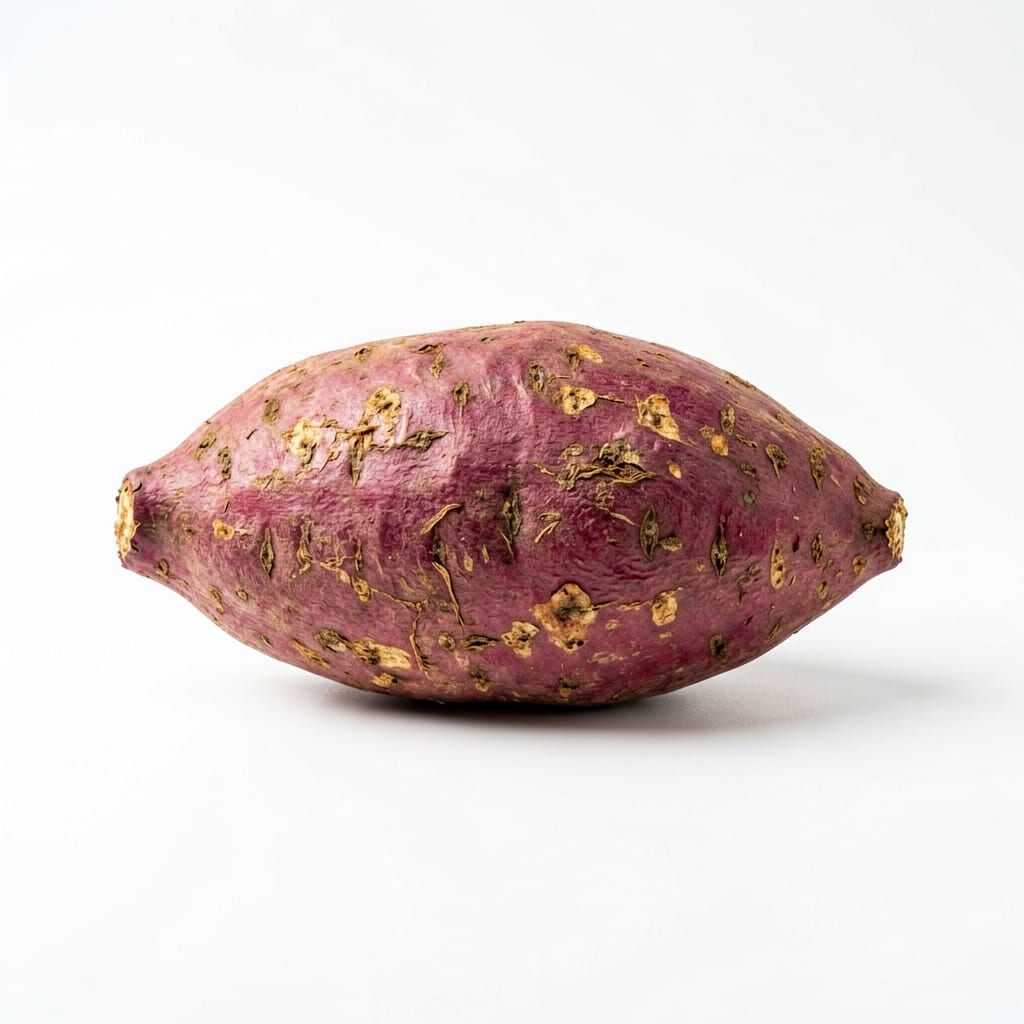
Compare with
Sweet Potato
Sweet potatoes are sweeter, moister, and higher in vitamin A, while yams are drier, starchier, and slightly lower on the glycemic index.
Sweet potatoes offer more vitamin A and sweetness, while yams are starchier, drier, and slightly better for blood sugar control.
This food
Yam
VS85% alike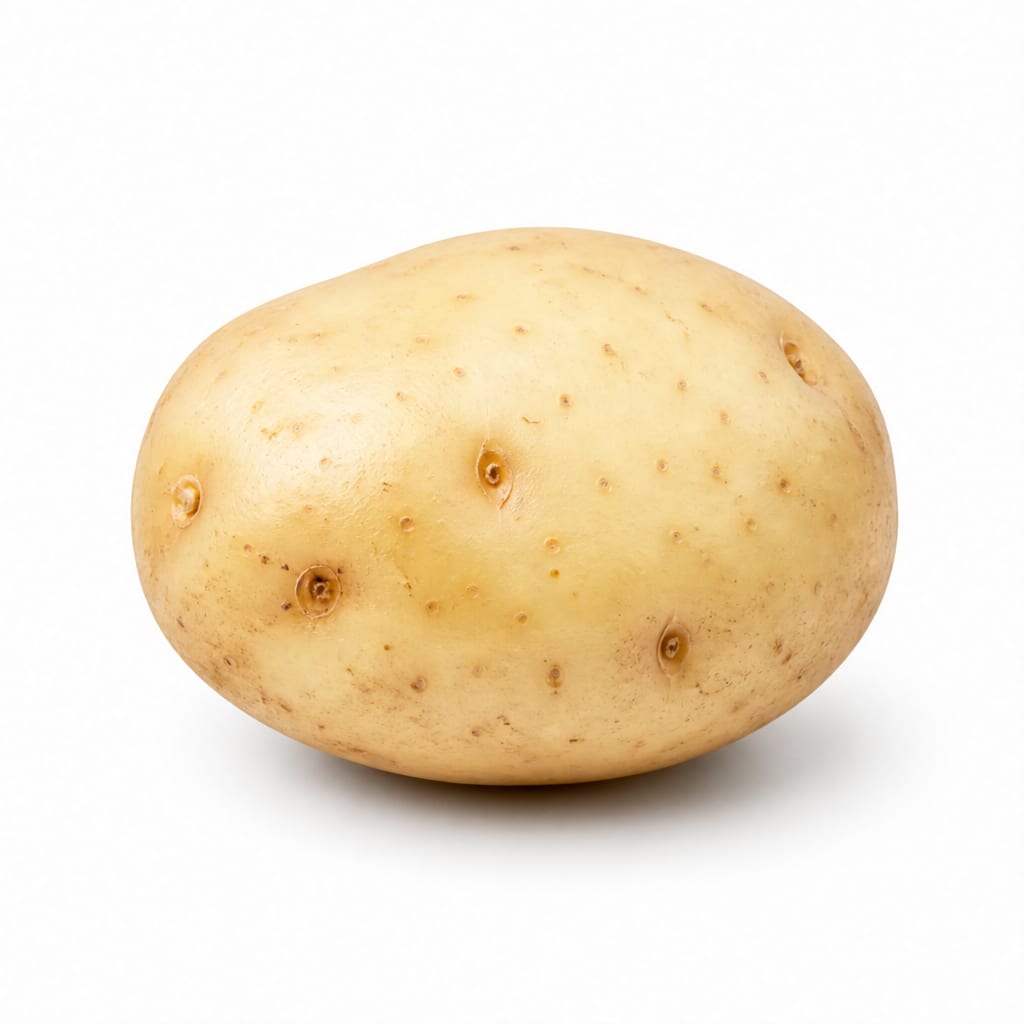
Compare with
White Potato
Yams contain more fiber and potassium and have a lower glycemic index than white potatoes, which are fluffier and higher in resistant starch when cooled.
Yams beat white potatoes for blood sugar control and fiber, but white potatoes are better for post-workout glycogen replenishment.
This food
Yam
VS75% alike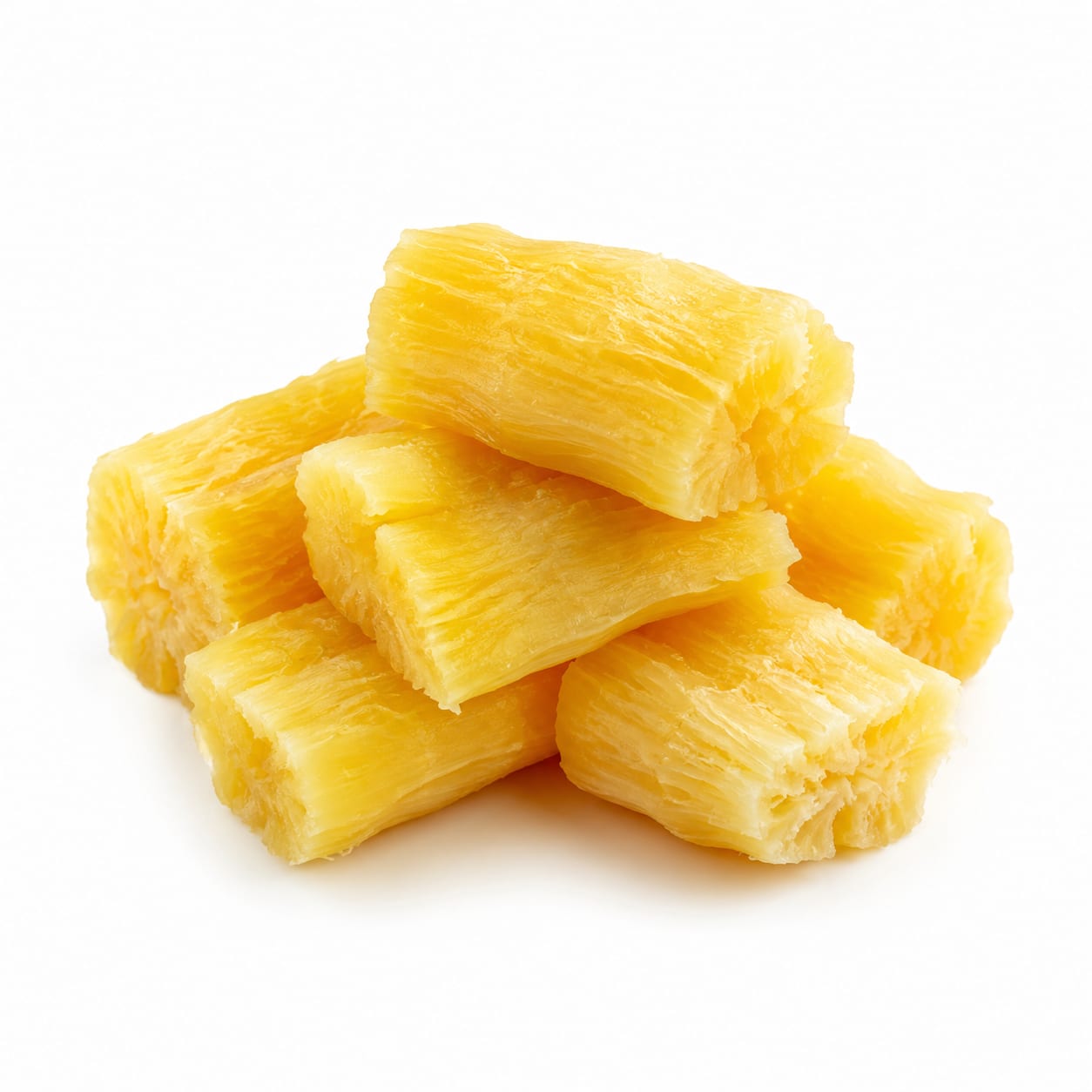
Compare with
Cassava
Cassava is higher in calories and carbohydrates but lower in fiber and protein compared to yams, making yams the more nutrient-dense option.
Yams are more nutritious and higher in fiber than cassava, which provides denser carbs for heavy fueling.
This food
Yam
VS75% alike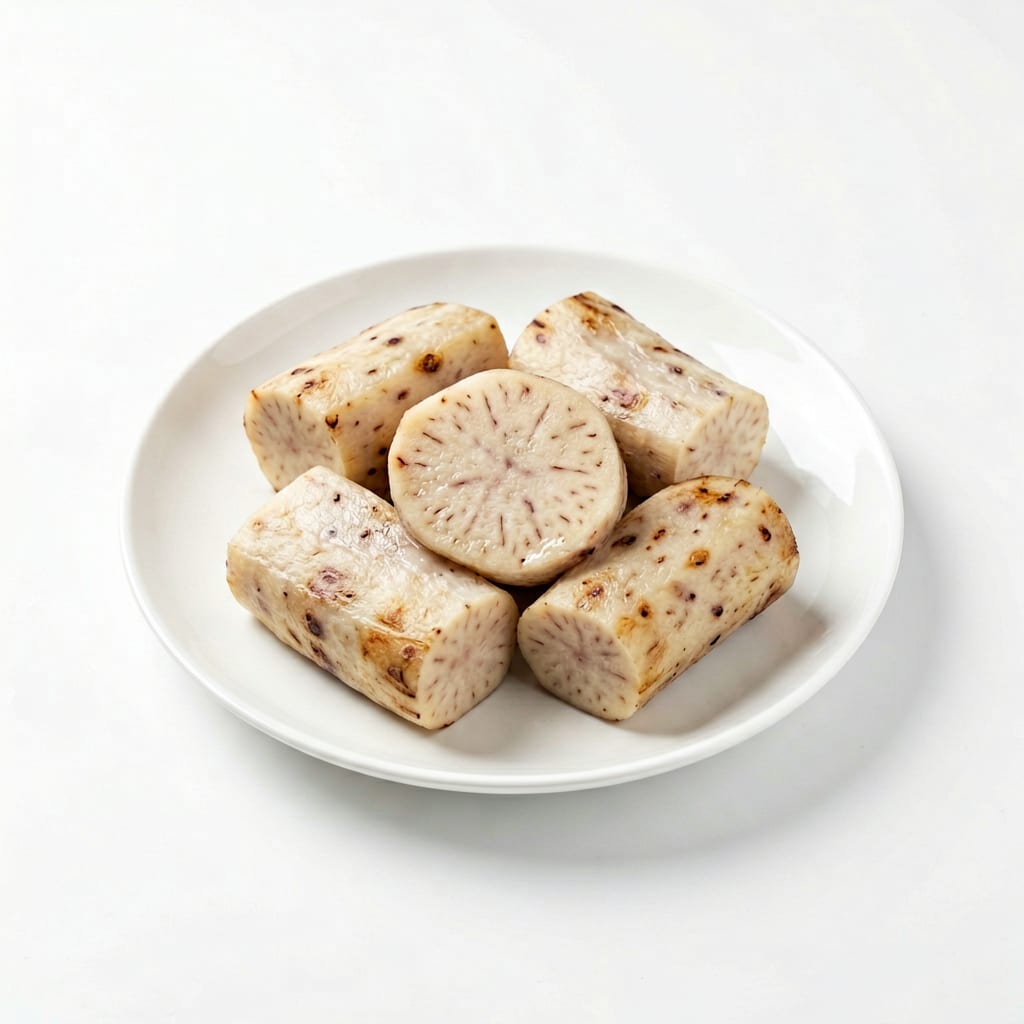
Compare with
Taro
Taro has a slightly lower calorie count and higher fiber ratio than yam, offering marginally better satiety per calorie.
Taro provides slightly fewer calories and more fiber per serving than yam, making it better for weight loss, while yams offer more potassium.
This food
Yam
VS70% alike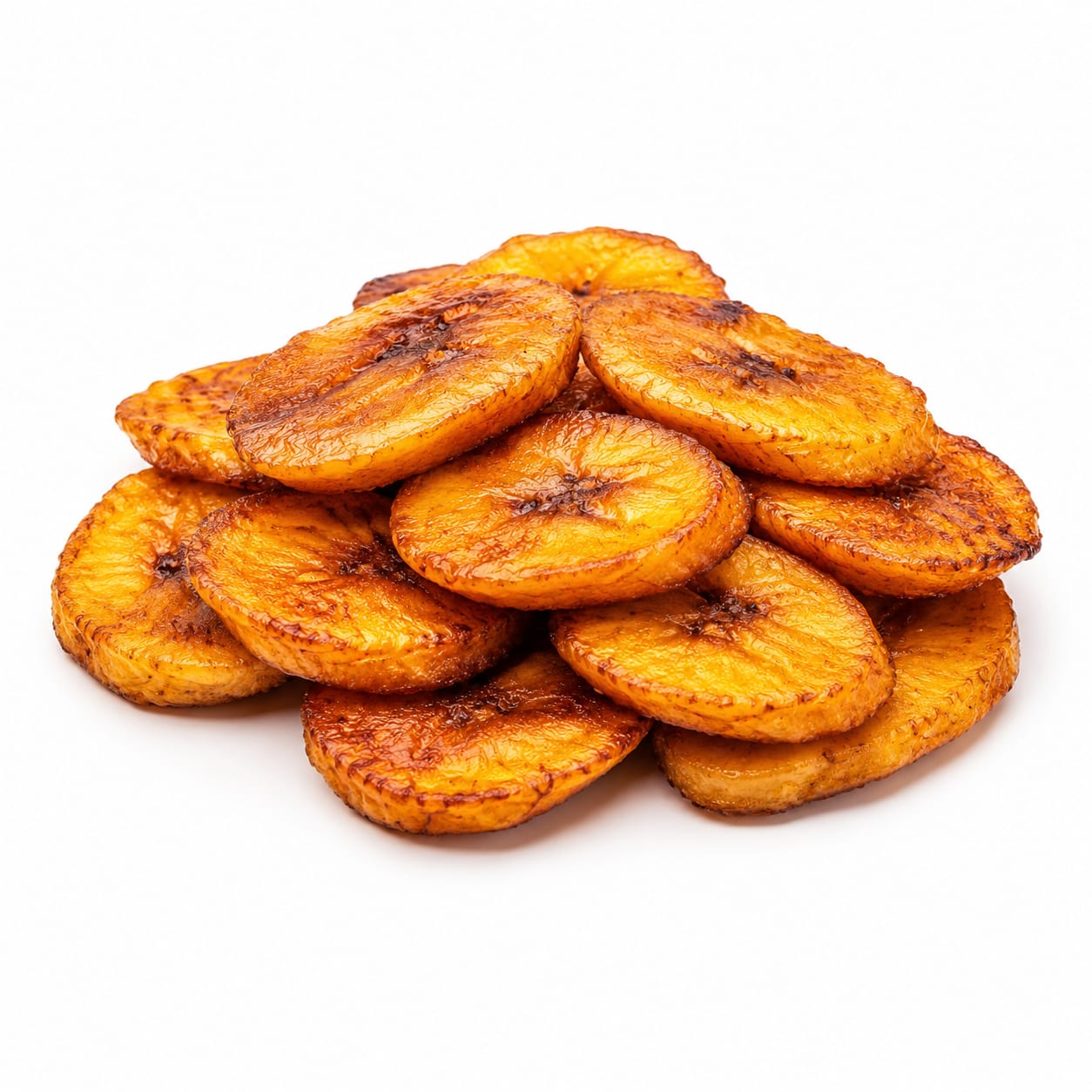
Compare with
Plantain
Plantains are a fruit higher in sugar and vitamin A, whereas yams are a root vegetable higher in fiber and potassium.
Yams are lower in sugar and higher in fiber than plantains, making them better for blood sugar management.
This food
Yam
VS60% alike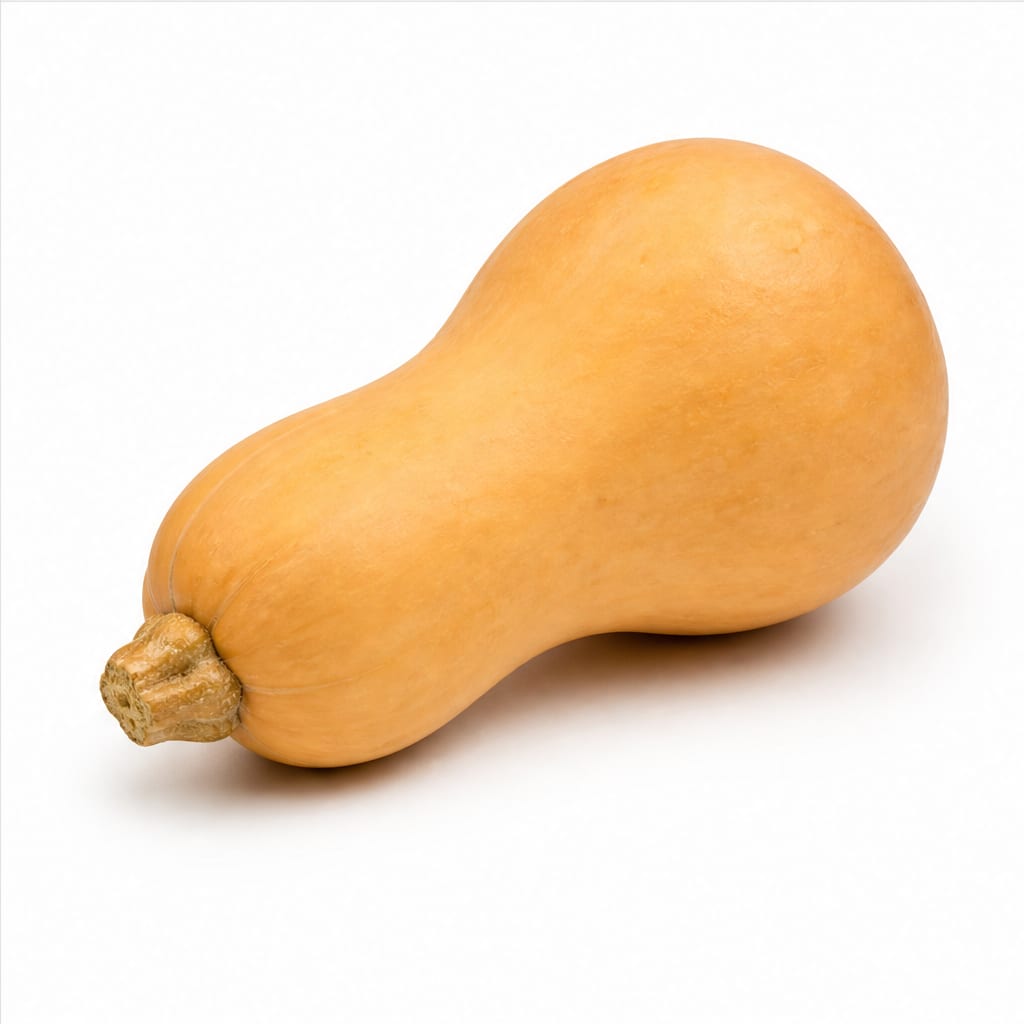
Compare with
Butternut Squash
Butternut squash is much lower in calories and carbs, offering a high-volume eating experience, while yams provide denser energy for athletes.
Butternut squash is far lower in calories and carbs than yam, making it better for weight loss, while yams provide more sustained energy.
This food
Yam
VS55% alike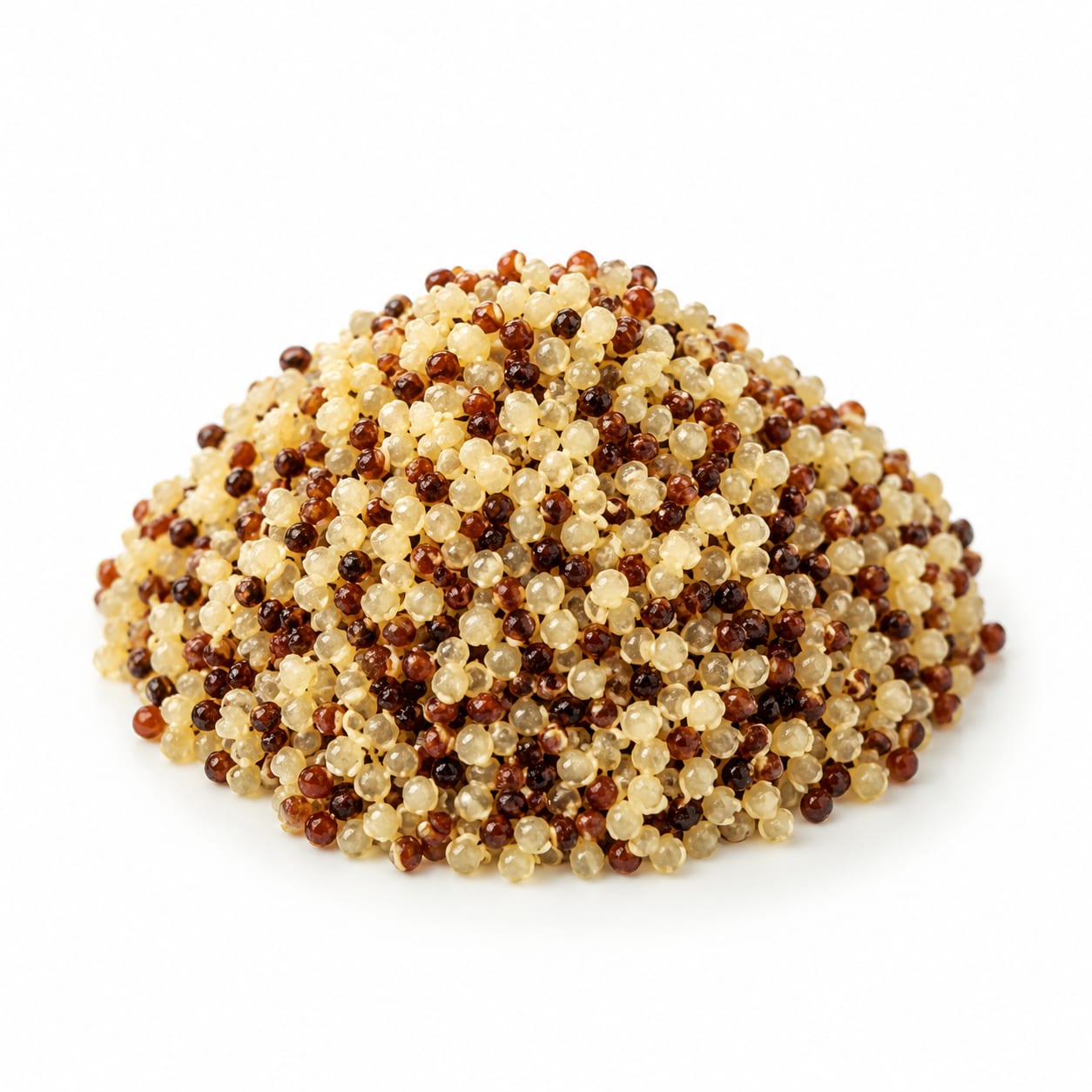
Compare with
Quinoa
Quinoa is a complete protein and higher in overall nutrients per calorie, while yams offer more potassium and complex starch for endurance.
Quinoa provides complete protein and is better for satiety, while yams offer denser complex carbs ideal for heavy physical exertion.
This food
Yam
VS55% alike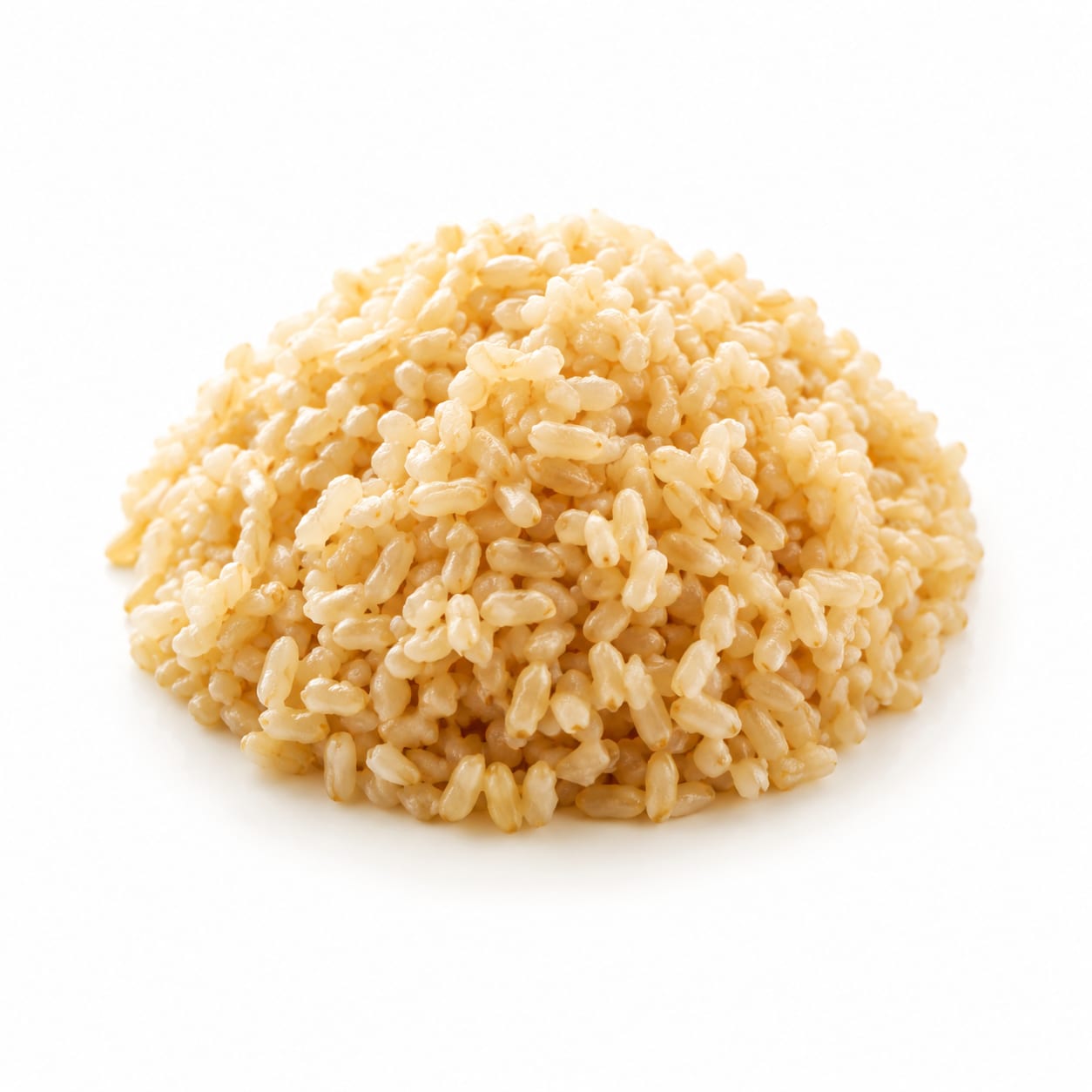
Compare with
Brown Rice
Brown rice offers more protein and a lighter texture, while yams provide significantly more potassium and a stronger satiety effect per calorie.
Yams are more filling and better for blood sugar than brown rice, though brown rice offers slightly more protein.
This food
Yam
VS55% alike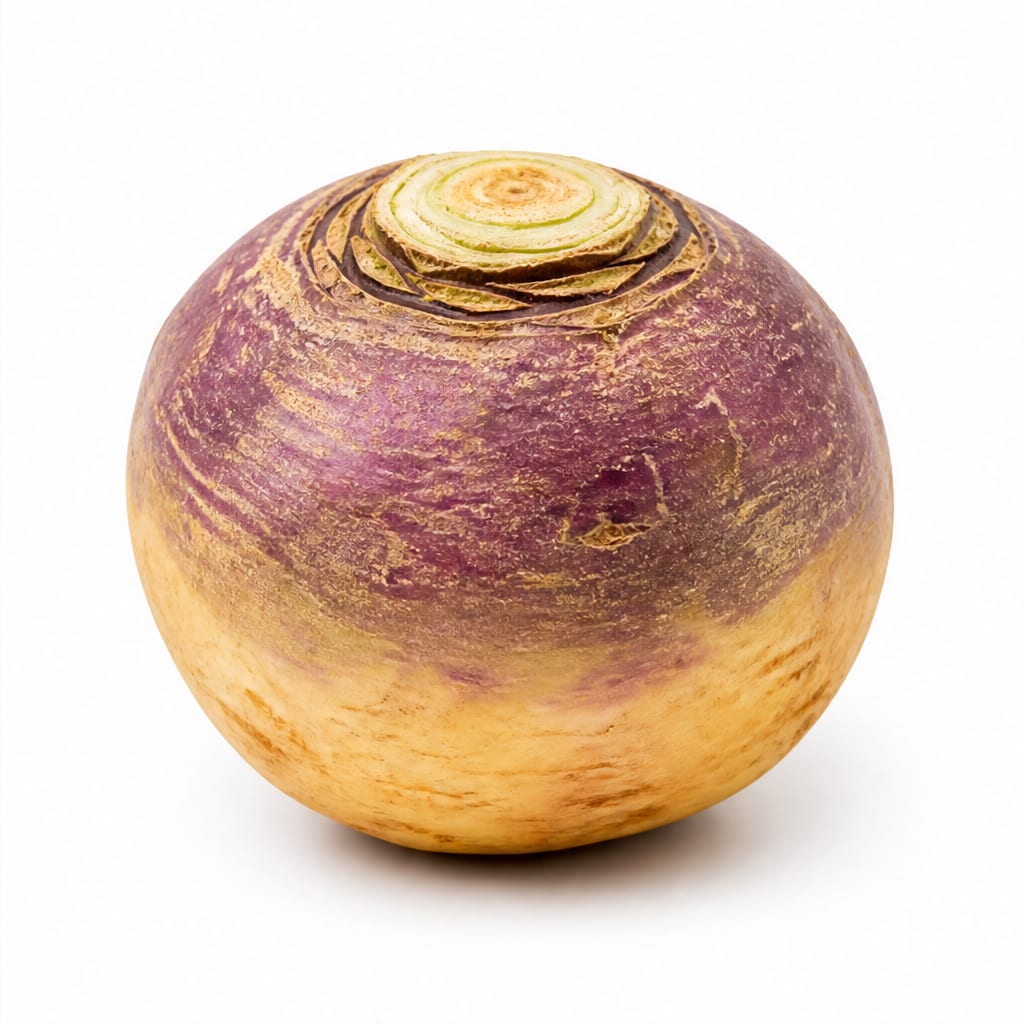
Compare with
Rutabaga
Rutabaga is much lower in calories and carbs, making it superior for low-carb diets, while yams provide more energy for athletic performance.
Rutabaga is a lower-carb, lower-calorie alternative to yam, while yams provide denser energy and more potassium for athletes.
This food
Yam
VS50% alike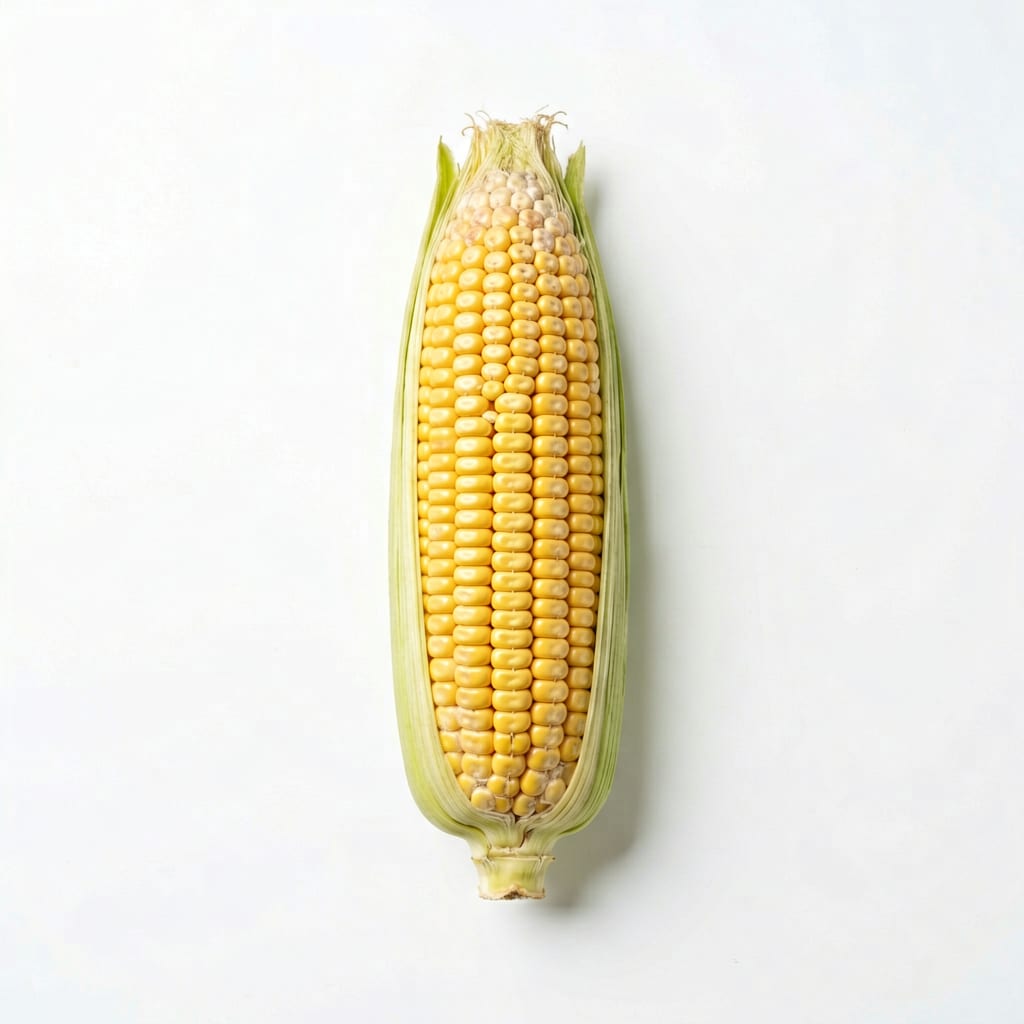
Compare with
Corn
Corn is higher in sugar and protein, while yams are higher in fiber and potassium, offering a slower energy release.
Yams are higher in fiber and lower in sugar than corn, providing a steadier source of energy and better blood sugar control.
Common questions
FAQ
Answers aligned with how people search for this food.
Are yams good for weight loss?
Yes, yams can support weight loss due to their high fiber content, which promotes satiety and helps control appetite, though portion control is needed due to their carbohydrate density.
Is yam better than potato for diabetics?
Yams generally have a lower glycemic index than white potatoes, meaning they cause a slower rise in blood sugar. However, both are high in carbs and should be portioned carefully by diabetics.
What is the difference between a yam and a sweet potato?
True yams are starchy, dry, and white-fleshed tubers from Africa, while sweet potatoes are sweeter, moister, and typically orange-fleshed. Most 'yams' in US grocery stores are actually sweet potatoes.
Does yam spike blood sugar?
Yams have a medium glycemic index, so they raise blood sugar moderately rather than causing a sharp spike, especially when boiled and cooled to increase resistant starch.
Is it safe to eat raw yam?
No, raw yams contain natural toxins like dioscorine that can cause illness. They must be peeled and cooked thoroughly before eating.
How many carbs are in a yam?
There are approximately 28 grams of carbohydrates in 100 grams of raw yam, of which about 4 grams are dietary fiber.
What does yam taste like?
True yams have a starchy, earthy, and relatively bland taste with a dry, firm texture, unlike the sweet and soft profile of sweet potatoes.
Are yams good for gut health?
Yes, yams are a good source of fiber and resistant starch, which act as prebiotics to feed beneficial gut bacteria and support healthy digestion.
Transparency
Data confidence
Estimated confidence for nutrition data, interpretation, safety notes, and comparisons.
Nutrition data
Health analysis
Food safety
Comparisons