
Nutrition comparison
Yam vs Brown Rice: Which Carb is Healthier?
Compare Yam and Brown Rice for blood sugar, weight loss, and nutrition. Find out which carb is better for your daily energy and meal prep goals.
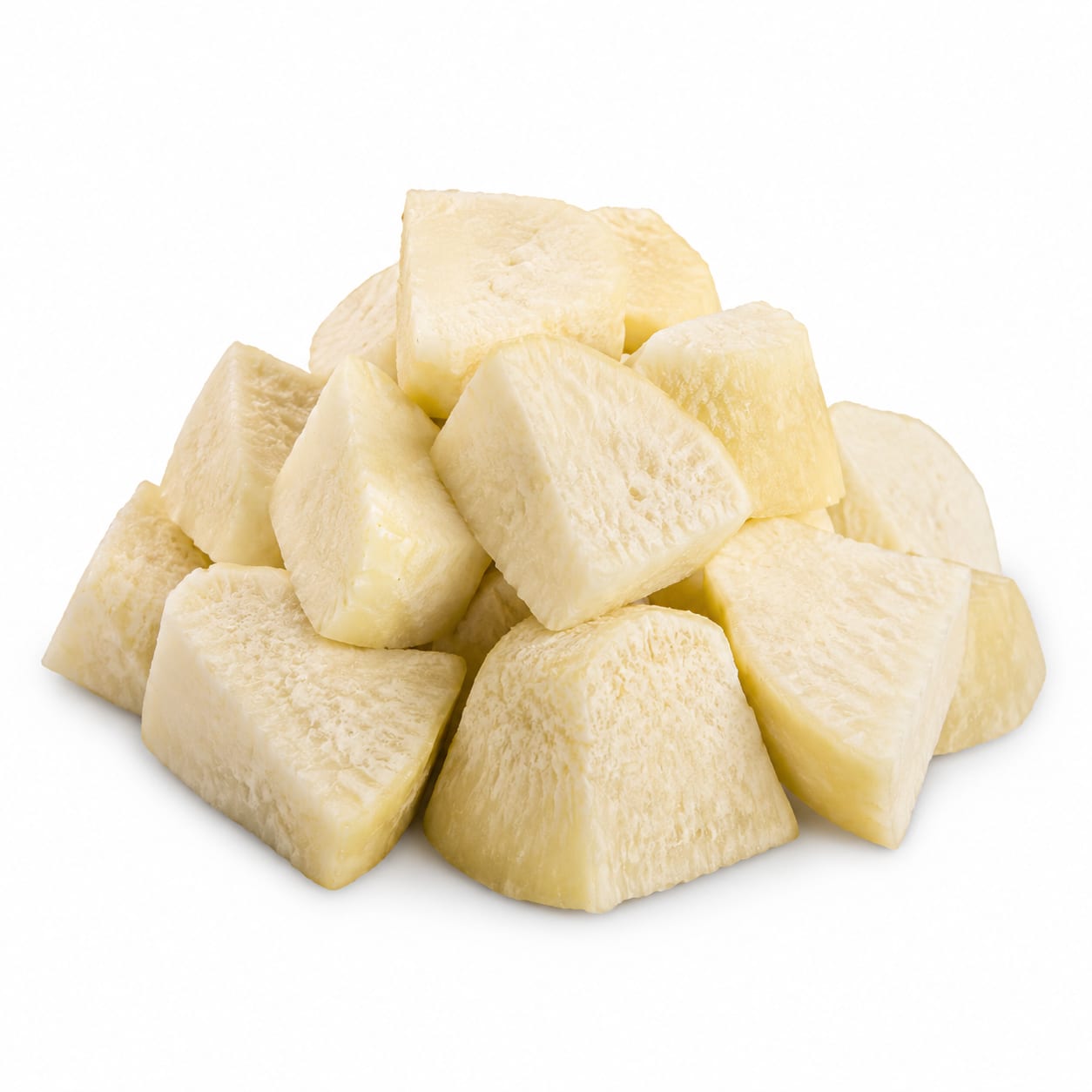
Yam
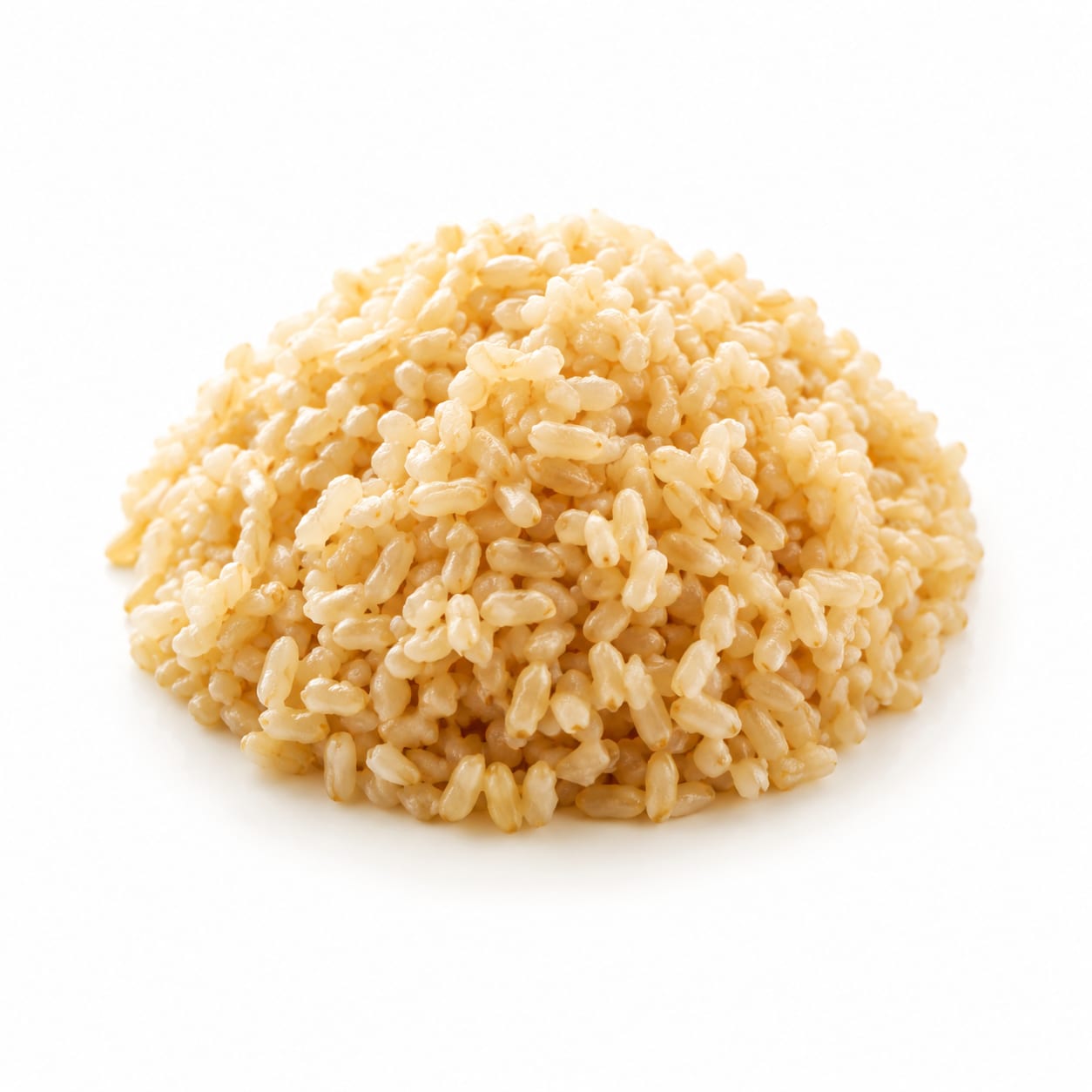
Brown Rice
Yam is better for blood sugar control and micronutrients, while Brown Rice offers more protein and easier meal prep versatility.
Yam scores slightly higher due to its lower glycemic impact and richer vitamin profile, but Brown Rice remains competitive because of its protein content and unmatched convenience.
Steadier energy and more vitamins from Yam versus higher protein and staple convenience from Brown Rice.
At a glance
Executive summary
Overall
It depends
Healthier
Yam
More practical
Brown Rice
Daily use
It depends
Key comparison lenses
blood sugar management
Carb quality and glycemic impact are the primary concerns when comparing staple carbohydrates.
daily energy and satiety
Users want to know which carb keeps them full longer and avoids the afternoon crash.
micronutrient density
Choosing a carb that offers more than just empty calories is a major priority.
meal prep convenience
Practicality dictates how often a food actually gets eaten during a busy week.
Best choice for
Yam
- People managing blood sugar or prediabetes
- Those needing easy digestion and gut comfort
- Anyone looking to increase potassium intake
Brown Rice
- Meal preppers needing a batch-cookable base
- People trying to increase plant-based protein
- Those on a tight grocery budget
Least suitable for
Yam
- Strict low-carb dieters
- People who dislike peeling and prep work
Brown Rice
- People with severe blood sugar spikes
- Those sensitive to bran or phytic acid
Deep comparison
Dimension by dimension
Each lens scores both foods and breaks down who each option suits.
- Dimension 1 · Priority 95Yam
Blood Sugar Stability
Yam · 88Brown Rice · 62Yam provides a much slower, steadier release of energy compared to Brown Rice.
Tradeoff
You get steadier energy with Yam, but Brown Rice pairs better with proteins to buffer its own glycemic impact.
Why it matters
Preventing blood sugar spikes avoids the afternoon crash and reduces long-term metabolic risk.
Real-world impact
Eating Yam instead of Brown Rice means you are less likely to feel sleepy an hour after lunch.
Yam
- Avoiding afternoon energy crashes
- Managing insulin resistance
Better for
- Immediate post-workout recovery when quick glycogen is the goal
Worse for
Brown Rice
- Post-workout carb replenishment where a faster glycogen refill is desired
Better for
- Sitting at a desk all day without moving to burn off the glucose
Worse for
- Dimension 2 · Priority 85Yam
Satiety and Fullness
Yam · 84Brown Rice · 76Yam is more filling per calorie due to its higher water and fiber content.
Tradeoff
Yam keeps you fuller longer on fewer calories, while Brown Rice is denser and easier to overeat.
Why it matters
Feeling full on fewer calories makes weight management effortless without counting.
Real-world impact
A medium baked Yam feels surprisingly filling as a side, whereas Brown Rice is easy to scoop a second serving of.
Yam
- Controlling portion sizes naturally
- Staying full between meals
Better for
- Active individuals who actually need calorie density
Worse for
Brown Rice
- Bulking up meals for heavy training days
Better for
- Late-night snacking where overeating is a risk
Worse for
- Dimension 3 · Priority 78Yam
Micronutrient Density
Yam · 82Brown Rice · 70Yam delivers more potassium and vitamin C, while Brown Rice provides more manganese and B vitamins.
Tradeoff
Yam supports blood pressure and immunity, whereas Brown Rice supports bone health and energy metabolism.
Why it matters
Getting vitamins from your carb source means your meals work harder for your health.
Real-world impact
Eating Yam helps hit your potassium goals for the day, which most people miss entirely.
Yam
- Lowering blood pressure naturally
- Supporting immune function
Better for
- Those needing a boost in B vitamins for energy
Worse for
Brown Rice
- Supporting metabolic energy production
- Maintaining bone density
Better for
- Those relying on a single carb source for potassium
Worse for
- Dimension 4 · Priority 72Brown Rice
Protein Content
Yam · 35Brown Rice · 58Brown Rice has nearly double the protein per serving compared to Yam.
Tradeoff
Brown Rice contributes meaningfully to daily protein targets, while Yam relies entirely on paired foods for protein.
Why it matters
Even small amounts of protein in carbs help with muscle maintenance and fullness.
Real-world impact
A bowl of Brown Rice and beans creates a more complete protein profile than Yam and beans alone.
Yam
- Light meals where low protein is preferred
Better for
- Vegans needing broad-spectrum amino acids
Worse for
Brown Rice
- Plant-based diets scraping for every gram of protein
- Muscle gain meal plans
Better for
- Kidney patients restricting protein
Worse for
- Dimension 5 · Priority 68Brown Rice
Practicality and Meal Prep
Yam · 55Brown Rice · 90Brown Rice is far easier to batch cook, store, and reheat throughout the week.
Tradeoff
Brown Rice saves hours of prep time, while Yam requires peeling and careful cooking to avoid sogginess.
Why it matters
Convenience often dictates what you actually eat on a busy Wednesday, not nutrition scores.
Real-world impact
You can cook a massive pot of Brown Rice on Sunday and eat it for days; Yam gets mushy and unappetizing as leftovers.
Yam
- Fresh, sit-down dinners where texture matters
Better for
- Anyone with 15 minutes or less to cook dinner
Worse for
Brown Rice
- Sunday meal prep sessions
- Quick weeknight grain bowls
Better for
- Cooking in a kitchen without a rice cooker
Worse for
Timeline
Health impact over time
Short-term
Hours to days
Yam
- Provides steady, crash-free energy
- Very easy on the stomach and digestive tract
Brown Rice
- Offers sustained fuel but can cause bloating in sensitive people
- Takes significantly longer to digest due to the bran layer
Long-term
Months to years
Yam
- Better blood sugar regulation lowers diabetes risk
- High potassium supports healthy blood pressure
Brown Rice
- Manganese and magnesium support long-term bone density
- Phytic acid may slightly reduce mineral absorption if not soaked
Risk profile
Safety & processing
Both Yam and Brown Rice are whole, minimally processed foods with no artificial additives, making them excellent foundational carbs.
Yam
Naturally occurring oxalates
lowYams contain oxalates which are usually not an issue unless you are highly prone to calcium oxalate kidney stones.
Brown Rice
Inorganic arsenic accumulation
mediumBrown Rice tends to accumulate more inorganic arsenic than other grains because it grows in flooded fields. Varying your grains is the best defense.
Who wins for whom
Audience fit
Same foods, different winners depending on your goal.
children
YamYam is sweeter, easier to digest, and lacks the arsenic concerns associated with frequent Brown Rice consumption in kids.
daily consumption
It dependsAlternating both is ideal. Yam provides better blood sugar control, while Brown Rice offers B vitamins and protein, and rotating them prevents arsenic buildup.
diabetes
YamYam has a significantly lower glycemic index, causing gentler blood sugar rises compared to Brown Rice.
elderly
YamYam is softer to chew, easier to digest, and the high potassium helps manage blood pressure in older adults.
muscle gain
Brown RiceBrown Rice provides more protein per serving and a denser carbohydrate source to help hit higher calorie targets.
weight loss
YamYam is more filling per calorie and has a lower glycemic load, making it easier to naturally control portions.
Your move
Decision guide
Choose Yam
- You want steadier energy without afternoon crashes
- You have a sensitive stomach or digestive issues
- You are actively managing blood sugar or blood pressure
Choose Brown Rice
- You need a convenient, batch-cookable carb base for the week
- You want slightly more protein in your plant-based meals
- You are bulking and need calorie-dense, easy-to-eat carbs
Either works if
- You just need a healthy, whole-food carbohydrate source
- You are building a balanced plate with plenty of veggies and protein
Avoid both if
- You are on a strict ketogenic or very low-carb diet
- You have severe carbohydrate malabsorption issues
Final recommendation
Let your schedule and blood sugar decide. Eat Yam when you have time to cook fresh and want sustained, crash-free energy. Rely on Brown Rice when you need to meal prep for a busy week. Rotating both gives you the best of both worlds while minimizing arsenic exposure from rice.
Practical
Consumer tips
- 1
Rinse Brown Rice thoroughly and cook it like pasta in excess water to reduce arsenic levels by up to 60%.
- 2
Boil Yam rather than baking it if you want to keep its glycemic index as low as possible.
- 3
Soak Brown Rice for a few hours before cooking to reduce phytic acid and improve mineral absorption.
- 4
Store cooked Brown Rice in the fridge within an hour of cooking to prevent Bacillus cereus growth, which is a common rice safety risk.