
Nutrition comparison
Yam vs Taro: Which Root Vegetable Is Healthier for You?
Compare yam and taro nutrition, blood sugar impact, fiber content, and safety. Find out which tuber is better for diabetes, weight loss, gut health, and daily eating.
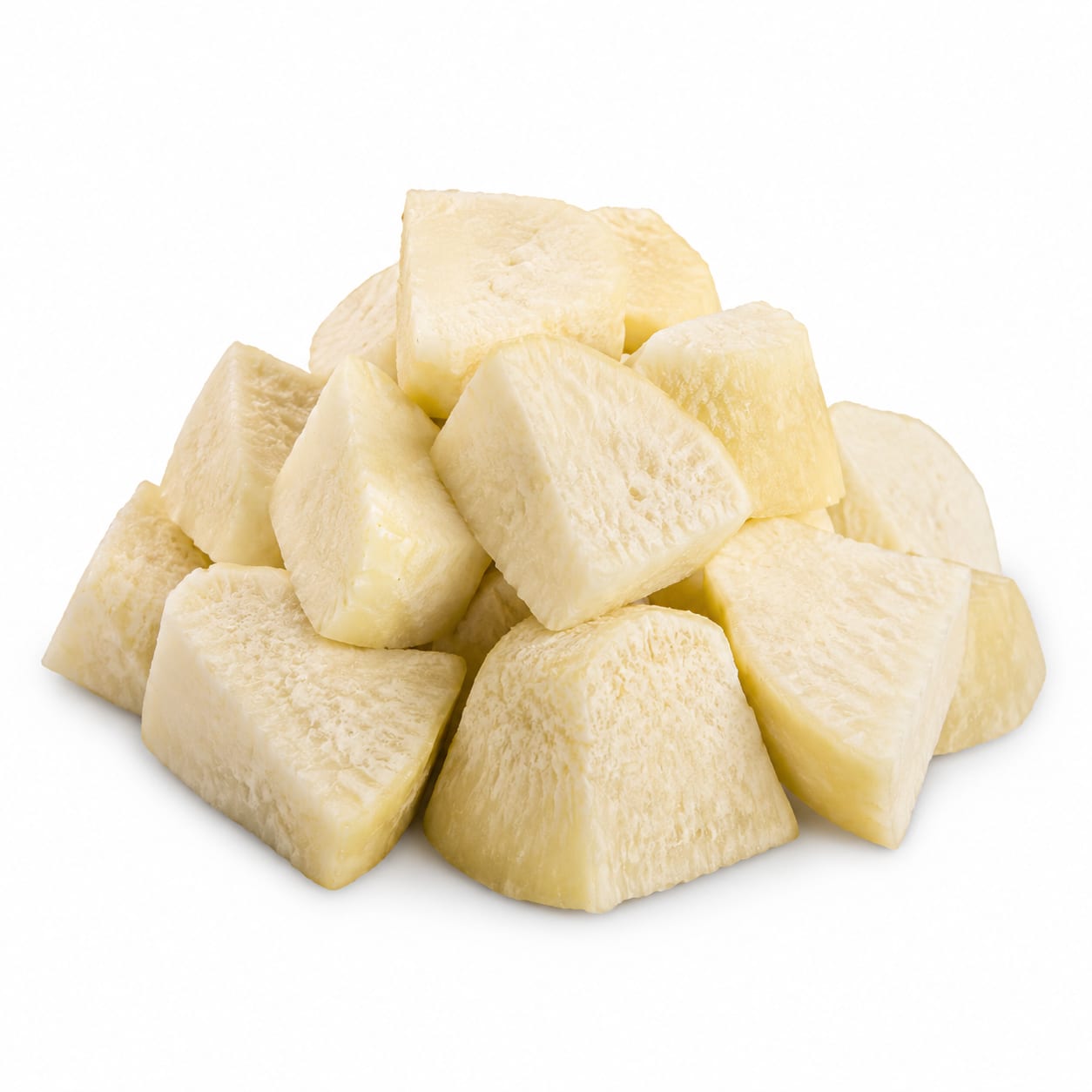
Yam
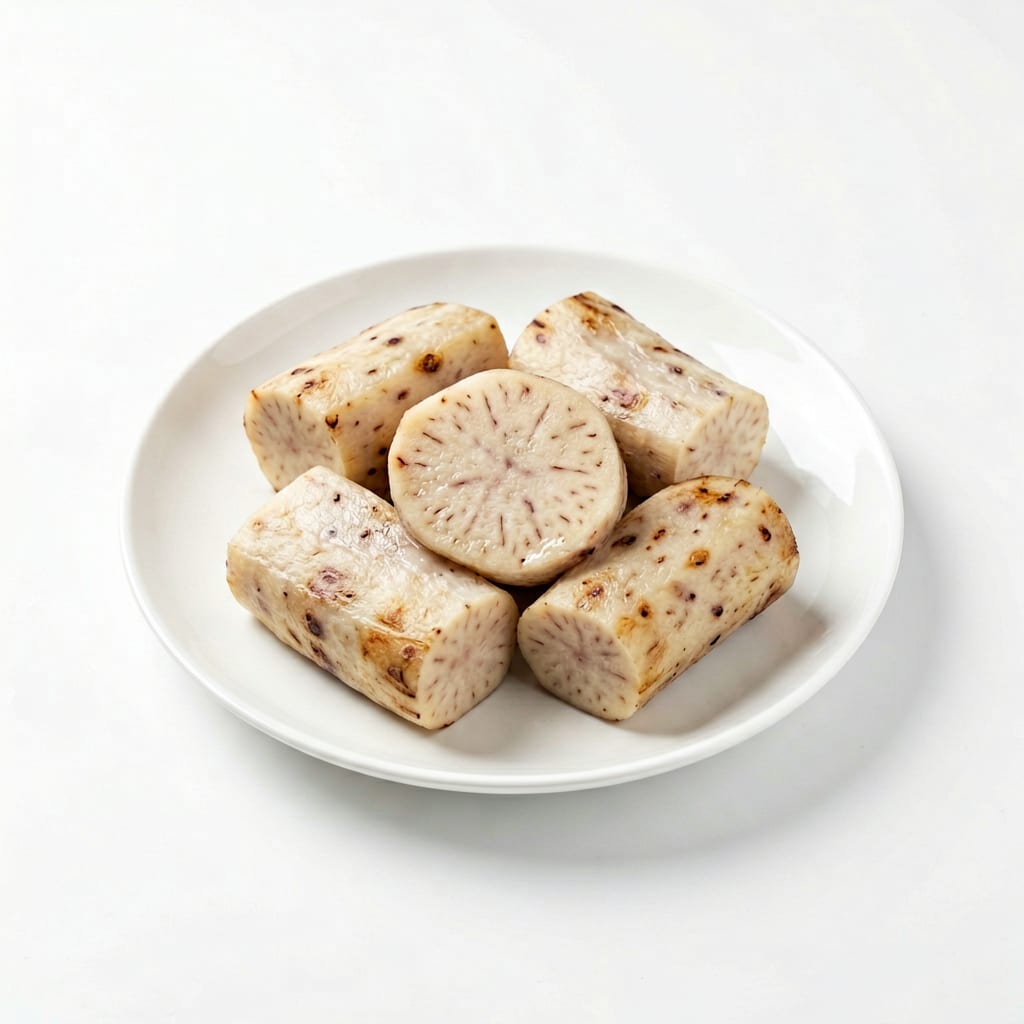
Taro
Yam wins for blood sugar control and easier digestion, while taro wins for fiber, resistant starch, and satiety. The right pick depends on your health priority.
Yam edges ahead slightly due to better blood sugar stability and fewer safety concerns during prep. Taro's fiber advantage is real but offset by oxalate risks and more demanding cooking requirements.
Yam gives you steadier energy and simpler prep; taro gives you more fullness and gut-friendly fiber but demands careful cooking to neutralize oxalates.
At a glance
Executive summary
Overall
It depends
Healthier
It depends
More practical
Yam
Daily use
Yam
Key comparison lenses
blood sugar management
Both are starchy tubers, so glycemic impact is the top concern for most people choosing between them
digestive tolerance and safety
Both contain natural toxins when raw and require proper cooking, but taro's oxalates add an extra layer of concern
weight management and satiety
Calorie density and fullness differ enough to matter for portion-conscious eaters
nutrient density tradeoffs
Each tuber shines in different micronutrients, making the choice context-dependent
culinary versatility and accessibility
Availability and preparation difficulty vary significantly by region
Best choice for
Yam
- People managing diabetes or insulin resistance
- Anyone wanting simpler, safer prep
- Those with sensitive digestion who struggle with oxalates
- Active people needing steady carb energy without crashes
Taro
- People prioritizing gut health and microbiome support
- Anyone wanting more filling meals with fewer calories
- Those who enjoy Asian or Pacific Island cuisine traditions
- People looking to increase resistant starch intake
Least suitable for
Yam
- People seeking high-fiber, gut-nourishing carbs
- Anyone bored by milder flavors wanting more culinary depth
Taro
- People with kidney stones or oxalate sensitivity
- Anyone impatient with longer cooking times and careful prep
- Those with histamine or itchiness reactions to taro
Deep comparison
Dimension by dimension
Each lens scores both foods and breaks down who each option suits.
- Dimension 1 · Priority 92Yam
blood sugar stability
Yam · 78Taro · 62Yam has a lower glycemic index, causing slower, steadier blood sugar rises compared to taro.
Tradeoff
Taro's resistant starch partially offsets its higher GI, but yam still delivers more predictable energy without the crash risk.
Why it matters
If you're watching blood sugar — whether for diabetes, PCOS, or steady energy — yam is the safer bet.
Real-world impact
A yam lunch keeps you going until dinner. Taro might leave you reaching for a snack an hour earlier.
Yam
- Diabetics and pre-diabetics
- Afternoon energy crash sufferers
- Anyone doing intermittent fasting
Better for
- Situations needing rapid carb replenishment
Worse for
Taro
- Post-workout recovery when quick glycogen refill is desired
Better for
- Sedentary evenings when blood sugar spikes linger
- Morning meals for insulin-resistant individuals
Worse for
- Dimension 2 · Priority 88Taro
fiber and gut health
Yam · 65Taro · 84Taro packs significantly more fiber and resistant starch, feeding gut bacteria and improving digestion over time.
Tradeoff
That fiber advantage comes with oxalates that can irritate sensitive digestive systems, partially canceling the gut benefit for some people.
Why it matters
Resistant starch acts like soluble fiber, nourishing your microbiome and improving metabolic health in ways regular fiber cannot.
Real-world impact
Regular taro eaters often notice better bowel regularity and less bloating — unless oxalates trigger their issues instead.
Yam
- People with oxalate-sensitive guts
- Anyone transitioning to more fiber who needs a gentler start
Better for
- Chronic constipation sufferers needing more roughage
Worse for
Taro
- Microbiome optimization enthusiasts
- Anyone struggling with constipation
- People wanting to feel full longer on less food
Better for
- People prone to kidney stones
- Those with oxalate-related joint pain
Worse for
- Dimension 3 · Priority 80Taro
satiety and portion control
Yam · 68Taro · 80Taro's higher fiber and resistant starch make it more filling per calorie, helping you eat less overall.
Tradeoff
Yam's lighter texture feels less heavy in the stomach, which some people prefer during active hours or hot weather.
Why it matters
Feeling full on fewer calories is one of the most practical levers for weight management without counting.
Real-world impact
A taro bowl at noon can easily carry you to 6pm. A yam bowl might have you eyeing snacks by 4pm.
Yam
- Light lunch eaters who hate feeling sluggish
- Hot-climate meals where heaviness feels uncomfortable
Better for
- Emotional eaters who need physical fullness cues
Worse for
Taro
- Weight loss dieters needing satiety
- Shift workers with long gaps between meals
Better for
- Pre-workout meals where feeling too full hurts performance
Worse for
- Dimension 4 · Priority 85Yam
safety and preparation ease
Yam · 82Taro · 58Both must be cooked, but taro's oxalates demand more careful handling and longer cooking to avoid throat irritation.
Tradeoff
Yam still requires thorough cooking to neutralize dioscorine, but the margin for error is wider and reactions are rarer.
Why it matters
Improperly prepared taro causes immediate mouth and throat itching — a scary experience that discourages repeat cooking.
Real-world impact
Most home cooks can handle yam confidently after one explanation. Taro often requires a few failed attempts before getting it right.
Yam
- Beginner cooks
- Busy parents needing quick safe prep
- Meal preppers who batch-cook on weekends
Better for
- No significant safety disadvantage vs taro
Worse for
Taro
- Experienced cooks familiar with taro traditions
- Anyone with access to pre-cooked taro products
Better for
- First-time root vegetable cooks
- Anyone with skin sensitivity to raw taro handling
Worse for
- Dimension 5 · Priority 72It depends
micronutrient profile
Yam · 73Taro · 75Yam delivers more vitamin C and B6, while taro offers more vitamin E, potassium, and manganese. It's a tie with different strengths.
Tradeoff
Neither is a micronutrient powerhouse — you're eating these for energy and fiber, not vitamin supplementation.
Why it matters
If your diet is already low in a specific nutrient, the tuber that supplies more of it becomes the smarter choice.
Real-world impact
Yam supports immune function and energy metabolism. Taro supports antioxidant defense and bone health. Both contribute, just differently.
Yam
- People low in vitamin C or B6
- Anyone recovering from illness needing immune support
Better for
- Those specifically targeting potassium intake
Worse for
Taro
- People needing more potassium for blood pressure
- Anyone wanting antioxidant support from vitamin E
Better for
- Anyone relying on food for vitamin C intake
Worse for
Timeline
Health impact over time
Short-term
Hours to days
Yam
- Steady energy without sharp blood sugar spikes
- Mild digestive comfort with low irritation risk
- Slight diuretic effect from potassium content
Taro
- Noticeable fullness and delayed hunger
- Potential throat or skin irritation if undercooked
- Possible bloating if your gut adjusts to higher resistant starch
Long-term
Months to years
Yam
- Better blood sugar regulation with regular consumption
- Consistent energy metabolism support from B6
- Lower oxalate exposure reduces kidney stone risk
Taro
- Improved microbiome diversity from resistant starch
- Better bowel regularity and reduced constipation
- Potential kidney stone risk if oxalates accumulate and hydration is low
Risk profile
Safety & processing
Both yam and taro are whole, unprocessed root vegetables sold in their natural state. Neither carries additive concerns when purchased fresh.
Yam
Dioscorine toxicity from raw consumption
mediumRaw yam contains dioscorine, a natural toxin that can cause nausea and dizziness. Thorough cooking eliminates this risk completely.
Wild yam misidentification
lowSome wild yam species are not edible. Store-bought yam is safe, but foraging carries misidentification risk.
Taro
Oxalate throat and skin irritation
highRaw or undercooked taro contains calcium oxalate crystals that cause immediate burning, itching, and throat swelling. Must be cooked thoroughly — often boiled for 15+ minutes.
Kidney stone promotion with regular intake
mediumEven cooked taro retains some oxalates. Regular consumption by susceptible individuals may contribute to calcium oxalate kidney stones.
Skin irritation during handling
mediumPeeling raw taro can cause itchy hands and skin irritation. Gloves are recommended during prep.
Who wins for whom
Audience fit
Same foods, different winners depending on your goal.
children
YamSimpler prep, no oxalate risks, and milder flavor make yam more practical and safer for kids' meals.
daily consumption
YamFewer safety concerns, easier prep, and better blood sugar stability make yam more sustainable as an everyday staple.
diabetes
YamLower glycemic index and more predictable blood sugar response make yam the clearly safer choice for glucose management.
elderly
YamEasier digestion, lower kidney stone risk, and softer texture when cooked make yam more appropriate for aging bodies.
muscle gain
YamYam's faster-digesting carbs make it more useful around workouts, and its B6 content supports protein metabolism.
weight loss
TaroTaro's higher fiber and resistant starch create stronger fullness signals, making it easier to eat less throughout the day.
Your move
Decision guide
Choose Yam
- You're managing blood sugar, diabetes, or insulin resistance
- You want a root vegetable that's simple and safe to prepare
- You have kidney stone history or oxalate sensitivity
- You need steady energy for active days without crashes
- You're cooking for kids or elderly family members
Choose Taro
- Gut health and microbiome support are your top priority
- You want maximum fullness from your carb sources
- You don't mind careful prep and longer cooking times
- You enjoy traditional Asian or Pacific Island recipes
- You're constipation-prone and need more resistant starch
Either works if
- You're simply looking for a whole-food carb alternative to rice or bread
- You want variety in your root vegetable rotation
- Your diet is already well-balanced and neither poses specific risks
Avoid both if
- You're following a strict low-carb or ketogenic diet
- You have severe digestive issues that make all starchy tubers uncomfortable
- You're allergic to either plant family
Final recommendation
For most people, yam is the safer daily staple thanks to easier prep and better blood sugar behavior. Add taro as an occasional guest when you want more fiber variety — just cook it thoroughly and stay hydrated to manage oxalates.
Practical
Consumer tips
- 1
Wear gloves when peeling taro to avoid skin irritation from oxalate crystals
- 2
Boil taro for at least 15 minutes before using in any recipe to ensure oxalate neutralization
- 3
Yam can be boiled, roasted, or mashed — all methods effectively eliminate dioscorine
- 4
If taro makes your throat tingle even slightly, it needs more cooking time — do not push through it
- 5
Store both in a cool, dark, dry place — never the refrigerator, which damages texture and flavor
- 6
Rotate between yam and taro weekly to get the micronutrient benefits of both without overexposing yourself to oxalates
- 7
Pair either tuber with a protein and healthy fat to further slow digestion and stabilize blood sugar