
Nutrition comparison
Sweet Potato vs Yam: Nutrition, Blood Sugar, and Health Comparison
Sweet Potato delivers far more vitamin A and fewer calories. Yam offers steadier blood sugar and more gut-friendly resistant starch. Learn which is better for your goals.
Overall winner · Sweet Potato
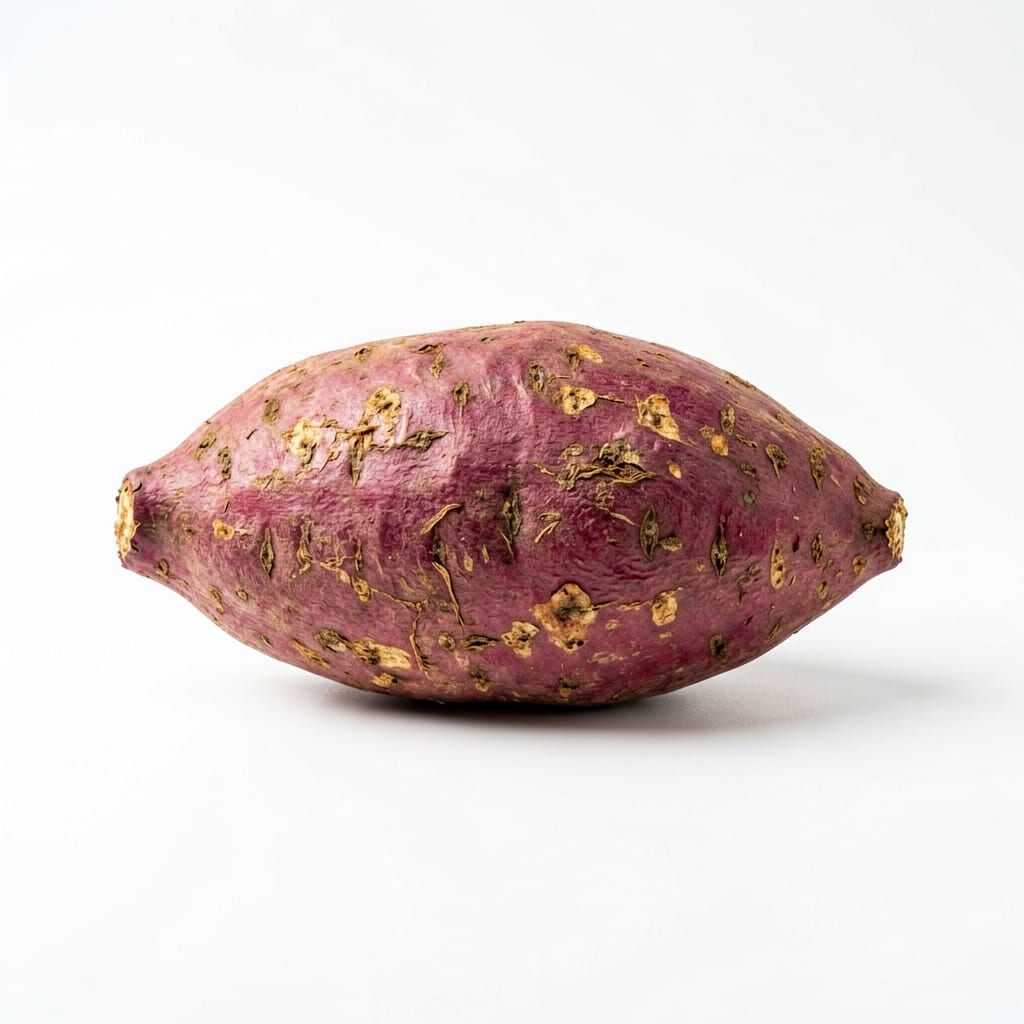
Sweet Potato
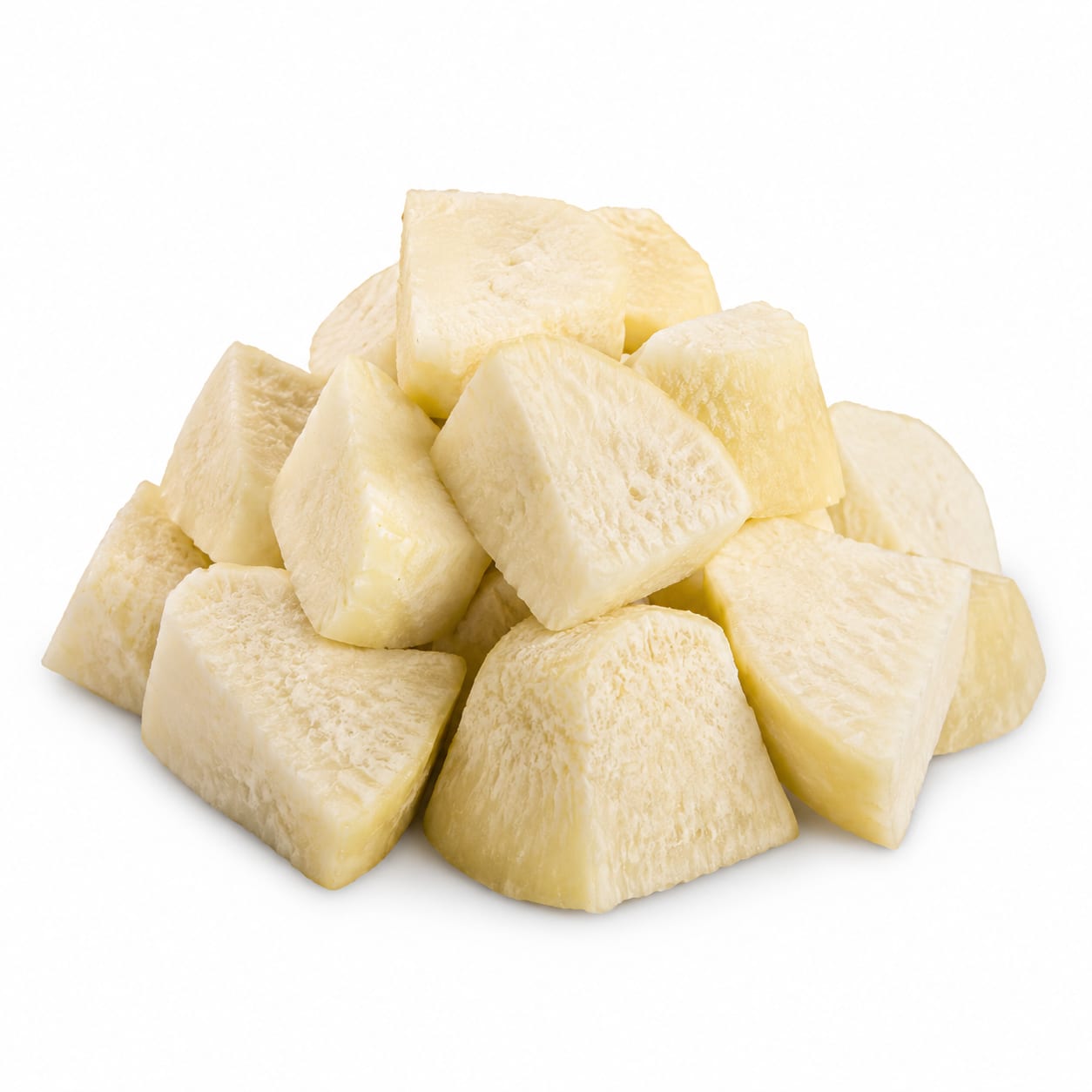
Yam
Sweet Potato wins for most people thanks to its massive vitamin A advantage, lower calorie density, and broader culinary versatility. Yam holds its own for gut health and blood sugar stability.
Sweet Potato scores higher primarily due to its exceptional vitamin A content, lower calorie density, and wider availability. Yam stays competitive with better blood sugar stability and gut-friendly resistant starch, but its nutritional profile is narrower.
Sweet Potato gives you far more beta-carotene and fewer calories, while Yam delivers steadier blood sugar and more resistant starch for gut health.
At a glance
Executive summary
Overall
Sweet Potato
Healthier
Sweet Potato
More practical
Sweet Potato
Daily use
Sweet Potato
Key comparison lenses
blood sugar management and glycemic impact
Both are starchy tubers with different glycemic profiles that directly affect energy and diabetes risk
vitamin A and antioxidant intake
Sweet Potato is one of the richest beta-carotene sources worldwide; Yams offer almost none
culinary confusion and mislabeling awareness
Most 'yams' sold in US grocery stores are actually sweet potatoes; consumers may not know what they are eating
digestive health and resistant starch benefits
Yams contain notable resistant starch and different fiber types that feed gut bacteria differently
weight management and satiety
Calorie density and fullness differ enough to matter for portion-conscious eaters
Best choice for
Sweet Potato
- People wanting vitamin A and antioxidant support
- Anyone tracking calories or managing weight
- Families seeking kid-friendly vegetable options
- Those who want quick cooking and easy prep
Yam
- People managing diabetes or insulin resistance
- Those focused on gut health and microbiome diversity
- Athletes needing sustained slow-release energy
- Anyone following traditional African or Caribbean recipes
Least suitable for
Sweet Potato
- People strictly limiting sugar intake even from whole foods
- Those with beta-carotene sensitivity or carotenemia concerns
Yam
- People who need easy-to-find grocery staples in typical US stores
- Anyone wanting quick-cooking weeknight sides
Deep comparison
Dimension by dimension
Each lens scores both foods and breaks down who each option suits.
- Dimension 1 · Priority 92Sweet Potato
Vitamin A and Antioxidant Power
Sweet Potato · 97Yam · 12Sweet Potato dominates with up to 400% of daily vitamin A per serving. Yams provide almost no beta-carotene.
Tradeoff
Choosing Yam means missing out on one of the easiest ways to hit your vitamin A targets from a single food.
Why it matters
Vitamin A supports vision, immune function, and skin health. Most people do not get enough, and Sweet Potato is one of the best whole-food sources.
Real-world impact
One medium baked Sweet Potato covers your entire day's vitamin A. You would need to eat several Yams and still get essentially zero.
Sweet Potato
- Eye health and night vision support
- Immune system reinforcement
- Skin clarity and repair
Better for
Yam
- Vision and immune support from beta-carotene
- Antioxidant protection from orange pigments
Worse for
- Dimension 2 · Priority 88Yam
Blood Sugar Stability
Sweet Potato · 62Yam · 78Yams have a lower glycemic index and more resistant starch, leading to slower glucose release and steadier energy.
Tradeoff
Sweet Potato raises blood sugar faster, especially when baked or roasted. Yam keeps things more stable but tastes less sweet and rewarding.
Why it matters
For anyone with insulin resistance, prediabetes, or energy crashes after meals, this difference is daily-life noticeable.
Real-world impact
A Yam-based meal leaves you with fewer afternoon energy dips. Sweet Potato may cause a quicker rise and fall, especially in larger portions.
Sweet Potato
- Post-meal blood sugar spikes in sensitive individuals
- Faster return of hunger after large portions
Worse for
Yam
- Steadier energy without crashes
- Better glycemic control for diabetics
- Less insulin spiking after meals
Better for
- Dimension 3 · Priority 80Yam
Gut Health and Digestive Benefits
Sweet Potato · 68Yam · 82Yams contain more resistant starch and unique prebiotic fibers that feed beneficial gut bacteria more effectively.
Tradeoff
Sweet Potato offers good fiber too, but Yam's resistant starch profile is superior for microbiome health, especially when cooled after cooking.
Why it matters
Resistant starch acts like soluble fiber, feeding good bacteria and producing butyrate, which protects the colon lining.
Real-world impact
Eating cooled Yam leftovers gives your gut bacteria a feast. Sweet Potato helps too, but the resistant starch boost is smaller.
Sweet Potato
- Less resistant starch available for gut bacteria
Worse for
Yam
- More resistant starch for beneficial bacteria
- Better butyrate production for colon health
- Improved digestive regularity with consistent intake
Better for
- Dimension 4 · Priority 75Sweet Potato
Calorie Density and Weight Management
Sweet Potato · 82Yam · 65Sweet Potato has roughly 30% fewer calories per serving than Yam, making it easier to fit into calorie-conscious eating.
Tradeoff
Yam is more filling per serving due to its starch density, but the extra calories add up if you are not paying attention to portions.
Why it matters
For anyone tracking intake, Sweet Potato lets you eat a larger volume for fewer calories, which helps with satisfaction and adherence.
Real-world impact
A medium Sweet Potato runs about 100 calories. A similar-sized Yam can hit 140-160. That difference compounds over a week.
Sweet Potato
- Larger portions for fewer calories
- Easier to fit into calorie targets
- Less risk of accidental overconsumption
Better for
Yam
- Greater satiety per serving for some eaters
Better for
- Higher calorie density requiring more portion awareness
Worse for
- Dimension 5 · Priority 72Sweet Potato
Culinary Versatility and Convenience
Sweet Potato · 88Yam · 55Sweet Potato works in sweet and savory dishes, cooks faster, and is available everywhere. Yam requires more effort and is harder to find in standard US grocery stores.
Tradeoff
Yam offers a unique fluffy, starchy texture for specific traditional dishes, but most home cooks will reach for Sweet Potato more often.
Why it matters
The best healthy food is the one you actually prepare and eat regularly. Convenience drives consistency.
Real-world impact
Sweet Potato can be microwaved in 5 minutes, roasted, mashed, or baked into desserts. Yam typically needs peeling, longer cooking, and recipe-specific knowledge.
Sweet Potato
- Quick microwave and toaster oven meals
- Sweet and savory recipe flexibility
- Easy to find in any grocery store
Better for
Yam
- Authentic traditional African and Caribbean dishes
- Hearty stews and porridges needing starchy texture
Better for
- Quick weeknight side dishes
- Recipes requiring readily available ingredients
Worse for
- Dimension 6 · Priority 65Yam
Mineral Content and Electrolytes
Sweet Potato · 60Yam · 75Yams provide more potassium and manganese per serving, supporting hydration and bone health.
Tradeoff
Sweet Potato still offers decent potassium, but Yam delivers a stronger mineral profile overall.
Why it matters
Potassium helps with blood pressure regulation and muscle cramps. Many people fall short on daily intake.
Real-world impact
Active individuals and those who sweat heavily may benefit more from Yam's higher potassium for recovery.
Sweet Potato
- Lower potassium per serving compared to Yam
Worse for
Yam
- Post-workout electrolyte replenishment
- Blood pressure support from higher potassium
- Bone health from manganese content
Better for
Timeline
Health impact over time
Short-term
Hours to days
Sweet Potato
- Quick energy from natural sugars with moderate glycemic rise
- Noticeable satiety from fiber content
- Orange skin glow possible with very high intake over weeks
Yam
- Steady sustained energy without sharp blood sugar peaks
- Fullness from dense starchy texture
- Mild digestive adjustment if not used to high resistant starch intake
Long-term
Months to years
Sweet Potato
- Strong vitamin A status supporting vision and immunity over decades
- Antioxidant protection against cellular aging
- Consistent fiber intake supporting heart health
Yam
- Improved gut microbiome diversity from resistant starch
- Better long-term glycemic control reducing diabetes risk
- Mineral support for bone density and cardiovascular function
Risk profile
Safety & processing
Both Sweet Potato and Yam are whole, unprocessed root vegetables. Neither carries additive concerns in their natural form. The main risk comes from packaged versions like canned Sweet Potato casserole with added syrup or frozen Yam fries with industrial coatings.
Sweet Potato
Mislabeling at grocery stores
mediumMost 'yams' sold in American supermarkets are actually Sweet Potatoes. This causes confusion about what you are actually eating and its nutritional profile.
Mold and spoilage
lowSweet Potatoes are prone to soft rot and mold if stored in damp or cold conditions. Discard any with green spots or mushy areas.
Yam
Wild yam toxicity
highSome wild yam species contain dioscorine, a toxic alkaloid. Proper cooking and sourcing cultivated varieties from reputable suppliers eliminates this risk.
Oxalate content
lowYams contain moderate oxalates. People with kidney stone history should moderate intake and ensure adequate hydration.
Undercooking
mediumCertain yam varieties must be cooked thoroughly to neutralize naturally occurring compounds that can cause throat irritation and digestive discomfort if eaten raw.
Who wins for whom
Audience fit
Same foods, different winners depending on your goal.
children
Sweet PotatoSweet Potato's natural sweetness, soft texture, and massive vitamin A content make it ideal for growing kids who often prefer sweeter flavors.
daily consumption
Sweet PotatoSweet Potato's broader nutrient range, easier preparation, and wider availability make it more sustainable as a daily staple for most people.
diabetes
YamLower glycemic index and more resistant starch make Yam gentler on blood sugar, reducing post-meal glucose spikes.
elderly
Sweet PotatoVitamin A support for aging eyes, softer texture when cooked, and broader nutrient density benefit older adults more than Yam's starch-heavy profile.
muscle gain
YamYam's higher carbohydrate content and slower glucose release provide sustained fuel for training and glycogen replenishment.
weight loss
Sweet PotatoSweet Potato provides fewer calories per serving with strong fiber and vitamin A, making it easier to stay within targets while feeling satisfied.
Your move
Decision guide
Choose Sweet Potato
- You want maximum vitamin A from a single whole food
- You are watching calories or managing your weight
- You need quick-cooking weeknight options
- You are feeding kids who prefer sweeter flavors
- You want something easy to find at any grocery store
Choose Yam
- You are managing diabetes or insulin resistance
- Gut health and microbiome diversity are top priorities
- You are an athlete needing sustained carbohydrate fuel
- You cook traditional West African or Caribbean cuisine
- You want the steadiest possible blood sugar response from a starchy food
Either works if
- You just need a healthy carb source and both are available
- You rotate starches for dietary variety
- You are meal prepping and want to alternate between flavors
Avoid both if
- You are on a strict very-low-carb or ketogenic diet
- You have severe oxalate sensitivity or kidney stone issues requiring low-oxalate intake
Final recommendation
For most people, Sweet Potato is the better everyday choice thanks to its unmatched vitamin A content, lower calories, and kitchen convenience. Choose Yam when blood sugar stability or gut health is your top priority, or when cooking traditional recipes that depend on its unique texture. Ideally, rotate both for the broadest nutritional benefit.
Practical
Consumer tips
- 1
If your grocery store labels something as a yam but it has orange flesh, it is almost certainly a Sweet Potato. True yams have white or yellowish flesh and dark bark-like skin.
- 2
Cooling cooked Yam or Sweet Potato before eating increases resistant starch content, which lowers the effective glycemic impact and feeds gut bacteria better.
- 3
Sweet Potato retains more beta-carotene when boiled with the skin on rather than baking or frying, though all methods preserve significant amounts.
- 4
Store both in a cool, dark, dry place. Never refrigerate raw Sweet Potatoes or Yams, as cold temperatures create hard cores and off-flavors.
- 5
If switching from Sweet Potato to Yam for blood sugar benefits, start with smaller portions to let your digestive system adjust to the different fiber profile.