
Nutrition comparison
Yam vs Cassava: Which Root Vegetable is Safer and Healthier?
Compare Yam and Cassava to discover which starchy root is better for your health, blood sugar, and safety. Learn about the hidden risks of Cassava and why Yam might be the better daily choice.
Overall winner · Yam
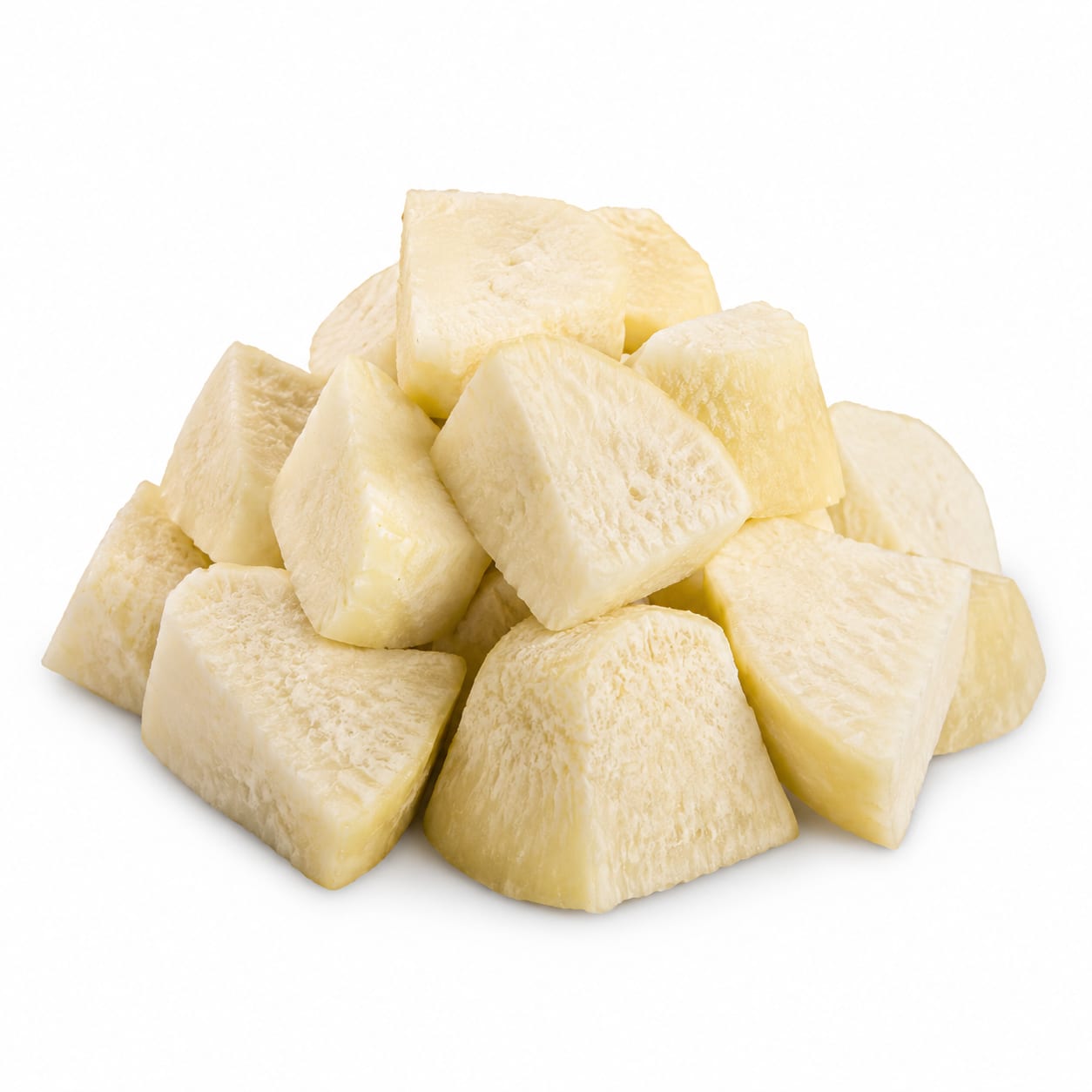
Yam
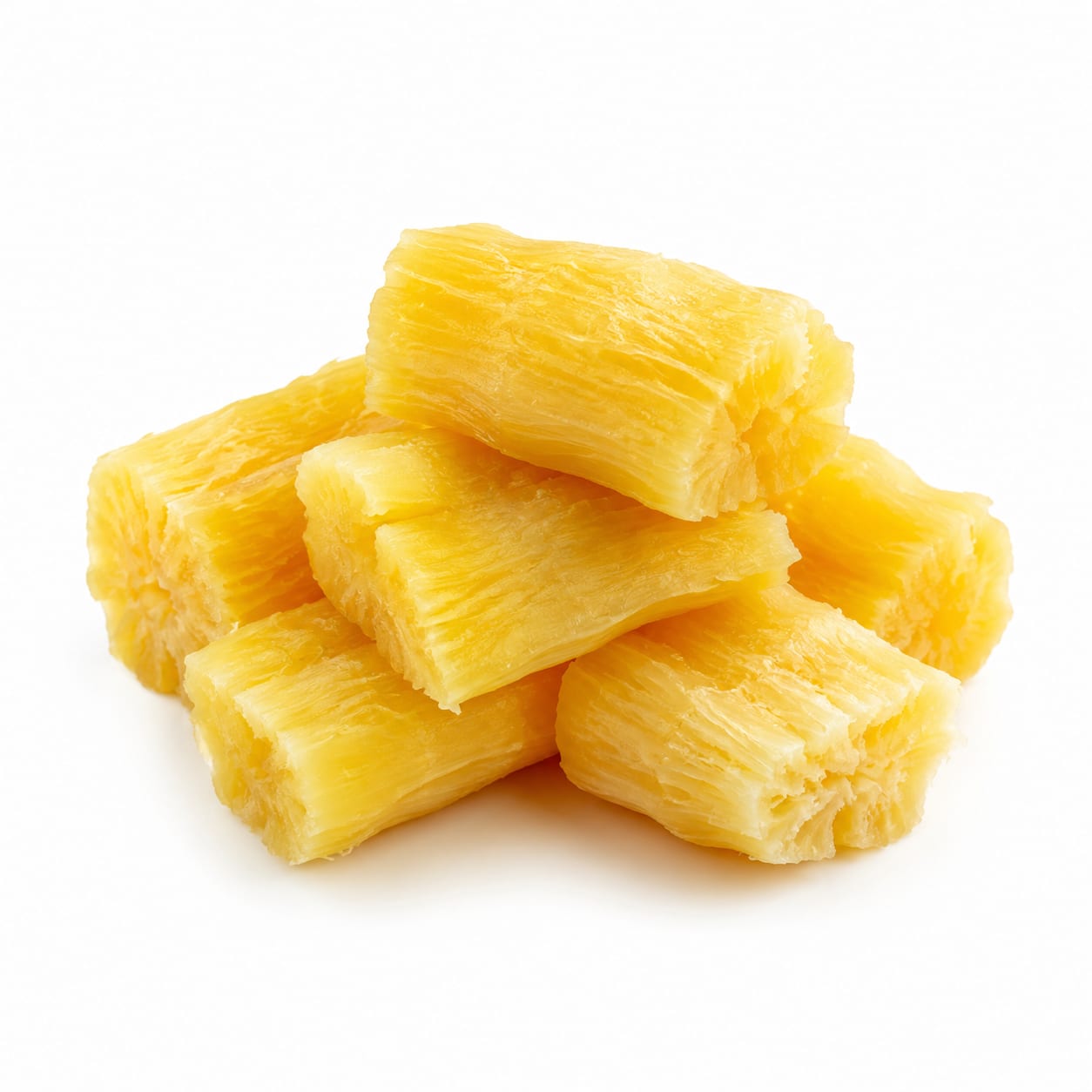
Cassava
Yam is safer, more nutritious, and easier to prepare, while Cassava is a denser energy source that demands careful handling to avoid toxicity.
Yam scores higher due to its superior safety profile, better fiber content, and lower glycemic impact. Cassava loses significant points for the inherent cyanide risk and lower nutrient density.
Cassava gives you more calories per bite but requires strict preparation to remove natural toxins, whereas Yam is safer and more forgiving to cook.
At a glance
Executive summary
Overall
Yam
Healthier
Yam
More practical
Yam
Daily use
Yam
Key comparison lenses
Safety and Toxin Exposure
Cassava contains cyanogenic glycosides that can release cyanide if improperly prepared, making safety the most critical differentiator.
Blood Sugar Management
Both are dense starchy staples, but their fiber content and glycemic profiles differ significantly, impacting energy stability.
Everyday Practicality
Cassava requires rigorous preparation to be safe, whereas Yam is much more forgiving and easier to cook on a busy weeknight.
Nutritional Value
Users often assume all root vegetables are nutritionally similar, but Yam offers more fiber and micronutrients per calorie.
Best choice for
Yam
- People prioritizing food safety
- Those managing blood sugar levels
- Everyday family meals
Cassava
- High-calorie needs on a budget
- Traditional cultural dishes
- Endurance athletes needing dense carbs
Least suitable for
Yam
- Those needing maximum calorie intake on a budget
Cassava
- Inexperienced cooks
- People with kidney issues
- Casual snacking
Deep comparison
Dimension by dimension
Each lens scores both foods and breaks down who each option suits.
- Dimension 1 · Priority 95Yam
Safety and Toxin Risk
Yam · 90Cassava · 40Cassava contains cyanogenic glycosides that can release cyanide if not prepared correctly, while Yam is generally safe to eat with standard cooking.
Tradeoff
Cassava offers cheap, dense calories but carries a severe safety penalty if shortcuts are taken in preparation.
Why it matters
Consuming improperly prepared Cassava can lead to acute cyanide poisoning and chronic conditions like konzo, a permanent paralytic disease.
Real-world impact
You must peel, soak, and cook Cassava thoroughly every time, making it a stressful option for casual cooks compared to the forgiving nature of Yam.
Yam
- Families with young children
- Meal preppers who reheat later
Better for
Cassava
- Anyone unfamiliar with traditional detoxification methods
- People with compromised detoxification pathways
Worse for
- Dimension 2 · Priority 80Yam
Blood Sugar and Energy Stability
Yam · 75Cassava · 55Yam has a lower glycemic index and more fiber, providing steadier energy compared to the rapid spike from Cassava.
Tradeoff
Cassava delivers quick, intense energy for heavy labor, but Yam keeps you fuller and more stable for longer.
Why it matters
Avoiding blood sugar spikes helps prevent afternoon crashes and supports long-term metabolic health.
Real-world impact
Eating Yam feels more sustaining through the afternoon, while Cassava might leave you hungry again sooner.
Yam
- Office workers needing sustained focus
- People with insulin resistance
Better for
Cassava
- Manual laborers needing fast refueling
Better for
- Those prone to energy crashes after carbs
Worse for
- Dimension 3 · Priority 70Yam
Nutritional Density
Yam · 70Cassava · 50Yam provides more fiber, potassium, and vitamin C, while Cassava is primarily a pure carbohydrate source.
Tradeoff
Cassava is an efficient calorie delivery system, but Yam offers more micronutrients per bite.
Why it matters
Getting vitamins and fiber from your carb sources reduces the need for supplementation or extra sides.
Real-world impact
Yam supports digestion and heart health better, whereas Cassava functions mostly as empty calories.
Yam
- Those trying to maximize nutrient intake
- People needing more dietary fiber
Better for
Cassava
- Underweight individuals needing calorie surplus
Better for
- Those relying on a single staple for nutrition
Worse for
- Dimension 4 · Priority 75Yam
Preparation and Practicality
Yam · 85Cassava · 50Yam can be boiled, roasted, or fried with minimal prep, while Cassava requires peeling, soaking, and careful cooking to detoxify.
Tradeoff
Cassava stores well in the ground for long periods, but preparing it safely is a multi-step process.
Why it matters
Complicated prep increases the chance of cooking errors, which is dangerous with Cassava.
Real-world impact
Yam is a low-stress weeknight side dish; Cassava requires planning and attention.
Yam
- Busy weeknight dinners
- Inexperienced home cooks
Better for
Cassava
- Long-term food storage in tropical climates
Better for
- Quick meals after a long workday
Worse for
Timeline
Health impact over time
Short-term
Hours to days
Yam
- Steady energy release
- Easy digestion
- Quick and safe to prepare
Cassava
- Rapid energy boost
- Risk of mild stomach upset if undercooked
- Very filling due to calorie density
Long-term
Months to years
Yam
- Better blood sugar control
- Improved digestive regularity from fiber
- Lower risk of toxin exposure
Cassava
- Potential chronic cyanide exposure if prep is inconsistent
- Higher risk of weight gain due to calorie density
- Risk of nutrient deficiencies if eaten as a primary staple without supplementation
Risk profile
Safety & processing
Both are whole, natural root vegetables, but Cassava is often processed into flour or tapioca, which strips away its minimal nutrients, whereas Yam is typically eaten whole.
Yam
Naturally occurring oxalates
lowSome Yam varieties contain oxalates that can cause itchiness, but standard cooking reduces them to completely safe levels.
Cassava
Cyanogenic glycosides (Cyanide risk)
highCassava roots contain compounds that turn into cyanide. Bitter varieties have especially high levels and require extensive soaking and fermentation. Even sweet varieties must be peeled and cooked thoroughly.
Who wins for whom
Audience fit
Same foods, different winners depending on your goal.
children
YamYam is much safer for children due to the absence of cyanide risks and its softer, sweeter taste when cooked.
daily consumption
YamYam is safer and more nutritionally balanced for everyday eating without the strict preparation protocols of Cassava.
diabetes
YamYam has a lower glycemic index and more fiber, resulting in gentler blood sugar responses.
elderly
YamThe fiber in Yam supports digestive health, and the lower toxin risk is safer for aging bodies.
muscle gain
CassavaCassava provides denser carbohydrates which can help meet high caloric needs for bulking.
weight loss
YamYam has fewer calories and more fiber, making it easier to manage portions and stay full.
Your move
Decision guide
Choose Yam
- You want a safe, easy-to-prepare carb for daily meals
- You are watching your blood sugar or weight
- You are cooking for children or elderly family members
Choose Cassava
- You need a dense, cheap calorie source for heavy labor or bulking
- You are experienced with traditional Cassava preparation methods
- You are making specific cultural dishes like farofa or garri
Either works if
- You want a hearty root vegetable to replace potatoes
- You are making a stew and need a starchy thickener
Avoid both if
- You are on a strict ketogenic or very low-carb diet
- You have severe blood sugar instability and need non-starchy vegetables
Final recommendation
Choose Yam for a safer, more nutritious daily staple. Opt for Cassava only if you are experienced in its preparation and need high-calorie density.
Practical
Consumer tips
- 1
Always peel Cassava completely, as the skin contains the highest concentration of cyanogenic compounds.
- 2
Never eat Cassava raw; it must be thoroughly cooked to destroy the toxins.
- 3
If you taste bitterness when eating Cassava, stop immediately, as bitterness indicates higher cyanide levels.
- 4
Yam can sometimes cause skin itchiness during prep; wearing gloves while peeling can help.
- 5
Store both in a cool, dark, well-ventilated place, but use them within a week or two for the best texture.