
Nutrition comparison
Yam vs White Potato: Which Is Healthier for Blood Sugar, Weight Loss, and Daily Energy?
Compare yam and white potato nutrition including glycemic index, fiber, potassium, and satiety. Find out which tuber is better for diabetes, weight loss, and athletic performance.
Overall winner · Yam
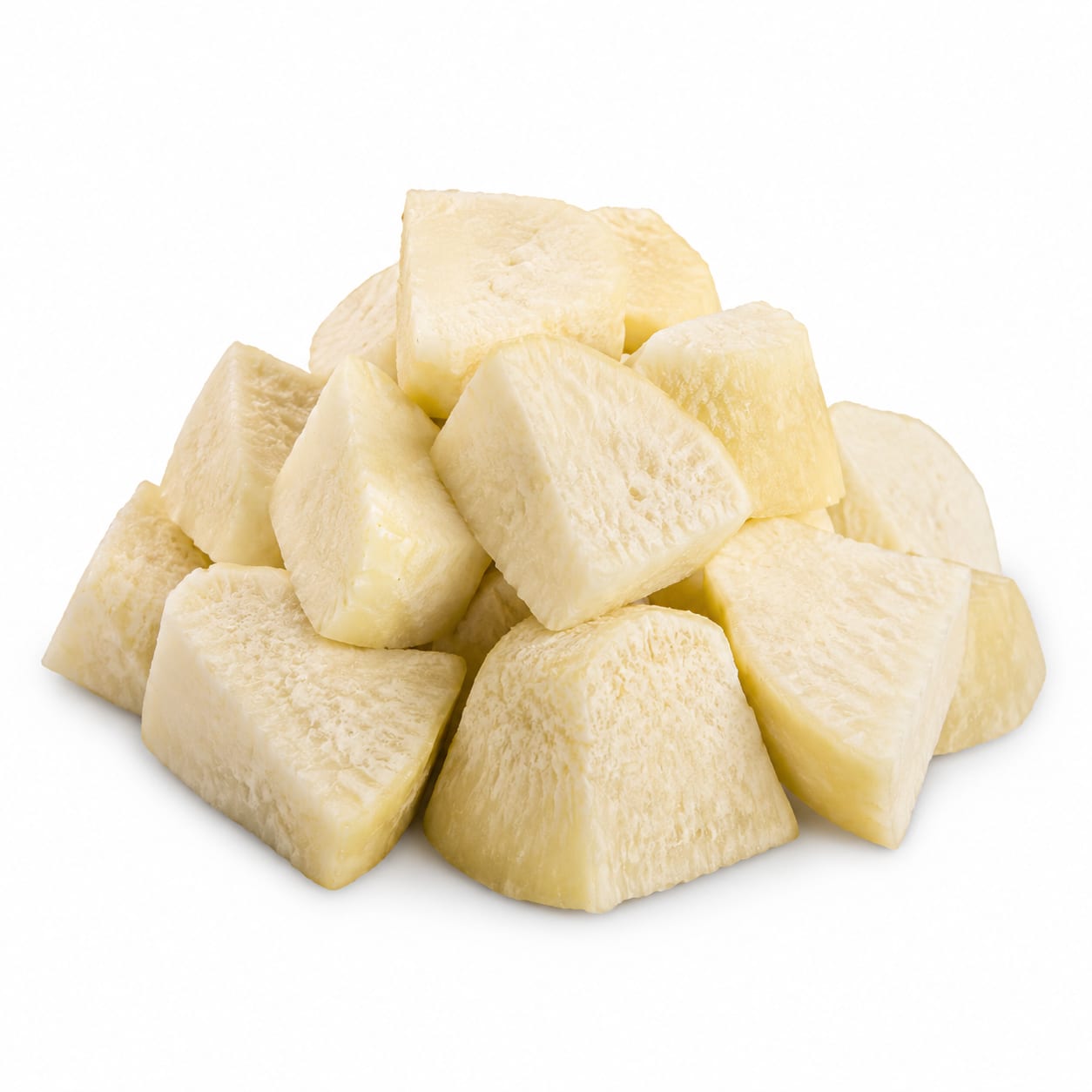
Yam
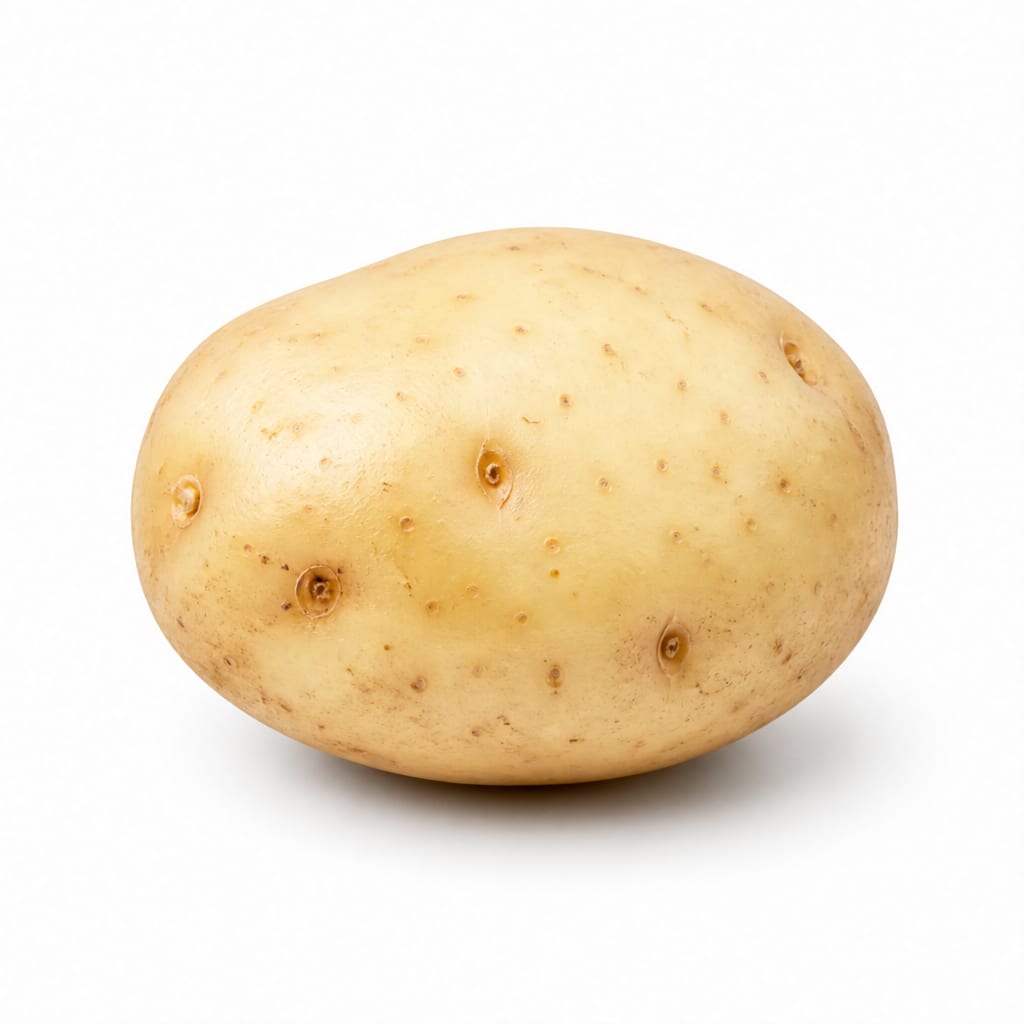
White Potato
Yams edge out white potatoes for most health goals thanks to steadier blood sugar and more fiber, but white potatoes win on potassium, protein, and everyday convenience.
Yams score higher due to lower glycemic impact and superior fiber content, but white potatoes stay competitive with better potassium, slightly more protein, and unmatched practicality. The gap is moderate because both are whole-food carb sources with genuine nutritional value.
Yams give you calmer energy and better fullness per calorie; white potatoes give you more potassium, easier access, and faster cooking.
At a glance
Executive summary
Overall
Yam
Healthier
Yam
More practical
White Potato
Daily use
It depends
Key comparison lenses
blood sugar management
Yams digest noticeably slower than white potatoes, making glycemic impact the single most important difference for everyday eaters
weight management and satiety
Both are carb-heavy staples, so which one keeps you fuller longer matters for portion control and cravings
nutrient density comparison
People often assume these are nutritionally identical, but key vitamin and mineral differences affect daily value
digestive tolerance and gut health
Fiber type and resistant starch content differ enough to change how each food feels after eating
meal versatility and convenience
White potatoes are everywhere and easy to prep; yams require more effort and are harder to find
Best choice for
Yam
- People managing blood sugar or insulin resistance
- Anyone wanting steadier energy without afternoon crashes
- Those increasing fiber for gut health
- Weight-conscious eaters who struggle with carb cravings
White Potato
- Athletes needing quick post-workout carb refueling
- Anyone counting on affordable, widely available calories
- People who need high potassium for blood pressure management
- Families wanting a versatile staple everyone will eat
Least suitable for
Yam
- Those who need fast-digesting carbs after intense exercise
- People with very limited grocery access where yams are unavailable
- Anyone sensitive to oxalates
White Potato
- People with diabetes or significant insulin resistance
- Those prone to blood sugar spikes and subsequent energy crashes
- Anyone trying to reduce high-glycemic carb intake
Deep comparison
Dimension by dimension
Each lens scores both foods and breaks down who each option suits.
- Dimension 1 · Priority 92Yam
Blood Sugar Stability
Yam · 78White Potato · 42Yams digest significantly slower, causing a gentler blood sugar rise. White potatoes can spike glucose fast, especially when mashed or baked.
Tradeoff
You trade quick energy availability for metabolic calm. White potatoes fuel rapid recovery; yams protect against energy crashes.
Why it matters
If you get sleepy after carb-heavy meals or deal with insulin resistance, this difference is life-changing. If you just finished a marathon, the white potato spike is actually helpful.
Real-world impact
A yam lunch keeps you alert through the 3pm slump. A white potato lunch might have you reaching for coffee an hour later.
Yam
- Steady energy through long workdays
- Managing prediabetes or metabolic syndrome
- Avoiding post-meal drowsiness
Better for
- Situations demanding immediate available energy
Worse for
White Potato
- Rapid glycogen replenishment after intense training
- Pre-workout energy loading
- Recovering from hypoglycemic episodes
Better for
- Sedentary evenings when glucose spikes go unused
- Anyone monitoring HbA1c
Worse for
- Dimension 2 · Priority 85Yam
Satiety and Fullness
Yam · 76White Potato · 65Yams keep you fuller longer due to higher fiber and slower digestion. White potatoes fill you up fast but hunger returns sooner.
Tradeoff
White potatoes feel more immediately satisfying in the moment; yams provide longer-lasting fullness between meals.
Why it matters
If you snack too much between meals, swapping to yams can quietly cut hundreds of weekly calories without willpower.
Real-world impact
A yam at dinner might mean no late-night fridge raid. A white potato might leave you hunting for something else by 9pm.
Yam
- Controlling portions without feeling deprived
- Reducing between-meal snacking
- Weight loss diets where satiety matters
Better for
- Meals where you want a lighter, less filling side
Worse for
White Potato
- Immediate post-meal satisfaction
- Comfort food experiences
Better for
- Anyone who finds themselves hungry again within two hours
Worse for
- Dimension 3 · Priority 78It depends
Nutrient Density
Yam · 70White Potato · 68Yams offer more fiber, vitamin C, and manganese. White potatoes deliver substantially more potassium and slightly more protein and B6.
Tradeoff
Neither dominates. Yams win on antioxidants and fiber; white potatoes win on electrolytes and protein.
Why it matters
If your diet lacks potassium, white potatoes are one of the best sources available. If you need digestive support, yams deliver more fiber per bite.
Real-world impact
Eating white potatoes regularly can meaningfully help blood pressure through potassium. Eating yams regularly supports digestion and immune function.
Yam
- Boosting daily fiber intake
- Supporting immune function with extra vitamin C
- Getting more trace minerals like manganese
Better for
- Potassium-deficient diets
Worse for
White Potato
- Meeting potassium needs for heart and muscle function
- Adding a small protein contribution to carb-heavy meals
- Vitamin B6 for energy metabolism
Better for
- Low-fiber diets that already struggle with regularity
Worse for
- Dimension 4 · Priority 72Yam
Digestive Health
Yam · 75White Potato · 58Yams provide more fiber and contain unique resistant starches that feed beneficial gut bacteria. White potatoes offer some resistant starch when cooled, but less overall fiber.
Tradeoff
Yams actively support gut microbiome health; cooled white potato leftovers offer some resistant starch but require deliberate preparation.
Why it matters
Gut health affects everything from immunity to mood. A fiber-rich staple like yam does double duty as both fuel and microbiome support.
Real-world impact
Regular yam eaters often notice better digestion and regularity. White potato eaters can get similar benefits by eating them cooled, like in potato salad.
Yam
- Feeding beneficial gut bacteria daily
- Improving bowel regularity
- Reducing bloating from low-fiber meals
Better for
- Oxalate-sensitive individuals may need caution
Worse for
White Potato
- Resistant starch benefits when consumed cooled as leftovers
Better for
- Those already struggling with insufficient fiber intake
Worse for
- Dimension 5 · Priority 68White Potato
Practicality and Availability
Yam · 45White Potato · 88White potatoes are available everywhere, cheap, and cook quickly by any method. Yams are harder to find, often confused with sweet potatoes, and take longer to prepare.
Tradeoff
You sacrifice some nutritional advantages for massive convenience and cost savings with white potatoes.
Why it matters
The healthiest food only works if you actually eat it. White potatoes are effortless to incorporate; yams require more planning.
Real-world impact
White potatoes can be microwaved in 5 minutes. Yams often need 30-45 minutes of roasting and a trip to a specialty store.
Yam
- Meal prep sessions where you cook in bulk anyway
Better for
- Last-minute meal situations
- Small-town grocery stores with limited produce
Worse for
White Potato
- Busy weeknight dinners
- Budget-conscious grocery shopping
- Restaurants and travel where options are limited
- Quick meal solutions
Better for
- Meal plans specifically designed around low-glycemic eating
Worse for
- Dimension 6 · Priority 80Yam
Weight Management
Yam · 74White Potato · 55Yams support weight management better through higher fiber, lower glycemic impact, and greater satiety per calorie. White potatoes are easy to overeat, especially when fried or buttered.
Tradeoff
Yams naturally limit overeating through their fiber and slow digestion. White potatoes are more calorie-dense per serving when prepared the way most people actually eat them.
Why it matters
The way a food behaves in real life matters more than its raw nutrition profile. Most people do not eat plain boiled white potatoes.
Real-world impact
A baked yam with cinnamon feels like a complete snack. A baked white potato practically begs for butter, sour cream, and bacon bits.
Yam
- Calorie-conscious eating without counting
- Reducing carb cravings between meals
- Maintaining weight loss without feeling restricted
Better for
- Those who need to gain weight and struggle with appetite
Worse for
White Potato
- Athletes in caloric surplus phases
- Underweight individuals needing easy calories
Better for
- Emotional eaters who find it hard to stop at one serving
- Anyone prone to adding high-calorie toppings
Worse for
Timeline
Health impact over time
Short-term
Hours to days
Yam
- Steady, sustained energy without crashes
- Comfortable fullness that lasts 3-4 hours
- Lower likelihood of post-meal brain fog
White Potato
- Quick energy surge within 30-60 minutes
- Faster return of hunger within 2 hours
- Possible drowsiness after large servings, especially baked or mashed
Long-term
Months to years
Yam
- Better blood sugar regulation over years
- Improved gut microbiome diversity from consistent fiber intake
- Lower cumulative insulin demand on the pancreas
- Easier long-term weight maintenance
White Potato
- Significant potassium intake supporting cardiovascular health
- Risk of chronic insulin elevation if consumed frequently in large portions
- Resistant starch benefits if regularly eaten cooled
- Potential gradual weight gain if portion sizes creep up
Risk profile
Safety & processing
Both yams and white potatoes are whole, unprocessed foods in their natural state. Neither carries additive concerns unless processed into frozen fries, instant mash, or chips. The real risk is how they are prepared, not the foods themselves.
Yam
Oxalate content
lowYams contain moderate oxalates. People with a history of calcium oxalate kidney stones should moderate intake, though this is rarely a practical concern for most eaters.
Misidentification with toxic wild varieties
mediumSome wild yam species contain naturally occurring compounds that can cause illness if not properly prepared. Always purchase cultivated yams from reputable stores and cook thoroughly.
White Potato
Solanine and chaconine exposure
lowGreen spots on white potatoes indicate elevated glycoalkaloid levels that can cause digestive distress. Always cut away green areas and sprouts before cooking.
Acrylamide formation when fried or roasted at high heat
mediumHigh-temperature cooking of white potatoes creates acrylamide, a probable carcinogen. Boiling and steaming avoid this. Frying produces the highest levels.
Who wins for whom
Audience fit
Same foods, different winners depending on your goal.
children
White PotatoMost children accept white potatoes readily, they are easy to prepare in kid-friendly ways, and the potassium supports growing bodies.
daily consumption
It dependsFor sedentary or metabolically compromised individuals, yams are the safer daily staple. For active people with healthy insulin sensitivity, white potatoes are fine daily and more practical.
diabetes
YamThe slower digestion and gentler blood sugar response make yams significantly safer for glucose management.
elderly
It dependsYams help with blood sugar and digestion concerns common in older adults, but white potatoes are softer, easier to chew, and provide more potassium for blood pressure management.
muscle gain
White PotatoWhite potatoes provide faster-digesting carbs that replenish glycogen efficiently after training, plus slightly more protein per serving.
weight loss
YamHigher fiber and lower glycemic impact make yams more filling per calorie and less likely to trigger overeating.
Your move
Decision guide
Choose Yam
- You want steadier energy and fewer blood sugar swings
- You are trying to lose weight or manage cravings
- You have insulin resistance, prediabetes, or diabetes
- You want to increase your daily fiber intake without supplements
- You are meal prepping and do not mind longer cook times
Choose White Potato
- You are an athlete who needs fast post-workout carb replenishment
- Budget and availability are primary concerns
- You need more potassium in your diet for blood pressure
- You want a versatile food that pairs with virtually any cuisine
- You are cooking for picky eaters who resist unfamiliar foods
Either works if
- You are active and metabolically healthy with no blood sugar concerns
- You rotate your carb sources throughout the week anyway
- You prepare both by boiling or steaming rather than frying
- You eat them as part of a balanced meal with protein and healthy fats
Avoid both if
- You are on a strict very-low-carb or ketogenic diet
- You have severe oxalate restrictions for kidney stone prevention
- You are sensitive to nightshades, which affects white potatoes specifically
Final recommendation
Eat yams when blood sugar control and satiety are your priorities. Eat white potatoes when you need quick energy, potassium, or everyday convenience. The best approach for most people is rotating both: yams on rest days, white potatoes on active days. How you prepare them matters more than which one you pick. Boil, steam, or roast instead of frying, and always pair with protein and healthy fats to slow digestion further.
Practical
Consumer tips
- 1
Cool cooked white potatoes in the fridge for 12-24 hours before eating to increase resistant starch, which lowers the glycemic impact and feeds gut bacteria
- 2
Do not peel yams before cooking if you want maximum fiber; the skin holds a significant portion of nutrients
- 3
Store white potatoes in a cool, dark place and remove any green spots before cooking to avoid glycoalkaloid exposure
- 4
Pair either tuber with a protein source like eggs, fish, or legumes to dramatically slow sugar absorption and extend fullness
- 5
Cinnamon on yams is not just flavorful; it may further improve insulin sensitivity
- 6
Avoid storing white potatoes in the refrigerator as cold converts starches to sugars and alters taste and cooking texture
- 7
If yams are unavailable or too expensive, sweet potatoes are a closer nutritional substitute than white potatoes