
Nutrition comparison
Yam vs Butternut Squash: Which Is Healthier for You?
Compare yam and butternut squash on calories, vitamins, blood sugar impact, and satiety. Find out which root vegetable fits your health goals better.
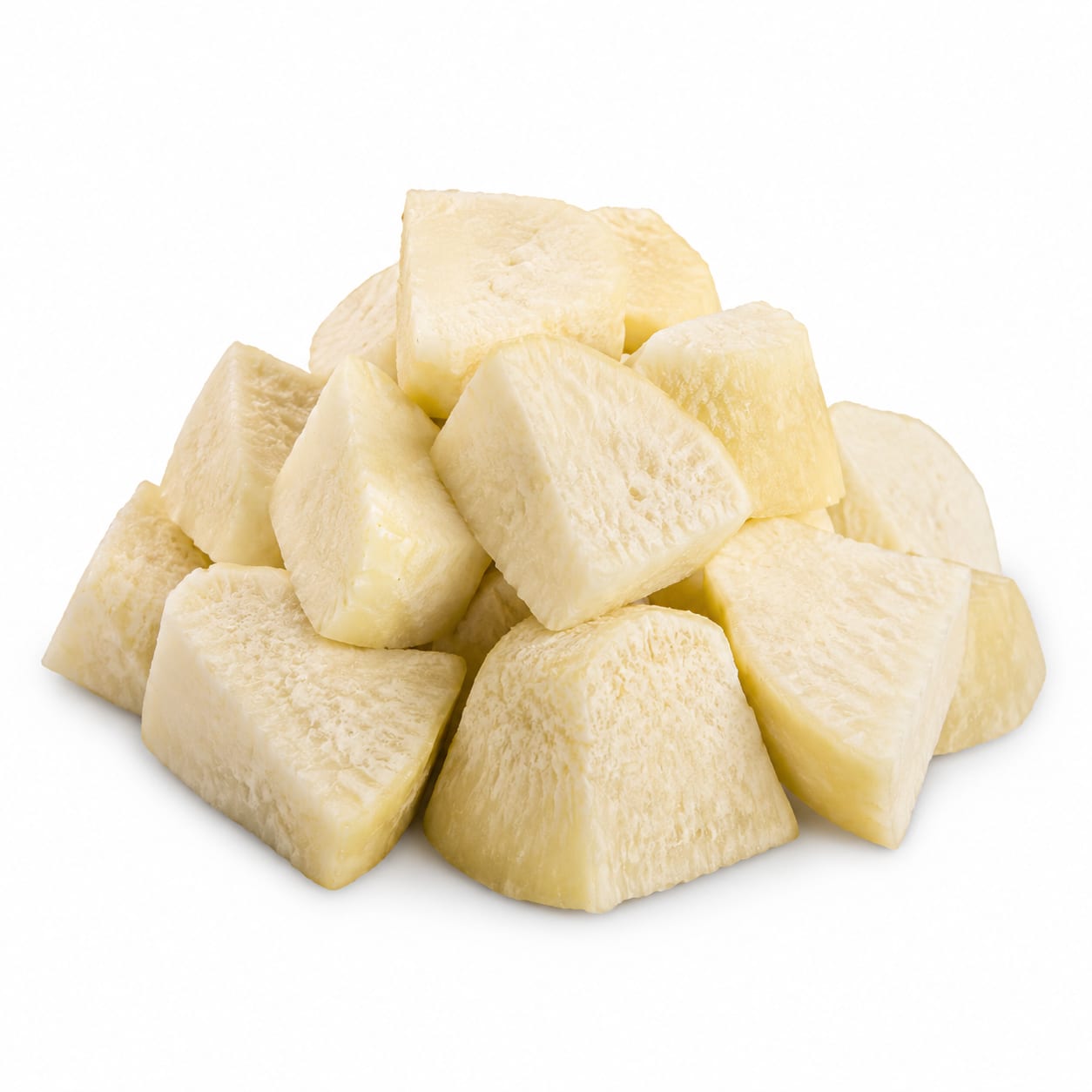
Yam
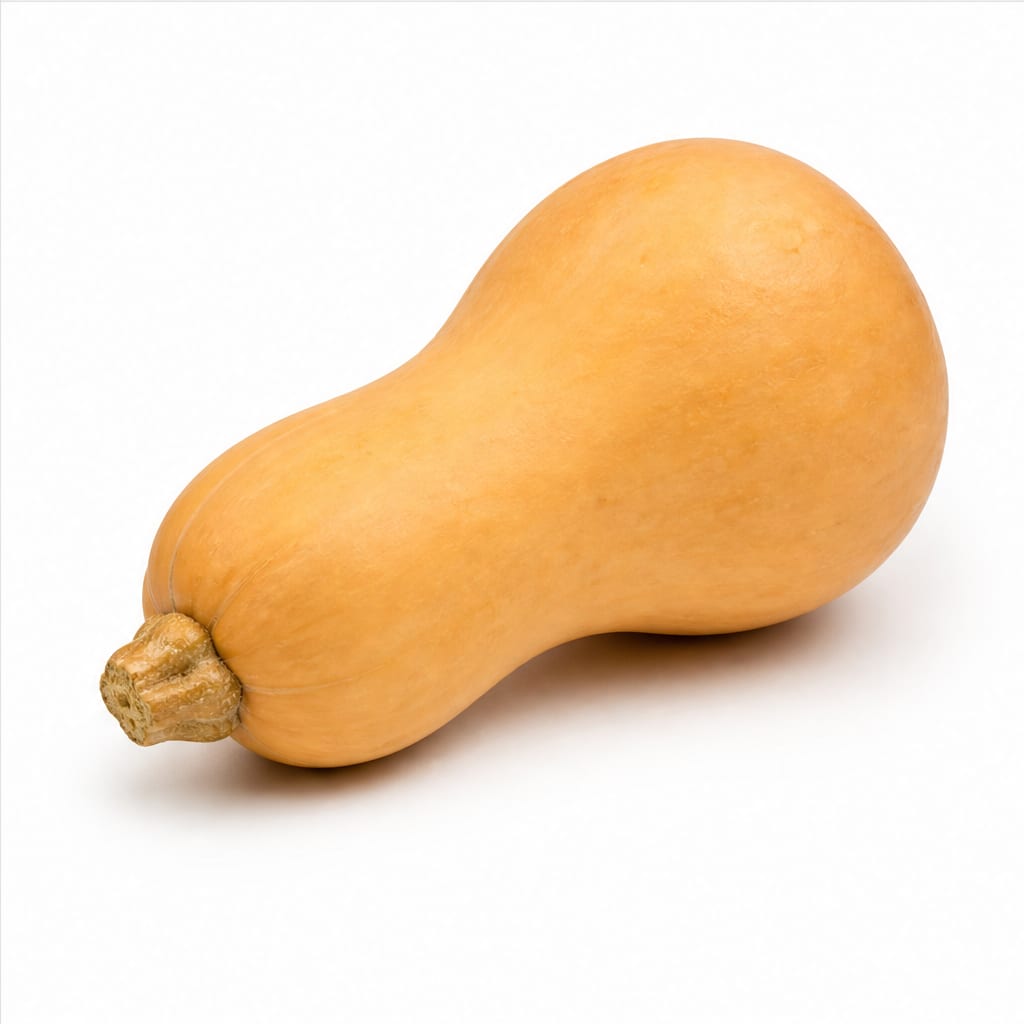
Butternut Squash
Butternut squash wins on vitamin A and calorie efficiency; yam wins on potassium, steady energy, and satiety. Pick based on what your body needs most.
Butternut squash edges ahead with superior nutrient-to-calorie ratio and exceptional vitamin A content. Yam remains strong for active individuals needing more substantial carbs and electrolytes, but butternut squash offers broader everyday health value.
Butternut squash gives you more nutrients per calorie and stunning vitamin A, while yam delivers more filling carbs and electrolytes for active days.
At a glance
Executive summary
Overall
It depends
Healthier
It depends
More practical
Butternut Squash
Daily use
Butternut Squash
Key comparison lenses
blood sugar management and carb quality
Both are starchy root vegetables with different glycemic profiles, a primary concern for most users comparing them
nutrient density per calorie
Butternut squash delivers dramatically more vitamin A per calorie while yam offers more potassium and B6
weight management and satiety
Calorie density differs meaningfully between these two, affecting portion control and fullness
versatility and meal integration
Both are flexible but suit different cooking methods and meal types
digestive tolerance and gut friendliness
Fiber types and resistant starch content differ, impacting digestion sensitivity
Best choice for
Yam
- Athletes needing potassium and sustained carbs
- People managing low blood pressure
- Those wanting a more filling, satisfying starch
- Anyone needing steady energy for physical labor
Butternut Squash
- People prioritizing eye health and immune support
- Weight-conscious eaters wanting lower calorie density
- Anyone seeking vitamin A without supplements
- Families wanting a naturally sweet, kid-friendly vegetable
Least suitable for
Yam
- People strictly limiting carbohydrate intake
- Those watching calorie density closely
- Anyone with oxalate sensitivity concerns
Butternut Squash
- Athletes needing high-calorie fuel
- People with beta-carotene sensitivity or skin discoloration concerns
- Those wanting a dense, heavy starch as a meal base
Deep comparison
Dimension by dimension
Each lens scores both foods and breaks down who each option suits.
- Dimension 1 · Priority 92Butternut Squash
Nutrient Density Per Calorie
Yam · 65Butternut Squash · 88Butternut squash delivers far more vitamins per calorie, especially vitamin A which yam barely provides.
Tradeoff
Yam offers more potassium and B6 in absolute terms, but you eat more calories to get them.
Why it matters
If you eat limited calories, butternut squash gives you more nutritional bang for your buck.
Real-world impact
A single cup of butternut squash covers over 400% of your daily vitamin A needs for under 80 calories.
Yam
- Potassium replenishment after exercise
- Vitamin B6 for energy metabolism
Better for
- Lower vitamin A content
- More calories needed to match squash micronutrient levels
Worse for
Butternut Squash
- Vitamin A for vision and immune health
- Vitamin E for skin and antioxidant defense
- Getting more micronutrients on restricted calories
Better for
- Less potassium per serving
- Minimal vitamin B6 compared to yam
Worse for
- Dimension 2 · Priority 90Yam
Blood Sugar Stability
Yam · 78Butternut Squash · 72Yam has a slightly lower glycemic index and more resistant starch, leading to steadier blood sugar responses.
Tradeoff
Butternut squash is lower in total carbs but has a marginally higher glycemic index, creating a quicker rise.
Why it matters
For diabetes management or energy stability, small GI differences compound over months of eating.
Real-world impact
Yam tends to keep you satisfied longer without the subtle energy dip that can follow butternut squash.
Yam
- Steadier post-meal blood sugar
- More resistant starch feeding gut bacteria
- Longer-lasting satiety between meals
Better for
- Higher total carbohydrate content per serving
- Portion control matters more
Worse for
Butternut Squash
- Fewer total carbs per serving
- Smaller blood sugar load in absolute terms
Better for
- Quicker glycemic response per gram of carb
- Less resistant starch for gut health
Worse for
- Dimension 3 · Priority 85Yam
Satiety and Fullness
Yam · 82Butternut Squash · 68Yam is denser and more filling, making it better at keeping hunger away for hours.
Tradeoff
Butternut squash feels lighter and less heavy, which is great for some meals but less satisfying as a standalone starch.
Why it matters
If you find yourself snacking an hour after eating, the denser carb source may serve you better.
Real-world impact
A yam-based lunch keeps you full through the afternoon slump better than an equivalent portion of squash.
Yam
- Heavier, more satisfying meals
- Reduced snacking between meals
- Better for physically demanding days
Better for
- Can feel too heavy for light meals
- Higher calorie cost for the same volume
Worse for
Butternut Squash
- Lighter meals when you want to feel energized not stuffed
- Smaller appetites and portion control
Better for
- Less staying power
- May leave you reaching for a snack sooner
Worse for
- Dimension 4 · Priority 82Butternut Squash
Antioxidant Profile
Yam · 70Butternut Squash · 86Butternut squash is an antioxidant powerhouse thanks to massive beta-carotene content and vitamin C.
Tradeoff
Yam contains unique antioxidants like dioscorine and anthocyanins in purple varieties, but less total antioxidant capacity overall.
Why it matters
Antioxidants from food reduce inflammation and cellular damage more effectively than supplements.
Real-world impact
Regular butternut squash consumption visibly supports skin health and immune resilience over time.
Yam
- Purple yam varieties offer anthocyanins for brain health
- Unique compounds not found in squash
Better for
- Lower overall antioxidant capacity in common varieties
- Minimal beta-carotene content
Worse for
Butternut Squash
- Exceptional beta-carotene for eye and skin health
- Broader antioxidant coverage per serving
- Vitamin C working synergistically with beta-carotene
Better for
- Lacks the unique tuber-specific antioxidants found in yam
Worse for
- Dimension 5 · Priority 84Butternut Squash
Calorie Efficiency and Weight Management
Yam · 62Butternut Squash · 84Butternut squash has roughly half the calories per cup compared to yam, making it far easier to fit into weight-conscious eating.
Tradeoff
Yam provides more energy which is valuable for athletes but requires more restraint for weight loss.
Why it matters
Calorie density is the single strongest predictor of unintentional overconsumption.
Real-world impact
You can eat a generous portion of butternut squash without budgeting heavily for it in your daily intake.
Yam
- Bulking up meals for underweight individuals
- Athletes needing calorie-dense carb sources
Better for
- Easy to overconsume calories if not measuring
- Less forgiving in a calorie deficit
Worse for
Butternut Squash
- Weight loss or maintenance without hunger
- Larger portions for fewer calories
- Easier calorie tracking and portion flexibility
Better for
- May not provide enough energy for very active people
Worse for
- Dimension 6 · Priority 76Butternut Squash
Versatility and Meal Integration
Yam · 72Butternut Squash · 80Butternut squash works in soups, salads, roasted dishes, and even desserts more seamlessly than yam.
Tradeoff
Yam excels in hearty savory dishes and cultural recipes but has a narrower comfort zone in Western cooking.
Why it matters
The easier a food is to use in varied meals, the more often you actually eat it.
Real-world impact
Butternut squash purees beautifully into soups and bakes into muffins, while yam mostly shines in savory applications.
Yam
- Hearty stews and savory sides
- Cultural and traditional recipes
- Baked or fried as a standalone starch
Better for
- Less intuitive in light or sweet recipes
- More limited in Western meal frameworks
Worse for
Butternut Squash
- Soups and purees
- Roasted vegetable medleys
- Sweet and savory crossover dishes
- Pasta alternative when spiralized
Better for
- Less satisfying as a primary starch base in heavy meals
Worse for
Timeline
Health impact over time
Short-term
Hours to days
Yam
- Provides sustained energy without sharp blood sugar spikes
- High potassium helps with hydration and muscle function after exercise
- Dense carbs can feel heavy if eaten in large portions before activity
Butternut Squash
- Lower calorie load makes it easy to incorporate without feeling sluggish
- Beta-carotene supports immediate immune cell function
- Light texture digests comfortably for most people
Long-term
Months to years
Yam
- Consistent potassium intake supports cardiovascular health and blood pressure regulation
- Resistant starch feeds beneficial gut bacteria over time
- Higher calorie density requires mindful portioning to avoid gradual weight gain
Butternut Squash
- Exceptional vitamin A intake protects vision and reduces infection risk long-term
- Low calorie density supports sustainable weight management
- Consistent antioxidant intake reduces cumulative oxidative stress and inflammation
Risk profile
Safety & processing
Both yam and butternut squash are whole, unprocessed foods as typically purchased. Neither carries meaningful additive concerns when bought fresh. Canned or frozen versions may contain added sodium or preservatives, so always check labels.
Yam
Oxalate content
lowYams contain moderate oxalates. People with kidney stone history should moderate intake, though cooking reduces oxalate levels significantly.
Wild yam confusion
mediumSome wild yam species contain dioscorine, a natural toxin. Commercial yams in grocery stores are safe, but foraging carries real risk if species identification is uncertain.
Undercooking
lowRaw yam contains naturally occurring compounds that can cause mild digestive upset. Always cook thoroughly.
Butternut Squash
Pesticide residue
lowSquash is generally low on the pesticide concern list. Thick skin protects edible flesh. Conventional is usually fine, organic is a minor upgrade.
Cross-reactivity with latex allergy
lowButternut squash can trigger latex-fruit syndrome in rare cases. People with latex allergies should be aware of this possibility.
Who wins for whom
Audience fit
Same foods, different winners depending on your goal.
children
Butternut SquashNatural sweetness, vibrant color, and softer texture make butternut squash more appealing and easier for kids to eat.
daily consumption
Butternut SquashLower calorie density and broader nutrient coverage make butternut squash more sustainable as an everyday vegetable without calorie creep.
diabetes
YamLower glycemic index and more resistant starch give yam a slight edge for blood sugar stability, though both require portion awareness.
elderly
Butternut SquashVitamin A supports aging eyes and immune function, while the soft texture when cooked is easier to chew and digest.
muscle gain
YamMore carbs and calories per serving provide the fuel needed for training and recovery.
weight loss
Butternut SquashHalf the calories per cup with high volume and fiber makes butternut squash far easier to eat in a deficit.
Your move
Decision guide
Choose Yam
- You are active and need calorie-dense carb fuel
- Blood sugar stability is your top priority
- You want a starch that keeps you full for hours
- You need potassium for cramping or blood pressure support
- You enjoy hearty, savory meals as your base starch
Choose Butternut Squash
- You want maximum nutrition with minimal calories
- Eye health and immune support matter most to you
- You prefer lighter meals that do not weigh you down
- You are managing your weight actively
- You want a versatile vegetable for soups, roasting, and baking
Either works if
- You simply want a whole-food carb source instead of refined grains
- You are meal prepping roasted vegetables for the week
- You need more fiber and nutrients than white potatoes offer
Avoid both if
- You are on a strict very-low-carb or ketogenic diet
- You have specific oxalate restrictions for kidney health
Final recommendation
For most people eating for general health, butternut squash is the more practical daily choice thanks to its calorie efficiency and vitamin A content. However, if you are active, need more sustained energy, or prioritize feeling full, yam is the better starch. The ideal approach is rotating both to capture their complementary nutrient profiles.
Practical
Consumer tips
- 1
Roast both together on the same sheet pan for a nutrient-diverse side dish
- 2
Choose firm, unblemished yams with no soft spots or mold
- 3
Butternut squash with a longer neck and smaller bulb tends to have more usable flesh and fewer seeds
- 4
Cubed butternut squash from the freezer section saves 15 minutes of peeling with minimal nutrient loss
- 5
If blood sugar is a concern, pair either vegetable with protein and healthy fat to slow glucose absorption
- 6
Purple or Japanese yam varieties offer anthocyanins that orange yams lack, worth seeking out for brain health
- 7
Store butternut squash in a cool dark place for up to a month; yams last about two weeks before quality declines