
Nutrition comparison
Yam vs Plantain: Which Starchy Carb Is Healthier?
Compare Yam and Plantain to find out which is better for blood sugar, weight loss, and daily energy. Discover the nutritional tradeoffs and best uses for each.
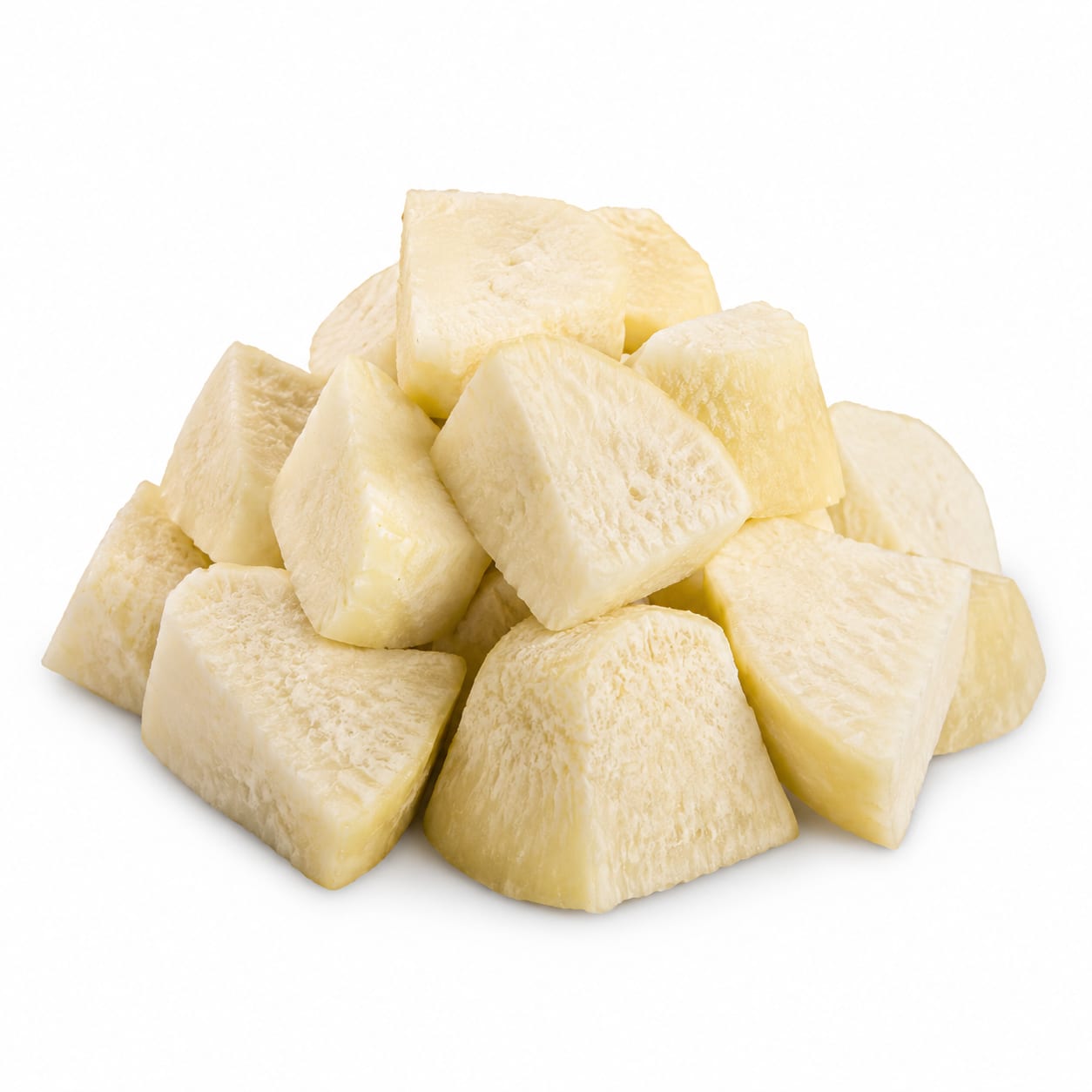
Yam
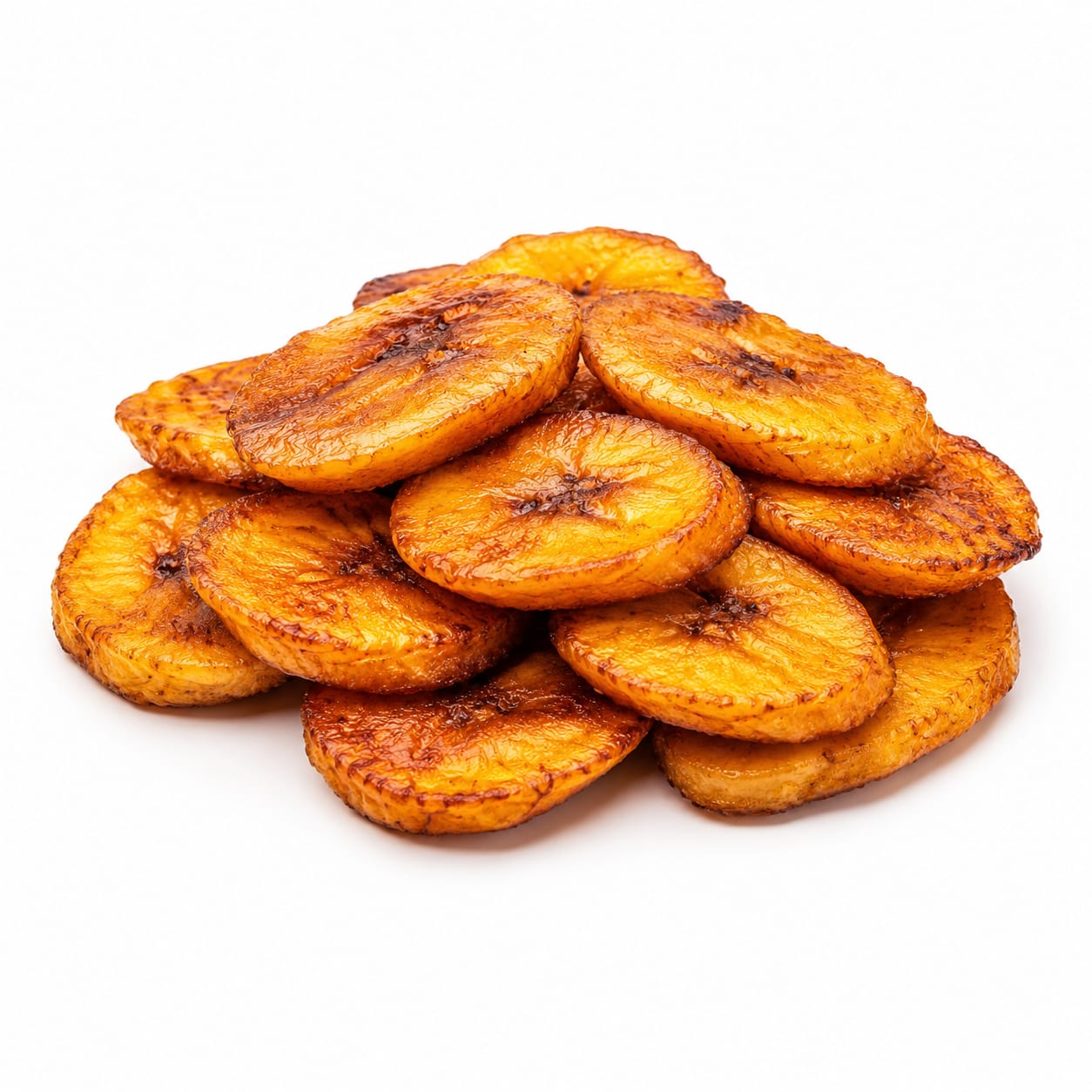
Plantain
Yam offers steadier energy and better blood sugar control, while Plantain brings more potassium, versatility, and natural sweetness.
Yam scores slightly higher due to its lower glycemic index and calorie density, making it a more forgiving daily staple. Plantain is nutritionally dense but its higher sugar content when ripe and common fried preparation can easily offset its benefits.
Lower glycemic impact and fewer calories in Yam versus richer flavor and culinary flexibility in Plantain.
At a glance
Executive summary
Overall
It depends
Healthier
Yam
More practical
Plantain
Daily use
Yam
Key comparison lenses
blood sugar management
Both are dense carb sources, but their glycemic impacts differ significantly, which is crucial for daily energy and metabolic health.
weight management and calorie density
Preparation methods heavily influence the calorie density of these staples, impacting satiety and weight goals.
culinary versatility and satisfaction
How these foods fit into everyday meals determines long-term dietary sustainability.
micronutrient prioritization
Users often choose between starchy carbs based on specific needs like potassium for cramps or Vitamin A for immunity.
Best choice for
Yam
- Managing blood sugar and avoiding energy crashes
- Lower-calorie carb loading
- Steady, long-lasting energy for sedentary or moderate-activity days
Plantain
- Potassium replenishment after sweating
- Quick glycogen restoration post-workout
- Versatile cooking (savory to sweet dishes)
Least suitable for
Yam
- Those wanting a sweet, indulgent carb base
- Quick calorie loading for weight gain
Plantain
- Strict low-carb or keto diets
- Blood sugar management when eaten ripe or fried
Deep comparison
Dimension by dimension
Each lens scores both foods and breaks down who each option suits.
- Dimension 1 · Priority 95Yam
Blood Sugar & Energy Stability
Yam · 85Plantain · 60Yam provides a slower, steadier release of energy compared to Plantain, especially ripe Plantain.
Tradeoff
You get a more comforting, sweet flavor from ripe Plantain, but at the cost of a sharper blood sugar spike.
Why it matters
Avoiding energy crashes helps control cravings and maintains focus throughout the day.
Real-world impact
Eating Yam for lunch keeps you alert until dinner, while ripe Plantain might leave you reaching for a snack an hour later.
Yam
- People with insulin resistance
- Steady energy seekers
Better for
- Those needing fast-absorbing carbs post-workout
Worse for
Plantain
- Athletes needing quick glycogen replenishment
Better for
- People managing diabetes or prediabetes
Worse for
- Dimension 2 · Priority 90Yam
Calorie Density & Weight Management
Yam · 82Plantain · 65Yam is naturally lower in calories and denser in water, making portion control easier.
Tradeoff
Plantain is more calorie-dense, especially when prepared with oil, but feels more indulgent and satisfying in smaller amounts.
Why it matters
Lower calorie density means you can eat a larger, more filling volume without overconsuming calories.
Real-world impact
A large bowl of boiled Yam feels just as filling as a few slices of fried Plantain, but saves you hundreds of calories.
Yam
- Calorie counters
- Volume eaters
Better for
- Those struggling to get enough daily calories
Worse for
Plantain
- People needing to gain weight healthily
- Hikers needing compact energy
Better for
- Anyone watching their waistline
Worse for
- Dimension 3 · Priority 80Plantain
Micronutrient Profile
Yam · 75Plantain · 85Plantain packs more potassium, magnesium, and Vitamin A, while Yam offers more Vitamin C and manganese.
Tradeoff
Yam gives a slight edge for immunity and antioxidant support, but Plantain is superior for electrolyte balance and eye health.
Why it matters
Potassium is critical for heart health and muscle cramps, and many people fall short of their daily needs.
Real-world impact
Eating Plantain after a sweaty workout helps fend off cramps better than Yam.
Yam
- Boosting antioxidant intake
- Immune support
Better for
- Those needing high potassium intake
Worse for
Plantain
- Cramp prevention
- Heart health support
Better for
- Those needing more Vitamin C
Worse for
- Dimension 4 · Priority 85Plantain
Culinary Versatility & Convenience
Yam · 60Plantain · 90Plantain can be enjoyed green for savory dishes or ripe for sweet ones, offering incredible cooking flexibility.
Tradeoff
Yam is mostly limited to savory dishes and boiling or roasting, but requires less added fat to taste good.
Why it matters
Foods that are versatile and enjoyable are easier to stick with long-term.
Real-world impact
Plantain can be mashed, fried, baked, or turned into chips, fitting almost any meal, while Yam is usually a simple side dish.
Yam
- Simple meal prep
- Minimalist cooking
Better for
- Those who get bored easily with meals
Worse for
Plantain
- Adventurous cooks
- Variety seekers
Better for
- Those who want quick, no-fuss boiling
Worse for
Timeline
Health impact over time
Short-term
Hours to days
Yam
- Stable energy without a sugar crash
- Very filling, reduces between-meal snacking
Plantain
- Quick energy boost especially when ripe
- Satisfies sweet cravings naturally
Long-term
Months to years
Yam
- Better blood sugar regulation over time
- Easier weight maintenance due to lower calorie density
Plantain
- Improved electrolyte balance from high potassium
- Better eye health from Vitamin A
Risk profile
Safety & processing
Both Yam and Plantain are whole, unprocessed foods in their raw state. The real risk comes from preparation methods—frying Plantain in unhealthy oils can add inflammatory fats and negate their natural health benefits.
Yam
Naturally occurring irritants
mediumSome wild Yam varieties contain dioscorine, which can cause digestive upset if not properly peeled and cooked. Always cook Yam thoroughly before eating.
Plantain
Preparation hazards
lowPlantain is typically fried, and reusing cooking oils at high temperatures can create harmful compounds. Boiling or baking is safer.
Who wins for whom
Audience fit
Same foods, different winners depending on your goal.
children
PlantainPlantain's natural sweetness and softer texture when ripe make it much more appealing and palatable for kids.
daily consumption
YamThe lower calorie density and blood sugar impact make Yam a safer, more forgiving everyday staple.
diabetes
YamYam has a significantly lower glycemic index, preventing sharp blood sugar spikes and making it safer for glucose management.
elderly
YamYam is gentler on blood sugar and easier to digest when boiled, which is important for aging metabolisms and digestive systems.
muscle gain
PlantainPlantain offers more potassium for muscle cramp prevention and a higher carb density to support glycogen stores for heavy training.
weight loss
YamYam has fewer calories per serving and a lower glycemic load, making it easier to stay in a calorie deficit without feeling deprived.
Your move
Decision guide
Choose Yam
- You are watching your blood sugar or A1C levels
- You want a filling carb that won't spike your appetite later
- You prefer boiling or roasting over frying your carbs
Choose Plantain
- You need quick carbs after a heavy workout or run
- You want a versatile carb that works in both sweet and savory dishes
- You struggle with muscle cramps and need more potassium in your diet
Either works if
- You just need a hearty, whole-food carb source to replace refined grains
- You are tired of rice and potatoes and want something different
Avoid both if
- You are on a strict ketogenic or very low-carb diet
Final recommendation
Let your goals decide: pick Yam for steady energy and blood sugar control, or Plantain for flavor, versatility, and muscle-replenishing carbs. Just be mindful of how you prepare them—boiling beats frying for both.
Practical
Consumer tips
- 1
Always cook Yam thoroughly; raw or undercooked Yam can cause stomach upset due to natural irritants.
- 2
Choose green Plantains for a savory, potato-like side, and yellow/black ones for a sweeter treat.
- 3
Baking or boiling Plantain instead of frying saves hundreds of calories and avoids inflammatory oils.
- 4
Store Yam in a cool, dark, dry place—never the fridge, as cold temperatures alter its texture and taste.