
Nutrition comparison
Yam vs Quinoa: Which Is Healthier for Your Goals?
Compare yam and quinoa nutrition — protein, blood sugar impact, calories, and minerals. Find out which carb source fits your diet, from weight loss to muscle gain.
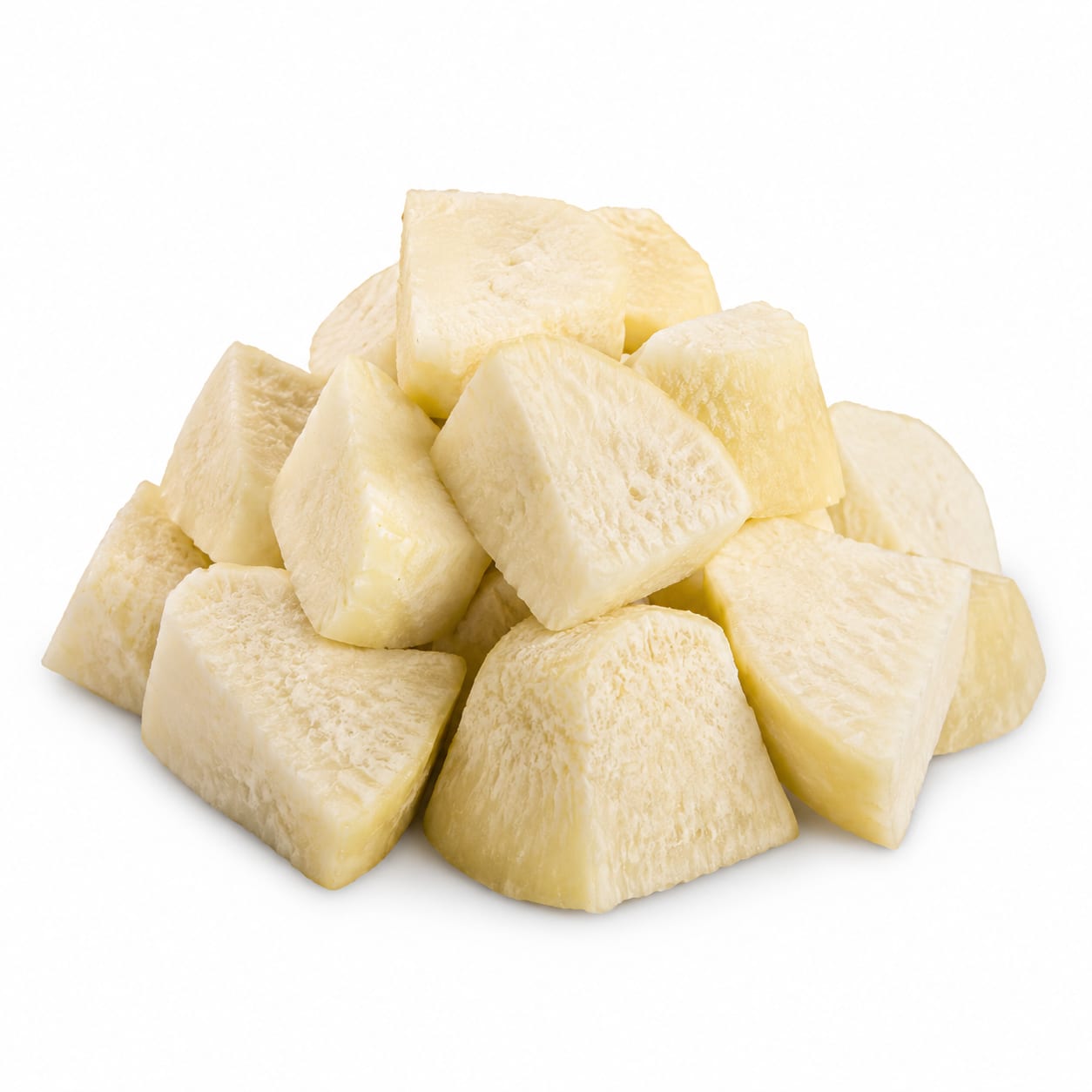
Yam
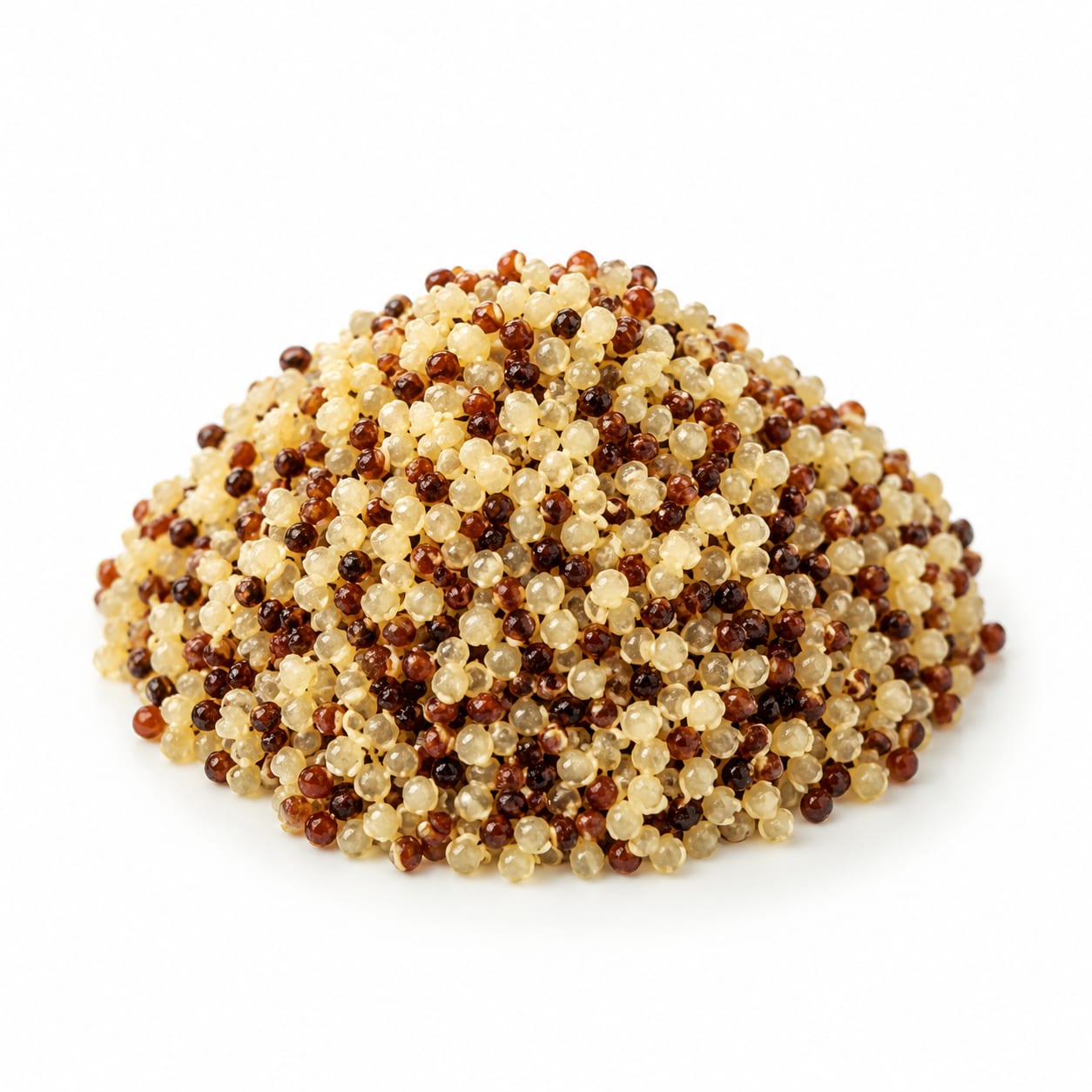
Quinoa
Quinoa delivers far more protein and broader micronutrients, but yam offers lighter calories, steadier blood sugar, and a comforting starch that's easier to overeat less.
Quinoa scores higher overall due to its complete protein, broader mineral profile, and meal-building versatility. Yam remains strong for blood sugar management and lower calorie density, but its near-zero protein limits its standalone nutritional value.
Protein and nutrient breadth versus lower calories and gentler blood sugar response.
At a glance
Executive summary
Overall
It depends
Healthier
It depends
More practical
Quinoa
Daily use
It depends
Key comparison lenses
protein quality and completeness
Quinoa is one of the few plant foods with complete protein, while yam provides minimal protein — a decisive factor for many diets
blood sugar management
Both are carb-dense foods, so glycemic impact is a primary concern for anyone comparing them
weight management and calorie density
Yam is significantly lower in calories per serving, making it relevant for portion-conscious eaters
mineral and micronutrient priorities
Each food dominates different minerals — potassium vs iron/magnesium — so the choice shifts based on nutritional gaps
meal role versatility
Yam works as a starchy side or comfort base, quinoa as a protein-bearing grain alternative — they serve different plate roles
Best choice for
Yam
- People managing blood sugar or insulin resistance
- Anyone counting calories who still wants a filling carb
- Those needing more potassium in their diet
- Comfort-food seekers wanting a clean starchy base
- Individuals with sensitive digestion who struggle with seeds or grains
Quinoa
- Vegetarians and vegans needing complete protein
- Anyone low in iron, magnesium, or manganese
- Athletes requiring protein with their carbs
- Meal-preppers wanting a versatile base that works hot or cold
- People building balanced bowls who want protein without adding a separate source
Least suitable for
Yam
- Anyone relying on it as a protein source
- Very low-carb or keto dieters
- People needing iron-rich foods
- Those wanting a single-item balanced meal component
Quinoa
- People with saponin sensitivity or seed intolerance
- Very tight calorie budgets where 222 calories per cup is too much
- Those who find quinoa's texture or bitterness unappealing even after rinsing
- Individuals prone to oxalate-related kidney stones
Deep comparison
Dimension by dimension
Each lens scores both foods and breaks down who each option suits.
- Dimension 1 · Priority 95Quinoa
Protein Content and Quality
Yam · 18Quinoa · 88Quinoa provides roughly four times the protein per serving and contains all nine essential amino acids. Yam offers negligible protein.
Tradeoff
If your meal already has a strong protein source, yam's protein gap matters less. If you're relying on your carb to contribute protein, quinoa is far superior.
Why it matters
Protein completeness is rare in plant foods. Quinoa's full amino acid profile makes it uniquely valuable for plant-based eaters who can't afford protein gaps.
Real-world impact
A quinoa bowl with vegetables can feel like a complete meal. A yam bowl almost always needs added protein to avoid hunger returning within an hour.
Yam
- Meals where protein is already covered by another dish
Better for
- Anyone expecting the carb source to carry protein
Worse for
Quinoa
- Plant-based diets needing reliable protein
- Single-dish meals requiring nutritional completeness
- Post-workout recovery meals
Better for
- Meals where extra protein is redundant or unwanted
Worse for
- Dimension 2 · Priority 88Yam
Blood Sugar Stability
Yam · 82Quinoa · 65Boiled yam has a lower glycemic index than quinoa, producing a slower, steadier rise in blood sugar.
Tradeoff
Yam's gentler glucose response comes at the cost of far less protein, which itself helps stabilize blood sugar. The net effect depends on what else is on the plate.
Why it matters
For people with insulin resistance, prediabetes, or energy crashes after carbs, the difference between a GI of ~40 versus ~53 is meaningful over time.
Real-world impact
Eating yam as your starch at lunch may help you avoid the 3 PM energy dip better than quinoa, assuming similar portion sizes and pairings.
Yam
- Insulin-resistant individuals
- People who experience afternoon energy crashes
- Those monitoring fasting blood sugar
Better for
- Large portions can still spike blood sugar despite lower GI
Worse for
Quinoa
- Active people whose muscles absorb glucose efficiently
- Those pairing quinoa with fat and fiber to blunt glycemic response
Better for
- Solo quinoa meals may cause quicker blood sugar rises than expected
Worse for
- Dimension 3 · Priority 82Yam
Calorie Density and Weight Management
Yam · 85Quinoa · 62Yam delivers roughly 30% fewer calories per cup than quinoa while providing similar satiety from fiber and starch.
Tradeoff
Fewer calories means less room for error if you're under-eating. For most people, yam's lower calorie density is an advantage for weight management.
Why it matters
When volume matters more than protein — like in big satisfying meals — yam lets you eat more food for fewer calories.
Real-world impact
A large baked yam feels like a hearty portion for under 200 calories. A cup of quinoa hits 220 calories quickly, and second helpings add up fast.
Yam
- Calorie-counters wanting large portions
- Volume eaters who need physical fullness
- Weight loss phases where every 50 calories matters
Better for
- Those who need calorie density to meet daily intake goals
Worse for
Quinoa
- Underweight individuals needing calorie density
- Athletes in caloric surplus phases
Better for
- Mindless snacking risk — calorie-dense grains are easy to overpour
Worse for
- Dimension 4 · Priority 80Quinoa
Micronutrient Profile
Yam · 62Quinoa · 84Quinoa wins on iron, magnesium, manganese, and folate. Yam wins on potassium and vitamin C. Quinoa covers more essential minerals overall.
Tradeoff
If your diet is already iron-sufficient but potassium-low, yam may actually serve you better. Most people are more deficient in magnesium and iron than potassium.
Why it matters
Iron deficiency is the most common nutrient deficiency globally. Quinoa's meaningful iron content gives it a practical edge for everyday nutrition.
Real-world impact
Eating quinoa regularly can help move the needle on iron and magnesium intake. Yam's potassium is valuable but easier to get from other common foods like bananas.
Yam
- People on potassium-restricted diets who still want a starchy carb
- Those needing vitamin C from carb sources
Better for
- Not a meaningful iron source
- Lower overall mineral diversity
Worse for
Quinoa
- Menstruating individuals needing iron support
- Anyone low in magnesium — a common hidden deficiency
- People wanting broader mineral coverage from a single food
Better for
- Lower potassium than yam
- Minimal vitamin C
Worse for
- Dimension 5 · Priority 72Yam
Digestive Tolerance
Yam · 85Quinoa · 60Yam is gentle on digestion for most people. Quinoa contains saponins that can irritate sensitive stomachs if not thoroughly rinsed.
Tradeoff
Properly rinsed quinoa is fine for most people, but the extra preparation step matters. Yam is more forgiving straight from cooking.
Why it matters
Saponins aren't dangerous, but they cause bloating or discomfort in sensitive individuals. This is a practical daily-life concern, not a theoretical one.
Real-world impact
If you've ever felt gassy or oddly full after quinoa, saponins are likely the culprit. Rinsing until water runs clear eliminates most of the issue.
Yam
- Sensitive digestion
- IBS-prone individuals
- People who skip rinsing steps and want foolproof prep
Better for
- Rarely causes digestive issues
Worse for
Quinoa
- Normal digestion with proper rinsing habits
- Those who tolerate seeds and grains well
Better for
- Unrinsed quinoa can cause bloating and stomach discomfort
- Saponin sensitivity in some individuals
Worse for
- Dimension 6 · Priority 68Quinoa
Meal Versatility and Convenience
Yam · 55Quinoa · 80Quinoa works in salads, bowls, soups, porridges, and as a rice substitute — hot or cold. Yam is more limited to warm dishes and side-starch roles.
Tradeoff
Yam's comfort-food appeal is unmatched when you want something warm and satisfying, but quinoa's flexibility across meal types and temperatures makes it more practical weekly.
Why it matters
A food you can use five ways gets eaten more often and wasted less. Versatility drives consistency, and consistency drives results.
Real-world impact
Cooked quinoa stores well in the fridge and works in cold lunch bowls for days. Leftover yam is fine but less appealing cold and less adaptable to different cuisines.
Yam
- Comforting dinner sides
- Stews and soups where a sweet starch shines
- Breakfast hash and roasted dishes
Better for
- Limited cold-application appeal
- Doesn't absorb sauces or dressings as well as quinoa
Worse for
Quinoa
- Meal prep — cooks and stores in bulk easily
- Cold salads and grain bowls
- Breakfast porridge, lunch bowls, and dinner sides
Better for
- Requires rinsing before cooking
- Texture can feel wrong in dishes expecting a soft starch
Worse for
Timeline
Health impact over time
Short-term
Hours to days
Yam
- Steady energy without sharp blood sugar spikes
- Comforting fullness from soft, starchy texture
- Very low risk of digestive discomfort
Quinoa
- More sustained satiety due to protein-fat-fiber combination
- Mild blood sugar rise that's manageable with proper pairing
- Potential bloating if saponins aren't rinsed away
Long-term
Months to years
Yam
- Supports blood pressure regulation through high potassium intake
- Low protein means yam-heavy diets need deliberate protein planning
- Consistent fiber intake supports healthy digestion over time
Quinoa
- Regular iron and magnesium intake helps prevent common deficiencies
- Complete protein supports muscle maintenance, especially important for aging adults
- Saponin exposure from properly rinsed quinoa poses no long-term risk
Risk profile
Safety & processing
Both foods are whole, minimally processed options. Yam is a root vegetable eaten close to its natural state. Quinoa is a seed that requires only rinsing and cooking. Neither typically contains additives unless purchased in pre-seasoned or pre-flavored packages.
Yam
Confusion with wild yam or bitter yam varieties
mediumSome wild yam species contain dioscorine, a natural toxin. Always purchase cultivated yam from grocery stores, and never forage wild varieties without expert identification.
Undercooking
lowRaw yam contains oxalates and natural compounds that can cause throat irritation. Always cook yam thoroughly before eating.
Quinoa
Saponin residue from inadequate rinsing
mediumSaponins give unrinsed quinoa a bitter taste and can cause digestive upset. Most commercial quinoa is pre-rinsed, but an extra rinse under cold water is still recommended.
Oxalate content
lowQuinoa contains moderate oxalates. People with a history of calcium oxalate kidney stones should moderate intake and ensure adequate hydration.
Who wins for whom
Audience fit
Same foods, different winners depending on your goal.
children
It dependsYam's mild sweetness and soft texture appeal to kids and are easier for small stomachs. Quinoa's protein is valuable for growing bodies, but the texture and slight bitterness can be off-putting for picky eaters.
daily consumption
QuinoaQuinoa's broader nutrient profile and protein content make it a more nutritionally complete daily staple. Yam is excellent as a regular side but doesn't carry enough protein to serve as a daily foundation carb without supplementation.
diabetes
YamLower glycemic index means less insulin demand per serving. Pairing yam with a protein source creates a blood-sugar-friendly meal with minimal spikes.
elderly
QuinoaOlder adults need more protein to prevent muscle loss, and quinoa's complete protein plus magnesium supports bone and muscle health. Yam's softness is easier to chew, but its protein gap is a bigger concern for aging bodies.
muscle gain
QuinoaComplete protein alongside carbs makes quinoa a more useful post-workout food. You'd need to add a separate protein source to yam to get similar muscle-supporting benefits.
weight loss
YamLower calorie density lets you eat satisfying portions while staying in a deficit. The fiber and starch combination fills you up without calorie creep.
Your move
Decision guide
Choose Yam
- You're managing blood sugar, insulin resistance, or prediabetes
- Calorie density matters more to you than protein per bite
- You want a comforting, gentle starch that's hard to overeat
- You need more potassium in your diet
- You find quinoa's texture or taste unappealing
Choose Quinoa
- You're plant-based and need reliable complete protein
- Iron or magnesium deficiency is a concern
- You meal-prep and want a versatile grain that works hot or cold
- You're building balanced bowls and want protein from your carb source
- You're an athlete needing protein-carb combinations for recovery
Either works if
- You're simply rotating carb sources for dietary variety
- Your meal already has a strong protein component either way
- You want to alternate between a light starch and a protein-rich grain across the week
Avoid both if
- You're on a strict very-low-carb or ketogenic diet
- You have oxalate sensitivity and need to limit both foods
- You're seeking a primary protein source — neither is sufficient alone for high-protein needs
Final recommendation
Keep both in your rotation. Use quinoa when your meal needs protein from its carb source — bowls, salads, and meatless mains. Use yam when you want a lighter, sweeter starch that won't push your blood sugar or calories up. The best diet uses each for what it does uniquely well.
Practical
Consumer tips
- 1
Always rinse quinoa under cold water for 30 seconds before cooking, even if the package says pre-rinsed — it takes almost no time and removes residual saponins
- 2
Boil or bake yam rather than frying to preserve its blood sugar advantage — frying adds calories and can increase the glycemic load
- 3
Cook a large batch of quinoa on Sunday and use it across salads, bowls, and sides for 4–5 days — it stores beautifully in the fridge
- 4
Pair yam with a protein like black beans, eggs, or grilled chicken to make it a complete meal — on its own it won't keep you full for long
- 5
Don't substitute yam for sweet potato without adjusting expectations — yam is starchier, less sweet, and has a different nutritional profile
- 6
If quinoa's bitterness persists even after rinsing, try toasting it in a dry pan for 2 minutes before adding water — this mellows the flavor significantly