
Nutrition comparison
Yam vs Corn: Which Starchy Carb Is Better for Blood Sugar, Weight Loss, and Daily Health?
Compare yam and corn nutrition including glycemic index, fiber, protein, and GMO concerns. Find out which carb is better for diabetes, weight loss, and everyday eating.
Overall winner · Yam
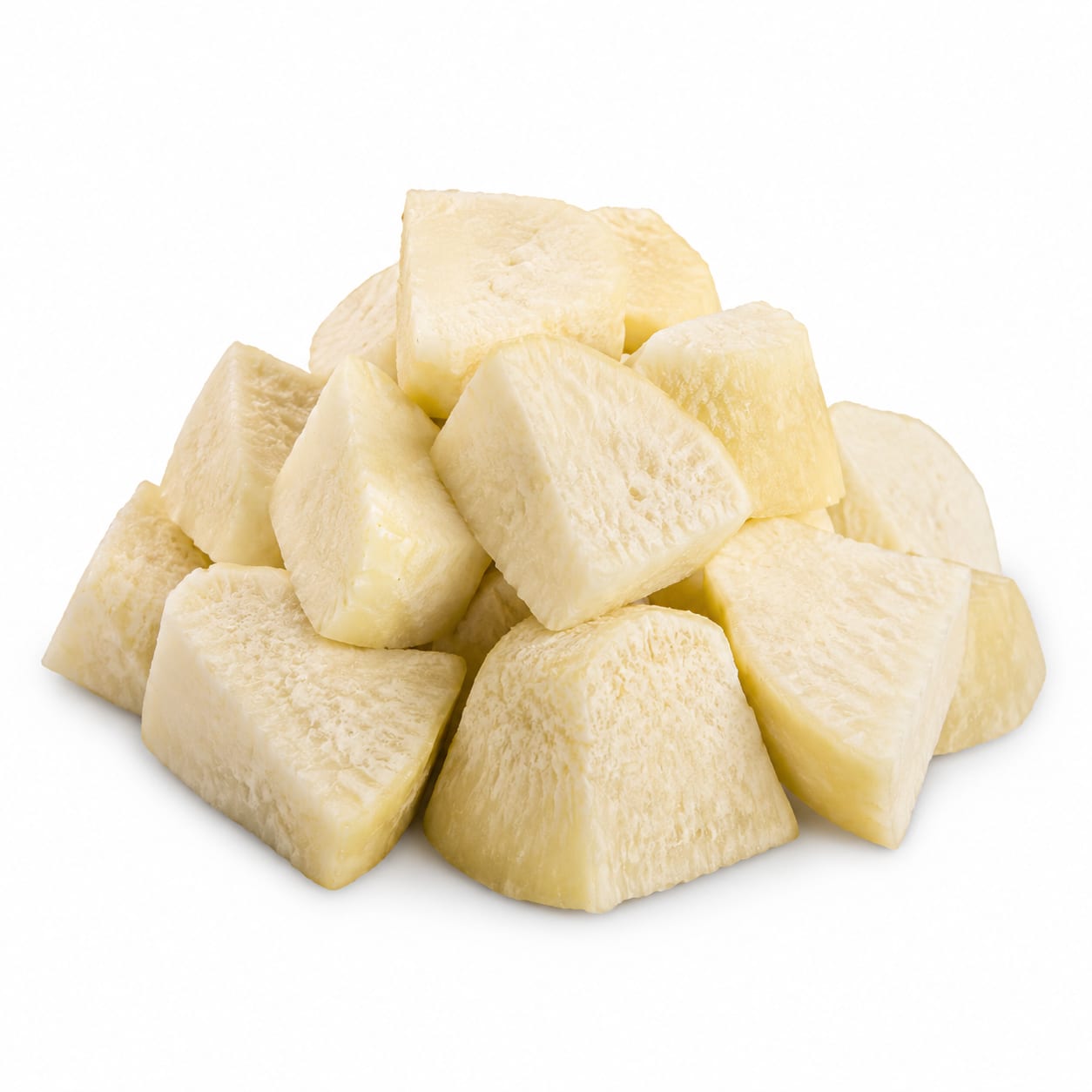
Yam
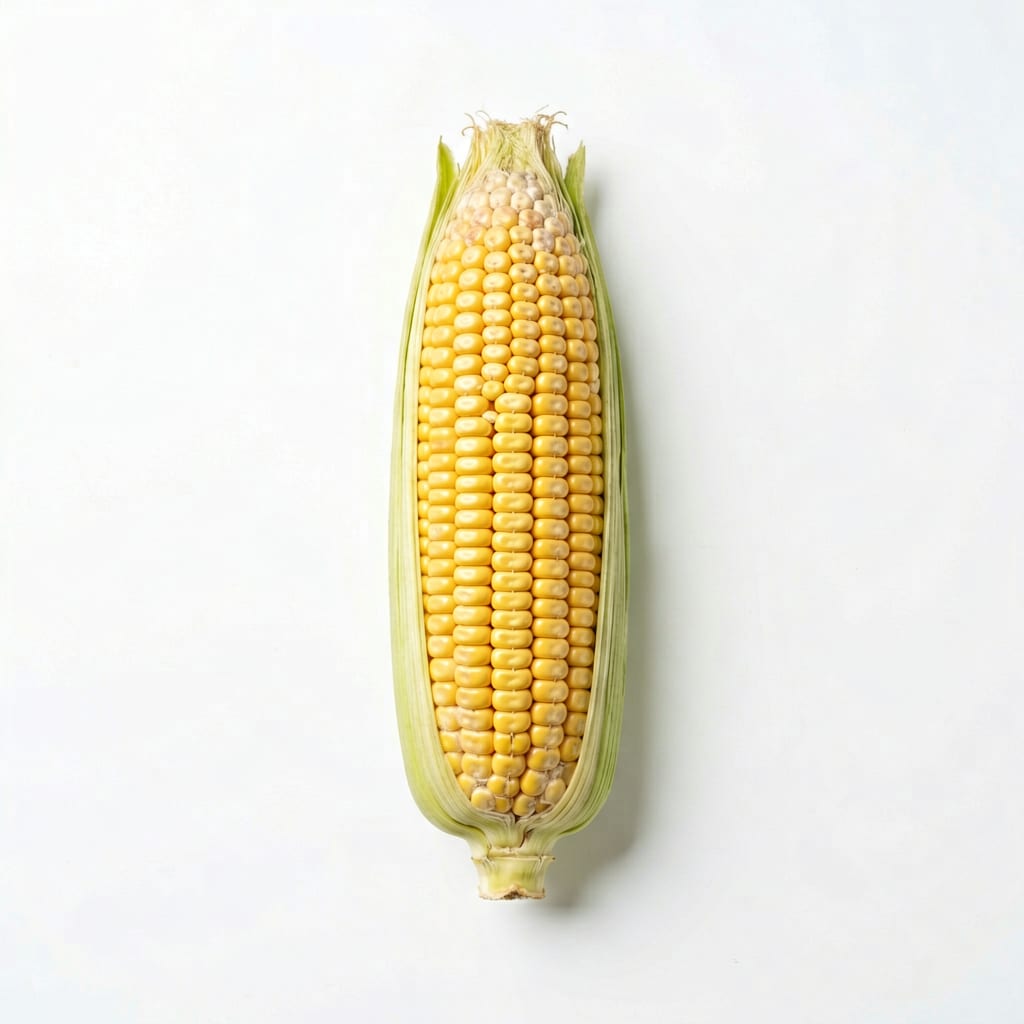
Corn
Yam edges out corn thanks to steadier blood sugar, more fiber per calorie, and richer mineral content, but corn wins for convenience, protein, and eye-protecting antioxidants.
Yam scores higher due to superior blood sugar stability, higher fiber density, and richer mineral profile. Corn remains competitive with better protein, convenience, and unique antioxidants, but its higher glycemic impact and GMO concerns pull it down for everyday health-focused use.
Yam gives you calmer energy and better mineral intake; corn gives you easier prep, more protein, and lutein for eye health.
At a glance
Executive summary
Overall
Yam
Healthier
Yam
More practical
Corn
Daily use
Yam
Key comparison lenses
blood sugar management
Both are starchy carbs, so glycemic impact is the top concern for most people choosing between them
daily carb staple selection
Users typically want to know which tuber or grain works better as a regular carbohydrate source
weight management and satiety
Both foods are calorie-dense starches, making fullness and portion control critical
nutrient density comparison
People want to understand what vitamins and minerals they actually get from each option
digestive tolerance and gut health
Yam contains resistant starch and oxalates while corn has insoluble fiber that affects digestion differently
Best choice for
Yam
- People managing blood sugar or insulin resistance
- Anyone needing more potassium and manganese
- Those seeking steady long-lasting energy without crashes
- People avoiding GMO crops
Corn
- Active individuals needing quick-access carbs after exercise
- People wanting more protein from their carb source
- Anyone prioritizing eye health and antioxidant intake
- Busy cooks needing fast preparation
Least suitable for
Yam
- People short on cooking time since yams require peeling and boiling or roasting
- Anyone sensitive to oxalates or prone to kidney stones
- Those wanting a quick grab-and-go carb option
Corn
- People with diabetes or significant blood sugar concerns
- Anyone avoiding GMO foods unless buying organic
- People on low-carb or keto diets since corn is carb-dense with less fiber buffer
Deep comparison
Dimension by dimension
Each lens scores both foods and breaks down who each option suits.
- Dimension 1 · Priority 95Yam
Blood Sugar Stability
Yam · 78Corn · 52Yam digests noticeably slower than corn, giving you smoother energy without the spike-and-dip pattern.
Tradeoff
Corn provides faster energy which helps after intense exercise but causes sharper blood sugar swings during sedentary periods.
Why it matters
Steadier blood sugar means fewer cravings, better focus, and less fat storage over time.
Real-world impact
A yam with lunch keeps you satisfied until dinner. Corn on the cob might leave you reaching for a snack by 3pm.
Yam
- Diabetics and pre-diabetics
- Office workers sitting most of the day
- Anyone prone to afternoon energy crashes
Better for
- Situations requiring rapid carb refueling
Worse for
Corn
- Endurance athletes mid-event
- Post-workout recovery meals
- Underweight individuals needing easy calories
Better for
- Sedentary evenings when excess glucose stores as fat
- Anyone already struggling with insulin sensitivity
Worse for
- Dimension 2 · Priority 88Yam
Fiber and Satiety
Yam · 82Corn · 60Yam delivers more fiber per calorie, keeping you fuller longer with less food.
Tradeoff
Corn's fiber is more insoluble, which helps bowel regularity but does less for fullness compared to yam's mix of soluble and resistant starch.
Why it matters
Higher satiety means you naturally eat less without feeling deprived.
Real-world impact
A medium yam at dinner feels like a complete satisfying side. An ear of corn often feels like you need something else on the plate.
Yam
- Weight loss efforts
- Portion control challenges
- Emotional eaters needing physical fullness
Better for
- Those with sensitive digestion who need lower fiber temporarily
Worse for
Corn
- Chronic constipation relief
- Quick digestion before physical activity
Better for
- Anyone eating alone who needs one side to feel like enough
Worse for
- Dimension 3 · Priority 82Yam
Micronutrient Density
Yam · 80Corn · 68Yam packs more potassium, manganese, and vitamin C per serving. Corn counters with more B vitamins and unique carotenoids.
Tradeoff
Yam is your mineral champion while corn is your vision protector. Different strengths for different priorities.
Why it matters
Most people are deficient in potassium and magnesium, which yam helps address. Corn's lutein is harder to get from other sources.
Real-world impact
Eating yam regularly helps with muscle cramps and blood pressure. Eating corn regularly supports long-term eye health.
Yam
- People with muscle cramps or high blood pressure
- Anyone low on potassium from sweating or medication
- Older adults needing manganese for bone health
Better for
- Those primarily seeking lutein and zeaxanthin
Worse for
Corn
- People with family history of macular degeneration
- Anyone not eating leafy greens regularly
- Pregnant women needing extra folate
Better for
- Anyone relying on a single starch for mineral intake
Worse for
- Dimension 4 · Priority 72Corn
Protein Content
Yam · 35Corn · 58Corn has roughly double the protein of yam, though neither is a protein powerhouse.
Tradeoff
Corn gives you a modest protein edge but you still need a real protein source alongside either food.
Why it matters
Even small protein differences matter when these foods form a large portion of your plate.
Real-world impact
A corn-based meal needs slightly less added protein to feel balanced. A yam-based meal definitely needs beans, meat, or eggs on the side.
Yam
- Not applicable — yam loses on protein
Better for
- Vegans who need every gram of protein they can get
Worse for
Corn
- Vegetarians building balanced plates
- Anyone trying to reduce supplemental protein
- Meal preppers combining starch with lighter protein portions
Better for
- Not a significant concern given the modest difference
Worse for
- Dimension 5 · Priority 70Corn
Convenience and Versatility
Yam · 45Corn · 80Corn is faster to cook, easier to find pre-prepared, and works in more quick-meal formats.
Tradeoff
Yam requires peeling and longer cooking but rewards you with creamier texture and better nutrient retention when baked.
Why it matters
The best healthy food is the one you actually make. Convenience often wins on busy weeknights.
Real-world impact
Frozen corn steams in 3 minutes for a weeknight stir-fry. A yam needs 40 minutes in the oven or 15 minutes of boiling and peeling.
Yam
- Weekend meal prep when time is available
- Baked side dishes for family dinners
Better for
- Exhausted parents needing dinner in 20 minutes
- Anyone without an oven or reliable stovetop
Worse for
Corn
- Weeknight cooking in under 15 minutes
- Meal prep with frozen or canned options
- Salads, soups, and stir-fries needing quick additions
Better for
- Special occasion meals where presentation matters more
Worse for
- Dimension 6 · Priority 68Yam
GMO and Pesticide Exposure
Yam · 88Corn · 42Most yams are non-GMO and have lower pesticide residues. Conventionally grown corn is heavily GMO and pesticide-treated in the US.
Tradeoff
Organic corn eliminates the GMO concern but costs more and is less widely available than conventional corn.
Why it matters
Long-term exposure to pesticide residues and GMO crops remains an unresolved health debate. Minimizing exposure is a reasonable precaution.
Real-world impact
Buying yam means less label-reading and worry. Buying corn means choosing between organic prices and potential exposure concerns.
Yam
- Families wanting simpler clean-eating choices
- Anyone avoiding GMOs without budget for organic
Better for
- Not a significant concern
Worse for
Corn
- Those with access and budget for organic corn
- People less concerned about GMO exposure
Better for
- Budget-conscious shoppers who cannot afford organic
- Children and pregnant women where precaution matters most
Worse for
Timeline
Health impact over time
Short-term
Hours to days
Yam
- Steady energy rise without jitters or crash for 3-4 hours
- Comforting fullness that reduces between-meal snacking
- Possible bloating if you eat large portions due to resistant starch fermentation
Corn
- Quick energy boost within 30-60 minutes
- Lighter stomach feel compared to yam, which may trigger earlier hunger
- Occasional digestive irritation from insoluble fiber if your gut is sensitive
Long-term
Months to years
Yam
- Better insulin sensitivity with regular consumption as a carb staple
- Improved blood pressure from consistent potassium intake
- Possible kidney stone risk for those predisposed due to oxalate content
Corn
- Protective effects against age-related vision decline from lutein and zeaxanthin
- Potential blood sugar dysregulation if eaten frequently without protein or fat pairing
- Uncertain long-term effects of regular GMO corn consumption
Risk profile
Safety & processing
Both yam and fresh or frozen corn are whole foods with minimal processing. The concern with corn is agricultural rather than manufacturing — GMO seeds and pesticide use at the farm level. Canned corn may contain added sodium and should be rinsed before eating. Yam is almost always sold whole and unprocessed.
Yam
Oxalate content
mediumYams contain moderate oxalates that can contribute to kidney stone formation in susceptible individuals. Boiling and discarding the water reduces this significantly.
Inadequate cooking
mediumSome wild yam varieties contain natural compounds that are mildly toxic raw. Always cook yam thoroughly before eating.
Corn
GMO crop exposure
mediumOver 90% of US corn is genetically modified. While current evidence shows no proven harm, long-term independent studies remain limited. Choose organic to avoid.
Mycotoxin contamination
lowCorn is susceptible to fungal contamination producing aflatoxins. Proper storage and buying from reputable sources minimizes this risk.
Pesticide residue
mediumConventionally grown corn often carries pesticide residues. Washing helps but does not remove all traces. Frozen and canned corn typically show lower residues.
Who wins for whom
Audience fit
Same foods, different winners depending on your goal.
children
It dependsCorn is easier for kids to eat and provides folate for growth. Yam offers steadier energy and more minerals. Rotate both for variety.
daily consumption
YamYam's superior blood sugar profile and mineral content make it a better everyday staple. Corn is fine occasionally but its higher glycemic load and GMO concerns make it less ideal as a daily carb.
diabetes
YamYam's lower glycemic impact and higher fiber create a much gentler blood sugar response, making it safer for glucose management.
elderly
YamYam's potassium supports blood pressure and its softer texture when mashed is gentle on aging digestion. The steady energy also helps prevent fatigue-related falls.
muscle gain
CornCorn has more protein and faster-digesting carbs that replenish glycogen efficiently after training.
weight loss
YamHigher fiber and resistant starch in yam keep you fuller on fewer calories, making portion control feel easier.
Your move
Decision guide
Choose Yam
- You are managing blood sugar, insulin resistance, or diabetes
- You want a carb that keeps you full for hours without snacking
- You are concerned about GMO exposure and want a cleaner staple
- You need more potassium for blood pressure or muscle function
- You have time to cook and prefer creamy satisfying textures
Choose Corn
- You need quick energy after workouts or physical labor
- You want easy weeknight cooking with minimal prep time
- Eye health is a priority, especially if macular degeneration runs in your family
- You are building balanced plates and want slightly more protein from your carb
- You can access and afford organic corn to avoid GMO concerns
Either works if
- You are healthy and active with no blood sugar concerns
- You want starchy carb variety in your weekly rotation
- You are eating them alongside protein and healthy fats which buffer glycemic impact
Avoid both if
- You are on a strict ketogenic or very low-carb diet
- You have severe digestive conditions requiring low-fiber diets temporarily
- You are allergic or intolerant to either food specifically
Final recommendation
Make yam your default starchy carb and enjoy corn as a weekly addition. Yam gives you steadier energy, better minerals, and cleaner sourcing with less worry. Corn brings convenience, eye-protecting antioxidants, and faster energy when you need it. Pairing either with protein and healthy fat — like black beans and avocado with yam, or grilled chicken and olive oil with corn — makes both excellent choices. The biggest mistake is eating either one alone in large portions without a protein anchor.
Practical
Consumer tips
- 1
Boil yam and discard the water to reduce oxalate content if you are prone to kidney stones
- 2
Buy organic corn when possible to avoid GMO exposure — frozen organic corn is affordable and convenient
- 3
Pair corn with beans to create a complete protein and slow down its glycemic impact
- 4
Bake yam with the skin on to retain more fiber and nutrients — just scrub well first
- 5
Freeze cooked yam cubes for quick reheating during busy weeks — this solves the convenience gap
- 6
Rinse canned corn thoroughly to remove up to 30% of added sodium
- 7
Add a tablespoon of olive oil or butter to either food to slow digestion and flatten the blood sugar curve
- 8
Rotate both weekly instead of choosing just one — dietary diversity supports a healthier gut microbiome