
Nutrition comparison
Yam vs Rutabaga: Which Root Vegetable Is Better for Your Diet?
Compare yam and rutabaga nutrition, calories, carbs, and health benefits. Find out which root vegetable fits your weight loss, low-carb, or athletic goals better.
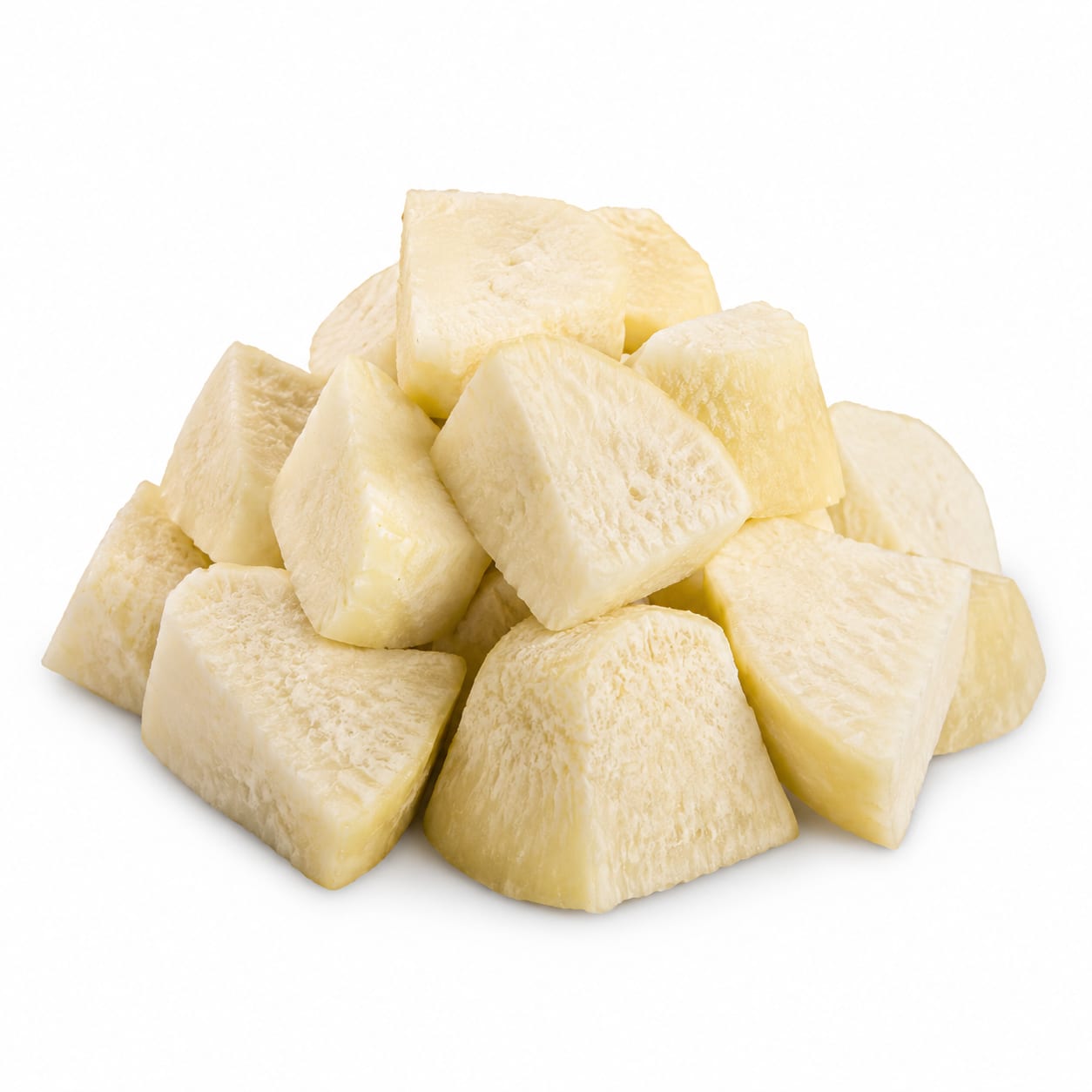
Yam
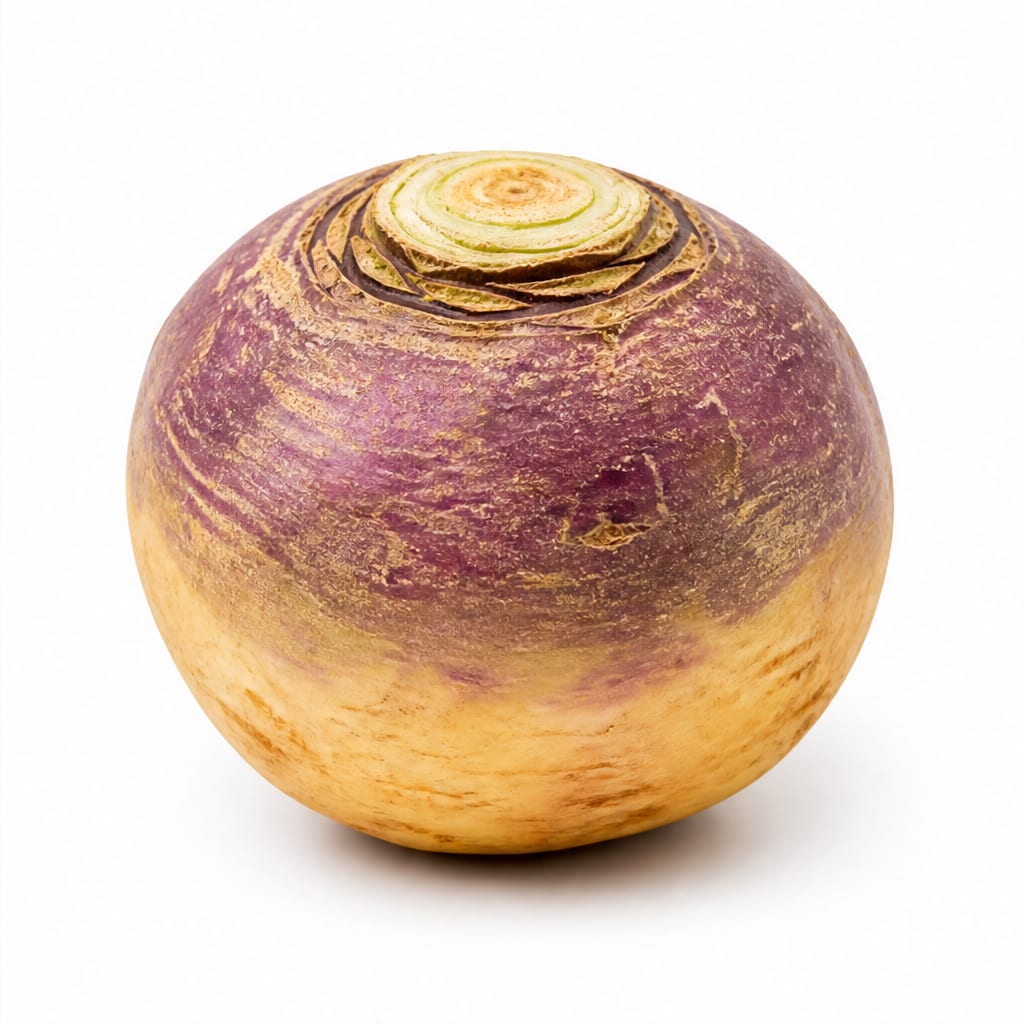
Rutabaga
Rutabaga wins for low-calorie, low-carb eating. Yam wins when you need sustained energy or post-workout carbs. Both are clean whole foods with zero processing concerns.
Rutabaga scores higher overall due to its calorie efficiency, lower glycemic impact, and broader diet compatibility. Yam remains strong for active people who need carb-based energy, but its higher calorie and carb load narrows its audience.
Calories and carbs versus energy density — yams fuel you longer, rutabaga lets you eat more volume for fewer calories.
At a glance
Executive summary
Overall
It depends
Healthier
It depends
More practical
Rutabaga
Daily use
Rutabaga
Key comparison lenses
blood sugar management and carb load
Yams are significantly higher in carbohydrates, making glycemic impact the most critical differentiator
weight management and calorie efficiency
Rutabaga delivers similar volume and satisfaction at roughly half the calories, a major factor for portion-conscious eaters
low-carb diet compatibility
Rutabaga is a popular potato substitute in keto and low-carb communities, while yams are not
athletic energy and recovery fueling
Yams provide substantially more carbohydrate energy, making them more relevant for active individuals
micronutrient profile diversity
Each root vegetable offers distinct vitamin and mineral advantages worth understanding
Best choice for
Yam
- Athletes needing carb fuel before or after training
- People with high caloric needs who struggle to eat enough
- Anyone doing endurance sports or physically demanding work
- Traditional African, Caribbean, or Asian cuisine enthusiasts
Rutabaga
- Low-carb and keto dieters seeking a potato substitute
- Weight loss seekers wanting maximum food volume per calorie
- People managing blood sugar who still want a satisfying root vegetable
- Anyone looking to increase cruciferous vegetable intake
Least suitable for
Yam
- Strict low-carb dieters
- People monitoring blood sugar closely
- Sedentary individuals watching calorie intake
Rutabaga
- Athletes in heavy training needing carb replenishment
- Underweight individuals trying to gain weight
- People sensitive to cruciferous vegetables or FODMAPs
Deep comparison
Dimension by dimension
Each lens scores both foods and breaks down who each option suits.
- Dimension 1 · Priority 92Rutabaga
Blood Sugar Stability
Yam · 45Rutabaga · 78Rutabaga has roughly half the carbs per serving, leading to a gentler blood sugar response.
Tradeoff
Yam provides faster energy but causes a larger glucose spike, which can trigger crashes in sensitive individuals.
Why it matters
Steadier blood sugar means fewer cravings, better focus, and more consistent energy between meals.
Real-world impact
A rutabaga mash with dinner is less likely to leave you reaching for a snack an hour later.
Yam
- Post-workout carb replenishment when you want glucose uptake
- Endurance athletes mid-activity who need quick fuel
Better for
- Late-night eating when blood sugar should stay flat
- Sedentary days with minimal energy expenditure
Worse for
Rutabaga
- Prediabetics and type 2 diabetics managing glucose
- Anyone prone to afternoon energy crashes after carby meals
- Low-carb eaters who miss mashed potatoes
Better for
- Immediately after intense exercise when you actually want insulin spike for recovery
Worse for
- Dimension 2 · Priority 88Rutabaga
Calorie Efficiency and Weight Management
Yam · 50Rutabaga · 85Rutabaga delivers the same satisfying root vegetable experience at roughly 40% fewer calories than yam.
Tradeoff
You get more food on your plate with rutabaga, but less sustained energy for physical activity.
Why it matters
When cutting calories, volume matters. Eating more food for fewer calories makes diets feel less restrictive.
Real-world impact
A full cup of roasted rutabaga costs you about 66 calories — the same amount of yam runs about 158.
Yam
- Hikers and manual laborers burning 3000+ calories daily
- Hard gainers who struggle to hit caloric surplus
Better for
- Mindless snacking — easy to overconsume calories without noticing
- Restaurant-sized portions that silently add 300+ calories
Worse for
Rutabaga
- Anyone tracking calories for weight loss
- People who like large portions without the caloric penalty
- Meal preppers building volume-heavy plates
Better for
- Situations where you need calorie density in a small package
Worse for
- Dimension 3 · Priority 80Yam
Energy and Performance Fueling
Yam · 85Rutabaga · 50Yam is a legitimate energy food with complex carbs that sustain physical output. Rutabaga simply does not have the carbohydrate payload.
Tradeoff
More energy means more calories — yam is fuel, not diet food.
Why it matters
If you train hard, under-fueling with low-carb vegetables can leave you flat and fatigued.
Real-world impact
A baked yam before a long run feels like actual fuel. Rutabaga feels like a side dish, not a power source.
Yam
- Pre-workout meals 1-2 hours before training
- Carb-loading before endurance events
- Recovery meals after glycogen-depleting exercise
Better for
- Sedentary office days where carb load goes unused
Worse for
Rutabaga
- Rest day meals when carb demand is low
- Light activity days where you want vegetables without heaviness
Better for
- Competitive athletes who need carb-dense fuel sources
- Multi-sport athletes struggling to recover between sessions
Worse for
- Dimension 4 · Priority 70It depends
Micronutrient Density
Yam · 72Rutabaga · 75Yam brings more potassium and vitamin B6. Rutabaga delivers more vitamin C, calcium, and unique glucosinolate compounds.
Tradeoff
Different micronutrient profiles serve different priorities — neither dominates across the board.
Why it matters
Potassium supports muscle function and blood pressure. Vitamin C boosts immunity and iron absorption. Glucosinolates have emerging cancer-fighting research.
Real-world impact
Eating both across the week gives you broader nutrient coverage than picking just one.
Yam
- People who fall short on potassium, especially those avoiding bananas
- Women needing B6 support for hormonal regulation
Better for
- Relying on yam as a primary vitamin C source — it is insufficient
Worse for
Rutabaga
- Anyone wanting more vitamin C without fruit sugar
- People who do not consume dairy and need calcium from vegetable sources
- Those interested in cruciferous cancer-protective compounds
Better for
- Expecting significant potassium contribution — yam is far stronger here
Worse for
- Dimension 5 · Priority 65It depends
Digestive Tolerance
Yam · 70Rutabaga · 60Yam is generally gentler on digestion. Rutabaga, being cruciferous, can cause bloating in sensitive people.
Tradeoff
Rutabaga offers more fiber per calorie but comes with gas and bloating risk for some.
Why it matters
A food that causes discomfort will not be eaten consistently, no matter how nutritious it is.
Real-world impact
If you have IBS or FODMAP sensitivity, roasted yam is the safer dinner choice. Rutabaga might leave you uncomfortably bloated.
Yam
- People with IBS or sensitive digestion
- Anyone following a low-FODMAP elimination phase
- Pre-event meals where bloating would be uncomfortable
Better for
- Situations where maximum fiber intake is the priority
Worse for
Rutabaga
- People with robust digestion who benefit from extra fiber
- Anyone trying to improve gut microbiome diversity through cruciferous intake
Better for
- Date nights or social events where bloating is a concern
- People already prone to gas from other cruciferous vegetables
Worse for
- Dimension 6 · Priority 78Rutabaga
Culinary Versatility and Low-Cub Substitution
Yam · 60Rutabaga · 82Rutabaga has become a go-to potato substitute in low-carb cooking. Yam is harder to swap into keto recipes.
Tradeoff
Rutabaga mimics potato texture well with fewer carbs, but yam has a unique sweetness and creaminess that rutabaga cannot replicate.
Why it matters
A food you can cook multiple ways stays interesting longer and reduces diet fatigue.
Real-world impact
Rutabaga fries, mash, and gratins are legitimate low-carb comfort food. Yam dishes are delicious but always carb-heavy.
Yam
- Traditional recipes where yam's sweetness is central to the dish
- Dessert-adjacent preparations like yam pudding or candied yams
Better for
- Trying to make yam work in keto recipes — it will not fit macros
Worse for
Rutabaga
- Keto and low-carb meal plans
- Anyone missing potato texture on a carb-restricted diet
- Hearty winter stews where it absorbs flavors beautifully
Better for
- Recipes where yam's natural sweetness is the point
Worse for
Timeline
Health impact over time
Short-term
Hours to days
Yam
- Noticeable energy boost within an hour due to carbohydrate content
- May cause drowsiness in carb-sensitive individuals after larger servings
- Very gentle on the stomach — unlikely to cause bloating or gas
Rutabaga
- Light feeling after eating — low calorie load does not cause sluggishness
- Possible gas or bloating within hours for those sensitive to cruciferous fiber
- Vitamin C content supports immediate immune function and iron absorption
Long-term
Months to years
Yam
- Consistent potassium intake supports healthy blood pressure over time
- Vitamin B6 contributes to hormonal balance and brain health with regular consumption
- Higher carb load requires activity matching to avoid weight gain
Rutabaga
- Glucosinolate compounds from regular cruciferous intake are linked to reduced cancer risk
- Low calorie density supports sustainable weight maintenance without portion restriction
- Calcium and vitamin C contribute to bone density and immune resilience long-term
Risk profile
Safety & processing
Both yam and rutabaga are whole, unprocessed root vegetables. Neither carries additive or preservative concerns when purchased fresh. This is a clean comparison — the differences are nutritional, not artificial.
Yam
Confusion with wild yam varieties
mediumSome wild yam species contain dioscorine, a natural toxin. Commercial yams in grocery stores are safe, but foraging carries real risk.
Oxalate content
lowYams contain moderate oxalates. Not a concern for most people, but those with kidney stone history should be mindful.
Rutabaga
Goitrogenic compounds
lowLike all cruciferous vegetables, rutabaga contains goitrogens that can interfere with thyroid function if consumed raw in extreme amounts. Cooking largely neutralizes this.
Pesticide residue on conventional crops
lowRutabaga is a root vegetable with low pesticide exposure overall. The thick skin provides natural protection. Peeling further reduces any residue.
Who wins for whom
Audience fit
Same foods, different winners depending on your goal.
children
YamYam's natural sweetness and creamy texture are more kid-friendly. Children also benefit from the extra calories and potassium for growth.
daily consumption
RutabagaRutabaga's lower calorie and carb profile makes it more sustainable as a daily staple without metabolic downsides for sedentary to moderately active people.
diabetes
RutabagaRutabaga's lower carbohydrate load and gentler glycemic impact make it significantly safer for blood sugar management.
elderly
It dependsYam is easier to digest and provides potassium for blood pressure. Rutabaga offers calcium for bone density. The better choice depends on the individual's primary health concern.
muscle gain
YamYam's higher carbohydrate content supports glycogen replenishment and training intensity, both critical for muscle growth.
weight loss
RutabagaRutabaga provides the same satisfying root vegetable experience at roughly 40% fewer calories, making it far easier to maintain a deficit without feeling deprived.
Your move
Decision guide
Choose Yam
- You train hard and need carb-based fuel for performance and recovery
- You have high caloric needs and struggle to eat enough
- You want a gentle-on-the-stomach carb source that will not cause bloating
- You cook traditional West African, Caribbean, or Asian dishes where yam is essential
Choose Rutabaga
- You are managing weight or blood sugar and want maximum food volume per calorie
- You follow a low-carb or keto diet and miss potato-based dishes
- You want to increase cruciferous vegetable intake for cancer-protective benefits
- You prefer lighter meals that do not leave you feeling heavy or sluggish
Either works if
- You simply want more vegetable variety and both fit your macros
- You are meal prepping and want to rotate root vegetables across the week
- You have no specific dietary restrictions and enjoy both flavors
Avoid both if
- You are on a strict very-low-carb diet under 20g net carbs — even rutabaga may be too much
- You have a known allergy or intolerance to either root vegetable family
Final recommendation
Keep both in rotation. Use yam on training days when you need fuel. Use rutabaga on rest days or when you want a lighter plate. If you must pick one for daily use, rutabaga's calorie efficiency and broader diet compatibility give it the edge for most people.
Practical
Consumer tips
- 1
Peel rutabaga thickly — the waxy outer layer is often coated in food-grade wax for shelf life. The flesh underneath is clean and tender.
- 2
Yam and sweet potato are not the same thing. Most orange-fleshed tubers in American grocery stores are sweet potatoes, even when labeled yams. True yams have brown bark-like skin and white or pale yellow flesh.
- 3
Roast both together with olive oil, rosemary, and sea salt for a root vegetable medley that gives you the benefits of each.
- 4
If rutabaga causes bloating, try cooking it longer or starting with smaller portions. Your gut adapts to cruciferous fiber over time.
- 5
Yam stores well in a cool, dark, dry place for weeks. Rutabaga prefers the refrigerator crisper and stays firm longer when kept cold.
- 6
For the lowest-carb rutabaga preparation, boil and mash it with butter and garlic — this rivals mashed potatoes with a fraction of the carbs.