
Japanese Grilled Poultry
Yakitori
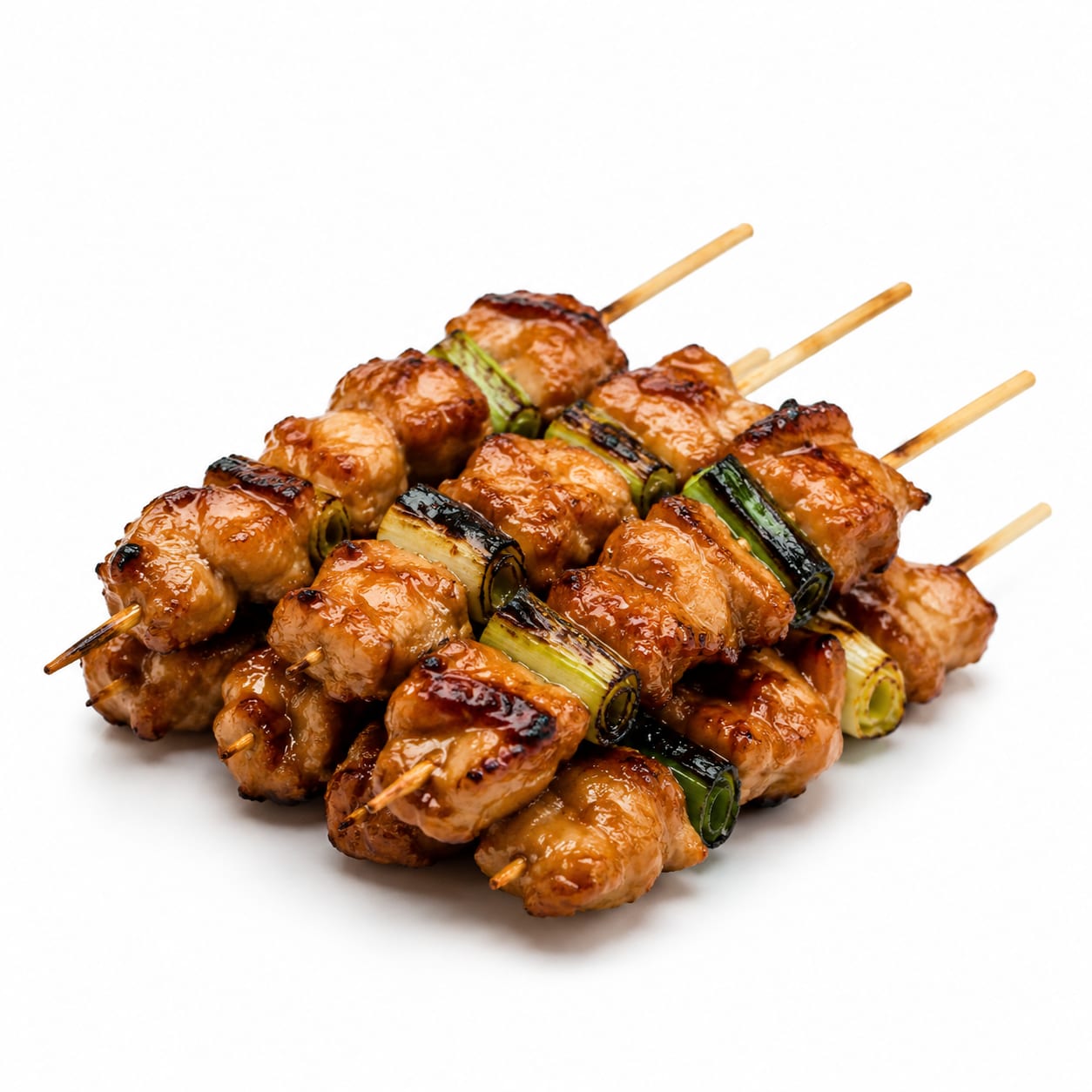
Yakitori is a Japanese dish of skewered and charcoal-grilled chicken, seasoned with salt or sweet soy glaze.
Yakitori is a traditional Japanese dish consisting of bite-sized pieces of chicken skewered on bamboo sticks and grilled over charcoal. It is typically seasoned with either salt (shio) or a sweet soy-based glaze (tare).
protein-dense grilled meat with variable fat and sodium
Typical serving · 150g
Common varieties · shio, tare, negima, kawa, sesami +1 more
Overall context score across nutrition, safety, and diet fit
At a glance
Quick facts
Simple indicators based on nutrition, processing, and diet fit.
The story
What makes it unique
Yakitori provides fast-digesting complete protein with varying fat content depending on the cut used. Satiety is moderate to high due to protein density. The sweet tare sauce adds rapidly digesting carbohydrates and sodium, while charcoal grilling introduces heterocyclic amines (HCAs) and polycyclic aromatic hydrocarbons (PAHs) on charred surfaces.
Varieties: shio · tare · negima · kawa · sesami · tsukune
Per 100g
Nutrition breakdown
Macro balance and key metrics at a glance.
Energy
Density 1.90 kcal/g
Protein
Carbs
Fat
Fiber
Sugar
3 g
Sodium
450 mg
Potassium
220 mg
Glycemic index
35
Glycemic load
1
Water content
65%
Standout compounds
Nutrient highlights
Protein
highSupports muscle repair, satiety, and immune function
Niacin
highEssential for energy metabolism and nervous system function
Selenium
moderateActs as an antioxidant and supports thyroid health
Sodium
highElectrolyte balance, but excessive intake raises blood pressure
Wellness map
Health scores & processing
NOVA processing scale
processed culinary ingredient · Whole food
Consists of whole chicken pieces modified by marination or basting in a processed sauce (tare) and thermal processing via grilling.
Diet compatibility
- Weight loss
- Muscle gain
- Diabetes
- Gut health
- Low carb
- High protein
- Heart health
Relative standing
Food rankings
Qualitative ranks compared to similar whole foods.
- Satietygood
- Blood sugargood
- Nutrient densitymoderate
- Fitness fuelexcellent
- Processing qualitymoderate
Eat with confidence
Food safety profile
Primary risks include undercooked poultry harboring bacteria and the formation of carcinogenic compounds from high-heat charcoal grilling. Commercial poultry may carry antibiotic residue risks depending on sourcing.
Evidence confidence 85%
- Pesticideslow
- Antibioticsmoderate
- Heavy metalslow
- Contaminationmoderate
Watch for
- salmonella
- campylobacter
- heterocyclic amines
- polycyclic aromatic hydrocarbons
Safer choices
Organic or antibiotic-free chicken, grilled at lower temperatures to reduce charring.
Prep tips
Ensure chicken is cooked to an internal temperature of 165F (74C). Trim heavily charred edges before eating to reduce HCA and PAH intake.
Standard poultry safety regulations apply; antibiotic use in poultry farming varies by region.
Deep dive
Health analysis
How this food may fit different goals and preparation choices.
Weight loss
Weight loss suitability depends heavily on the cut. Breast meat (sasami) is lean and low-calorie, while thigh (momo) and skin (kawa) are calorie-dense due to high fat content.
Blood sugar
Chicken itself has zero glycemic impact, but the tare sauce contains sugar and mirin, causing a minor blood sugar rise. Shio seasoning eliminates this carb load.
Fitness & energy
Excellent source of complete protein necessary for muscle repair and recovery. The moderate fat content in thigh cuts provides sustained energy for endurance activities.
Gut health
Lacks dietary fiber, offering no direct prebiotic benefits. High-fat cuts and charred proteins can be harder to digest for sensitive stomachs.
Processing quality
Whole food protein combined with a moderately processed sauce. Traditional preparation uses simple ingredients, but commercial versions may include additives or preservatives in the glaze.
Food safety
Charred meat contains HCAs and PAHs linked to cancer risk. Consuming heavily blackened pieces regularly is discouraged. Proper cooking mitigates bacterial risks.
Common mistakes
Assuming all yakitori is lean; skin and thigh cuts are highly caloric. Over-consuming tare-flavored skewers, which significantly increases sodium intake.
Best preparation
Grill at moderate temperatures rather than open flame to minimize charring. Choose shio over tare to reduce sugar and sodium. Opt for breast meat for leaner protein.
Practical guide
Best use cases
When and how this food fits real eating patterns.
Post-workout recovery
High leucine content from chicken protein stimulates muscle protein synthesis after exercise.
Low-carb dining out
Shio yakitori provides a flavorful, zero-carb protein option at Japanese restaurants.
High-protein snacking
Skewers offer built-in portion control and dense protein to curb hunger between meals.
Balance sheet
Pros & cons
Upsides
- High bioavailable complete protein
- Low carbohydrate when seasoned with salt
- Portable and portion-controlled format
- Rich in B vitamins like niacin and B6
- Versatile flavor profiles with different cuts
Trade-offs
- Tare sauce adds significant sugar and sodium
- Charcoal grilling creates potentially carcinogenic compounds
- Fatty cuts like skin and thigh are calorie-dense
- Often paired with alcohol, increasing overall calorie intake
- Lacks dietary fiber
Fit check
Who is it for?
Great match
- low-carb diets
- post-workout recovery
- high-protein snacking
- keto diets (shio only)
Consider alternatives
- low-sodium diets
- strict calorie counting (if eating kawa or tare)
- plant-based diets
- people with severe GERD (due to charring and fat)
Side by side
How it compares
Open the full head-to-head analysis for nutrition, safety, and practical tradeoffs.
This food
Yakitori
VS90% alike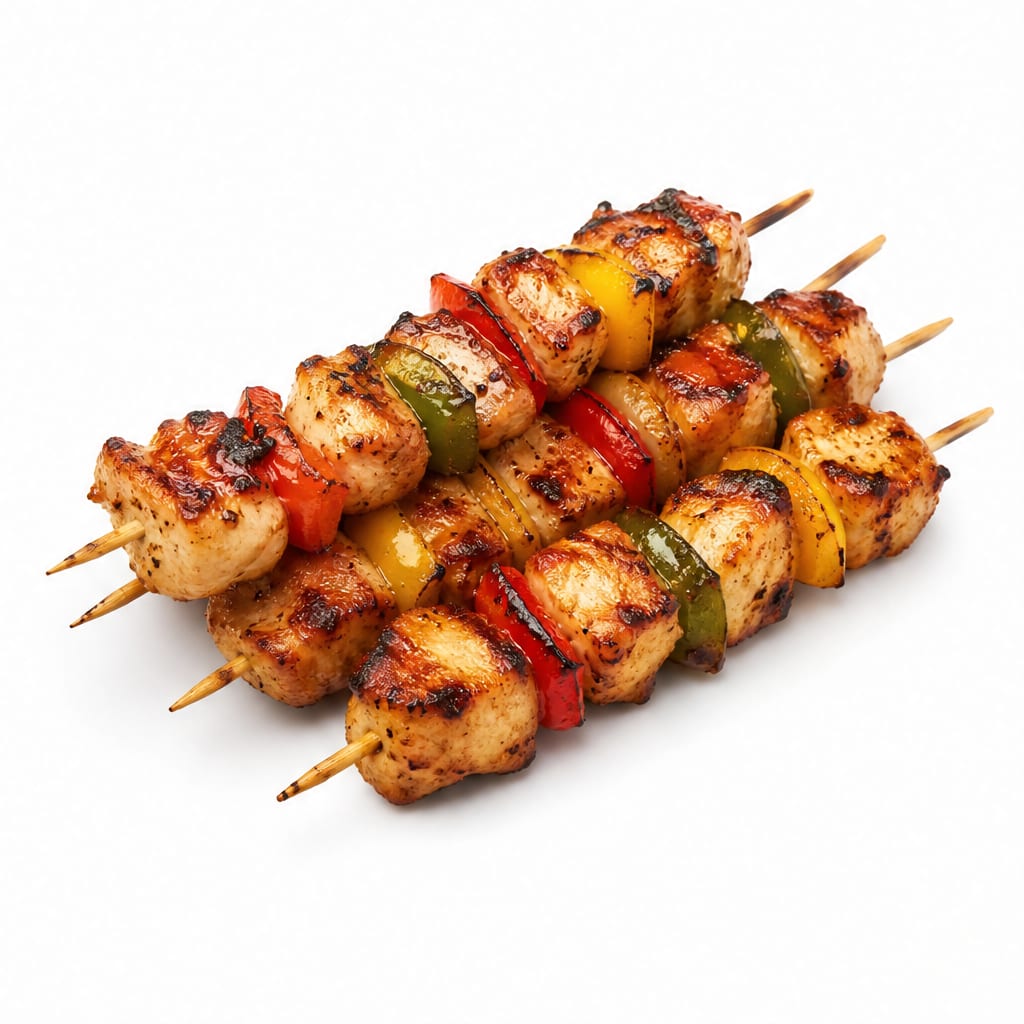
Compare with
Chicken Kebab
Yakitori focuses on specific chicken cuts with Japanese seasonings, while chicken kebabs offer more vegetable integration and less sugar.
Chicken kebabs win for weight loss due to added vegetables, while both offer equal high-quality protein for fitness.
This food
Yakitori
VS85% alike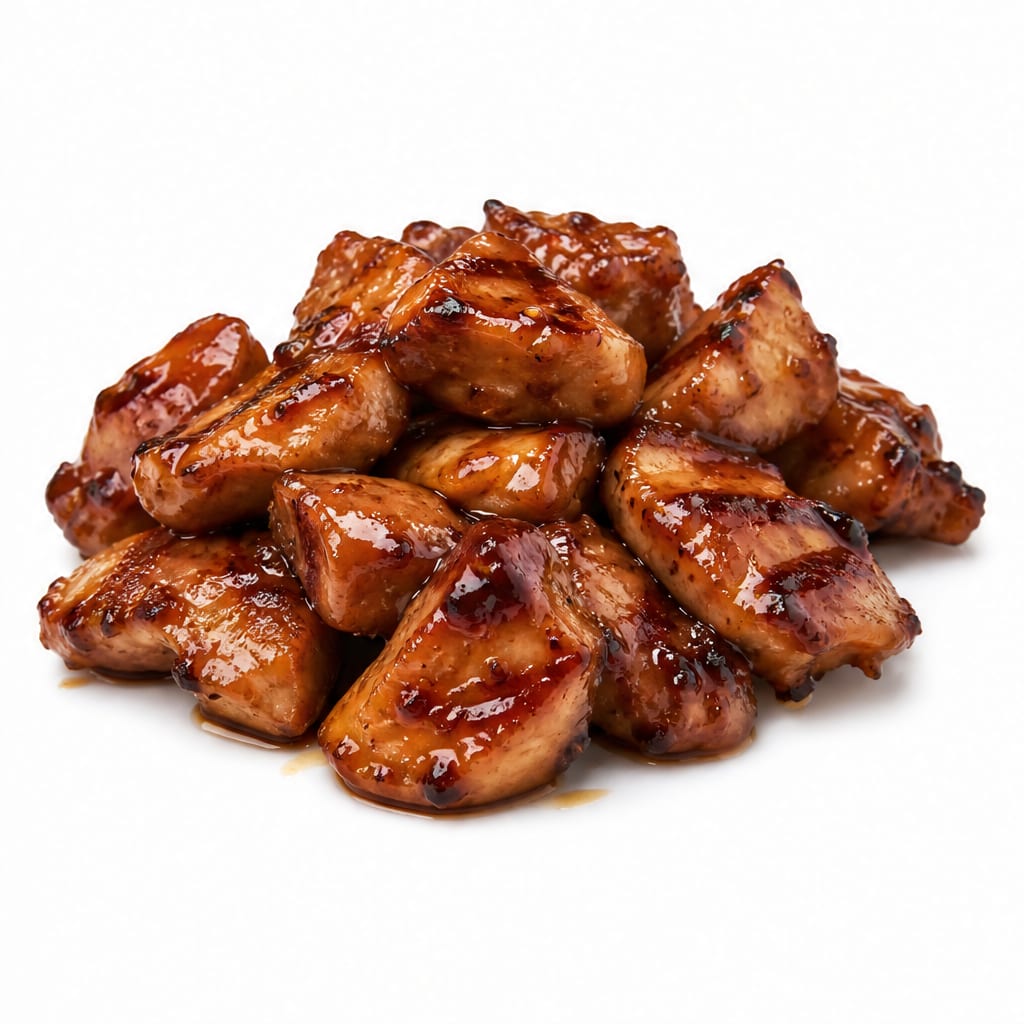
Compare with
Teriyaki Chicken
Yakitori is skewered and often uses varied cuts, while teriyaki is typically served as whole pieces of breast or thigh.
Yakitori offers better portion control than teriyaki, making it easier to manage calories and blood sugar.
This food
Yakitori
VS80% alike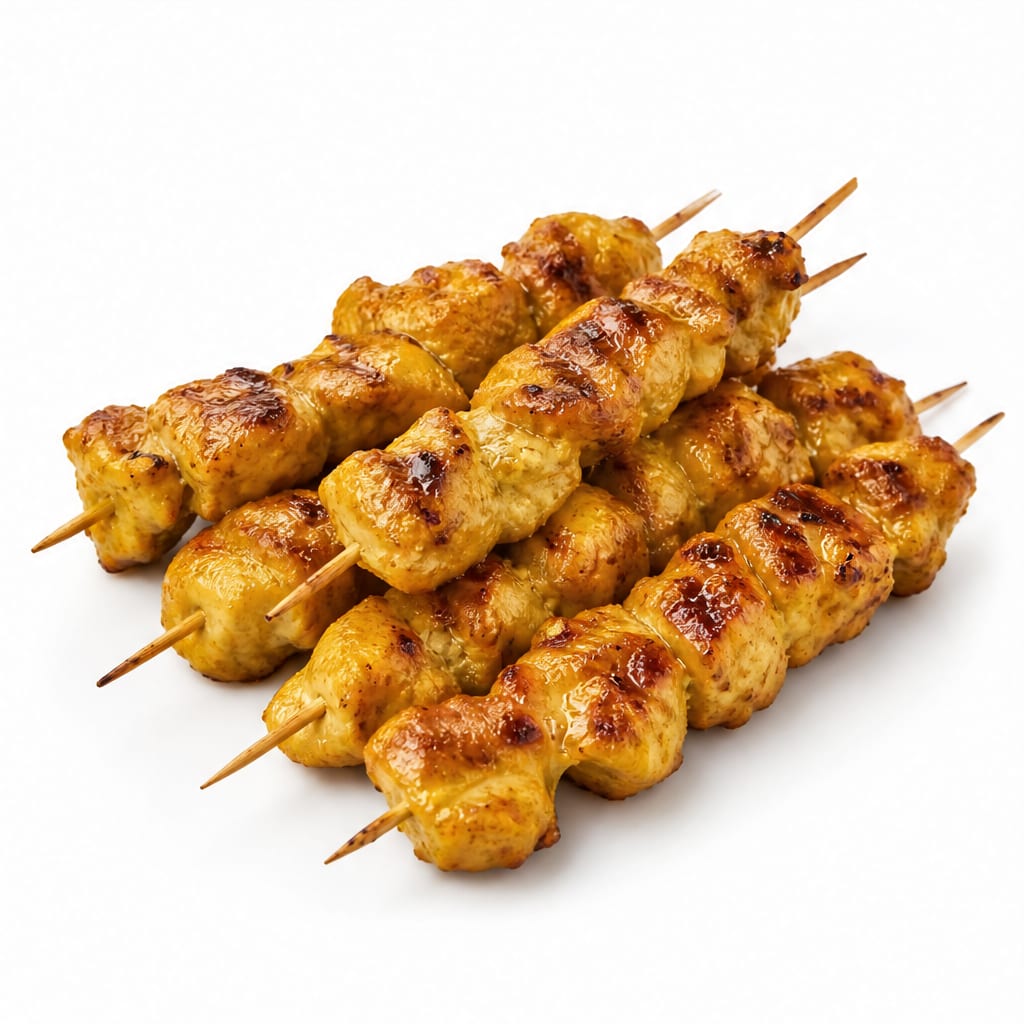
Compare with
Chicken Satay
Satay uses peanut sauce which adds healthy fats but more calories, while yakitori's tare is lower in fat but higher in sugar.
Yakitori is lower in calories and fat than chicken satay, which features calorie-dense peanut sauce.
This food
Yakitori
VS75% alike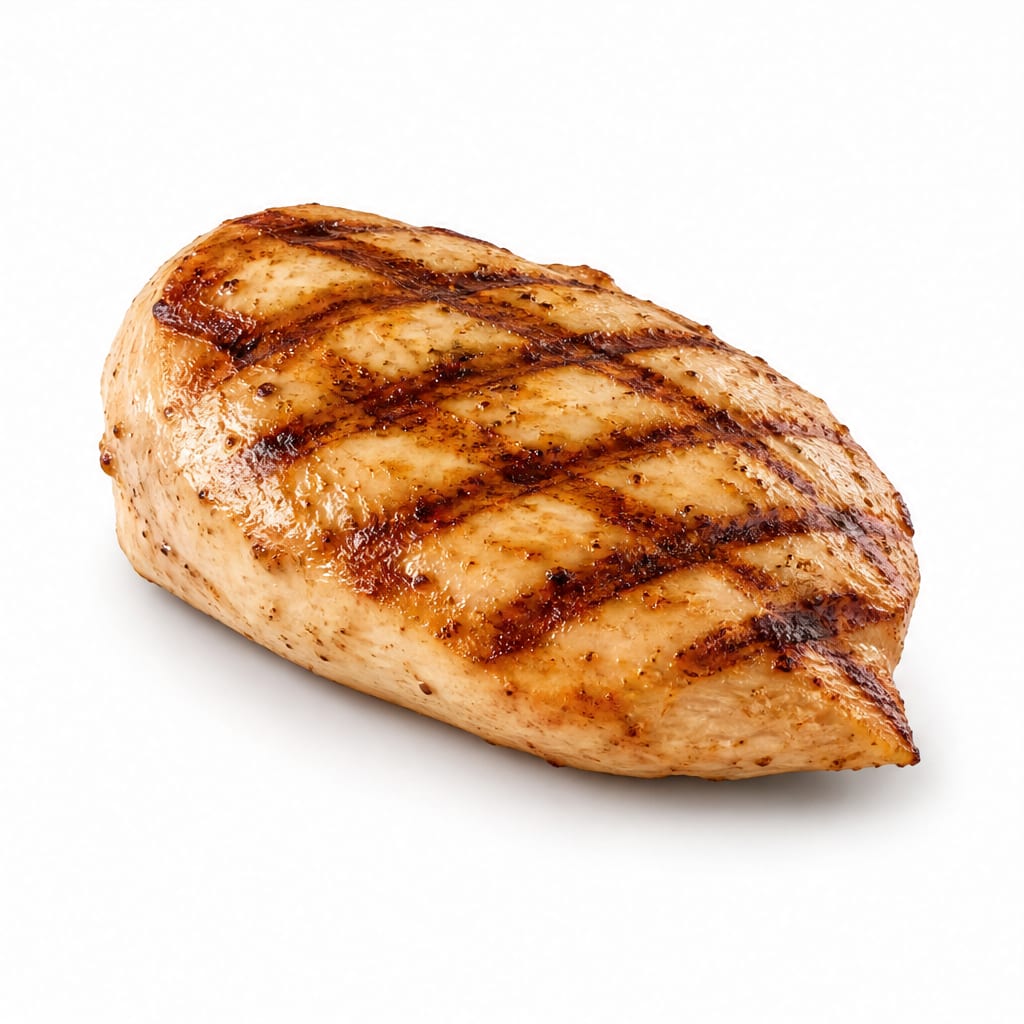
Compare with
Grilled Chicken Breast
Grilled chicken breast is consistently lean and low-calorie, whereas yakitori varies from lean to highly fatty depending on the cut.
Grilled chicken breast is reliably leaner for weight loss, while yakitori offers varied flavors but unpredictable fat content.
This food
Yakitori
VS70% alike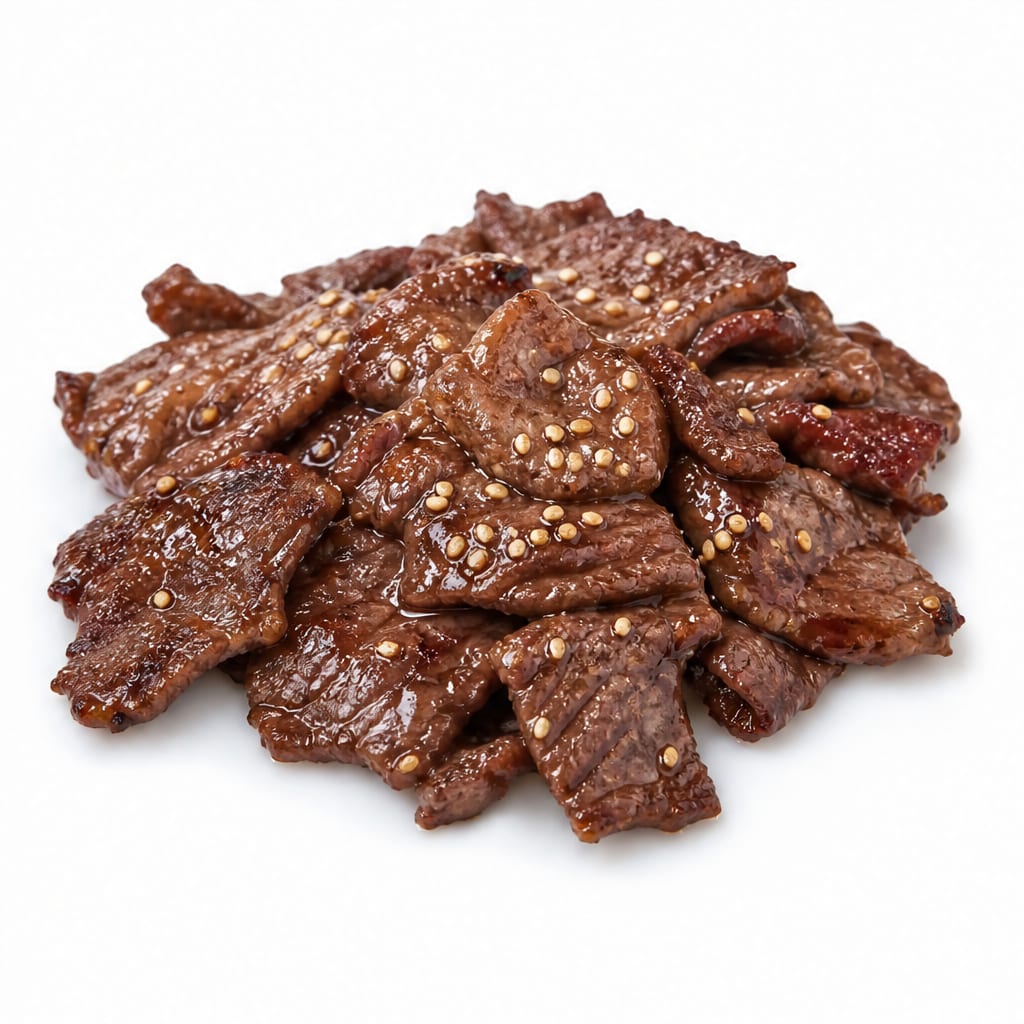
Compare with
Korean BBQ Beef
Beef offers more iron and B12, but chicken yakitori is generally lower in saturated fat and calories than typical Korean beef cuts.
Yakitori is lower in calories and saturated fat than Korean BBQ beef, making it better for weight management.
This food
Yakitori
VS65% alike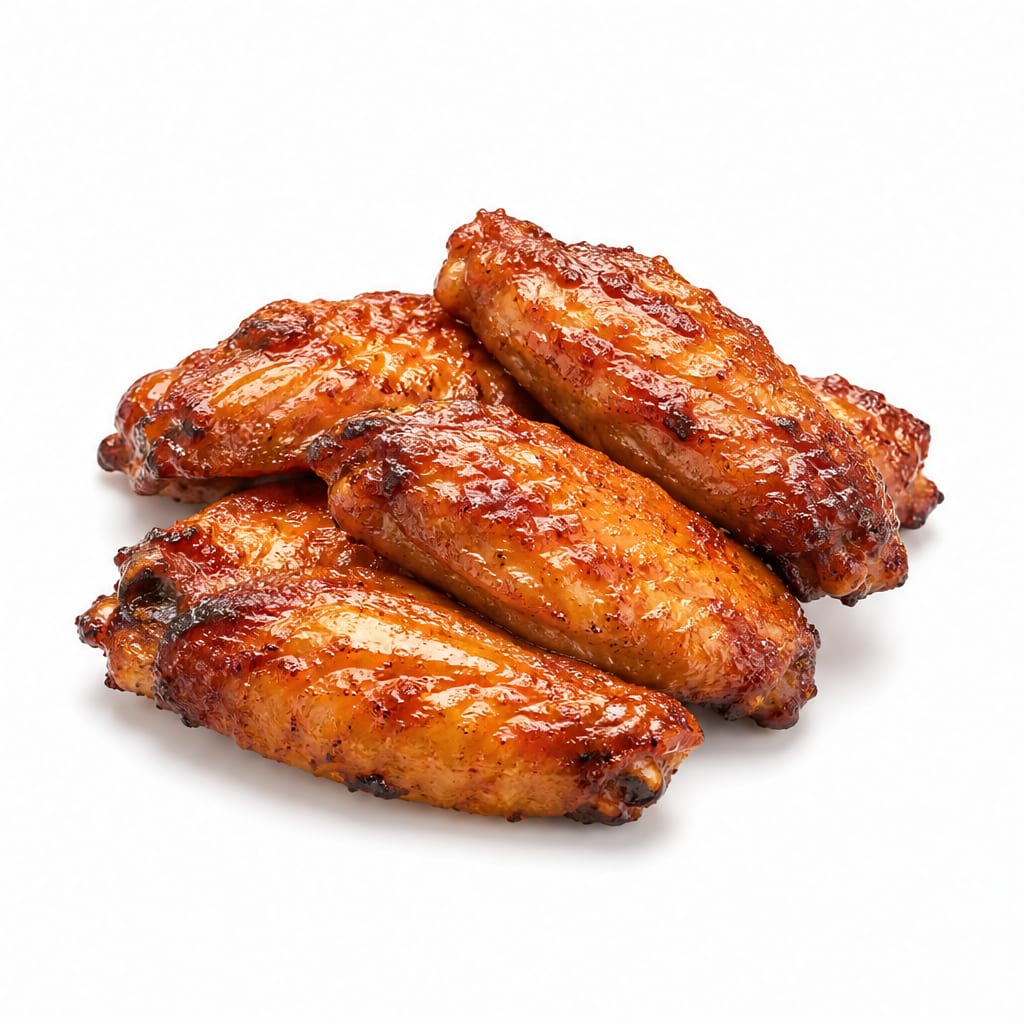
Compare with
Chicken Wings
Wings are typically deep-fried before saucing, adding trans fats and calories, whereas yakitori is grilled.
Yakitori is grilled and generally lower in calories and unhealthy fats compared to deep-fried chicken wings.
This food
Yakitori
VS60% alike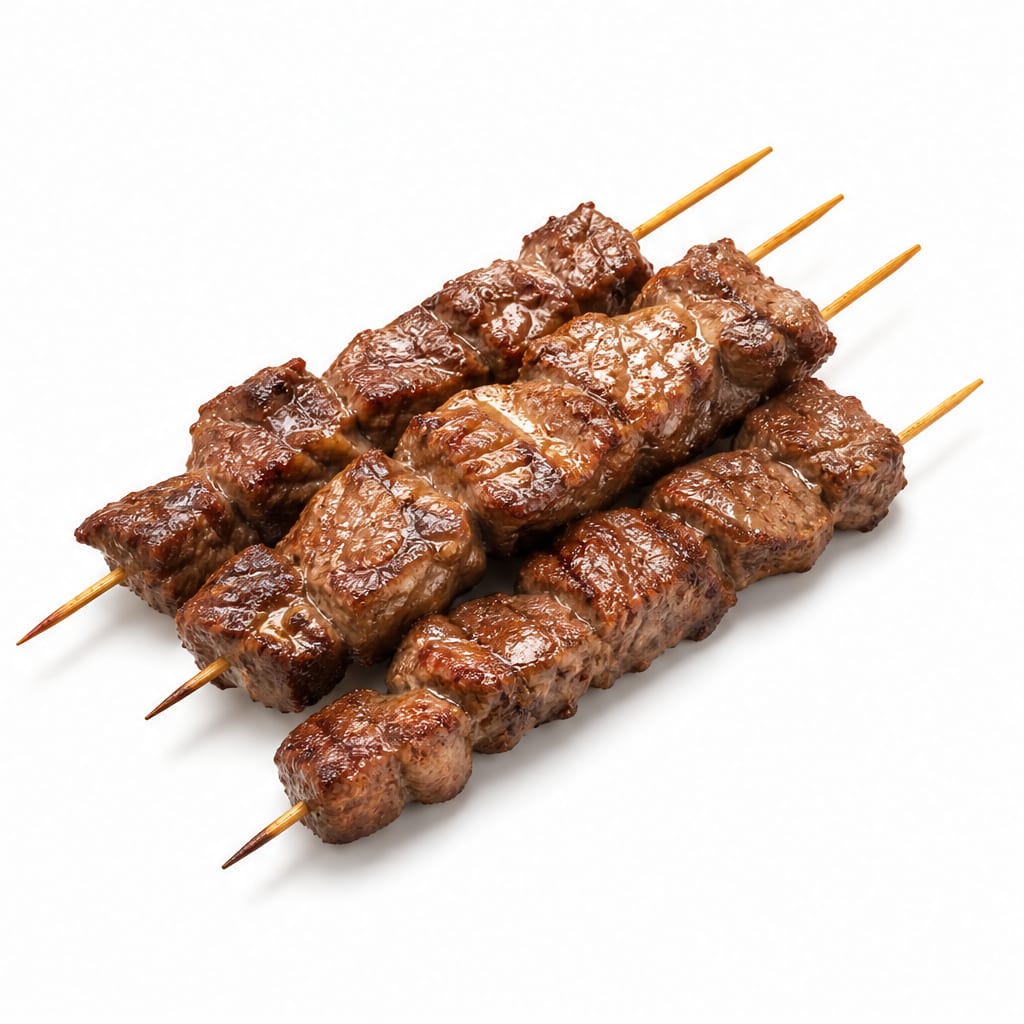
Compare with
Beef Skewers
Beef provides more iron and zinc, but chicken yakitori is lower in saturated fat and total calories.
Chicken yakitori is leaner and lower in calories than beef skewers, which offer higher iron and saturated fat.
This food
Yakitori
VS55% alike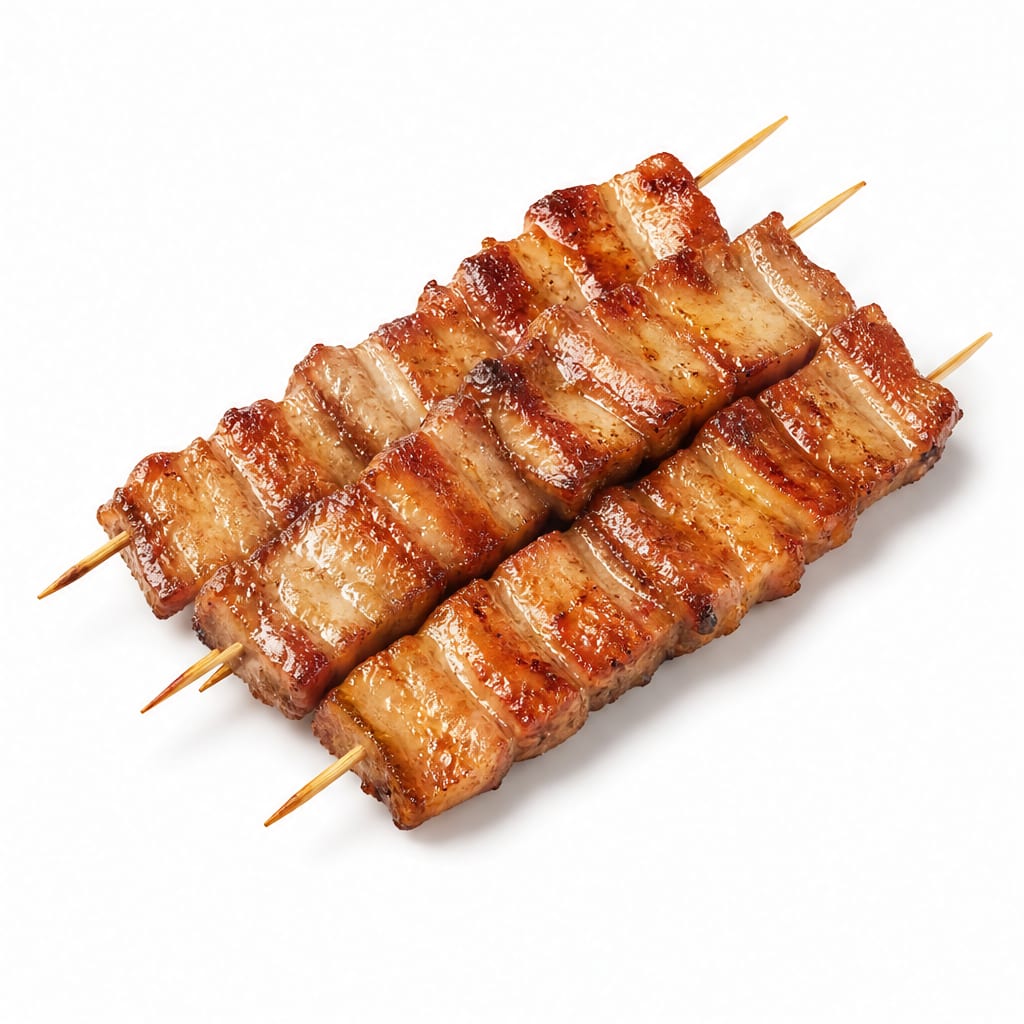
Compare with
Pork Belly Skewers
Pork belly is extremely high in fat and calories, while yakitori (especially breast or thigh) is significantly leaner.
Yakitori is far leaner and lower in calories than pork belly skewers, making it the clear choice for weight loss.
This food
Yakitori
VS50% alike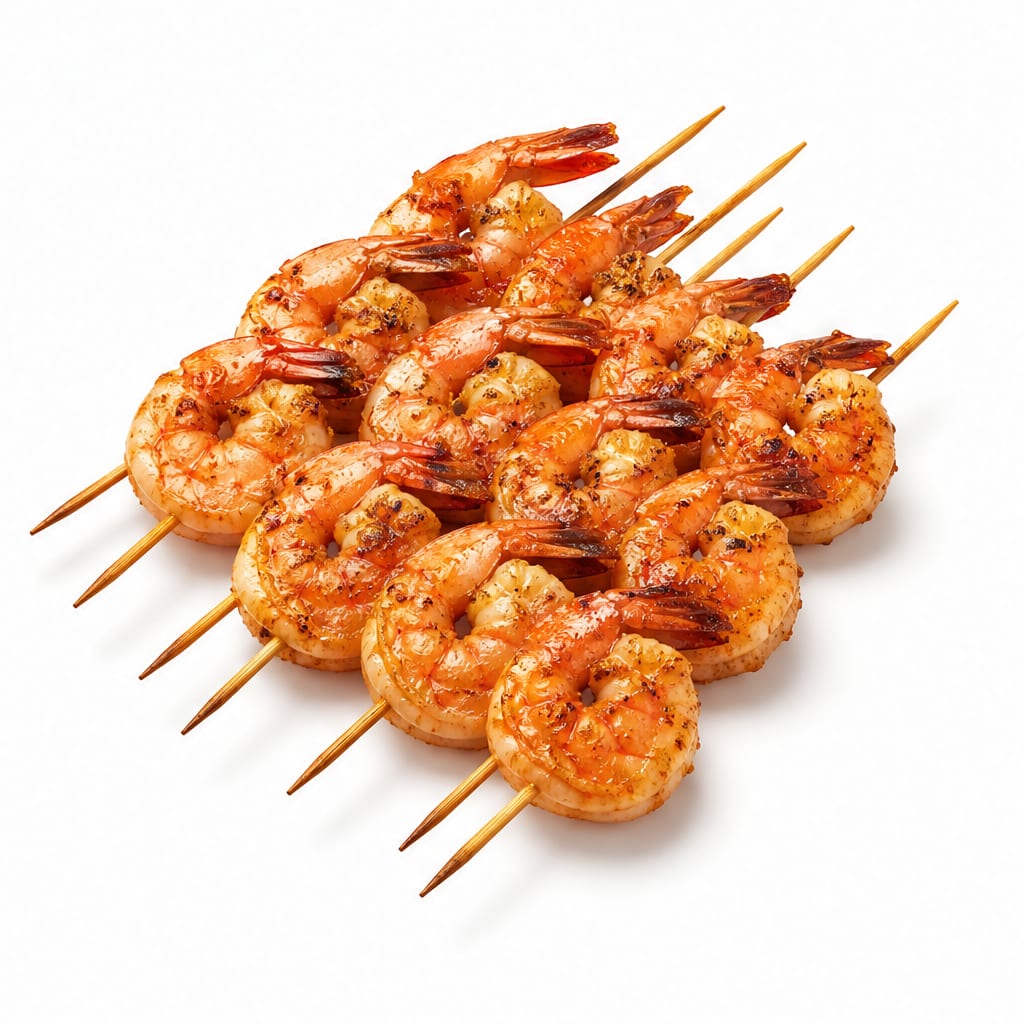
Compare with
Shrimp Skewers
Shrimp is very low in calories and fat, while yakitori provides more iron and B vitamins but higher fat depending on the cut.
Shrimp skewers are lower in calories for weight loss, while yakitori provides more sustained energy from dietary fat.
This food
Yakitori
VS45% alike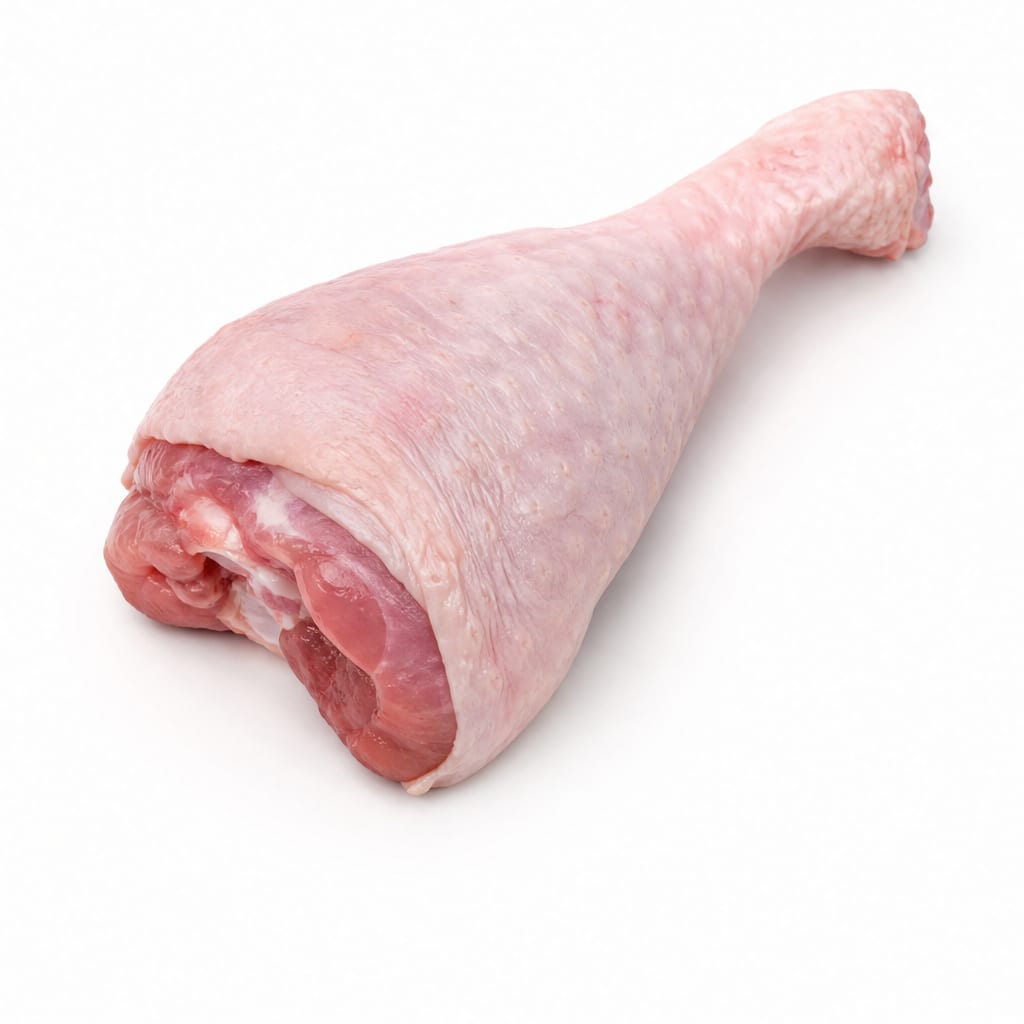
Compare with
Turkey Leg
Turkey leg is massive and high in protein and fat, while yakitori offers built-in portion control per skewer.
Yakitori provides better portion control for weight loss, while turkey leg offers massive protein in a single serving.
Common questions
FAQ
Answers aligned with how people search for this food.
Is yakitori good for weight loss?
It depends on the cut. Breast meat (sasami) yakitori is lean and good for weight loss, but thigh (momo) and skin (kawa) are high in fat and calories, making them less suitable.
How many carbs are in yakitori?
Shio (salt) yakitori has virtually zero carbs. Tare (sauce) yakitori contains about 3-5g of carbs per skewer due to the sugar and mirin in the glaze.
Is yakitori keto friendly?
Yes, especially shio yakitori, which contains only chicken and salt. Tare yakitori should be limited on keto because the sweet glaze adds carbohydrates.
Is charred yakitori bad for you?
Heavily charred meat contains heterocyclic amines (HCAs) and polycyclic aromatic hydrocarbons (PAHs), which are linked to increased cancer risk. Trimming charred edges reduces exposure.
What is the healthiest yakitori option?
Shio sasami (salt-seasoned chicken breast) is the healthiest option, providing high protein with minimal fat, carbs, or sodium compared to thigh or skin cuts with tare sauce.
Is yakitori high in protein?
Yes, yakitori is a high-protein food. A single skewer typically provides 12-18 grams of protein, making it excellent for muscle maintenance and satiety.
Why is yakitori so high in sodium?
The high sodium comes from the tare sauce, which is made with soy sauce, as well as salt seasoning. Choosing shio and asking for light salt reduces sodium intake.
Can diabetics eat yakitori?
Yes, diabetics can eat yakitori, particularly shio-flavored or plain grilled chicken, as it has minimal impact on blood sugar. Tare sauce should be limited due to its sugar content.
Transparency
Data confidence
Estimated confidence for nutrition data, interpretation, safety notes, and comparisons.
Nutrition data
Health analysis
Food safety
Comparisons