
Nutrition comparison
Yakitori vs Chicken Wings: Which Is Healthier?
Compare yakitori and chicken wings on calories, protein, fat, sodium, and health impact. Learn which chicken appetizer is better for weight loss, muscle gain, and everyday eating.
Overall winner · Yakitori
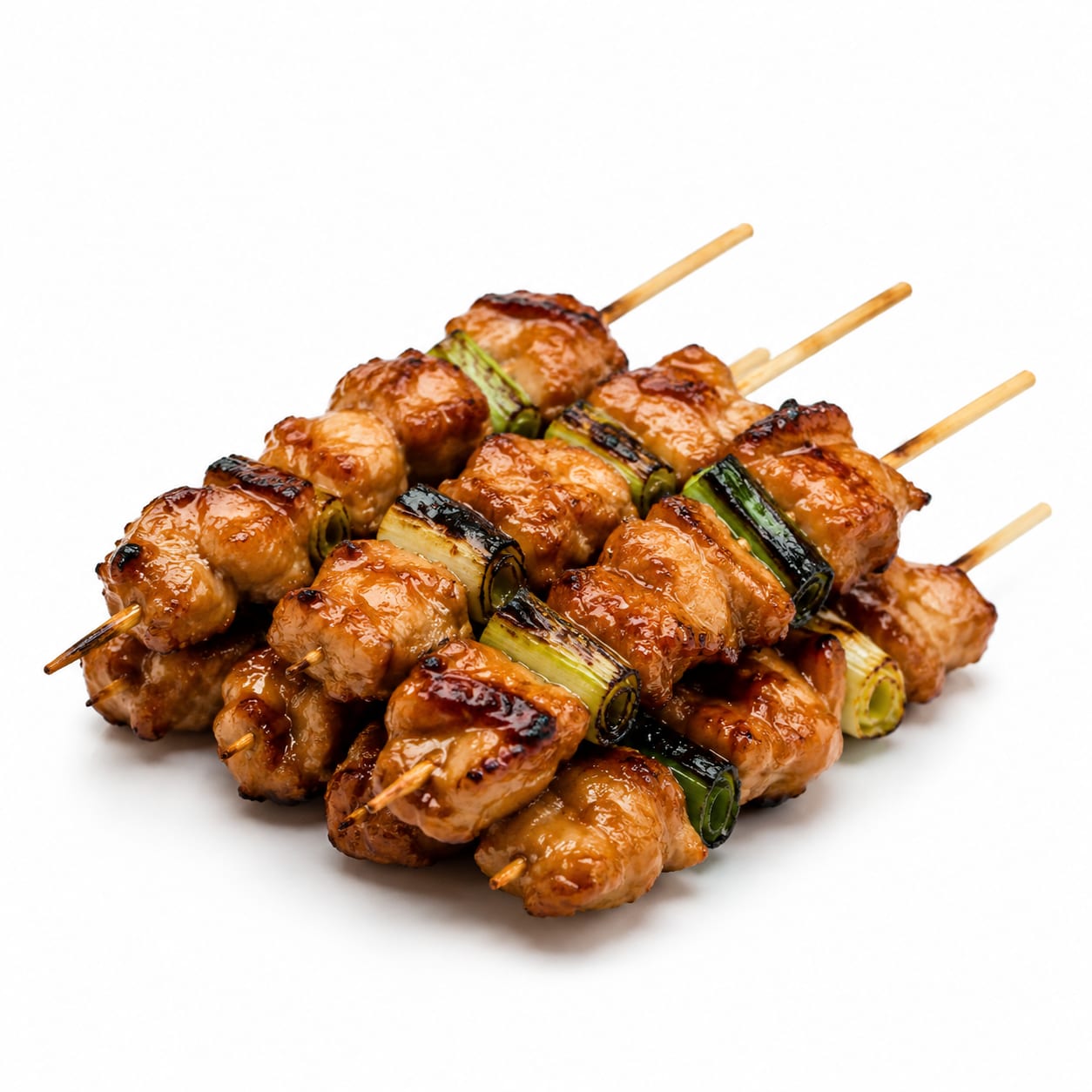
Yakitori
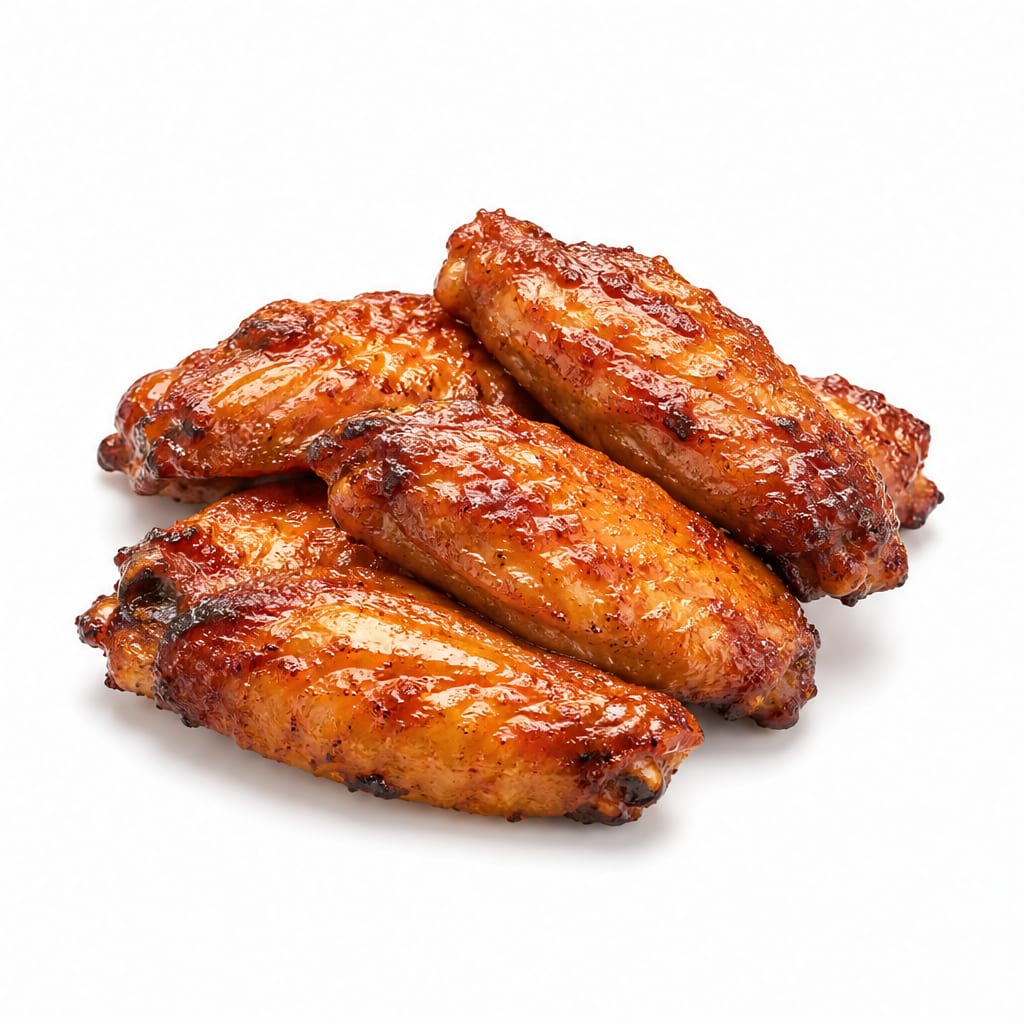
Chicken Wings
Yakitori delivers leaner protein with built-in portion control, while chicken wings pack far more calories from skin fat and frying oil.
Yakitori scores notably higher due to superior protein-to-calorie ratio, leaner default preparation, and natural portion control. Chicken wings lose ground on calorie density and fat content, though they win on pure satisfaction and keto compatibility.
You get richer flavor and more satisfying fat from wings, but at roughly double the calorie cost per gram of protein compared to yakitori.
At a glance
Executive summary
Overall
Yakitori
Healthier
Yakitori
More practical
It depends
Daily use
Yakitori
Key comparison lenses
protein-to-calorie efficiency
Both are chicken-based appetizers but differ dramatically in fat content and calorie density, making protein efficiency the core tradeoff
sodium and sauce impact
Yakitori tare glaze and wing sauces both add significant sodium and sugar, but in different amounts and forms
cooking method health effects
Grilling over charcoal versus deep-frying creates different carcinogen risks and fat profiles
portion control and overeating risk
Wings are notoriously easy to overeat; yakitori skewers provide natural portion boundaries
social eating context
Both are popular bar and party foods where mindful eating breaks down
Best choice for
Yakitori
- Lean protein goals without excess calories
- Portion-conscious snacking
- Japanese-style balanced meals
- Lower-fat appetizer options
Chicken Wings
- High-calorie bulking or weight gain
- Game day indulgence and social feasting
- Maximum flavor impact as a treat
- Keto or very low-carb eating
Least suitable for
Yakitori
- Very low-sodium diets if using tare sauce
- People wanting maximum calories per bite
Chicken Wings
- Weight loss or calorie-controlled eating
- Heart health or low-fat diets
- Anyone watching cholesterol intake
Deep comparison
Dimension by dimension
Each lens scores both foods and breaks down who each option suits.
- Dimension 1 · Priority 92Yakitori
Protein Efficiency
Yakitori · 82Chicken Wings · 55Yakitori provides significantly more protein per calorie, especially when using breast or lean thigh cuts.
Tradeoff
Wings deliver protein wrapped in much more fat, so you consume far more calories to get the same protein amount.
Why it matters
If you eat chicken for protein, the calorie price you pay matters. Yakitori gets you there with less metabolic overhead.
Real-world impact
Four yakitori skewers might give you 28g protein for 300 calories. Matching that protein with wings could cost 500-600 calories.
Yakitori
- Lean muscle maintenance
- Weight-loss protein needs
- Post-workout recovery without excess fat
Better for
- Very low-sodium diets with tare glaze
Worse for
Chicken Wings
- Endurance athletes needing calorie density
- People struggling to eat enough
Better for
- Anyone tracking calories or macros closely
Worse for
- Dimension 2 · Priority 90Yakitori
Calorie Density and Fat Content
Yakitori · 75Chicken Wings · 40Chicken wings are dramatically more calorie-dense due to high skin-to-meat ratio and frying preparation.
Tradeoff
Wings taste richer and feel more indulgent, but the fat load adds up fast. Yakitori stays leaner by default.
Why it matters
Calorie density drives overeating. Foods that pack more calories per bite make portion control harder without trying.
Real-world impact
A plate of 8 wings can easily hit 800-1000 calories. Eight yakitori skewers might land around 500-600 calories.
Yakitori
- Calorie-aware eating
- Managing body weight
- Lighter appetizer before a main course
Better for
- Hard gainers needing calorie surplus
Worse for
Chicken Wings
- Active individuals needing energy density
- Keto and high-fat diets
Better for
- Sedentary lifestyles
- Heart health concerns
- Anyone prone to overeating
Worse for
- Dimension 3 · Priority 85Yakitori
Sodium and Sauce Impact
Yakitori · 65Chicken Wings · 50Both can be sodium bombs, but yakitori offers a low-sodium path with shio (salt) seasoning, while wings almost always come with heavy sauces.
Tradeoff
Tare-glazed yakitori and buffalo wings both deliver high sodium. But shio yakitori gives you a genuinely lighter option that wings rarely offer.
Why it matters
Sodium creeps up especially in bar food. Having a lower-sodium choice matters for blood pressure and bloating.
Real-world impact
Shio yakitori might have 200-300mg sodium per skewer. Buffalo wings can hit 500-800mg per wing depending on sauce.
Yakitori
- Blood pressure management
- Choosing shio style for lower sodium
- More control over seasoning level
Better for
- Tare-glazed versions are still high sodium
Worse for
Chicken Wings
- People who do not monitor sodium
Better for
- Hypertension risk
- Next-day bloating and water retention
Worse for
- Dimension 4 · Priority 75It depends
Cooking Method and Carcinogen Risk
Yakitori · 55Chicken Wings · 60Charcoal-grilled yakitori produces heterocyclic amines, while fried wings create advanced glycation end products and oxidized fats.
Tradeoff
Both cooking methods carry risks. Grilling creates charring compounds; deep-frying creates inflammatory oxidized fats. Neither is ideal in large amounts.
Why it matters
How you cook meat matters as much as the meat itself. High-heat methods create compounds linked to cancer and inflammation.
Real-world impact
Occasional consumption of either is low risk. Daily consumption of charred or fried meat compounds the concern over years.
Yakitori
- Less oxidized fat intake compared to fried wings
- Can be cooked at lower heat to reduce charring
Better for
- Charred edges from charcoal grilling
- Regular consumption increases HCA exposure
Worse for
Chicken Wings
- Baked wings avoid both charring and frying risks
- Less direct contact with open flame
Better for
- Frying generates inflammatory compounds
- Reused fryer oil adds oxidized fat
Worse for
- Dimension 5 · Priority 78Yakitori
Portion Control and Overeating Risk
Yakitori · 80Chicken Wings · 45Yakitori skewers create natural stopping points. Wings are designed for mindless eating.
Tradeoff
The skewer format makes yakitori self-limiting. Wings encourage a keep-eating rhythm that bypasses fullness signals.
Why it matters
Food format shapes consumption more than willpower. Physical cues that slow eating help prevent accidental overconsumption.
Real-world impact
You notice when you have finished three skewers. You may not notice when you have finished twelve wings.
Yakitori
- Mindful eating practices
- Built-in portion awareness
- Easier to track intake
Better for
- Can feel expensive per skewer, leading to ordering more
Worse for
Chicken Wings
- Group sharing and social eating abundance
Better for
- Very easy to exceed intended portion
- Sauce and fat stimulate continued eating
Worse for
- Dimension 6 · Priority 72Chicken Wings
Satiety and Satisfaction
Yakitori · 60Chicken Wings · 82Wings deliver more fat and bold sauce flavors that create stronger satisfaction signals and longer fullness.
Tradeoff
Wings feel more indulgent and filling per serving, but that satisfaction comes with a heavy calorie toll.
Why it matters
Satisfaction matters for sustainability. Food that leaves you wanting more can trigger later snacking.
Real-world impact
After a plate of wings, you feel full for hours. After yakitori, you may want rice or sides to feel complete.
Yakitori
- Lighter meals where you want to save room
- Multi-course dining
Better for
- May not feel like enough food alone
- Can leave you reaching for carbs after
Worse for
Chicken Wings
- Standalone meal satisfaction
- Preventing late-night hunger
- Comfort food cravings
Better for
- Heavy feeling after large portions
- Sluggishness from high fat intake
Worse for
Timeline
Health impact over time
Short-term
Hours to days
Yakitori
- Lighter post-meal feeling without heaviness
- Moderate sodium intake if choosing tare glaze
- Quick protein availability for muscle recovery
- Possible thirst from soy-based seasoning
Chicken Wings
- Heavier fullness that can slow you down
- Significant sodium load causing bloating
- Higher fat intake triggering slower digestion
- Sauce acidity may cause mild heartburn
Long-term
Months to years
Yakitori
- Better weight management with regular consumption
- Lower cumulative saturated fat exposure
- Charcoal grilling compounds may increase risk if eaten very frequently
- Easier to maintain lean body composition
Chicken Wings
- Higher saturated fat intake affecting cardiovascular markers over time
- Calorie surplus risk contributing to gradual weight gain
- Fried food consumption linked to inflammatory markers
- Sodium load impacting blood pressure with regular intake
Risk profile
Safety & processing
Yakitori is typically simple chicken with salt or soy glaze, making it closer to whole food. Chicken wings often involve commercial sauces with preservatives, emulsifiers, and added flavors, especially from restaurants or frozen packages.
Yakitori
Undercooked poultry
mediumGrilling skewers quickly can leave interior undercooked. Reputable yakitori restaurants monitor this carefully, but it remains a risk.
Charcoal grilling carcinogens
mediumHCAs and PAHs form on meat cooked over open flame at high temperatures. Occasional consumption is low risk.
Chicken Wings
Undercooked poultry near bones
mediumWing meat near joints can stay pink even when safe, but improper cooking is a known risk with thick-wing preparations.
Oxidized frying oils
mediumRestaurant fryer oil reused at high temperatures creates inflammatory compounds. Quality varies widely by establishment.
Sauce contamination and spoilage
lowBuffalo and BBQ sauces left at room temperature during service can harbor bacteria if not handled properly.
Who wins for whom
Audience fit
Same foods, different winners depending on your goal.
children
It dependsKids often prefer the fun of wings, but yakitori skewers pose a choking hazard for very young children. Both require supervision.
daily consumption
YakitoriYakitori's lighter profile and simpler ingredients make it more sustainable as a regular protein source without metabolic downsides.
diabetes
YakitoriShio yakitori has minimal sugar and fewer refined carbs from breading. Wings with sweet sauces spike blood sugar more unpredictably.
elderly
YakitoriLeaner protein is easier on aging digestion and cardiovascular health. Lower sodium shio preparation is gentler on blood pressure.
muscle gain
YakitoriHigher protein-to-calorie ratio supports lean muscle growth without excess fat that adds calories without muscle benefit.
weight loss
YakitoriLower calorie density and built-in portion control make yakitori far easier to fit into a calorie deficit without feeling deprived.
Your move
Decision guide
Choose Yakitori
- You are watching calories or trying to lose weight
- You want lean protein without excess fat
- You prefer lighter meals that do not slow you down
- You are eating multiple courses and want a balanced start
- You value portion control and mindful eating
Choose Chicken Wings
- You are bulking or need calorie-dense food
- It is a special occasion and you want maximum indulgence
- You follow a keto or high-fat low-carb diet
- You are sharing food socially and wings fit the vibe
- You crave bold, saucy comfort food satisfaction
Either works if
- You want chicken protein and both are available fresh
- You are eating occasionally and the health difference is minor
- You can control portions regardless of format
Avoid both if
- You have severe poultry allergies
- You require very low sodium intake for medical reasons
- You are avoiding all grilled or fried foods for health conditions
- You are following a plant-based diet
Final recommendation
For regular eating, yakitori is the clearly smarter choice: leaner protein, fewer calories, better portion control, and simpler ingredients. Save chicken wings for when the social moment calls for indulgence, not as a weekly habit. If you do choose wings, baked versions with lighter sauce cut significant fat and calories while keeping the experience.
Practical
Consumer tips
- 1
Order shio yakitori instead of tare to cut sodium and sugar by roughly half
- 2
If choosing wings, baked or air-fried versions save 150-200 calories per serving over deep-fried
- 3
Pair yakitori with vegetables or a small rice portion to create a complete, balanced meal
- 4
Ask for sauce on the side for wings to control how much you actually consume
- 5
Limit yakitori char by requesting lighter grilling when possible
- 6
Four to five yakitori skewers or six to eight wings is a reasonable portion for most adults
- 7
Restaurant wings often have more sodium than homemade — consider making them at home with dry rub