
Nutrition comparison
Yakitori vs Beef Skewers: Nutrition, Health, and Which to Choose
Compare yakitori and beef skewers on protein, fat, calories, iron, and heart health. Find out which grilled skewer fits your diet and fitness goals better.
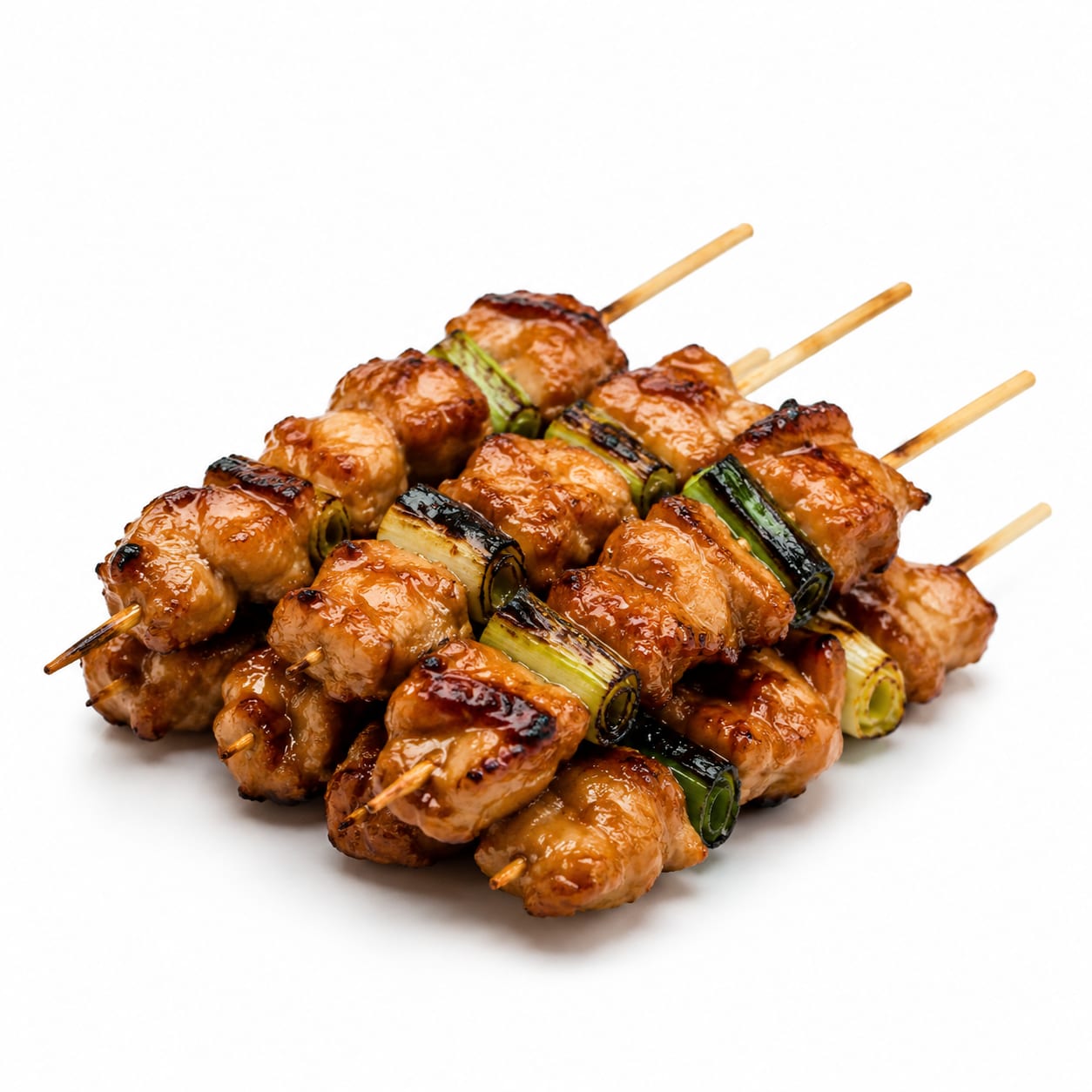
Yakitori
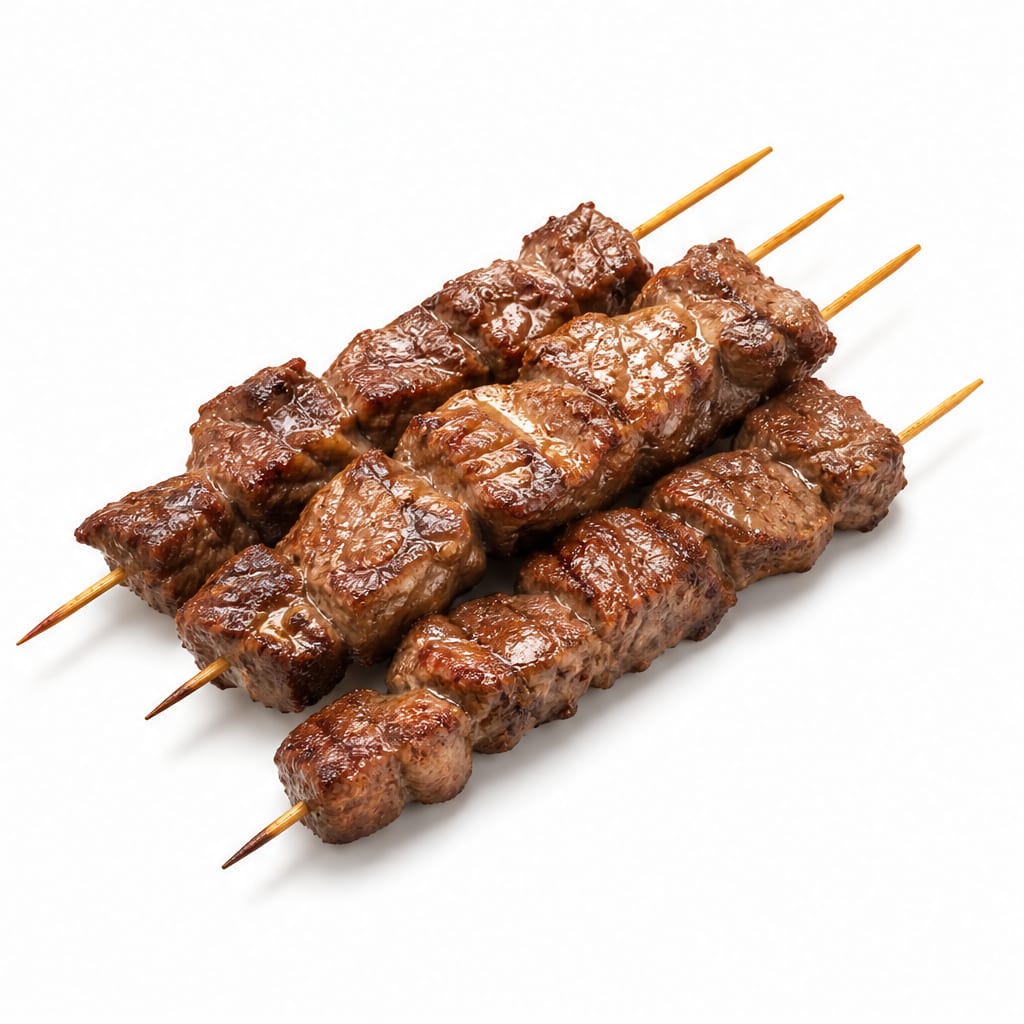
Beef Skewers
Yakitori is the lighter, heart-friendlier option while beef skewers deliver more protein, iron, and staying power per bite.
Yakitori scores higher overall due to a better fat profile and lighter calorie load, making it more sustainable for regular consumption. Beef skewers win on protein and micronutrients but carry a heavier saturated fat penalty that drags down everyday healthfulness.
Lower saturated fat and fewer calories versus higher protein, iron, and satiety — pick based on what your body needs most today.
At a glance
Executive summary
Overall
It depends
Healthier
Yakitori
More practical
It depends
Daily use
Yakitori
Key comparison lenses
protein source comparison for grilled skewers
Users choosing between these foods are primarily deciding between chicken and beef as their protein source at a grill or restaurant
heart health and saturated fat tradeoffs
Beef carries significantly more saturated fat than chicken, making cardiovascular impact a central concern
calorie and macronutrient density for meal planning
These foods differ substantially in calorie density, affecting portion control and diet adherence
iron and micronutrient prioritization
Beef skewers deliver far more iron and B12, which matters for anemia-prone individuals
grilling safety and carcinogen exposure
Both foods are charred over flame, raising shared concerns about HCAs and PAHs
Best choice for
Yakitori
- Heart-conscious eaters watching saturated fat
- People managing calorie intake without sacrificing flavor
- Those who prefer lighter meals that do not cause a food coma
- Anyone eating skewers multiple times per week
Beef Skewers
- Athletes and lifters needing high protein per serving
- People with iron deficiency or low B12
- Those wanting a meal that keeps them full for hours
- Individuals doing intermittent fasting who need nutrient density in fewer meals
Least suitable for
Yakitori
- People needing maximum iron intake
- Those seeking very high protein per sitting
- Individuals who find chicken unsatisfying as a main protein
Beef Skewers
- People with high cholesterol or heart disease risk
- Those watching saturated fat closely
- Anyone trying to eat lighter in the evening
Deep comparison
Dimension by dimension
Each lens scores both foods and breaks down who each option suits.
- Dimension 1 · Priority 94Beef Skewers
Protein Quality and Quantity
Yakitori · 68Beef Skewers · 88Beef skewers deliver roughly 50% more protein per serving than yakitori, with a more complete amino acid profile and higher leucine content for muscle building.
Tradeoff
You get more muscle-building protein from beef, but it comes packaged with more saturated fat and calories.
Why it matters
If you are training hard or need to hit protein targets, beef gets you there faster with fewer skewers.
Real-world impact
Two beef skewers can provide the protein of three yakitori skewers, meaning less food volume for the same muscle fuel.
Yakitori
- Lighter protein intake without feeling overly stuffed
Better for
- May need more skewers to hit protein goals
Worse for
Beef Skewers
- Post-workout recovery
- Hitting high protein targets with less volume
- Older adults needing leucine for muscle preservation
Better for
- Higher calorie cost per gram of protein
Worse for
- Dimension 2 · Priority 90Yakitori
Heart Health and Fat Profile
Yakitori · 82Beef Skewers · 52Yakitori has significantly less saturated fat than beef skewers, making it the clearly safer choice for cardiovascular health.
Tradeoff
Choosing beef means accepting 2-3 times more saturated fat per serving in exchange for richer flavor and more iron.
Why it matters
Regular saturated fat intake from red meat is linked to higher LDL cholesterol and increased heart disease risk over time.
Real-world impact
Swapping beef skewers for yakitori a few times a week can meaningfully lower your weekly saturated fat intake without giving up grilled food.
Yakitori
- People with family history of heart disease
- Anyone with elevated LDL cholesterol
- Frequent grillers who eat skewers often
Better for
- Misses out on some beneficial fats found in grass-fed beef
Worse for
Beef Skewers
- Lean individuals with no heart concerns who need calorie density
Better for
- Saturated fat load adds up quickly if eaten regularly
- Less suitable for anyone on a heart-healthy eating plan
Worse for
- Dimension 3 · Priority 85Beef Skewers
Iron and Micronutrient Density
Yakitori · 48Beef Skewers · 90Beef skewers are an exceptional source of heme iron, zinc, and B12 — nutrients that chicken provides in much smaller amounts.
Tradeoff
Beef is a micronutrient powerhouse, but you pay for it with more saturated fat and calories per serving.
Why it matters
Iron deficiency is the most common nutrient deficiency worldwide, and heme iron from beef is absorbed far better than plant sources.
Real-world impact
A serving of beef skewers can provide over 30% of daily iron needs, while yakitori covers closer to 8-10%.
Yakitori
- People who already get enough iron from other sources
Better for
- Not a reliable iron source for deficient individuals
Worse for
Beef Skewers
- Menstruating women with higher iron needs
- Vegetarians reintroducing meat who want maximum nutrient impact
- Anyone recovering from anemia
Better for
- People with hemochromatosis or iron overload conditions
Worse for
- Dimension 4 · Priority 80Yakitori
Calorie Density and Portion Control
Yakitori · 80Beef Skewers · 58Yakitori is noticeably lighter per skewer, making it easier to control portions and avoid accidental overeating.
Tradeoff
Beef skewers are more calorie-dense, which is great for bulking but risky for weight management.
Why it matters
When food is served on sticks, it is easy to lose track of how many you have eaten — calorie density amplifies that risk.
Real-world impact
Four yakitori skewers might run 400 calories, while four beef skewers can easily hit 650+ depending on the cut and marinade.
Yakitori
- Weight loss or maintenance diets
- People who like eating larger volumes of food
- Social grazing without heavy calorie accumulation
Better for
- May not feel like enough food for very active people
Worse for
Beef Skewers
- Bulking phases where calorie density is an advantage
- Hikers and active people needing compact energy
Better for
- Easy to overshoot calorie targets without realizing it
Worse for
- Dimension 5 · Priority 78Beef Skewers
Satiety and Fullness
Yakitori · 62Beef Skewers · 84Beef skewers keep you fuller for longer due to higher protein, fat, and calorie density per bite.
Tradeoff
That satisfying fullness from beef comes with a heavier digestive load and potential sluggishness afterward.
Why it matters
If you are eating skewers as a main meal, staying power matters — but so does how you feel afterward.
Real-world impact
Beef skewers at lunch may keep hunger away until dinner, while yakitori might leave you reaching for a snack by mid-afternoon.
Yakitori
- People who prefer feeling light and energized after eating
- Late-night eating where heavy food disrupts sleep
Better for
- May not hold you over between meals as effectively
Worse for
Beef Skewers
- Long gaps between meals
- Physically demanding days requiring sustained energy
Better for
- Can cause a heavy, sluggish feeling that hurts afternoon productivity
Worse for
- Dimension 6 · Priority 70It depends
Sodium and Sauce Load
Yakitori · 60Beef Skewers · 65Both foods can be high in sodium depending on preparation, but yakitori's tare sauce is often saltier than typical beef seasoning.
Tradeoff
Yakitori glazed in tare packs a sodium punch, while beef skewers vary widely — dry-rubbed versions can be much lower in salt.
Why it matters
Sodium sneaks up fast with grilled meats, especially sauced ones, and can spike blood pressure over time.
Real-world impact
A single tare-glazed yakitori skewer can contain 300-500mg sodium. Six skewers could hit your daily limit before sides.
Yakitori
- Salt-seasoned yakitori (shio) is a lower-sodium alternative to tare
Better for
- Tare sauce can make sodium stack up very quickly
- Restaurant yakitori often over-sauces
Worse for
Beef Skewers
- Dry-rubbed or minimally seasoned beef skewers
- Homemade versions where you control the salt
Better for
- Marinades and BBQ sauces on beef can be equally sodium-heavy
Worse for
- Dimension 7 · Priority 68It depends
Grilling Safety and Carcinogen Risk
Yakitori · 58Beef Skewers · 55Both foods form harmful compounds when charred over open flame, with beef slightly worse due to longer cooking times and fat drippings.
Tradeoff
The delicious char that makes both foods appealing is also the source of potential carcinogens — there is no free lunch.
Why it matters
Heterocyclic amines and polycyclic aromatic hydrocarbons form when meat is cooked at high heat, especially when fat drips onto flames.
Real-world impact
Occasional grilled skewers are low risk, but eating heavily charred meat multiple times per week raises long-term cancer concerns.
Yakitori
- Chicken cooks faster, reducing charring time
- Less fat dripping means fewer flare-ups and smoke
Better for
- Chicken must be cooked thoroughly, which can push surface charring higher
Worse for
Beef Skewers
- Can be cooked to safe doneness with less surface char if carefully managed
Better for
- Fat drippings create more PAH-laden smoke that coats the meat
- Beef is often served with more pink inside, tempting undercooking risks
Worse for
Timeline
Health impact over time
Short-term
Hours to days
Yakitori
- Lighter post-meal energy with less digestive heaviness
- Faster return to normal activity without food coma
- Possible thirst from sodium if tare-glazed
Beef Skewers
- Stronger and longer-lasting fullness
- Possible sluggishness after a large serving due to fat content
- More sustained energy for physical activity
Long-term
Months to years
Yakitori
- Lower cumulative saturated fat intake supports heart health
- Reduced red meat consumption linked to lower colorectal cancer risk
- Sodium from regular tare consumption may affect blood pressure over time
Beef Skewers
- Better iron stores and reduced anemia risk
- Higher saturated fat intake may raise LDL cholesterol with frequent consumption
- Regular red meat intake associated with increased colorectal cancer risk in large studies
Risk profile
Safety & processing
Both yakitori and beef skewers are whole-food proteins with minimal processing. The main additive concern is the sodium and sugar in yakitori's tare glaze, and any commercial marinades on beef skewers. Homemade versions of both are about as clean as grilled meat gets.
Yakitori
Salmonella from undercooked chicken
mediumChicken must be cooked through completely, unlike beef which can be served rarer. This is a manageable risk with proper preparation.
Sodium nitrite in some commercial yakitori
lowSome pre-packaged yakitori contains preservatives, though fresh restaurant versions typically do not.
Beef Skewers
Heterocyclic amines from high-heat grilling
mediumBeef's longer cooking time and fat drippings create more HCAs and PAHs than chicken, especially with heavy charring.
Antibiotic and hormone residues in conventional beef
lowConventionally raised beef may carry trace antibiotic or hormone residues. Choosing grass-fed or organic reduces this concern.
Who wins for whom
Audience fit
Same foods, different winners depending on your goal.
children
YakitoriChicken is easier for kids to chew and digest, and lower saturated fat supports healthy development without excess calorie density.
daily consumption
YakitoriYakitori's lighter fat profile makes it more sustainable as a frequent protein choice without the cumulative saturated fat burden of daily red meat.
diabetes
YakitoriLower saturated fat intake from yakitori is associated with better insulin sensitivity, and the tare glaze adds minimal carbohydrate per skewer.
elderly
It dependsBeef skewers help elderly individuals at risk for sarcopenia and B12 deficiency, but yakitori is gentler on digestion and easier to chew for those with dental issues.
muscle gain
Beef SkewersBeef skewers provide more total protein and leucine per serving, directly supporting muscle protein synthesis more efficiently.
weight loss
YakitoriYakitori's lower calorie density lets you eat more skewers for fewer calories, making portion control easier and more satisfying.
Your move
Decision guide
Choose Yakitori
- You eat skewers more than twice a week
- Heart health or cholesterol is a priority for you
- You want a lighter meal that will not slow you down after eating
- You are managing calorie intake while still enjoying grilled food
- You prefer the clean, savory-sweet flavor of tare or simple salt seasoning
Choose Beef Skewers
- You need maximum protein and iron per serving
- You are lifting, bulking, or recovering from intense training
- You have low iron or B12 levels confirmed by bloodwork
- You eat skewers occasionally and want the most satisfying option
- You are doing intermittent fasting and need nutrient density in fewer meals
Either works if
- You are eating skewers as an occasional treat rather than a staple
- You mix and match proteins throughout the week anyway
- You care more about the social experience than nutritional optimization
Avoid both if
- You have gout and are sensitive to purine-rich grilled meats
- You are on a strict low-sodium diet and cannot control the seasoning
- You have a history of colorectal cancer and are minimizing red and charred meat
Final recommendation
Default to yakitori for regular meals — it is gentler on your heart and waistline while still delivering solid protein. Reach for beef skewers when your body specifically needs the iron, B12, and extra protein, or when you want a more filling meal that carries you through a long afternoon. The best approach for most people is rotating between both, leaning toward chicken more often.
Practical
Consumer tips
- 1
Order yakitori with salt (shio) instead of tare sauce to cut sodium by roughly half
- 2
Choose leaner beef cuts like sirloin or flank for skewers to reduce saturated fat without sacrificing much flavor
- 3
Marinate beef in rosemary, garlic, or citrus before grilling — these have been shown to reduce carcinogen formation by up to 70%
- 4
Pair either skewer with vegetables to add fiber, slow absorption, and make the meal more balanced
- 5
Avoid eating the heavily charred ends — they contain the highest concentration of harmful compounds
- 6
If making yakitori at home, use skinless chicken thigh for the best balance of flavor and leanness
- 7
Ask for sauce on the side when possible so you can control the sodium and sugar load