
Nutrition comparison
Yakitori vs Shrimp Skewers: Which Grilled Skewer Is Healthier?
Compare Yakitori and Shrimp Skewers on calories, protein, sodium, and health impact. Find out which grilled skewer is better for weight loss, heart health, and daily eating.
Overall winner · Shrimp Skewers
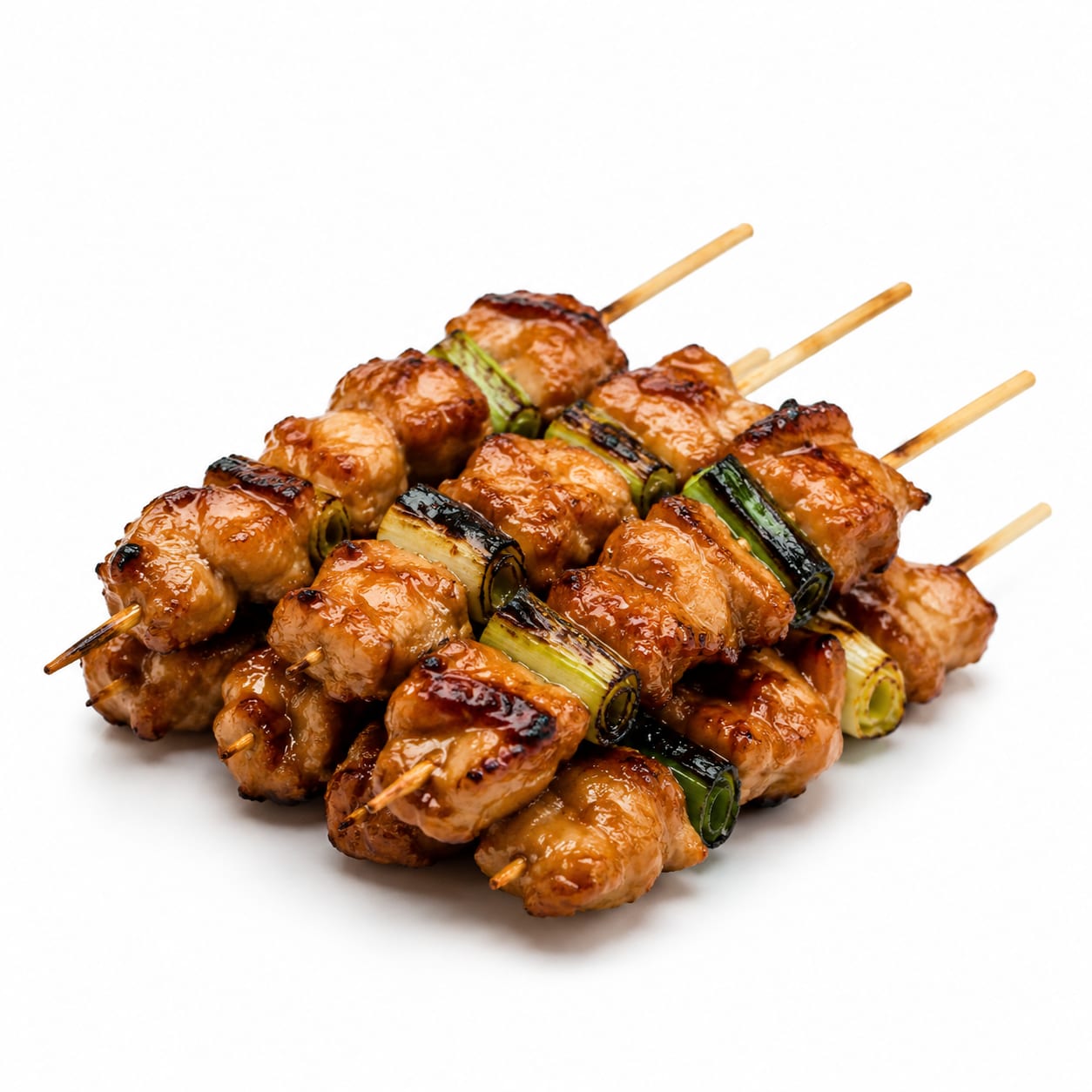
Yakitori
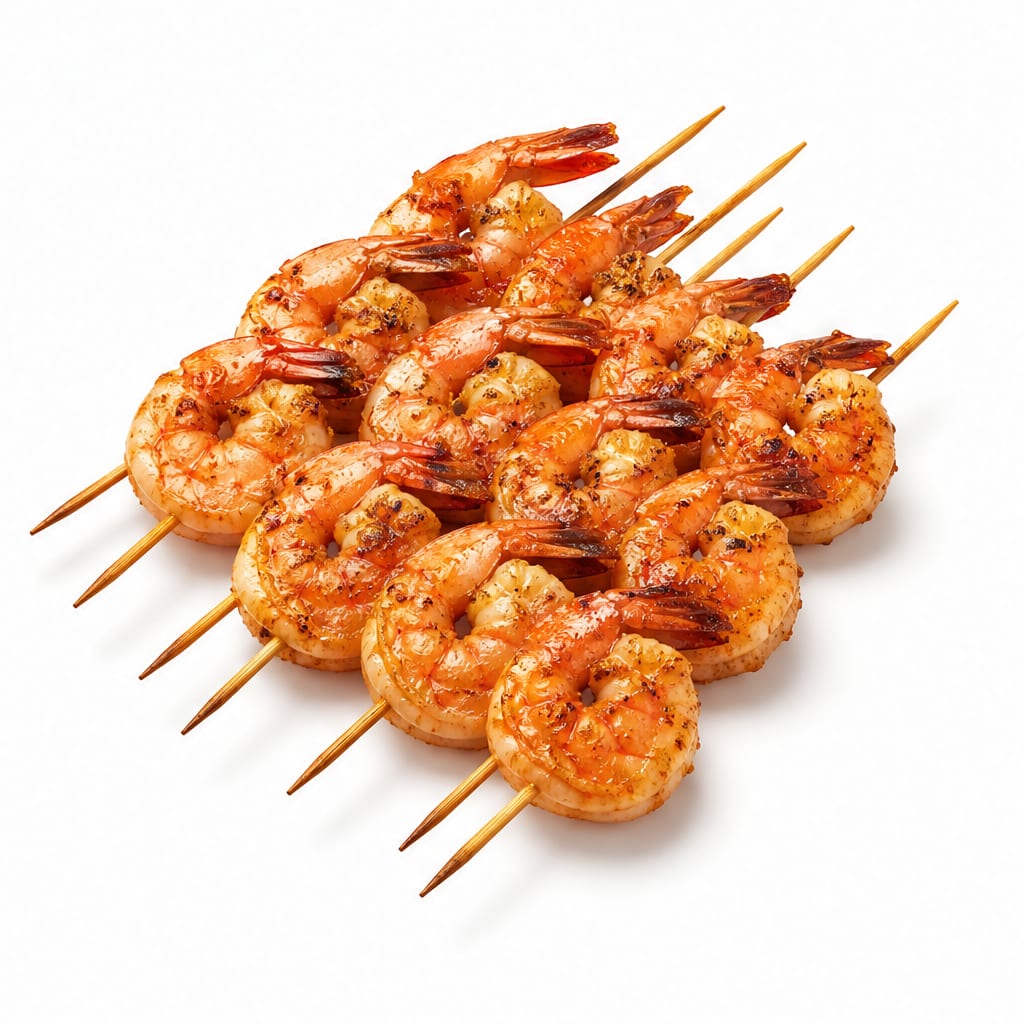
Shrimp Skewers
Shrimp Skewers edge out Yakitori for most health goals thanks to lower calories, leaner protein, and beneficial omega-3s — but Yakitori wins on satisfaction and satiety when using darker meat cuts.
Shrimp Skewers score higher due to lower calorie density, leaner protein, and omega-3 content. Yakitori stays competitive because of superior satiety and iron content, but the sodium and sugar from tare sauce pull it down for everyday use.
You trade the richer, more filling experience of Yakitori for the lighter, cleaner nutritional profile of Shrimp Skewers.
At a glance
Executive summary
Overall
Shrimp Skewers
Healthier
Shrimp Skewers
More practical
It depends
Daily use
Shrimp Skewers
Key comparison lenses
lean protein comparison for grilled skewer options
Both foods are grilled protein skewers, so users are likely choosing between them for a lean meal or appetizer
sodium and sauce impact on health
Yakitori's tare sauce adds significant sodium and sugar, while shrimp skewers are typically lighter on seasoning
seafood vs poultry nutritional tradeoffs
Core difference in protein source affects fat profile, cholesterol, omega-3 content, and contamination risks
calorie density for weight management
Yakitori cuts vary wildly in calories — skin and thigh are much denser than shrimp
contamination and food safety concerns
Shrimp carries microplastic and antibiotic risks; chicken carries salmonella and processing hygiene concerns
Best choice for
Yakitori
- People wanting a more satisfying, filling skewer experience
- Those prioritizing iron and B-vitamin intake
- Anyone eating at Japanese restaurants where Yakitori is the specialty
- Active individuals needing sustained energy from higher-fat protein
Shrimp Skewers
- People managing calorie intake or trying to lose weight
- Anyone watching sodium or sugar consumption
- Those seeking heart-healthier omega-3 fats
- Anyone wanting a lighter appetizer that won't ruin appetite for the main course
Least suitable for
Yakitori
- People on low-sodium diets due to tare sauce
- Anyone strictly counting calories, especially with skin-on cuts
- Those with poultry allergies or avoiding meat for religious reasons
Shrimp Skewers
- People with shellfish allergies
- Anyone concerned about cholesterol intake
- Those worried about seafood contamination and microplastics
- Budget-conscious diners — quality shrimp is significantly more expensive
Deep comparison
Dimension by dimension
Each lens scores both foods and breaks down who each option suits.
- Dimension 1 · Priority 90Shrimp Skewers
Protein Quality and Content
Yakitori · 72Shrimp Skewers · 82Both deliver solid protein, but shrimp offers a leaner protein-to-calorie ratio with added omega-3s that chicken lacks.
Tradeoff
Yakitori provides more iron and B12 from dark meat, while shrimp gives you cleaner protein with less accompanying fat.
Why it matters
If you're eating skewers as a protein source, shrimp gives you more protein per calorie — making it easier to hit macros without overeating.
Real-world impact
After a shrimp skewer, you feel satisfied without heaviness. After yakitori, you may feel fuller but also more weighed down, especially with skin-on cuts.
Yakitori
- Iron-deficient individuals needing heme iron
- Anyone wanting more satiating fat alongside protein
Better for
- People who overeat when food is rich and salty
Worse for
Shrimp Skewers
- Lean bulk dieters tracking protein-to-calorie ratios
- Anyone prioritizing omega-3 intake from food sources
Better for
- Those with shellfish allergies who need alternative protein
Worse for
- Dimension 2 · Priority 88Shrimp Skewers
Calorie Density and Weight Management
Yakitori · 55Shrimp Skewers · 85Shrimp Skewers are dramatically lower in calories per skewer, especially compared to skin-on or thigh Yakitori.
Tradeoff
Lower calories mean less satiety per skewer with shrimp — you may need to eat more to feel full, potentially negating the calorie advantage.
Why it matters
For weight loss, calorie density is king. Shrimp lets you eat more volume for fewer calories, but Yakitori's richness may prevent overeating later.
Real-world impact
Three shrimp skewers might equal the calories of one skin-on Yakitori skewer. You could feel stuffed on shrimp or satisfied on one rich Yakitori — different paths to the same outcome.
Yakitori
- People who prefer eating fewer, richer portions
- Anyone who feels deprived on low-calorie meals
Better for
- Grazers who lose track of how many skewers they've eaten
Worse for
Shrimp Skewers
- Volume eaters who like larger portions
- Calorie counters tracking intake precisely
Better for
- Anyone who feels hungry again 90 minutes after eating
Worse for
- Dimension 3 · Priority 86Shrimp Skewers
Sodium and Sugar Load
Yakitori · 40Shrimp Skewers · 78Yakitori's tare sauce dumps significant sodium and sugar onto every skewer. Shrimp Skewers are typically seasoned with herbs, garlic, and lemon — far lighter.
Tradeoff
The tare sauce is also what makes Yakitori irresistibly delicious. You sacrifice flavor intensity for a cleaner nutritional slate with shrimp.
Why it matters
High sodium drives bloating, blood pressure issues, and next-day water retention. The sugar in tare also adds stealth calories most people don't account for.
Real-world impact
After a Yakitori session, you might wake up puffy and thirsty. After shrimp skewers, you feel normal the next day — no bloating surprise.
Yakitori
- Anyone unconcerned about sodium who prioritizes bold flavor
Better for
- Salt-sensitive individuals
- Anyone eating multiple skewers as a meal
Worse for
Shrimp Skewers
- Hypertension patients managing blood pressure
- Anyone prone to bloating or water retention
- People reducing added sugar intake
Better for
- Those who find unseasoned protein bland and unsatisfying
Worse for
- Dimension 4 · Priority 82Shrimp Skewers
Heart Health and Fat Profile
Yakitori · 58Shrimp Skewers · 76Shrimp provides omega-3 fatty acids and very little saturated fat. Yakitori's fat profile depends heavily on the cut — skin and thigh are much higher in saturated fat.
Tradeoff
Shrimp is higher in dietary cholesterol, which matters for some people but is less concerning than saturated fat for most.
Why it matters
For long-term cardiovascular health, omega-3s and low saturated fat matter more than dietary cholesterol for most people.
Real-world impact
Regular shrimp consumption supports anti-inflammatory benefits. Regular skin-on Yakitori consumption adds saturated fat that can nudge heart risk upward over time.
Yakitori
- Those who choose breast-only Yakitori and avoid skin
Better for
- Those who always go for the crispy skin pieces
Worse for
Shrimp Skewers
- Anyone with family history of heart disease
- People following Mediterranean-style eating patterns
Better for
- Hyper-responders to dietary cholesterol
Worse for
- Dimension 5 · Priority 78Yakitori
Satiety and Satisfaction
Yakitori · 84Shrimp Skewers · 62Yakitori's fat content and umami-rich tare sauce make it far more satisfying per bite. Shrimp skewers can feel light to a fault.
Tradeoff
That satisfaction comes with a calorie and sodium cost. Shrimp's lightness is either refreshing or unsatisfying depending on your mindset.
Why it matters
Foods that don't satisfy lead to snacking later. A Yakitori meal tends to end feeling complete; a shrimp skewer meal might leave you hunting for carbs.
Real-world impact
After Yakitori, you're done eating for hours. After shrimp skewers, you might reach for rice or bread within the hour.
Yakitori
- Emotional eaters who need meals to feel complete
- People using skewers as a main dish, not an appetizer
Better for
- People who struggle to stop eating when food tastes amazing
Worse for
Shrimp Skewers
- Those wanting a light starter before a heavier main
- Anyone eating in hot weather who wants something refreshing
Better for
- Anyone prone to post-meal snacking when portions feel too light
Worse for
- Dimension 6 · Priority 72It depends
Contamination and Safety Risks
Yakitori · 65Shrimp Skewers · 60Both carry real but different risks. Chicken harbors salmonella concerns; shrimp carries microplastics, antibiotic residues, and allergen severity.
Tradeoff
Yakitori's risk is acute food poisoning from undercooking. Shrimp's risk is chronic low-level exposure to contaminants — different problems, different timelines.
Why it matters
A bad Yakitori experience can put you in the hospital tonight. Shrimp contamination is a slow-burn concern that accumulates over years of regular consumption.
Real-world impact
Undercooked chicken skewers can cause immediate illness. Cheap imported shrimp might expose you to antibiotics and microplastics over time — you won't feel it after one meal.
Yakitori
- Those who source high-quality chicken and trust the grill temperature
Better for
- Anyone eating at questionable street stalls with inconsistent hygiene
Worse for
Shrimp Skewers
- Anyone with access to wild-caught or sustainably farmed shrimp
- People who cook at home and control sourcing
Better for
- Budget shoppers buying the cheapest farmed shrimp available
- People with shellfish allergies — reactions can be life-threatening
Worse for
Timeline
Health impact over time
Short-term
Hours to days
Yakitori
- Quick satiety from fat and umami — you feel full fast
- Possible bloating and thirst from high sodium in tare sauce
- Blood sugar bump from sugar in the glaze, followed by a moderate crash
- Risk of food poisoning if chicken is undercooked at crowded or rushed venues
Shrimp Skewers
- Light, clean energy without heaviness or sluggishness
- Minimal bloating unless you have shellfish sensitivity
- Steady blood sugar with minimal spikes
- Possible mild allergic reaction if shellfish sensitivity is undiagnosed
Long-term
Months to years
Yakitori
- Regular consumption of skin-on cuts raises saturated fat intake over time
- Chronic high sodium from tare sauce contributes to blood pressure concerns
- Iron and B-vitamin benefits support energy metabolism
- Occasional consumption as part of a varied diet poses minimal risk
Shrimp Skewers
- Consistent omega-3 intake supports heart and brain health
- Low calorie density aids long-term weight management
- Potential accumulation of microplastics and antibiotic residues with frequent farmed shrimp consumption
- Cholesterol intake is high but dietary cholesterol has modest impact on blood cholesterol for most people
Risk profile
Safety & processing
Both foods are whole-protein items cooked on a grill with minimal processing. The main additive concern for Yakitori is the sugar and sodium in tare sauce, while shrimp may have sodium tripolyphosphate used as a preservative in some commercial products.
Yakitori
Salmonella and Campylobacter from undercooked chicken
highGrilled skewers can char on the outside while remaining undercooked near the center, especially with thicker cuts. This is the most serious acute risk.
Heterocyclic amines from charring
mediumHigh-heat grilling over charcoal produces HCAs on charred portions. Frequent consumption of heavily charred meat increases cancer risk over time.
Cross-contamination at street vendors
mediumBusy Yakitori stalls may reuse tongs or plates between raw and cooked chicken, especially during peak hours.
Shrimp Skewers
Microplastic contamination in shrimp
mediumShrimp accumulate microplastics from ocean and farm environments. Regular consumption adds to your overall microplastic body burden.
Antibiotic residues in farmed shrimp
mediumImported farmed shrimp, particularly from certain regions, may contain antibiotic residues that contribute to antibiotic resistance over time.
Shellfish allergy reactions
highShellfish allergies can cause severe anaphylaxis. Even trace cross-contamination at restaurants can trigger life-threatening reactions in sensitive individuals.
Sodium tripolyphosphate in processed shrimp
lowSome commercial shrimp are treated with STPP to retain moisture. It adds sodium and is generally recognized as safe but is an unnecessary additive if you source quality shrimp.
Who wins for whom
Audience fit
Same foods, different winners depending on your goal.
children
YakitoriYakitori is more kid-friendly with its sweet-savory flavor, and chicken is a safer protein for children without shellfish allergy concerns. Just ensure it's fully cooked.
daily consumption
Shrimp SkewersLower sodium, fewer calories, and beneficial omega-3s make Shrimp Skewers more sustainable as a regular meal. Yakitori's sodium and saturated fat make it better as an occasional treat.
diabetes
Shrimp SkewersShrimp Skewers have minimal carbohydrates and no sugary glaze, avoiding the blood sugar spike that Yakitori's tare sauce can cause.
elderly
Shrimp SkewersShrimp is easier to chew and digest, with lower sodium if simply seasoned. The omega-3s also support cognitive and cardiovascular health in aging adults.
muscle gain
Shrimp SkewersShrimp provides lean, high-quality protein with fewer calories from fat, making it easier to hit protein targets without overshooting calorie goals.
weight loss
Shrimp SkewersShrimp Skewers deliver more protein per calorie and virtually no carbs, making it easier to stay in a deficit without feeling like you're eating tiny portions.
Your move
Decision guide
Choose Yakitori
- You want a richer, more satisfying meal that keeps you full for hours
- You're dining at a Japanese izakaya and want the authentic experience
- You need more iron and B vitamins in your diet
- You find lean protein unsatisfying and end up overeating later
Choose Shrimp Skewers
- You're managing calories, sodium, or blood sugar
- You want heart-healthy omega-3s from your protein
- You prefer lighter meals that don't leave you feeling heavy
- You're meal-prepping lean protein for the week
Either works if
- You're eating skewers as an occasional restaurant treat, not a daily staple
- You alternate between both for dietary variety
- You're sharing a mixed grill platter with friends
Avoid both if
- You have gout flares — both are moderate-purine foods that can trigger symptoms
- You're on a very low-sodium diet and can't control how they're seasoned at restaurants
- You have severe allergies to either shellfish or poultry
Final recommendation
For most people most of the time, Shrimp Skewers are the smarter choice — leaner protein, less sodium, omega-3 benefits, and fewer calories. But Yakitori has a place when satisfaction matters more than optimization. The best approach: eat Shrimp Skewers as your default grilled skewer, and save Yakitori for when you genuinely want the richer experience. When you do choose Yakitori, favor breast or thigh over skin, and ask for salt seasoning instead of tare to cut sodium dramatically.
Practical
Consumer tips
- 1
Ask for Yakitori with salt (shio) instead of tare sauce — you'll cut sodium and sugar by roughly half while still getting great flavor
- 2
Choose chicken breast Yakitori over skin or thigh cuts to close the calorie gap with shrimp
- 3
Buy wild-caught shrimp when possible to reduce antibiotic and microplastic exposure
- 4
If buying frozen shrimp, check the ingredient list — avoid products with sodium tripolyphosphate
- 5
Don't char your skewers excessively — the blackened bits contain the highest concentrations of HCAs
- 6
Pair either skewer with vegetables to round out the meal and add fiber that neither provides alone
- 7
If you have shellfish allergy concerns, Yakitori is your safe bet for grilled skewers — no cross-contamination risk