
Nutrition comparison
Yakitori vs Chicken Kebab: Which Grilled Skewer Is Healthier?
Compare yakitori and chicken kebab on nutrition, sodium, fat, and health impact. Discover which grilled chicken skewer is better for weight loss, muscle gain, and daily meals.
Overall winner · Chicken Kebab
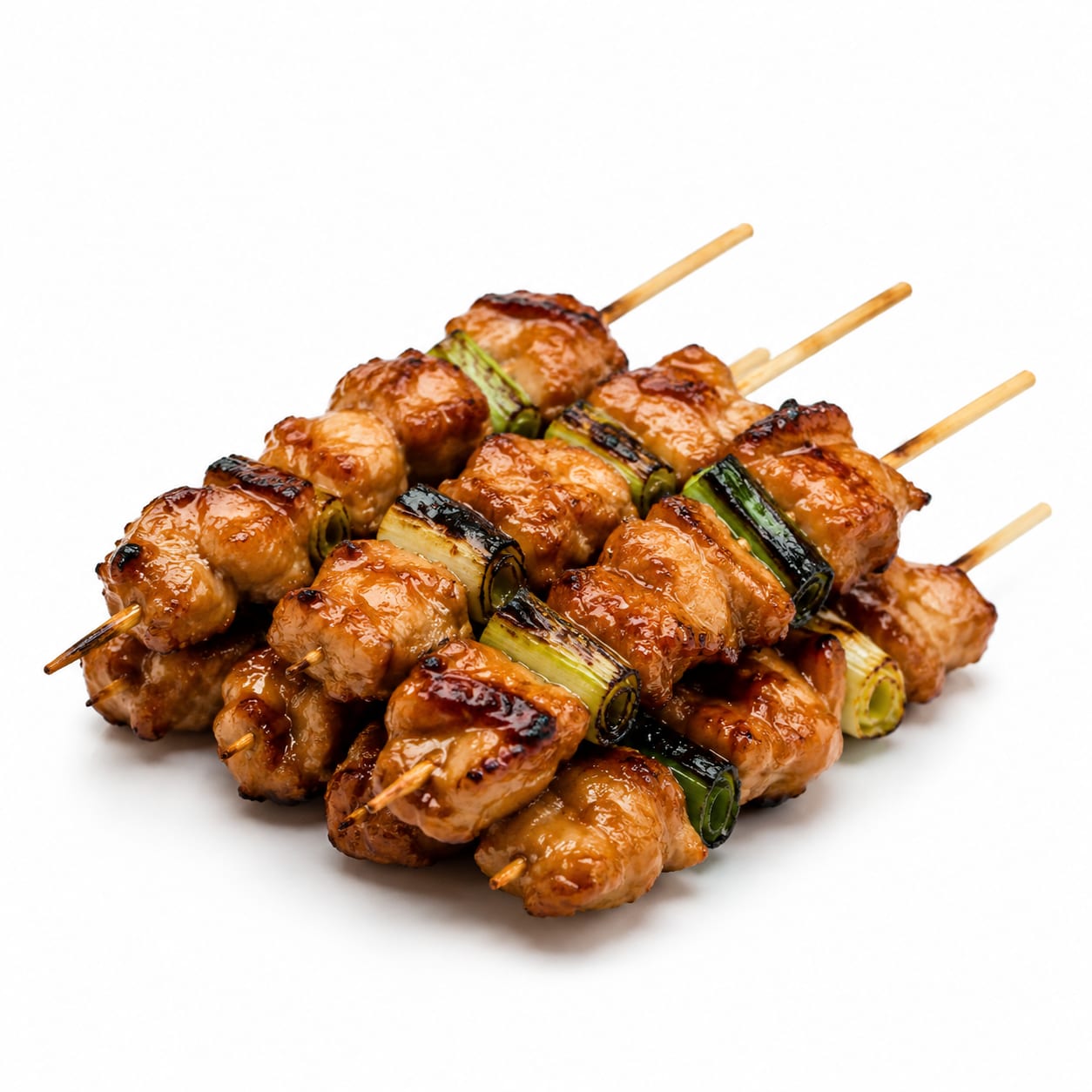
Yakitori
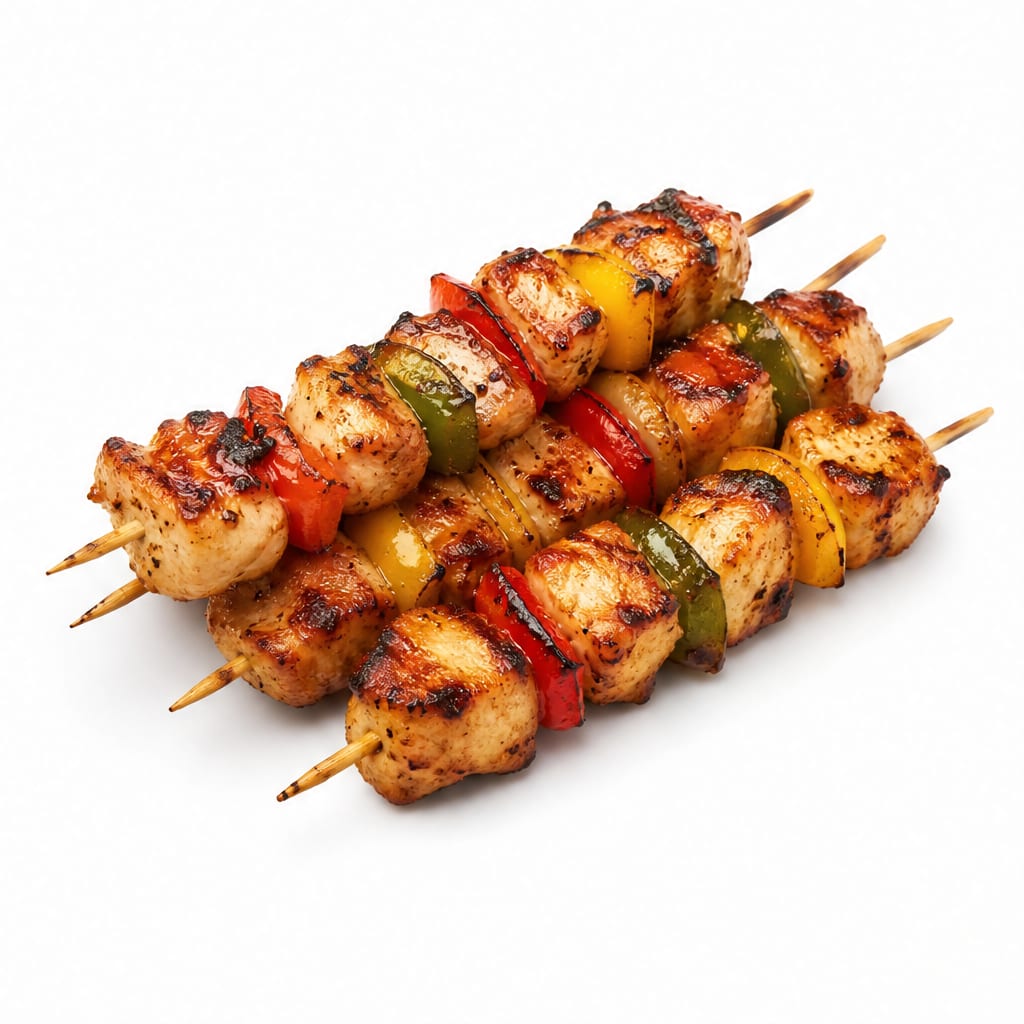
Chicken Kebab
Chicken kebabs deliver leaner protein with more vegetables and less sugar, making them the healthier everyday choice. Yakitori wins on flavor intensity and cultural experience but carries more fat and sodium.
Chicken kebabs score notably higher due to leaner cuts, built-in vegetables, lower sodium, and better meal completeness. Yakitori loses ground on fat content from skin-on thigh meat and the sugar-sodium load from tare sauce.
Indulgent umami satisfaction versus cleaner nutrition and better meal balance
At a glance
Executive summary
Overall
Chicken Kebab
Healthier
Chicken Kebab
More practical
Chicken Kebab
Daily use
Chicken Kebab
Key comparison lenses
lean protein comparison for weight management
Both are chicken skewers but differ dramatically in fat content due to cut selection and skin inclusion
sodium and sauce impact on health
Yakitori's tare sauce adds significant sodium and sugar compared to herb-based kebab marinades
meal completeness and vegetable integration
Chicken kebabs routinely include vegetables making them a more balanced standalone meal
charcoal grilling and carcinogen exposure
Both foods are grilled over open flame but yakitori's smaller pieces and longer charring increase risk
cultural dining context and portion control
Yakitori is typically eaten as small skewers alongside drinks while kebabs are often a full meal
Best choice for
Yakitori
- Japanese cuisine enthusiasts seeking authentic flavor
- Social dining and izakaya-style sharing
- Higher calorie needs when you want flavorful food
- Quick appetizer or bar snack
Chicken Kebab
- Weight loss or lean muscle goals
- Balanced one-skewer meals with protein and veggies
- Lower sodium dietary requirements
- Meal prep and portable lunches
Least suitable for
Yakitori
- Sodium-sensitive individuals
- Strict low-fat diets
- Blood sugar management due to tare sauce sugar
- Those seeking vegetable-rich meals
Chicken Kebab
- Those wanting rich umami flavor intensity
- Traditional Japanese dining experiences
- Occasions where small shared plates are preferred
Deep comparison
Dimension by dimension
Each lens scores both foods and breaks down who each option suits.
- Dimension 1 · Priority 95Chicken Kebab
Protein Quality and Leanness
Yakitori · 55Chicken Kebab · 88Chicken kebabs typically use skinless breast meat delivering cleaner protein with less fat. Yakitori relies on thigh meat with skin, boosting flavor but nearly doubling fat content.
Tradeoff
Yakitori's juicier texture comes at the cost of significantly more saturated fat per bite
Why it matters
For anyone tracking macros or managing heart health, the cut and skin choice makes a substantial daily difference
Real-world impact
A chicken kebab portion delivers roughly 30g protein with 5g fat, while equivalent yakitori can hit 22g protein with 15g fat
Yakitori
- Flavor-first eaters who prioritize taste over leanness
- Bulking phases where extra calories are welcome
Better for
- Anyone counting fat grams carefully
- People with cholesterol concerns
Worse for
Chicken Kebab
- Cutting phases requiring high protein low fat
- Heart-conscious diners watching saturated fat
Better for
- Those who find breast meat too dry without sauce
Worse for
- Dimension 2 · Priority 90Chicken Kebab
Sodium and Sugar Load
Yakitori · 38Chicken Kebab · 72Yakitori's tare sauce pours on sodium and sugar. A few skewers can deliver half your daily sodium. Chicken kebabs use herb and spice marinades with minimal added sugar.
Tradeoff
That sweet-savory glaze makes yakitori irresistible but stealthily loads sodium and sugar into what seems like simple grilled chicken
Why it matters
Even health-conscious eaters often underestimate sauce impact. Tare sauce can add 400-600mg sodium per serving alone
Real-world impact
Three tare yakitori skewers can match the sodium of a fast food burger, while a chicken kebab with herb marinade stays well under 400mg total
Yakitori
- Post-sweat meals where sodium replenishment is actually useful
- Occasional indulgence where taste trumps numbers
Better for
- Hypertension or sodium-sensitive individuals
- Anyone eating multiple skewers as a meal
Worse for
Chicken Kebab
- Daily meals requiring sodium moderation
- Blood pressure management diets
Better for
- Those who find unglazed chicken bland and compensate with salty sides
Worse for
- Dimension 3 · Priority 85Chicken Kebab
Vegetable Integration and Fiber
Yakitori · 20Chicken Kebab · 82Chicken kebabs routinely thread bell peppers, onions, zucchini, and tomatoes between meat pieces. Yakitori is almost exclusively meat, sometimes with a single scallion.
Tradeoff
Kebabs give you a complete meal on one stick. Yakitori leaves you needing separate vegetable dishes to balance your plate.
Why it matters
Fiber from vegetables slows digestion, steadies blood sugar, and increases fullness. Missing veggies means less satisfying meals.
Real-world impact
A chicken kebab with vegetables provides 3-5g fiber per serving. Yakitori delivers near zero unless you order side dishes separately.
Yakitori
- Pure protein-focused eating windows
- Occasions where vegetable sides are ordered separately anyway
Better for
- Anyone trying to increase daily vegetable intake
- Blood sugar management without fiber buffering
Worse for
Chicken Kebab
- One-skewer complete meals
- Digestive health and regularity
Better for
- Vegetable haters who pick around the peppers anyway
Worse for
- Dimension 4 · Priority 80Yakitori
Flavor Satisfaction and Craving Control
Yakitori · 90Chicken Kebab · 68Yakitori's caramelized tare glaze and smoky char create intense umami satisfaction that hits craving centers hard. Chicken kebabs are flavorful but more subtly seasoned.
Tradeoff
Yakitori satisfies cravings faster but the sugar and salt can trigger wanting more. Kebabs satisfy more steadily without the craving loop.
Why it matters
Foods that intensely reward without triggering rebound hunger are better for long-term adherence
Real-world impact
You might stop at two kebabs and feel content. Yakitori's sweet-salty glaze often pushes you toward ordering just one more round.
Yakitori
- Emotional eating that needs strong flavor payoff
- Social dining where shared plates enhance the experience
Better for
- Portion control challenges
- Late-night snacking that spirals
Worse for
Chicken Kebab
- Sustained satisfaction without triggering more cravings
- Mindful eating practices
Better for
- Meals where blandness leads to seeking dessert after
Worse for
- Dimension 5 · Priority 75Chicken Kebab
Grilling Safety and Carcinogen Risk
Yakitori · 45Chicken Kebab · 62Both foods carry HCAs and PAHs from open-flame grilling. Yakitori's smaller pieces and longer charring time increase exposure. Kebabs with vegetables between meat reduce direct char contact.
Tradeoff
That beautiful char on yakitori is literally the carcinogen risk. Kebab vegetables create natural barriers and typically char less.
Why it matters
Regular consumption of heavily charred meat compounds long-term cancer risk, especially for frequent grillers
Real-world impact
Occasional yakitori is fine. Weekly char-heavy yakitori sessions add measurable carcinogen exposure compared to lighter grilled kebabs.
Yakitori
- Occasional enjoyment where risk is minimal
- Shio-style yakitori with less charring
Better for
- High-frequency grill eaters
- Those already at elevated cancer risk
Worse for
Chicken Kebab
- Regular grilled meal rotation
- Families with children eating grilled foods frequently
Better for
- Overcooked dry kebabs that still carry risks without the flavor payoff
Worse for
- Dimension 6 · Priority 70Chicken Kebab
Portion Control and Meal Structure
Yakitori · 42Chicken Kebab · 80Yakitori comes as small individual skewers that invite continuous ordering. Chicken kebabs typically arrive as a defined meal portion with sides.
Tradeoff
Yakitori's grab-and-go skewer format makes accidental overeating easy. Kebabs have natural stopping points built into the serving.
Why it matters
Portion structure shapes eating behavior more than willpower. Food that self-regulates beats food that requires discipline.
Real-world impact
It is easy to eat six yakitori skewers before realizing it. One large chicken kebab plate signals meal completion clearly.
Yakitori
- Shared dining where everyone takes one or two skewers
- Appetizer portions before a lighter main
Better for
- Grazing eaters who struggle with unlimited small portions
- Budget-conscious diners as multiple skewers add up fast
Worse for
Chicken Kebab
- Structured meal plans with clear calorie targets
- Lunch breaks where you need one item and done
Better for
- Those wanting small tasting portions across multiple dishes
Worse for
Timeline
Health impact over time
Short-term
Hours to days
Yakitori
- Quick energy from tare sauce sugars followed by potential crash
- High sodium may cause bloating and thirst within hours
- Rich umami flavor provides immediate satisfaction but can stimulate appetite for more
Chicken Kebab
- Steady energy from lean protein with minimal blood sugar spike
- Vegetable fiber provides comfortable fullness without heaviness
- Herb marinades may offer mild anti-inflammatory benefits from oregano and garlic
Long-term
Months to years
Yakitori
- Regular consumption of skin-on thigh meat increases saturated fat intake patterns
- Frequent high sodium from tare sauce contributes to blood pressure concerns over years
- Charred meat compounds from regular yakitori grilling add cumulative carcinogen exposure
Chicken Kebab
- Lean protein with vegetables supports sustained healthy body composition
- Lower sodium habit protects cardiovascular health long-term
- Integrated vegetables provide consistent fiber and micronutrient intake
Risk profile
Safety & processing
Both start with whole chicken, but yakitori's tare sauce introduces more processed elements including refined sugar, mirin, and commercial soy sauce. Chicken kebabs typically rely on whole herbs, spices, olive oil, and lemon, keeping the ingredient list cleaner and more recognizable.
Yakitori
Heterocyclic amines from charring
mediumSmall chicken pieces over direct charcoal create more surface charring per gram of meat than larger kebab chunks
Cross-contamination at street stalls
mediumYakitori is often prepared at high-volume stalls where rapid handling increases contamination risk
Sodium nitrite in commercial tare
lowSome commercial tare sauces contain preservatives not present in homemade versions
Chicken Kebab
Undercooked chicken center in thick kebabs
mediumLarger meat chunks can char outside while remaining undercooked inside if not properly managed
Marinade contamination from raw chicken
lowReusing marinade as basting sauce without boiling can transfer bacteria
Who wins for whom
Audience fit
Same foods, different winners depending on your goal.
children
Chicken KebabColorful vegetable pieces on kebabs make eating veggies more appealing, and lower sodium is better for developing palates and kidneys
daily consumption
Chicken KebabBetter nutritional balance, lower sodium, more vegetables, and cleaner ingredients make chicken kebabs sustainable as a regular meal without health compromises
diabetes
Chicken KebabNo sugar-heavy glaze and fiber from vegetables keeps blood sugar far more stable than tare-coated yakitori
elderly
Chicken KebabSofter vegetables are easier to chew than charred yakitori edges, and lower sodium protects cardiovascular health in aging populations
muscle gain
Chicken KebabHigher protein-to-fat ratio means more usable protein per calorie, which matters when you are eating frequently to support muscle growth
weight loss
Chicken KebabLeaner breast meat, more fiber from vegetables, lower calorie density, and built-in portion structure make chicken kebabs significantly easier to fit into a calorie deficit
Your move
Decision guide
Choose Yakitori
- You are at an izakaya or Japanese restaurant and want the authentic experience
- Flavor intensity matters more than nutritional optimization for this meal
- You are sharing small plates with friends and will eat other dishes alongside
- You prefer dark meat juiciness and find breast meat unsatisfying
- You are eating after intense exercise and want sodium and calorie replenishment
Choose Chicken Kebab
- You want a complete balanced meal from a single item
- Weight management or heart health is a current priority
- You need meal prep that holds well for lunches throughout the week
- You are watching sodium intake for blood pressure reasons
- You want vegetables integrated into your protein without thinking about side dishes
Either works if
- You just want grilled chicken and both options are available fresh
- Occasional dining out where one meal will not shift your health trajectory
- You plan to balance the rest of your day's nutrition accordingly
Avoid both if
- You have severe poultry allergies
- You are on a strict low-protein diet for kidney disease
- You are avoiding all grilled meats due to carcinogen concerns
Final recommendation
Make chicken kebabs your default grilled chicken choice for regular meals. They deliver better nutrition, more vegetables, and cleaner ingredients without sacrificing enjoyment. Save yakitori for authentic Japanese dining experiences where the cultural pleasure matters as much as the food. When you do choose yakitori, opt for shio seasoning instead of tare to cut sodium and sugar significantly, and pair it with a vegetable side to rebalance the plate.
Practical
Consumer tips
- 1
Order yakitori with shio (salt) seasoning instead of tare to eliminate most added sugar and reduce sodium by roughly 40%
- 2
Remove chicken skin from yakitori skewers to cut fat content nearly in half while keeping the smoky flavor
- 3
Ask for extra vegetables on your chicken kebab to boost fiber and make one skewer more filling
- 4
If meal prepping, chicken kebabs reheat better than yakitori which loses its char texture when reheated
- 5
Pair yakitori with edamame or a seaweed salad to add fiber and micronutrients the skewers lack
- 6
Make homemade tare sauce with low-sodium soy sauce and less sugar to get the flavor with better nutrition
- 7
Marinate chicken kebabs with yogurt-based marinade for even more tender meat and added probiotic benefits