
Nutrition comparison
Yakitori vs Pork Belly Skewers: Which Grilled Skewer Is Healthier?
Compare yakitori and pork belly skewers on calories, fat, protein, and health impact. Find out which grilled skewer is better for weight loss, heart health, and everyday eating.
Overall winner · Yakitori
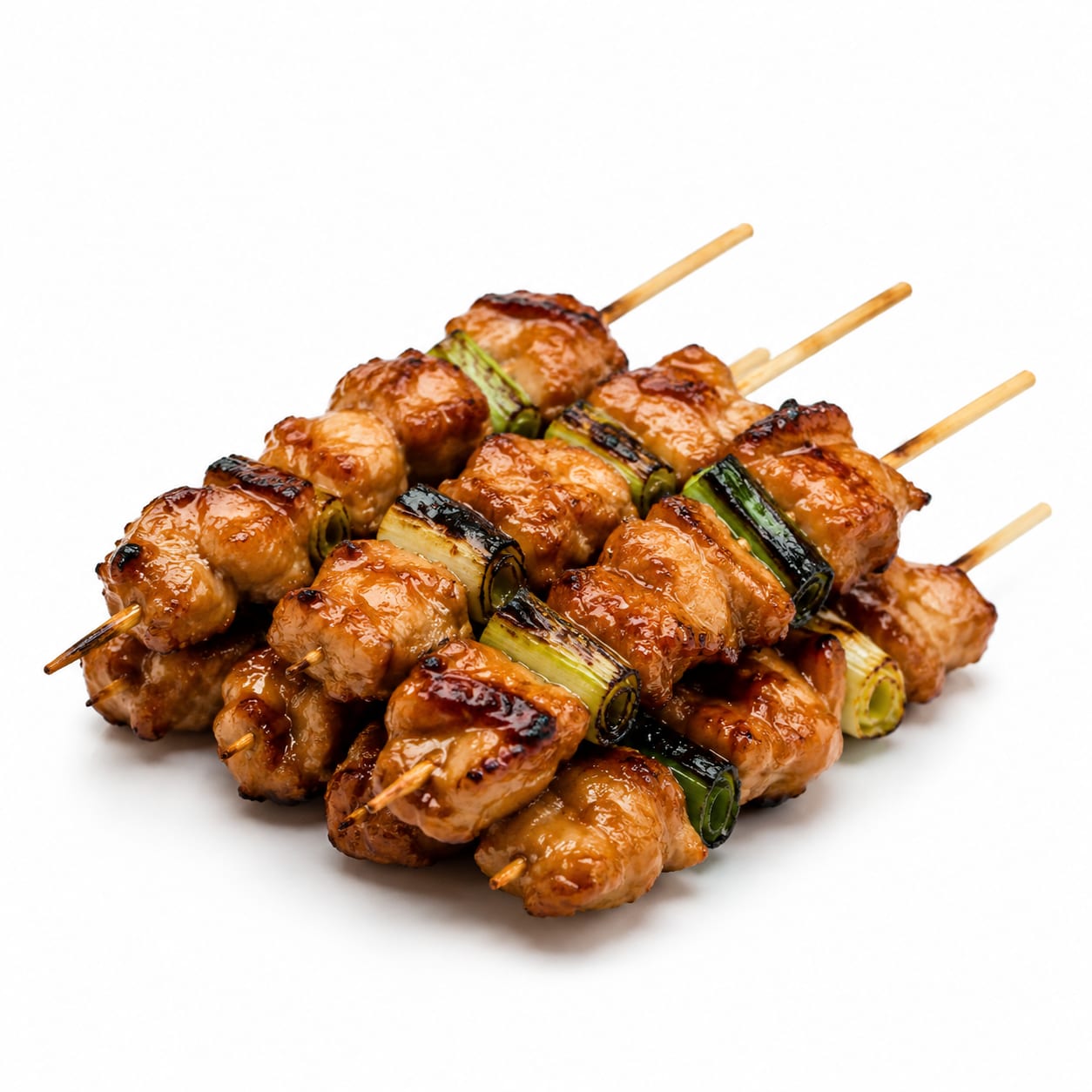
Yakitori
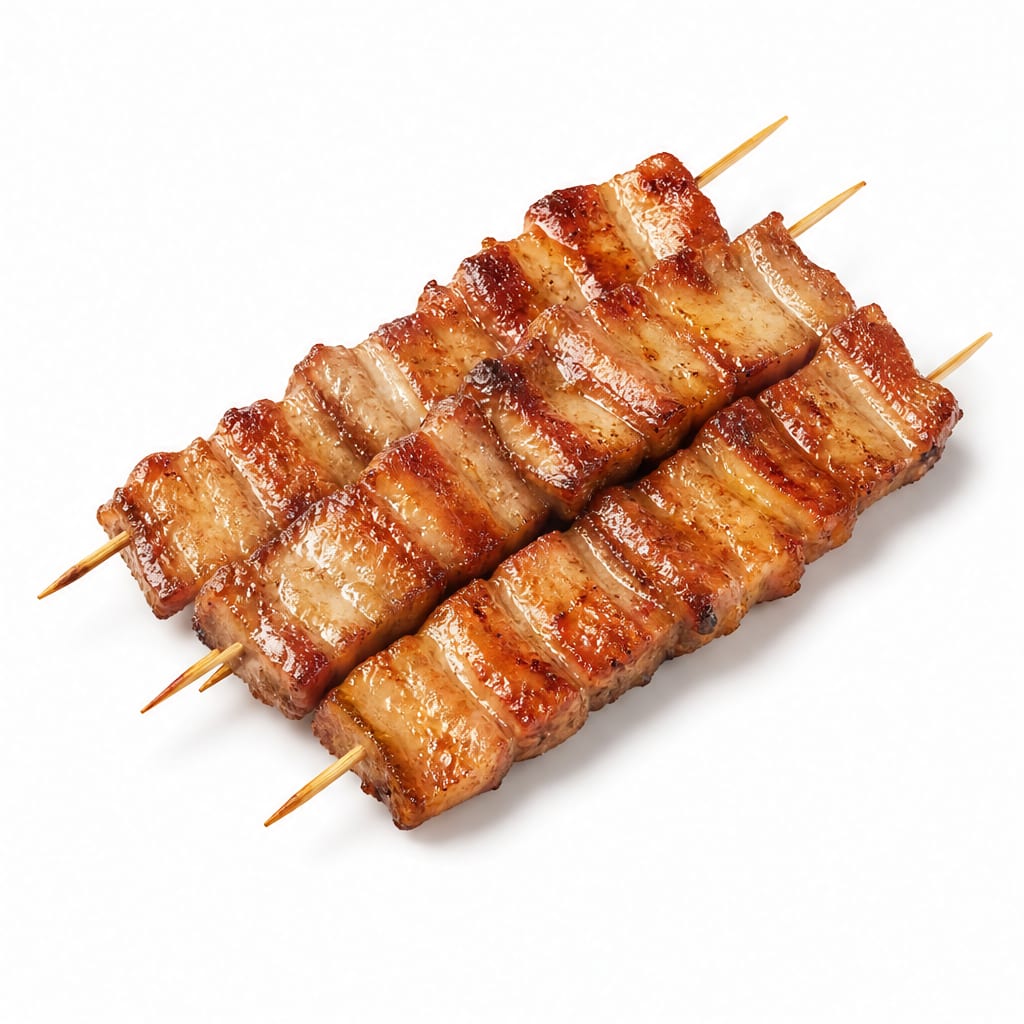
Pork Belly Skewers
Yakitori delivers far more protein with a fraction of the fat, making it the smarter regular choice. Pork Belly Skewers are an indulgence best enjoyed occasionally.
Yakitori wins decisively for nutritional efficiency and daily viability. Pork Belly Skewers score lower due to extreme fat density and limited everyday practicality, though they excel as an occasional treat.
Rich, melt-in-your-mouth satisfaction versus lean, protein-efficient fuel for your body.
At a glance
Executive summary
Overall
Yakitori
Healthier
Yakitori
More practical
Yakitori
Daily use
Yakitori
Key comparison lenses
fat content and calorie density
The single biggest difference: pork belly is extremely fat-dense while yakitori offers far more protein per calorie
heart health and cardiovascular risk
Saturated fat load from pork belly significantly impacts cardiovascular risk compared to leaner chicken yakitori
protein efficiency
Users choosing between these skewered proteins likely care about getting muscle-fueling protein without excess calories
grilling carcinogen exposure
Both are charcoal-grilled, but fat dripping from pork belly creates more smoke and potentially more heterocyclic amines
satiety and overeating potential
Pork belly's richness can either satisfy quickly or trigger overeating depending on the person
Best choice for
Yakitori
- People tracking calories or macros
- Anyone prioritizing heart health
- Post-workout protein seekers
- Those who want a lighter grilled option
Pork Belly Skewers
- Special occasion indulgence
- Keto or very low-carb eaters needing high fat
- Those craving intense savory richness
- People who struggle to eat enough calories
Least suitable for
Yakitori
- Keto dieters avoiding lean protein
- People who find chicken unsatisfying without fat
Pork Belly Skewers
- Anyone with high cholesterol or heart disease risk
- Calorie-conscious eaters
- People prone to greasy food triggering reflux
Deep comparison
Dimension by dimension
Each lens scores both foods and breaks down who each option suits.
- Dimension 1 · Priority 95Yakitori
Fat Content and Calorie Density
Yakitori · 78Pork Belly Skewers · 25Pork Belly Skewers pack roughly 2-3 times the calories per skewer, mostly from saturated fat. Yakitori keeps the calorie cost reasonable while delivering solid protein.
Tradeoff
You get luxurious mouthfeel and richness from pork belly, but at a steep caloric price that adds up fast across multiple skewers.
Why it matters
Three pork belly skewers can match the calories of a full meal, while three yakitori skewers feel like a light protein snack.
Real-world impact
Ordering pork belly skewers as an appetizer can quietly consume half your daily calorie budget before the main course arrives.
Yakitori
- Staying within calorie targets without thinking hard
- Eating more skewers without guilt
Better for
- Those who need high-calorie intake to maintain weight
Worse for
Pork Belly Skewers
- Ketogenic fat intake goals
- Backpacking or situations demanding calorie density
Better for
- Anyone watching their waistline
- Controlling saturated fat for heart health
Worse for
- Dimension 2 · Priority 82Yakitori
Protein Efficiency
Yakitori · 85Pork Belly Skewers · 45Yakitori provides significantly more protein per calorie. Pork belly's protein is buried under layers of fat, making it an inefficient protein source.
Tradeoff
Pork belly gives you slow-digesting energy from fat, but yakitori actually rebuilds muscle without the caloric baggage.
Why it matters
If you are eating skewers after a workout or as a protein source, yakitori gets the job done cleanly. Pork belly mostly just fills you with fat.
Real-world impact
Four yakitori skewers deliver roughly 28g of protein for under 300 calories. Matching that protein from pork belly would cost you over 700 calories.
Yakitori
- Post-workout recovery meals
- Meeting daily protein targets efficiently
Better for
- Situations where you want prolonged slow-burning energy
Worse for
Pork Belly Skewers
- Sustained energy for long hikes or physical labor
Better for
- Anyone tracking protein macros
- Athletes who need lean recovery fuel
Worse for
- Dimension 3 · Priority 88Yakitori
Heart Health and Inflammatory Impact
Yakitori · 72Pork Belly Skewers · 30Pork belly's saturated fat load raises LDL cholesterol and promotes inflammation with regular consumption. Yakitori, especially skinless cuts, is far gentler on your cardiovascular system.
Tradeoff
The fat that makes pork belly taste incredible is the same fat that stresses your heart over time.
Why it matters
Eating pork belly skewers weekly is manageable. Eating them several times a week is a genuine cardiovascular risk factor.
Real-world impact
Regular pork belly consumption can meaningfully shift your cholesterol numbers within a few months, while yakitori barely moves the needle.
Yakitori
- People with family history of heart disease
- Anyone with elevated LDL cholesterol
Better for
- No significant heart health downside
Worse for
Pork Belly Skewers
- Healthy active people eating it occasionally
Better for
- Those already managing hypertension or high cholesterol
- Anyone on a heart-healthy eating plan
Worse for
- Dimension 4 · Priority 70Yakitori
Grilling and Carcinogen Exposure
Yakitori · 55Pork Belly Skewers · 35Both foods form heterocyclic amines and polycyclic aromatic hydrocarbons when charred. Pork belly generates more smoke and flare-ups from dripping fat, increasing carcinogen deposition on the meat.
Tradeoff
Char marks taste amazing but come with real cancer risk. Pork belly's fat drips create more smoke, meaning more of those compounds land back on your food.
Why it matters
This is a shared risk, but pork belly amplifies it. The fattier the meat, the more flare-ups and smoke.
Real-world impact
If you grill either food frequently, trimming charring and avoiding well-done edges matters more than which meat you pick.
Yakitori
- Lower carcinogen formation per skewer
- Less smoke production during cooking
Better for
- Still a grilled meat with inherent HCAs and PAHs
Worse for
Pork Belly Skewers
- No advantage in this dimension
Better for
- More fat means more drips, flare-ups, and smoke
- Higher carcinogen load per serving
Worse for
- Dimension 5 · Priority 68It depends
Satiety and Eating Experience
Yakitori · 70Pork Belly Skewers · 72Pork belly delivers intense satisfaction quickly due to its fat content, but yakitori's leaner profile lets you eat more volume without feeling heavy.
Tradeoff
Pork belly satisfies faster but can leave you feeling sluggish. Yakitori keeps you comfortable and ready to keep moving.
Why it matters
Two pork belly skewers might feel like enough, but they are calorie-heavy. Five yakitori skewers feel like a proper meal without the food coma.
Real-world impact
At a restaurant, pork belly skewers work as a small rich appetizer. Yakitori works as something you can build a whole meal around.
Yakitori
- Eating a full meal without feeling weighed down
- Staying active after eating
Better for
- May not feel indulgent enough for some eaters
Worse for
Pork Belly Skewers
- Quick intense satisfaction from small portions
- Ending a meal feeling deeply satisfied
Better for
- Can trigger sluggishness or digestive heaviness
- Greasy aftertaste lingers
Worse for
- Dimension 6 · Priority 55It depends
Sodium and Seasoning Load
Yakitori · 58Pork Belly Skewers · 55Both can be high in sodium depending on preparation. Tare-glazed yakitori and seasoned pork belly skewers both deliver significant salt. Shio-style yakitori is the lightest option.
Tradeoff
The glaze that makes both foods irresistible also drives sodium up. Choosing salt-seasoned over sauce-drenched yakitori gives you more control.
Why it matters
If you are sodium-sensitive, preparation style matters more than which meat you choose.
Real-world impact
A typical order of tare-glazed yakitori can hit 800-1000mg sodium. Pork belly skewers with spicy seasoning land in similar territory.
Yakitori
- Shio (salt-only) yakitori is the lowest sodium option between both foods
- More preparation variety gives you control
Better for
- Tare-glazed versions can be very sodium-heavy
Worse for
Pork Belly Skewers
- No real sodium advantage
Better for
- Seasoning blends often include MSG and high-sodium sauces
- Less ability to customize seasoning at restaurants
Worse for
Timeline
Health impact over time
Short-term
Hours to days
Yakitori
- Clean protein energy without heaviness
- Possible thirst from sodium if tare-glazed
- Light enough to eat before activity without discomfort
Pork Belly Skewers
- Quick feeling of fullness and satisfaction
- Possible greasy aftertaste or reflux trigger
- Energy dip possible 1-2 hours after eating due to fat digestion load
Long-term
Months to years
Yakitori
- Supports lean muscle maintenance with regular consumption
- Minimal cardiovascular risk when prepared simply
- Sodium intake worth monitoring if eating glazed versions frequently
Pork Belly Skewers
- Regular consumption raises LDL cholesterol and cardiovascular risk meaningfully
- High saturated fat intake linked to increased inflammation markers
- Calorie density makes weight management harder over time
Risk profile
Safety & processing
Both foods are whole muscle meats with minimal processing. The main concern is not additives but the inherent fat composition and grilling method. Yakitori seasoned with just salt is about as clean as grilled meat gets.
Yakitori
Undercooked chicken
highChicken must reach safe internal temperature. Yakitori cooked quickly over high heat can have undercooked centers, especially with thicker cuts.
Grilling carcinogens
mediumHCAs and PAHs form on charred chicken. Less fat means fewer flare-ups than pork belly, but risk remains.
Pork Belly Skewers
Grilling carcinogens
highFat dripping onto coals creates more PAHs that deposit back on the meat. Pork belly generates significantly more smoke and carcinogen exposure than leaner meats.
Trichinella (region-dependent)
lowModern pork farming has virtually eliminated trichinella in many countries, but risk varies by region and sourcing. Thorough cooking eliminates it.
Nitrates in pre-seasoned versions
mediumSome commercially prepared pork belly skewers use curing salts or preservatives. Restaurant-made versions are typically cleaner.
Who wins for whom
Audience fit
Same foods, different winners depending on your goal.
children
YakitoriEasier to digest, less greasy, and lower in saturated fat. Kids also tend to prefer milder chicken flavor over intensely fatty pork.
daily consumption
YakitoriBalanced enough to eat regularly without negative health consequences. Pork belly should be limited to weekly or less.
diabetes
YakitoriLeaner protein with less saturated fat supports better insulin sensitivity. Pork belly's fat load can worsen metabolic markers over time.
elderly
YakitoriLean protein supports muscle preservation in aging, and lower saturated fat protects cardiovascular health which becomes more critical with age.
muscle gain
YakitoriHigher protein per calorie supports muscle recovery and growth without excess fat intake that adds empty calories.
weight loss
YakitoriYakitori provides satisfying protein at a manageable calorie cost, making it far easier to fit into a weight loss plan.
Your move
Decision guide
Choose Yakitori
- You want a grilled protein you can eat regularly without health guilt
- You are tracking calories, protein, or heart health markers
- You need post-workout fuel that will not sit heavy
- You are building a meal around skewers rather than just snacking
Choose Pork Belly Skewers
- It is a special occasion and you want maximum indulgence
- You are on a ketogenic diet and actively seeking high-fat foods
- You need calorie-dense food for hiking, backpacking, or heavy labor
- You are eating one or two skewers as a rich appetizer and stopping there
Either works if
- You want grilled meat and will limit yourself to 2-3 skewers total
- You are dining out and both options are prepared with quality ingredients
Avoid both if
- You have gout and are sensitive to purine-rich grilled meats
- You are strictly limiting sodium and cannot control how they are seasoned
- You have a history of GI issues with greasy or charred foods
Final recommendation
Make yakitori your default grilled skewer choice for everyday eating. Save pork belly skewers for when you truly want to indulge, and savor them mindfully rather than making them a habit. The gap in nutritional quality is too large to ignore if you eat skewers more than occasionally.
Practical
Consumer tips
- 1
Ask for shio (salt) seasoning on yakitori instead of tare to cut sodium by roughly half
- 2
Trim visible fat from pork belly skewers before eating to reduce some calorie and saturated fat load
- 3
Pair either skewer with vegetables or a side salad to balance the meal and add fiber
- 4
Avoid eating the charred blackened parts of either skewer to reduce carcinogen intake
- 5
If making pork belly skewers at home, grill at lower heat and use a drip pan to reduce smoke and flare-ups
- 6
Limit pork belly skewers to once per week or less if heart health is a concern
- 7
Choose chicken breast yakitori over thigh for even leaner protein, though thigh stays moist and satisfying