
Nutrition comparison
Yakitori vs Grilled Chicken Breast: Which Is Healthier for Daily Protein?
Compare Yakitori and Grilled Chicken Breast on protein, calories, sodium, sugar, and meal prep practicality. Find out which chicken preparation fits your health goals and when to choose each.
Overall winner · Grilled Chicken Breast
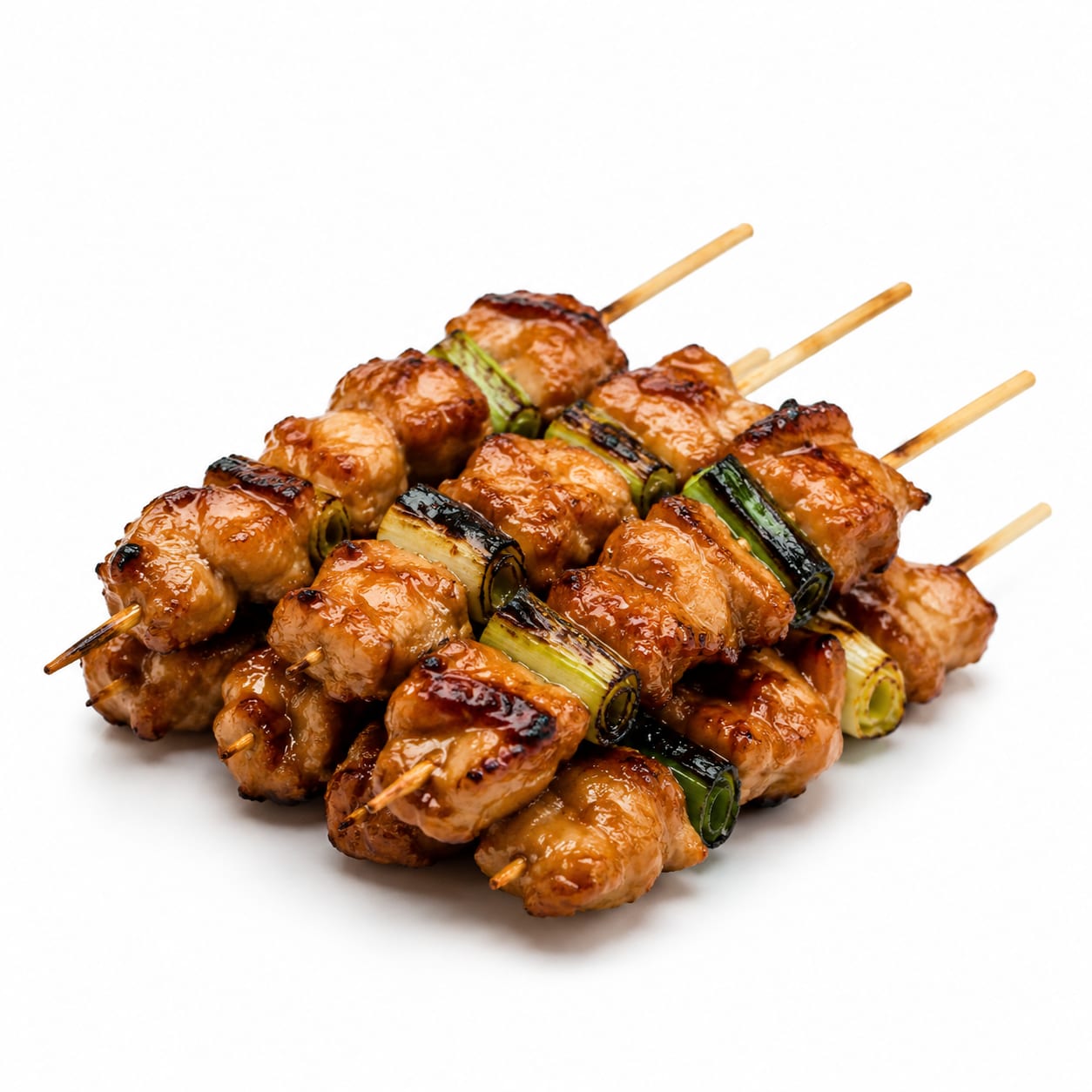
Yakitori
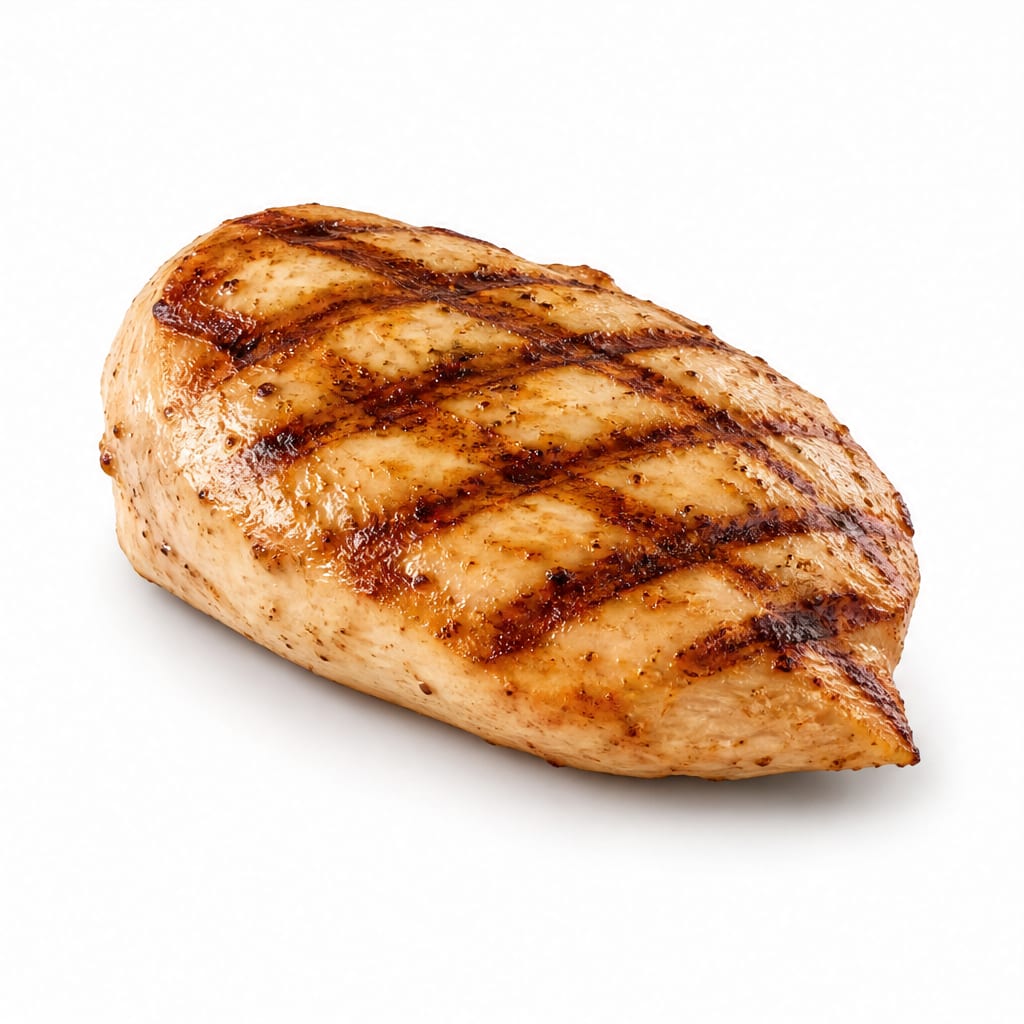
Grilled Chicken Breast
Grilled Chicken Breast wins for clean nutrition and daily reliability, but Yakitori offers far more eating pleasure with acceptable tradeoffs if portions are managed.
Grilled Chicken Breast scores notably higher due to superior macro profile, lower calorie density, and better daily practicality. Yakitori remains a solid choice but its added sugars, sodium, and higher fat from skin and thigh meat create meaningful nutritional tradeoffs.
Flavor and enjoyment versus macro precision and calorie control.
At a glance
Executive summary
Overall
Grilled Chicken Breast
Healthier
Grilled Chicken Breast
More practical
Grilled Chicken Breast
Daily use
Grilled Chicken Breast
Key comparison lenses
Lean protein source for fitness goals
Grilled Chicken Breast is the gold standard for lean protein; Yakitori introduces fat and sugar variables that matter for macros
Sodium and sugar awareness
Yakitori's tare sauce adds significant sodium and sugar that Grilled Chicken Breast avoids entirely
Meal prep practicality and consistency
Grilled Chicken Breast is easier to prepare in bulk with predictable macros; Yakitori is more situational
Eating satisfaction and sustainability
Yakitori's flavor and variety make it more enjoyable, which affects long-term adherence to eating patterns
Calorie density and portion control
Skin and thigh meat in Yakitori increase calories significantly per serving compared to breast meat
Best choice for
Yakitori
- People who find plain chicken boring and need flavor to stick with high-protein eating
- Social dining and izakaya-style shared meals
- Those wanting variety in chicken cuts and textures
- Anyone needing a more satisfying protein experience to avoid overeating later
Grilled Chicken Breast
- Consistent macro tracking and calorie counting
- Daily meal prep with predictable nutrition
- Cutting phases where every gram of fat and sugar matters
- Post-workout protein with minimal digestive burden
Least suitable for
Yakitori
- Strict low-sodium diets
- Keto or zero-sugar eating plans due to tare sauce
- Precise calorie counting on a cut
- Daily repetitive meal prep due to higher cost and effort
Grilled Chicken Breast
- People who get bored easily with plain food and abandon meal plans
- Those who find dry chicken unpleasant and end up skipping protein
- Social dining where eating enjoyment matters
Deep comparison
Dimension by dimension
Each lens scores both foods and breaks down who each option suits.
- Dimension 1 · Priority 95Grilled Chicken Breast
Protein Quality and Leanness
Yakitori · 55Grilled Chicken Breast · 95Grilled Chicken Breast delivers more protein per calorie with minimal fat. Yakitori uses thigh meat and skin, dropping the protein-to-calorie ratio significantly.
Tradeoff
You sacrifice protein density for richer flavor and juicier texture in Yakitori.
Why it matters
For anyone tracking macros or eating in a calorie deficit, protein per calorie is the single most important metric.
Real-world impact
A 200g serving of Grilled Chicken Breast gives you roughly 46g protein for 330 calories. The same weight in Yakitori delivers around 34g protein for 420+ calories.
Yakitori
- Those who prioritize eating enjoyment over macro precision
Better for
- Strict calorie counters
- Competition prep diets
Worse for
Grilled Chicken Breast
- Anyone counting macros
- Cutting phases
- Post-workout recovery meals
Better for
- Those who find lean meat unsatisfying and overeat later
Worse for
- Dimension 2 · Priority 88Grilled Chicken Breast
Sodium and Sugar Load
Yakitori · 35Grilled Chicken Breast · 90Yakitori's tare sauce pours on sodium and sugar. Grilled Chicken Breast seasoned simply has almost none of either.
Tradeoff
The glaze that makes Yakitori irresistible also makes it a hidden source of sugar and salt that adds up fast across multiple skewers.
Why it matters
Excess sodium raises blood pressure over time. Added sugars spike blood glucose and can trigger cravings. Both are easy to overlook in savory foods.
Real-world impact
A typical Yakitori order of 5-6 skewers can deliver 800-1200mg sodium and 10-15g added sugar. Grilled Chicken Breast with salt and pepper stays under 200mg sodium and zero sugar.
Yakitori
- Those eating only 1-2 skewers as a small snack
Better for
- Salt-sensitive individuals
- People prone to bloating
Worse for
Grilled Chicken Breast
- Hypertension management
- Low-sugar diets
- Anyone watching water retention
Better for
- Those who add heavy sauces at home, negating the advantage
Worse for
- Dimension 3 · Priority 80Grilled Chicken Breast
Calorie Density and Portion Control
Yakitori · 40Grilled Chicken Breast · 85Grilled Chicken Breast is one of the lowest-calorie protein sources available. Yakitori's skin, thigh meat, and glaze make it easy to overconsume calories without feeling full.
Tradeoff
Yakitori feels like a light snack but calorie-wise it is not. The small skewers mask a surprisingly dense calorie load.
Why it matters
Underestimating calories from savory glazed meats is one of the most common reasons people stall on weight loss plans.
Real-world impact
Six Yakitori skewers can easily hit 500-600 calories before you feel full. The same calories in Grilled Chicken Breast gives you nearly double the protein and noticeably more satiety.
Yakitori
- Those who eat slowly and stop at 2-3 skewers
Better for
- Mindless eaters
- People who judge fullness by volume rather than calories
Worse for
Grilled Chicken Breast
- Weight loss diets
- Anyone who struggles with portion awareness
Better for
- Those who find it so dry they compensate with high-calorie sides
Worse for
- Dimension 4 · Priority 78Yakitori
Eating Satisfaction and Long-Term Adherence
Yakitori · 88Grilled Chicken Breast · 50Yakitori is genuinely enjoyable to eat. The char, the glaze, the variety of cuts — it keeps you interested. Grilled Chicken Breast is functional but monotonous.
Tradeoff
Boring food drives people off meal plans. Sometimes the nutritionally inferior choice is the one you will actually keep eating.
Why it matters
The best diet is the one you stick with. If plain chicken makes you dread meals, you will quit. Flavor matters for sustainability.
Real-world impact
Someone who enjoys their protein source is less likely to binge on junk food later. Yakitori's satisfaction can prevent the 9pm fridge raid that dry chicken cannot.
Yakitori
- Flavor-driven eaters
- Anyone who has abandoned meal plans due to food boredom
- Social eaters
Better for
- Anyone who cannot stop at a reasonable portion
Worse for
Grilled Chicken Breast
- People comfortable with repetitive meals
- Those who use hot sauce and spices to add variety
Better for
- Chronic meal-plan quitters
- People who associate healthy eating with punishment
Worse for
- Dimension 5 · Priority 75Grilled Chicken Breast
Meal Prep and Practicality
Yakitori · 35Grilled Chicken Breast · 90Grilled Chicken Breast is the meal prep king. Batch cook, portion, refrigerate, done. Yakitori requires skewering, glazing, and careful grilling — not weeknight-friendly.
Tradeoff
Convenience wins on Tuesday nights. The effort to make proper Yakitori at home is substantial, and restaurant versions are expensive for daily protein needs.
Why it matters
If healthy eating requires 45 minutes of cooking per meal, most people will order takeout instead. Practicality drives consistency.
Real-world impact
You can grill 2kg of chicken breast in 20 minutes and have lunch for four days. Yakitori takes twice as long for half the yield and reheats poorly.
Yakitori
- Weekend cooking projects
- Entertaining guests
Better for
- Anyone cooking for one on a weeknight
- Those who need grab-and-go meals
Worse for
Grilled Chicken Breast
- Busy professionals
- Batch cooking
- Budget-conscious meal prep
Better for
- Special occasions where effort is part of the experience
Worse for
- Dimension 6 · Priority 70Grilled Chicken Breast
Fat Profile and Heart Health
Yakitori · 45Grilled Chicken Breast · 82Grilled Chicken Breast is naturally low in fat, mostly unsaturated. Yakitori's thigh meat and skin add saturated fat that matters for cardiovascular health over time.
Tradeoff
The fat is what makes Yakitori juicy and flavorful, but regular consumption of skin-on thigh meat raises saturated fat intake meaningfully.
Why it matters
Saturated fat from animal skin adds up across meals. It is not dangerous in isolation, but as a daily habit it shifts cardiovascular risk over years.
Real-world impact
Choosing breast over thigh and skin saves roughly 8-12g fat per serving, with 3-5g of that being saturated. Over a week of daily consumption, that is a meaningful difference.
Yakitori
- Occasional dining where fat intake is manageable
Better for
- People with familial hypercholesterolemia
- Daily consumers
Worse for
Grilled Chicken Breast
- Heart health-conscious eaters
- Daily protein consumers
- Those with elevated cholesterol
Better for
- Those on keto who actually want the fat
Worse for
Timeline
Health impact over time
Short-term
Hours to days
Yakitori
- Quick satisfaction from savory umami and fat content
- Possible blood sugar spike from tare sauce sugars followed by a mild crash
- Higher sodium may cause temporary water retention and bloating
- More immediate feeling of fullness due to fat content
Grilled Chicken Breast
- Steady energy with no sugar crash
- Light feeling after eating, easy on digestion
- Minimal bloating or water retention
- May feel less immediately satisfied, potentially leading to snacking sooner
Long-term
Months to years
Yakitori
- Regular consumption increases saturated fat and sodium intake, raising cardiovascular risk over years
- Added sugars from tare sauce contribute to insulin resistance if consumed frequently
- Higher calorie density makes weight management harder without portion discipline
- Enjoyment factor may support better relationship with food overall
Grilled Chicken Breast
- Consistent lean protein supports muscle maintenance and metabolic health
- Very low sodium and sugar intake protects blood pressure and insulin sensitivity
- Boredom with plain food may lead to diet abandonment or compensatory eating
- Excellent for long-term weight management when paired with varied side dishes
Risk profile
Safety & processing
Both foods start from whole chicken, but Yakitori's tare sauce pushes it into processed territory with added sugar, mirin, and soy sauce. Grilled Chicken Breast with simple seasoning remains close to its natural state. Neither contains concerning artificial additives, but Yakitori's glaze adds refined ingredients that Grilled Chicken Breast avoids entirely.
Yakitori
Heterocyclic amines from charring
mediumOpen-flame grilling of chicken at high temperatures creates HCAs, particularly on charred edges. Frequent consumption of heavily charred Yakitori may increase cancer risk over time.
Undercooked poultry at busy restaurants
mediumYakitori is sometimes served slightly pink near the bone in traditional preparations. This increases risk of Salmonella or Campylobacter, especially outside Japan where food handling standards vary.
Cross-contamination at street stalls
lowBusy yakitori stalls may reuse skewers or handle raw and cooked meat with the same tongs. Reputable establishments minimize this, but street vendors vary widely.
Grilled Chicken Breast
Dryness leading to overcooking
lowHome cooks often overcook chicken breast for safety, which is not a health risk but produces dry, unappetizing meat that people may discard or compensate for with high-calorie sauces.
Bacterial contamination if improperly stored
lowLike all raw chicken, breast meat requires proper refrigeration and cooking to 165°F. Standard food safety practices eliminate this risk.
Who wins for whom
Audience fit
Same foods, different winners depending on your goal.
children
It dependsYakitori is more fun and appealing to kids, which can encourage protein intake. But lower sodium and sugar make Grilled Chicken Breast nutritionally safer. Rotate both.
daily consumption
Grilled Chicken BreastPredictable macros, easy meal prep, low sodium, and no sugar make Grilled Chicken Breast the sustainable daily choice. Yakitori is better reserved for a few times per week maximum.
diabetes
Grilled Chicken BreastZero added sugar and minimal sodium. Yakitori's tare sauce introduces sugars that can spike blood glucose.
elderly
Grilled Chicken BreastLower sodium protects blood pressure, and lean protein is easier to digest. Yakitori's tougher cartilage pieces and higher salt are less suitable for aging digestive and cardiovascular systems.
muscle gain
Grilled Chicken BreastMore protein per serving with less fat means better macro ratios for muscle building, especially during lean bulk phases.
weight loss
Grilled Chicken BreastLower calorie density, higher protein per calorie, and no hidden sugars make Grilled Chicken Breast far easier to fit into a calorie deficit.
Your move
Decision guide
Choose Yakitori
- You find plain chicken unbearable and need flavor to maintain a high-protein diet
- You are eating out socially and want a protein-forward option that still feels like a treat
- You can limit yourself to 2-3 skewers as a snack or appetizer
- You value food enjoyment as part of your overall well-being
Choose Grilled Chicken Breast
- You track macros or calories with any regularity
- You meal prep for the week and need reliable, easy protein
- You have blood pressure, cholesterol, or blood sugar concerns
- You want the highest protein yield per dollar and per calorie
Either works if
- You simply need a solid protein source and are flexible on preparation
- You alternate between strict and relaxed eating phases
Avoid both if
- You have a poultry allergy
- You are following a plant-based diet
- You are on a strict low-protein diet for kidney disease management
Final recommendation
Make Grilled Chicken Breast your daily driver and treat Yakitori as your reward meal. The nutritional gap is real but not catastrophic — the bigger risk is either eating plain chicken until you quit your diet, or eating Yakitori daily until the sodium and sugar add up. A practical split is Grilled Chicken Breast 5 days per week and Yakitori 1-2 times, ideally with salt-only seasoning instead of tare sauce to cut the sugar and sodium significantly.
Practical
Consumer tips
- 1
Ask for shio (salt) seasoning instead of tare sauce at Yakitori restaurants to eliminate added sugar and reduce sodium by roughly 40%
- 2
Remove the skin from Yakitori to cut fat and calories by about 30% while keeping most of the flavor
- 3
If making Yakitori at home, use a reduced-sugar tare recipe with less mirin and more vinegar for brightness without the sugar spike
- 4
Marinate Grilled Chicken Breast in yogurt, lemon, and herbs to add moisture and flavor without the sodium and sugar of tare sauce
- 5
Pair Yakitori with cabbage or cucumber sticks — the fiber slows sugar absorption and helps you eat fewer skewers while feeling full
- 6
Batch cook Grilled Chicken Breast but vary the seasoning: one batch with smoked paprika, one with herbs, one with curry powder. This solves the boredom problem without adding calories