
Nutrition comparison
Yakitori vs Teriyaki Chicken: Which Is Healthier?
Compare yakitori and teriyaki chicken on sugar, calories, sodium, and health impact. Learn which Japanese chicken dish fits your diet and lifestyle better.
Overall winner · Yakitori
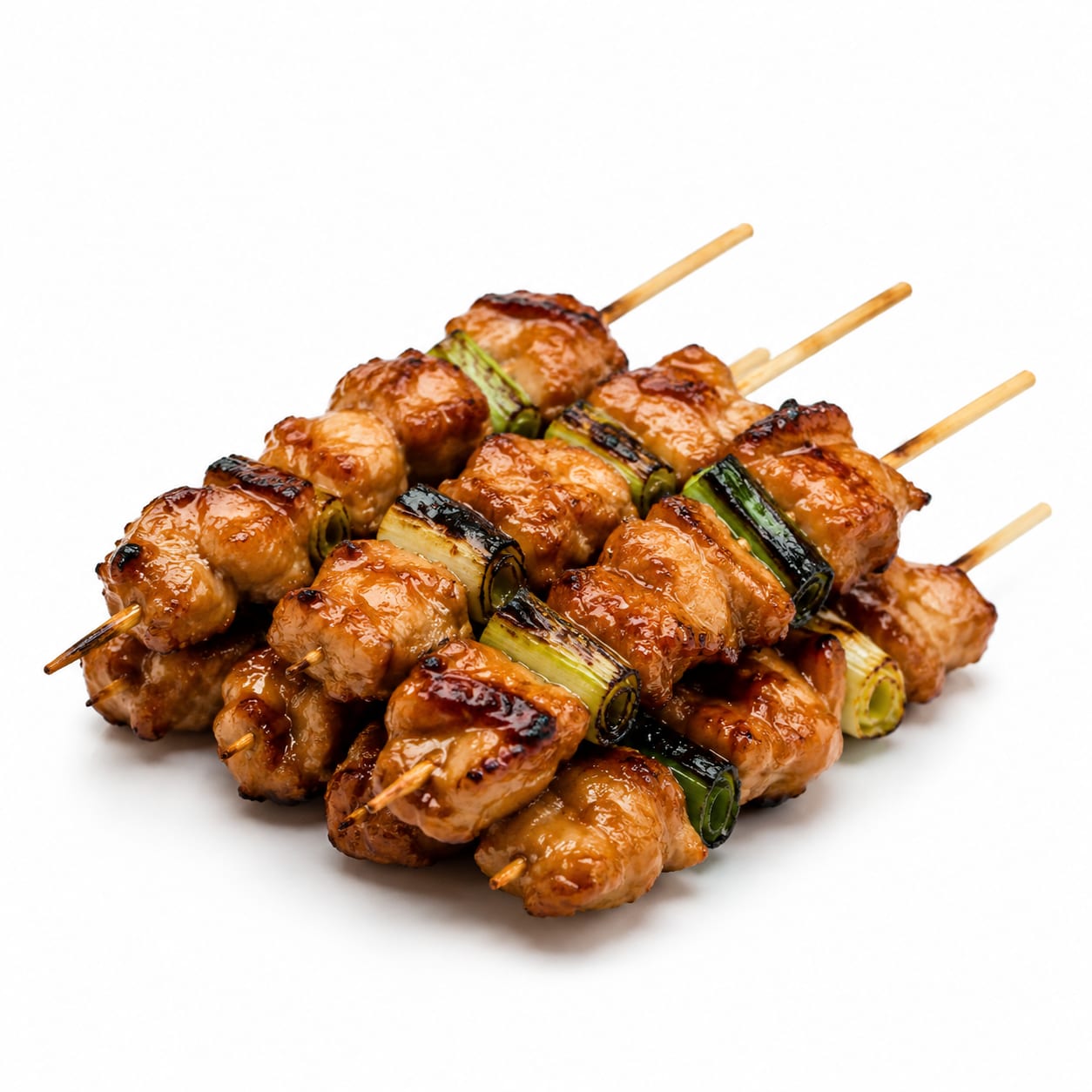
Yakitori
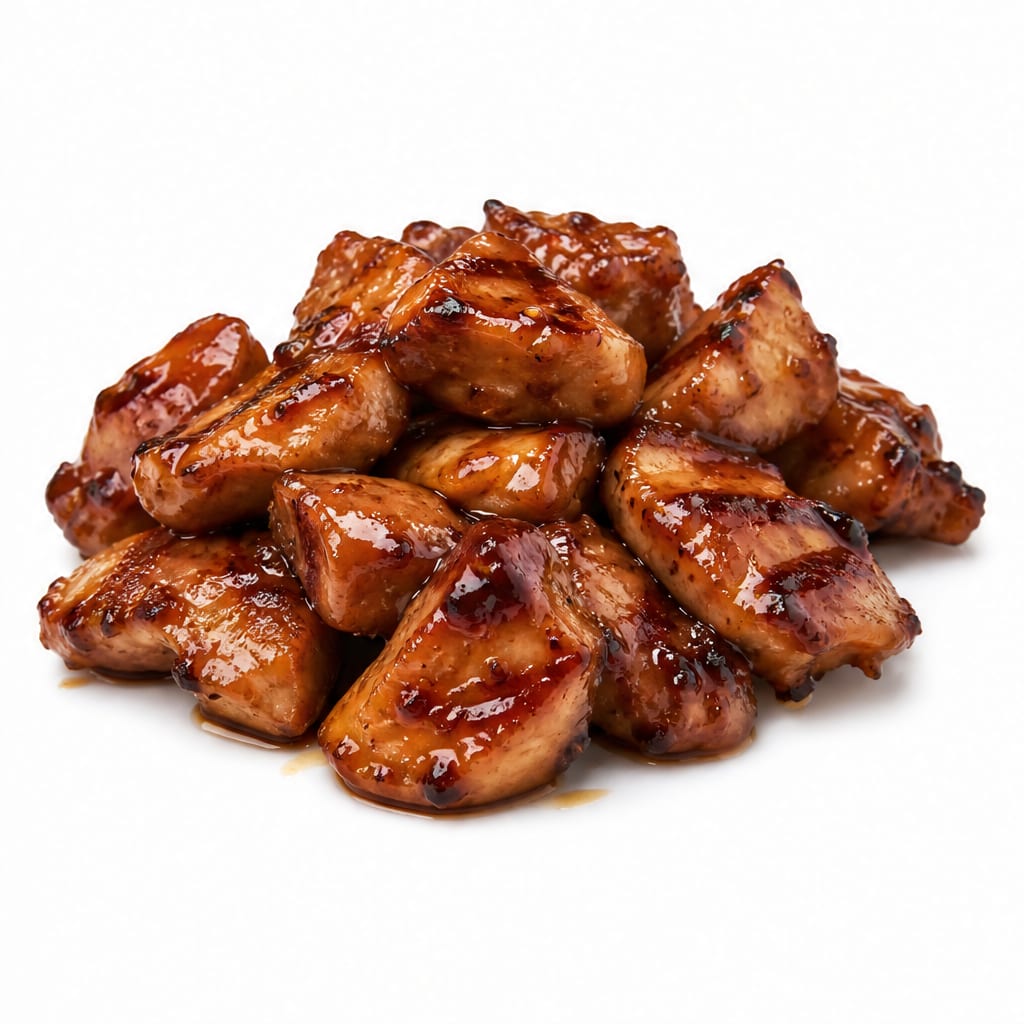
Teriyaki Chicken
Yakitori wins for lighter eating with less sugar, but teriyaki chicken delivers more satisfying meals when you need filling comfort food.
Yakitori scores higher due to lower sugar, better portion control, and lighter sauce. Teriyaki chicken loses ground on sugar content and calorie density but remains a practical satisfying option.
Less sugar and fewer calories in yakitori versus more satiety and meal completeness from teriyaki chicken.
At a glance
Executive summary
Overall
Yakitori
Healthier
Yakitori
More practical
Teriyaki Chicken
Daily use
Yakitori
Key comparison lenses
sugar and sauce heaviness
Teriyaki sauce is significantly sweeter and thicker than yakitori glaze, creating a major calorie and blood sugar gap
cooking method safety
Yakitori's charcoal grilling introduces potential carcinogen exposure that pan-cooked teriyaki avoids
portion control
Skewer format naturally limits intake while teriyaki chicken encourages larger saucy portions
sodium comparison
Both rely on soy sauce but teriyaki's heavier coating delivers more sodium per bite
everyday versatility
Teriyaki works as a full meal over rice while yakitori is typically a side or snack
Best choice for
Yakitori
- People watching their sugar intake
- Light lunch or snack seekers
- Those who prefer tasting the meat over the sauce
- Portion-conscious eaters
- Japanese izakaya-style dining
Teriyaki Chicken
- Families wanting an easy weeknight dinner
- Post-workout meal builders pairing with rice
- People who find dry chicken unappealing
- Meal prep enthusiasts
- Anyone needing a filling single-plate meal
Least suitable for
Yakitori
- People avoiding charred meats due to cancer risk concerns
- Those wanting a complete meal in one dish
- Very low-sodium diets if ordering tare version
- Home cooks without grill access
Teriyaki Chicken
- Strict low-carb or keto followers
- People managing blood sugar spikes
- Those trying to reduce added sugar
- Calorie-conscious restaurant diners
Deep comparison
Dimension by dimension
Each lens scores both foods and breaks down who each option suits.
- Dimension 1 · Priority 92Yakitori
Sugar & Blood Sugar Impact
Yakitori · 78Teriyaki Chicken · 35Yakitori's light glaze or salt-only seasoning keeps sugar minimal. Teriyaki chicken's thick sweet sauce delivers a significant sugar hit.
Tradeoff
Choosing yakitori means less flavor coating but far steadier blood sugar. Teriyaki chicken tastes sweeter but can trigger energy crashes.
Why it matters
Sugar from sauces adds up fast. A typical teriyaki serving can pack 15-25g of added sugar, rivaling a dessert.
Real-world impact
After teriyaki chicken and rice, you might feel sleepy within an hour. Yakitori keeps energy more stable.
Yakitori
- Steady afternoon energy
- Diabetics managing glucose
- Reduced sugar cravings later
Better for
- May feel less indulgent
Worse for
Teriyaki Chicken
- Quick energy after intense exercise
- Satisfying sweet-savory craving
Better for
- Blood sugar roller coaster
- Late-afternoon energy crash
- Harder to stop at one serving
Worse for
- Dimension 2 · Priority 70Yakitori
Sodium Load
Yakitori · 55Teriyaki Chicken · 38Both are soy sauce-based, but teriyaki chicken's heavier sauce coating delivers more sodium per bite than yakitori's lighter glaze.
Tradeoff
Yakitori still packs sodium but you can opt for salt-seasoned versions. Teriyaki chicken gives you no low-sodium escape.
Why it matters
Restaurant teriyaki can easily exceed 1000mg sodium per serving, half your daily ideal limit in one plate.
Real-world impact
After either dish you might feel thirsty. But teriyaki chicken with rice makes bloating more likely the next morning.
Yakitori
- Shio yakitori cuts sodium significantly
- Lighter sauce means less salt per skewer
Better for
- Tare yakitori still quite salty
Worse for
Teriyaki Chicken
- Sodium helps with post-sweat rehydration
Better for
- Nearly impossible to find low-sodium versions
- Heavy sauce means salt you cannot avoid
Worse for
- Dimension 3 · Priority 78Teriyaki Chicken
Cooking Safety & Carcinogens
Yakitori · 42Teriyaki Chicken · 72Charcoal-grilled yakitori produces HCAs and PAHs from dripping fat and smoke. Pan-cooked teriyaki chicken avoids most of this risk.
Tradeoff
That smoky charcoal flavor in yakitori comes with real carcinogen exposure. Teriyaki chicken is safer even if less exciting.
Why it matters
Regular consumption of charred meats is linked to increased cancer risk, especially gastrointestinal cancers.
Real-world impact
Occasional yakitori is fine. But eating charcoal-grilled chicken multiple times weekly is a meaningful health gamble.
Yakitori
- Richer smoky flavor experience
Better for
- HCA and PAH exposure from charring
- Not ideal as a daily protein source
Worse for
Teriyaki Chicken
- Lower carcinogen exposure
- Safer for frequent consumption
- Better long-term health profile
Better for
- Lacks the artisanal grilled character
Worse for
- Dimension 4 · Priority 75Yakitori
Portion Control & Satiety
Yakitori · 74Teriyaki Chicken · 52Skewers naturally slow eating and signal stopping points. Teriyaki chicken over rice encourages oversized portions.
Tradeoff
Yakitori helps you eat less mindfully. Teriyaki chicken fills you up more but makes overeating easy.
Why it matters
Satiety from protein is good, but calorie-dense sweet sauce over rice is a recipe for unintentional overconsumption.
Real-world impact
Two yakitori skewers feel like a deliberate snack. A teriyaki chicken bowl disappears before you realize you ate 800 calories.
Yakitori
- Built-in portion boundaries
- Slower eating pace
- Easier to stop at a reasonable amount
Better for
- May leave you hungry if eaten alone
Worse for
Teriyaki Chicken
- More filling as a complete meal
- Better post-workout satisfaction
Better for
- Easy to overeat sauce and rice
- Calories add up deceptively fast
Worse for
- Dimension 5 · Priority 68Yakitori
Calorie Density
Yakitori · 72Teriyaki Chicken · 45Yakitori's minimal sauce keeps calories closer to plain chicken. Teriyaki's sugar-laden coating significantly raises calorie density.
Tradeoff
Lighter eating with yakitori versus more caloric satisfaction from teriyaki chicken. Each serves a different hunger level.
Why it matters
Sugar in teriyaki sauce adds roughly 60-100 extra calories per serving beyond the chicken itself.
Real-world impact
A yakitori snack might run 150-250 calories per skewer. A teriyaki chicken plate with rice easily hits 700-900 calories.
Yakitori
- Easier to fit into calorie budgets
- Less hidden energy from sauce
Better for
- May not feel like enough food alone
Worse for
Teriyaki Chicken
- Better when you genuinely need more calories
- Satisfying after physically demanding days
Better for
- Calorie budget blowout risk
- Sugar calories lack nutritional value
Worse for
- Dimension 6 · Priority 65Teriyaki Chicken
Convenience & Home Cooking
Yakitori · 40Teriyaki Chicken · 82Teriyaki chicken is straightforward to cook at home in any pan. Yakitori requires skewers and ideally a grill for authentic results.
Tradeoff
Teriyaki chicken wins on weeknight practicality. Yakitori is more of a specialty cooking project or restaurant treat.
Why it matters
The food you can easily make at home consistently beats the one you only eat out.
Real-world impact
Most home cooks can make decent teriyaki chicken on a Tuesday. Good yakitori requires equipment most kitchens lack.
Yakitori
- Restaurant experience feels special
- Simple ingredients if you do grill
Better for
- Hard to replicate at home without a grill
- Skewering is time-consuming prep
Worse for
Teriyaki Chicken
- One-pan weeknight cooking
- Bottled sauce makes it beginner-friendly
- Easy meal prep and leftovers
Better for
- Store-bought teriyaki sauce often has additives
Worse for
Timeline
Health impact over time
Short-term
Hours to days
Yakitori
- Quick protein satisfaction without sugar crash
- Thirst from sodium especially with tare sauce
- Lighter post-meal feeling compared to saucy dishes
Teriyaki Chicken
- Strong satiety from protein, carbs, and fat combined
- Possible sugar-driven energy dip within 1-2 hours
- More pronounced thirst from heavier sodium load
Long-term
Months to years
Yakitori
- Frequent charcoal-grilled consumption raises cancer risk over years
- Lower sugar intake supports better metabolic health
- Moderate sodium still requires monitoring
Teriyaki Chicken
- Regular high sugar intake from sauce increases diabetes and weight gain risk
- Heavy sodium contributes to blood pressure concerns
- Safer cooking method reduces carcinogen exposure
Risk profile
Safety & processing
Yakitori is closer to whole food: chicken, light seasoning, fire. Teriyaki chicken relies on a more processed sauce, especially if using bottled versions with thickeners, preservatives, and added flavors.
Yakitori
HCA and PAH exposure from charcoal grilling
mediumCharring chicken over open flame creates heterocyclic amines and polycyclic aromatic hydrocarbons, both linked to cancer. Risk increases with doneness level and frequency of consumption.
Undercooked poultry on skewers
mediumThick skewers or uneven grilling can leave chicken slightly undercooked inside. Reputable restaurants manage this well but it is worth watching for.
Teriyaki Chicken
High sodium from concentrated sauce
mediumTeriyaki sauce reduces down to a thick glaze, concentrating sodium significantly. Regular consumption strains blood pressure management.
Added sugar overconsumption
mediumThe sweet glaze makes it easy to consume far more sugar than intended, especially when the sauce pools on rice.
Bottled sauce additives
lowCommercial teriyaki sauces may contain corn syrup, caramel color, MSG, and preservatives. Homemade sauce avoids this entirely.
Who wins for whom
Audience fit
Same foods, different winners depending on your goal.
children
Teriyaki ChickenKids prefer the sweet familiar flavor of teriyaki over grilled skewers. It is also easier to prepare at home for family dinners.
daily consumption
YakitoriLighter and lower in sugar, yakitori works better as a frequent protein choice. Just vary between shio and tare to manage sodium.
diabetes
YakitoriDramatically less sugar means far less glucose impact. Shio yakitori is the safest bet for blood sugar stability.
elderly
Teriyaki ChickenSofter texture from simmered sauce is easier to chew. Lower carcinogen risk matters more for long-term health at older ages.
muscle gain
Teriyaki ChickenTeriyaki chicken pairs naturally with rice for the protein-and-carb combo needed after training. More total calories support growth.
weight loss
YakitoriLower calorie density, built-in portion control from skewers, and minimal sugar make yakitori easier to fit into a deficit.
Your move
Decision guide
Choose Yakitori
- You want a lighter protein-forward snack or small meal
- Sugar intake is a health priority for you
- You enjoy the craft and experience of grilled food
- Portion control is something you struggle with
Choose Teriyaki Chicken
- You need a filling complete meal after a long day
- You are cooking at home on a busy weeknight
- Post-workout recovery is your immediate priority
- You find plain chicken dry and unappealing
Either works if
- You are eating at a Japanese restaurant and both are available
- Protein intake matters more than sauce differences
- You plan to balance the meal with vegetables either way
Avoid both if
- You are on a strict low-sodium diet without modifications
- You have severe soy allergies
- Your doctor has advised minimizing all soy sauce-based foods
Final recommendation
For everyday eating, yakitori is the smarter default thanks to lower sugar and better portion control. Save teriyaki chicken for when you genuinely need a hearty satisfying meal or are cooking at home where you can control the sauce sweetness. If ordering yakitori, choose shio seasoning when possible to reduce both sugar and sodium.
Practical
Consumer tips
- 1
Ask for shio (salt) yakitori instead of tare to cut sugar nearly to zero
- 2
Make teriyaki sauce at home with reduced sugar and low-sodium soy sauce to keep the flavor while improving nutrition
- 3
Pair yakitori with a side of vegetables to make it a complete meal without the sugar load
- 4
If eating teriyaki chicken, ask for sauce on the side and dip lightly rather than getting it poured over
- 5
Avoid heavily charred pieces of yakitori to reduce carcinogen exposure while still enjoying the grilled flavor
- 6
Read bottled teriyaki sauce labels carefully. Many contain high fructose corn syrup as a primary ingredient