
Nutrition comparison
Yakitori vs Chicken Satay: Which Grilled Chicken Skewer Is Healthier?
Compare Yakitori and Chicken Satay on calories, fat, protein, allergens, and satiety. Find out which grilled chicken skewer fits your diet and lifestyle better.
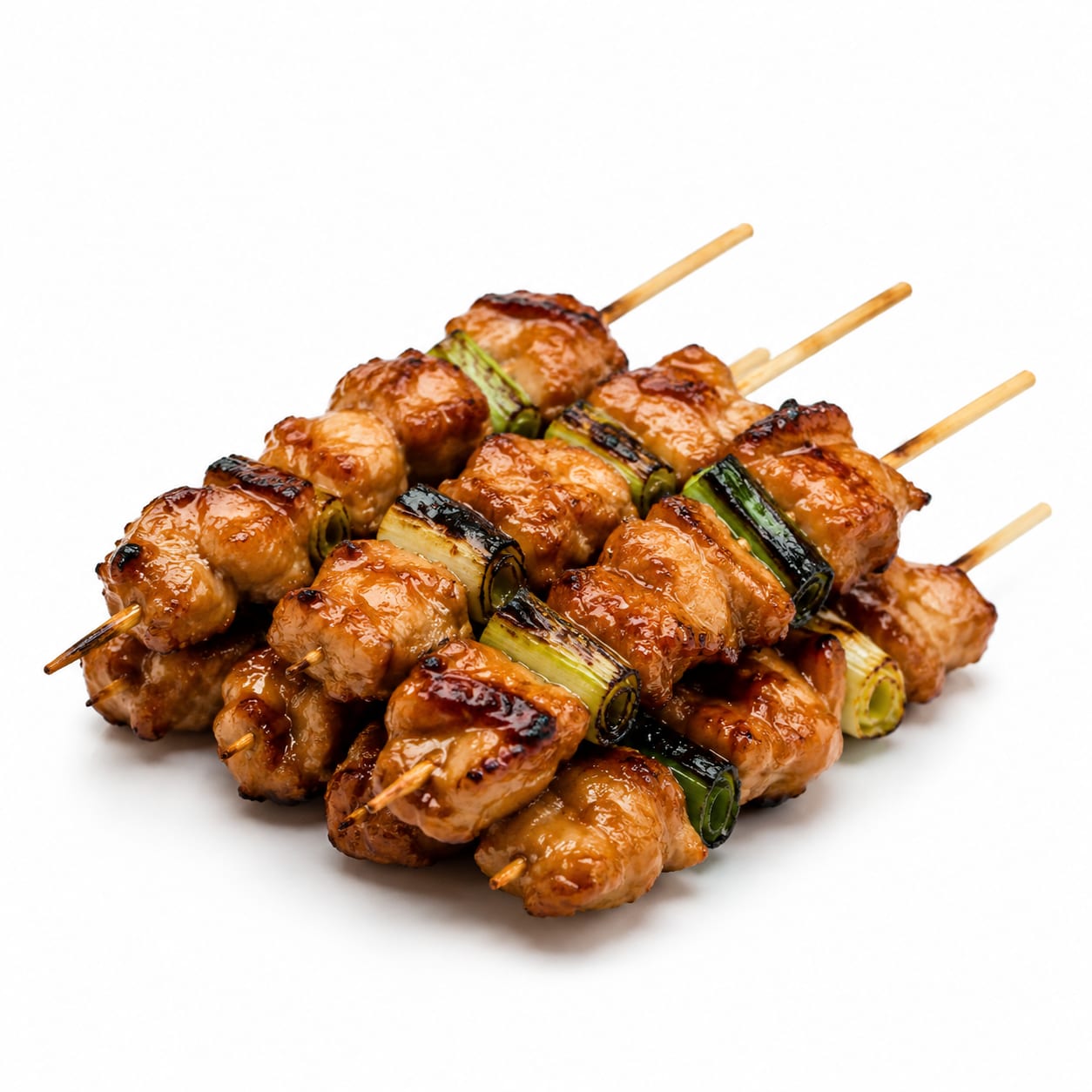
Yakitori
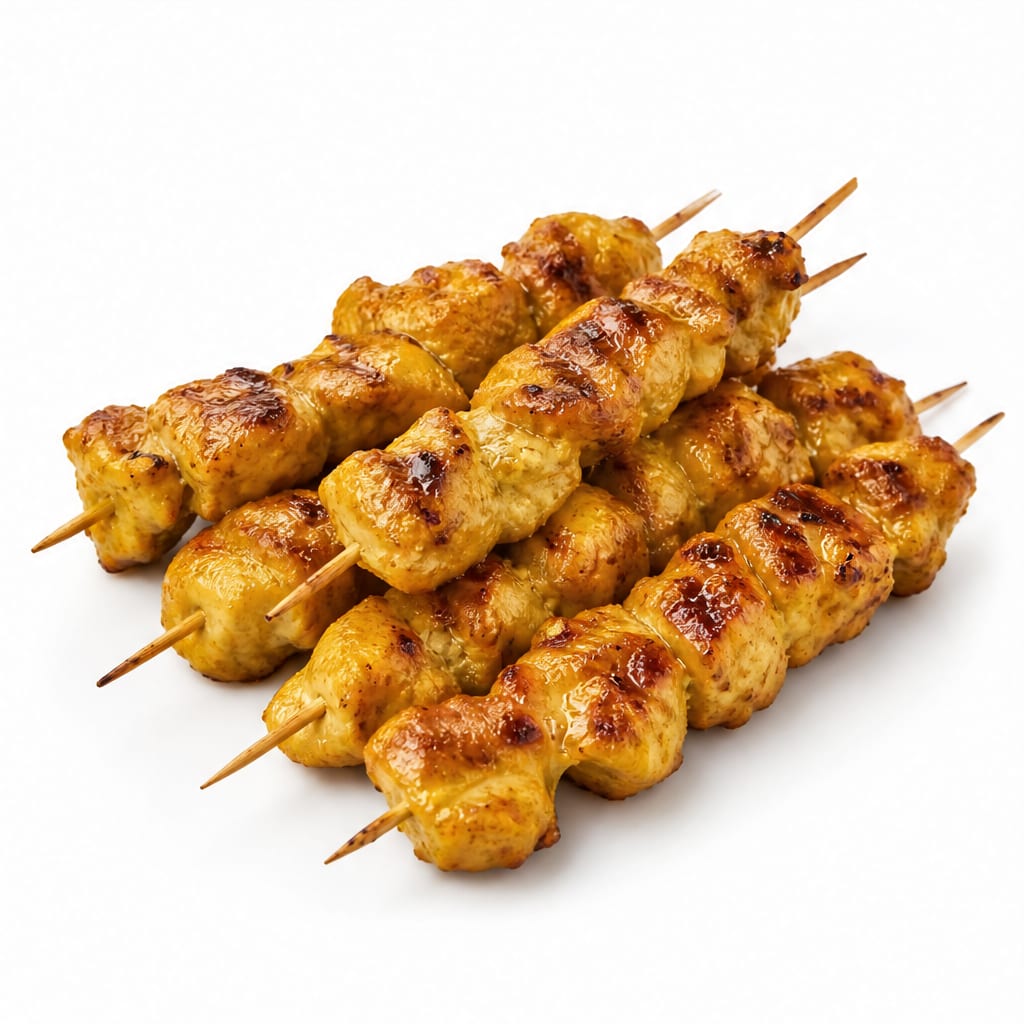
Chicken Satay
Yakitori is leaner and lighter, while Chicken Satay is richer and more filling — your pick depends on whether you want a clean protein snack or a satisfying mini-meal.
Yakitori scores higher mainly due to lower calorie density, cleaner ingredient profile, and no major allergen concerns. Chicken Satay loses ground on calories and allergen risk but remains a nutrient-dense option with better satiety and healthy fats.
Yakitori keeps calories and fat low but may leave you hungry sooner; Chicken Satay delivers more satiety and flavor complexity at the cost of significantly more calories from the peanut sauce.
At a glance
Executive summary
Overall
It depends
Healthier
Yakitori
More practical
It depends
Daily use
Yakitori
Key comparison lenses
Calorie and fat comparison due to peanut sauce
The peanut dipping sauce in Chicken Satay dramatically increases calorie density and fat content compared to Yakitori's leaner preparation
Allergen safety assessment
Peanut sauce is a top-8 allergen and a serious concern for many diners, while Yakitori is typically peanut-free
Protein quality and satiety for meal replacement
Both are chicken skewers but differ significantly in how filling they are due to fat and sauce content
Sodium and sugar from sauces
Yakitori's tare glaze and satay's marinade both add hidden sodium and sugar that users often underestimate
Portion control and overeating risk
Yakitori's small skewers encourage mindless ordering while satay's richness naturally limits intake
Best choice for
Yakitori
- People tracking calories closely
- Those with peanut allergies
- Anyone wanting a light protein snack
- Clean-eating focused diets
- Post-workout lean protein
Chicken Satay
- People needing a filling mini-meal
- Those who find lean protein unsatisfying
- Anyone wanting healthy fats from peanuts
- Keto or low-carb eaters
- Those seeking bolder, more complex flavors
Least suitable for
Yakitori
- People who need high satiety from snacks
- Very low-sodium diets when ordering tare style
- Those wanting a substantial meal replacement
Chicken Satay
- Anyone with peanut allergies
- Strict calorie counters
- People avoiding high-fat foods
- Those with gallbladder or fat digestion issues
Deep comparison
Dimension by dimension
Each lens scores both foods and breaks down who each option suits.
- Dimension 1 · Priority 92Yakitori
Calorie Density
Yakitori · 82Chicken Satay · 48Yakitori is significantly lower in calories per skewer, especially when ordered with salt (shio) instead of the sweet tare glaze.
Tradeoff
Chicken Satay's peanut sauce adds 100-180 calories per serving on top of the chicken itself, making it easy to overshoot your calorie budget.
Why it matters
If you're eating multiple skewers as a meal, the calorie gap between these two widens fast — three satay sticks with sauce can match a full meal's worth of calories.
Real-world impact
A typical Yakitori order of 4-5 skewers lands around 300-400 calories. The same number of Chicken Satay sticks with peanut sauce can easily hit 600-800 calories.
Yakitori
- Weight management
- Controlling total intake at restaurants
- Light snacking without feeling heavy
Better for
- Recovering from intense training where calories are needed
- Anyone who feels unsatisfied after small portions
Worse for
Chicken Satay
- Situations where you need more calories
- Active individuals needing energy density
- Avoiding between-meal hunger
Better for
- Cutting phases
- Restaurant meals where you lose track of sauce portions
Worse for
- Dimension 2 · Priority 88Chicken Satay
Satiety and Fullness
Yakitori · 52Chicken Satay · 80Chicken Satay keeps you full much longer thanks to the fat and protein in the peanut sauce, while Yakitori digests quickly and may leave you reaching for more food within an hour.
Tradeoff
That satisfying fullness from Chicken Satay comes with a heavy calorie toll — you're trading lightness for lastingness.
Why it matters
If you're using these as a meal replacement or a long-gap snack, Yakitori alone may not hold you over, leading to additional eating later.
Real-world impact
After a plate of Yakitori, you might still want rice or a second round. After Chicken Satay with peanut sauce, you're more likely to feel genuinely done.
Yakitori
- Light appetizer before a main course
- Eating multiple courses without getting full early
Better for
- Situations where this is your only food for hours
- Blood sugar dips between meals
Worse for
Chicken Satay
- Standalone snack between meals
- Replacing a small meal
- Preventing late-night snacking urges
Better for
- Multi-course dining where you want to save room
- Hot weather eating where heavy food feels unpleasant
Worse for
- Dimension 3 · Priority 88Yakitori
Allergen and Safety Profile
Yakitori · 85Chicken Satay · 40Yakitori is typically peanut-free and uses simple ingredients. Chicken Satay's peanut sauce is a serious allergen concern and a non-starter for anyone with peanut allergies.
Tradeoff
Chicken Satay's signature flavor comes from peanuts, which also happen to be one of the most common and dangerous food allergens worldwide.
Why it matters
Even trace peanut protein from shared grilling surfaces or cross-contaminated sauce can trigger reactions in sensitive individuals.
Real-world impact
At a restaurant, you can often share Yakitori with anyone at the table. Chicken Satay requires checking with every diner about peanut allergies first.
Yakitori
- Dining with groups where allergies are unknown
- Children's parties or school events
- Potluck-style shared eating
Better for
- Soy allergy with tare-style Yakitori
Worse for
Chicken Satay
- Homes where peanut allergy is not a concern
- Solo dining with known tolerance
Better for
- Any peanut-allergic individual
- Classrooms and shared eating environments
- Houses with young children being introduced to allergens
Worse for
- Dimension 4 · Priority 80Chicken Satay
Nutrient Density and Healthy Fats
Yakitori · 55Chicken Satay · 78Chicken Satay's peanut sauce brings monounsaturated fats, some fiber, and small amounts of magnesium and vitamin E that Yakitori simply doesn't offer.
Tradeoff
Those beneficial nutrients come packaged with a lot of extra calories — you're not getting the fats in isolation.
Why it matters
If your diet is otherwise low in healthy fats and plant-based nutrients, the peanut sauce actually contributes useful nutrition beyond just calories.
Real-world impact
A few satay sticks with sauce give you a meaningful dose of healthy fats and a bit of fiber. Yakitori is essentially just protein with trace seasonings.
Yakitori
- Diets already rich in healthy fats from other sources
- Anyone keeping fat intake low
Better for
- Very lean diets that could benefit from more fat-soluble vitamin absorption
Worse for
Chicken Satay
- Low-fat diets that need a healthy fat boost
- Keto and low-carb approaches
- Getting plant-based micronutrients in a meat dish
Better for
- Low-fat diet protocols
- Fat malabsorption conditions
Worse for
- Dimension 5 · Priority 78It depends
Sodium and Hidden Sugar
Yakitori · 60Chicken Satay · 58Both foods carry sodium and sugar risks from their sauces, but the source differs — Yakitori's tare is a sweet soy glaze, while satay's marinade and peanut sauce both contribute sodium and sugar.
Tradeoff
Choosing shio (salt-only) Yakitori avoids most sugar but still delivers sodium. Satay's peanut sauce is harder to modify since it's integral to the dish.
Why it matters
Restaurant versions of both dishes tend to be heavier on sauce than homemade, and the sodium can add up quickly across multiple skewers.
Real-world impact
A typical restaurant order of either dish can deliver 800-1500mg of sodium before you've touched any sides or drinks.
Yakitori
- Shio-style Yakitori is the lower-sugar option
- More control over sauce amount since glaze can be requested light
Better for
- Tare-style Yakitori is deceptively sweet
- Multiple skewers compound the sugar intake
Worse for
Chicken Satay
- Homemade satay where you control the sauce recipe
- Versions with less added sugar in the peanut sauce
Better for
- Peanut sauce often contains hidden sugar and palm sugar
- Sodium hides in both the marinade and the dipping sauce
Worse for
- Dimension 6 · Priority 75Chicken Satay
Flavor Satisfaction and Craving Control
Yakitori · 65Chicken Satay · 82Chicken Satay delivers a more complex, multi-layered flavor experience with its spiced marinade and rich peanut sauce, which tends to satisfy cravings more completely per bite.
Tradeoff
Yakitori's simplicity is elegant but can feel one-dimensional, potentially leading you to eat more skewers seeking satisfaction.
Why it matters
Foods that feel more satisfying per bite often lead to naturally stopping sooner, even if they're higher in calories per piece.
Real-world impact
Two or three Chicken Satay sticks often feel like enough. With Yakitori, it's easy to keep ordering rounds because each piece feels light and incomplete.
Yakitori
- Palates that prefer clean, simple flavors
- Pairing with drinks where food should not dominate
Better for
- Emotional eating patterns where more is consumed seeking satisfaction
Worse for
Chicken Satay
- Craving-rich situations where you want big flavor
- Eating as a standalone experience rather than a side
Better for
- Situations where you want a neutral backdrop for other flavors
Worse for
Timeline
Health impact over time
Short-term
Hours to days
Yakitori
- Quick-digesting protein gives fast satiety that fades within 1-2 hours
- Tare-style Yakitori may cause a small blood sugar rise from the sweet glaze
- Light enough to eat before physical activity without feeling weighed down
Chicken Satay
- Sustained fullness for 3-4 hours due to fat and protein combination
- Steadier blood sugar response because fat slows digestion
- Heavy enough that eating too much before activity may cause sluggishness
Long-term
Months to years
Yakitori
- Lower calorie intake supports weight maintenance when eaten regularly
- Minimal healthy fat contribution unless paired with other fat sources
- Lower allergen exposure risk in social dining settings
Chicken Satay
- Regular consumption of healthy peanut fats supports heart health markers
- Higher calorie density requires more mindful portion control long-term
- Peanut consumption may reduce allergy development in children when introduced early
Risk profile
Safety & processing
Both Yakitori and Chicken Satay are fundamentally simple preparations — seasoned chicken cooked over flame. The main processing concern is commercial sauce additions, not the food itself. Homemade versions of both are impressively clean.
Yakitori
Undercooked poultry on skewers
mediumThick chicken pieces can brown on the outside while remaining undercooked at the center, especially at busy stalls. Check that meat is opaque throughout.
Cross-contamination at street stalls
mediumHigh-volume yakitori vendors may use the same tongs and surfaces for raw and cooked chicken, increasing foodborne illness risk.
Chicken Satay
Peanut allergen cross-contamination
highThe peanut sauce is ubiquitous at satay stalls, meaning shared utensils, grills, and prep surfaces carry trace peanut protein. Life-threatening for allergic individuals.
Sauce spoilage at room temperature
mediumPeanut sauce left out at buffets or street stalls can develop bacterial growth, especially in warm climates where satay is commonly served.
Undercooked poultry
mediumSimilar to Yakitori, uneven cooking on skewers can leave chicken undercooked in the center.
Who wins for whom
Audience fit
Same foods, different winners depending on your goal.
children
YakitoriSimpler flavor profile, no peanut allergen risk, and smaller portions make Yakitori more kid-friendly and safer for group settings.
daily consumption
YakitoriLower calorie and fat load makes Yakitori more sustainable as a frequent option without accumulating excess energy intake.
diabetes
YakitoriShio-style Yakitori has minimal impact on blood sugar. Chicken Satay's peanut sauce, while fat-slowed, often contains palm sugar that adds carbohydrates.
elderly
YakitoriEasier to digest, lower fat content, and less burden on the gallbladder. Soft chicken pieces on skewers are also easy to eat for those with dental concerns.
muscle gain
Chicken SatayThe additional calories and protein from the peanut sauce support a caloric surplus needed for muscle building, and the healthy fats aid nutrient absorption.
weight loss
YakitoriLower calorie density per skewer makes Yakitori easier to fit into a calorie deficit, especially when ordered shio-style.
Your move
Decision guide
Choose Yakitori
- You're watching calories or trying to lose weight
- Anyone in your group has a peanut allergy
- You want a light pre-workout or afternoon protein snack
- You prefer clean, simple flavors without heavy sauces
- You're eating multiple courses and want to stay light
Choose Chicken Satay
- You need something filling that will hold you for hours
- You're on a low-carb or keto-style eating approach
- You want healthy fats and more nutrient diversity in your meal
- You're eating this as a standalone mini-meal, not a side
- Bold, complex flavors matter more to you than calorie minimization
Either works if
- You just want grilled chicken on a stick and both are available
- You're dining with a group and can share both
- Neither is a staple — you're eating it occasionally as a treat
Avoid both if
- You have severe poultry allergies or dietary restrictions against meat
- You need a low-sodium meal and cannot control the sauce preparation
- You're looking for a fiber-rich, plant-forward meal — neither delivers meaningful fiber
Final recommendation
For everyday eating, Yakitori is the safer and leaner default. But when you need something that actually satisfies like a small meal — not just a bite — Chicken Satay earns its extra calories. The best approach: eat Yakitori when you want to stay light, and choose Chicken Satay when you want to feel full.
Practical
Consumer tips
- 1
Order Yakitori shio (salt) instead of tare to cut sugar and calories significantly
- 2
Ask for peanut sauce on the side with Chicken Satay so you control the amount — you'll often use half of what's provided
- 3
At restaurants, start with fewer skewers than you think you want — both dishes are easy to overorder
- 4
Make Chicken Satay at home using natural peanut butter and less sugar for a dramatically healthier version
- 5
If eating Yakitori as a meal, add a side of vegetables or edamame — the protein alone won't keep you full for long
- 6
Refrigerate leftover peanut sauce promptly and discard if left at room temperature for over 2 hours