
Nutrition comparison
Yakitori vs Korean BBQ Beef: Nutrition, Health & Satiety Compared
Comparing Yakitori and Korean BBQ Beef? Discover which grilled meat is better for weight loss, heart health, and portion control, and which wins for iron and satisfaction.
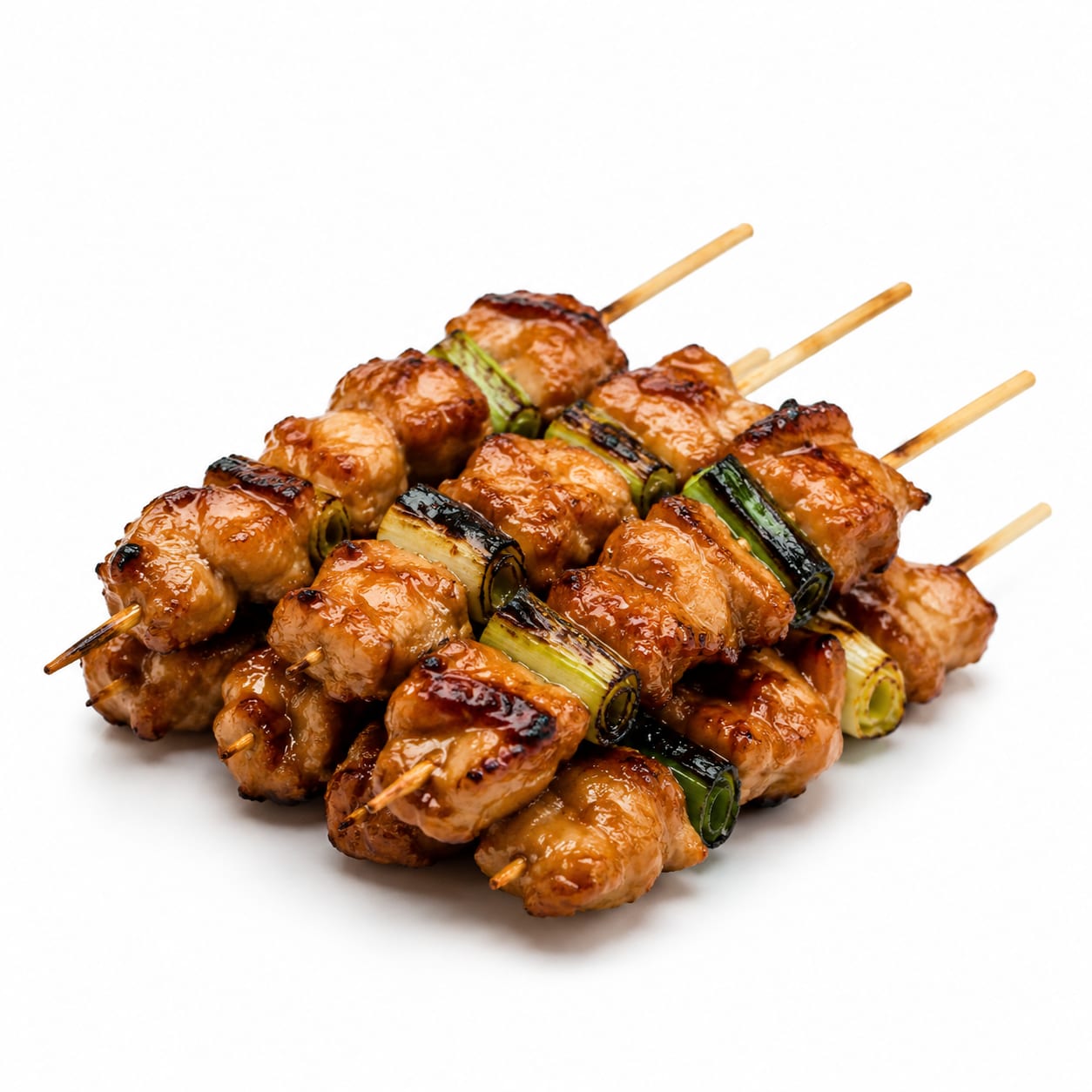
Yakitori
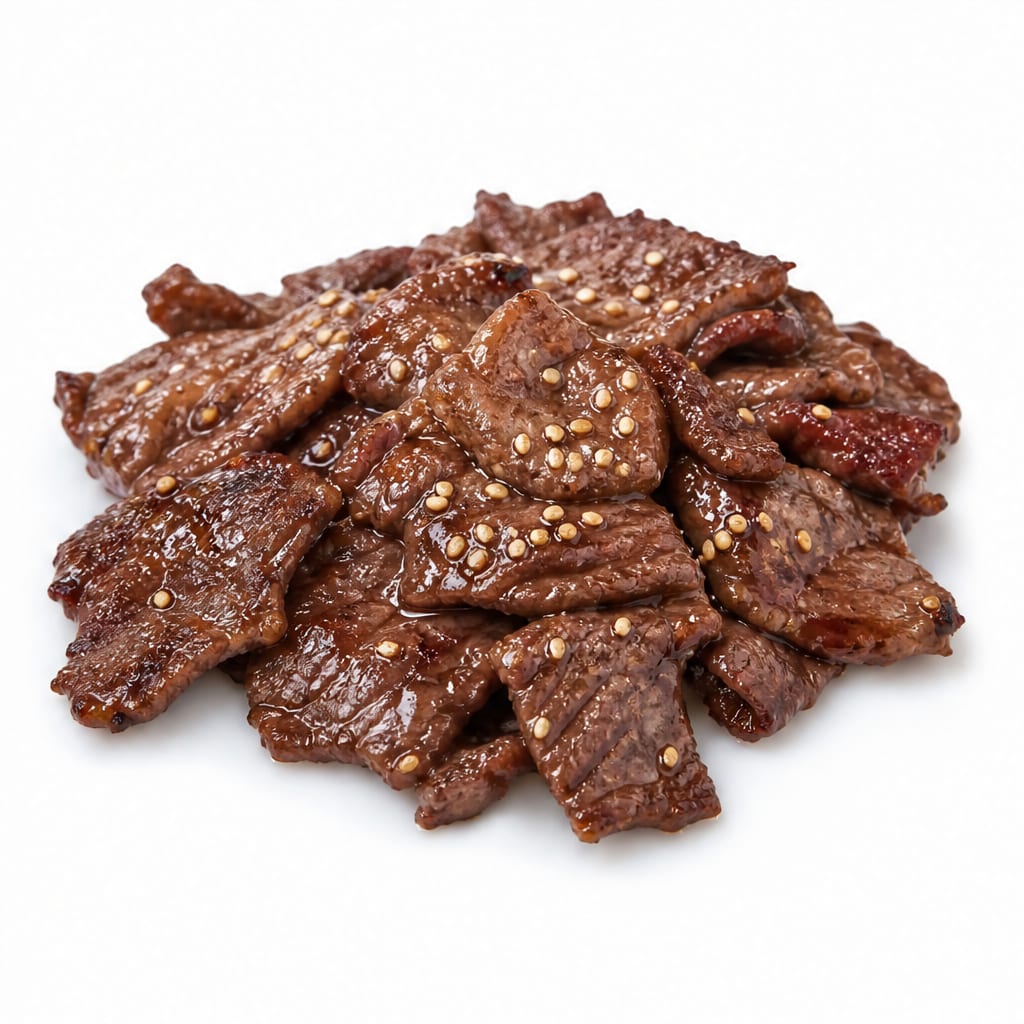
Korean BBQ Beef
Yakitori offers better portion control and a lighter protein profile, while Korean BBQ Beef delivers higher satiety and richer micronutrients like iron and zinc.
Yakitori scores slightly higher due to better portion control and a leaner fat profile, making it easier to incorporate into a balanced daily diet. Korean BBQ Beef scores well for nutrient density but loses points due to overeating risk and higher saturated fat.
Built-in portion control and leaner protein versus deeper satisfaction and higher red-meat nutrients at the cost of easier overeating.
At a glance
Executive summary
Overall
It depends
Healthier
Yakitori
More practical
It depends
Daily use
Yakitori
Key comparison lenses
Protein source comparison for muscle and satiety
Users choosing between these are often deciding between poultry and red meat for their protein intake.
Portion control and overeating risk
Yakitori comes on small skewers while Korean BBQ is often an all-you-can-eat or family-style feast, drastically affecting calorie intake.
Sodium and sugar load from marinades
Both rely heavily on soy-based glazes, but the sugar content and sodium levels differ significantly between tare sauce and Korean marinades.
Long-term heart health and red meat risk
Frequent red meat consumption carries different cardiovascular risks compared to chicken, making this a key long-term tradeoff.
Best choice for
Yakitori
- People tracking calories or practicing portion control
- Those prioritizing heart health and lighter meals
- Anyone wanting a high-protein but low-fat dinner option
Korean BBQ Beef
- Individuals needing high iron and B12 intake
- Those seeking maximum post-workout muscle recovery
- People wanting a deeply satisfying, filling meal
Least suitable for
Yakitori
- Those needing high caloric intake for weight gain
- People with severe soy allergies due to tare sauce
Korean BBQ Beef
- People strictly limiting saturated fat or red meat
- Those prone to overeating at buffets or family-style meals
Deep comparison
Dimension by dimension
Each lens scores both foods and breaks down who each option suits.
- Dimension 1 · Priority 90Korean BBQ Beef
Satiety and Fullness
Yakitori · 70Korean BBQ Beef · 88Korean BBQ Beef is significantly more filling due to higher fat content and denser caloric load.
Tradeoff
You feel fuller longer with Korean BBQ Beef, but that heaviness can leave you sluggish rather than energized.
Why it matters
Staying full prevents snacking later, but overly heavy meals can disrupt afternoon focus or sleep quality.
Real-world impact
After Korean BBQ Beef, you likely will not need a snack for hours. After Yakitori, you might be hunting for a side dish within two hours.
Yakitori
- Staying light and energized after eating
Better for
- Needing a very filling meal to stay satisfied
Worse for
Korean BBQ Beef
- Going long stretches without feeling hungry
Better for
- Wanting a quick bite without feeling weighed down
Worse for
- Dimension 2 · Priority 85Yakitori
Portion Control and Overeating Risk
Yakitori · 85Korean BBQ Beef · 55Yakitori's skewer format naturally limits intake, while Korean BBQ's communal style encourages overeating.
Tradeoff
Yakitori makes it easy to stop at a reasonable amount, whereas Korean BBQ Beef often leads to eating well past fullness.
Why it matters
Unintentional overeating is one of the biggest hidden drivers of weight gain, and social dining settings amplify this.
Real-world impact
You can easily track how many Yakitori skewers you ate. At a Korean BBQ restaurant, it is shockingly easy to consume double your intended calories.
Yakitori
- Mindful eating and strict calorie tracking
Better for
- Very active people needing large volumes of food effortlessly
Worse for
Korean BBQ Beef
- Those who struggle to eat enough and need encouragement
Better for
- Anyone trying to lose weight or maintain a calorie deficit
Worse for
- Dimension 3 · Priority 80Yakitori
Sodium and Sugar Load
Yakitori · 65Korean BBQ Beef · 55Both are marinated in soy-based sauces, but Korean BBQ Beef marinades typically pack more sugar and sodium per bite.
Tradeoff
Choosing salt-based Yakitori avoids extra sugar, but even sweet tare sauce usually contains less sugar than a Korean pear and soy marinade.
Why it matters
High sodium drives bloating and blood pressure spikes, while added sugar can trigger afternoon energy crashes.
Real-world impact
After Korean BBQ Beef, you might feel noticeably bloated and thirsty. Yakitori causes this too, but usually to a lesser degree.
Yakitori
- Managing blood sugar or reducing added sugars
Better for
- People strictly limiting all soy sauce intake
Worse for
Korean BBQ Beef
- Those who prioritize bold, sweet-savory flavor over sodium concerns
Better for
- Anyone with hypertension or sensitive to sugar crashes
Worse for
- Dimension 4 · Priority 85Korean BBQ Beef
Protein Quality and Micronutrients
Yakitori · 72Korean BBQ Beef · 88Beef provides substantially more iron, zinc, and B12, which are critical for energy and immune function.
Tradeoff
Korean BBQ Beef is a micronutrient powerhouse, but comes with more saturated fat than chicken-based Yakitori.
Why it matters
Iron and B12 deficiencies are surprisingly common and directly impact energy levels and cognitive clarity.
Real-world impact
If you feel constantly fatigued or eat mostly poultry, Korean BBQ Beef can replenish depleted iron stores far more effectively.
Yakitori
- Those already getting enough iron from supplements or other red meats
Better for
- Anyone relying on a single protein source for all micronutrients
Worse for
Korean BBQ Beef
- Women prone to anemia or individuals on high-iron diets
Better for
- People managing high cholesterol who need leaner proteins
Worse for
- Dimension 5 · Priority 75Yakitori
Fat Profile and Calorie Density
Yakitori · 78Korean BBQ Beef · 60Yakitori offers leaner cuts like breast, while Korean BBQ Beef relies on marbled cuts with higher saturated fat.
Tradeoff
Choosing Yakitori keeps your fat intake lower and more heart-friendly, but you sacrifice the rich mouthfeel that makes beef so satisfying.
Why it matters
High saturated fat intake is linked to cardiovascular risk, while lower calorie density makes weight maintenance easier.
Real-world impact
Eating Yakitori feels like a balanced dinner. Eating Korean BBQ Beef often feels like a heavy indulgence that requires lighter eating the next day.
Yakitori
- Routine weeknight dinners where you want to feel good the next morning
Better for
- Keto or high-fat diet followers needing richer fat sources
Worse for
Korean BBQ Beef
- Occasional indulgent meals where satisfaction is the top priority
Better for
- Regular consumption for those with heart health concerns
Worse for
Timeline
Health impact over time
Short-term
Hours to days
Yakitori
- Lighter post-meal energy levels with less bloating
- Possible mild thirst from soy-based glazes
- Quick satisfaction without the heavy food coma
Korean BBQ Beef
- Strong feeling of fullness that can transition to sluggishness
- Noticeable thirst and bloating from the sweet-salty marinade
- Higher likelihood of a post-meal energy dip
Long-term
Months to years
Yakitori
- Easier weight maintenance due to natural portion limits
- Better cardiovascular markers if lean cuts are chosen consistently
- Potential iron deficiency if used as the sole protein source
Korean BBQ Beef
- Improved iron and B12 status, especially beneficial for menstruating individuals
- Increased risk of elevated LDL cholesterol with frequent consumption
- Higher risk of weight gain if overeating at meals is a habit
Risk profile
Safety & processing
Both foods are whole proteins prepared with traditional marinades, making them minimally processed. The main concern lies in the sugar and sodium within the sauces rather than artificial additives.
Yakitori
Heterocyclic amines from charring
mediumGrilling chicken over open flames creates HCAs, especially if the meat is heavily charred. Trimming blackened bits reduces this risk.
Antibiotic and hormone exposure in chicken
mediumConventional chicken farming often uses antibiotics. Opting for organic or trusted sources mitigates this concern.
Korean BBQ Beef
Heterocyclic amines and PAHs from grilling
mediumBeef drippings hitting hot coals create polycyclic aromatic hydrocarbons. Proper ventilation and avoiding excessive charring helps.
Red meat and carcinogenic risk
mediumRegular consumption of red meat is classified as a probable carcinogen for colorectal cancer. Moderation is key.
Who wins for whom
Audience fit
Same foods, different winners depending on your goal.
children
Korean BBQ BeefThe sweet marinade and tender texture of Korean BBQ Beef are usually more appealing and easier for kids to chew.
daily consumption
YakitoriPoultry is generally recommended more frequently than red meat for daily protein without increasing heart disease risk.
diabetes
YakitoriChoosing salt-seasoned Yakitori avoids the sugary marinades found in Korean BBQ, leading to steadier blood sugar.
elderly
YakitoriYakitori is easier to digest, lighter on the stomach, and lower in saturated fat, which is important for aging cardiovascular systems.
muscle gain
Korean BBQ BeefHigher overall protein density, creatine, and a richer micronutrient profile support muscle recovery and growth.
weight loss
YakitoriBuilt-in portion control and lower calorie density make Yakitori much easier to fit into a calorie deficit.
Your move
Decision guide
Choose Yakitori
- You want a satisfying but light dinner that will not ruin your sleep
- You are tracking calories and need strict portion boundaries
- You eat out often and need a heart-healthier default option
Choose Korean BBQ Beef
- You are celebrating and want a deeply satisfying, indulgent meal
- You need an iron boost or feel fatigued from a poultry-heavy diet
- You just finished an intense workout and need dense recovery calories
Either works if
- You are dining with a group and want a fun, interactive cooking experience
- You are comfortable monitoring your own fullness cues regardless of format
Avoid both if
- You have severe soy allergies, as both rely heavily on soy sauce marinades
- You are on a strict low-sodium diet, as neither is sodium-friendly
Final recommendation
Make Yakitori your regular go-to for its lighter profile and portion control, and save Korean BBQ Beef for when you need a filling, iron-rich reward. If ordering Korean BBQ Beef, be mindful of the endless side dishes and pace yourself to avoid the heavy post-meal slump.
Practical
Consumer tips
- 1
Ask for salt-based seasoning on Yakitori instead of tare sauce to cut sugar and sodium significantly.
- 2
Choose leaner Korean BBQ cuts like lean brisket over short ribs to reduce saturated fat without losing the experience.
- 3
Trim any heavily charred pieces from both meats to reduce your exposure to grilling carcinogens.
- 4
Drink plenty of water with either meal to counteract the high sodium content and prevent next-day bloating.
- 5
Fill up on the vegetable side dishes at Korean BBQ to naturally slow down your meat consumption.