
Nutrition comparison
Yakitori vs Turkey Leg: Nutrition, Calories, and Health Comparison
Compare Yakitori vs Turkey Leg to see which is healthier. Discover the tradeoffs in calories, protein, sodium, and portion control between grilled chicken skewers and roasted turkey legs.
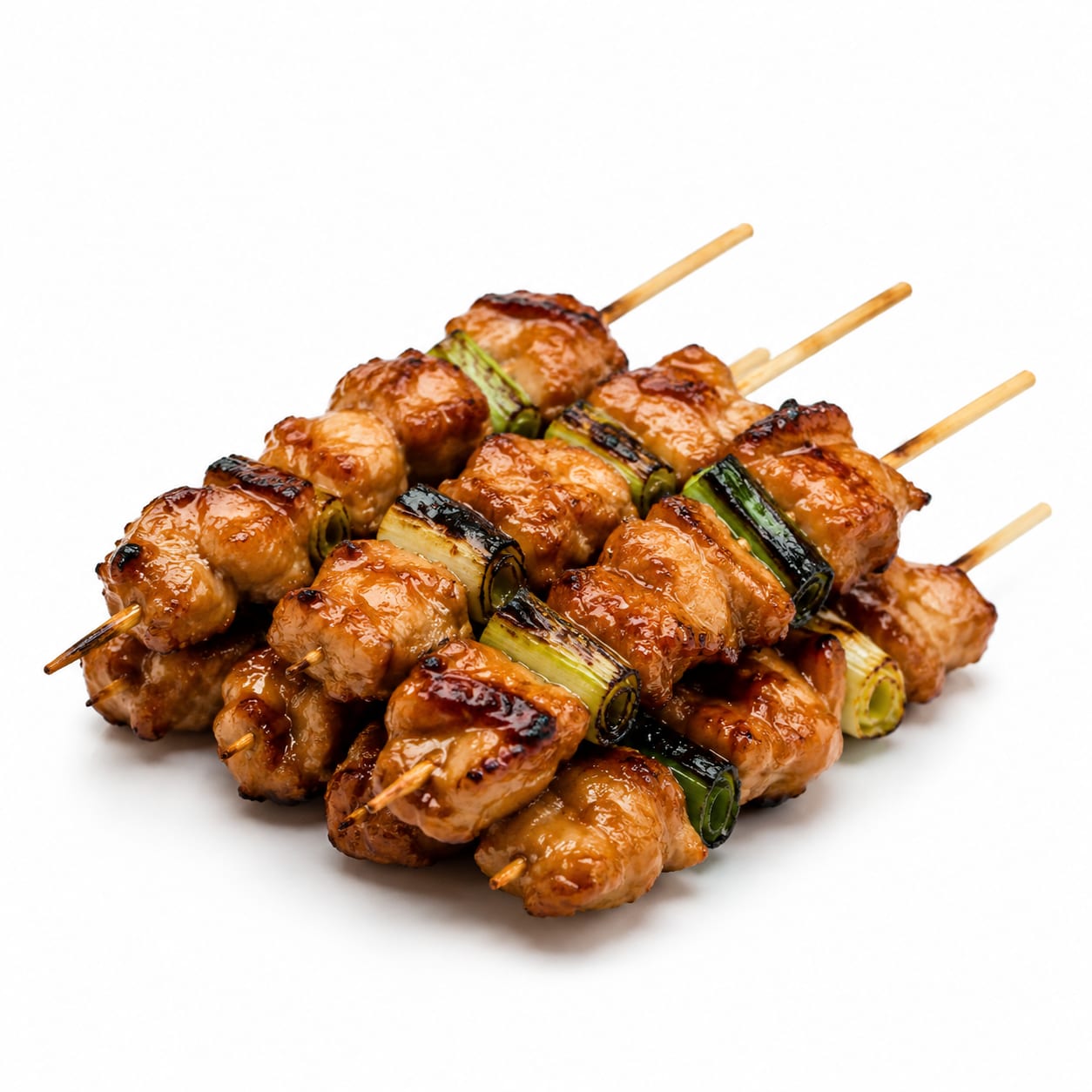
Yakitori
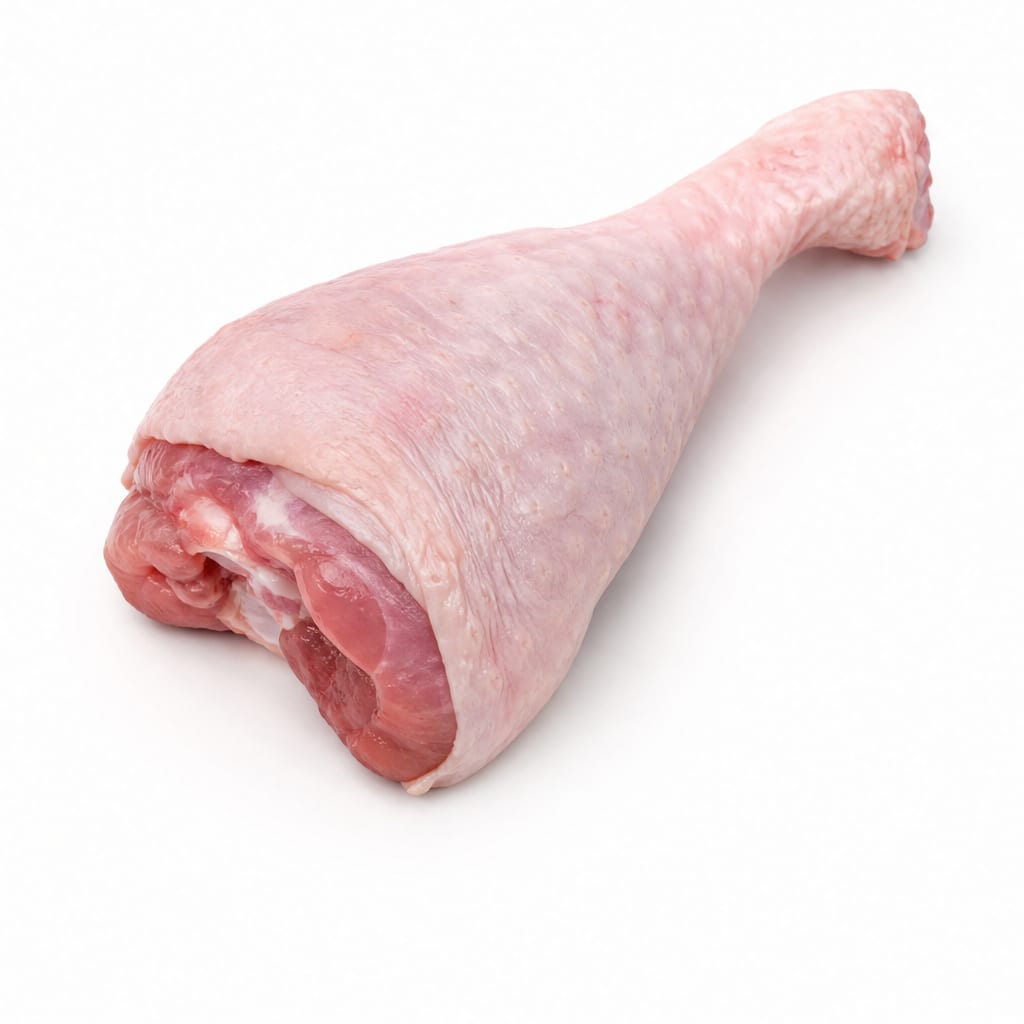
Turkey Leg
Yakitori offers built-in portion control and lighter eating, while a Turkey Leg delivers massive protein and long-lasting fullness but with a heavy calorie and sodium load.
Yakitori scores higher for daily usability due to natural portion control, while Turkey Leg's extreme calorie and sodium density limits its regular use.
Manageable, flavorful skewers with potential sugar versus a massive, filling leg with high fat and extreme sodium.
At a glance
Executive summary
Overall
It depends
Healthier
It depends
More practical
It depends
Daily use
Yakitori
Key comparison lenses
Portion control vs. sheer volume
Yakitori is naturally portioned into small skewers, while a Turkey Leg is a massive, single-serving calorie bomb.
Sodium and sugar intake from glazes and brines
Yakitori's sweet tare sauce adds sugar, whereas Turkey Legs are often heavily brined or smoked, packing huge sodium.
Grilling and charring health risks
Both involve high-heat cooking, but the direct flame charring on Yakitori skewers introduces specific carcinogenic concerns.
Best choice for
Yakitori
- Light lunch eaters
- People tracking calories
- Appetizer or snack seekers
Turkey Leg
- Heavy lifters needing calories
- People wanting long-lasting fullness
- Fair and festival goers
Least suitable for
Yakitori
- People avoiding sugar (if eating tare sauce)
- Those wanting a large, filling meal
Turkey Leg
- People watching calories or sodium
- Small appetite individuals
Deep comparison
Dimension by dimension
Each lens scores both foods and breaks down who each option suits.
- Dimension 1 · Priority 95Turkey Leg
Satiety and Fullness
Yakitori · 55Turkey Leg · 95A Turkey Leg is incredibly filling due to its size, fat, and protein, whereas Yakitori skewers require several to feel full.
Tradeoff
You get long-lasting fullness from the Turkey Leg, but at the cost of a massive calorie intake.
Why it matters
Staying full prevents snacking, but overeating at one sitting can cause sluggishness.
Real-world impact
A Turkey Leg can replace a full meal and keep you full for hours; Yakitori is better as a light bite or requires multiple sticks for a meal.
Yakitori
- Eating light before an event
- Avoiding the afternoon food coma
Better for
- Recovering from heavy weightlifting
- Days with high calorie needs
Worse for
Turkey Leg
- Hiking or long active days
- Replacing a heavy dinner after skipping lunch
Better for
- Sedentary office days
- Eating right before a workout
Worse for
- Dimension 2 · Priority 90Yakitori
Calorie Density and Portion Control
Yakitori · 88Turkey Leg · 35Yakitori skewers offer natural portion control, while a Turkey Leg is a calorie bomb waiting to happen.
Tradeoff
You can easily track intake with skewers, but a Turkey Leg often packs a full day's worth of calories if eaten with the skin.
Why it matters
Unintentional overeating is a major weight gain driver.
Real-world impact
Eating two Yakitori skewers feels like a snack; eating a whole Turkey Leg feels like a commitment.
Yakitori
- Managing daily calorie limits
- Grazing over a few hours
Better for
- When you need high energy in a remote setting
Worse for
Turkey Leg
- Bulking up efficiently
- Carrying a single food item for an all-day event
Better for
- Cutting weight for a sport
- Trying to eat smaller, frequent meals
Worse for
- Dimension 3 · Priority 85It depends
Sodium and Added Sugar
Yakitori · 55Turkey Leg · 50Yakitori's sweet tare sauce adds sugar, while smoked or roasted Turkey Legs are often loaded with sodium.
Tradeoff
Choosing salt-seasoned Yakitori avoids sugar but adds sodium; Turkey Leg skin holds most of the salt and brine.
Why it matters
Excess sodium raises blood pressure, and added sugar spikes blood glucose.
Real-world impact
Either option can leave you thirsty, but for different reasons—sweet glaze versus salty brine.
Yakitori
- Those avoiding nitrates found in smoked meats
- Controlling sauce amounts by ordering shio (salt) instead of tare
Better for
- Strict low-sugar diets if using tare sauce
Worse for
Turkey Leg
- Those strictly avoiding added sugars
- People who can discard the skin to reduce sodium
Better for
- Blood pressure management
- Anyone prone to bloating from salt
Worse for
- Dimension 4 · Priority 75It depends
Carcinogenic and Charring Risks
Yakitori · 48Turkey Leg · 55Both are cooked over high heat, but Yakitori's direct flame charring creates more heterocyclic amines.
Tradeoff
That delicious char on Yakitori comes with a slight cancer risk, while smoked Turkey Legs contain smoke-derived compounds.
Why it matters
Frequent consumption of charred or smoked meats increases long-term health risks.
Real-world impact
Enjoying either occasionally is fine, but daily grilled or smoked meats aren't ideal for long-term health.
Yakitori
- Quick cooking time reduces overall smoke exposure
Better for
- Eating heavily blackened pieces frequently
Worse for
Turkey Leg
- Roasted (non-smoked) versions avoid smoke risks entirely
Better for
- Regular consumption of commercially smoked legs with nitrates
Worse for
Timeline
Health impact over time
Short-term
Hours to days
Yakitori
- Quick protein boost
- Potential blood sugar spike from sweet glaze
- Thirst from soy sauce or salt
Turkey Leg
- Deep satiety and food coma risk
- High energy intake for recovery
- Significant thirst from brine and salt
Long-term
Months to years
Yakitori
- Easier weight maintenance with portion control
- Possible increased cancer risk if heavily charred daily
Turkey Leg
- Weight gain if eaten frequently as a snack
- High blood pressure risk from massive sodium load
Risk profile
Safety & processing
Yakitori is simply cut chicken cooked on a stick, while commercial Turkey Legs are often brined and smoked with preservatives like sodium nitrates.
Yakitori
Undercooked poultry
mediumDark meat skewers can sometimes be undercooked at busy stalls, increasing food poisoning risk.
Charring compounds
mediumDirect flame grilling creates HCAs and PAHs, which are linked to cancer.
Turkey Leg
Sodium nitrate exposure
mediumSmoked turkey legs often contain nitrates for color and preservation, which can form harmful compounds.
Improper holding temperatures
mediumOften left under heat lamps at fairs, creating a risk if not held at safe temperatures.
Who wins for whom
Audience fit
Same foods, different winners depending on your goal.
children
YakitoriSmaller portions are easier for kids to handle, though the sharp skewer requires supervision.
daily consumption
YakitoriPortion control and lighter calorie load make it a more sustainable everyday option.
diabetes
YakitoriChoosing salt-seasoned Yakitori avoids the sugar spike of the glaze and keeps carbs near zero.
elderly
YakitoriSmaller, easier-to-chew portions are gentler on aging digestive systems than a massive, dense leg.
muscle gain
Turkey LegThe massive protein and calorie payload supports muscle building and heavy training demands.
weight loss
YakitoriBuilt-in portion control and lower total calories make Yakitori easier to fit into a deficit.
Your move
Decision guide
Choose Yakitori
- You want a light, protein-rich snack
- You are watching your calorie intake
- You prefer smaller, flavorful bites over a heavy meal
Choose Turkey Leg
- You just finished a heavy workout and need serious calories
- You are at a theme park or fair and want one meal to last all day
- You love dark meat and crispy skin
Either works if
- You need a zero-carb protein source
- You are okay with high sodium intake for the day
Avoid both if
- You are on a strict low-sodium diet
- You are highly sensitive to cholesterol from dark meat poultry
Final recommendation
Choose Yakitori for a manageable, flavor-packed meal you can eat regularly, and save the Turkey Leg for rare occasions when you need a massive, filling feast.
Practical
Consumer tips
- 1
Ask for Yakitori with salt (shio) instead of sweet sauce (tare) to cut sugar and calories.
- 2
Remove the skin from a Turkey Leg to save hundreds of calories and a massive sodium dose.
- 3
Pair Yakitori with a side of vegetables to make it a balanced meal.
- 4
Drink plenty of water with either choice to offset the high sodium content.