
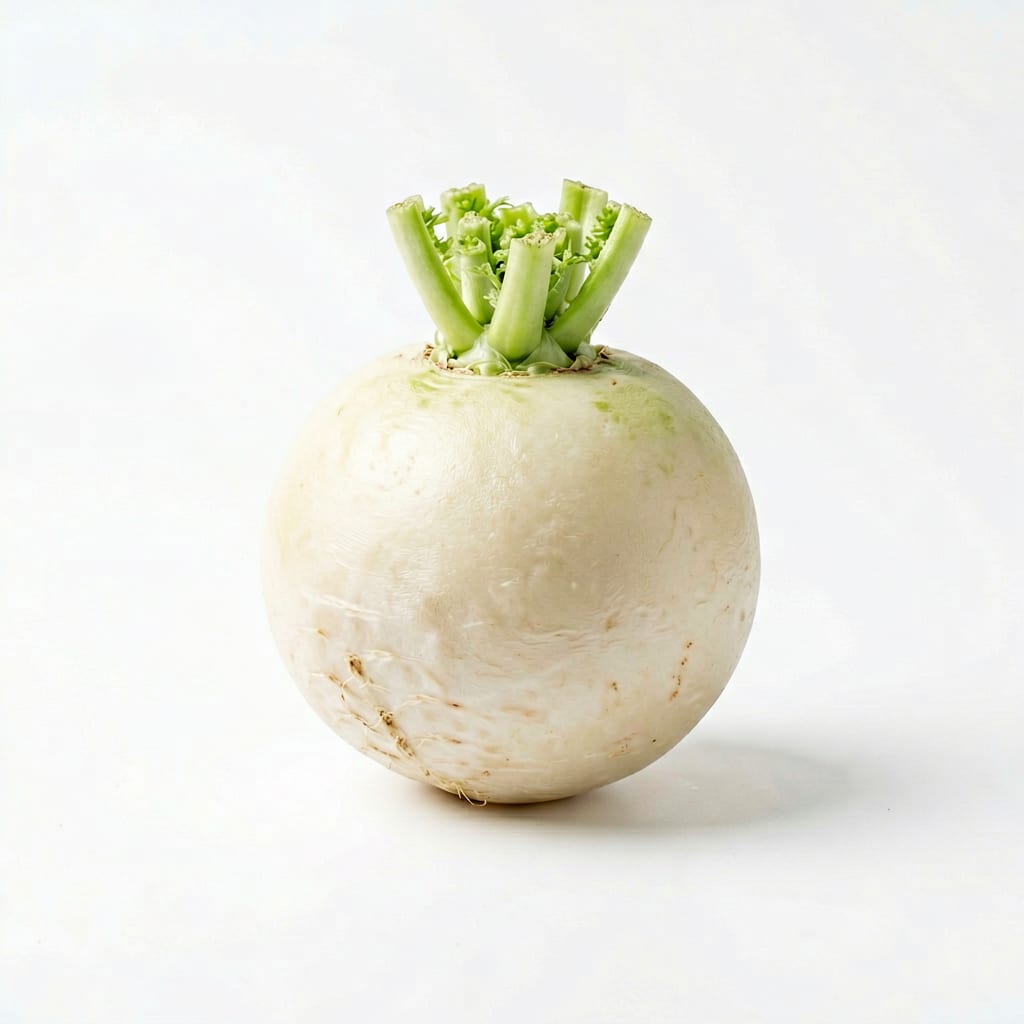
Vegetable
White Radish
White radish (daikon) is a large, mild-flavored cruciferous root vegetable extremely low in calories and rich in digestive enzymes and vitamin C.
White radish, also known as daikon, is a large, mild-flavored cruciferous root vegetable widely used in Asian cuisines. It has a crisp texture and high water content, making it exceptionally low in calories while providing beneficial digestive enzymes.
high-volume low-calorie cruciferous root
Typical serving · 100g
Common varieties · daikon, white icicle, tokyo cross, miyashige
Overall context score across nutrition, safety, and diet fit
At a glance
Quick facts
Simple indicators based on nutrition, processing, and diet fit.
The story
What makes it unique
White radish is composed of roughly 95% water, resulting in very low energy density. It digests rapidly due to its high water and low fiber content, though it provides moderate satiety through physical volume. Its macronutrient profile is negligible in fat and protein, but it contains unique phytochemicals like glucosinolates and the enzyme diastase, which aid in starch digestion. As a raw root vegetable, it is completely unprocessed.
Varieties: daikon · white icicle · tokyo cross · miyashige
Per 100g
Nutrition breakdown
Macro balance and key metrics at a glance.
Energy
Density 0.18 kcal/g
Protein
Carbs
Fat
Fiber
Sugar
2.5 g
Sodium
21 mg
Potassium
227 mg
Glycemic index
32
Glycemic load
1
Water content
95%
Standout compounds
Nutrient highlights
Vitamin C
moderateSupports immune function and collagen synthesis
Potassium
moderateHelps regulate blood pressure and fluid balance
Diastase
highDigestive enzyme that breaks down starches
Glucosinolates
moderateAntioxidant compounds that support cellular health
Wellness map
Health scores & processing
NOVA processing scale
unprocessed · Whole food
Raw white radish is a whole, unprocessed root vegetable harvested directly from the ground with no alterations.
Diet compatibility
- Weight loss
- Muscle gain
- Diabetes
- Gut health
- Low carb
- High protein
- Heart health
Relative standing
Food rankings
Qualitative ranks compared to similar whole foods.
- Satietygood
- Blood sugarexcellent
- Nutrient densitymoderate
- Fitness fuelpoor
- Processing qualityexcellent
Eat with confidence
Food safety profile
White radish is generally very safe. As a root vegetable grown in soil, it can retain dirt and surface pesticides. Thorough washing and peeling mitigates most risks.
Evidence confidence 90%
- Pesticidesmoderate
- Antibioticslow
- Heavy metalslow
- Contaminationlow
Watch for
- soil residue
- pesticide residue
Safer choices
Organic white radish reduces pesticide exposure risk.
Prep tips
Scrub thoroughly under running water to remove soil. Peeling further reduces pesticide residue and improves texture for raw consumption.
Standard agricultural pesticide residues apply to conventional root vegetables.
Deep dive
Health analysis
How this food may fit different goals and preparation choices.
Weight loss
Extremely low energy density allows large portion sizes with minimal calories, promoting fullness without caloric excess.
Blood sugar
Very low glycemic index and minimal glycemic load make it highly unlikely to spike blood sugar levels.
Fitness & energy
Lacks the carbohydrates needed for workout fuel; better used as a hydrating, low-calorie side dish than an energy source.
Gut health
Provides moderate fiber and unique digestive enzymes like diastase that assist in breaking down heavy meals.
Processing quality
A whole, natural food with zero processing artifacts, additives, or hidden sugars.
Food safety
Very safe to consume raw or cooked; primary concern is agricultural chemical residue which is resolved by washing and peeling.
Common mistakes
Overcooking radish destroys its beneficial digestive enzymes and depletes its vitamin C content.
Best preparation
Raw, grated, or lightly pickled to preserve its crisp texture, vitamin C, and enzymatic activity.
Practical guide
Best use cases
When and how this food fits real eating patterns.
High-volume low-calorie eating
Shred or slice raw daikon to add massive bulk to salads and bowls without adding significant calories.
Digestive aid for heavy meals
Eat grated raw daikon alongside starchy or fatty meals to utilize its natural diastase enzymes for easier digestion.
Low-carb potato substitute
Use cooked daikon in soups or stews as a very low-carb alternative to potatoes or turnips.
Balance sheet
Pros & cons
Upsides
- Extremely low in calories
- Very high water content for hydration
- Contains unique digestive enzymes
- Very low glycemic impact
- Versatile for raw or cooked dishes
Trade-offs
- Very low in protein and healthy fats
- Digestive enzymes are destroyed by cooking
- Large amounts may cause bloating in sensitive individuals
- Highly perishable once cut
Fit check
Who is it for?
Great match
- high-volume eating
- digestive support
- low-carb diets
- blood sugar management
Consider alternatives
- high-protein diets
- calorie-dense meal prep
- pre-workout energy fuel
Side by side
How it compares
Open the full head-to-head analysis for nutrition, safety, and practical tradeoffs.
This food
White Radish
VS90% alike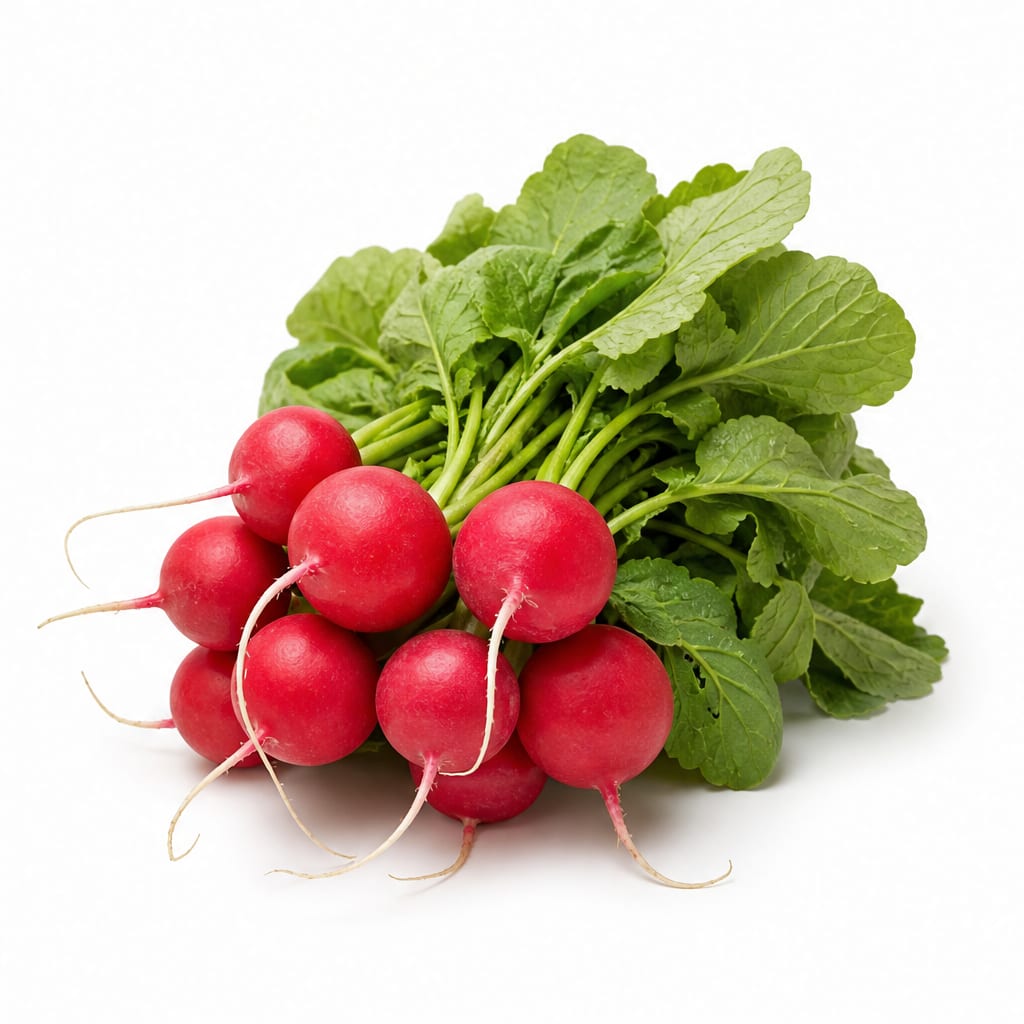
Compare with
Red Radish
Red radishes are smaller and more peppery, while white radish (daikon) is larger, milder, and easier to eat in large volumes.
White radish and red radish are both low-calorie cruciferous vegetables, but white radish is milder and better for eating in large volumes.
This food
White Radish
VS85% alike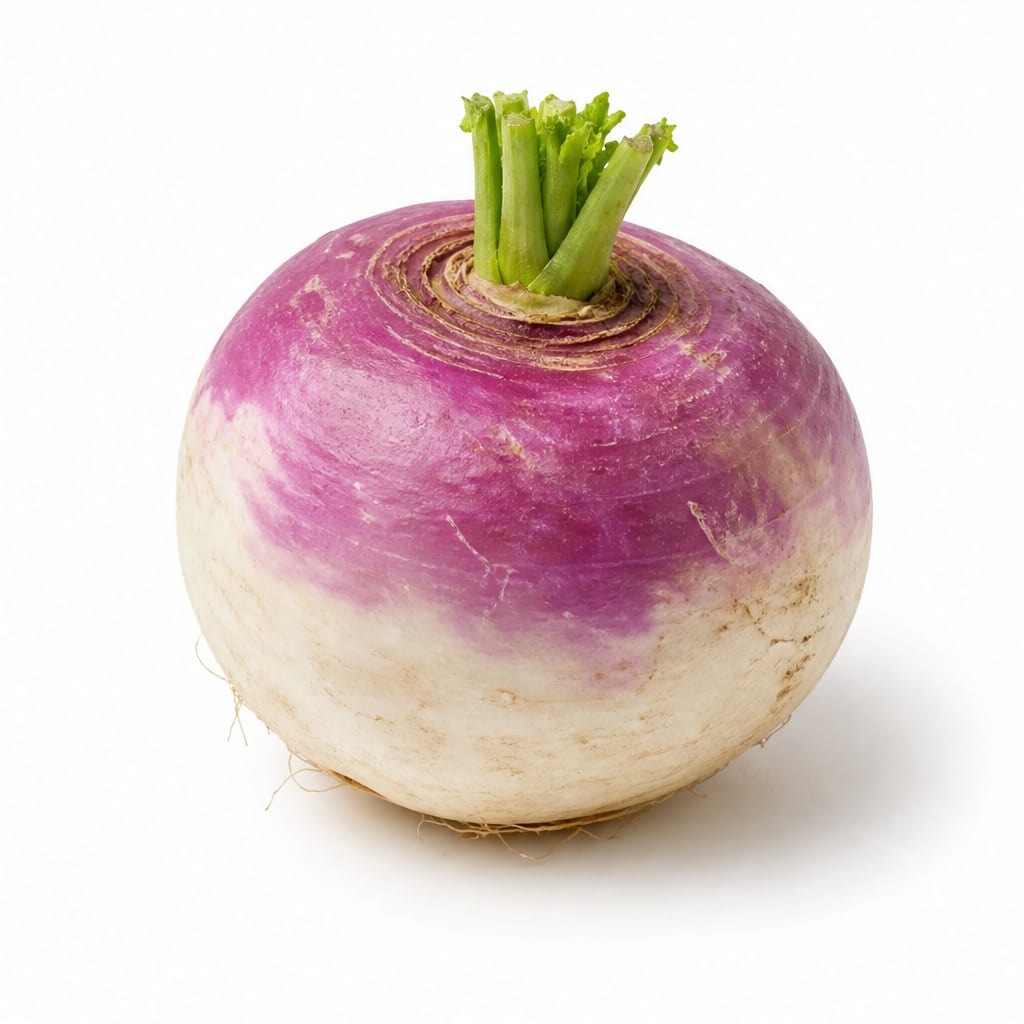
Compare with
Turnip
Turnips are slightly higher in calories and carbs. White radish is milder and better for raw digestion support.
White radish is lower in calories and carbs than turnips, making it a better choice for weight loss and blood sugar control.
This food
White Radish
VS80% alike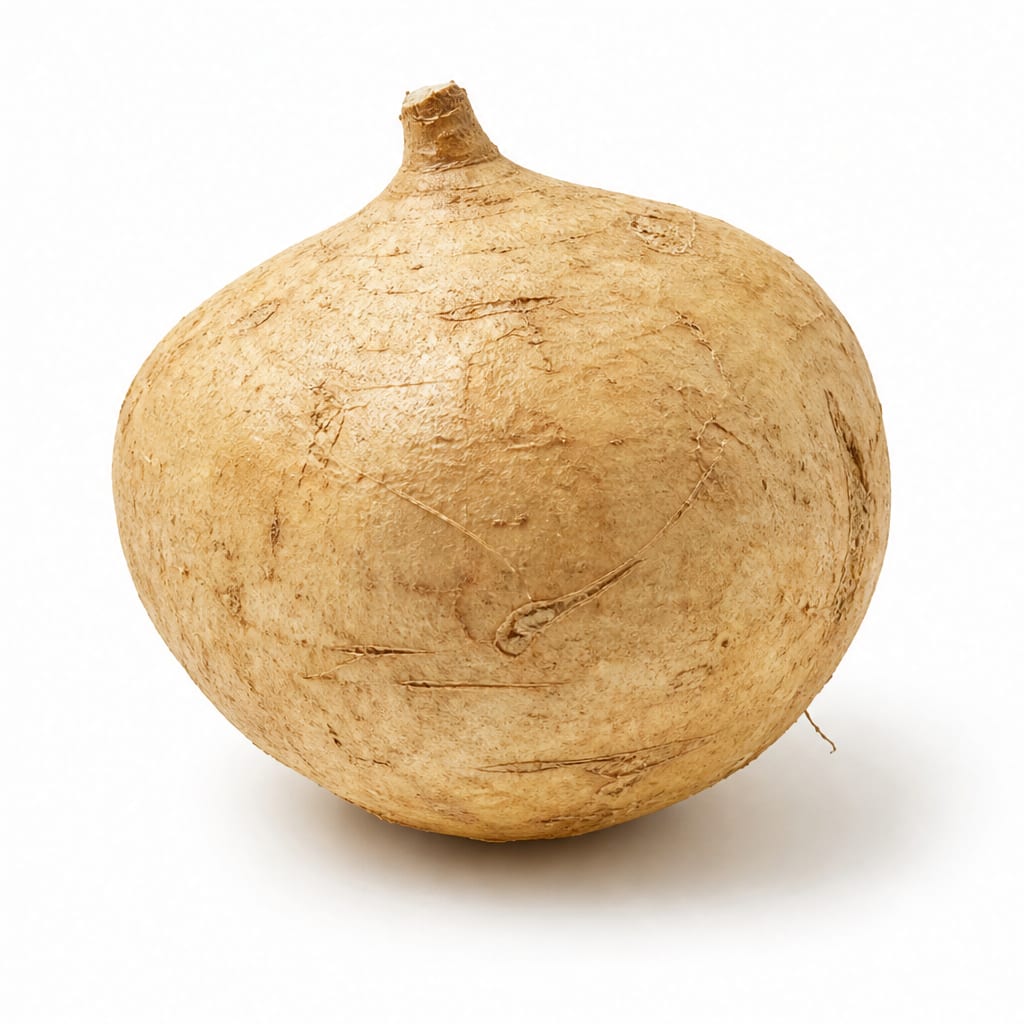
Compare with
Jicama
Jicama is higher in fiber and slightly sweeter, while white radish is lower in calories and contains specific digestive enzymes.
Jicama provides more fiber for fullness, while white radish offers fewer calories and unique digestive enzymes.
This food
White Radish
VS75% alike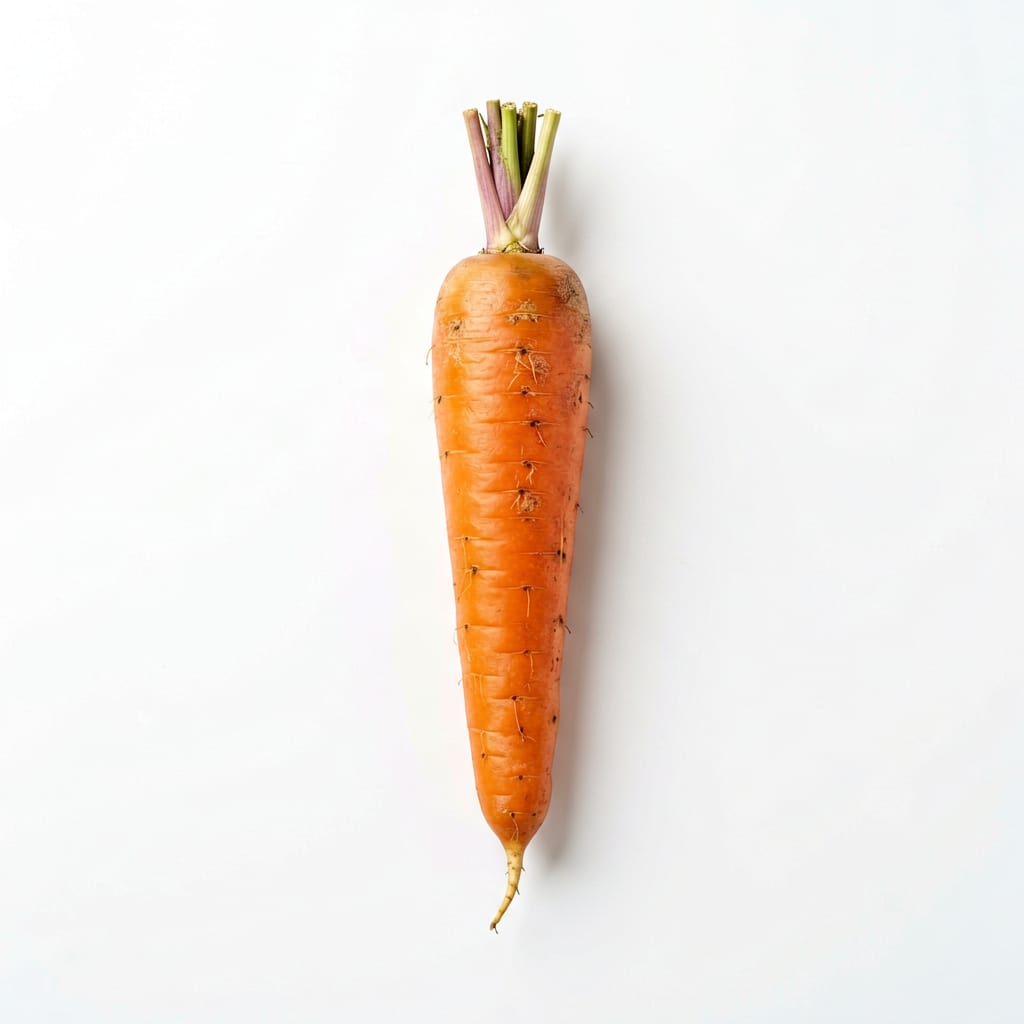
Compare with
Carrot
Carrots are significantly higher in sugar and vitamin A. White radish is much lower in calories and carbs.
White radish is far lower in sugar and calories than carrots, making it better for strict weight loss, though carrots offer more beta-carotene.
This food
White Radish
VS60% alike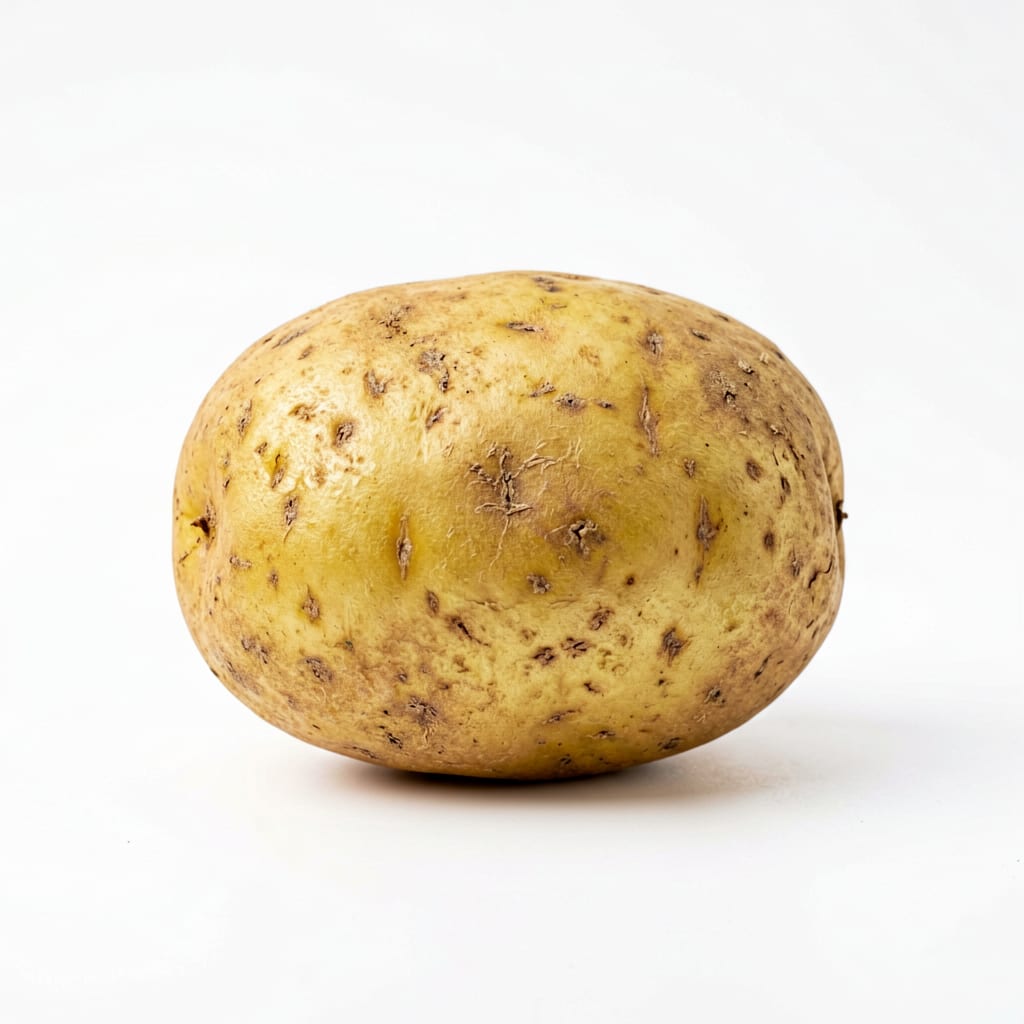
Compare with
Potato
Potatoes are dense in carbs and calories, serving as an energy source. White radish is a low-calorie, high-volume food.
White radish is vastly lower in calories and carbs than potatoes, making it ideal for weight loss, while potatoes are better for energy and fitness fuel.
This food
White Radish
VS70% alike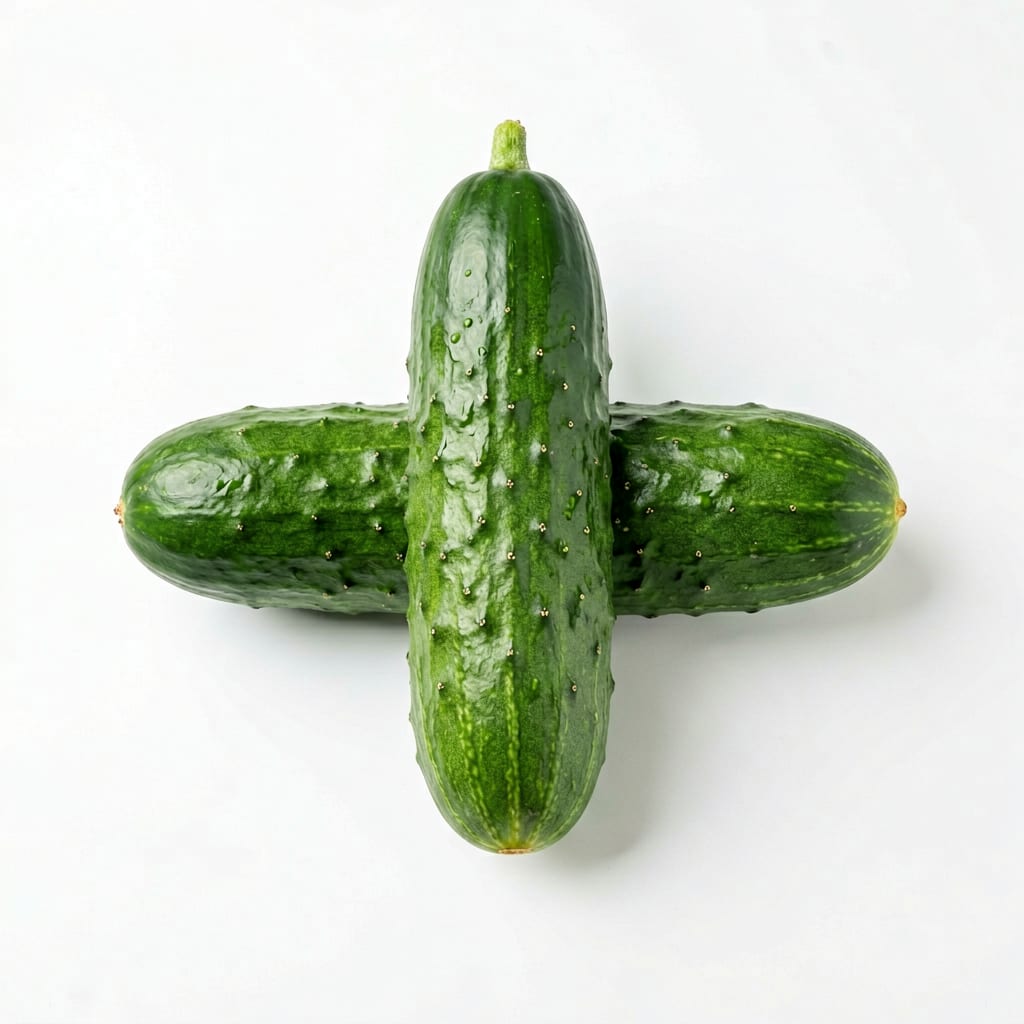
Compare with
Cucumber
Both are extremely low in calories. Cucumber is slightly lower in carbs, but white radish offers more vitamin C and digestive enzymes.
Cucumber and white radish are both ultra-low-calorie hydration foods, but white radish provides unique digestive enzymes.
This food
White Radish
VS75% alike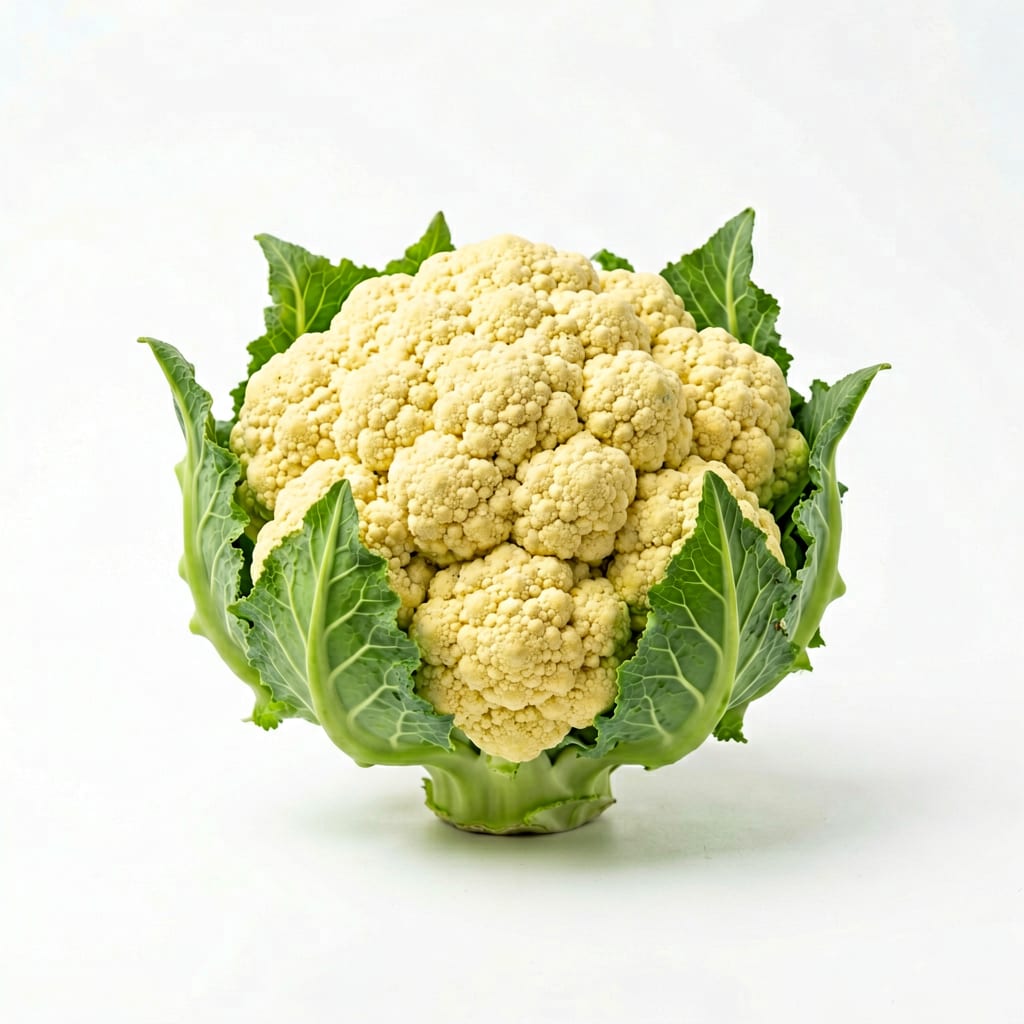
Compare with
Cauliflower
Cauliflower is higher in vitamin C and slightly higher in calories. White radish is better for raw digestive enzyme benefits.
Cauliflower offers more vitamin C and versatility as a low-carb substitute, while white radish is better for raw digestion support.
This food
White Radish
VS70% alike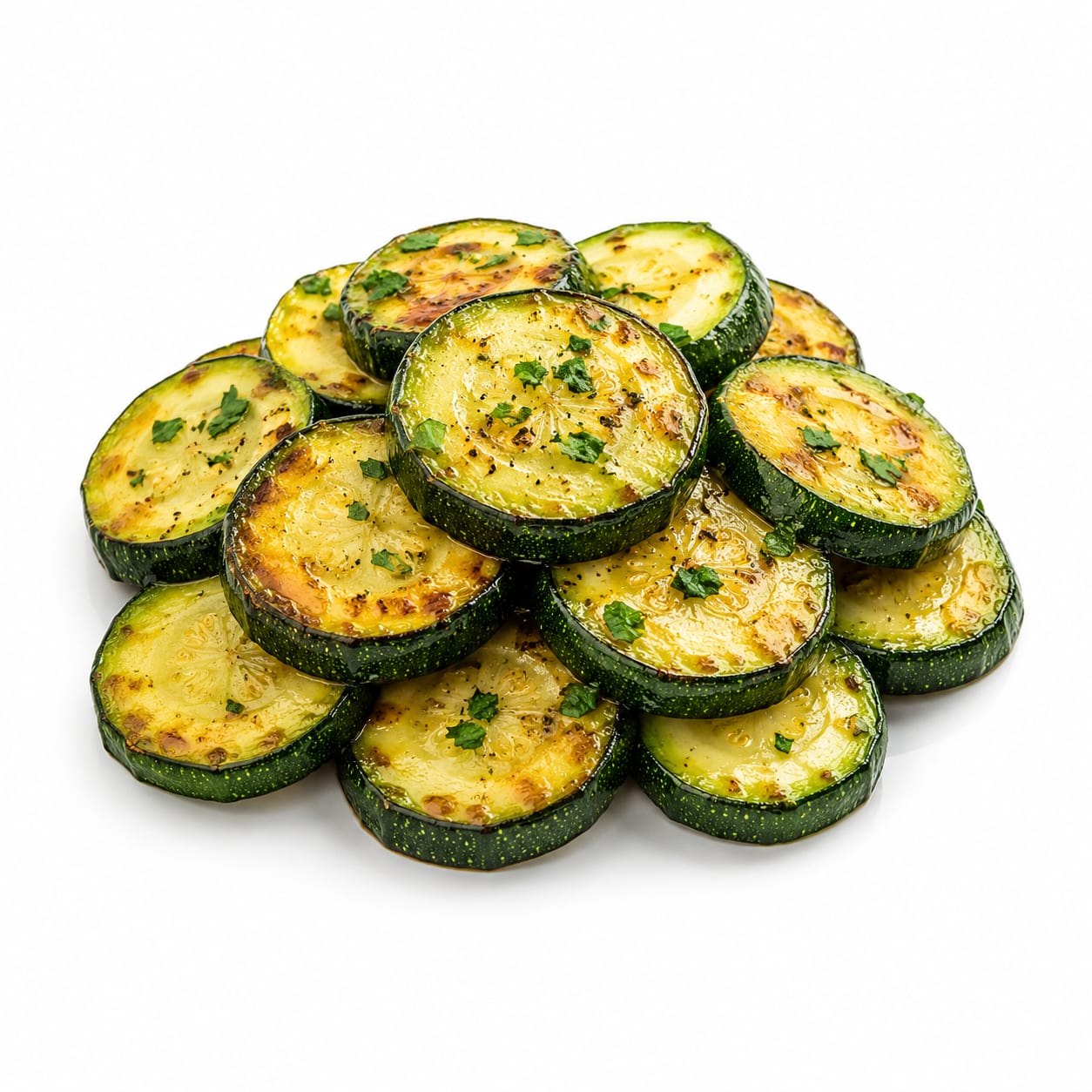
Compare with
Zucchini
Zucchini is slightly higher in calories but still very low. White radish provides a crunchier texture and different phytonutrients.
White radish is slightly lower in calories and carbs than zucchini, and offers a crisp crunch, while zucchini is better for cooking.
This food
White Radish
VS65% alike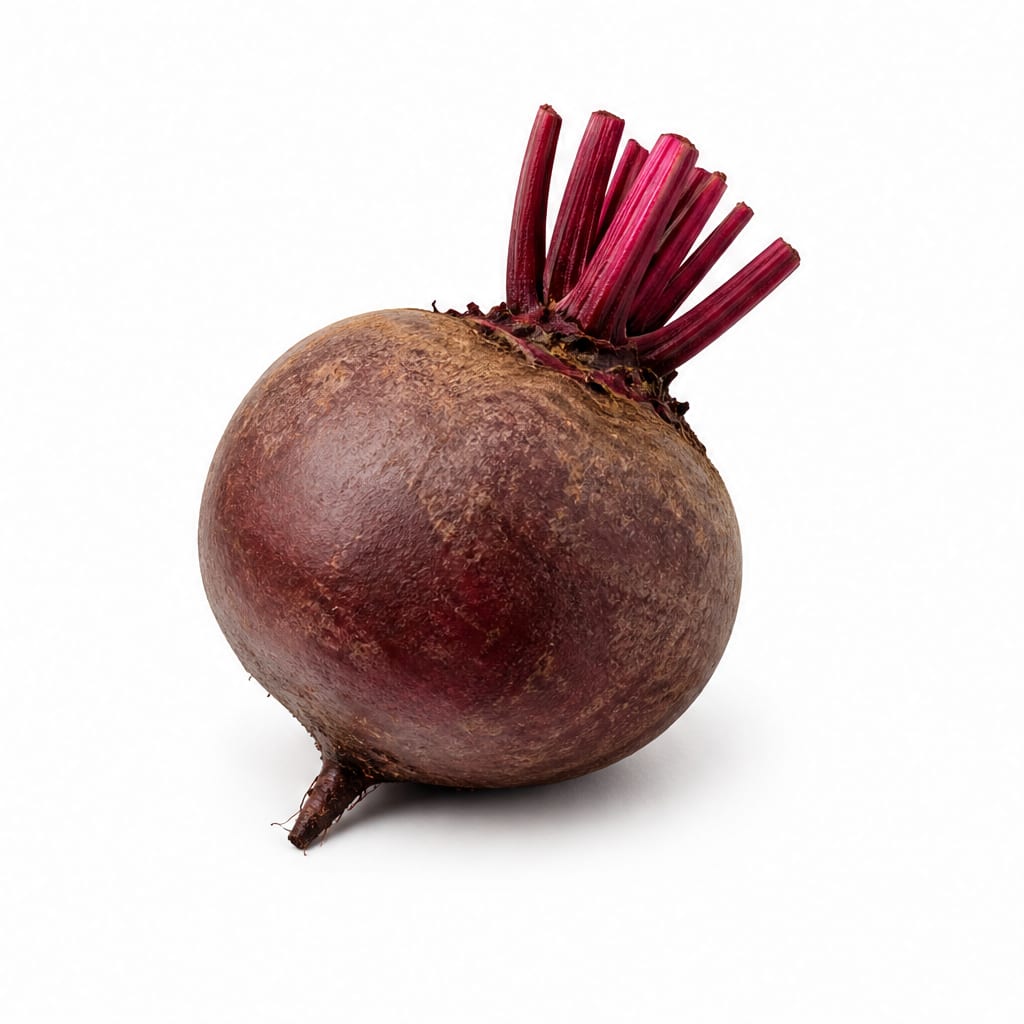
Compare with
Beetroot
Beetroot is high in sugar and natural nitrates for athletic performance. White radish is low in sugar and better for calorie restriction.
Beetroot provides natural nitrates for fitness performance and more sugar, while white radish is a near-zero-calorie option for weight loss.
This food
White Radish
VS60% alike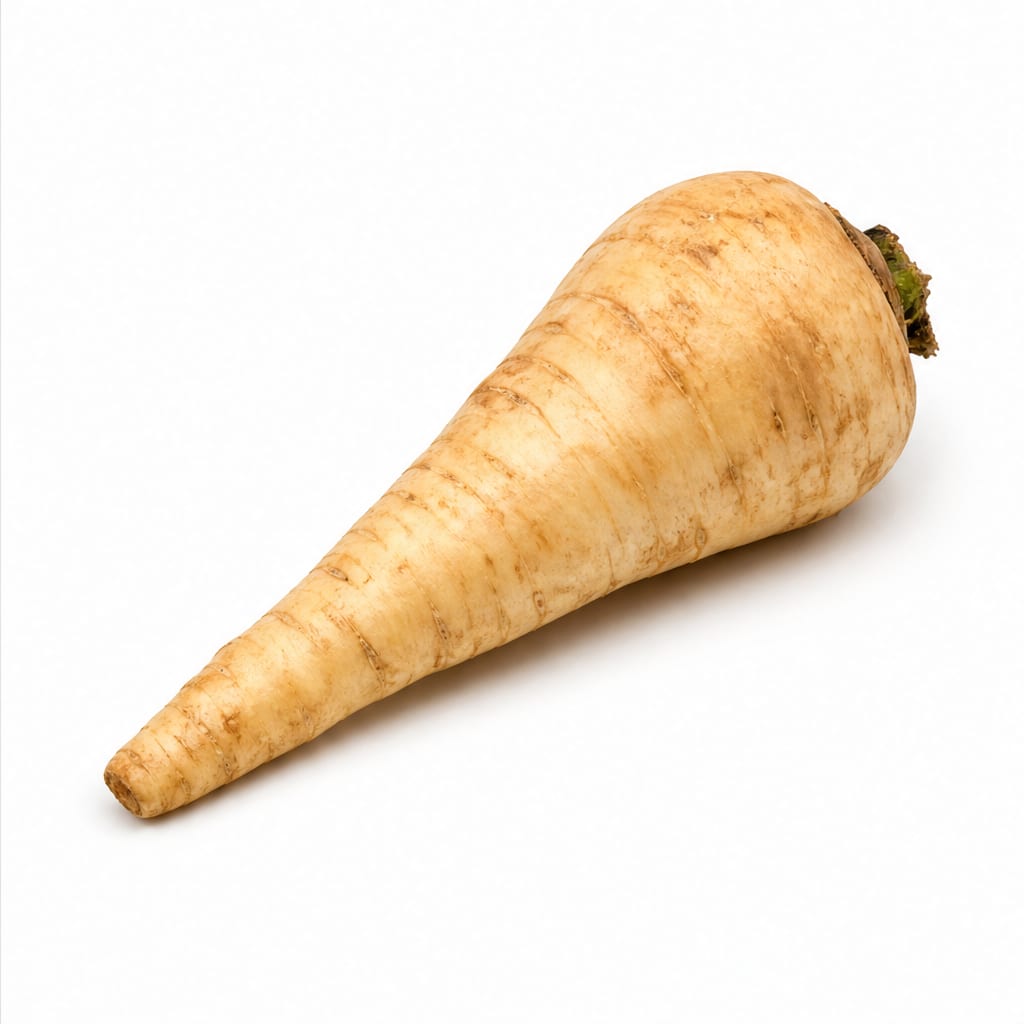
Compare with
Parsnip
Parsnips are very high in carbs and calories compared to white radish. White radish is the clear choice for low-carb diets.
White radish is dramatically lower in carbs and calories than parsnips, making it far superior for blood sugar control and weight loss.
Common questions
FAQ
Answers aligned with how people search for this food.
Is white radish good for weight loss?
Yes, white radish is excellent for weight loss. It is extremely low in calories and high in water, allowing you to eat a large volume of food to feel full without consuming excess calories.
Can diabetics eat white radish?
Yes, white radish is very safe for diabetics. It has a very low glycemic index and minimal carbohydrates, meaning it will not cause significant blood sugar spikes.
Does white radish help with digestion?
Yes, white radish contains diastase, an enzyme that helps break down starches. It also provides dietary fiber which supports regular bowel movements and a healthy gut.
Can you eat white radish raw?
Yes, white radish can be eaten raw. It has a crisp texture and mild, slightly peppery flavor. Eating it raw preserves its vitamin C and digestive enzymes.
Is white radish keto-friendly?
Yes, white radish is keto-friendly. With only about 4 grams of total carbs and 1.6 grams of fiber per 100 grams, it yields just 2.4 grams of net carbs, making it easy to fit into a low-carb diet.
What is the difference between white radish and daikon?
Daikon is simply a specific type of white radish. While all daikon are white radishes, not all white radishes are daikon. Daikon typically refers to the long, large, mild-flavored variety common in Japanese cuisine.
Does cooking white radish destroy its nutrients?
Cooking white radish can reduce its vitamin C content and destroy its natural digestive enzymes like diastase. However, the fiber and minerals remain intact, so cooked radish still offers nutritional benefits.
Why is white radish served with sushi?
White radish is served with sushi as a palate cleanser and digestive aid. Its natural enzymes help break down the rice and fish, while its crisp texture refreshes the mouth between bites.
Transparency
Data confidence
Estimated confidence for nutrition data, interpretation, safety notes, and comparisons.
Nutrition data
Health analysis
Food safety
Comparisons