
Nutrition comparison
White Radish vs Zucchini: Which Low-Calorie Vegetable Is Better for You?
Compare White Radish and Zucchini side by side. Discover which vegetable wins for digestion, weight loss, blood sugar, and everyday cooking versatility.
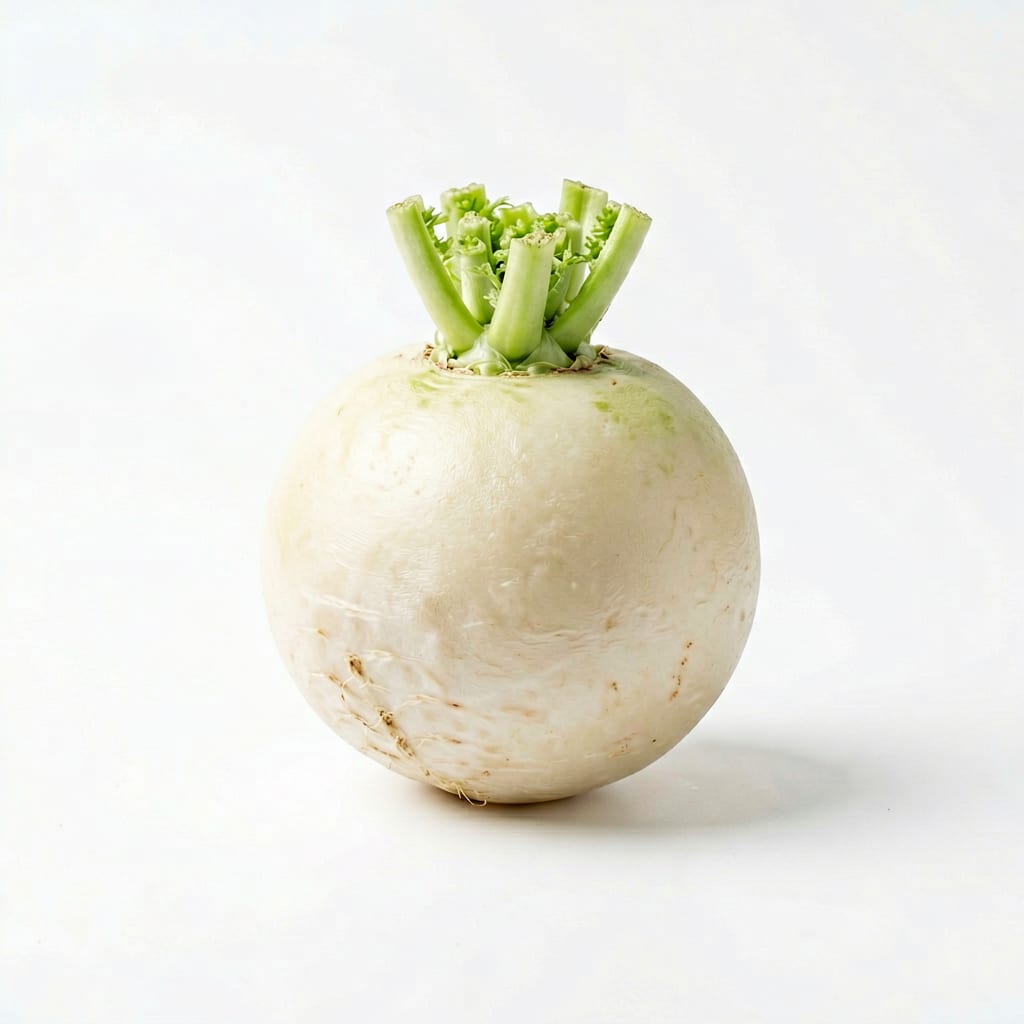
White Radish
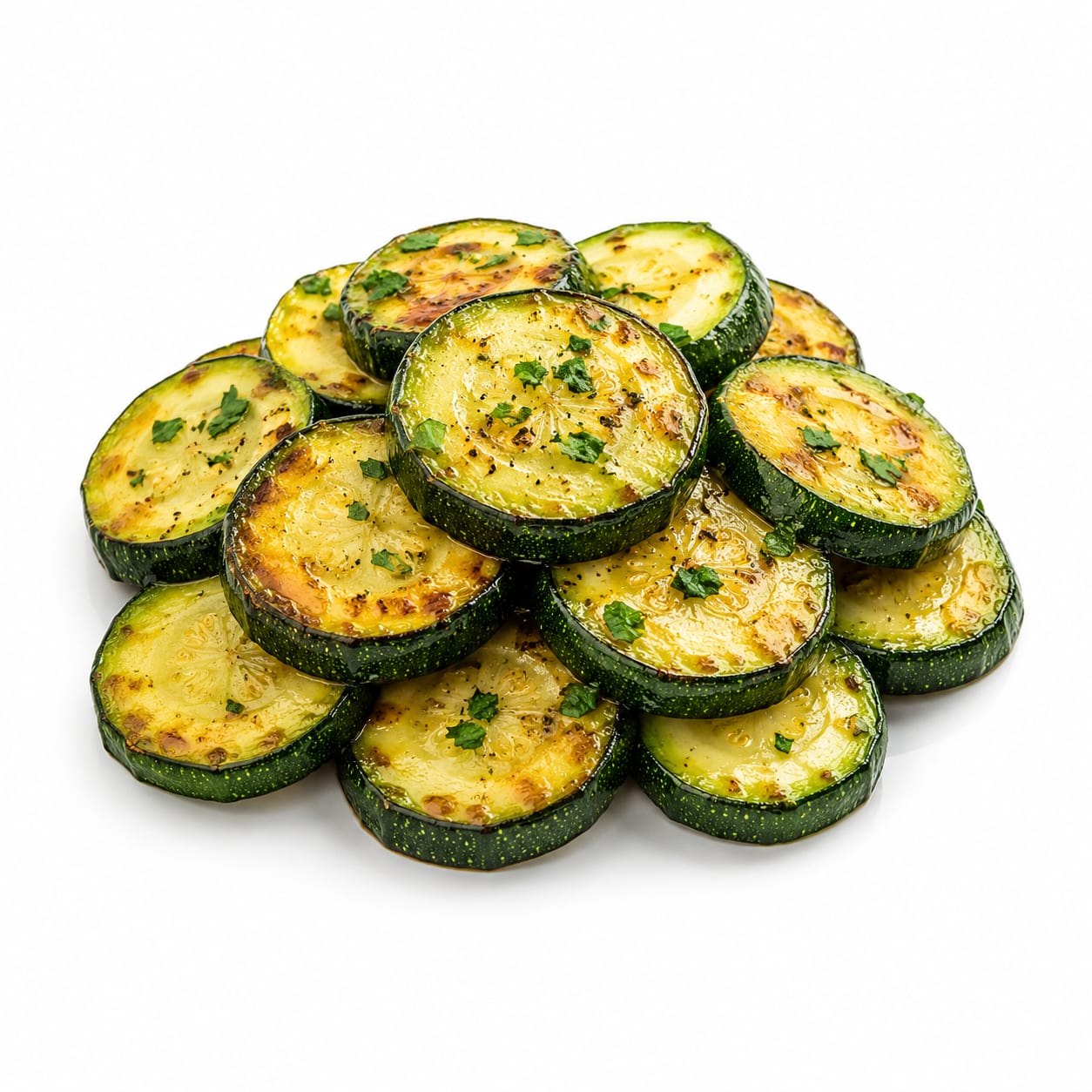
Zucchini
White Radish wins for digestion and detox support; Zucchini wins for everyday versatility and eye health. Pick based on your priority.
Zucchini scores moderately higher due to superior culinary versatility, broader family appeal, and easier daily integration. White Radish has niche health advantages but its strong flavor and limited recipe adaptability hold it back as an everyday staple.
White Radish offers unique digestive enzymes and glucosinolates but has a polarizing flavor and fewer recipe options. Zucchini is blander but adapts to almost any dish effortlessly.
At a glance
Executive summary
Overall
It depends
Healthier
It depends
More practical
Zucchini
Daily use
Zucchini
Key comparison lenses
low-calorie vegetable selection for weight management
Both vegetables are extremely low in calories, making them top picks for weight-conscious eaters deciding between them
digestive health and gut support
White Radish contains unique digestive enzymes that Zucchini lacks, a key differentiator for gut health
culinary versatility and meal integration
Zucchini's mild flavor and texture adaptability make it far easier to incorporate into diverse recipes
antioxidant and disease-prevention profile
Each vegetable offers distinct antioxidant families — glucosinolates in White Radish vs carotenoids in Zucchini
blood sugar management
Both are excellent for blood sugar, but subtle differences in fiber type and glycemic impact matter for diabetics
Best choice for
White Radish
- People with sluggish digestion or bloating after meals
- Those seeking detox-supportive cruciferous benefits
- Anyone wanting a crunchy, hydrating snack with a peppery kick
- Cooking Asian-inspired dishes where radish flavor is desired
Zucchini
- Families needing a crowd-pleasing vegetable for weekly meals
- People managing blood sugar who want a reliable low-carb staple
- Anyone meal-prepping or batch cooking for convenience
- Those prioritizing eye health and lutein intake
Least suitable for
White Radish
- People who strongly dislike peppery or pungent flavors
- Those with thyroid issues who need to limit goitrogenic cruciferous vegetables
- Anyone looking for a neutral vegetable to hide in recipes
Zucchini
- Those specifically seeking digestive enzyme support from their vegetables
- People wanting a raw crunchy snack with bold flavor
- Anyone looking for glucosinolate-based detox compounds
Deep comparison
Dimension by dimension
Each lens scores both foods and breaks down who each option suits.
- Dimension 1 · Priority 92White Radish
Digestive Health Support
White Radish · 88Zucchini · 62White Radish contains diastase and amylase enzymes that actively help break down starches and ease digestion, especially after heavy meals.
Tradeoff
Zucchini is gentler on sensitive stomachs but offers no enzymatic digestive assistance — it relies solely on fiber for gut benefits.
Why it matters
If you frequently feel bloated or sluggish after eating, White Radish can act like a natural digestive aid that Zucchini simply cannot replicate.
Real-world impact
Eating White Radish with a starchy meal can reduce that heavy, stuffed feeling within 30 minutes. Zucchini won't give you that same relief.
White Radish
- Post-meal bloating and heaviness
- Sluggish digestion after carb-heavy meals
- Supporting healthy gut bacteria through glucosinolate breakdown products
Better for
- People with thyroid conditions sensitive to goitrogens when consumed raw in large amounts
Worse for
Zucchini
- Sensitive stomachs that react to peppery or fermentable foods
- People with IBS who need low-FODMAP options in moderate portions
Better for
- Anyone specifically seeking enzymatic digestive support
Worse for
- Dimension 2 · Priority 88Zucchini
Culinary Versatility
White Radish · 52Zucchini · 91Zucchini can be spiralized, grilled, baked into breads, added to soups, or eaten raw with minimal flavor conflict. White Radish has a narrower culinary window.
Tradeoff
White Radish's distinct peppery flavor limits it to specific cuisines and dishes. Zucchini's neutrality is its superpower — it goes anywhere.
Why it matters
The vegetable you can cook 10 ways is the one you'll actually eat regularly. Versatility drives consistency, and consistency drives health outcomes.
Real-world impact
You can sneak Zucchini into pasta, muffins, and stir-fries without anyone noticing. White Radish announces itself in every dish.
White Radish
- Asian soups, stews, and pickled side dishes
- Raw crudité platters where bold flavor is welcome
- Fermented preparations like kimchi
Better for
- Picky eaters and children who avoid strong flavors
- Recipes requiring a neutral vegetable base
Worse for
Zucchini
- Zoodles as a low-carb pasta replacement
- Baking into muffins and breads for moisture
- Grilling as a neutral side for any protein
- Blending into smoothies undetected
Better for
- Dishes where you want the vegetable to contribute bold flavor
Worse for
- Dimension 3 · Priority 82It depends
Antioxidant and Disease-Prevention Profile
White Radish · 79Zucchini · 77White Radish brings glucosinolates linked to cancer-fighting potential. Zucchini delivers lutein and zeaxanthin that protect vision. Different weapons, same battlefield.
Tradeoff
You choose between cruciferous detox compounds and vision-protecting carotenoids. Neither is objectively superior — they protect different systems.
Why it matters
Your family history and personal health risks should guide this choice. Cancer prevention priorities favor White Radish; eye health priorities favor Zucchini.
Real-world impact
Regular White Radish consumption supports liver detox pathways. Regular Zucchini consumption helps shield your eyes from age-related damage.
White Radish
- People with family history of hormone-sensitive cancers
- Those wanting to support liver detoxification pathways
- Anyone seeking isothiocyanate compounds from cruciferous vegetables
Better for
- Those already on thyroid medication who need to limit raw cruciferous intake
Worse for
Zucchini
- People concerned about macular degeneration or cataracts
- Those who spend long hours in front of screens
- Anyone wanting to boost lutein intake without supplements
Better for
- People specifically targeting glucosinolate-derived cancer protection
Worse for
- Dimension 4 · Priority 85Zucchini
Weight Loss and Satiety
White Radish · 74Zucchini · 82Both are extremely low in calories, but Zucchini's higher fiber density and satisfying texture when cooked make it slightly more filling per serving.
Tradeoff
White Radish is crunchier raw but less satisfying as a meal component. Zucchini can bulk up a dish more effectively, helping you eat less overall.
Why it matters
The best weight loss vegetable is the one that keeps you full enough to skip seconds. Zucchini's volume and texture give it a practical edge.
Real-world impact
A plate of zoodles feels more like a real meal than sliced radish. That satisfaction matters when you're cutting calories.
White Radish
- Raw snacking with minimal prep — crunchy and hydrating
- Adding to salads for volume without dressing
Better for
- People who need their vegetables to form the bulk of a filling meal
Worse for
Zucchini
- Replacing higher-calorie carbs in main dishes
- Building meal volume without adding significant calories
- Creating satisfying low-calorie dinners that don't feel like diet food
Better for
- Those wanting a crisp raw snack with bold flavor to replace chips
Worse for
- Dimension 5 · Priority 80Zucchini
Blood Sugar Stability
White Radish · 76Zucchini · 83Both have minimal glycemic impact, but Zucchini's slightly higher soluble fiber content slows glucose absorption more effectively.
Tradeoff
White Radish is excellent for blood sugar too, but Zucchini's fiber profile gives it a small edge in smoothing out post-meal glucose spikes.
Why it matters
For diabetics, even small differences in glucose smoothing matter over thousands of meals across years.
Real-world impact
Pairing Zucchini with a carb-rich meal will blunt the sugar spike slightly better than White Radish. Both are great choices compared to starchy sides.
White Radish
- Raw snacking between meals with zero glucose impact
Better for
- Situations where you need the vegetable to meaningfully slow carb absorption
Worse for
Zucchini
- Replacing pasta or rice to reduce glycemic load of entire meals
- Diabetics seeking the most glucose-stabilizing vegetable side
Better for
- Not applicable — Zucchini is strong here
Worse for
- Dimension 6 · Priority 70White Radish
Hydration and Lightness
White Radish · 86Zucchini · 80White Radish is slightly more hydrating at about 95% water content and has a refreshing quality that feels lighter on the stomach, especially raw.
Tradeoff
Zucchini is also very hydrating but feels denser when cooked. White Radish maintains its refreshing lightness across preparations.
Why it matters
On hot days or after heavy meals, a vegetable that feels genuinely refreshing can be the difference between eating a vegetable or skipping it.
Real-world impact
Chilled White Radish slices feel like a palate cleanser. Cooked Zucchini feels like comfort food. Different moods, different picks.
White Radish
- Hot weather hydration and refreshment
- Palate cleansing between courses
- Light snacking when you feel too full for heavy food
Better for
- When you want something that feels like a warm comforting side dish
Worse for
Zucchini
- Comforting warm meals that still feel light
- Soups and stews where you want body without heaviness
Better for
- Raw refreshing snacks on hot days
Worse for
Timeline
Health impact over time
Short-term
Hours to days
White Radish
- Noticeable reduction in bloating after starchy meals due to digestive enzymes
- Mild diuretic effect that reduces water retention
- Refreshing hydration from high water content
- Possible mild stomach warmth from peppery compounds in raw form
Zucchini
- Gentle fullness from fiber without heaviness
- Steady energy with no blood sugar spikes
- Easy digestion with minimal gas for most people
- Comforting satiety when cooked into meals
Long-term
Months to years
White Radish
- Consistent glucosinolate intake may support liver detox and reduce cancer risk
- Regular digestive enzyme exposure supports gut health over time
- Vitamin C contributes to immune resilience and skin health
- Potential thyroid impact if consumed raw in very large quantities daily
Zucchini
- Lutein and zeaxanthin accumulation protects against age-related eye damage
- Consistent low-calorie intake supports healthy weight maintenance
- Potassium supports blood pressure regulation over years
- Soluble fiber feeds beneficial gut bacteria for long-term microbiome health
Risk profile
Safety & processing
Both White Radish and Zucchini are whole, unprocessed vegetables typically consumed in their natural state. Neither carries meaningful additive concerns when purchased fresh.
White Radish
Goitrogenic compounds when raw
mediumRaw White Radish contains goitrogens that can interfere with thyroid function if consumed in very large amounts daily, especially for those with existing thyroid conditions. Cooking significantly reduces this risk.
Pesticide residue on conventionally grown
lowRoot vegetables can retain soil pesticide residues. Peeling reduces exposure. Choose organic when possible.
Foodborne illness from contaminated soil
lowAs a root vegetable, White Radish grows in soil and should be thoroughly washed to remove potential bacterial contamination.
Zucchini
Pesticide residue
mediumZucchini frequently appears on produce lists with notable pesticide residues. The soft skin absorbs chemicals more readily. Organic is recommended when possible.
Bitter compounds from cucurbitacins
lowOccasionally, Zucchini can develop cucurbitacins causing extreme bitterness. If your Zucchini tastes unusually bitter, discard it immediately — these compounds can cause digestive distress.
Oxalate content
lowZucchini contains moderate oxalates. Not a concern for most people, but those managing kidney stones should be aware.
Who wins for whom
Audience fit
Same foods, different winners depending on your goal.
children
ZucchiniZucchini's mild flavor and ability to hide in familiar foods like muffins and pasta makes it far more kid-friendly than the peppery White Radish.
daily consumption
ZucchiniZucchini's neutral flavor and recipe flexibility make it easy to eat every day without fatigue. White Radish's strong flavor can become tiresome with daily use.
diabetes
ZucchiniZucchini's slightly better soluble fiber content and proven role as a pasta replacement give it a practical edge for glucose management at mealtime.
elderly
ZucchiniZucchini's soft texture when cooked, gentle digestion, and lutein for eye health make it more suitable for older adults. White Radish's goitrogenic risk is also more relevant for elderly thyroid concerns.
muscle gain
It dependsNeither vegetable is a protein source. Both serve as low-calorie sides for protein-rich meals. Zucchini pairs more easily with post-workout dishes.
weight loss
ZucchiniZucchini's ability to replace higher-calorie foods in main dishes makes it more effective for sustainable calorie reduction. You can build entire meals around it.
Your move
Decision guide
Choose White Radish
- You frequently feel bloated after meals and want natural digestive relief
- You enjoy Asian cuisine and want an authentic, health-boosting ingredient
- You're looking for a crunchy, hydrating snack with a peppery kick
- Liver health and detoxification support are personal priorities
- You want a refreshing palate cleanser between courses
Choose Zucchini
- You need a versatile vegetable that works in everything from stir-fries to baking
- You're feeding a family and need broad appeal at the dinner table
- You want to replace pasta or rice with a low-carb alternative
- Eye health and lutein intake matter to you
- You meal-prep and want a vegetable that stores and reheats well
Either works if
- You simply want a low-calorie vegetable to fill your plate
- Both are available and you want variety in your weekly rotation
- You're making a soup or stew where either works as a base ingredient
Avoid both if
- You need a protein-rich food to support muscle recovery
- You're looking for a calorie-dense food for weight gain
- You have severe oxalate restrictions for kidney stone management
Final recommendation
Keep both in your rotation. Use White Radish when digestion feels sluggish or you're cooking Asian-inspired meals. Use Zucchini as your daily workhorse vegetable for its versatility, eye-health benefits, and family-friendly flavor. If you must pick one for everyday eating, Zucchini's adaptability makes it the more sustainable choice.
Practical
Consumer tips
- 1
Choose firm, smooth White Radishes without soft spots — they should feel heavy for their size, indicating high water content
- 2
Look for small to medium Zucchini with vibrant green skin — oversized ones become watery and bland
- 3
Store White Radish unwashed in the crisper drawer; remove leafy tops before storing to prevent moisture loss
- 4
Zucchini lasts 4-5 days refrigerated in a perforated bag — use it before it softens
- 5
Slice White Radish thinly and soak in ice water for 10 minutes to mellow its peppery bite if the flavor is too intense
- 6
Salt Zucchini slices and let them sit for 15 minutes before cooking to draw out excess moisture for crispier results
- 7
If you have thyroid concerns, cook White Radish before eating to significantly reduce goitrogenic compounds
- 8
Buy organic Zucchini when possible — it's one of the more pesticide-prone vegetables in conventional farming