
Nutrition comparison
White Radish vs Parsnip: Which Root Vegetable Is Better for You?
Compare White Radish and Parsnip nutrition, calories, fiber, and blood sugar impact. Find out which root vegetable fits your diet — low-carb or hearty comfort food.
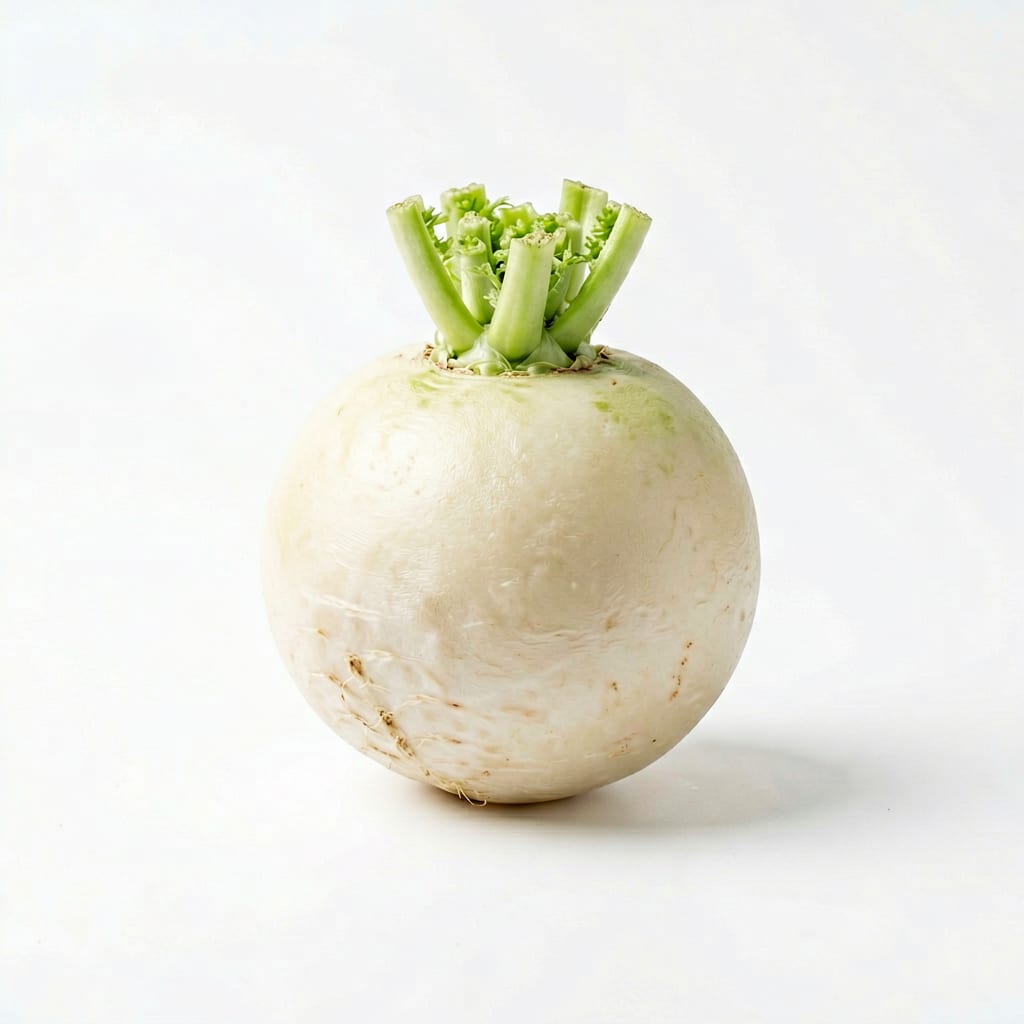
White Radish
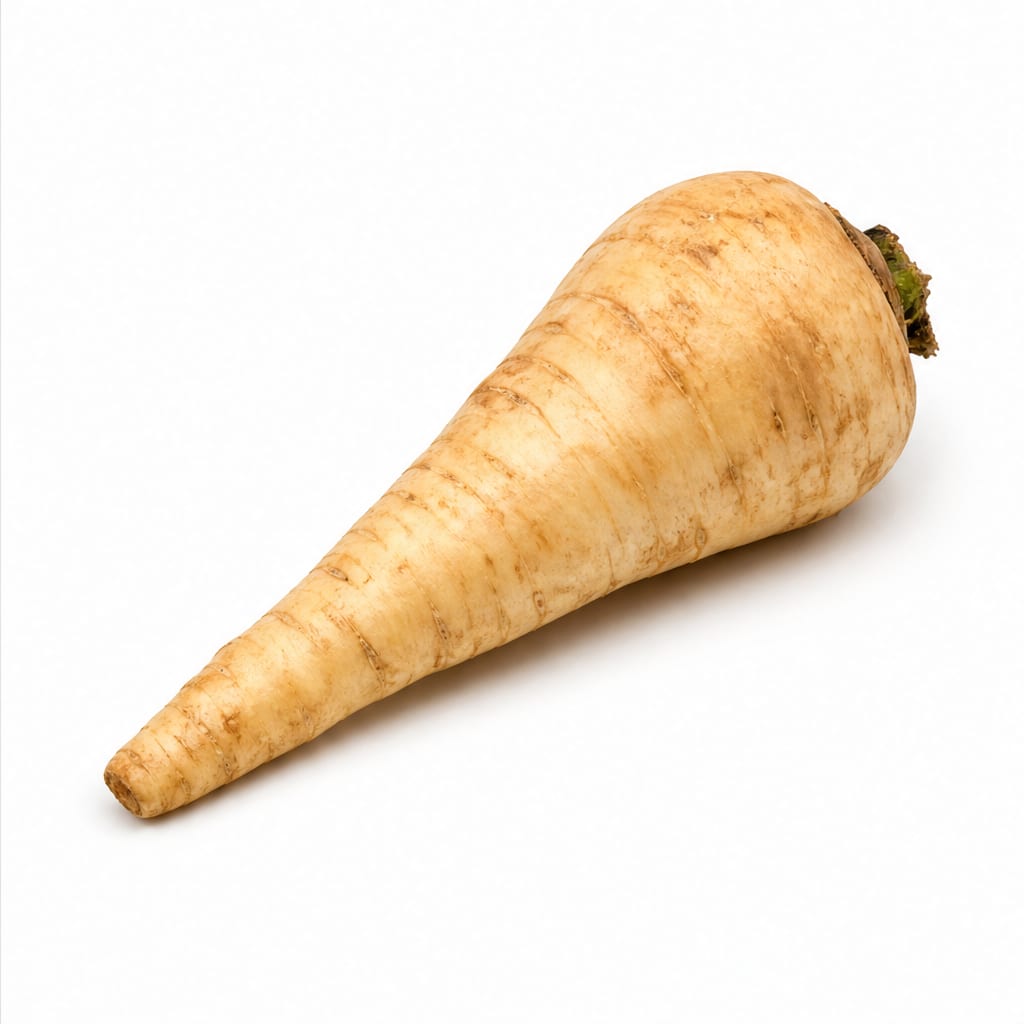
Parsnip
White Radish is the ultra-light, low-carb choice that barely moves the calorie counter. Parsnip is the hearty, fiber-rich option that actually satisfies hunger. Pick based on what your body needs right now.
Parsnip edges ahead slightly due to superior satiety, fiber, and micronutrient density. White Radish wins on blood sugar and calorie control but feels less complete as a standalone food. The close scores reflect that each serves very different dietary needs.
Calories and blood sugar control versus satiety and nutrient density — you cannot maximize both simultaneously with these two vegetables.
At a glance
Executive summary
Overall
It depends
Healthier
It depends
More practical
Parsnip
Daily use
It depends
Key comparison lenses
low carb vs nutrient dense root vegetable
White Radish is extremely low in calories and carbs while Parsnip offers more substance and nutrients per serving — a classic light vs filling tradeoff
blood sugar management
These two root vegetables have dramatically different glycemic impacts, making this critical for diabetics and metabolic health
weight loss satiety tradeoff
White Radish is nearly calorie-free but may not satisfy hunger, while Parsnip fills you up but carries more calories
digestive health
White Radish contains unique digestive enzymes while Parsnip offers substantial fiber — different paths to gut health
culinary versatility and practicality
Parsnip is more commonly used as a cooked staple, while White Radish shines raw or in Asian dishes
Best choice for
White Radish
- Strict low-carb or keto dieters
- People managing blood sugar spikes
- Those wanting maximum volume for minimum calories
- Anyone seeking digestive enzyme support after heavy meals
- Raw snack enthusiasts
Parsnip
- Active people needing sustained energy
- Those who find light vegetables unsatisfying
- Anyone wanting a filling side dish without grains
- People needing more folate and potassium
- Comfort food lovers wanting a healthier swap for potatoes
Least suitable for
White Radish
- People who need calorie-dense foods to maintain weight
- Those looking for a satisfying main carbohydrate source
- Anyone unfamiliar with its peppery, slightly bitter flavor
Parsnip
- Strict keto followers (too many carbs)
- People carefully managing blood sugar spikes
- Those on very low-calorie diets
Deep comparison
Dimension by dimension
Each lens scores both foods and breaks down who each option suits.
- Dimension 1 · Priority 93White Radish
Caloric Efficiency and Weight Management
White Radish · 95Parsnip · 52White Radish delivers huge volume for almost no calories. Parsnip is four times more calorie-dense, which adds up quickly in meals.
Tradeoff
You get near-zero calories with White Radish but virtually no sustained energy. Parsnip costs more calories but actually fuels your body.
Why it matters
If you are actively losing weight, White Radish lets you eat generously without budgeting. If you need energy for activity, Parsnip pays you back for those calories.
Real-world impact
A full cup of sliced White Radish costs you about 18 calories — you can snack freely. A cup of Parsnip runs about 100 calories, which requires more planning.
White Radish
- Aggressive calorie cutting
- Volume eating strategies
- Late-night snacking without guilt
Better for
- Anyone struggling to eat enough
- People who feel hungry right after light meals
Worse for
Parsnip
- Maintaining energy during active days
- Preventing under-eating
- Athletes needing carb sources
Better for
- Strict calorie counters
- Those prone to overeating calorie-dense foods
Worse for
- Dimension 2 · Priority 90White Radish
Blood Sugar Stability
White Radish · 92Parsnip · 48White Radish has minimal impact on blood sugar. Parsnip, while a whole food, contains enough natural sugars and starches to cause a noticeable rise.
Tradeoff
Choosing White Radish keeps your blood sugar flat but gives you no energy reserve. Parsnip provides usable energy at the cost of a glycemic response.
Why it matters
For anyone with insulin resistance, prediabetes, or diabetes, this difference is significant. For healthy active people, Parsnip's glycemic load is manageable.
Real-world impact
After eating White Radish, your blood sugar barely moves. After Parsnip, expect a moderate rise — not a crash, but noticeable if you are monitoring.
White Radish
- Type 2 diabetes management
- Insulin resistance reversal
- Ketogenic diet adherence
- Steady energy without crashes
Better for
- Situations requiring quick energy
- Recovery after intense exercise
Worse for
Parsnip
- Post-workout glycogen replenishment
- People who tolerate carbs well
- Endurance athletes needing fuel
Better for
- Blood sugar-sensitive individuals
- Evening meals when sedentary
Worse for
- Dimension 3 · Priority 87Parsnip
Fiber and Satiety
White Radish · 40Parsnip · 88Parsnip delivers nearly five times the fiber of White Radish, making it genuinely filling. White Radish fills your stomach with water weight that fades quickly.
Tradeoff
Parsnip keeps you full for hours but costs more calories. White Radish feels light and refreshing but hunger returns fast.
Why it matters
Satiety is the single biggest factor in whether you stick to a eating plan. Foods that leave you hungry lead to snacking and overeating later.
Real-world impact
A Parsnip side dish with dinner can keep you satisfied until morning. White Radish as a snack will likely have you reaching for something else within an hour.
White Radish
- Light appetizers before a main course
- Refreshing palate cleansers
- When you want to eat without feeling heavy
Better for
- People who need meals to last
- Anyone prone to late-night hunger
Worse for
Parsnip
- Staying full between meals
- Reducing overall snacking frequency
- Building satisfying meals without processed carbs
Better for
- Those who prefer eating light
- People who feel sluggish after fibrous meals
Worse for
- Dimension 4 · Priority 82Parsnip
Micronutrient Density
White Radish · 55Parsnip · 82Parsnip packs more folate, potassium, and B vitamins per serving. White Radish offers vitamin C and some unique compounds but less overall nutritional breadth.
Tradeoff
Parsnip gives you more total nutrition per bite. White Radish provides specific benefits like digestive enzymes and glucosinolates that Parsnip lacks.
Why it matters
If you eat limited variety, Parsnip contributes more to covering your nutritional bases. White Radish shines as a targeted functional food rather than a broad nutrient source.
Real-world impact
Regular Parsnip consumption supports heart health and cell repair through potassium and folate. White Radish supports liver function and digestion through its unique enzyme profile.
White Radish
- Digestive enzyme support
- Liver detoxification pathways
- Vitamin C in a low-calorie package
Better for
- Meeting daily mineral requirements
- Broad-spectrum nutrient coverage
Worse for
Parsnip
- Folate needs (pregnancy, cell repair)
- Potassium for blood pressure
- B-vitamin support for energy metabolism
Better for
- Targeted digestive support
- Low-calorie nutrient sourcing
Worse for
- Dimension 5 · Priority 76White Radish
Digestive Tolerance and Comfort
White Radish · 80Parsnip · 62White Radish contains natural digestive enzymes that help break down food, especially fats. Parsnip's high fiber can cause bloating in sensitive people.
Tradeoff
White Radish actively aids digestion but its peppery compounds may irritate some stomachs. Parsnip feeds gut bacteria but can cause gas during adjustment.
Why it matters
After a heavy meal, White Radish can genuinely help you feel less sluggish. Parsnip builds long-term gut health but may cause short-term discomfort.
Real-world impact
Sliced White Radish after a rich dinner can reduce that heavy, bloated feeling. Adding Parsnip to your diet gradually lets your gut adapt to the fiber load.
White Radish
- Post-heavy-meal digestive relief
- People with sluggish digestion
- Traditional digestive aid use
Better for
- People with sensitive stomachs who find it irritating
- Those with acid reflux triggered by sharp flavors
Worse for
Parsnip
- Long-term gut microbiome support
- Prebiotic fiber intake
- Regular bowel habit improvement
Better for
- IBS sufferers sensitive to fermentable fibers
- Anyone increasing fiber too quickly
Worse for
- Dimension 6 · Priority 70Parsnip
Culinary Versatility and Enjoyment
White Radish · 58Parsnip · 75Parsnip integrates easily into Western cooking — roasts, soups, mashes. White Radish requires more specific culinary knowledge and pairs best with Asian flavors.
Tradeoff
Parsnip is the easier swap for potatoes and carrots. White Radish offers unique crunch and zing but feels out of place in many traditional recipes.
Why it matters
The best healthy food is one you actually enjoy cooking and eating repeatedly. Parsnip fits seamlessly into familiar comfort food. White Radish asks you to learn new recipes.
Real-world impact
Roasted Parsnip is an easy weeknight side. White Radish takes more thought — pickled, in salads, or in Asian soups — but rewards you with bright, refreshing flavor.
White Radish
- Raw crudité and salad applications
- Asian-inspired dishes
- Pickling and fermenting
- Refreshing summer recipes
Better for
- Traditional Western comfort food
- Quick weeknight cooking without recipe planning
Worse for
Parsnip
- Roasted vegetable medleys
- Hearty winter soups and stews
- Mashed as a potato alternative
- Comfort food makeovers
Better for
- Raw applications
- Light, refreshing dishes
Worse for
Timeline
Health impact over time
Short-term
Hours to days
White Radish
- Very low blood sugar impact after eating
- Light, non-sleepy feeling after meals
- Possible digestive relief after heavy or fatty foods
- Mild diuretic effect reducing water retention
Parsnip
- Moderate blood sugar rise providing usable energy
- Comforting fullness that reduces between-meal snacking
- Possible gas or bloating if your gut is not fiber-adapted
- Warming, satisfying sensation from cooked preparations
Long-term
Months to years
White Radish
- Consistent low-calorie intake supporting weight maintenance
- Ongoing digestive enzyme exposure supporting liver and gut function
- Glucosinolate compounds may offer cellular protection
- Risk of insufficient caloric intake if over-relied upon
Parsnip
- Improved bowel regularity from consistent fiber intake
- Better folate status supporting cell health and cardiovascular function
- Potassium contribution to healthy blood pressure over time
- Risk of gradual weight gain if portions are not managed
Risk profile
Safety & processing
Both White Radish and Parsnip are whole, unprocessed root vegetables you buy fresh. Neither carries meaningful additive concerns. The only processing risk comes from how you prepare them — deep frying either would change the health picture dramatically.
White Radish
Pesticide residue on skin
mediumRoot vegetables can retain soil pesticides. Peeling White Radish significantly reduces exposure, though you lose some fiber and nutrients near the skin.
Goitrogenic compounds
lowWhite Radish contains goitrogens that may interfere with thyroid function if consumed in extreme quantities raw. Cooking largely neutralizes this concern.
Parsnip
Pesticide residue on skin
mediumLike all root vegetables, Parsnip can carry pesticide residue. Peeling helps, and organic options are widely available.
Furanocoumarin phototoxicity
lowParsnip leaves and stems contain furanocoumarins that can cause skin reactions in sunlight. The root itself has minimal amounts, but handle the greens with care if gardening.
Wild parsnip confusion
mediumForaging for wild Parsnip is risky — it closely resembles toxic plants like water hemlock. Stick to store-bought Parsnip unless you are an expert forager.
Who wins for whom
Audience fit
Same foods, different winners depending on your goal.
children
ParsnipParsnip's natural sweetness and soft texture when cooked make it more kid-friendly. White Radish's peppery bite is often rejected by young palates.
daily consumption
It dependsWhite Radish daily works well for low-carb eaters and those managing blood sugar. Parsnip daily works better for active people needing sustained energy and fiber. Context determines the winner.
diabetes
White RadishWhite Radish has negligible impact on blood sugar, making it safe for diabetics. Parsnip's carbohydrate content requires more careful portion management.
elderly
ParsnipParsnip's soft cooked texture, folate content, and potassium support are valuable for older adults. White Radish's sharpness may be less appealing and its low calorie density is counterproductive for those at risk of under-eating.
muscle gain
ParsnipParsnip provides usable carbohydrates that support training energy and glycogen replenishment, which matters more for muscle gain than near-zero-calorie vegetables.
weight loss
White RadishWhite Radish provides maximum eating volume with minimal caloric cost, making it easier to maintain a calorie deficit without feeling deprived of food quantity.
Your move
Decision guide
Choose White Radish
- You are following a low-carb or ketogenic diet
- Blood sugar management is your top health priority
- You want a crunchy, refreshing snack that costs almost no calories
- You eat heavy meals and need digestive support
- You enjoy Asian cuisines where White Radish is a natural fit
Choose Parsnip
- You need satisfying, filling side dishes without relying on grains
- You are active and need carbohydrate fuel from whole food sources
- You want a potato alternative that offers more nutrients
- You struggle with constipation and need more fiber
- You prefer sweet, earthy comfort food flavors
Either works if
- You simply want more vegetable variety in your diet
- You are building a roasted root vegetable medley
- You have no specific blood sugar or calorie concerns
- You enjoy cooking and want to explore both flavors
Avoid both if
- You have a specific allergy to either vegetable
- You are on a very strict FODMAP elimination diet (both contain fermentable carbs)
- You are seeking high-protein foods — neither delivers meaningful protein
Final recommendation
Keep both in your rotation. Use White Radish when you need something light, refreshing, and blood-sugar-friendly — especially raw or in Asian dishes. Turn to Parsnip when you want something hearty, filling, and comforting — especially roasted or mashed. They solve different problems, and the healthiest approach uses each where it shines.
Practical
Consumer tips
- 1
Peel both vegetables if you are concerned about pesticide residue, though you lose some nutrients near the skin
- 2
Roast Parsnip with olive oil, salt, and rosemary for an easy potato alternative that tastes naturally sweet
- 3
Slice White Radish thin and pickle it with rice vinegar for a quick, refreshing condiment that lasts days in the fridge
- 4
Grate White Radish into salads for crunch without the calorie cost of nuts or croutons
- 5
Add Parsnip to soups in winter — it blends into creamy textures that feel indulgent without dairy
- 6
If White Radish tastes too sharp, try cooking it — heat mellows the peppery bite significantly
- 7
Start with small Parsnip portions if you are not used to high-fiber foods to avoid bloating
- 8
Choose firm, smooth specimens of both vegetables — soft spots mean they are past their prime