
Nutrition comparison
White Radish vs Carrot: Nutrition, Digestion, and Health Comparison
Compare white radish and carrot side by side. Carrots win on vitamin A and antioxidants while white radish excels for digestion, lower sugar, and calorie density. Find out which is better for your goals.
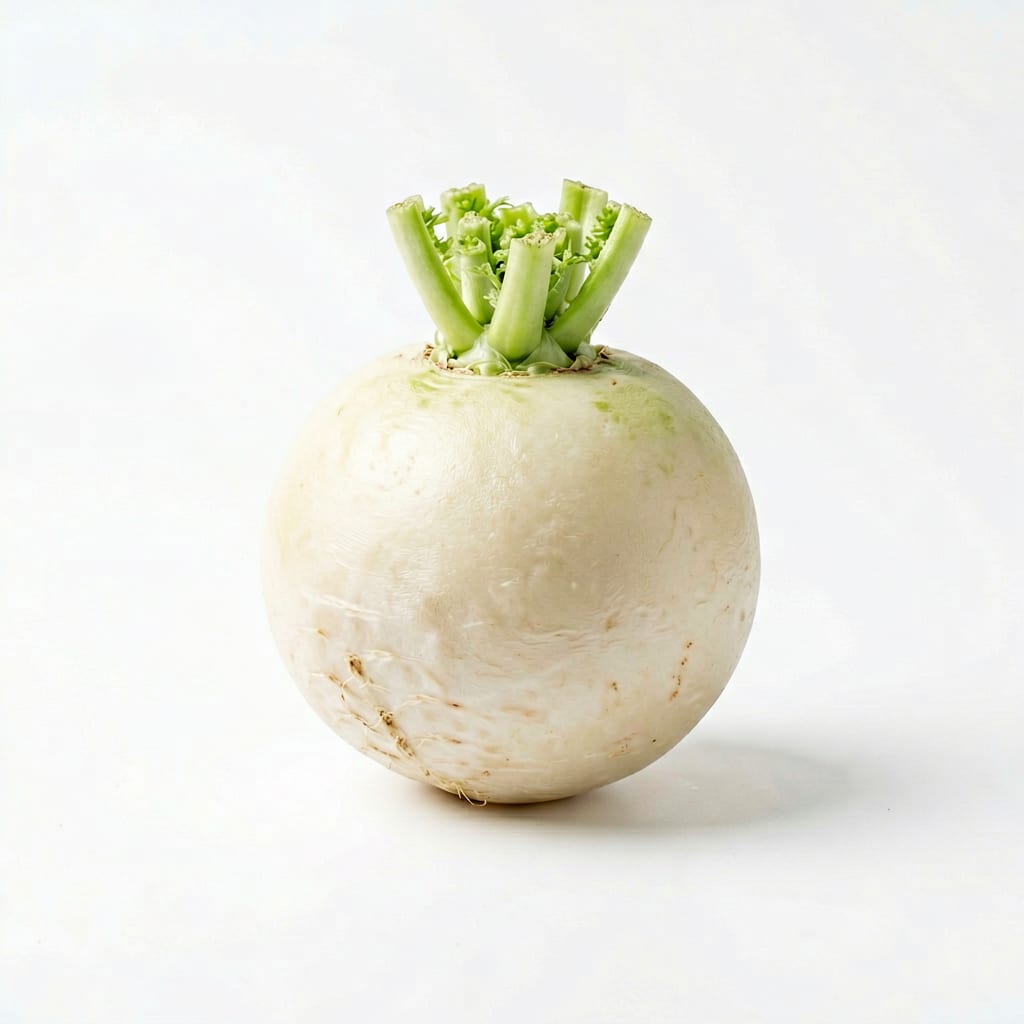
White Radish
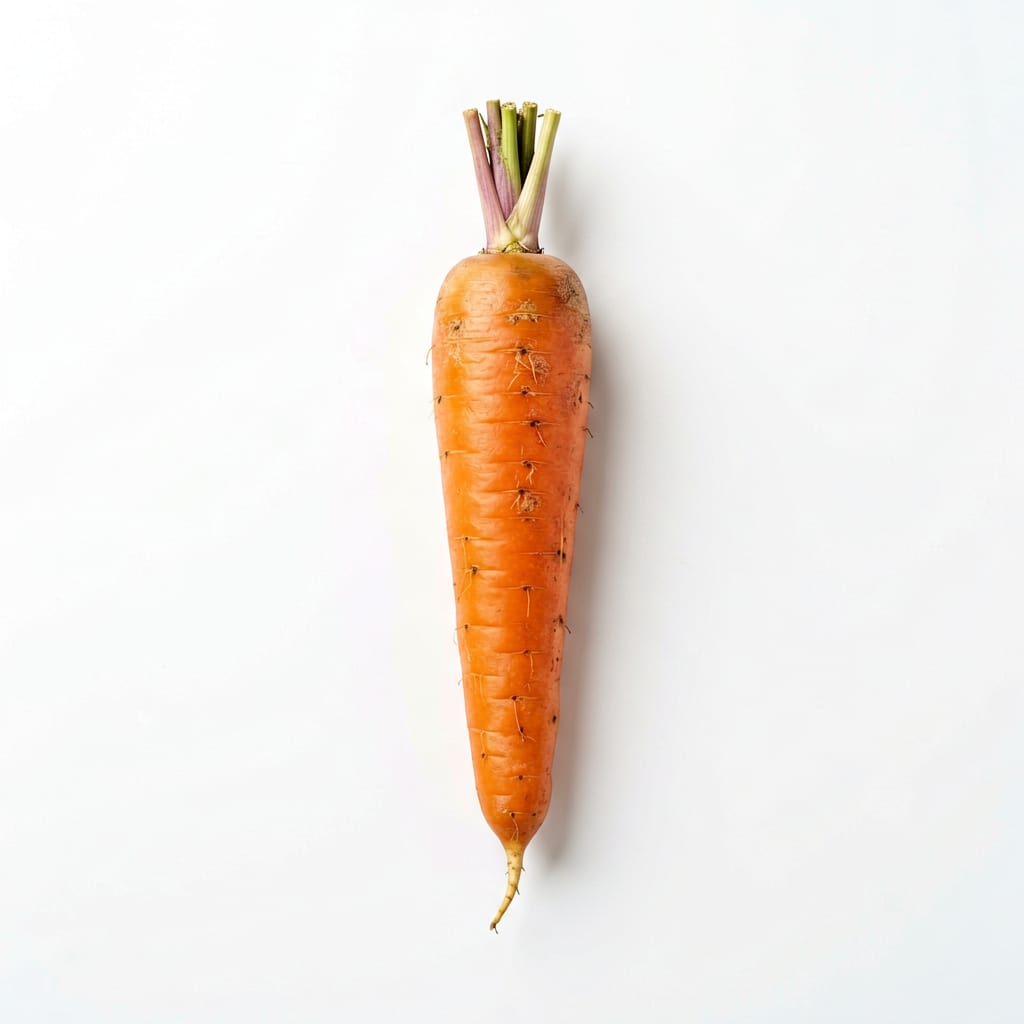
Carrot
Carrots win on vitamins and antioxidants; white radish wins on digestion and blood sugar. Both are excellent low-calorie roots serving very different health roles.
Carrots score higher overall due to their exceptional beta-carotene content and broader vitamin profile. White radish remains strong for digestion and blood sugar but has a narrower nutritional range.
You trade beta-carotene and natural sweetness for fewer calories, less sugar, and digestive enzymes.
At a glance
Executive summary
Overall
It depends
Healthier
It depends
More practical
Carrot
Daily use
Carrot
Key comparison lenses
vitamin A and eye health comparison
Carrots are famously rich in beta-carotene while white radish has almost none, making this the most dramatic nutritional gap between the two
weight management and calorie density
White radish is significantly lower in calories and sugar, making it a go-to for calorie-conscious eaters
digestive health and gut support
White radish contains unique digestive enzymes that carrots lack, which matters for people with bloating or sluggish digestion
blood sugar impact
White radish has far less natural sugar, making it gentler on blood glucose
antioxidant diversity
Carrots offer carotenoids while white radish provides glucosinolates — different antioxidant families with different benefits
Best choice for
White Radish
- People managing blood sugar or diabetes
- Anyone seeking digestive relief after heavy meals
- Those on very low-calorie diets
- People who want a crunchy, hydrating snack with almost no sugar
Carrot
- Anyone needing more vitamin A for eye and skin health
- Children who prefer sweet-tasting vegetables
- People wanting antioxidant-rich additions to meals
- Those who cook frequently and need a versatile root vegetable
Least suitable for
White Radish
- People with thyroid issues who consume large amounts raw (goitrogenic concern)
- Anyone looking for significant vitamin A intake
- Those who dislike peppery or pungent flavors
Carrot
- People strictly limiting sugar intake even from whole foods
- Those on very low-carb or keto diets tracking every gram
- People with carotenemia concerns who already eat lots of orange vegetables
Deep comparison
Dimension by dimension
Each lens scores both foods and breaks down who each option suits.
- Dimension 1 · Priority 92Carrot
Vitamin A and Eye Health
White Radish · 5Carrot · 95Carrots are one of the best plant sources of beta-carotene, which your body converts to vitamin A. White radish has virtually none.
Tradeoff
Choosing white radish means missing out on a major vitamin A source that supports vision, skin, and immune function.
Why it matters
Vitamin A deficiency is surprisingly common worldwide. Carrots make it easy to hit daily targets from a single food.
Real-world impact
Eating a medium carrot covers over 100% of your daily vitamin A needs. You would need to eat an impossible amount of white radish to match that.
White Radish
- Night vision support
- Meeting vitamin A needs without supplements
Worse for
Carrot
- Eye health maintenance
- Skin repair and glow
- Immune resilience during cold season
Better for
- Dimension 2 · Priority 80White Radish
Blood Sugar and Glycemic Impact
White Radish · 90Carrot · 60White radish has roughly half the sugar of carrots and a lower glycemic load, making it noticeably gentler on blood glucose.
Tradeoff
Carrots bring natural sweetness but with it comes more sugar — still moderate, but relevant for strict blood sugar management.
Why it matters
For people with insulin resistance or diabetes, even small differences in sugar content from whole foods add up across meals.
Real-world impact
A cup of white radish has about 2g of sugar versus roughly 6g in a cup of carrots. That difference matters when snacking multiple times daily.
White Radish
- Stable energy without sugar spikes
- Diabetes-friendly snacking
- Keto and very low-carb meal plans
Better for
Carrot
- Strict glycemic control diets
- Pairing with high-carb meals without pushing sugar higher
Worse for
- Dimension 3 · Priority 82White Radish
Digestive Health
White Radish · 88Carrot · 62White radish contains diastase and amylase — digestive enzymes that help break down starches and ease bloating. Carrots lack these enzymes entirely.
Tradeoff
If you struggle with heavy meals or bloating, white radish is the clear winner. Carrots offer fiber but no enzymatic support.
Why it matters
Many people experience post-meal heaviness without realizing an enzyme-rich food could help. White radish is a traditional remedy in East Asian cuisines for exactly this reason.
Real-world impact
Eating a few slices of white radish after a heavy starch-heavy meal can reduce that stuffed, sluggish feeling within 20-30 minutes.
White Radish
- Post-meal bloating relief
- Breaking down heavy starch dishes
- Traditional digestive support
Better for
Carrot
- Steady fiber for regular bowel movements
Better for
- Enzyme-based digestive support
- Quick relief after overeating
Worse for
- Dimension 4 · Priority 75Carrot
Antioxidant Diversity
White Radish · 65Carrot · 82Carrots deliver carotenoids like beta-carotene and lutein. White radish offers glucosinolates and anthocyanins (especially in red-skinned varieties). Both are valuable but carrots cover more widely studied antioxidants.
Tradeoff
Carrots protect cells through carotenoid pathways while white radish supports detoxification through glucosinolates. Different mechanisms, both useful.
Why it matters
A diverse antioxidant intake protects against different types of cellular damage. Neither vegetable replaces the other.
Real-world impact
Eating both regularly gives you broader antioxidant coverage than loading up on just one.
White Radish
- Detoxification enzyme support
- Liver health pathways
Better for
- Broad-spectrum antioxidant coverage from a single vegetable
Worse for
Carrot
- UV and oxidative stress protection
- Skin aging defense
- Eye tissue protection
Better for
- Glucosinolate-based detox support
Worse for
- Dimension 5 · Priority 78White Radish
Calorie Density and Satiety
White Radish · 85Carrot · 68White radish is roughly half the calories per cup compared to carrots, making it one of the lowest-calorie vegetables available.
Tradeoff
Fewer calories means less energy per serving. For active people needing fuel, carrots provide more usable energy per bite.
Why it matters
If you snack on vegetables to manage weight, white radish lets you eat a larger volume for fewer calories.
Real-world impact
You can eat two cups of white radish for roughly the same calories as one cup of carrots — helpful for people who like volume eating.
White Radish
- Volume eating for weight loss
- Very low-calorie snacking
- Large portions without calorie guilt
Better for
- Sustained energy for physical activity
Worse for
Carrot
- Pre-workout energy from natural carbs
- Hiking or activity fuel
Better for
- Maximum volume per calorie
Worse for
- Dimension 6 · Priority 70Carrot
Culinary Versatility
White Radish · 60Carrot · 85Carrots work raw, roasted, steamed, juiced, in soups, stews, baked goods, and smoothies. White radish is more niche — excellent in Asian dishes but less universally adopted.
Tradeoff
White radish shines in specific cuisines but requires more culinary knowledge to use well. Carrots are nearly foolproof in any preparation.
Why it matters
The best vegetable for your health is the one you actually eat regularly. Carrots' versatility makes consistent consumption easier.
Real-world impact
Most households always have carrots on hand because they fit into almost any meal. White radish requires more intentional shopping and recipe planning.
White Radish
- East Asian and Indian cooking
- Pickling and fermenting
- Adding crisp texture without sweetness
Better for
- Quick weeknight cooking without recipes
- Broad cultural recipe compatibility
Worse for
Carrot
- Everyday meal prep
- Kid-friendly recipes
- Smoothies and juices
- Roasting and caramelizing
Better for
- Traditional Asian recipes calling for daikon
Worse for
Timeline
Health impact over time
Short-term
Hours to days
White Radish
- Reduced bloating after starchy meals due to digestive enzymes
- Very low calorie intake supporting immediate calorie deficit goals
- Mild diuretic effect reducing water retention
Carrot
- Quick beta-carotene boost supporting skin appearance within days
- Natural sweetness satisfying sugar cravings without junk food
- Moderate energy from natural carbs for afternoon slumps
Long-term
Months to years
White Radish
- Consistent digestive support reducing chronic bloating patterns
- Lower cumulative sugar intake benefiting metabolic health
- Glucosinolate compounds supporting liver detoxification pathways
Carrot
- Sustained vitamin A intake protecting vision as you age
- Carotenoid accumulation in skin providing mild UV protection
- Consistent fiber intake supporting regularity and gut microbiome diversity
Risk profile
Safety & processing
Both white radish and carrots are whole, minimally processed root vegetables typically eaten fresh with no additives. Neither raises processing concerns.
White Radish
Goitrogenic compounds when consumed raw in large amounts
mediumWhite radish contains goitrogens that can interfere with thyroid function if you eat very large quantities raw and have existing thyroid issues. Cooking significantly reduces this concern.
Pesticide residue on conventionally grown roots
lowRoot vegetables can carry soil pesticide residue. Peeling reduces exposure significantly.
Carrot
Pesticide residue
mediumCarrots consistently appear on pesticide concern lists because they grow underground and absorb soil chemicals. Peeling helps but does not eliminate all residue. Organic is preferable.
Carotenemia from excessive consumption
lowEating very large amounts of carrots daily can cause orange skin discoloration. It is harmless and reversible but can be alarming. Unlikely at normal intake levels.
Who wins for whom
Audience fit
Same foods, different winners depending on your goal.
children
CarrotCarrots' natural sweetness and bright color make them far more appealing to kids, and the vitamin A supports growing bodies.
daily consumption
CarrotCarrots' broader nutrient profile and culinary versatility make them easier to eat every day without recipe fatigue.
diabetes
White RadishLower sugar content and glycemic load make white radish gentler on blood glucose, though both are reasonable choices.
elderly
CarrotVitamin A for vision, fiber for regularity, and softer texture when cooked make carrots more suitable for aging bodies with common deficiencies.
muscle gain
CarrotCarrots provide more usable carbohydrates for training fuel and recovery, though neither is a significant protein source.
weight loss
White RadishHalf the calories per cup and virtually no sugar make white radish the better volume-eating choice for weight loss.
Your move
Decision guide
Choose White Radish
- You want digestive support after heavy or starchy meals
- You are managing blood sugar or following a low-carb diet
- You want maximum food volume for minimal calories
- You cook East Asian dishes regularly and want an authentic ingredient
- You are sensitive to even moderate natural sugar intake
Choose Carrot
- You want to boost your vitamin A intake for eye and skin health
- You need a kid-friendly vegetable that tastes pleasant raw
- You want a versatile vegetable that works in any cuisine or recipe
- You are active and need natural carbohydrate fuel
- You want broad antioxidant coverage from a single vegetable
Either works if
- You simply want more vegetables in your diet and enjoy both
- You are meal prepping and want crunchy raw options
- You want low-calorie snacks to replace processed foods
Avoid both if
- You have specific allergies to root vegetables
- You are on a very strict low-FODMAP diet and react to either
Final recommendation
Eat both if possible — they complement each other beautifully. Carrots cover your vitamin A and antioxidant needs while white radish handles digestion and blood sugar. If you must pick one, choose carrots for daily nutrition breadth and white radish for specific digestive or blood sugar goals.
Practical
Consumer tips
- 1
Buy organic carrots when possible — they consistently rank higher for pesticide residue among root vegetables
- 2
Peel both vegetables to reduce pesticide and soil contaminant exposure
- 3
Add white radish slices to heavy meals as a palate cleanser and digestive aid — this is a traditional practice in Japanese and Korean cuisine
- 4
Cook white radish if you have thyroid concerns — heat deactivates most goitrogens
- 5
Pair carrots with a fat source like hummus or olive oil — beta-carotene is fat-soluble and absorbs dramatically better with fat
- 6
Shred white radish into salads for crunch without sweetness — it works where carrots would make the dish too sweet
- 7
Store both vegetables in the crisper drawer without their leafy tops — the tops draw moisture from the roots and cause faster wilting
- 8
Try fermented white radish (like Korean kkakdugi) for probiotic benefits on top of the existing digestive enzyme advantages