
Nutrition comparison
White Radish vs Beetroot: Which Root Vegetable Is Better for You?
Compare White Radish and Beetroot nutrition, health benefits, and tradeoffs. Discover which is better for blood pressure, weight loss, diabetes, and daily use.
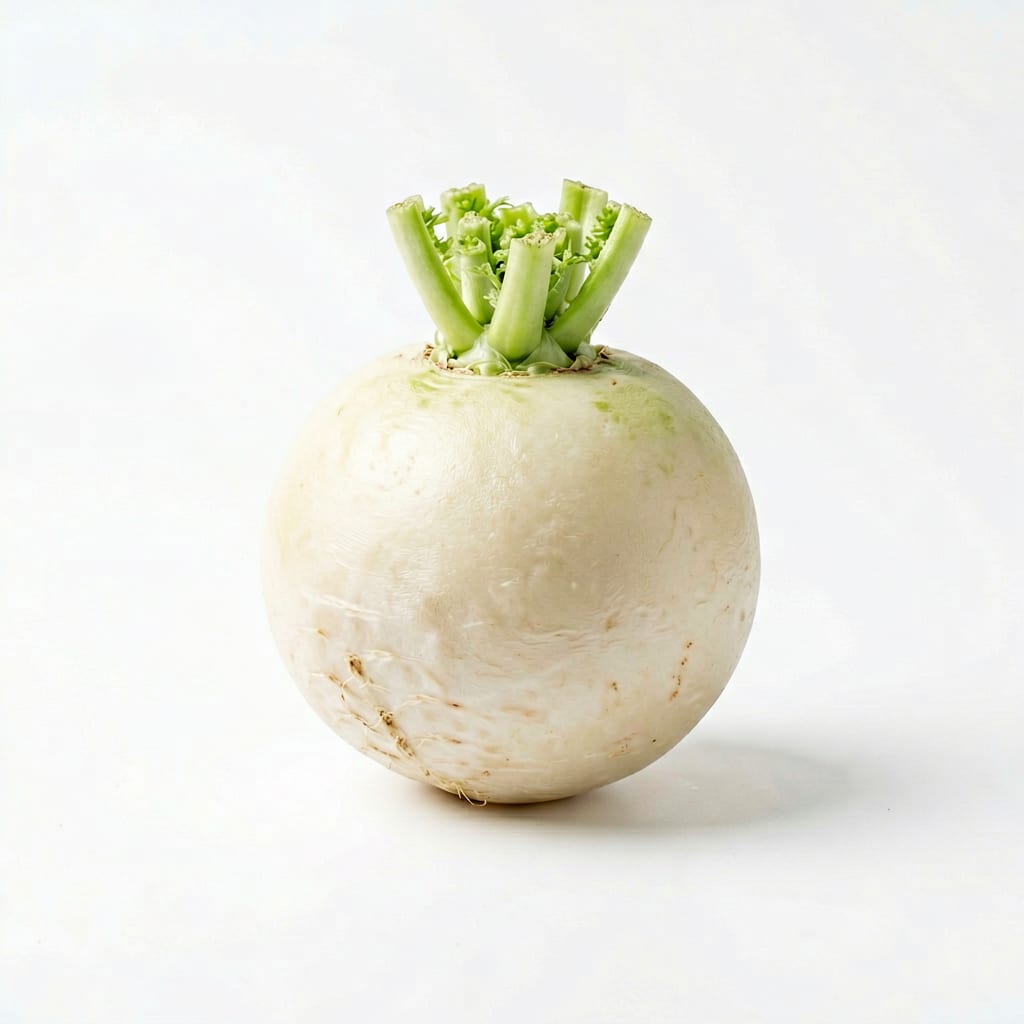
White Radish
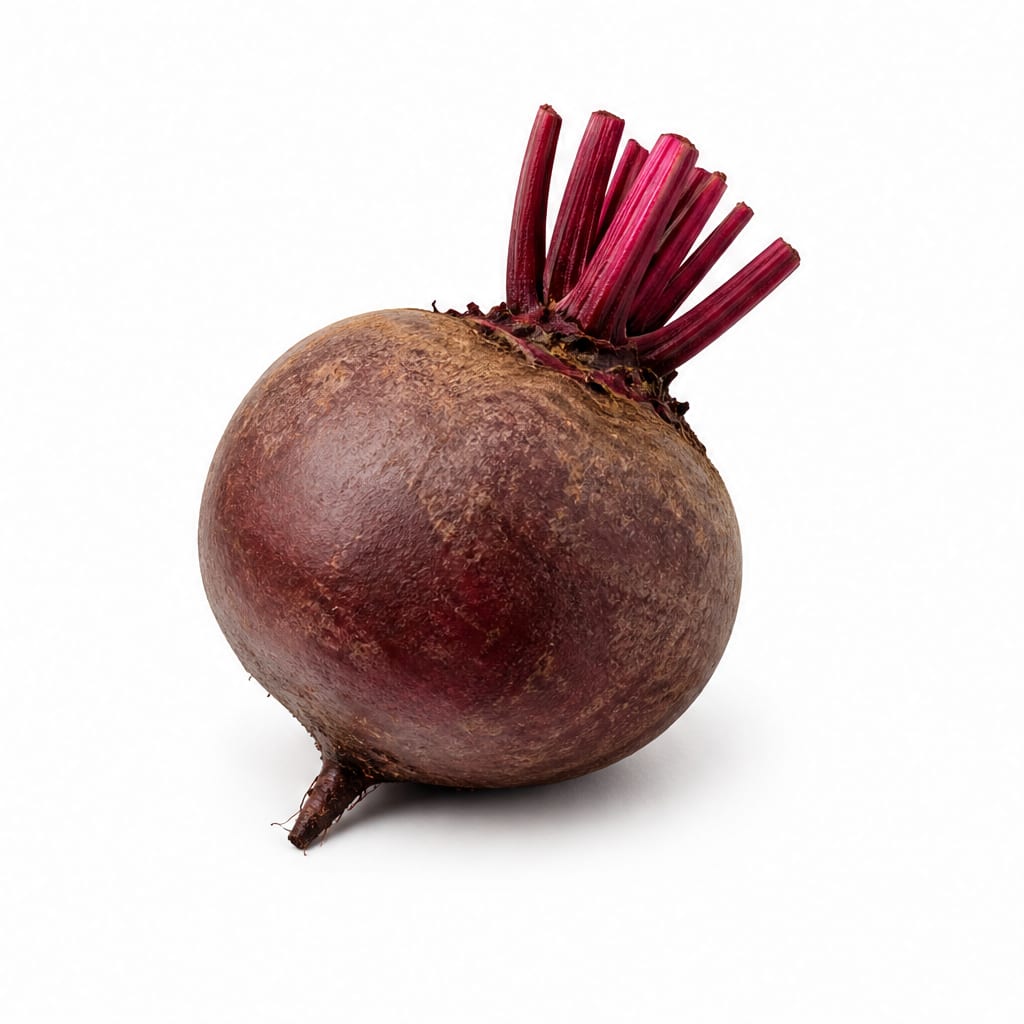
Beetroot
Beetroot is the performance and heart-health powerhouse; White Radish is the low-calorie, blood-sugar-friendly volume food. They serve completely different purposes.
Beetroot edges ahead due to its uniquely powerful nitrate content and richer micronutrient density, but White Radish wins for everyday low-impact eating, blood sugar control, and kidney safety. The close scores reflect that neither is universally better.
Beetroot gives you nitrates, folate, and antioxidants at the cost of more sugar and oxalates. White Radish gives you near-zero calories and digestive enzymes but lacks the dramatic cardiovascular benefits.
At a glance
Executive summary
Overall
It depends
Healthier
It depends
More practical
White Radish
Daily use
White Radish
Key comparison lenses
cardiovascular and blood pressure support
Beetroot's dietary nitrates are among the most potent natural blood pressure regulators, making this the headline difference between these two root vegetables
weight management and calorie efficiency
White Radish is dramatically lower in calories and sugar, making it a go-to for volume eating and weight loss strategies
blood sugar and diabetes friendliness
The sugar and carbohydrate gap between these vegetables is significant for anyone monitoring glucose
athletic performance and endurance
Beetroot juice is a well-studied ergogenic aid; White Radish offers no comparable performance benefit
kidney stone and oxalate risk
Beetroot contains notable oxalates while White Radish is essentially oxalate-free, a critical distinction for prone individuals
digestive comfort and gut health
White Radish contains digestive enzymes and is lighter on the stomach; Beetroot can cause bloating in sensitive people
Best choice for
White Radish
- People managing diabetes or blood sugar
- Anyone counting calories or volume eating
- Those prone to kidney stones
- People with sensitive digestion who find Beetroot bloating
- Anyone wanting a crunchy, hydrating low-cal snack
Beetroot
- People focused on lowering blood pressure naturally
- Athletes seeking endurance performance gains
- Anyone needing more folate (pregnancy preparation)
- People wanting potent anti-inflammatory antioxidants
- Those with iron deficiency concerns
Least suitable for
White Radish
- Athletes looking for ergogenic performance benefits
- People who need calorie-dense nourishment
- Anyone seeking significant folate intake from vegetables
Beetroot
- People with a history of calcium oxalate kidney stones
- Those strictly limiting sugar or carbohydrates
- People on low-FODMAP diets (Beetroot can be triggering)
- Anyone disturbed by harmless but surprising red urine coloration
Deep comparison
Dimension by dimension
Each lens scores both foods and breaks down who each option suits.
- Dimension 1 · Priority 92Beetroot
cardiovascular_and_blood_pressure_benefits
White Radish · 30Beetroot · 93Beetroot is one of the best natural sources of dietary nitrates, which convert to nitric oxide and meaningfully lower blood pressure. White Radish has no comparable mechanism.
Tradeoff
You gain a clinically significant blood pressure benefit from Beetroot, but you accept more sugar and oxalates to get it.
Why it matters
For the roughly 1 in 3 adults with elevated blood pressure, regular Beetroot consumption can produce measurable reductions within hours of intake.
Real-world impact
A daily glass of beetroot juice or a roasted beet salad can meaningfully complement blood pressure management, while White Radish simply cannot fill this role.
White Radish
- People whose blood pressure is already well-managed and don't need the extra nitrate boost
Better for
- Those specifically seeking natural blood pressure support from their vegetables
Worse for
Beetroot
- Anyone with hypertension or prehypertension
- Older adults concerned about vascular health
- People seeking a food-based approach to blood pressure support
Better for
- People on blood pressure medication who risk hypotension from combining drugs with high nitrate intake
Worse for
- Dimension 2 · Priority 85White Radish
calorie_efficiency_and_weight_management
White Radish · 94Beetroot · 62White Radish delivers massive volume and crunch for almost no calories. Beetroot is still relatively low-calorie but carries over twice the energy density.
Tradeoff
White Radish lets you eat freely without calorie awareness; Beetroot requires more portion mindfulness, especially if you are tracking closely.
Why it matters
For volume eaters who need physical fullness on a calorie budget, this difference is the difference between feeling satisfied and feeling deprived.
Real-world impact
You can eat an entire large White Radish for roughly 30 calories. The same weight in Beetroot costs you about 70 calories and more sugar.
White Radish
- Volume eaters who need large portions to feel full
- Anyone on a calorie deficit who wants guilt-free crunch
- People who snack mindlessly and need a low-consequence option
Better for
- Underweight individuals who need calorie-dense nourishment
Worse for
Beetroot
- People who need moderate calorie density to maintain weight
- Anyone finding very low-calorie foods unsatisfying
Better for
- Strict calorie counters who find the extra sugar and calories add up
Worse for
- Dimension 3 · Priority 80White Radish
blood_sugar_and_diabetes_friendliness
White Radish · 91Beetroot · 58White Radish has minimal sugar and almost no glycemic impact. Beetroot contains enough natural sugar to warrant attention from anyone monitoring glucose closely.
Tradeoff
Beetroot's sugar content is natural and moderate by normal standards, but for diabetics, it requires portion awareness that White Radish does not.
Why it matters
For the growing population with insulin resistance or diabetes, even vegetable sugar matters when consumed regularly.
Real-world impact
A diabetic can snack on White Radish freely throughout the day. With Beetroot, portion size and pairing with protein or fat becomes important.
White Radish
- People with type 2 diabetes
- Anyone with insulin resistance
- Those monitoring glycemic load closely
Better for
- Nobody — White Radish is essentially risk-free for blood sugar
Worse for
Beetroot
- Active individuals whose bodies handle the natural sugars without issue
Better for
- Diabetics who underestimate the sugar content in root vegetables
- People experiencing afternoon energy crashes from blood sugar spikes
Worse for
- Dimension 4 · Priority 78Beetroot
athletic_performance_and_endurance
White Radish · 15Beetroot · 88Beetroot is one of the most researched natural performance enhancers in sports nutrition. Dietary nitrates improve oxygen efficiency and delay fatigue. White Radish offers nothing comparable.
Tradeoff
The performance benefit requires consistent intake and adequate dose — a single serving of Beetroot won't transform your workout.
Why it matters
For recreational and competitive athletes alike, beetroot supplementation has shown 1-3% improvements in time-to-exhaustion, which is meaningful at any level.
Real-world impact
Runners, cyclists, and team sport athletes regularly use beetroot juice or concentrated shots as pre-workout nutrition. White Radish has no role in this conversation.
White Radish
- Sedentary individuals for whom athletic performance is irrelevant
Better for
- Athletes leaving a proven natural ergogenic aid off their plate
Worse for
Beetroot
- Endurance athletes seeking natural performance gains
- Recreational exercisers wanting to reduce perceived effort
- Anyone doing cardio who wants to go harder for longer
Better for
- People who assume one beet will magically transform their performance without consistent intake
Worse for
- Dimension 5 · Priority 75Beetroot
antioxidant_and_anti_inflammatory_profile
White Radish · 48Beetroot · 86Beetroot's betalains are rare, potent antioxidants with documented anti-inflammatory effects. White Radish has some isothiocyanates but a less impressive overall antioxidant profile.
Tradeoff
Beetroot's antioxidant richness comes with the oxalate baggage; White Radish is antioxidant-lighter but gentler on the kidneys.
Why it matters
Chronic inflammation underlies most modern disease. Food choices that meaningfully reduce inflammation compound over decades.
Real-world impact
Regular Beetroot consumption contributes measurable anti-inflammatory compounds. White Radish contributes some, but you would need to eat much more to match Beetroot's impact.
White Radish
- People who get plenty of antioxidants from other colorful vegetables already
Better for
- People relying on it as a primary antioxidant source
Worse for
Beetroot
- Anyone wanting to maximize anti-inflammatory food intake
- People with chronic inflammatory conditions
- Those who eat limited variety and need each vegetable to deliver more
Better for
- Those who cannot tolerate oxalates despite wanting the antioxidant benefits
Worse for
- Dimension 6 · Priority 72White Radish
kidney_stone_and_oxalate_safety
White Radish · 95Beetroot · 35White Radish is essentially oxalate-free. Beetroot is a moderate-to-high oxalate food, making it risky for anyone with a history of calcium oxalate kidney stones.
Tradeoff
If you have ever passed a kidney stone, Beetroot's oxalate content is a real concern that overrides most of its other benefits.
Why it matters
Kidney stones affect about 1 in 10 people and recurrence rates are high. Dietary oxalate management is a primary prevention strategy.
Real-world impact
A former kidney stone sufferer can eat White Radish daily with zero concern. Beetroot requires caution, portion limits, and possibly avoidance.
White Radish
- Anyone with a personal or family history of kidney stones
- People on low-oxalate diets
- Those who want worry-free vegetable consumption
Better for
- Nobody — this is a clear safety advantage
Worse for
Beetroot
- People with no kidney stone history and normal oxalate processing
Better for
- Kidney stone formers who may not realize Beetroot is a high-oxalate food
Worse for
- Dimension 7 · Priority 68White Radish
digestive_comfort_and_gut_tolerance
White Radish · 78Beetroot · 55White Radish contains natural digestive enzymes like diastase and is traditionally used to soothe digestion. Beetroot can cause bloating and is a moderate FODMAP food.
Tradeoff
White Radish actively aids digestion for many people; Beetroot can trigger discomfort in those with IBS or FODMAP sensitivity.
Why it matters
Even the most nutritious food is counterproductive if it leaves you bloated and uncomfortable afterward.
Real-world impact
After a heavy meal, sliced White Radish is a traditional digestive aid in many Asian cultures. Beetroot after the same meal might worsen bloating for sensitive individuals.
White Radish
- People with IBS or FODMAP sensitivity
- Anyone who experiences bloating from Beetroot
- Those who appreciate a post-meal digestive aid
Better for
- People who find its peppery bite irritating to a sensitive stomach
Worse for
Beetroot
- People with iron-deficiency anemia who tolerate it well
Better for
- FODMAP-sensitive individuals
- People prone to post-meal bloating
Worse for
Timeline
Health impact over time
Short-term
Hours to days
White Radish
- Very gentle on blood sugar with virtually no glycemic spike
- Mild diuretic effect that reduces water retention
- Digestive enzyme support after heavy meals
- Refreshing hydration from high water content
Beetroot
- Measurable blood pressure drop within hours of consuming nitrates
- Potential beeturia — harmless red or pink urine that surprises many people
- Possible bloating or gas in FODMAP-sensitive individuals
- Mild energy boost from natural sugars and improved blood flow
Long-term
Months to years
White Radish
- Consistent low-calorie intake supports sustainable weight management
- Minimal oxalate exposure protects kidney health over decades
- Isothiocyanate compounds may offer modest cancer-protective effects
- Very low sugar intake supports metabolic health long-term
Beetroot
- Sustained blood pressure reduction with regular consumption
- Betalain antioxidants compound anti-inflammatory benefits over time
- Folate supports cellular repair and is critical for pregnancy preparation
- Oxalate accumulation risk increases for susceptible individuals with habitual high intake
Risk profile
Safety & processing
Both White Radish and Beetroot are whole, unprocessed root vegetables typically consumed in their natural state. Neither carries meaningful processing concerns when purchased fresh. The main caution is with pickled or canned versions, which may add sodium, sugar, or preservatives.
White Radish
goitrogenic_compounds
lowRaw White Radish contains goitrogens that could theoretically affect thyroid function in very large amounts, but cooking neutralizes most of this risk and normal intake is safe.
pesticide_residue_on_skin
lowAs a root vegetable grown in soil, peeling or thorough washing is advisable. Conventional White Radish may carry surface pesticide residue.
Beetroot
oxalate_accumulation_and_kidney_stones
mediumBeetroot contains moderate-to-high levels of oxalates. For people with a history of calcium oxalate kidney stones, regular consumption increases recurrence risk significantly.
beeturia_misinterpretation
lowRed or pink urine after eating Beetroot is harmless but can cause unnecessary alarm or be mistaken for blood in urine by those unaware of the effect.
blood_pressure_medication_interaction
mediumCombining Beetroot's nitrate-driven blood pressure lowering with antihypertensive medications could cause hypotension. Consult a doctor if on blood pressure drugs.
Who wins for whom
Audience fit
Same foods, different winners depending on your goal.
children
BeetrootBeetroot's natural sweetness and vibrant color make it more appealing to children, and its folate supports growing bodies. White Radish's peppery flavor is often rejected by kids.
daily consumption
White RadishWhite Radish's low sugar, zero oxalates, and gentle digestion make it safer and more sustainable for unrestricted daily use. Beetroot is best cycled or portioned.
diabetes
White RadishWhite Radish has negligible sugar and essentially zero glycemic impact, making it worry-free for blood sugar management. Beetroot requires portion monitoring.
elderly
BeetrootBeetroot's blood pressure benefits and folate content are especially valuable for older adults, provided they do not have kidney stone history.
muscle gain
BeetrootNeither is a muscle-building food, but Beetroot's nitrates improve workout performance and blood flow, indirectly supporting training quality and recovery.
weight loss
White RadishWhite Radish provides maximum eating volume and crunch for minimal calories, making it far easier to sustain a calorie deficit without feeling deprived.
Your move
Decision guide
Choose White Radish
- You are managing diabetes, insulin resistance, or blood sugar
- You have a history of kidney stones or are on a low-oxalate diet
- You want a guilt-free crunchy snack you can eat in large quantities
- You are on blood pressure medication and need to avoid nitrate interactions
- You experience bloating from Beetroot or other FODMAP foods
Choose Beetroot
- You want natural blood pressure support without medication
- You are an athlete seeking endurance and performance gains
- You are preparing for pregnancy and need more folate
- You want maximum antioxidant and anti-inflammatory impact from your vegetables
- You have no kidney stone history and tolerate oxalates well
Either works if
- You simply want more vegetable variety in your diet
- You have no specific health conditions that favor one over the other
- You enjoy both and can rotate them across different meals
Avoid both if
- You are on a very strict low-potassium diet for kidney disease — both contain moderate potassium
- You have a specific allergy to either vegetable, which is rare but possible
Final recommendation
Keep both in your rotation but assign them different jobs. Use Beetroot when you need its cardiovascular and performance magic — before workouts, as part of a heart-healthy meal plan, or when you want vibrant color and natural sweetness. Use White Radish as your everyday low-impact vegetable — for volume eating, blood sugar safety, digestive comfort, and kidney peace of mind. If you must pick only one for daily use, White Radish is the safer long-term staple. If you have a specific performance or blood pressure goal, Beetroot is the targeted tool.
Practical
Consumer tips
- 1
Roast Beetroot to concentrate its natural sweetness and mellow its earthy flavor — this also slightly reduces oxalate content
- 2
Slice White Radish thin and eat it raw with a pinch of salt as a refreshing low-calorie snack
- 3
If you have kidney stone concerns but want Beetroot's benefits, pair it with calcium-rich foods to bind oxalates in the gut before absorption
- 4
White Radish grated into salads adds crunch and a mild peppery kick without adding calories
- 5
Beetroot juice gives you the nitrate benefit in a more concentrated dose, but watch the sugar content — it adds up quickly
- 6
Do not be alarmed if Beetroot turns your urine or stool red — this is harmless beeturia and affects about 10-14% of people
- 7
Pickled versions of both vegetables are delicious but often very high in sodium — check labels if watching salt intake
- 8
White Radish is excellent in soups and stews where it absorbs flavors while adding volume without calories