
Nutrition comparison
White Radish vs Potato: Which Is Better for Blood Sugar, Weight Loss, and Energy?
Compare White Radish and Potato on blood sugar impact, calories, satiety, and nutrition. Find out which root vegetable fits your health goals better.
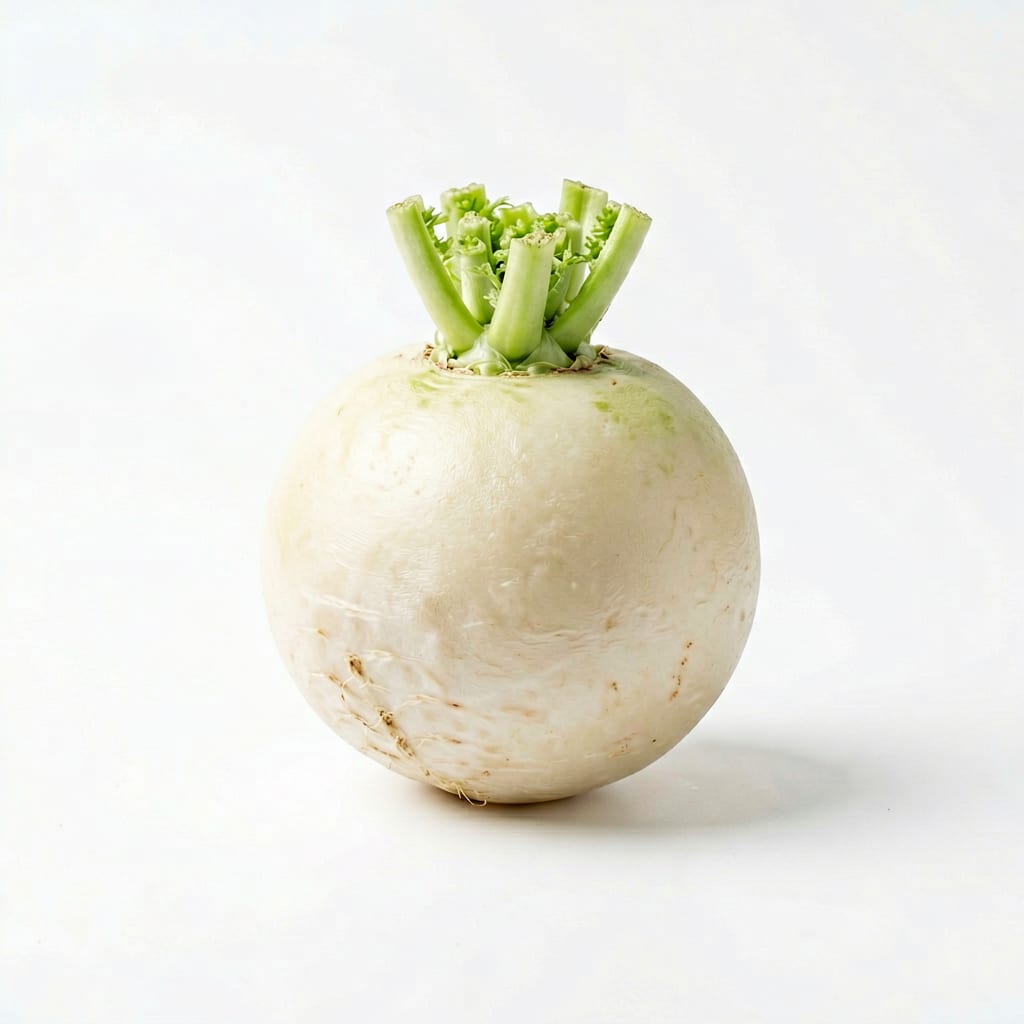
White Radish
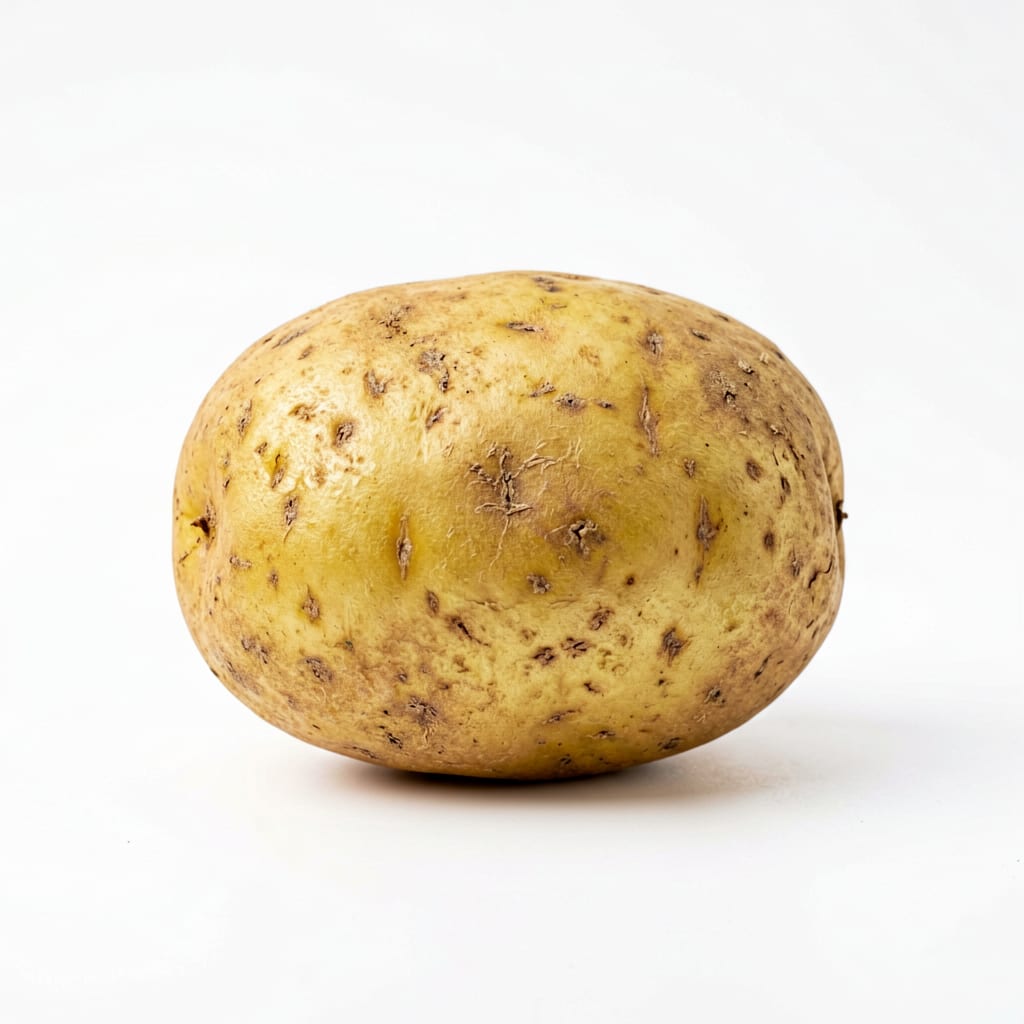
Potato
White Radish wins for blood sugar control and low-calorie eating, while Potato wins for sustained energy and meal satisfaction. They serve completely different roles on your plate.
White Radish scores slightly higher due to its metabolic advantages and lower health risks, but Potato's superior satiety and energy value keep it competitive. The close scores reflect that neither is universally better—they solve different problems.
You trade the filling, energizing carbs of Potato for the near-zero calorie crunch and digestive benefits of White Radish.
At a glance
Executive summary
Overall
It depends
Healthier
White Radish
More practical
Potato
Daily use
It depends
Key comparison lenses
blood sugar management
Potato is a high-glycemic starch while White Radish is nearly carb-free, making glycemic impact the starkest difference between these two
weight loss and calorie density
Users comparing a root vegetable with a starchy staple are often deciding between low-calorie volume eating and satisfying carb-based meals
meal role and satiety
Potato fills the 'staple carb' role on a plate while White Radish serves as a condiment or side, so they serve fundamentally different purposes
digestive comfort
White Radish contains digestive enzymes and is traditionally used to ease bloating, while Potato can cause issues for some due to resistant starch or nightshade sensitivity
Best choice for
White Radish
- People managing diabetes or insulin resistance
- Anyone counting calories who wants large portions
- Those seeking digestive relief after heavy meals
- Low-carb and keto dieters wanting a root vegetable experience
Potato
- Athletes needing carb fuel before or after training
- People on a budget needing affordable calories
- Anyone who needs a meal to actually feel filling
- Families wanting a versatile, kid-friendly staple
Least suitable for
White Radish
- Athletes in heavy training needing carb replenishment
- Underweight individuals seeking calorie density
- People with thyroid issues who consume large amounts of raw cruciferous vegetables
Potato
- People with poorly controlled diabetes
- Those on strict low-carb diets
- Anyone with nightshade sensitivities
Deep comparison
Dimension by dimension
Each lens scores both foods and breaks down who each option suits.
- Dimension 1 · Priority 92White Radish
Blood Sugar & Glycemic Impact
White Radish · 95Potato · 30White Radish has almost no impact on blood sugar. Potato spikes glucose significantly, especially when mashed or baked.
Tradeoff
Potato gives you quick energy but at the cost of a glucose spike. White Radish keeps blood sugar flat but provides no fuel.
Why it matters
If you are prediabetic, diabetic, or experience afternoon energy crashes, this difference is enormous.
Real-world impact
A baked Potato can raise blood sugar as much as white bread. White Radish will not move the needle at all.
White Radish
- Steady energy without crashes
- Diabetes management
- Reduced cravings after meals
Better for
- Not useful when you actually need carb energy
Worse for
Potato
- Quick post-workout glycogen replenishment
- Carb-loading before endurance events
Better for
- Afternoon slumps after a potato-heavy lunch
- Difficulty managing portion-driven blood sugar spikes
Worse for
- Dimension 2 · Priority 85Potato
Satiety & Fullness
White Radish · 35Potato · 88Potato is one of the most filling foods per calorie studied. White Radish is light and watery, leaving you hungry soon after.
Tradeoff
Potato keeps you full for hours but costs more calories. White Radish lets you eat a large volume but you will be hungry again quickly.
Why it matters
If you struggle with snacking between meals, satiety matters more than calorie count alone.
Real-world impact
A medium Potato with skin can keep you satisfied for 3-4 hours. A cup of sliced White Radish might not last an hour.
White Radish
- Large portion sizes without calorie guilt
- Crunchy snacking when you just want mouth volume
Better for
- Likely to feel hungry again within an hour
- Not substantial enough as a meal component on its own
Worse for
Potato
- Staying full between meals
- Reducing overall daily snacking
- Feeling satisfied after a proper meal
Better for
- Easy to overeat if prepared with butter or oil
Worse for
- Dimension 3 · Priority 88White Radish
Calorie Density & Weight Management
White Radish · 96Potato · 45White Radish has roughly 18 calories per cup. Potato has about 130 calories for a medium tuber. The difference is dramatic for volume eaters.
Tradeoff
You can eat mountains of White Radish for almost no calories, but you may never feel truly satisfied. Potato costs more calories but actually fills you up.
Why it matters
For pure weight loss, calorie density is king. But if low-calorie eating leaves you miserable, it backfires.
Real-world impact
You would need to eat 7 cups of raw White Radish to match the calories of one medium Potato.
White Radish
- Volume eating without calorie accumulation
- Raw snacking as a potato chip alternative
- Creating low-calorie sides for calorie-dense mains
Better for
- May lead to under-eating if relied on too heavily
Worse for
Potato
- Replacing higher-calorie staples like rice or pasta
- Getting more calories per dollar spent
Better for
- Calories add up fast with toppings like cheese, butter, or frying oil
Worse for
- Dimension 4 · Priority 72It depends
Digestive Health
White Radish · 78Potato · 75White Radish contains natural digestive enzymes and promotes bile flow. Potato offers resistant starch when cooled, which feeds gut bacteria.
Tradeoff
White Radish helps you digest other foods, especially fats. Cooled Potato feeds your microbiome but offers less immediate digestive aid.
Why it matters
If you feel bloated after heavy meals, White Radish is a traditional remedy. If you want long-term gut health, cooled Potato resistant starch is valuable.
Real-world impact
Eating White Radish alongside a rich meal can reduce that heavy, sluggish feeling. Potato salad made with cooled potatoes feeds beneficial gut bacteria.
White Radish
- Reducing bloating after fatty meals
- Traditional digestive support in Asian cuisine
- Mild natural detoxification support
Better for
- Raw cruciferous vegetables can cause gas in sensitive people
- Excessive intake may affect thyroid function
Worse for
Potato
- Resistant starch for microbiome health when cooked and cooled
- Gentle on the stomach when boiled or mashed
Better for
- Fried or heavily seasoned potatoes can trigger heartburn
- Nightshade sensitivity causes inflammation in some individuals
Worse for
- Dimension 5 · Priority 70Potato
Nutrient Density
White Radish · 55Potato · 72Potato delivers more total nutrition per serving, especially potassium, vitamin B6, and vitamin C. White Radish offers vitamin C and small amounts of folate but less overall.
Tradeoff
Potato has more nutrients but also more calories to get them. White Radish has fewer nutrients but a better nutrient-to-calorie ratio for some vitamins.
Why it matters
If you need potassium for blood pressure or cramping, Potato is genuinely one of the best sources available.
Real-world impact
One medium Potato provides about 620mg of potassium, nearly 15% of your daily need. White Radish provides a fraction of that.
White Radish
- Vitamin C with almost no caloric cost
- Glucosinolates with potential anti-cancer properties
Better for
- Lower overall mineral content compared to starchy root vegetables
Worse for
Potato
- Potassium for muscle function and blood pressure
- Vitamin B6 for brain and nerve health
- More total micronutrients per serving
Better for
- Nutrient density drops when deep-fried or loaded with toppings
Worse for
- Dimension 6 · Priority 68Potato
Culinary Versatility & Practicality
White Radish · 50Potato · 90Potato can be baked, mashed, roasted, boiled, or fried and works across every meal. White Radish is more niche, often pickled, raw, or in soups.
Tradeoff
Potato fits anywhere but can become a vehicle for unhealthy preparations. White Radish is less versatile but naturally steers you toward lighter cooking.
Why it matters
The food you can cook in more ways is the food you will actually eat consistently.
Real-world impact
Potato works as breakfast hash, lunch soup, dinner mash, or late-night baked snack. White Radish is mostly a condiment, salad addition, or soup ingredient.
White Radish
- Quick raw snacking with zero prep
- Pickling for probiotic benefits
- Adding crunch to salads and sandwiches
Better for
- Limited cooking methods that work well
- Not satisfying as a standalone meal base
Worse for
Potato
- Serving as a meal foundation
- Absorbing flavors from curries, stews, and roasts
- Feeding a family affordably
Better for
- Easy to default to unhealthy preparations like fries and chips
Worse for
Timeline
Health impact over time
Short-term
Hours to days
White Radish
- Very low blood sugar impact after eating
- Possible gas or bloating if eaten raw in large amounts
- Light, refreshing feeling rather than heaviness after meals
Potato
- Noticeable blood sugar rise within 30-60 minutes
- Comforting fullness that lasts hours
- Energy boost that may be followed by a mild crash if eaten alone
Long-term
Months to years
White Radish
- Consistent blood sugar stability with regular consumption
- Potential thyroid impact if consumed in extreme excess raw
- Low calorie intake may support weight maintenance effortlessly
Potato
- Improved potassium intake supporting cardiovascular health
- Risk of weight gain if preparation methods add significant fat
- Resistant starch from cooled potatoes may improve gut health over time
Risk profile
Safety & processing
Both White Radish and Potato are whole, unprocessed foods in their natural state. The processing concern with Potato comes from how it is prepared, not the vegetable itself. French fries and potato chips are ultra-processed, while boiled or baked potatoes remain minimally processed.
White Radish
Goitrogenic compounds
lowRaw White Radish contains goitrogens that may interfere with thyroid function, but this is only a concern with extreme daily consumption, especially in those with existing thyroid issues.
Pesticide residue
mediumAs a root vegetable grown in soil, White Radish can accumulate pesticide residues. Peeling or choosing organic reduces this risk.
Potato
Solanine toxicity from green potatoes
mediumGreen spots or sprouted potatoes contain solanine, a natural toxin that can cause nausea and headaches. Always cut away green areas and discard sprouted potatoes.
Acrylamide formation
mediumFrying or roasting Potato at high temperatures creates acrylamide, a probable carcinogen. Boiling and steaming avoid this risk entirely.
Pesticide residue
mediumPotatoes consistently appear on the Dirty Dozen list for pesticide residue. Peeling helps, but choosing organic is more effective.
Who wins for whom
Audience fit
Same foods, different winners depending on your goal.
children
PotatoKids need calorie-dense, satisfying foods for growth and energy. Potato is more palatable and filling for children, while White Radish's sharp flavor is often rejected.
daily consumption
It dependsPotato works as a daily staple for active people needing carb energy. White Radish works as a daily side for those managing blood sugar or weight. They serve different daily roles.
diabetes
White RadishWhite Radish has minimal impact on blood sugar, while Potato is a high-glycemic food that can cause significant glucose spikes.
elderly
It dependsPotato is easier to chew and digest when mashed, and provides needed potassium. White Radish aids digestion of other foods but may be too crunchy or sharp for some elderly individuals.
muscle gain
PotatoPotato provides the carbohydrate fuel needed for intense training and recovery, plus potassium that supports muscle function and prevents cramps.
weight loss
White RadishWhite Radish provides massive portion sizes for almost no calories, making it easier to maintain a calorie deficit without feeling deprived of volume.
Your move
Decision guide
Choose White Radish
- You are managing diabetes, prediabetes, or insulin resistance
- You want to eat large portions while losing weight
- You need digestive support alongside rich or fatty meals
- You follow a low-carb or keto approach but miss root vegetables
Choose Potato
- You are active and need carb fuel for performance
- You want meals that keep you full for hours
- You are on a tight budget and need affordable calories
- You are cooking for a family that needs satisfying food
Either works if
- You want variety in your root vegetable rotation
- You are generally healthy and eat a balanced diet
- You are building a soup or stew that could use either
Avoid both if
- You have severe IBS and are sensitive to both cruciferous vegetables and starches
- You are on a very strict elimination diet for autoimmune conditions that restricts nightshades and raw vegetables
Final recommendation
Use both strategically rather than choosing one. Let Potato be your energizing staple when you need fuel and fullness. Let White Radish be your blood-sugar-friendly side when you want volume without calories. The best plates include both a satisfying carb and a light, crunchy vegetable.
Practical
Consumer tips
- 1
Pair White Radish with fatty foods like salmon or pork to aid digestion of the fat
- 2
Cook Potato, then cool it in the fridge for 24 hours to create resistant starch that feeds gut bacteria and lowers glycemic impact
- 3
Choose organic for both vegetables since they grow in soil and tend to carry pesticide residue
- 4
If you love Potato but worry about blood sugar, pair it with protein and healthy fat to slow glucose absorption
- 5
Use White Radish slices as a low-carb substitute for crackers or chips when eating dips
- 6
Never eat green or sprouted Potato—cut those parts away or discard entirely to avoid solanine