
Nutrition comparison
White Radish vs Turnip: Which Root Vegetable Is Better for You?
Compare white radish and turnip nutrition, digestion benefits, and cooking versatility. Find out which root vegetable fits your health goals and meal plans better.
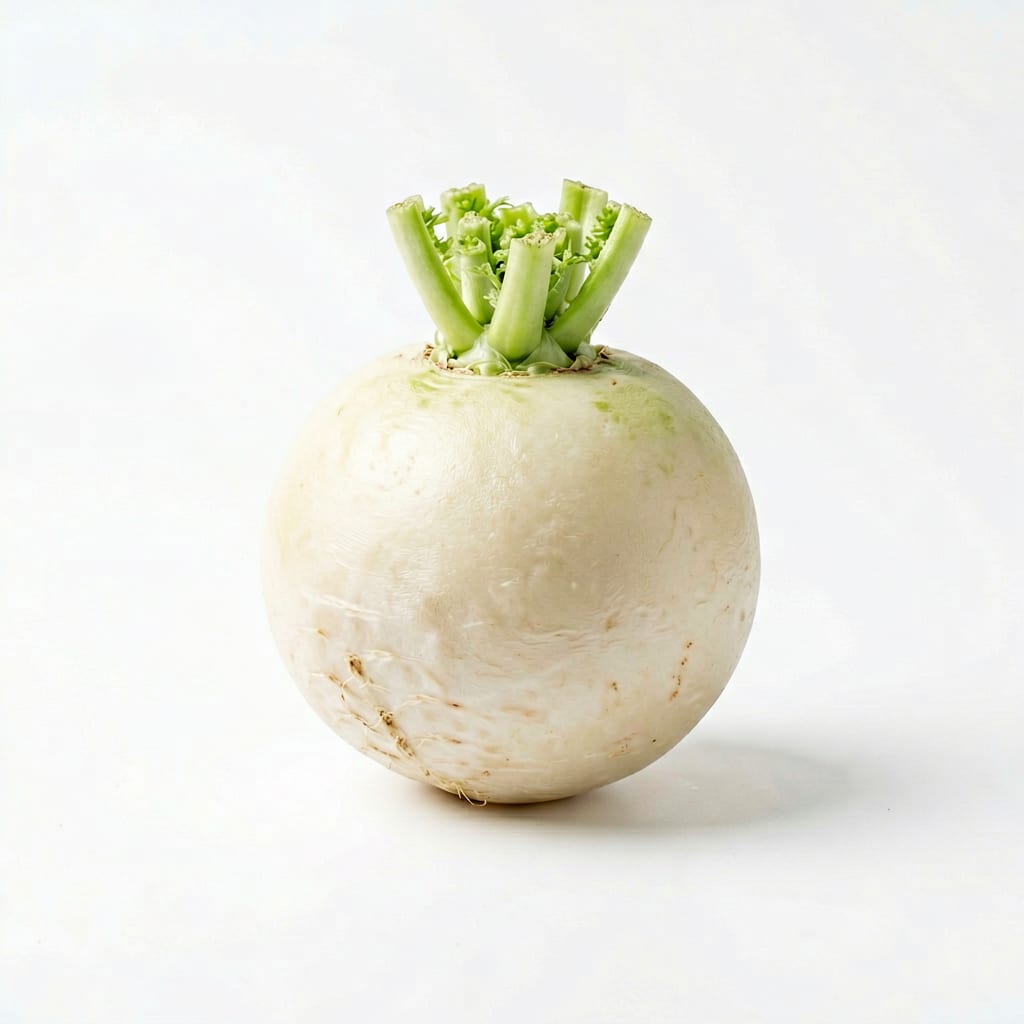
White Radish
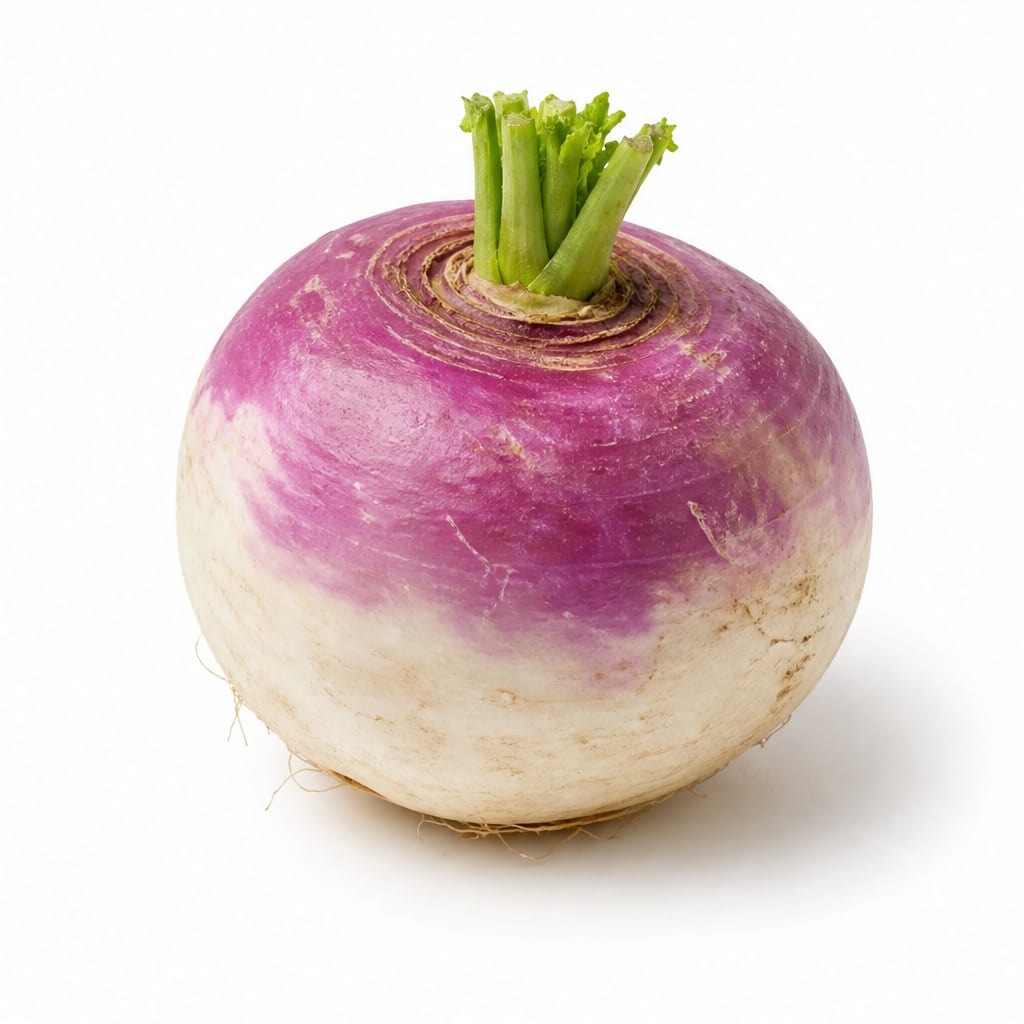
Turnip
White radish excels for digestion and raw snacking, while turnips win on cooking versatility and mineral variety. Pick based on how you eat them.
Turnips edge ahead slightly due to culinary flexibility and marginally better nutrient diversity, but white radish's digestive benefits keep it competitive. The close scores reflect that both are solid, low-calorie root vegetables with different strengths.
Digestive enzyme power and hydration from white radish versus broader cooking flexibility and slightly more nutrients from turnips.
At a glance
Executive summary
Overall
It depends
Healthier
It depends
More practical
Turnip
Daily use
Turnip
Key comparison lenses
digestive health and gut comfort
White radish contains unique digestive enzymes that turnips lack, making this a key differentiator for sensitive stomachs
culinary versatility and meal integration
Turnips tolerate more cooking methods and pair with wider cuisines, while white radish shines raw or in Asian dishes
weight management and low-calorie snacking
Both are extremely low calorie but white radish is slightly lighter and more hydrating per serving
blood sugar stability
Both are excellent for blood sugar, but subtle carb differences matter for strict diabetic management
nutrient diversity and mineral intake
Turnips offer slightly more calcium and varied nutrients, especially when greens are included
Best choice for
White Radish
- People with sluggish digestion or bloating after meals
- Raw snackers who want maximum crunch with minimal calories
- Anyone following Asian or Japanese-inspired diets regularly
- Those seeking a hydrating, refreshing vegetable in hot weather
Turnip
- Home cooks wanting one vegetable that roasts, mashes, and stews well
- People looking for slightly more filling side dishes
- Anyone wanting edible greens included with their root vegetable
- Those following European or comfort food cooking styles
Least suitable for
White Radish
- People with irritable bowel syndrome sensitive to cruciferous vegetables
- Those who dislike peppery or pungent flavors
- Cooks wanting a starchy mash substitute
Turnip
- People avoiding even moderate carbohydrate intake on strict keto
- Those wanting a purely raw, salad-friendly vegetable
- Anyone sensitive to slightly bitter flavor notes
Deep comparison
Dimension by dimension
Each lens scores both foods and breaks down who each option suits.
- Dimension 1 · Priority 92White Radish
digestive comfort and enzyme support
White Radish · 88Turnip · 62White radish contains diastase and amylase enzymes that actively help break down starches and fats, making it a natural digestive aid.
Tradeoff
You get real enzymatic support from white radish, but its pungency can irritate very sensitive stomachs. Turnips are gentler but offer no enzyme benefit.
Why it matters
If you feel heavy or bloated after starchy meals, white radish can genuinely help. Turnips are neutral here — neither helping nor harming digestion significantly.
Real-world impact
Eating a few slices of white radish after a heavy rice or pasta meal can reduce that stuffed feeling within 20-30 minutes. Turnips won't give you that same relief.
White Radish
- Post-meal bloating and heaviness
- Sluggish digestion after starchy foods
- Traditional digestive remedy use
Better for
- IBS flare-ups triggered by cruciferous vegetables
- Acid reflux worsened by sharp flavors
Worse for
Turnip
- Mild stomachs irritated by pungent foods
- People who prefer neutral-tasting sides with meals
Better for
- Situations where active digestive support is wanted
Worse for
- Dimension 2 · Priority 85Turnip
culinary versatility and ease of use
White Radish · 60Turnip · 84Turnips roast, mash, boil, stew, and even fry well. White radish is best raw, pickled, or in soups — it breaks down and loses texture with many cooking methods.
Tradeoff
Turnips handle almost any cooking method gracefully. White radish excels in fewer preparations but delivers unique texture and flavor when used correctly.
Why it matters
If you want one vegetable that works across your weekly meal plan without thinking, turnips adapt better. White radish requires more intentional recipe choices.
Real-world impact
You can toss turnips into a roast, a stew, or mash them like potatoes on a busy weeknight. White radish demands more planning — it shines in specific dishes but disappears into mush if overcooked.
White Radish
- Raw crudité and fresh salads
- Asian soups and hot pot dishes
- Quick pickling and fermenting
Better for
- High-heat roasting where texture matters
- Dishes requiring a starchy, creamy consistency
Worse for
Turnip
- Roasting alongside other root vegetables
- Mashing as a lower-carb potato alternative
- Stewing in hearty winter dishes
- Grilling or braising as a side
Better for
- Raw snacking where crispness and mild spice are desired
- Light, refreshing summer preparations
Worse for
- Dimension 3 · Priority 78White Radish
hydration and calorie density
White Radish · 90Turnip · 76White radish is roughly 95% water with only about 16 calories per 100g. Turnips are slightly denser at around 28 calories per 100g with less water content.
Tradeoff
White radish is the ultimate low-calorie hydrator but feels less filling. Turnips offer slightly more substance per serving, which can help with satiety.
Why it matters
For pure volume eating and hydration, white radish lets you eat more for fewer calories. For feeling actually satisfied after a meal, turnips do slightly better.
Real-world impact
You can eat an entire white radish as a snack for under 30 calories and feel refreshed but not full. A similar portion of turnip gives you more staying power but costs a few more calories.
White Radish
- Maximum volume eating on strict calorie budgets
- Hot weather hydration through food
- Crisp snacking without calorie concern
Better for
- Situations where you need the food to actually fill you up
Worse for
Turnip
- Meals where the vegetable needs to carry more satiety
- Active people needing slightly more energy from whole foods
Better for
- Extreme calorie restriction where every calorie counts
Worse for
- Dimension 4 · Priority 65Turnip
nutrient diversity and mineral content
White Radish · 64Turnip · 73Turnips contain slightly more calcium, fiber, and varied micronutrients. Their edible greens add significant vitamin K and folate if consumed. White radish offers more vitamin C per gram.
Tradeoff
Turnips give you a broader nutrient spread, especially with greens attached. White radish concentrates more on vitamin C but has a thinner nutritional profile overall.
Why it matters
If you eat a varied diet, the difference is minor. If these vegetables are a staple, turnips contribute more diverse minerals over time.
Real-world impact
Eating turnips with their greens a few times a week meaningfully boosts your vitamin K and calcium intake. White radish is good for vitamin C but doesn't fill as many nutritional gaps.
White Radish
- Vitamin C intake for immune support
- Potassium for blood pressure management
Better for
- Broad-spectrum mineral needs
Worse for
Turnip
- Calcium for bone health
- Fiber for regularity
- Vitamin K when greens are eaten too
- Overall micronutrient variety
Better for
- Situations where concentrated vitamin C matters most
Worse for
- Dimension 5 · Priority 72White Radish
blood sugar impact
White Radish · 92Turnip · 82Both are excellent for blood sugar, but white radish has fewer carbs and a marginally lower glycemic load. Turnips have slightly more natural sugars.
Tradeoff
The difference is small in practice. Both are safe for diabetic diets. White radish just has a slight edge for very strict glucose management.
Why it matters
For most people managing blood sugar, both work well. Only the most carb-sensitive individuals would notice the difference.
Real-world impact
Neither will spike your blood sugar meaningfully. A diabetic could enjoy either freely, but white radish gives slightly more margin for error on very low-carb plans.
White Radish
- Strict ketogenic diet tracking
- Very tight post-meal glucose control
- Diabetics counting every gram of carbohydrate
Better for
- Situations where the carb difference is negligible anyway
Worse for
Turnip
- General balanced diabetic meals where small carb differences don't matter
Better for
- Extremely carb-restricted protocols
Worse for
Timeline
Health impact over time
Short-term
Hours to days
White Radish
- Reduced bloating after starchy meals due to natural enzymes
- Refreshing hydration from high water content
- Possible mild stomach irritation if eaten in large quantities raw
- Quick feeling of lightness after eating
Turnip
- Mild satiety from slightly higher fiber and substance
- Gentle on digestion without irritation risk
- Slight energy from natural sugars, but no crash
- Comforting warmth when cooked in soups or stews
Long-term
Months to years
White Radish
- Consistent digestive support when eaten regularly with meals
- Low calorie intake supporting weight maintenance
- Vitamin C contribution to immune resilience over time
- Possible thyroid interaction if consumed in extreme excess raw
Turnip
- Steady fiber intake supporting gut health and regularity
- Calcium contribution to bone density when eaten regularly
- Broader micronutrient intake supporting overall health
- Same thyroid consideration with extreme raw consumption
Risk profile
Safety & processing
Both white radish and turnips are whole, unprocessed root vegetables. You're getting real food either way. The only processing concern would be if you encounter pickled white radish with added sodium or sugar — check labels on those.
White Radish
Goitrogenic compounds when raw
lowContains glucosinolates that can interfere with thyroid function, but only at extreme intake levels. Cooking reduces this significantly.
Pesticide residue on conventionally grown
mediumRoot vegetables can retain soil pesticides. Peeling reduces exposure. Buying organic further minimizes risk.
Turnip
Goitrogenic compounds when raw
lowSimilar to white radish, turnips contain glucosinolates. Moderate consumption is fine. Cooking neutralizes most concern.
Pesticide residue on conventionally grown
mediumTurnip greens especially can carry pesticide residue. Wash thoroughly or choose organic for the leafy portions.
Cross-reactivity for mustard allergy sufferers
lowTurnips belong to the brassica family. People with mustard allergies should exercise caution, though reactions are uncommon.
Who wins for whom
Audience fit
Same foods, different winners depending on your goal.
children
TurnipTurnips have a milder, slightly sweet flavor when cooked that children accept more easily than white radish's peppery bite.
daily consumption
TurnipTurnips integrate more easily into varied daily meals across cooking methods. White radish works daily too but in a narrower range of dishes.
diabetes
White RadishMarginally lower carbohydrate content and glycemic load give white radish a slight edge, but both are very diabetes-friendly options.
elderly
TurnipTurnips are easier to cook soft and digest gently. White radish's pungency and raw crunch can be harder on aging digestive systems.
muscle gain
It dependsNeither is significant for muscle building. Both are low-protein vegetables. Choose based on what fits your meal plan for adding bulk without excess calories.
weight loss
White RadishFewer calories per gram and higher water content make white radish slightly better for volume eating on a deficit, though both are excellent choices.
Your move
Decision guide
Choose White Radish
- You often feel bloated after meals and want a natural digestive aid
- You enjoy raw, crunchy snacks and want maximum hydration
- You cook Asian dishes regularly where white radish is a natural fit
- You're counting every calorie and want the lightest option possible
Choose Turnip
- You want a versatile vegetable that roasts, mashes, and stews beautifully
- You prefer gentle, comforting flavors over peppery sharpness
- You want edible greens included with your root vegetable purchase
- You cook European-style comfort food more often than Asian cuisine
Either works if
- You simply want a low-calorie, nutrient-dense vegetable to fill your plate
- You're managing blood sugar and need safe, low-glycemic options
- You enjoy variety and can rotate both through your weekly meals
Avoid both if
- You have a diagnosed thyroid condition and eat large quantities of raw cruciferous vegetables daily
- You're on a strict low-FODMAP diet during elimination phase, as both can trigger symptoms in sensitive individuals
Final recommendation
Keep both in your rotation. Use white radish raw or in Asian soups when you want digestive support and refreshing crunch. Turn to turnips when you need a comforting, cooked side dish that works with almost any preparation. If you must pick one for everyday use, turnips adapt to more meals — but you'd be missing out on white radish's unique enzyme benefits.
Practical
Consumer tips
- 1
Choose white radishes that feel heavy and firm with smooth skin — sponginess means they're past peak freshness
- 2
Smaller turnips are sweeter and more tender; large ones can become woody and bitter
- 3
Peel conventionally grown versions of both to reduce pesticide exposure, or buy organic if you want to eat the skin
- 4
Don't throw away turnip greens — they're more nutritious than the root itself and sauté beautifully with garlic
- 5
Slice white radish thinly and salt it for 10 minutes to mellow the peppery bite if it's too intense raw
- 6
Both vegetables store well in the crisper drawer for 1-2 weeks, but use turnip greens within a few days