
Nutrition comparison
White Radish vs Red Radish: Which Is Healthier for You?
Compare White Radish and Red Radish side by side. Discover which radish wins for digestion, antioxidants, snacking, and cooking versatility. Expert nutrition breakdown.
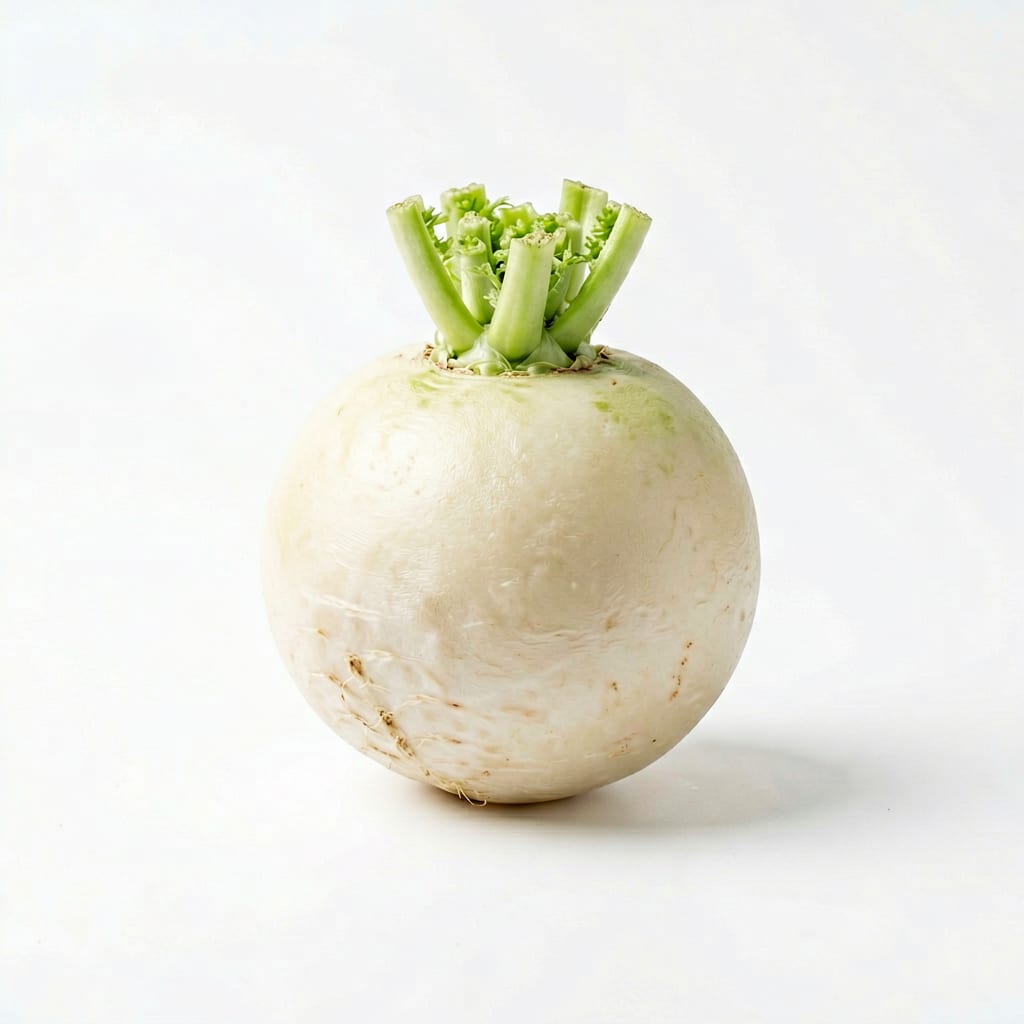
White Radish
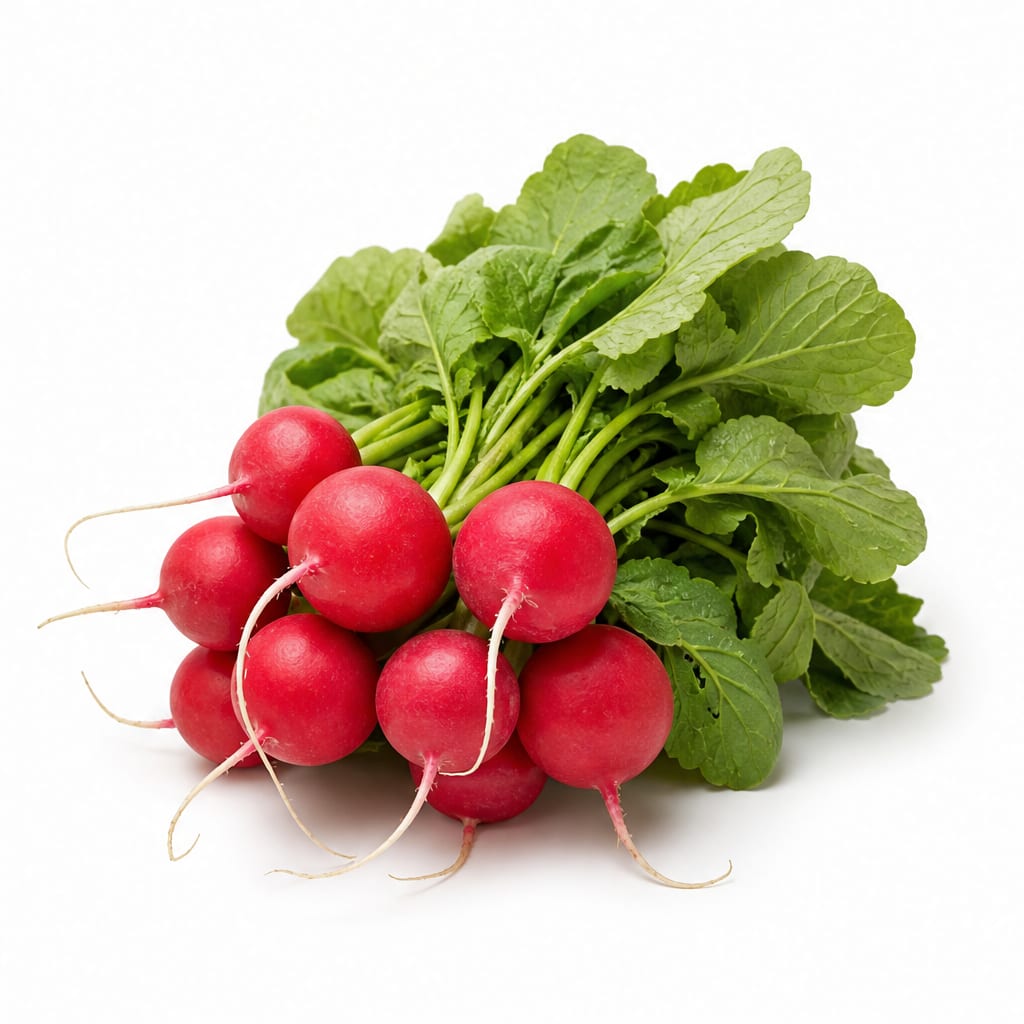
Red Radish
White Radish wins for cooking and digestion; Red Radish wins for raw snacking and antioxidants. They complement each other beautifully.
White Radish edges ahead slightly due to digestive enzyme content and cooking versatility, but Red Radish's antioxidant advantage keeps it competitive. The close scores reflect how context-dependent this choice truly is.
Red Radish delivers more antioxidants from its anthocyanin-rich skin, while White Radish offers superior digestive enzymes and cooking versatility.
At a glance
Executive summary
Overall
It depends
Healthier
It depends
More practical
White Radish
Daily use
White Radish
Key comparison lenses
antioxidant and phytonutrient comparison
Red Radish contains anthocyanins from its pigmented skin, while White Radish lacks these but offers different sulfur compounds
digestive health benefits
White Radish (daikon) is renowned for digestive enzymes that Red Radish has in smaller quantities
raw vs cooked versatility
White Radish excels cooked in soups and stews; Red Radish shines raw in salads and garnishes
everyday practical snacking
Users often wonder which radish works better as a quick crunchy snack
anti inflammatory potential
Both offer anti-inflammatory compounds but through different pathways
Best choice for
White Radish
- Cooked dishes like soups, stews, and stir-fries
- People with sluggish digestion or bloating after meals
- Those wanting a mild flavor that absorbs seasonings well
- Meal prep and batch cooking
- Traditional Asian remedy contexts
Red Radish
- Raw salads and crudité platters
- Maximizing antioxidant intake from anthocyanins
- Quick snacking with bold peppery flavor
- Visual appeal and garnishing dishes
- Low-effort crunch cravings
Least suitable for
White Radish
- Quick raw snacking — too large and mild for casual munching
- Dishes where vibrant color matters
- People who dislike preparing larger vegetables
Red Radish
- Long-cooked dishes — loses texture and color quickly
- Those sensitive to peppery or spicy flavors
- Bulk cooking — too small and fiddly to peel and prep in quantity
Deep comparison
Dimension by dimension
Each lens scores both foods and breaks down who each option suits.
- Dimension 1 · Priority 92Red Radish
antioxidant_power
White Radish · 55Red Radish · 85Red Radish delivers significantly more antioxidants thanks to anthocyanins in its red-purple skin.
Tradeoff
You gain potent antioxidants with Red Radish but lose the digestive enzyme density of White Radish.
Why it matters
Anthocyanins combat oxidative stress and support cardiovascular health over time.
Real-world impact
Eating Red Radish regularly is like adding a small shield against cellular aging — the color itself is doing work.
White Radish
- People prioritizing digestive comfort over antioxidant intake
Better for
- White Radish lacks anthocyanins entirely, missing a major antioxidant class
Worse for
Red Radish
- Those seeking maximum phytonutrient diversity
- Anyone wanting visual proof of antioxidants — the red color is the benefit
Better for
- Peeling Red Radish removes most of the anthocyanins, negating the advantage
Worse for
- Dimension 2 · Priority 88White Radish
digestive_health
White Radish · 88Red Radish · 65White Radish contains more diastase and amylase enzymes that help break down starches and ease bloating.
Tradeoff
White Radish is a digestive ally after heavy meals; Red Radish helps less in this specific role.
Why it matters
Digestive enzymes reduce that uncomfortable stuffed feeling, especially after carb-heavy meals.
Real-world impact
A few slices of White Radish after a big pasta dinner can genuinely help you feel less sluggish.
White Radish
- Post-meal digestive support
- People prone to bloating after starchy foods
- Traditional remedy use for indigestion
Better for
- Eating too much raw White Radish can cause gas in sensitive individuals
Worse for
Red Radish
- Light snacking that won't overwhelm a sensitive stomach
Better for
- Lower enzyme content means less targeted digestive benefit
Worse for
- Dimension 3 · Priority 85White Radish
culinary_versatility
White Radish · 90Red Radish · 62White Radish can be raw, pickled, simmered, roasted, or grated — Red Radish is best raw or lightly pickled.
Tradeoff
White Radish is a kitchen workhorse; Red Radish is more of a specialty player.
Why it matters
A vegetable you can cook 10 ways gets eaten more often than one limited to 2-3 uses.
Real-world impact
White Radish disappears into soups, becomes tender in braises, and stays crisp in salads — it earns its fridge space.
White Radish
- Home cooks wanting one radish that does everything
- Soups, stews, and braised dishes
- Pickling in larger batches
Better for
- Not ideal when you want a bold peppery bite raw
Worse for
Red Radish
- Quick garnishes and raw preparations
- Adding color contrast to plates
Better for
- Turns mushy and loses appeal when cooked at length
Worse for
- Dimension 4 · Priority 78Red Radish
raw_snacking_appeal
White Radish · 58Red Radish · 86Red Radish is crunchier, more flavorful raw, and perfectly bite-sized for snacking.
Tradeoff
Red Radish is the fun snack; White Radish is the functional food.
Why it matters
When hunger hits between meals, you reach for what's exciting — Red Radish wins that moment.
Real-world impact
Dipping Red Radish into hummus feels like a snack. Chewing raw White Radish feels like homework.
White Radish
- Those who prefer mild, watery crunch without spice
Better for
- Too large and bland for casual raw snacking
Worse for
Red Radish
- Snack boards and afternoon crunch cravings
- Kids who enjoy the bright color and pop-in-mouth size
Better for
- The peppery heat can surprise people expecting a mild bite
Worse for
- Dimension 5 · Priority 75It depends
anti_inflammatory_potential
White Radish · 72Red Radish · 76Red Radish fights inflammation through anthocyanins; White Radish does it through sulfur compounds and enzymes.
Tradeoff
Different anti-inflammatory pathways — neither is clearly superior, just different.
Why it matters
Chronic inflammation drives most lifestyle diseases, so both contribute meaningfully.
Real-world impact
Rotating both radishes gives your body two different toolkits for calming inflammation.
White Radish
- People whose inflammation is linked to poor digestion
Better for
- Lacks the anthocyanin pathway entirely
Worse for
Red Radish
- Those wanting broad-spectrum antioxidant anti-inflammatory action
Better for
- Fewer digestive enzymes means less indirect anti-inflammatory benefit from improved gut health
Worse for
Timeline
Health impact over time
Short-term
Hours to days
White Radish
- Reduces post-meal bloating when eaten after starch-heavy dishes
- Can cause mild gas if consumed in large quantities raw
- Provides quick hydration due to high water content
Red Radish
- Delivers an immediate peppery kick that can clear sinuses
- Provides rapid crunch satisfaction for snack cravings
- May cause slight stomach warmth in sensitive individuals from mustard oils
Long-term
Months to years
White Radish
- Consistent digestive enzyme intake may improve gut function over time
- Sulfur compounds support liver detoxification pathways with regular consumption
- May help maintain healthy cholesterol levels when eaten regularly
Red Radish
- Anthocyanin intake supports cardiovascular health and vascular flexibility
- Regular consumption contributes to cellular protection against oxidative damage
- May support healthy skin aging through antioxidant activity
Risk profile
Safety & processing
Both radishes are whole, unprocessed root vegetables. Neither typically carries additives when purchased fresh. The only concern is conventional pesticide residue on skins — wash thoroughly or choose organic for either.
White Radish
Soil contamination
lowAs a root vegetable, White Radish grows underground and can retain soil microbes. Scrub thoroughly before eating.
Pesticide residue on skin
mediumConventional White Radish may carry pesticide residue on its skin. Peeling or buying organic reduces exposure.
Red Radish
Pesticide residue on skin
mediumRed Radish skin is where both pesticides and anthocyanins concentrate. Peeling removes the best nutrients along with the risk.
Foodborne illness from raw consumption
lowTypically eaten raw, so thorough washing is essential to remove potential surface contamination.
Who wins for whom
Audience fit
Same foods, different winners depending on your goal.
children
Red RadishRed Radish is fun-sized, colorful, and crunchy — far more appealing to kids than the large, mild White Radish.
daily consumption
White RadishWhite Radish integrates into more meal types — soups, stir-fries, salads, pickles — making daily consumption more sustainable and varied.
diabetes
White RadishWhite Radish has a slightly lower glycemic impact and its digestive enzymes may help with starch metabolism, making it marginally more supportive for blood sugar management.
elderly
White RadishWhite Radish is gentler on digestion, easier to cook until soft, and its enzymes help with the reduced digestive capacity that often comes with age.
muscle gain
It dependsNeither is a protein source. Both serve as low-calorie sides. White Radish pairs better with protein-heavy cooked meals.
weight loss
It dependsBoth are extremely low in calories and high in water. Red Radish is more satisfying as a raw snack; White Radish is more filling in cooked dishes.
Your move
Decision guide
Choose White Radish
- You cook most of your meals at home
- Digestive comfort is a priority after eating
- You want a radish that works in soups, stews, and braises
- You follow an Asian-inspired diet where daikon is a staple ingredient
- You prefer mild flavors that don't dominate a dish
Choose Red Radish
- You snack raw frequently and want something crunchy and satisfying
- Maximizing antioxidant intake matters to you
- You love peppery, bold flavors in salads
- Visual appeal on the plate is important to you
- You want a quick-prep vegetable with no cooking required
Either works if
- You want low-calorie crunch in your diet
- You are looking for hydrating, water-rich vegetables
- You need more fiber from whole food sources
- You enjoy pickled vegetables
Avoid both if
- You have a known allergy to brassica vegetables
- You are on a very low-FODMAP diet and are sensitive to radishes
- You have severe thyroid issues and are concerned about goitrogenic foods in large amounts
Final recommendation
Keep both in your kitchen. Use Red Radish for raw snacks and salads, White Radish for cooked meals and digestive support. They cover different needs and complement each other perfectly. If you must pick one, White Radish offers more day-to-day versatility, but you'd miss out on Red Radish's antioxidant punch.
Practical
Consumer tips
- 1
Never peel Red Radish — the skin holds most of the anthocyanins and fiber
- 2
Grate White Radish fresh over heavy meals as a digestive aid — it works within minutes
- 3
Store both radishes with greens removed to prevent moisture loss and softening
- 4
Slice Red Radish paper-thin for salads — the peppery heat spreads more evenly
- 5
Simmer White Radish in broth for 15-20 minutes until translucent — it absorbs flavor beautifully
- 6
Soak sliced Red Radish in ice water for 10 minutes to mellow the pepperiness if it's too intense
- 7
Both radishes lose nutrients when overcooked — keep Red Radish raw and White Radish lightly cooked