
Nutrition comparison
White Radish vs Cauliflower: Which Cruciferous Vegetable Is Better for You?
White radish aids digestion with natural enzymes while cauliflower delivers more anti-cancer sulforaphane. Compare nutrients, gut effects, and best uses to pick the right vegetable for your goals.
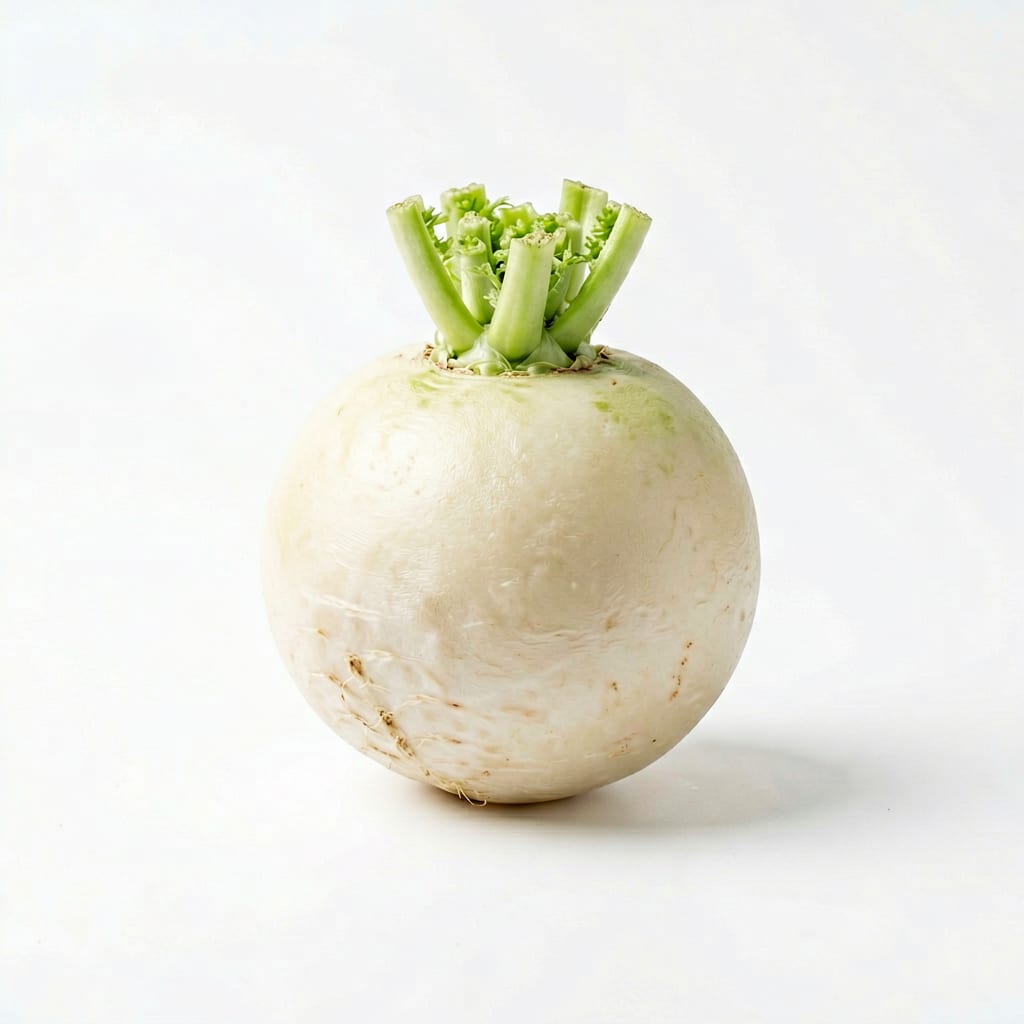
White Radish
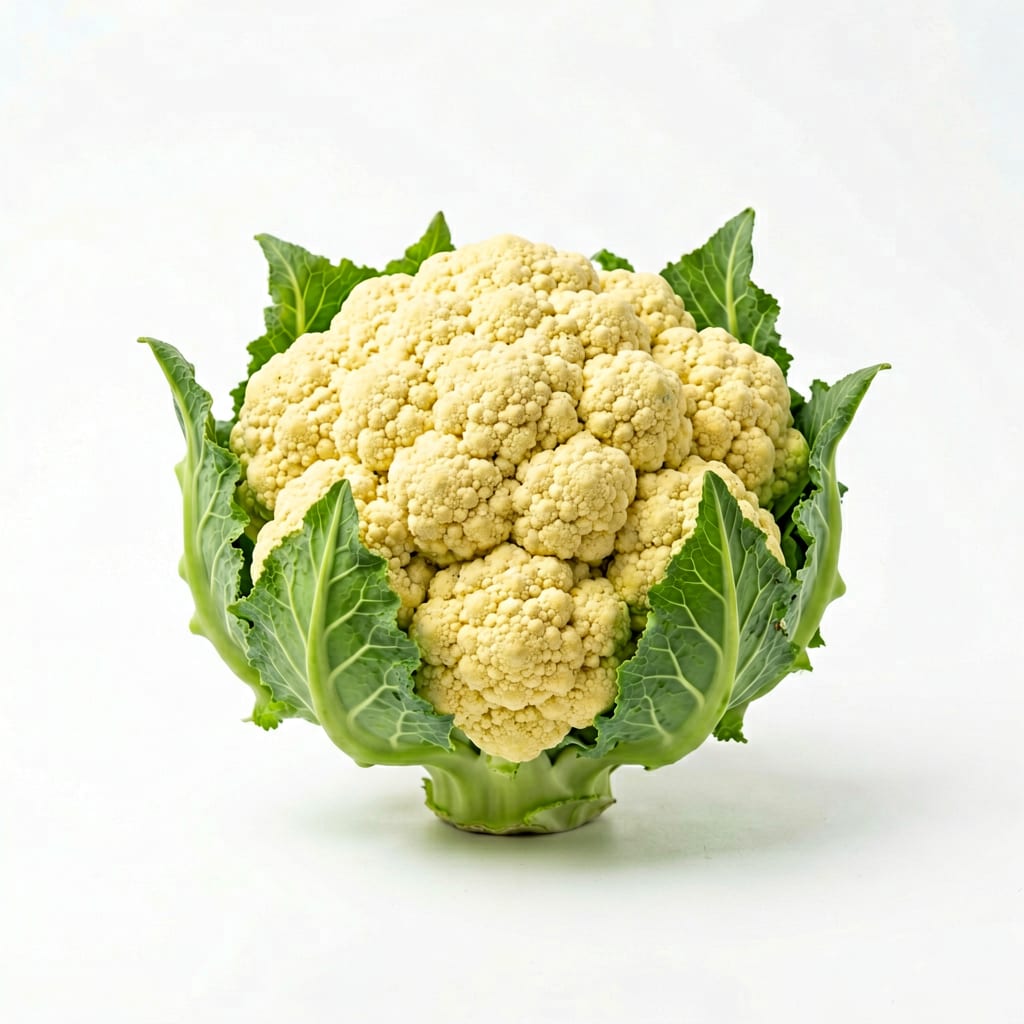
Cauliflower
Cauliflower wins on nutrient density and kitchen versatility, but white radish is gentler on digestion and offers unique enzymes that aid nutrient breakdown.
Cauliflower scores higher due to superior nutrient density, sulforaphane content, and unmatched culinary versatility. White radish remains competitive because of its digestive enzyme content and gentler gut profile, but its narrower use cases hold it back slightly.
Cauliflower packs more vitamins and anti-cancer compounds but can cause uncomfortable bloating; white radish is easier on the stomach and actively helps digestion but has a narrower nutrient profile.
At a glance
Executive summary
Overall
It depends
Healthier
Cauliflower
More practical
Cauliflower
Daily use
It depends
Key comparison lenses
low-calorie vegetable selection for weight management
Both are extremely low-calorie cruciferous vegetables often chosen for weight loss, making calorie density and satiety the primary decision drivers
digestive health and gut comfort
White radish contains unique digestive enzymes while cauliflower is notorious for causing bloating, making gut tolerance a key differentiator
anti-cancer and antioxidant benefits
Both contain glucosinolates but cauliflower delivers more sulforaphane, a heavily studied anti-cancer compound
meal versatility and recipe substitution
Cauliflower has become the go-to low-carb substitute for rice, mash, and pizza crusts, while white radish is more niche in Western cooking
nutrient density per calorie
Users comparing cruciferous vegetables often want to maximize vitamin and mineral intake per calorie consumed
Best choice for
White Radish
- People with sensitive digestion or IBS
- Those who want a refreshing, hydrating crunch
- Asian cuisine enthusiasts seeking authentic flavors
- Anyone prone to cruciferous vegetable bloating
- Post-heavy-meal digestive support
Cauliflower
- Low-carb and keto dieters needing recipe substitutes
- People maximizing anti-cancer compound intake
- Families wanting versatile meal options
- Anyone boosting vitamin K and choline intake
- Meal preppers who need storage-friendly vegetables
Least suitable for
White Radish
- Those needing substantial vitamin K intake
- People unfamiliar with cooking radishes in meals
- Anyone wanting a low-carb rice or mash substitute
Cauliflower
- People with severe IBS or FODMAP sensitivity
- Those who experience gas and bloating from cruciferous vegetables
- Individuals on thyroid medication who need to limit goitrogens
Deep comparison
Dimension by dimension
Each lens scores both foods and breaks down who each option suits.
- Dimension 1 · Priority 90White Radish
Caloric Density and Weight Management
White Radish · 95Cauliflower · 88White radish is slightly lower in calories per serving, making it the marginally better choice for strict calorie counting.
Tradeoff
The calorie difference is minimal at roughly 7 kcal per 100g, so both are excellent for weight loss. White radish feels lighter and more hydrating; cauliflower feels more filling due to slightly more substance.
Why it matters
When every calorie counts during a cut, even small differences add up over weeks of consistent eating.
Real-world impact
Choosing white radish over cauliflower saves roughly 35 calories per pound — meaningful over a month but not transformational alone.
White Radish
- Strict calorie counters in a deficit
- People who prefer light, water-rich foods
Better for
- Anyone finding very low-calorie foods mentally unsatisfying
Worse for
Cauliflower
- Those who find water-rich foods unsatisfying
- People who need more volume from substitutes like cauliflower rice
Better for
- People tracking every single calorie in a deep cut
Worse for
- Dimension 2 · Priority 85White Radish
Digestive Health and Tolerance
White Radish · 88Cauliflower · 62White radish contains diastase and amylase enzymes that actively aid digestion, while cauliflower is a common bloating trigger.
Tradeoff
White radish helps you break down food more comfortably; cauliflower can make you uncomfortably gassy despite its excellent nutrients.
Why it matters
Digestive discomfort can derail healthy eating habits faster than any nutrient deficiency — people avoid foods that make them feel bad.
Real-world impact
Eating white radish with a heavy meal can reduce that stuffed, sluggish feeling. Eating cauliflower at dinner might mean bloating that disrupts sleep.
White Radish
- People with IBS or sensitive stomachs
- Anyone who gets gassy from broccoli and cabbage
- Those eating rich, heavy meals who need digestive support
Better for
- Those who dislike the peppery radish taste on an empty stomach
Worse for
Cauliflower
- People with ironclad digestion who never experience bloating
Better for
- Date night dinners where bloating is socially uncomfortable
- Evening meals before bed
- Anyone already prone to gas from other cruciferous vegetables
Worse for
- Dimension 3 · Priority 80Cauliflower
Antioxidant and Anti-Cancer Potential
White Radish · 65Cauliflower · 90Cauliflower is a sulforaphane powerhouse, delivering significantly more of this heavily studied anti-cancer compound than white radish.
Tradeoff
You get more cancer-fighting compounds from cauliflower but must tolerate the digestive side effects that come with cruciferous intensity.
Why it matters
Sulforaphane is one of the most researched natural compounds for cancer prevention, and cauliflower delivers it in meaningful amounts.
Real-world impact
Regular cauliflower consumption is linked to measurable reductions in cancer risk markers; white radish offers some protection but less dramatically.
White Radish
- People who cannot tolerate cauliflower but still want some glucosinolate benefits
Better for
- Those specifically seeking sulforaphane intake
Worse for
Cauliflower
- Anyone with family history of cancer prioritizing prevention
- People who can tolerate cruciferous vegetables without discomfort
Better for
- People who cannot eat enough cauliflower consistently due to bloating
Worse for
- Dimension 4 · Priority 75Cauliflower
Vitamin and Mineral Density
White Radish · 58Cauliflower · 82Cauliflower delivers substantially more vitamin C, vitamin K, folate, and choline per calorie than white radish.
Tradeoff
Cauliflower is the more nutrient-dense choice across the board, but white radish still contributes meaningfully to vitamin C intake.
Why it matters
Vitamin K is critical for bone health and blood clotting, and choline supports brain function — cauliflower covers both while white radish covers neither well.
Real-world impact
A serving of cauliflower covers about 20% of daily vitamin K needs; white radish covers nearly none. Over months, this difference compounds into real nutrient gaps.
White Radish
- Those already getting ample vitamin K from leafy greens
- People focused primarily on vitamin C who eat radish regularly
Better for
- Those relying on it as a primary vegetable for vitamins
Worse for
Cauliflower
- Anyone not eating dark leafy greens regularly
- People wanting to maximize nutrient intake per calorie
- Pregnant women needing extra folate
Better for
- People on blood thinners who must limit vitamin K intake
Worse for
- Dimension 5 · Priority 75Cauliflower
Kitchen Versatility and Meal Integration
White Radish · 50Cauliflower · 92Cauliflower can become rice, mash, pizza crust, wings, and soup — white radish is mostly limited to salads, pickles, and Asian soups.
Tradeoff
Cauliflower transforms into almost any dish you crave; white radish stays firmly in its culinary lane but excels there.
Why it matters
Versatility determines how often you actually eat a vegetable. The more ways you can prepare it, the more consistently it appears in your diet.
Real-world impact
Cauliflower rice makes cutting carbs feel sustainable. White radish pickles make a great side dish but will not replace your pasta.
White Radish
- Fans of Japanese and Korean cuisine
- People who enjoy simple raw vegetable preparations
- Anyone wanting a quick, no-cook snack
Better for
- Anyone bored by limited preparation options
- People trying to replace high-carb staples
Worse for
Cauliflower
- Low-carb dieters needing pasta and rice replacements
- Families needing kid-friendly vegetable formats
- Meal preppers who batch-cook vegetable bases
Better for
- Those tired of cauliflower everything in health food culture
Worse for
- Dimension 6 · Priority 70Cauliflower
Satiety and Fullness
White Radish · 60Cauliflower · 75Cauliflower's denser texture and slightly higher fiber content make it more filling, while white radish's high water content can feel less satisfying alone.
Tradeoff
Cauliflower keeps you fuller for longer but white radish feels more refreshing and less heavy, especially in warm weather.
Why it matters
A vegetable that leaves you hungry 30 minutes later can trigger unnecessary snacking, undermining its low-calorie advantage.
Real-world impact
A bowl of cauliflower rice with protein feels like a complete meal. A bowl of sliced white radish feels like a side that needs something more.
White Radish
- Hot weather eating when heavy foods feel unappealing
- As a palate cleanser between rich courses
Better for
- Anyone trying to use it as a standalone meal base
Worse for
Cauliflower
- Main dish construction where the vegetable needs to carry satiety
- Post-workout meals needing substance without excess calories
Better for
- Light snackers who find cauliflower too heavy between meals
Worse for
Timeline
Health impact over time
Short-term
Hours to days
White Radish
- Refreshing hydration from high water content
- Mild digestive enzyme support after heavy meals
- Peppery flavor can clear sinuses and stimulate appetite
- Very low blood sugar impact — safe for glucose-sensitive individuals
Cauliflower
- Noticeable bloating and gas in sensitive individuals within hours
- Quick vitamin C boost supporting immune function
- Sulforaphane activation provides immediate antioxidant effects when raw or lightly cooked
- Choline intake supports short-term cognitive performance
Long-term
Months to years
White Radish
- Consistent digestive support from regular enzyme intake
- Modest anti-inflammatory benefits from glucosinolates
- Hydration support contributing to kidney health
- Low cumulative pesticide exposure when conventionally grown
Cauliflower
- Significant cancer risk reduction from regular sulforaphane intake
- Improved bone density from consistent vitamin K consumption
- Better cognitive aging trajectories from choline intake
- Potential thyroid disruption if consumed excessively raw without adequate iodine
Risk profile
Safety & processing
Both vegetables are typically consumed in their natural state with minimal processing. Cauliflower's popularity has spawned pre-cut bags and frozen options that remain additive-free. White radish is almost always sold whole and unprocessed. Neither carries meaningful additive concerns when purchased fresh.
White Radish
Pesticide residue on conventionally grown radishes
mediumRadishes grow underground and their skin absorbs soil chemicals. Peeling reduces exposure significantly but also removes fiber and nutrients near the surface.
Goitrogenic compounds affecting thyroid function
lowWhite radish contains goitrogens that can interfere with thyroid hormone production, but the risk is minimal unless consumed in extreme quantities with existing iodine deficiency.
Cauliflower
Pesticide residue — cauliflower is an Environmental Working Group Dirty Dozen vegetable
mediumCauliflower's tight florets trap pesticide sprays that are difficult to wash away. Soaking in salt water or choosing organic significantly reduces exposure.
Goitrogenic compounds in raw cauliflower
mediumRaw cauliflower contains more goitrogens than cooked. People with thyroid conditions should cook it thoroughly and ensure adequate iodine intake.
Bacterial contamination in pre-cut cauliflower
lowPre-cut cauliflower has been subject to recalls due to Listeria risk. Whole heads are safer. Always wash before consuming.
Who wins for whom
Audience fit
Same foods, different winners depending on your goal.
children
CauliflowerCauliflower can be hidden in mashed potatoes, mac and cheese, and pizza crusts. White radish's peppery bite is a harder sell to most kids.
daily consumption
It dependsCauliflower daily risks bloating and thyroid strain; white radish daily is gentler but nutritionally narrower. Rotating both is the smartest approach.
diabetes
CauliflowerCauliflower's superior fiber content and established role as a carb replacement make it more practical for blood sugar management in real meals.
elderly
White RadishWhite radish's digestive enzymes and softer impact on the gut make it more suitable for aging digestive systems that struggle with cruciferous bloating.
muscle gain
CauliflowerNeither is a muscle-building food, but cauliflower's slightly higher protein content and better choline profile support training recovery more effectively.
weight loss
White RadishWhite radish's marginally lower calories and hydrating crunch make it slightly better for strict weight loss, especially for people who find cauliflower's heaviness triggers overeating.
Your move
Decision guide
Choose White Radish
- Cruciferous vegetables regularly make you bloated or gassy
- You want a refreshing, hydrating vegetable for warm weather
- You eat a lot of Asian cuisine and want authentic ingredients
- You need digestive support after heavy, rich meals
- You have thyroid concerns and want lower goitrogen intake
Choose Cauliflower
- You want a low-carb substitute for rice, mash, or pizza crust
- Cancer prevention is a priority in your food choices
- You need more vitamin K, folate, or choline in your diet
- You have no trouble digesting cruciferous vegetables
- You cook for a family and need versatile vegetable options
Either works if
- You simply want more cruciferous vegetables in your rotation
- Both are available fresh and affordable at your store
- You are building a diverse vegetable intake pattern
Avoid both if
- You are on a strict low-FODMAP elimination diet — both contain fermentable carbs
- You have severe thyroid issues and are not monitoring iodine intake
- You are taking blood thinners and have not consulted your doctor about vitamin K intake from cauliflower
Final recommendation
Eat both, but let your digestion decide the ratio. If cauliflower bloats you, lean into white radish for everyday crunch and use cauliflower sparingly for its sulforaphane benefits. If your stomach handles cruciferous vegetables well, make cauliflower your primary cruciferous choice and enjoy white radish as a refreshing change of pace. The best vegetable is always the one you will actually eat consistently.
Practical
Consumer tips
- 1
Soak cauliflower florets in salt water for 10 minutes to reduce pesticide residue hidden in tight crevices
- 2
Let chopped cauliflower sit for 40 minutes before cooking to maximize sulforaphane formation — the enzyme activation needs time
- 3
White radish grated into salads provides the most digestive enzyme benefit since heat destroys diastase and amylase
- 4
If cauliflower causes bloating, try roasting it instead of steaming — dry heat breaks down more gas-producing compounds
- 5
Choose organic cauliflower when possible since it consistently ranks high for pesticide residue
- 6
White radish leaves are edible and more nutritious than the root — do not discard them if sold attached
- 7
Freeze cauliflower rice in single-serving bags for convenient low-carb meal prep
- 8
Pickled white radish retains probiotic benefits but adds sodium — watch portions if blood pressure is a concern