
Nutrition comparison
White Radish vs Cucumber: Which Low-Calorie Vegetable Is Better for You?
Compare White Radish and Cucumber on nutrition, hydration, digestion, and weight loss. Find out which crisp, low-calorie vegetable fits your health goals better.
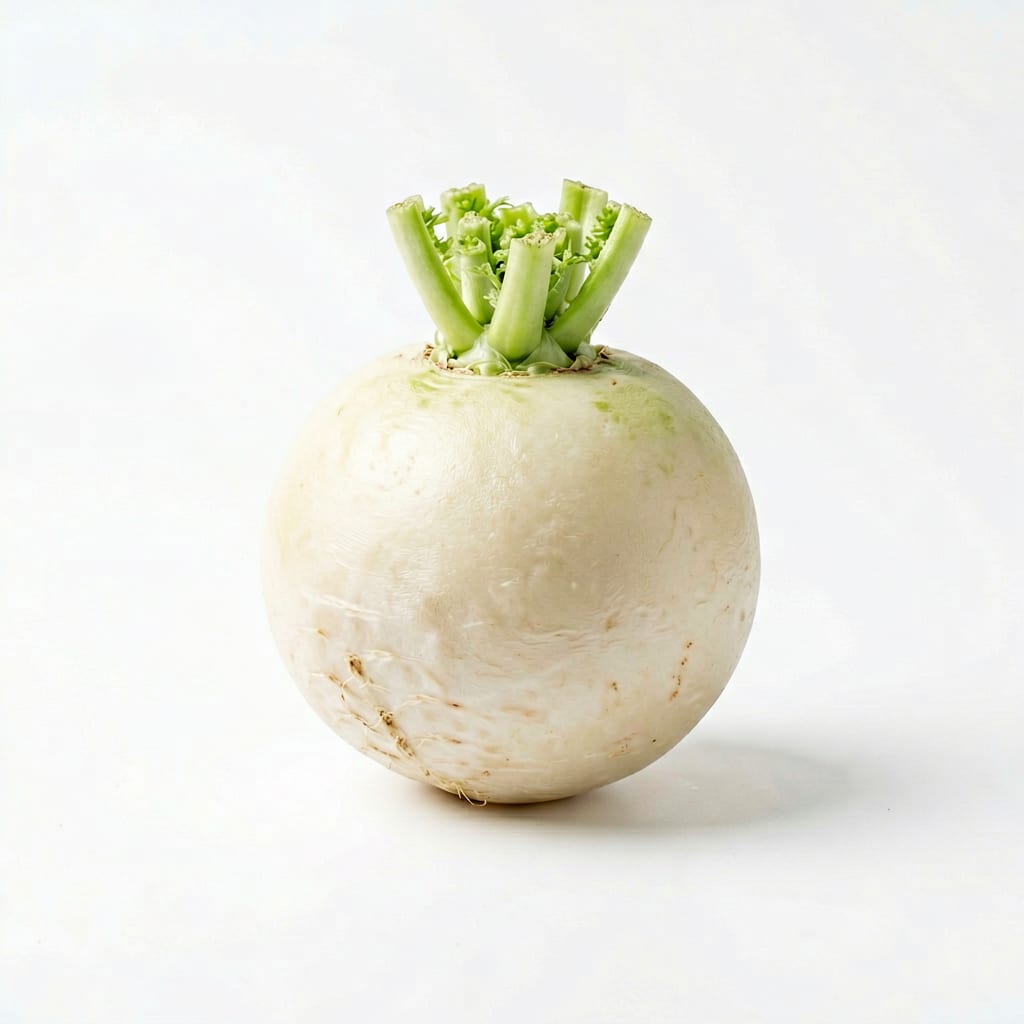
White Radish
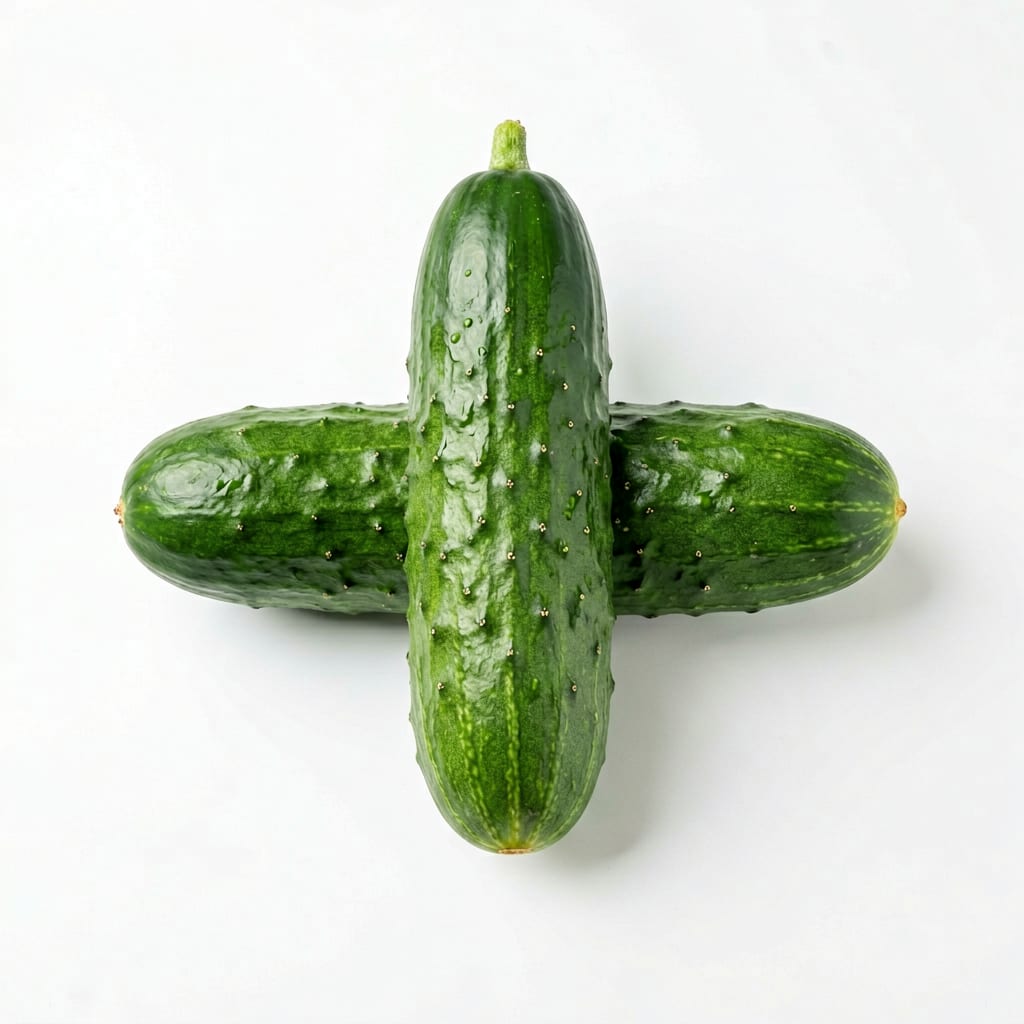
Cucumber
White Radish wins on nutrition and digestion; Cucumber wins on hydration and mild versatility. Your pick depends on what your body needs most.
White Radish scores higher due to its digestive enzymes, glucosinolates, and greater nutrient density. Cucumber is close behind because its exceptional hydration and near-universal appeal make it a daily staple for many. The gap is small because both are low-calorie, low-risk foods with different strengths.
Digestive enzymes and higher nutrient density versus superior hydration and universal palatability.
At a glance
Executive summary
Overall
It depends
Healthier
White Radish
More practical
Cucumber
Daily use
It depends
Key comparison lenses
low-calorie snacking and weight management
Both foods are extremely low in calories, making them top picks for guilt-free snacking and weight loss diets
hydration and refreshment
Cucumber is one of the most hydrating foods available, while White Radish offers a different kind of refreshing crunch with a peppery kick
digestive health and gut support
White Radish contains unique digestive enzymes that aid breakdown of starches and fats, a distinct advantage over Cucumber
nutrient density per calorie
Users choosing between these want to know which delivers more vitamins and minerals for the same near-zero calorie cost
culinary versatility and meal integration
Both are used in salads and sides, but their flavor profiles lead to very different cooking and pairing possibilities
Best choice for
White Radish
- People with sluggish digestion or bloating after meals
- Anyone wanting more vitamins and minerals per bite
- Those seeking cancer-fighting glucosinolates
- Fans of bold, peppery flavor in salads and stir-fries
Cucumber
- People who struggle to drink enough water daily
- Those who want the mildest possible snack flavor
- Anyone needing a cooling, soothing food in hot weather
- People with sensitive stomachs who find spicy foods irritating
Least suitable for
White Radish
- People with irritable bowel syndrome sensitive to cruciferous vegetables
- Those who dislike peppery or pungent flavors
- Anyone looking for a neutral base for dips and spreads
Cucumber
- People wanting significant nutritional value from their snacks
- Those who find high-water foods unsatisfying or too light
- Anyone needing digestive enzyme support after heavy meals
Deep comparison
Dimension by dimension
Each lens scores both foods and breaks down who each option suits.
- Dimension 1 · Priority 90Cucumber
Hydration and Refreshment
White Radish · 60Cucumber · 97Cucumber is roughly 96% water, making it one of the most hydrating solid foods you can eat. White Radish is also high in water at around 95% but feels denser and less thirst-quenching.
Tradeoff
Cucumber hydrates faster and more noticeably, but White Radish provides more electrolytes alongside its water content.
Why it matters
If you are active, sweating, or simply forget to drink enough water, Cucumber acts like edible water with crunch.
Real-world impact
On a hot afternoon, Cucumber feels like a refreshing glass of water in solid form. White Radish quenches thirst too but leaves a lingering peppery warmth instead of a cooling sensation.
White Radish
- Post-meal refreshment when you also want digestive support
Better for
- Pure thirst-quenching on a scorching day
Worse for
Cucumber
- Hot weather hydration
- Replenishing fluids after exercise
- Replacing sugary drinks with a water-rich snack
Better for
- Situations where you want your hydrating snack to also deliver meaningful nutrients
Worse for
- Dimension 2 · Priority 88White Radish
Digestive Health
White Radish · 91Cucumber · 48White Radish contains diastase and amylase, enzymes that help break down starches and fats. It also has more fiber to support regular bowel movements. Cucumber offers mild hydration-based digestive comfort but lacks active enzymes.
Tradeoff
White Radish actively aids digestion of other foods, while Cucumber merely avoids irritating the digestive tract.
Why it matters
If you often feel bloated or heavy after meals, White Radish can genuinely help lighten that load. Cucumber is gentle but does not actively improve digestion.
Real-world impact
Eating a few slices of White Radish after a heavy pasta dinner can reduce that stuffed feeling. Cucumber after the same meal just adds water volume without enzymatic help.
White Radish
- Reducing bloating after starchy meals
- Supporting regular bowel movements with more fiber
- Active digestive enzyme intake
Better for
- Those whose IBS flares up from cruciferous vegetables
Worse for
Cucumber
- Soothing an already irritated stomach
- Avoiding any cruciferous gas production
Better for
- Anyone needing real digestive support beyond mild hydration
Worse for
- Dimension 3 · Priority 82White Radish
Nutrient Density
White Radish · 72Cucumber · 38White Radish delivers significantly more Vitamin C, folate, potassium, and glucosinolates per calorie. Cucumber is not nutrient-poor, but its extremely high water content dilutes its vitamin and mineral concentration.
Tradeoff
More vitamins and protective compounds in White Radish versus a lighter, less nutritionally interesting Cucumber.
Why it matters
When calories are nearly equal, the food that packs more nutrients per bite gives you a better return on every mouthful.
Real-world impact
A cup of sliced White Radish covers about 30% of your daily Vitamin C needs. The same amount of Cucumber covers roughly 5%.
White Radish
- Maximizing vitamin intake on a low-calorie diet
- Accessing glucosinolate compounds linked to cancer prevention
Better for
- Those who cannot tolerate cruciferous compounds in large amounts
Worse for
Cucumber
- Situations where nutrient density matters less than pure refreshment
Better for
- Anyone relying on snacks to contribute meaningful micronutrients
Worse for
- Dimension 4 · Priority 75White Radish
Satiety and Fullness
White Radish · 64Cucumber · 45White Radish has more fiber and a denser bite, which signals fullness more effectively. Cucumber's extreme water content fills you temporarily but that fullness fades quickly.
Tradeoff
Longer-lasting satisfaction from White Radish versus a brief feeling of fullness from Cucumber that disappears after a bathroom visit.
Why it matters
If you snack to tide yourself over between meals, White Radish keeps hunger at bay longer.
Real-world impact
A White Radish snack at 3 PM can hold you until dinner. Cucumber at 3 PM often means you are hungry again by 4 PM.
White Radish
- Bridging long gaps between meals
- Reducing overall daily calorie intake through better satiety
Better for
- Moments when you want the lightest possible stomach feeling
Worse for
Cucumber
- Late-night snacking when you want something that will not sit heavy
Better for
- Appetite control between meals
Worse for
- Dimension 5 · Priority 70It depends
Culinary Versatility
White Radish · 68Cucumber · 72Cucumber blends into almost any flavor profile from salads to smoothies to sandwiches without clashing. White Radish has a distinct peppery personality that limits pairing options but excels in Asian cuisines and fermented preparations.
Tradeoff
Cucumber is the neutral team player; White Radish is the bold specialist that transforms dishes when used correctly.
Why it matters
If you cook diverse cuisines, Cucumber is easier to use daily. If you love East Asian cooking or fermented foods, White Radish becomes indispensable.
Real-world impact
Cucumber disappears into a green smoothie unnoticed. White Radish turns the same smoothie into something unexpectedly spicy. But White Radish makes kimchi and pickled sides that Cucumber cannot replicate.
White Radish
- Asian stir-fries and soups
- Kimchi and lacto-fermented preparations
- Adding peppery bite to salads and slaws
Better for
- Mild-flavored dishes where its pungency overwhelms
Worse for
Cucumber
- Green smoothies and juices
- Sandwiches and wraps needing crunch without flavor interference
- Salads where you want other ingredients to shine
Better for
- Cooked dishes where it turns mushy and loses appeal
Worse for
- Dimension 6 · Priority 73White Radish
Blood Sugar Stability
White Radish · 78Cucumber · 70Both foods have minimal impact on blood sugar due to extremely low carbohydrate content. White Radish has slightly more fiber, which provides a marginal edge in slowing glucose absorption from other foods eaten alongside it.
Tradeoff
A small but real advantage for White Radish in mixed meals versus nearly equivalent performance from Cucumber as a standalone snack.
Why it matters
For most people, both are excellent blood-sugar-friendly choices. The difference only matters for those managing diabetes who optimize every detail.
Real-world impact
Neither food will spike your blood sugar. But if you pair White Radish with a carb-heavy meal, its fiber and enzymes may slightly blunt the glucose rise compared to Cucumber.
White Radish
- Diabetics who want every possible edge in glucose management
- Eating alongside high-carb meals for a slight buffering effect
Better for
- Those who find the fiber irritating rather than helpful
Worse for
Cucumber
- Standalone snacking where blood sugar impact is negligible for both
Better for
- Paired with carb-heavy meals where extra fiber would help more
Worse for
Timeline
Health impact over time
Short-term
Hours to days
White Radish
- Reduced bloating after heavy meals due to digestive enzymes
- Mild diuretic effect supporting temporary water weight loss
- Possible gas in sensitive individuals from cruciferous fiber
Cucumber
- Quick hydration relief, especially in hot weather or after exercise
- Very gentle on the stomach with almost no irritation risk
- Temporary fullness from water volume that fades within an hour
Long-term
Months to years
White Radish
- Glucosinolate intake linked to reduced cancer risk in population studies
- Consistent fiber intake supporting gut microbiome diversity
- Potential thyroid interference if consumed in extreme excess raw
Cucumber
- Improved hydration habits supporting kidney and skin health
- Very low risk of any negative long-term effects even with daily consumption
- Minimal nutritional contribution over time if relied on as a primary vegetable
Risk profile
Safety & processing
Both White Radish and Cucumber are whole, raw vegetables typically eaten with minimal or no processing. Neither carries meaningful additive concerns when purchased fresh. The only processing risk comes from pickled versions, which add sodium and sometimes preservatives.
White Radish
Pesticide residue on conventionally grown roots
mediumRoot vegetables can absorb soil pesticides. Peeling reduces risk significantly, but much of the fiber and nutrients are in or near the skin.
Goitrogenic compounds when consumed raw in large quantities
lowCruciferous vegetables contain goitrogens that can interfere with thyroid function, but only at intake levels far beyond normal consumption.
Cucumber
Pesticide residue on conventionally grown skins
mediumCucumbers frequently appear on the Environmental Working Group's Dirty Dozen list. The waxy skin holds residues. Peeling helps but removes beneficial fiber and nutrients.
Cucurbitacin toxicity from bitter varieties
lowExtremely bitter cucumbers can contain elevated cucurbitacins, which cause digestive distress. This is rare in commercially sold cucumbers but possible in homegrown varieties.
Who wins for whom
Audience fit
Same foods, different winners depending on your goal.
children
CucumberCucumber's mild, sweet flavor and soft crunch are far more kid-friendly than White Radish's peppery bite, which most children find too strong.
daily consumption
CucumberCucumber's neutral flavor and universal compatibility make it easier to eat every single day without fatigue. White Radish's strong flavor can become monotonous or irritating with daily use.
diabetes
White RadishWhite Radish has slightly more fiber and digestive enzymes that may help moderate blood sugar spikes when eaten with carbohydrate-containing meals.
elderly
CucumberCucumber is easier to chew, gentler on sensitive digestion, and provides hydration that older adults often lack. White Radish can be tough and gas-producing for fragile digestive systems.
muscle gain
It dependsNeither food contributes meaningful protein or calories for muscle building. Both serve only as low-calorie sides alongside protein-rich main dishes.
weight loss
White RadishBoth are extremely low in calories, but White Radish provides more fiber and nutrients per calorie, keeping you satisfied longer and reducing the urge to overeat later.
Your move
Decision guide
Choose White Radish
- You often feel bloated or heavy after meals and want natural digestive relief
- You are looking to maximize nutrient intake on a very low-calorie diet
- You enjoy or want to explore Asian cuisines where White Radish is a staple ingredient
- You are interested in glucosinolate compounds for long-term cancer risk reduction
Choose Cucumber
- You struggle to stay hydrated and want food that doubles as a water source
- You need a mild, universally appealing snack for the whole household including kids
- You want a neutral crunchy base for dips, sandwiches, or smoothies
- You have a sensitive stomach that reacts to peppery or cruciferous vegetables
Either works if
- You simply want a low-calorie crunchy snack and both are available
- You are building a raw vegetable platter and want variety
- You are trying to increase your daily vegetable intake without much calorie cost
Avoid both if
- You need a protein-rich or calorie-dense snack to fuel activity
- You are looking for a food that provides sustained energy for more than an hour
- You have a severe oral allergy syndrome triggered by raw vegetables
Final recommendation
Keep both in your kitchen. Use Cucumber for daily hydration and mild snacking, and reach for White Radish after heavy meals or when you want more nutritional punch. They complement each other perfectly: Cucumber for cool neutrality, White Radish for active digestion and bold flavor.
Practical
Consumer tips
- 1
Choose organic Cucumber if you eat the skin, since conventional cucumbers rank high for pesticide residue
- 2
Peel White Radish if you are concerned about soil pesticide absorption, but know you lose some fiber and nutrients
- 3
Try fermented White Radish (like kimchi or daikon pickles) for probiotic benefits alongside its digestive enzymes
- 4
Add Cucumber to your water bottle for flavor that encourages more fluid intake throughout the day
- 5
Slice White Radish paper-thin to mellow its peppery intensity if the raw bite is too strong
- 6
Rotate between both vegetables rather than choosing only one to get the full spectrum of benefits