
Nutrition comparison
White Radish vs Jicama: Which Crunchy Root Vegetable Is Better for You?
Compare white radish and jicama nutrition, fiber, calories, and health benefits. Find out which root vegetable is better for weight loss, gut health, blood sugar, and daily snacking.
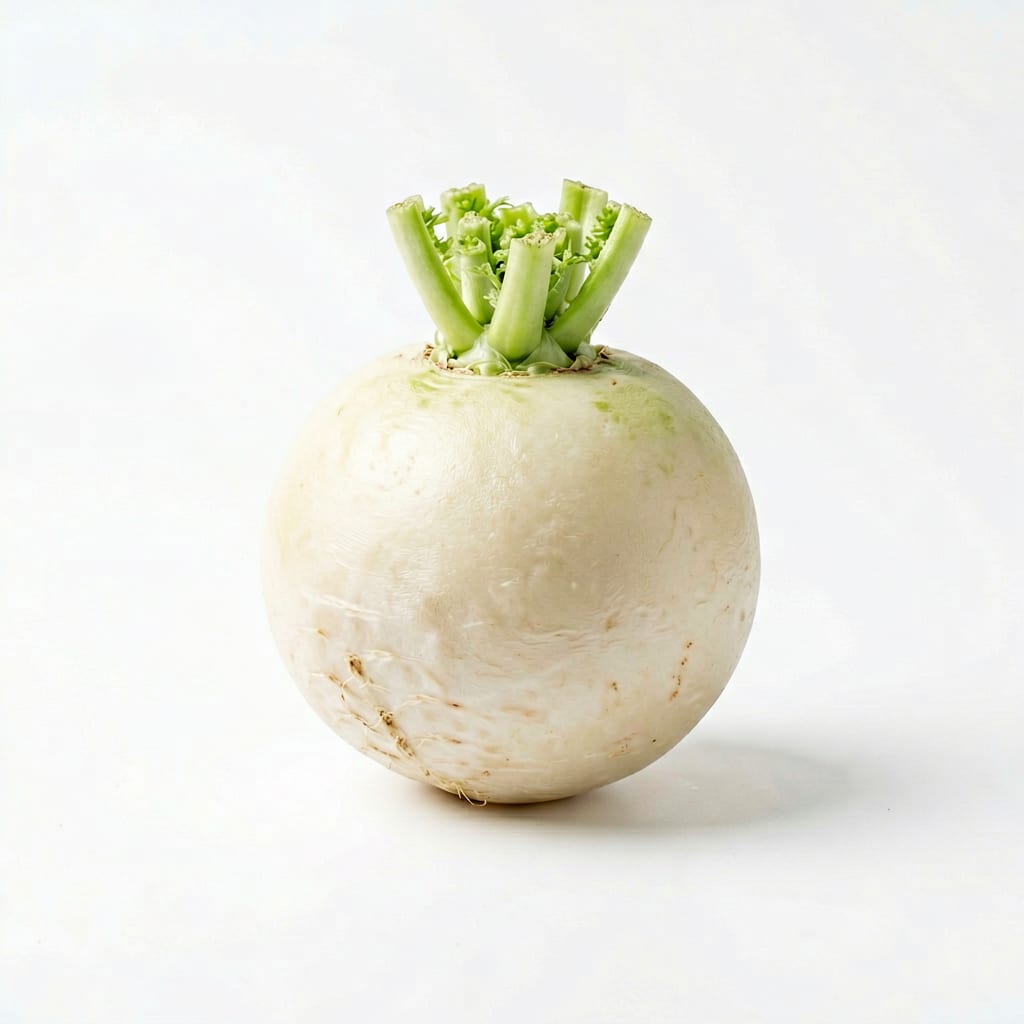
White Radish
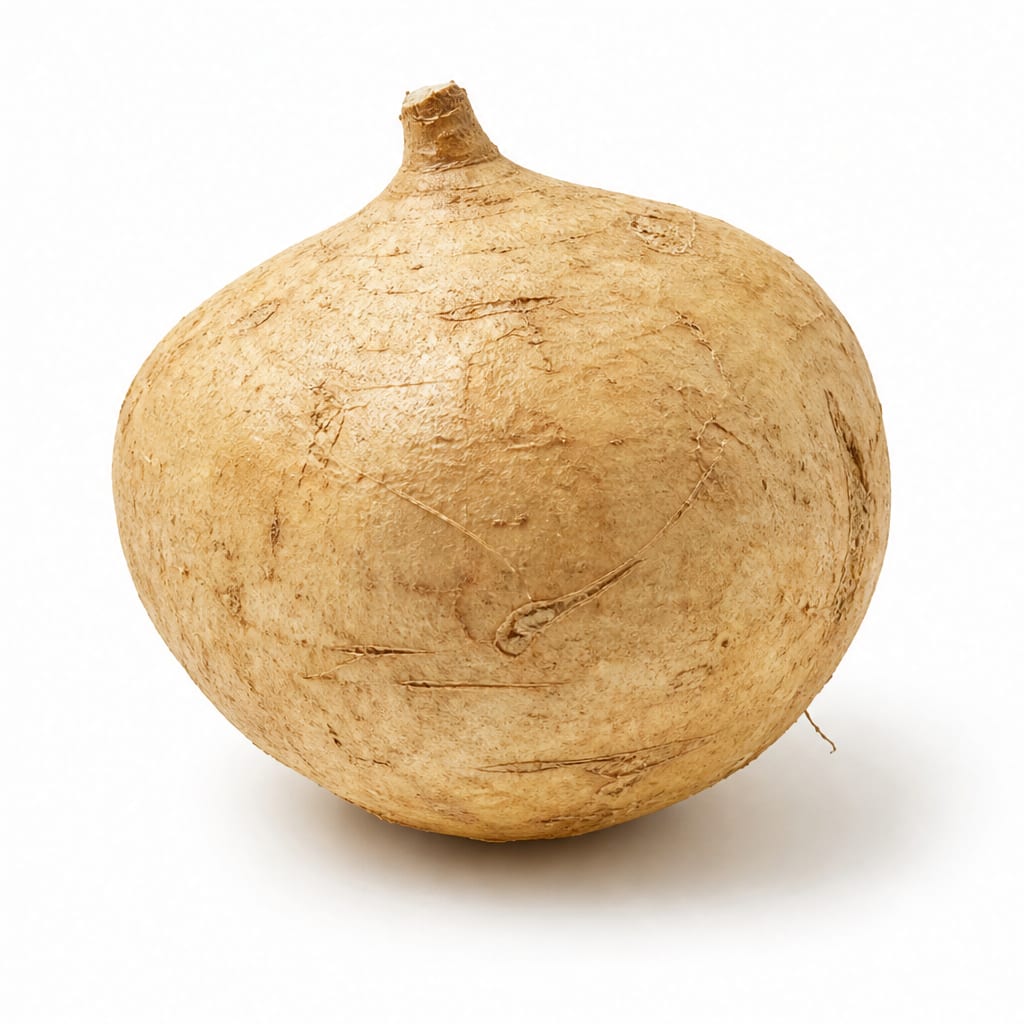
Jicama
Jicama wins for fiber and gut health, white radish wins for fewer calories and digestive enzyme benefits. Your choice depends on whether you prioritize prebiotic fiber or ultra-low calorie crunch.
Jicama scores higher due to its superior fiber content, prebiotic benefits, and raw snacking appeal. White radish remains competitive with its ultra-low calorie count and unique digestive enzymes, but jicama's broader everyday usability gives it the edge.
Jicama offers nearly 3x more fiber and a sweeter, more snackable crunch, but white radish delivers half the calories and unique digestive enzymes that jicama cannot match.
At a glance
Executive summary
Overall
It depends
Healthier
Jicama
More practical
Jicama
Daily use
Jicama
Key comparison lenses
low-calorie snacking and weight management
Both are popular low-calorie crunchy vegetables often chosen as snack alternatives to chips or crackers
gut health and digestive support
Jicama is renowned for prebiotic fiber while white radish contains unique digestive enzymes, making gut health a key differentiator
blood sugar control and diabetes-friendly eating
Both are low-glycemic vegetables frequently recommended for blood sugar management, but with different fiber profiles
raw snacking convenience and palatability
Consumers often choose between these two as raw crunchy snacks, where taste and ease of preparation matter significantly
culinary versatility across cuisines
White radish dominates Asian cooking while jicama is staple in Mexican cuisine, creating distinct use-case differences
Best choice for
White Radish
- Ultra-low calorie diets and aggressive weight loss phases
- People seeking digestive enzyme support after heavy meals
- Asian soup and stew recipes requiring a mild peppery depth
- Those who find sweet vegetables unappealing
Jicama
- Gut health optimization and prebiotic fiber intake
- Blood sugar management requiring steady glucose control
- Raw snacking without dips or preparation
- Children and picky eaters who prefer sweet crunch
Least suitable for
White Radish
- People with thyroid concerns who consume large raw cruciferous amounts daily
- Those wanting a standalone satisfying snack without preparation
- Anyone sensitive to peppery or pungent flavors
Jicama
- Very low-carb or keto dieters tracking every gram of carbohydrates
- People with FODMAP sensitivities reacting to inulin fiber
- Those who cannot find fresh jicama locally
Deep comparison
Dimension by dimension
Each lens scores both foods and breaks down who each option suits.
- Dimension 1 · Priority 95Jicama
Fiber and Gut Health
White Radish · 45Jicama · 90Jicama delivers nearly 3 times more fiber per serving, with a significant portion being inulin, a powerful prebiotic that feeds beneficial gut bacteria.
Tradeoff
White radish offers digestive enzymes that help break down starches and proteins, but lacks the prebiotic fiber that sustains long-term gut microbiome health.
Why it matters
Prebiotic fiber from jicama supports regular bowel movements, reduces bloating over time, and strengthens your gut barrier. White radish enzymes help with immediate digestion but do not build gut health long-term.
Real-world impact
Eating jicama regularly means fewer digestive complaints and more consistent energy. White radish helps more right after a heavy meal but does not build the same lasting gut resilience.
White Radish
- Immediate post-meal digestion support
- Breaking down heavy starch-rich meals
Better for
- Building a thriving gut microbiome over weeks and months
- Providing enough fiber for daily bowel regularity
Worse for
Jicama
- Long-term gut microbiome diversity
- Preventing constipation and improving regularity
- Sustained digestive comfort throughout the day
Better for
- Quick relief from acute indigestion after a heavy meal
Worse for
- Dimension 2 · Priority 90White Radish
Calorie Density and Weight Management
White Radish · 92Jicama · 78White radish contains roughly half the calories of jicama per 100 grams, making it one of the lowest-calorie vegetables available.
Tradeoff
Jicama's extra calories come from fiber and a small amount of natural sugar, which actually help you feel fuller longer. White radish is lower calorie but less satiating on its own.
Why it matters
If you are strictly counting calories, white radish lets you eat more volume for fewer calories. But jicama's fiber keeps hunger away longer, which may prevent overeating later.
Real-world impact
Munching on white radish feels almost like eating water with crunch — very light. Jicama feels more like a real snack that tides you over between meals.
White Radish
- Aggressive calorie restriction diets
- Volume eating strategies where you want maximum food for minimum calories
- Late-night snacking with minimal caloric impact
Better for
- Feeling satisfied enough to skip less healthy snacks
- Providing enough substance to replace a mini-meal
Worse for
Jicama
- Sustained satiety between meals without reaching for chips
- Preventing afternoon energy crashes caused by under-eating
Better for
- Strict calorie counting where every calorie matters
Worse for
- Dimension 3 · Priority 82Jicama
Blood Sugar Stability
White Radish · 70Jicama · 85Both vegetables have minimal impact on blood sugar, but jicama's high inulin fiber slows glucose absorption more effectively and supports insulin sensitivity over time.
Tradeoff
White radish has slightly fewer carbs overall, but jicama's fiber actively buffers blood sugar spikes from other foods eaten alongside it.
Why it matters
For people with diabetes or insulin resistance, the fiber in jicama acts like a sponge that slows sugar absorption. White radish simply adds very little sugar without the same buffering effect.
Real-world impact
Pairing jicama with a carb-heavy meal can blunt the blood sugar spike. White radish will not spike your sugar either, but it will not actively protect you from other foods the same way.
White Radish
- Minimal carbohydrate intake for very low-carb approaches
Better for
- Actively improving glucose metabolism over time
Worse for
Jicama
- Blunting blood sugar spikes when eaten with other carbohydrates
- Long-term insulin sensitivity improvement through prebiotic fiber
- Diabetes-friendly snacking that actively helps rather than just does no harm
Better for
- Strict ketogenic diets counting total carbohydrates
Worse for
- Dimension 4 · Priority 78Jicama
Raw Snacking Appeal and Convenience
White Radish · 55Jicama · 88Jicama is sweet, mild, and satisfying raw — essentially a natural chip replacement. White radish has a peppery bite that most people find less approachable as a standalone snack.
Tradeoff
White radish offers more culinary complexity and pairs beautifully with savory dishes, but raw jicama wins for grab-and-go snacking without any dressing or dip.
Why it matters
The snack you actually enjoy eating is the snack you will reach for instead of processed alternatives. Jicama's mild sweetness makes it effortless to eat plain.
Real-world impact
Hand a child a slice of jicama and they might eat it happily. Hand them raw white radish and you will likely get a puzzled face. For adults, jicama pairs well with lime and chili; white radish usually needs cooking or strong seasoning.
White Radish
- Adding depth and peppery kick to salads and soups
- Pickling and fermenting applications
- Accompanying rich heavy dishes as a palate cleanser
Better for
- Eating plain as a casual snack without accompaniments
- Appealing to people who dislike peppery or bitter flavors
Worse for
Jicama
- Standalone raw snacking without preparation
- Kids lunchboxes and picky eater meals
- Pairing with simple lime and chili for a quick healthy snack
Better for
- Adding complex savory depth to cooked dishes
- Fermentation and traditional pickling recipes
Worse for
- Dimension 5 · Priority 60Jicama
Vitamin and Mineral Profile
White Radish · 58Jicama · 68Both are modest nutrient sources, but jicama edges ahead with more vitamin C per serving and slightly better mineral content overall.
Tradeoff
White radish contains unique glucosinolate compounds with cancer-fighting potential that jicama lacks, but jicama provides more conventional vitamins and minerals.
Why it matters
Neither vegetable is a nutritional powerhouse on its own. The real differentiator is white radish's glucosinolates versus jicama's higher vitamin C and fiber-bound minerals.
Real-world impact
You would not choose either as your primary vitamin source. But white radish contributes subtle cancer-fighting compounds, while jicama gives a slightly better immune-supporting vitamin C boost.
White Radish
- Glucosinolate intake linked to reduced cancer risk in population studies
- Folate content for cellular repair and DNA synthesis
Better for
- Providing substantial vitamin C without supplementation
Worse for
Jicama
- Vitamin C for immune support and collagen production
- Potassium for blood pressure regulation
Better for
- Delivering glucosinolate compounds with documented anti-cancer properties
Worse for
- Dimension 6 · Priority 55White Radish
Hydration and Lightness
White Radish · 90Jicama · 75White radish is approximately 95% water, making it one of the most hydrating vegetables available. Jicama is also high water but less so at around 90%.
Tradeoff
White radish's extreme water content makes it incredibly light and refreshing but also less filling. Jicama sacrifices some hydration for more substance and fiber.
Why it matters
On hot days or after exercise, white radish feels like eating crunchy water — deeply refreshing. Jicama hydrates too but prioritizes satiety over pure refreshment.
Real-world impact
After a workout or on a summer afternoon, white radish feels more thirst-quenching. But an hour later you will be hungry again, whereas jicama keeps you going.
White Radish
- Post-workout hydration with crunch
- Hot weather refreshment when water alone feels boring
- Light eating days when you want to feel full without weight
Better for
- Providing lasting satiety beyond immediate refreshment
Worse for
Jicama
- Sustained energy and fullness after hydrating
- Replacing heavier snacks without feeling ravenous an hour later
Better for
- Maximum hydration per bite
Worse for
Timeline
Health impact over time
Short-term
Hours to days
White Radish
- Immediate digestive relief after heavy starchy meals due to diastase enzyme content
- Very low caloric intake making it easy to stay within daily limits
- Mild peppery warmth that can clear sinuses and stimulate appetite
- Possible mild bloating if consumed in very large raw quantities by those unaccustomed to cruciferous vegetables
Jicama
- Noticeable fullness from fiber that reduces snacking urges within 30 minutes
- Steadier blood sugar after eating compared to sweeter snack alternatives
- Possible gas or bloating in people unaccustomed to inulin fiber, especially in the first few days
- Mild blood pressure support from potassium content
Long-term
Months to years
White Radish
- Glucosinolate compounds may reduce risk of certain cancers with regular consumption over years
- Consistent low-calorie intake supports weight maintenance without feeling deprived at meals
- Thyroid function may be affected if excessive raw white radish is consumed daily without cooking
- Enzyme support may improve overall digestive comfort with starchy meals
Jicama
- Prebiotic inulin fiber reshapes gut microbiome toward more beneficial bacteria over months
- Improved insulin sensitivity and glucose metabolism with daily consumption
- Better bowel regularity and reduced constipation incidence
- Potential FODMAP intolerance development if consumed in very large quantities daily
Risk profile
Safety & processing
Both white radish and jicama are whole, unprocessed root vegetables typically sold fresh and raw. Neither carries meaningful additive concerns. The only processing consideration is that white radish is frequently pickled or fermented in Asian cuisines, which adds sodium but also probiotic benefits.
White Radish
Thyroid disruption from raw cruciferous consumption
lowWhite radish contains goitrogens that can interfere with thyroid function, but only if consumed in very large raw quantities daily. Cooking neutralizes most of this concern.
Pesticide residue on conventionally grown roots
mediumRoot vegetables can accumulate soil pesticides. Peeling white radish significantly reduces exposure, and choosing organic further minimizes risk.
Foodborne illness from contaminated soil
lowAs a root vegetable grown in soil, thorough washing is important. Cooking eliminates most pathogen risk.
Jicama
FODMAP sensitivity and inulin intolerance
mediumJicama's inulin fiber causes gas, bloating, and discomfort in some people, particularly those with IBS or FODMAP sensitivities. Start with small portions.
Pesticide residue on conventionally grown roots
mediumSimilar to white radish, jicama grows in soil and can carry pesticide residue. Peeling is recommended and organic options reduce exposure.
Mold and spoilage on cut surfaces
lowOnce cut, jicama oxidizes and can develop mold at room temperature. Refrigerate cut pieces and consume within a few days.
Who wins for whom
Audience fit
Same foods, different winners depending on your goal.
children
JicamaJicama's mild sweetness and satisfying crunch make it far more appealing to children. White radish's peppery bite usually requires an acquired taste.
daily consumption
JicamaJicama's fiber, vitamin C, and prebiotic benefits compound with daily use. White radish is safe daily too, but its thyroid considerations in raw form and lower fiber make it slightly less ideal for everyday reliance.
diabetes
JicamaJicama's inulin fiber actively slows glucose absorption and improves insulin sensitivity over time, while white radish simply adds minimal carbohydrates without the protective fiber benefit.
elderly
JicamaOlder adults benefit most from jicama's fiber for preventing constipation and its prebiotic effects for immune health. White radish's digestive enzymes are helpful but less impactful than consistent fiber intake.
muscle gain
It dependsNeither vegetable is relevant for muscle gain directly. Both can serve as low-calorie sides to protein-rich meals without adding unwanted calories or interfering with protein absorption.
weight loss
White RadishWhite radish provides maximum volume for minimum calories, making it easier to maintain a caloric deficit. However, jicama's fiber keeps you fuller longer, which prevents compensatory overeating.
Your move
Decision guide
Choose White Radish
- You are strictly counting calories and want the lightest possible crunch
- You eat heavy starchy meals and want natural digestive enzyme support
- You cook Asian soups, stews, or stir-fries regularly and want an authentic ingredient
- You find sweet vegetables unappealing and prefer peppery savory flavors
- You want a palate cleanser between rich courses at dinner
Choose Jicama
- You want a satisfying raw snack that replaces chips or crackers
- Gut health and regular digestion are top priorities for you
- You are managing blood sugar and want fiber that actively helps stabilize glucose
- You need a kid-friendly vegetable that requires zero cooking or dressing up
- You want prebiotic benefits that build long-term microbiome health
Either works if
- You want a low-calorie crunchy vegetable to add variety to your diet
- You are looking for hydrating whole foods to eat during hot weather
- You need a neutral base for dips, dressings, or seasonings
- You want more raw vegetables in your life and enjoy both flavors
Avoid both if
- You have severe FODMAP intolerance and react to both cruciferous vegetables and inulin
- You are looking for a significant protein or calorie source to fuel activity
- You need a portable snack that does not require refrigeration after cutting
Final recommendation
Keep both in your rotation. Use jicama for raw snacking, lunchboxes, and gut health support. Use white radish for cooking, post-meal digestion, and ultra-low-calorie volume eating. If you must choose one, jicama's fiber and broader appeal make it the more practical daily staple — but white radish earns its place for specific digestive and culinary roles that nothing else fills as well.
Practical
Consumer tips
- 1
Peel both vegetables thoroughly to reduce pesticide exposure and improve texture
- 2
If raw white radish tastes too peppery, try cooking it — milder and sweeter when simmered in soups
- 3
Cut jicama into sticks and store in water in the fridge for grab-and-go snacking throughout the week
- 4
Start with small jicama portions if you are not used to high-fiber foods to avoid bloating
- 5
White radish pairs exceptionally well with soy sauce, sesame, and ginger — lean into Asian flavor profiles
- 6
Squeeze lime and sprinkle chili powder on jicama for a Mexican-inspired snack that rivals any chip
- 7
If you have thyroid concerns, cook white radish before eating to neutralize goitrogens
- 8
Both vegetables lose crunch quickly once cut — cut only what you will eat within 2-3 days