
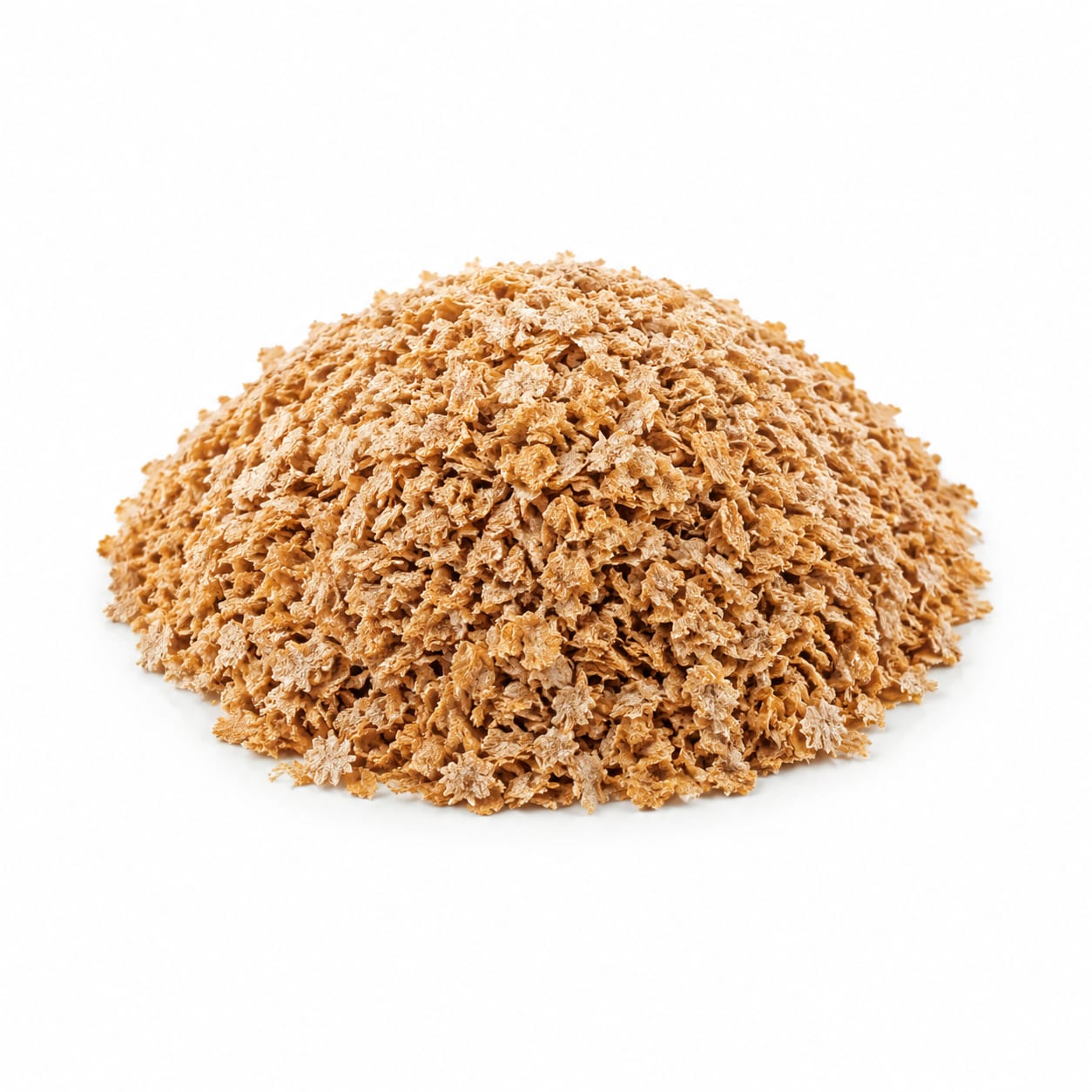
Grain Component
Wheat Bran
The fiber-rich outer shell of the wheat kernel that promotes digestive regularity and provides minimal digestible carbohydrates.
The hard outer layer of the wheat kernel, separated during milling, known for its exceptionally high insoluble fiber content and mild nutty flavor.
high-fiber grain component for digestive regularity
Typical serving · 15g
Common varieties · crude wheat bran, coarse wheat bran, fine milled wheat bran, toasted wheat bran
Overall context score across nutrition, safety, and diet fit
At a glance
Quick facts
Simple indicators based on nutrition, processing, and diet fit.
The story
What makes it unique
Wheat bran is composed primarily of insoluble fiber (cellulose and hemicellulose), which resists digestion in the small intestine and accelerates gut transit time. It has a very low glycemic index due to minimal digestible carbohydrates. Its high phytic acid content can chelate minerals, reducing their bioavailability. Satiety is high because fiber adds physical bulk and delays gastric emptying.
Varieties: crude wheat bran · coarse wheat bran · fine milled wheat bran · toasted wheat bran
Per 100g
Nutrition breakdown
Macro balance and key metrics at a glance.
Energy
Density 2.16 kcal/g
Protein
Carbs
Fat
Fiber
Sugar
0.4 g
Sodium
2 mg
Potassium
1182 mg
Glycemic index
15
Glycemic load
3
Water content
9.8%
Standout compounds
Nutrient highlights
Insoluble Fiber
highPromotes digestive regularity and prevents constipation
Manganese
highSupports bone formation and metabolic enzyme function
Magnesium
moderateCrucial for muscle relaxation and energy production
Iron
moderateEssential for oxygen transport in the blood
Phosphorus
moderateVital for bone health and cellular energy storage
Wellness map
Health scores & processing
NOVA processing scale
minimally processed · Whole food
Wheat bran is a physical component of the whole grain separated through mechanical milling, requiring no chemical processing or additives.
Diet compatibility
- Weight loss
- Muscle gain
- Diabetes
- Gut health
- Low carb
- High protein
- Heart health
Relative standing
Food rankings
Qualitative ranks compared to similar whole foods.
- Satietyexcellent
- Blood sugarexcellent
- Nutrient densitygood
- Fitness fuelpoor
- Processing qualityexcellent
Eat with confidence
Food safety profile
Wheat bran is generally safe, but the outer layer of grains can accumulate higher concentrations of agricultural chemicals. Choosing organic varieties reduces this relative risk.
Evidence confidence 85%
- Pesticidesmoderate
- Antibioticslow
- Heavy metalslow
- Contaminationlow
Watch for
- pesticide residues
- mycotoxins
Safer choices
organic wheat bran
Prep tips
Rinsing raw bran before use is not typical and can degrade texture; instead, opt for certified organic sources to minimize pesticide exposure.
As the outer layer of the grain, bran can concentrate pesticide residues used during wheat cultivation.
Deep dive
Health analysis
How this food may fit different goals and preparation choices.
Weight loss
Extremely high fiber content adds bulk to the diet, promoting physical fullness and reducing overall calorie intake without hunger.
Blood sugar
Virtually zero digestible carbohydrates in a standard serving result in a negligible glycemic impact, making it highly stabilizing for blood glucose.
Fitness & energy
Not a viable quick-energy source due to slow digestion and low available carbohydrates, though it supports long-term metabolic health.
Gut health
Insoluble fiber draws water into the intestines, accelerating transit time and effectively relieving constipation, though it may irritate sensitive IBS-D guts.
Processing quality
A minimally processed, natural component of the wheat kernel with no added chemicals or artificial ingredients.
Food safety
The primary concern is pesticide concentration on the outer grain layer; organic sourcing mitigates this. Phytates are an antinutrient consideration for vulnerable populations.
Common mistakes
Adding large amounts to the diet too quickly causes severe bloating, gas, and cramping. Fiber intake must be increased gradually with adequate water.
Best preparation
Mix into yogurt, smoothies, or baked goods. Toasting enhances the nutty flavor. Soaking in milk or water softens the sharp texture.
Practical guide
Best use cases
When and how this food fits real eating patterns.
Constipation Relief
Adding a few tablespoons to daily meals accelerates gut transit time and adds necessary stool bulk.
High-Volume Low-Calorie Eating
Mixing into meals increases physical food volume without adding significant digestible calories, aiding strict portion control.
Blood Sugar Stabilization
Blending into carbohydrate-rich meals slows down the overall digestion rate, preventing glucose spikes.
Balance sheet
Pros & cons
Upsides
- Exceptionally high in insoluble fiber for digestive regularity
- Very low glycemic index and glycemic load
- Adds physical bulk to meals without adding digestible calories
- Good source of essential minerals like manganese and magnesium
- Inexpensive and easy to incorporate into baking or yogurt
Trade-offs
- High phytic acid content can inhibit mineral absorption
- Introducing too much too quickly causes bloating and gas
- Not suitable for people with celiac disease or gluten intolerance
- Lacks the versatile cooking properties of whole wheat flour
- Can irritate the gut lining in individuals with diarrhea-predominant IBS
Fit check
Who is it for?
Great match
- constipation relief
- high-volume eating
- blood sugar management
- cholesterol-lowering diets
Consider alternatives
- gluten-free diets
- severe IBS-D
- acute mineral repletion diets
- pre-workout fueling
Side by side
How it compares
Open the full head-to-head analysis for nutrition, safety, and practical tradeoffs.
This food
Wheat Bran
VS85% alike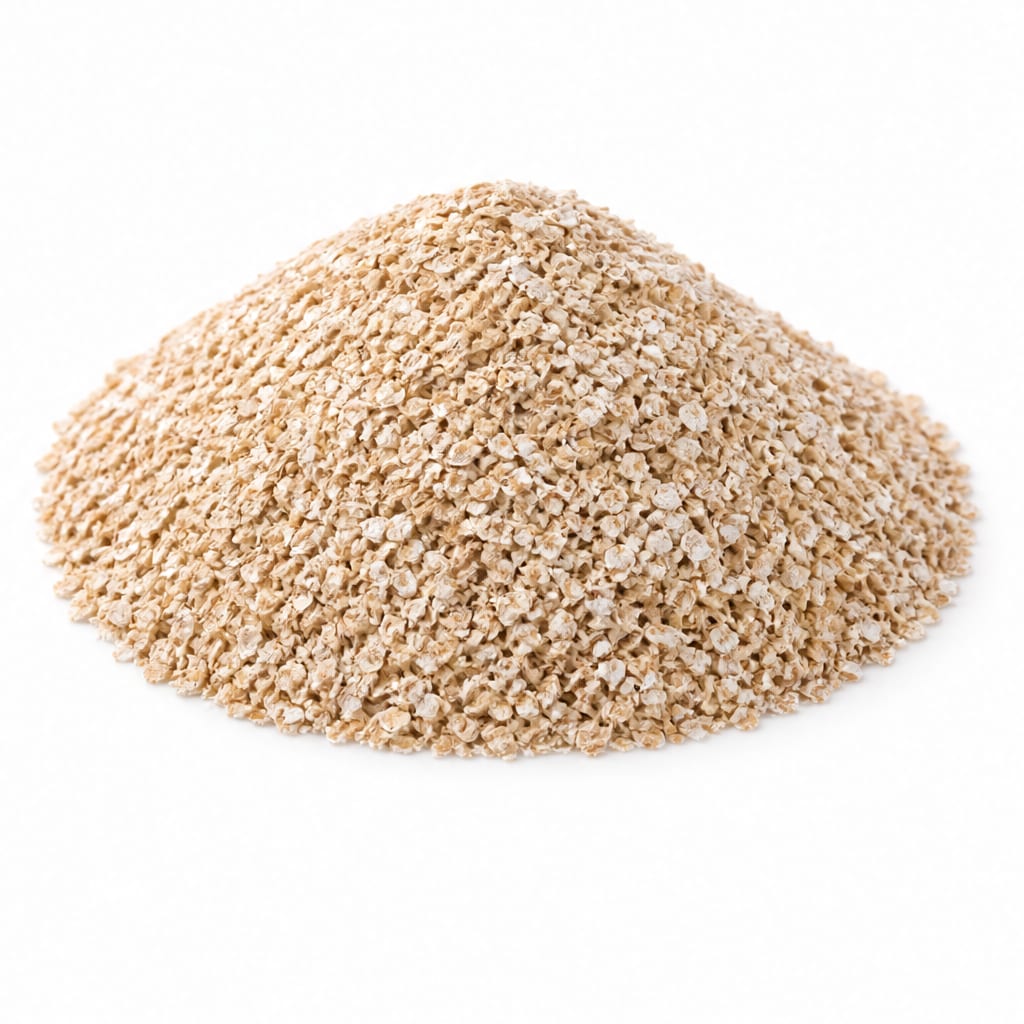
Compare with
Oat Bran
Oat bran is rich in soluble fiber (beta-glucan) which lowers cholesterol, while wheat bran is rich in insoluble fiber which relieves constipation.
Wheat bran provides more insoluble fiber for constipation relief and fullness, while oat bran offers more soluble fiber for lowering cholesterol and steady energy.
This food
Wheat Bran
VS80% alike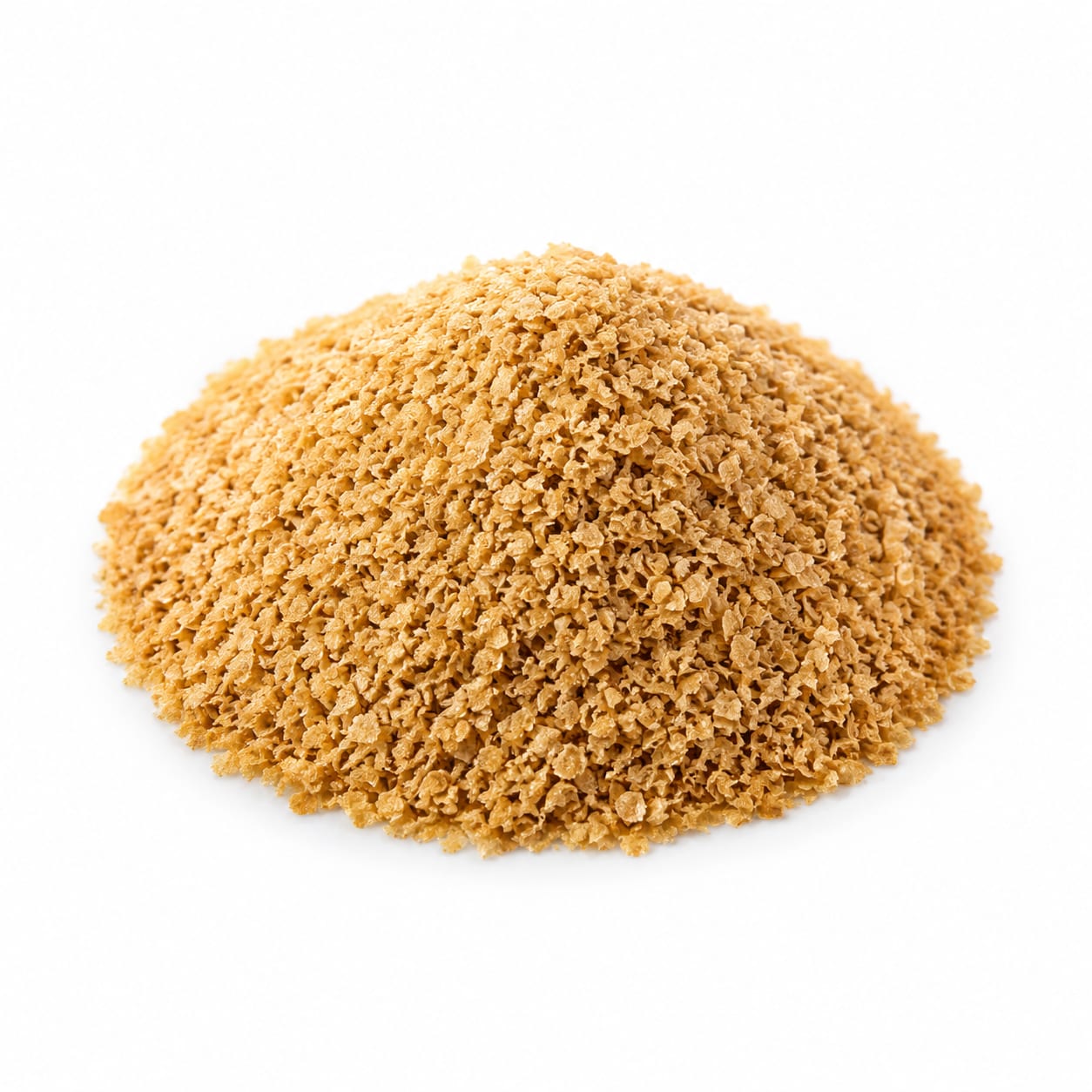
Compare with
Wheat Germ
Wheat germ is the nutrient-dense embryo high in healthy fats and vitamin E, whereas wheat bran is the fibrous outer shell.
Wheat bran is better for fiber and digestion, while wheat germ is better for healthy fats, vitamin E, and overall nutrient density.
This food
Wheat Bran
VS75% alike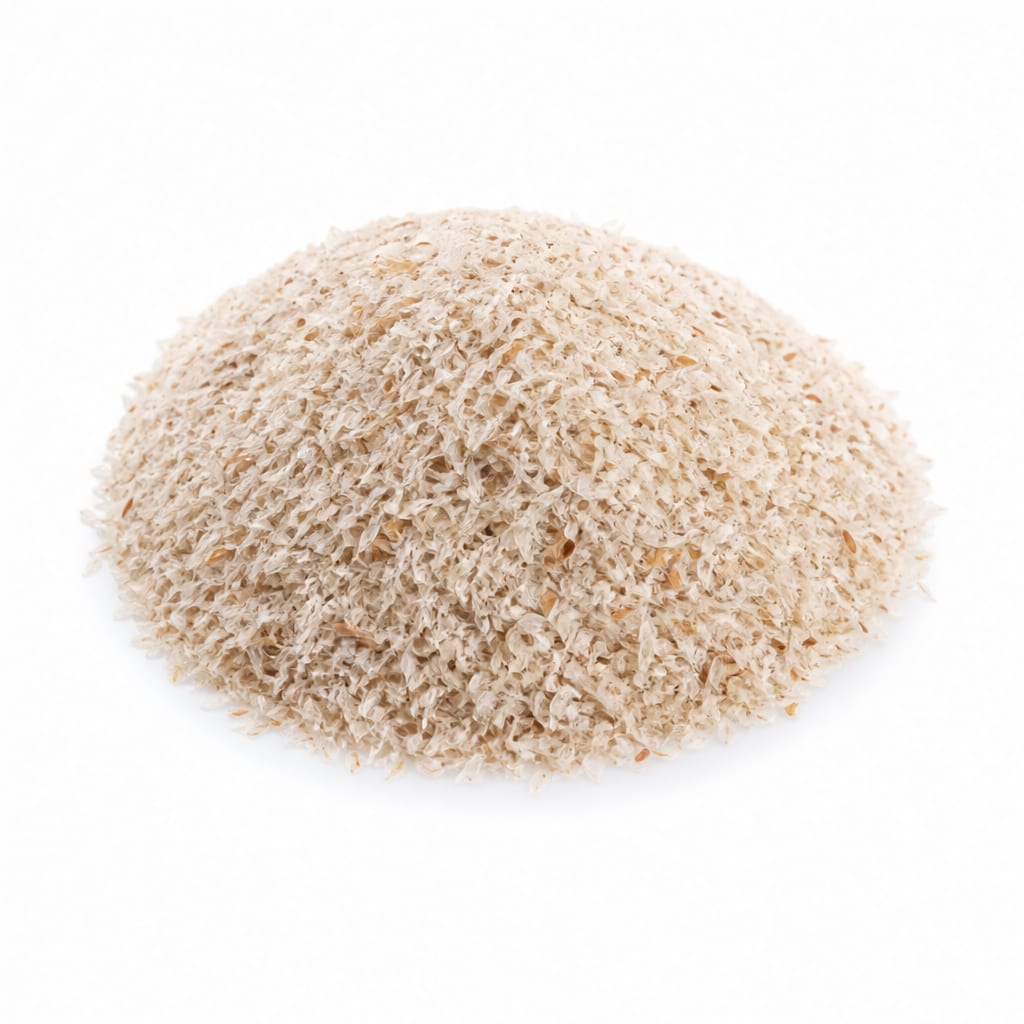
Compare with
Psyllium Husk
Psyllium is primarily soluble fiber that forms a gel, while wheat bran is insoluble fiber that adds bulk. Psyllium is gluten-free.
Wheat bran adds insoluble bulk for faster digestion, while psyllium husk provides soluble gel-forming fiber that is gentler on IBS and better for cholesterol.
This food
Wheat Bran
VS70% alike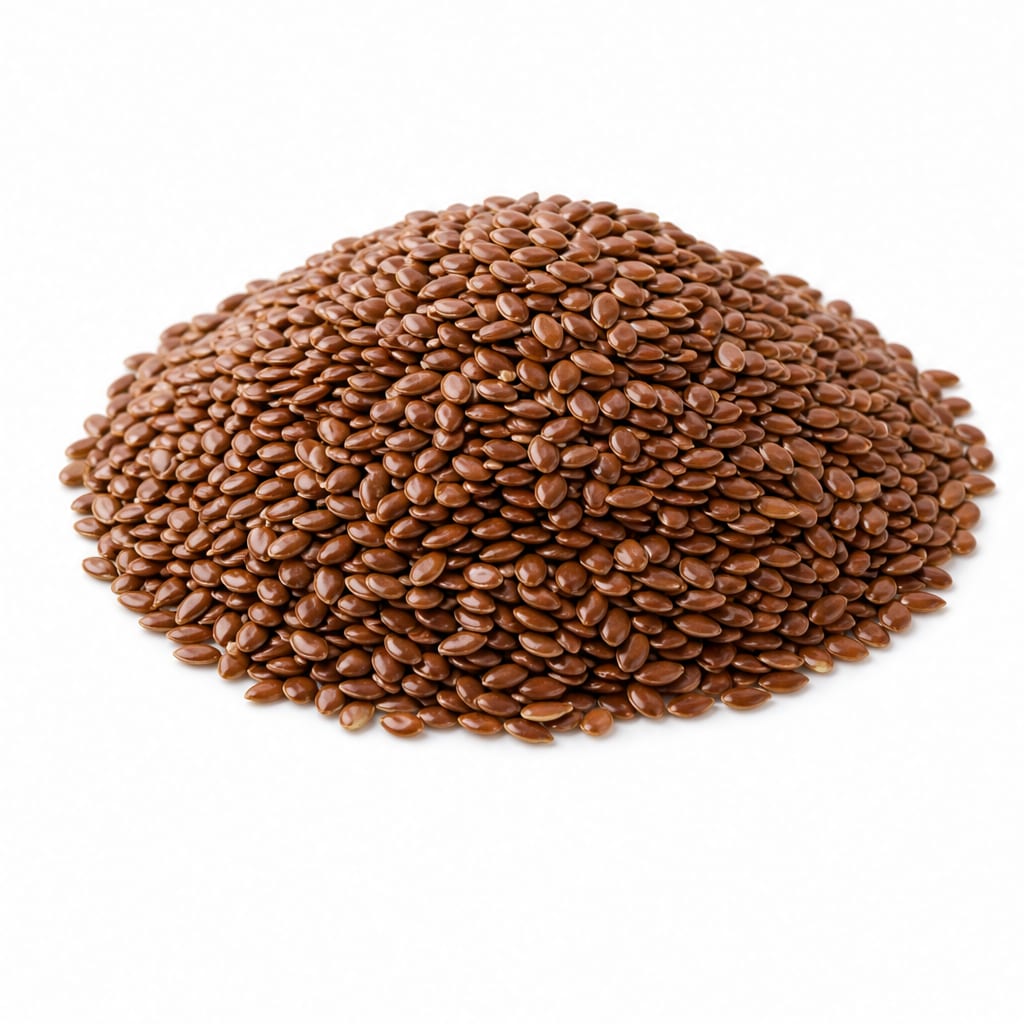
Compare with
Flaxseed
Flaxseed provides a balance of soluble and insoluble fiber plus omega-3 fatty acids, while wheat bran is almost entirely insoluble fiber.
Wheat bran is lower in calories and higher in overall fiber, but flaxseed provides anti-inflammatory omega-3 fats and is gluten-free.
This food
Wheat Bran
VS65% alike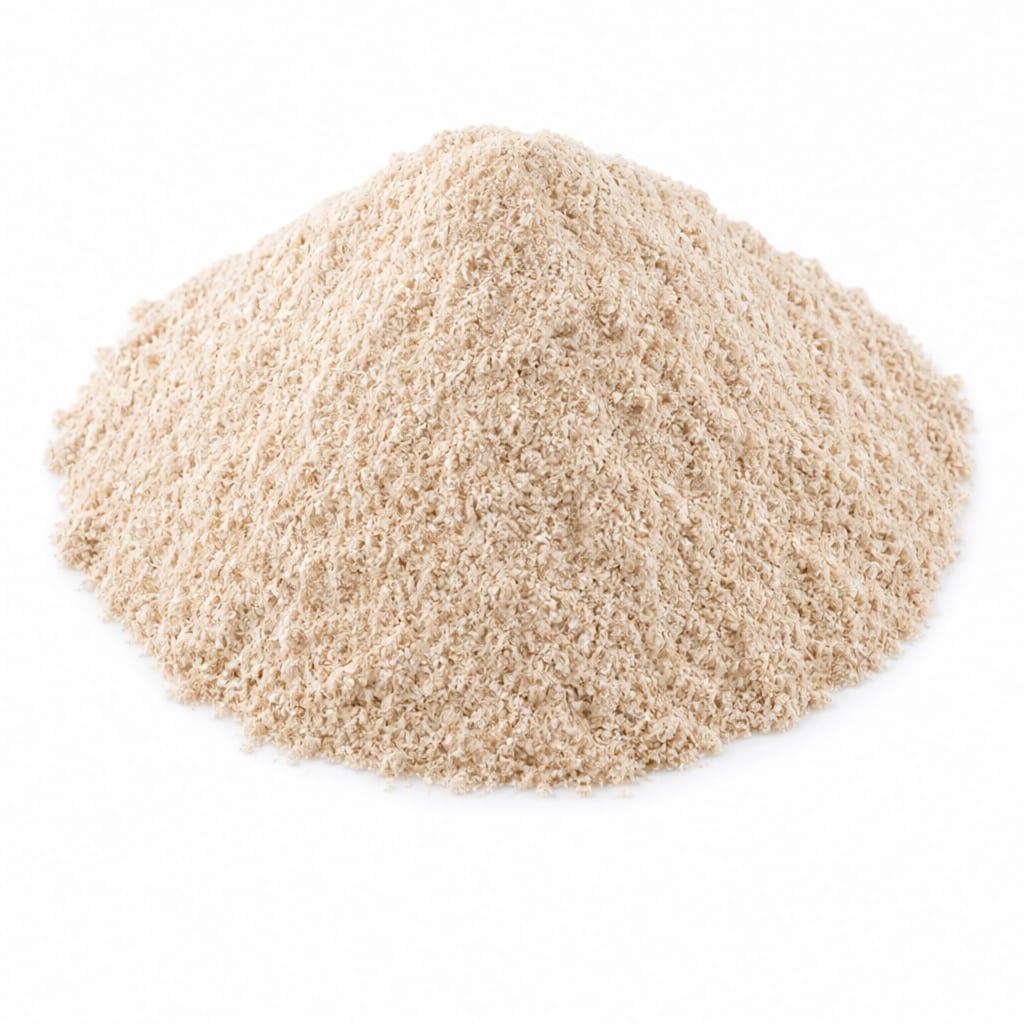
Compare with
Whole Wheat Flour
Whole wheat flour provides usable carbohydrates and protein for baking, while wheat bran provides concentrated fiber with minimal digestible carbs.
Wheat bran is superior for pure fiber and blood sugar control, while whole wheat flour is a versatile carbohydrate source for baking and energy.
This food
Wheat Bran
VS40% alike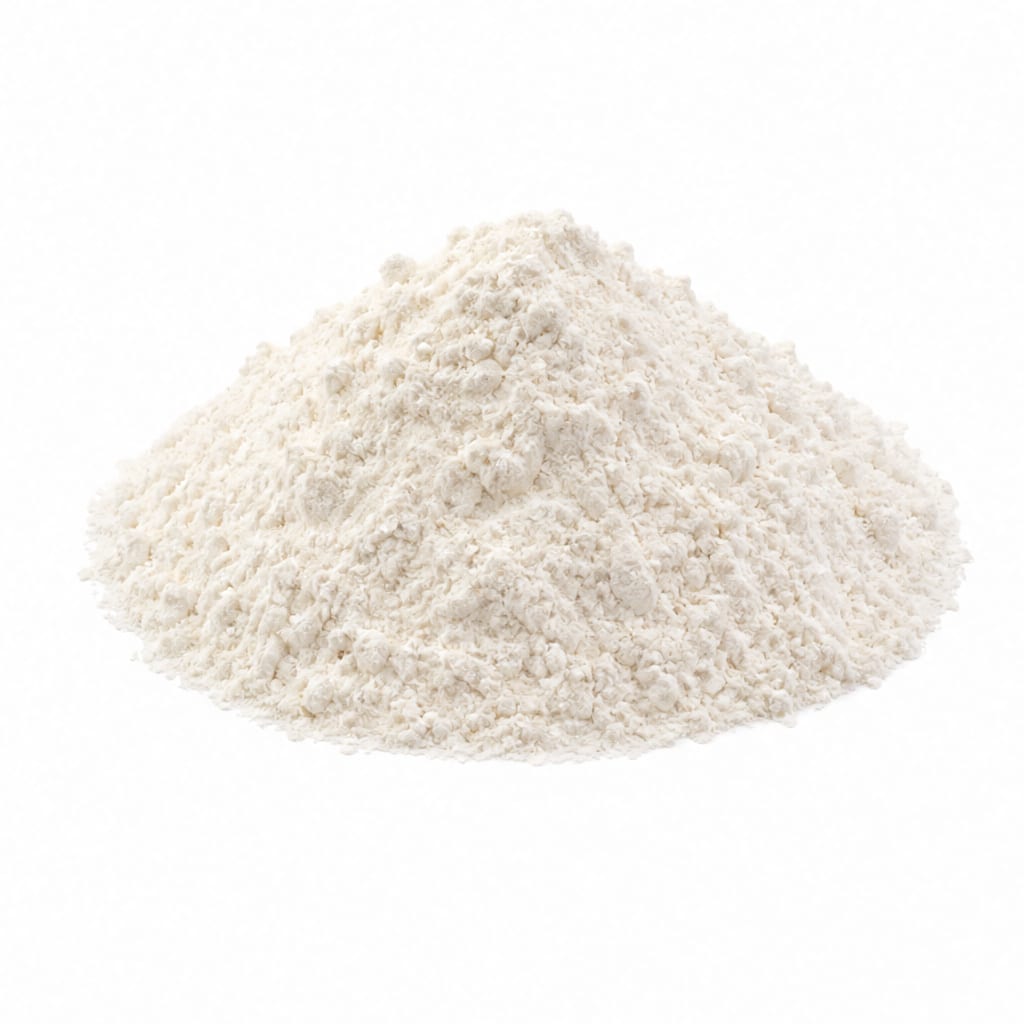
Compare with
White Flour
White flour is stripped of fiber and nutrients, causing rapid blood sugar spikes, whereas wheat bran provides massive fiber with almost no digestible carbs.
Wheat bran vastly outperforms white flour for satiety, blood sugar stability, and gut health, though white flour provides quick energy.
This food
Wheat Bran
VS85% alike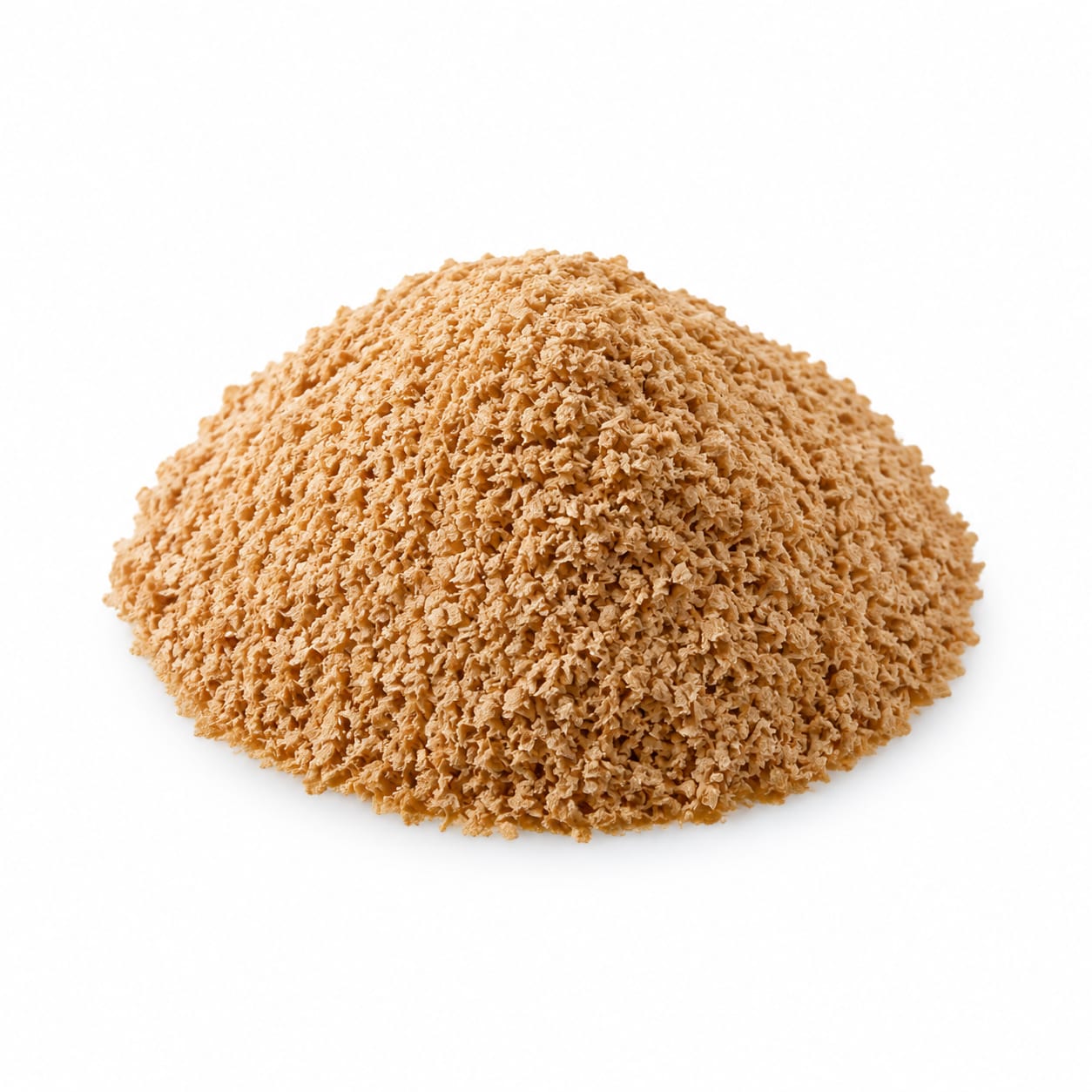
Compare with
Rice Bran
Rice bran is gluten-free and higher in healthy fats, while wheat bran is higher in insoluble fiber and contains gluten.
Wheat bran offers more fiber for constipation relief, while rice bran is a gluten-free alternative with slightly more healthy fats and antioxidants.
This food
Wheat Bran
VS80% alike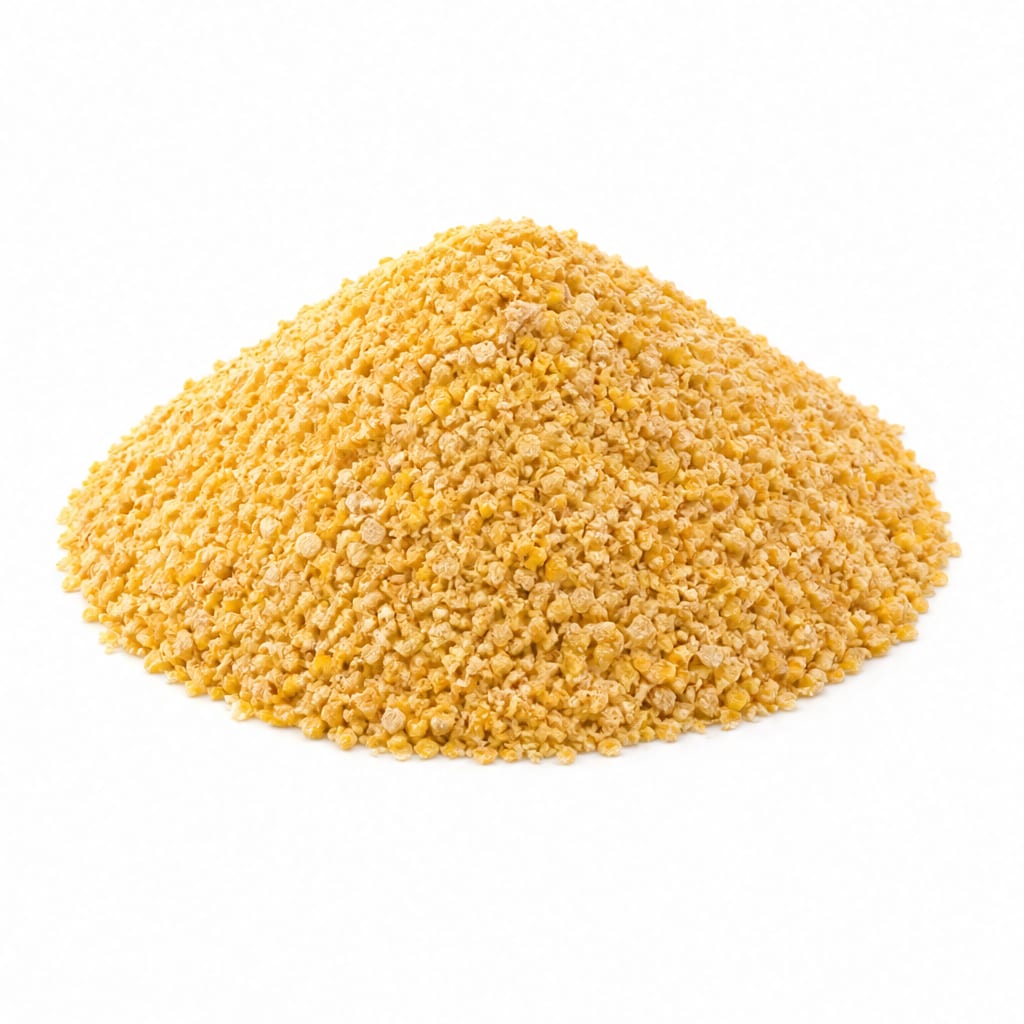
Compare with
Corn Bran
Corn bran is gluten-free and similarly high in insoluble fiber, but wheat bran has a more established evidence base for gut transit time.
Wheat bran is slightly more effective for promoting bowel regularity, while corn bran is a comparable gluten-free alternative for adding fiber bulk.
This food
Wheat Bran
VS60% alike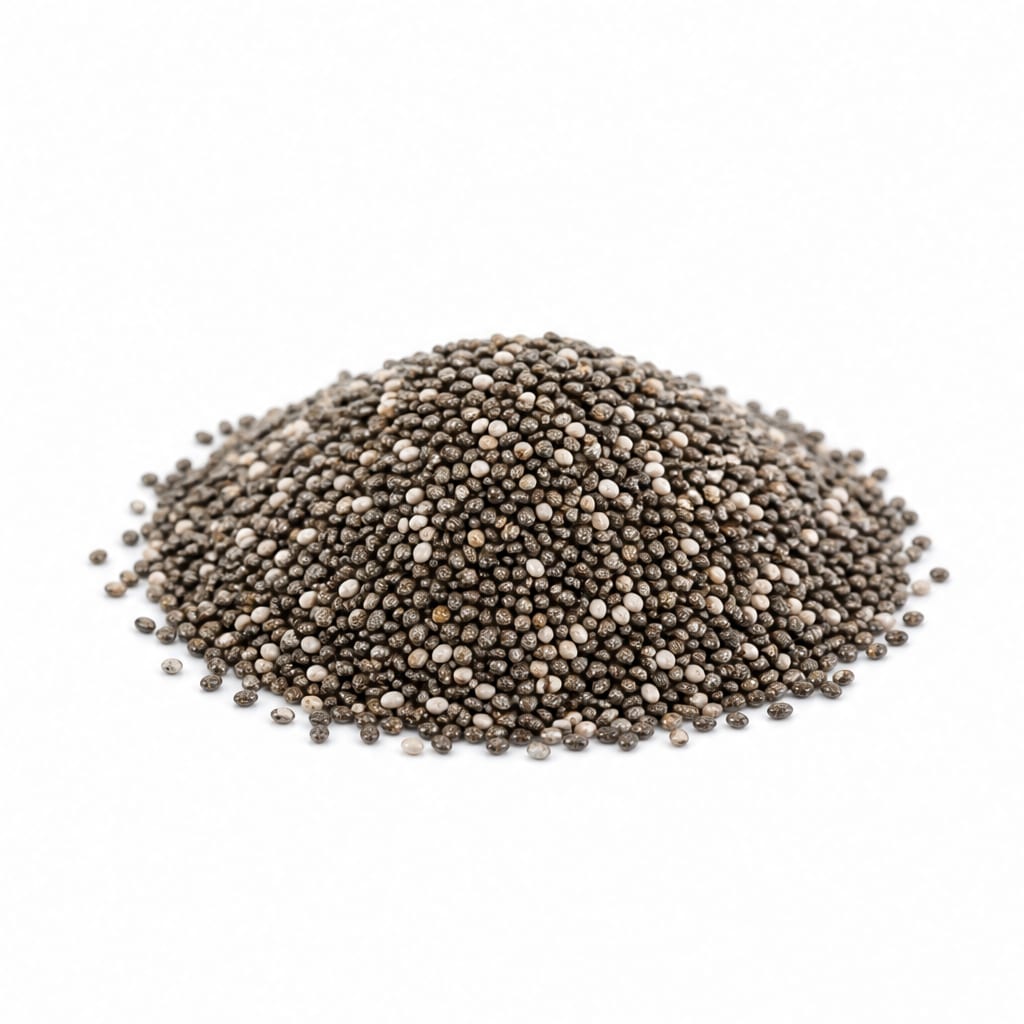
Compare with
Chia Seeds
Chia seeds are rich in soluble fiber and omega-3s, forming a gel, while wheat bran is insoluble and provides physical scrubbing action in the gut.
Wheat bran provides more insoluble fiber for constipation, while chia seeds offer soluble fiber and omega-3s, making them better for cholesterol and IBS.
This food
Wheat Bran
VS35% alike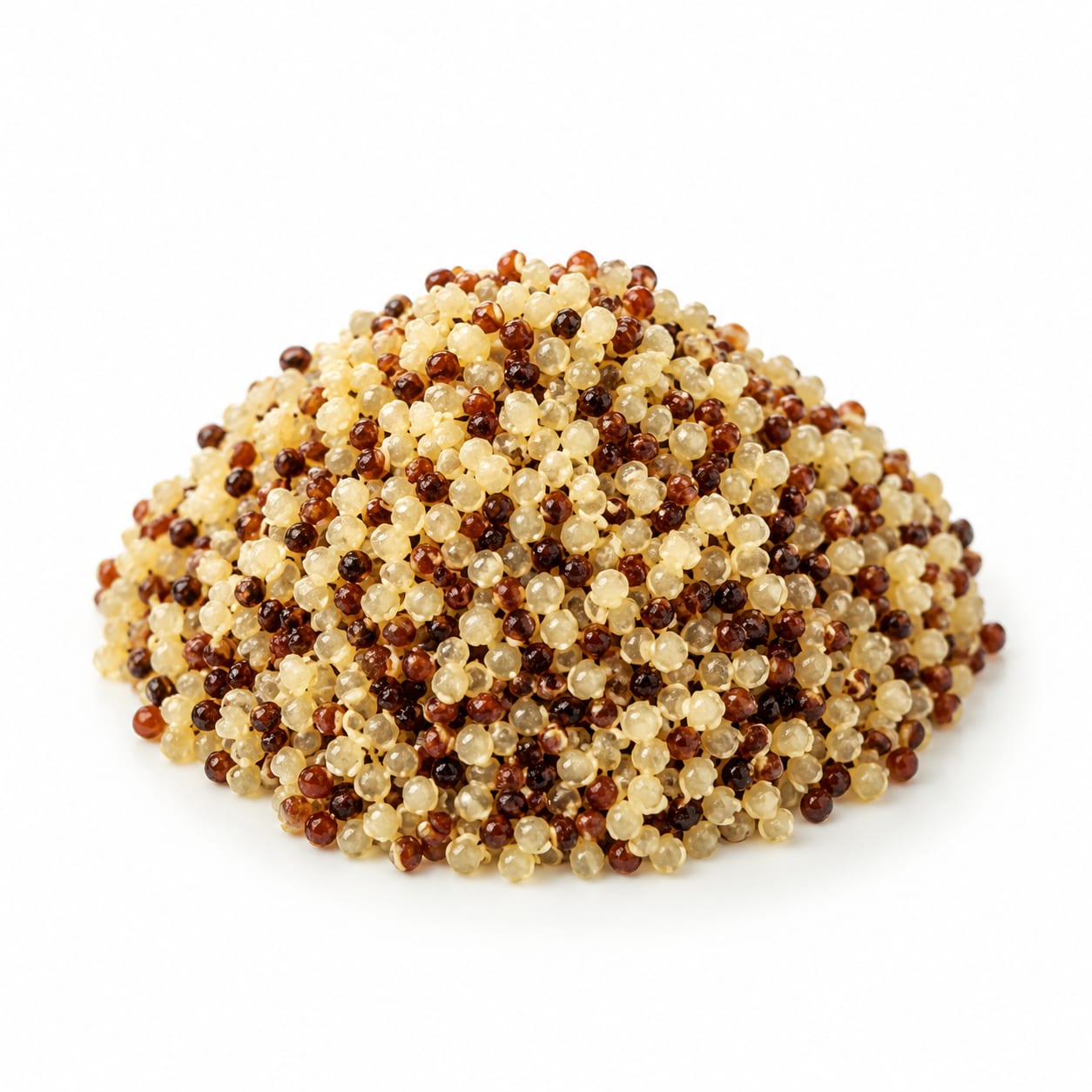
Compare with
Quinoa
Quinoa is a complete protein and gluten-free carbohydrate source, whereas wheat bran is a low-calorie, high-fiber supplement with gluten.
Wheat bran is better for pure fiber and digestion, while quinoa is a superior gluten-free source of complete protein and complex carbohydrates for energy.
Common questions
FAQ
Answers aligned with how people search for this food.
Is wheat bran good for constipation?
Yes, wheat bran is one of the most effective dietary treatments for constipation. Its high insoluble fiber content adds bulk to stool and speeds up movement through the digestive tract.
What is the difference between wheat bran and oat bran?
Wheat bran is higher in insoluble fiber, which speeds up digestion and relieves constipation. Oat bran is higher in soluble fiber, which forms a gel, slows digestion, and helps lower cholesterol.
Does wheat bran help you lose weight?
It can. Wheat bran is very low in digestible calories but expands in the stomach with water, promoting strong feelings of fullness and reducing overall food intake.
Can I eat wheat bran on a low carb diet?
While total carbohydrates are high, the net digestible carbs are very low due to the massive fiber content. However, strict keto dieters often avoid it because it contains gluten and wheat proteins.
How much wheat bran should I eat a day?
Start with 1 to 2 tablespoons (5-15g) per day and gradually increase to a maximum of about 1/4 to 1/3 cup (30-45g) daily, always accompanied by plenty of water.
Does wheat bran block nutrient absorption?
Yes, wheat bran contains phytic acid, which can bind to minerals like iron, zinc, and calcium, reducing their absorption. It is best eaten separately from mineral supplements or iron-rich meals.
Is wheat bran safe for IBS?
It depends on the IBS subtype. It is often helpful for IBS-C (constipation-dominant) but can worsen symptoms for IBS-D (diarrhea-dominant) due to its harsh insoluble fiber irritating the gut lining.
Can diabetics eat wheat bran?
Yes, wheat bran is excellent for diabetes. It contains almost no digestible carbohydrates, has a negligible impact on blood sugar, and helps improve insulin sensitivity.
Transparency
Data confidence
Estimated confidence for nutrition data, interpretation, safety notes, and comparisons.
Nutrition data
Health analysis
Food safety
Comparisons