
Nutrition comparison
Wheat Bran vs Rice Bran: Which is Better for Fiber and Health?
Compare Wheat Bran and Rice Bran to find out which is better for constipation, cholesterol, and gluten-free diets. Discover the nutritional tradeoffs and safety tips.
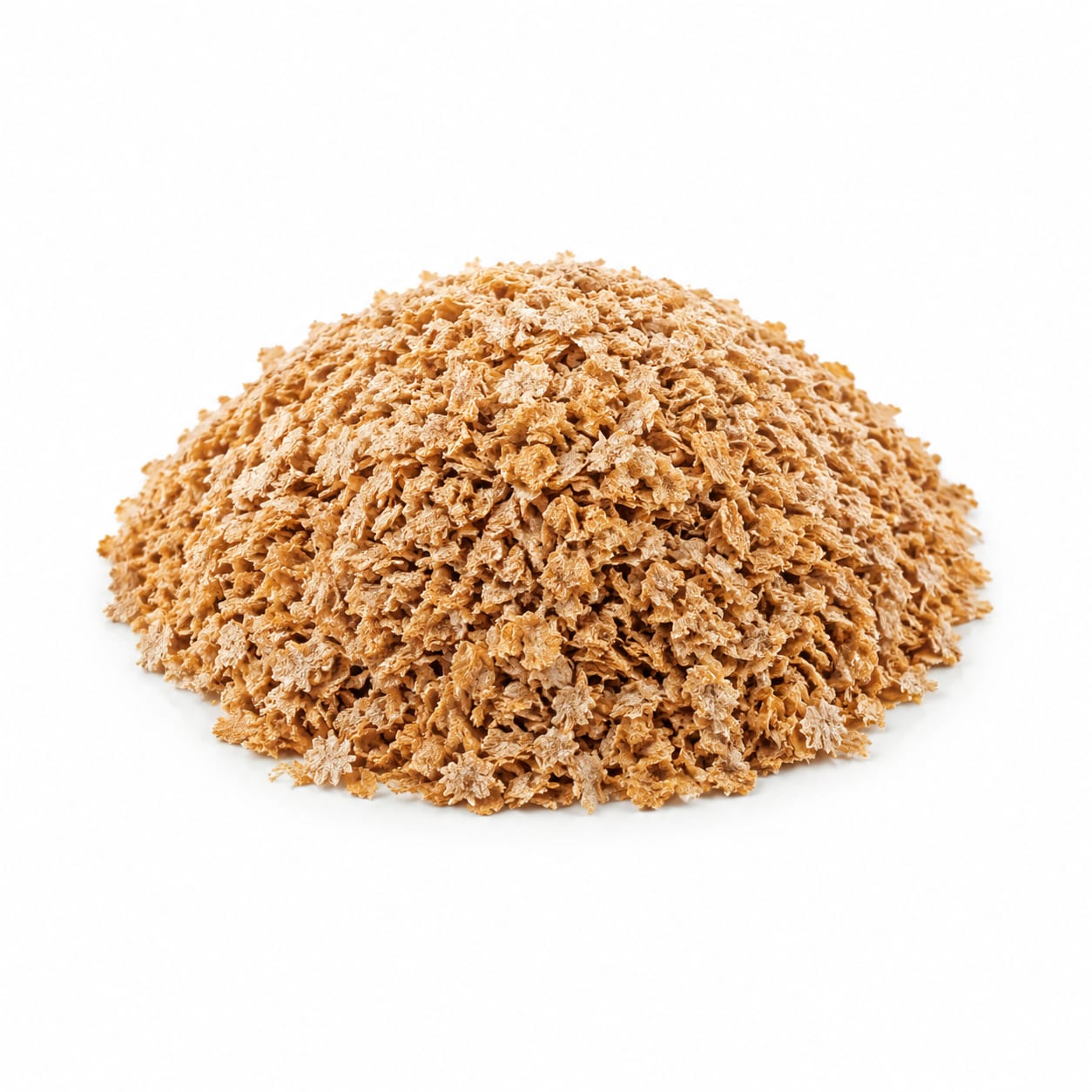
Wheat Bran
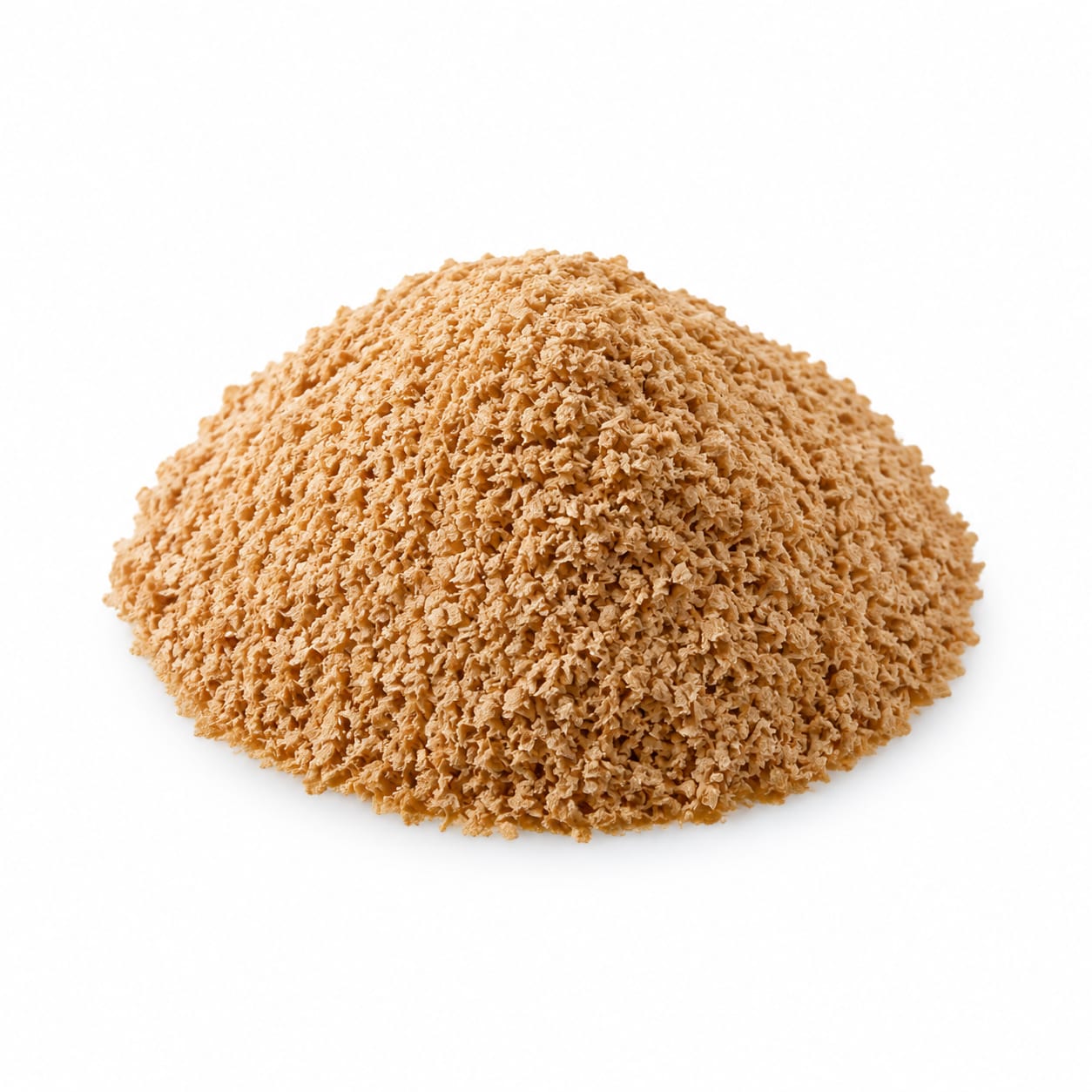
Rice Bran
Wheat Bran is the undisputed king of digestive regularity, while Rice Bran is the superior choice for heart health and gluten-free diets.
Rice Bran edges out Wheat Bran slightly due to its broader nutritional profile, heart-healthy fats, and gentler digestion, though Wheat Bran remains the ultimate fiber supplement.
You trade the extreme insoluble fiber power of Wheat Bran for the cholesterol-lowering, gluten-free, and antioxidant benefits of Rice Bran.
At a glance
Executive summary
Overall
It depends
Healthier
It depends
More practical
Wheat Bran
Daily use
Rice Bran
Key comparison lenses
Digestive health and constipation relief
Bran is primarily consumed for its exceptional fiber content and bowel-regulating effects.
Heart health and cholesterol management
Rice bran contains unique compounds like gamma-oryzanol that actively lower cholesterol, making heart health a key differentiator.
Gluten sensitivity and allergen avoidance
Wheat bran contains gluten, making rice bran the only safe option for those with celiac disease or gluten intolerance.
Food safety and heavy metal exposure
Rice products carry a higher risk of arsenic contamination, which is a critical safety factor for daily consumption.
Best choice for
Wheat Bran
- Severe constipation relief
- Maximum satiety on a low-calorie diet
- Those with no gluten sensitivity
Rice Bran
- Lowering LDL cholesterol
- Gluten-free or celiac diets
- People with sensitive stomachs who find Wheat Bran too harsh
Least suitable for
Wheat Bran
- People with celiac disease or gluten intolerance
- Individuals with irritable bowel syndrome (IBS) who react to insoluble fiber
Rice Bran
- Those strictly limiting fat intake
- People highly concerned about arsenic exposure
Deep comparison
Dimension by dimension
Each lens scores both foods and breaks down who each option suits.
- Dimension 1 · Priority 95Wheat Bran
Digestive Regularity & Satiety
Wheat Bran · 95Rice Bran · 80Wheat Bran is mostly insoluble fiber, which adds bulk to stool and speeds up digestion dramatically.
Tradeoff
Wheat Bran can be too harsh for sensitive digestive tracts, causing bloating, whereas Rice Bran is gentler and better tolerated.
Why it matters
If you struggle with chronic constipation, Wheat Bran works faster and more aggressively.
Real-world impact
A morning bowl with Wheat Bran will likely guarantee a bathroom trip within hours, while Rice Bran offers a softer, steadier digestive rhythm.
Wheat Bran
- Relieving severe constipation
- Feeling extremely full on fewer calories
Better for
- Causing gas or cramping if introduced too quickly
Worse for
Rice Bran
- Managing mild digestive sluggishness without bloating
- People with IBS who need gentle fiber
Better for
- Failing to provide enough bulk for severe constipation
Worse for
- Dimension 2 · Priority 90Rice Bran
Heart Health & Cholesterol
Wheat Bran · 70Rice Bran · 92Rice Bran contains gamma-oryzanol and healthy fats that are clinically shown to lower LDL cholesterol.
Tradeoff
You get more heart-protective compounds in Rice Bran, but it also contains more calories from fat than Wheat Bran.
Why it matters
For those actively trying to improve lipid panels, Rice Bran acts more like a heart supplement than just a fiber source.
Real-world impact
Adding Rice Bran to your daily smoothie can help chip away at bad cholesterol numbers over months, whereas Wheat Bran mainly just keeps things moving.
Wheat Bran
- Very low-fat diet requirements
Better for
- Lacks the specific cholesterol-lowering oils found in Rice Bran
Worse for
Rice Bran
- Lowering LDL cholesterol
- Increasing antioxidant intake for cardiovascular protection
Better for
- Higher fat content adds calories if not accounted for
Worse for
- Dimension 3 · Priority 85Rice Bran
Allergen & Sensitivity Profile
Wheat Bran · 40Rice Bran · 95Rice Bran is naturally gluten-free, making it safe for celiacs, while Wheat Bran contains gluten.
Tradeoff
Choosing Rice Bran avoids gluten entirely, but Wheat Bran is far more common and cheaper to find in grocery stores.
Why it matters
For the growing population with gluten sensitivities, Wheat Bran is completely off the table.
Real-world impact
If you have celiac disease, Rice Bran gives you the fiber benefits without the autoimmune trigger or intestinal damage.
Wheat Bran
- No specific allergen advantage
Better for
- Triggers inflammation in gluten-sensitive individuals
Worse for
Rice Bran
- Celiac disease management
- Gluten-free lifestyles
Better for
- None regarding common allergens
Worse for
- Dimension 4 · Priority 75Wheat Bran
Food Safety & Shelf Stability
Wheat Bran · 85Rice Bran · 60Wheat Bran is low in fat and stable on the shelf, while Rice Bran is prone to rancidity and carries arsenic risks.
Tradeoff
Rice Bran's healthy fats make it go bad quickly once opened, and rice naturally accumulates more arsenic from soil than wheat.
Why it matters
Storing Rice Bran improperly can lead to spoiled, foul-tasting food, and long-term arsenic exposure is a valid health concern.
Real-world impact
You can keep Wheat Bran in the pantry for months without issue, but Rice Bran is best stored in the fridge and used within weeks to prevent it from going rancid.
Wheat Bran
- Long-term pantry storage
- Lower heavy metal exposure risk
Better for
- Pesticide residue concerns in conventional wheat
Worse for
Rice Bran
- None regarding safety and stability
Better for
- Higher arsenic content
- Rapid oxidation and rancidity
Worse for
Timeline
Health impact over time
Short-term
Hours to days
Wheat Bran
- Rapid increase in bowel movement frequency
- Potential bloating or gas if consumed without enough water
- High satiety helping to curb appetite
Rice Bran
- Gentle improvement in digestion
- Steadier energy due to balanced macronutrients
- Less risk of intestinal discomfort compared to Wheat Bran
Long-term
Months to years
Wheat Bran
- Reduced risk of diverticulitis and colon issues
- Possible mineral depletion over time due to high phytic acid content
- Worsened IBS symptoms in susceptible individuals
Rice Bran
- Improved cholesterol levels and heart health markers
- Better skin and cellular health from vitamin E and antioxidants
- Potential low-level arsenic accumulation if consumed in very high amounts daily
Risk profile
Safety & processing
Both are simple byproducts of grain milling, making them whole-food sources of fiber with no artificial ingredients when purchased pure.
Wheat Bran
Phytic acid interference
mediumHigh phytic acid in Wheat Bran can bind to iron, zinc, and calcium, reducing their absorption if consumed at the same time as meals.
Gluten contamination
highInherently contains gluten, posing a severe risk to those with celiac disease.
Rice Bran
Arsenic exposure
mediumRice naturally absorbs more arsenic from soil and water than other grains. Regular, heavy consumption of Rice Bran could contribute to heavy metal load.
Rancidity
mediumThe natural oils in Rice Bran oxidize quickly once the grain is milled, leading to spoilage and off-flavors if not refrigerated.
Who wins for whom
Audience fit
Same foods, different winners depending on your goal.
children
Rice BranRice Bran is gentler on developing digestive systems and avoids the gluten sensitivity risk, making it a safer fiber boost for kids.
daily consumption
Rice BranRice Bran offers a more balanced nutritional profile with healthy fats and antioxidants, making it a more well-rounded daily addition as long as arsenic intake is monitored.
diabetes
Wheat BranWheat Bran has a slightly lower glycemic impact and more roughage to slow down sugar absorption, though both are excellent for blood sugar control.
elderly
It dependsWheat Bran is better for severe constipation common in older adults, but Rice Bran is better for heart health and is easier to chew and digest if the gut is sensitive.
muscle gain
It dependsNeither is a primary muscle-building food, but Rice Bran offers slightly more calories and healthy fats to support a caloric surplus.
weight loss
Wheat BranWheat Bran is lower in calories and fat, while providing aggressive bulk that makes you feel extremely full on very few calories.
Your move
Decision guide
Choose Wheat Bran
- You need serious help with constipation
- You are on a strict low-fat or low-calorie diet
- You have no issues with gluten and want the cheapest, most effective fiber supplement
Choose Rice Bran
- You have celiac disease or gluten sensitivity
- Your primary goal is lowering cholesterol
- You find Wheat Bran too harsh or bloating
Either works if
- You just want to increase your daily fiber intake and have no specific sensitivities
- You are mixing it into baked goods or smoothies where the flavor difference is negligible
Avoid both if
- You are currently on a low-fiber diet prescribed by a doctor for acute digestive issues
- You have severe difficulty swallowing without proper hydration, as dry bran can be a choking hazard
Final recommendation
Choose Wheat Bran if your main focus is digestive regularity and weight loss, but switch to Rice Bran if you need a gluten-free, heart-healthy option that is gentler on the stomach.
Practical
Consumer tips
- 1
Always introduce either bran slowly into your diet to avoid gas and bloating.
- 2
Drink plenty of water when consuming bran; without enough fluid, it can actually cause blockages.
- 3
Store Rice Bran in the refrigerator or freezer to prevent the natural oils from going rancid.
- 4
If taking mineral supplements, separate them from Wheat Bran consumption by a couple of hours to avoid phytic acid blocking absorption.
- 5
Look for stabilized Rice Bran, which has been treated to prevent rancidity while keeping nutrients intact.