
Nutrition comparison
Wheat Bran vs Chia Seeds: Fiber, Omega-3, and Digestion Compared
Wheat Bran vs Chia Seeds: which is better for digestion, weight loss, and overall health? Compare fiber types, nutrients, and best uses to find your ideal superfood.
Overall winner · Chia Seeds
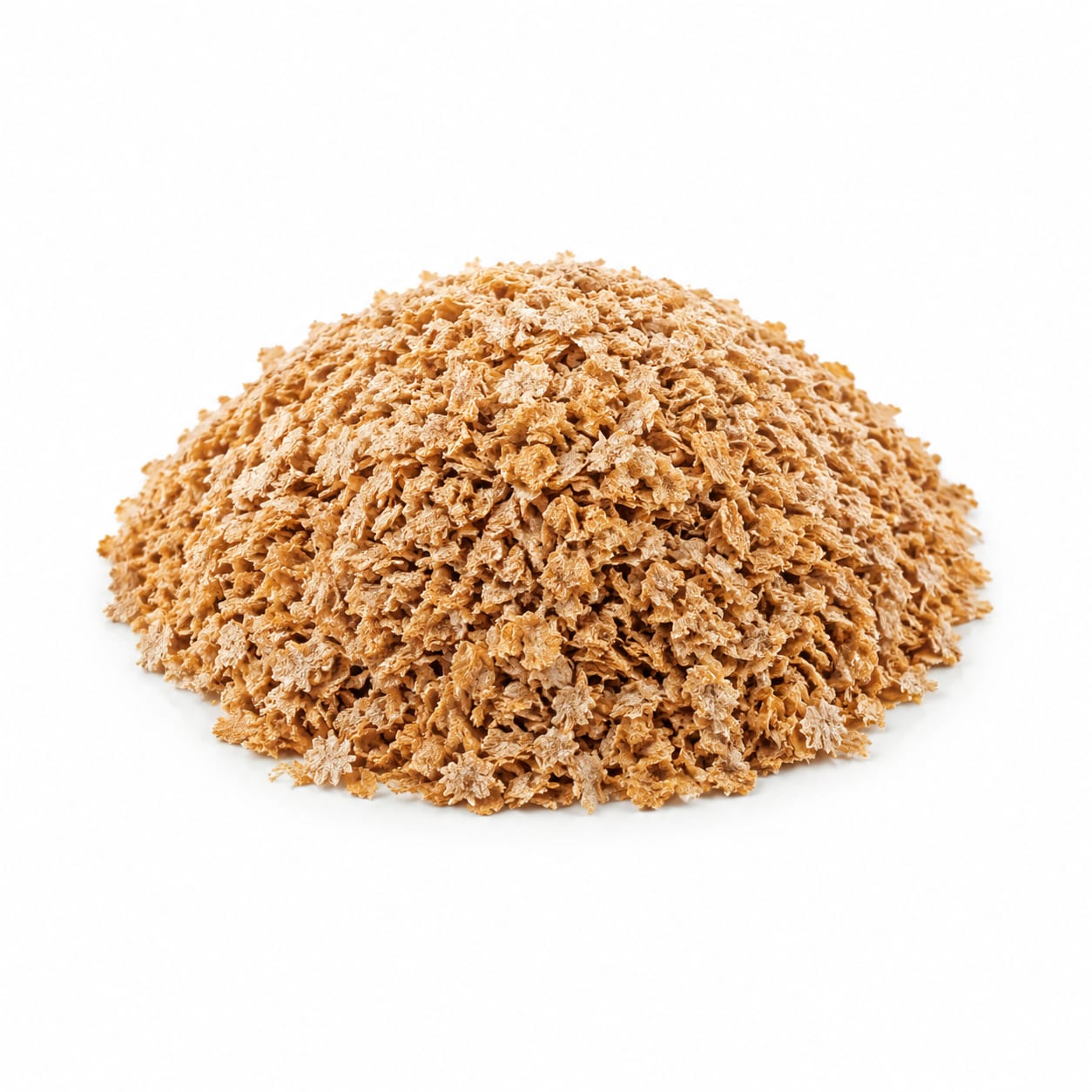
Wheat Bran
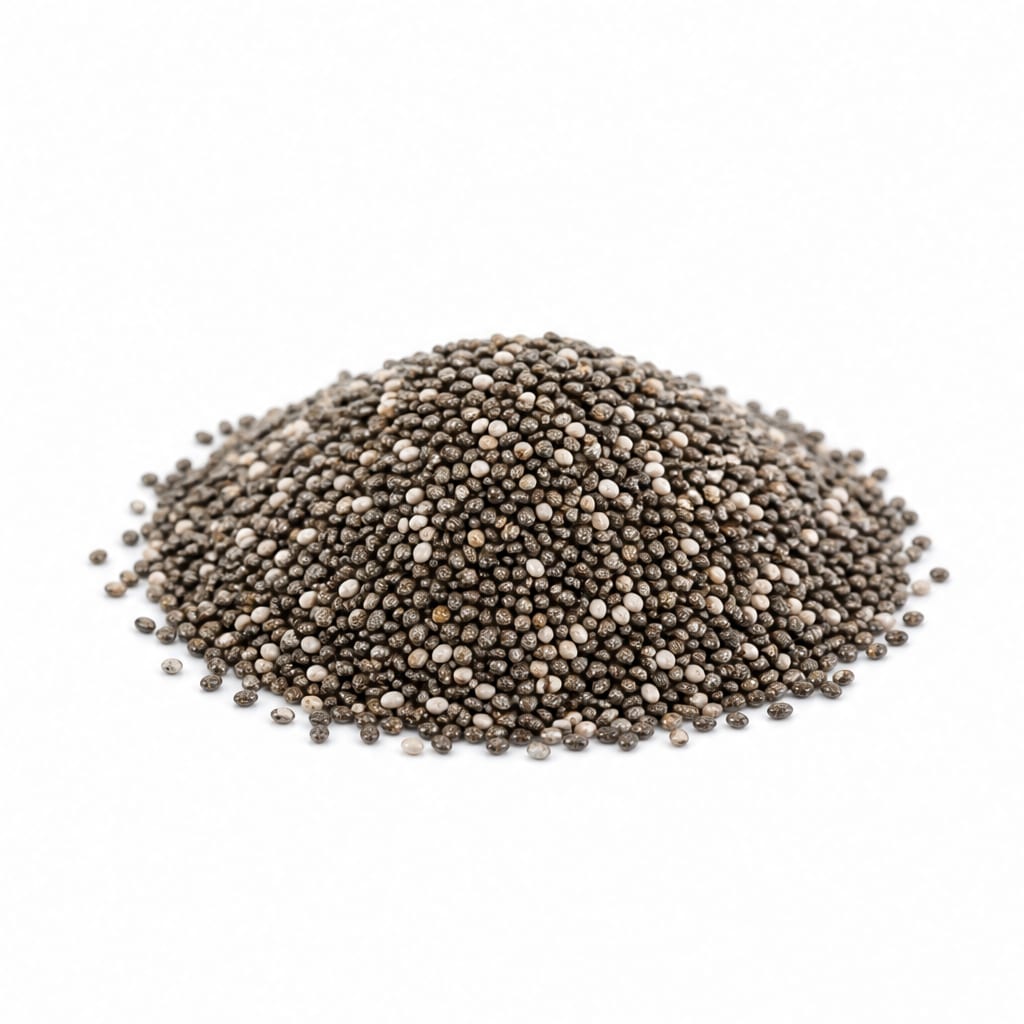
Chia Seeds
Chia Seeds offer broader nutritional benefits and steadier energy, but Wheat Bran is the unmatched low-calorie champion for fast digestive relief.
Chia Seeds score higher due to their superior nutrient profile, omega-3 content, and blood sugar benefits. Wheat Bran remains an excellent, affordable tool for specific digestive issues but lacks well-rounded nutritional value.
You trade the ultra-low calorie, fast-acting bowel stimulation of Wheat Bran for the nutrient-dense, appetite-stabilizing, gel-forming power of Chia Seeds.
At a glance
Executive summary
Overall
Chia Seeds
Healthier
Chia Seeds
More practical
Chia Seeds
Daily use
Chia Seeds
Key comparison lenses
Fiber type and digestive mechanics
Wheat Bran provides mostly insoluble fiber for bulk, while Chia Seeds offer soluble fiber that forms a gel, affecting digestion very differently.
Nutrient density beyond fiber
Chia Seeds bring omega-3s, calcium, and antioxidants, whereas Wheat Bran is primarily a fiber vehicle with fewer accompanying nutrients.
Blood sugar and satiety control
The gel-forming nature of Chia Seeds slows digestion more effectively, offering steadier energy compared to the faster transit of Wheat Bran.
Calorie efficiency for weight loss
Wheat Bran delivers massive fiber for almost zero calories, while Chia Seeds are calorie-dense due to their fat content.
Gluten tolerance and allergens
Wheat Bran contains gluten, making it a non-starter for celiacs, whereas Chia Seeds are naturally gluten-free.
Best choice for
Wheat Bran
- Strict calorie counters
- People needing fast constipation relief
- Budget-conscious shoppers seeking fiber
Chia Seeds
- People seeking omega-3s and healthy fats
- Those needing steady, crash-free energy
- Anyone avoiding gluten
Least suitable for
Wheat Bran
- People with celiac disease or gluten sensitivity
- Those with irritable bowel syndrome sensitive to insoluble fiber
Chia Seeds
- People who struggle with calorie-dense foods
- Those who forget to drink enough water
Deep comparison
Dimension by dimension
Each lens scores both foods and breaks down who each option suits.
- Dimension 1 · Priority 95It depends
Digestive Health & Regularity
Wheat Bran · 92Chia Seeds · 85Wheat Bran speeds up transit time with insoluble fiber, while Chia Seeds soothe and regulate with soluble gel-forming fiber.
Tradeoff
Wheat Bran is better for fast relief from constipation, but Chia Seeds are gentler and better for loose stools or IBS-D.
Why it matters
Choosing the wrong fiber type can either solve your bathroom issues or make them significantly worse.
Real-world impact
Wheat Bran gets things moving by morning; Chia Seeds keep things smooth and painless day after day.
Wheat Bran
- Chronic constipation
- Sluggish bowel motility
Better for
- Sensitive stomachs prone to irritation
- People with celiac disease
Worse for
Chia Seeds
- Irritable bowel with diarrhea
- Needing gentle, soothing digestion
Better for
- Severe constipation requiring immediate relief
Worse for
- Dimension 2 · Priority 90Chia Seeds
Satiety & Blood Sugar Stability
Wheat Bran · 70Chia Seeds · 94Chia Seeds create a physical gel in your stomach that slows digestion to a crawl, preventing energy crashes.
Tradeoff
Wheat Bran fills you up with sheer volume for few calories, but Chia Seeds keep you full for hours because of their fat and gel structure.
Why it matters
If you want to avoid the afternoon energy crash or late-night snacking, the type of fullness matters.
Real-world impact
A chia pudding at breakfast easily holds you until lunch; a wheat bran muffin might leave you hungry again by mid-morning.
Wheat Bran
- Large volume eaters wanting low calories
Better for
- Sustained energy throughout the day
Worse for
Chia Seeds
- Blood sugar management
- Long-lasting appetite control
Better for
- Those who dislike the thick, gel-like texture
Worse for
- Dimension 3 · Priority 85Chia Seeds
Nutrient Density & Healthy Fats
Wheat Bran · 40Chia Seeds · 96Chia Seeds are a nutritional powerhouse loaded with plant-based omega-3s, calcium, and magnesium. Wheat Bran is mostly just fiber.
Tradeoff
You get vastly more essential nutrients from Chia Seeds, but they come with a higher calorie price tag.
Why it matters
Fiber is great, but your body also needs healthy fats for hormones, brain function, and absorbing vitamins.
Real-world impact
Adding Chia Seeds supports heart and brain health long-term, while Wheat Bran mainly supports the colon.
Wheat Bran
- Diets strictly limiting fat intake
Better for
- Providing essential fatty acids
Worse for
Chia Seeds
- Vegans needing omega-3s
- Bone health support via calcium
Better for
- Low-fat diet protocols
Worse for
- Dimension 4 · Priority 80Wheat Bran
Calorie Efficiency
Wheat Bran · 96Chia Seeds · 60Wheat Bran delivers massive fiber bulk for almost zero calories, while Chia Seeds are calorie-dense.
Tradeoff
Wheat Bran lets you eat a large volume of food without gaining weight, whereas overeating Chia Seeds can easily push you into a calorie surplus.
Why it matters
If you are strictly tracking calories for weight loss, high-fat seeds can be easy to overconsume.
Real-world impact
Two tablespoons of Wheat Bran cost you about 30 calories; two tablespoons of Chia Seeds cost around 120 calories.
Wheat Bran
- Aggressive calorie restriction
- Volume eating strategies
Better for
- Providing sustained caloric energy
Worse for
Chia Seeds
- Active individuals needing calorie density
Better for
- Strict calorie counting
Worse for
- Dimension 5 · Priority 75Chia Seeds
Versatility & Convenience
Wheat Bran · 60Chia Seeds · 90Chia Seeds can be eaten raw, soaked, or baked, and even replace eggs in vegan baking. Wheat Bran usually needs masking or cooking.
Tradeoff
Chia Seeds are ready to eat with zero cooking, while Wheat Bran has a harsh, dry texture that requires baking into goods or stirring into hot cereal.
Why it matters
If a food is hard to prep or tastes bad, you will eventually stop eating it.
Real-world impact
Stirring Chia Seeds into a glass of water takes five seconds; Wheat Bran usually requires a recipe to taste good.
Wheat Bran
- Adding to baked goods for structure
Better for
- Quick and easy snacking
Worse for
Chia Seeds
- Quick no-cook meals
- Vegan egg substitutes
- Making overnight puddings
Better for
- Recipes requiring a dry, crumbly texture
Worse for
Timeline
Health impact over time
Short-term
Hours to days
Wheat Bran
- Rapid stimulation of bowel movements
- Potential gas and bloating if introduced too quickly
- Feeling of physical stomach fullness for very few calories
Chia Seeds
- Feeling satisfied and full for hours
- Steady energy without a sugar crash
- Risk of constipation or choking if eaten dry without enough water
Long-term
Months to years
Wheat Bran
- Excellent colon health and reduced diverticulitis risk
- Possible mineral depletion if phytic acid blocks absorption
- Triggering of autoimmune responses in those with undiagnosed celiac disease
Chia Seeds
- Improved heart health from daily omega-3 intake
- Better blood sugar management and insulin sensitivity
- Strong anti-inflammatory benefits
Risk profile
Safety & processing
Both are whole-food ingredients with minimal processing. Wheat Bran is simply the outer layer of the wheat kernel milled off, and Chia Seeds are harvested and cleaned with virtually no alteration.
Wheat Bran
Gluten exposure
highContains gluten, making it unsafe for anyone with celiac disease or non-celiac gluten sensitivity.
Phytic acid interference
mediumCan bind to minerals like iron and zinc, reducing their absorption if consumed in very large amounts.
Chia Seeds
Choking hazard
mediumIf eaten dry in large quantities, they can swell in the throat. Always consume with liquid.
GI blockage
mediumEating Chia Seeds without adequate water can lead to severe constipation or an esophageal blockage.
Who wins for whom
Audience fit
Same foods, different winners depending on your goal.
children
Chia SeedsChia pudding is an easy, kid-friendly way to sneak in brain-boosting omega-3s and calcium, whereas Wheat Bran is harsh on small digestive systems.
daily consumption
Chia SeedsChia Seeds offer a wider range of daily nutritional benefits and are easier to incorporate into meals without cooking.
diabetes
Chia SeedsThe soluble fiber in Chia Seeds forms a gel that dramatically slows sugar absorption, leading to much flatter blood sugar curves.
elderly
Chia SeedsChia Seeds are gentler on aging digestive tracts, and the omega-3s support heart and joint health. Soaking them also aids hydration.
muscle gain
Chia SeedsChia Seeds offer more calories, healthy fats for hormone production, and slightly more protein to support an active lifestyle.
weight loss
Wheat BranWheat Bran provides maximum stomach fill for minimal calories, making it easier to stay in a calorie deficit.
Your move
Decision guide
Choose Wheat Bran
- You are strictly counting calories and need volume
- You struggle with chronic constipation and need fast relief
- You want an incredibly cheap fiber supplement for baking
Choose Chia Seeds
- You want to increase your omega-3 intake naturally
- You need steady energy and appetite control between meals
- You are gluten-free or have a sensitive stomach
Either works if
- You simply want to hit a daily fiber goal of 30+ grams
- You are mixing it into a smoothie where texture doesn't matter
Avoid both if
- You are on a temporary low-residue or low-fiber diet after surgery
- You have a severe bowel obstruction history
Final recommendation
For most people, Chia Seeds are the better daily investment due to their omega-3s, blood sugar benefits, and gentle fiber. Keep Wheat Bran in your pantry specifically for when your digestion feels sluggish and you need a low-calorie push.
Practical
Consumer tips
- 1
Always soak Chia Seeds for at least 10 minutes before eating to prevent them from expanding in your throat or stomach.
- 2
Introduce Wheat Bran slowly over a week to avoid painful gas and bloating as your gut adapts.
- 3
Drink a large glass of water whenever you consume either of these, as high fiber without hydration causes constipation.
- 4
Mix Wheat Bran into oatmeal or baked goods to hide its naturally dry, gritty texture.
- 5
Use Chia Seeds as a thickener for smoothies or as a vegan egg substitute by mixing one tablespoon with three tablespoons of water.