
Nutrition comparison
Wheat Bran vs Corn Bran: Which is Better for Digestion and Health?
Compare Wheat Bran vs Corn Bran for fiber, digestion, and gluten-free diets. Discover the pros and cons of each to find the best bran for your gut health.
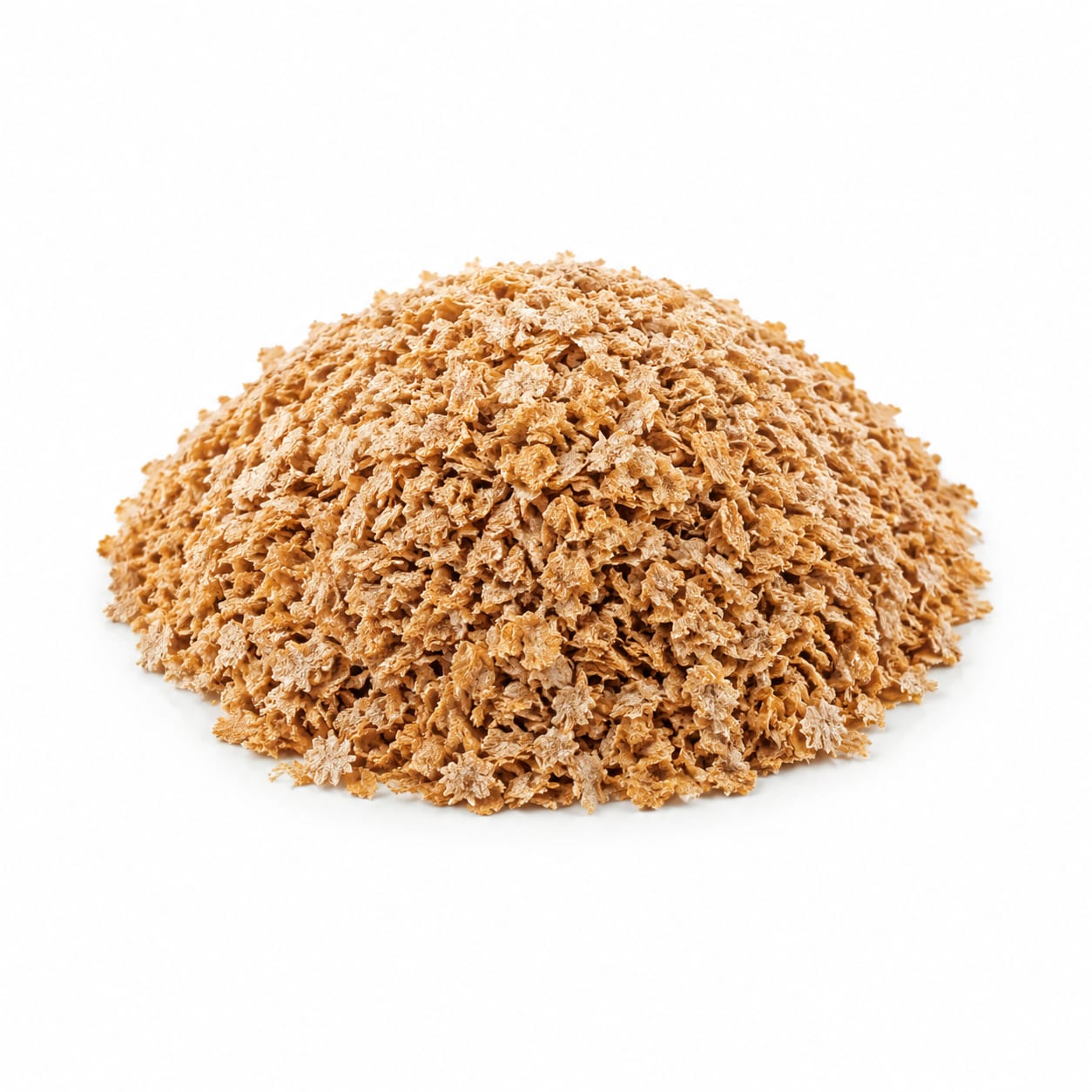
Wheat Bran
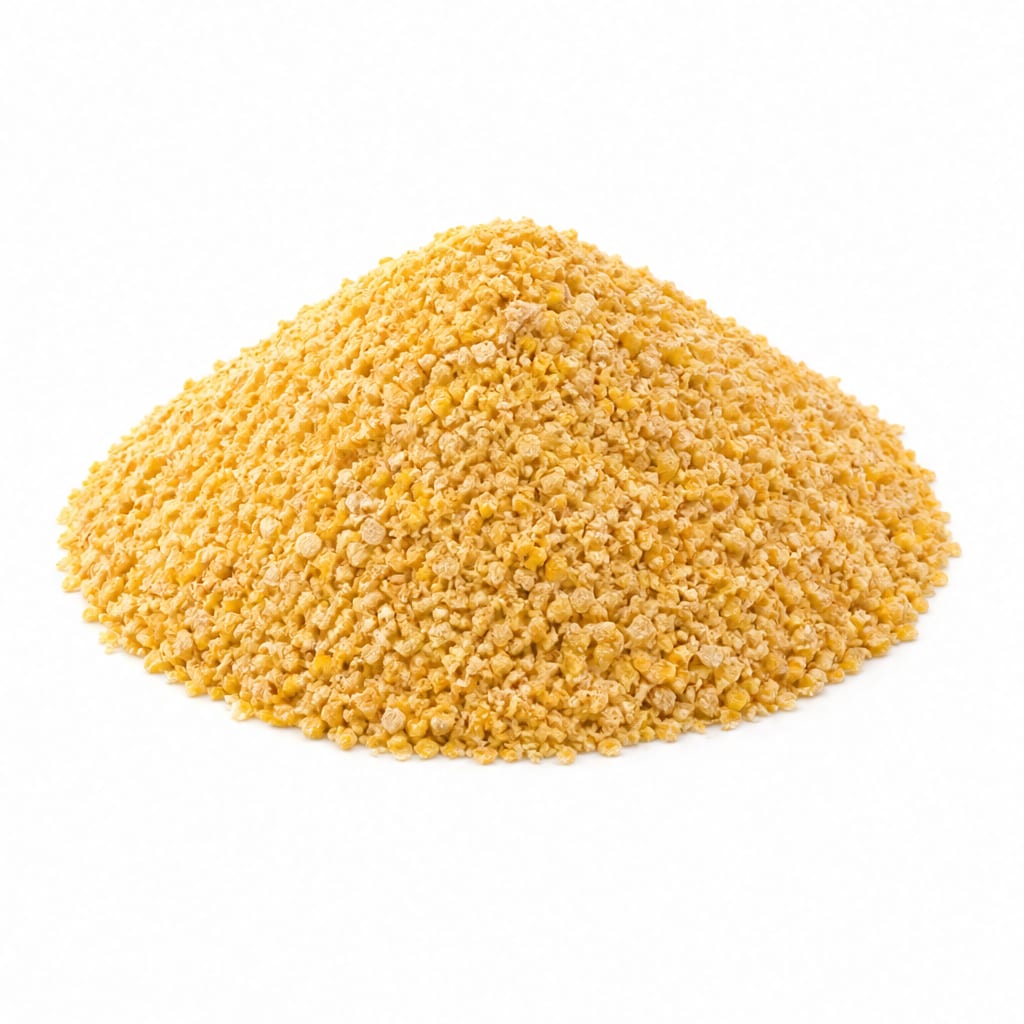
Corn Bran
Wheat Bran is the gold standard for digestive regularity and nutrient density, but Corn Bran wins for gluten-free diets and gentler digestion.
Wheat Bran scores slightly higher due to superior nutrient density and proven digestive efficacy, but Corn Bran stays competitive because of its gluten-free nature and easier digestibility.
You trade higher protein, vitamins, and stool-bulking power in Wheat Bran for a gluten-free, gentler, and mineral-blocking-free experience with Corn Bran.
At a glance
Executive summary
Overall
It depends
Healthier
It depends
More practical
Corn Bran
Daily use
It depends
Key comparison lenses
Digestive regularity and constipation relief
Both are fiber powerhouses, but users typically choose bran specifically for gut motility and bowel regularity.
Gluten-free diet compatibility
Wheat Bran contains gluten, making Corn Bran the only safe option for those with celiac disease or gluten sensitivity.
Nutrient density and mineral absorption
Wheat Bran packs more vitamins and minerals, but its high phytate content can block the absorption of those very nutrients.
Best choice for
Wheat Bran
- People seeking maximum digestive regularity
- Those wanting a protein and vitamin boost with their fiber
- Anyone not sensitive to gluten
Corn Bran
- People with celiac disease or gluten intolerance
- Those who find Wheat Bran too harsh on their stomach
- Anyone concerned about phytates blocking mineral absorption
Least suitable for
Wheat Bran
- People with celiac disease or non-celiac gluten sensitivity
- Those prone to intestinal irritation or IBS flare-ups
- Individuals worried about iron or zinc deficiency due to phytates
Corn Bran
- Those needing a significant protein boost alongside their fiber
- People looking for the absolute strongest stool-bulking effect
- Anyone wanting high B-vitamin content from their fiber supplement
Deep comparison
Dimension by dimension
Each lens scores both foods and breaks down who each option suits.
- Dimension 1 · Priority 95Wheat Bran
Digestive Regularity
Wheat Bran · 95Corn Bran · 85Wheat Bran is the most effective natural fiber for adding bulk to stool and speeding up transit time.
Tradeoff
While Wheat Bran works faster and more aggressively, it can cause bloating or irritation in sensitive guts, whereas Corn Bran is gentler but slightly less potent.
Why it matters
If you are struggling with chronic constipation, Wheat Bran usually delivers faster relief, but at the cost of potential discomfort.
Real-world impact
Wheat Bran might have you going to the bathroom reliably every morning, while Corn Bran offers a smoother, less urgent experience.
Wheat Bran
- Chronic constipation relief
- Quick transit time improvement
Better for
- Irritable bowel syndrome (IBS) prone individuals
- Those new to high-fiber diets
Worse for
Corn Bran
- Sensitive digestion
- Avoiding bloating and gas
Better for
- Severe constipation requiring aggressive intervention
Worse for
- Dimension 2 · Priority 85Wheat Bran
Nutrient Density
Wheat Bran · 82Corn Bran · 55Wheat Bran contains significantly more protein, healthy fats, B vitamins, and essential minerals like iron and magnesium.
Tradeoff
Wheat Bran offers more nutrients on paper, but its high phytate levels can bind to iron and zinc, making them harder for your body to absorb.
Why it matters
If you are relying on bran as a nutritional supplement rather than just a fiber source, Wheat Bran provides more building blocks for energy and health.
Real-world impact
Adding Wheat Bran to a smoothie gives you a noticeable protein and iron bump, while Corn Bran mostly just contributes fiber.
Wheat Bran
- Boosting daily iron and magnesium intake
- Adding plant-based protein to meals
Better for
- Those with existing iron or zinc deficiencies
- People relying heavily on plant-based iron sources
Worse for
Corn Bran
- Avoiding phytate-induced mineral blocking
- Keeping meals light and purely fiber-focused
Better for
- Individuals needing a well-rounded nutritional boost
Worse for
- Dimension 3 · Priority 90Corn Bran
Digestive Tolerance and Allergens
Wheat Bran · 55Corn Bran · 90Corn Bran is naturally gluten-free and less likely to cause intestinal irritation or allergic responses.
Tradeoff
You give up the stronger stool-bulking effect of Wheat Bran to avoid gluten and reduce the risk of gastrointestinal distress.
Why it matters
For anyone with celiac disease, gluten sensitivity, or a delicate gut, Wheat Bran is a trigger food that can cause more harm than good.
Real-world impact
Corn Bran lets you increase your fiber without the brain fog, bloating, or stomach aches that gluten-sensitive people get from Wheat Bran.
Wheat Bran
- People without any gluten or wheat sensitivities
Better for
- Autoimmune conditions triggered by gluten
- Wheat allergies
Worse for
Corn Bran
- Celiac disease management
- Preventing IBS flare-ups
- Gluten-free baking and cooking
Better for
- No significant downside unless corn allergy is present
Worse for
Timeline
Health impact over time
Short-term
Hours to days
Wheat Bran
- Rapid relief from constipation
- Potential for gas, bloating, or stomach cramps if introduced too quickly
- Increased feeling of fullness after meals
Corn Bran
- Gentle improvement in bowel regularity
- Lower risk of acute bloating or cramping
- Mild satiety boost without heaviness
Long-term
Months to years
Wheat Bran
- Sustained digestive regularity
- Risk of reduced mineral absorption over time due to phytates
- Potential for chronic gut inflammation if gluten-sensitive
Corn Bran
- Consistent, gentle digestive support
- Better long-term mineral status due to lower phytate levels
- Safe, sustainable fiber source for gluten-free diets
Risk profile
Safety & processing
Both Wheat Bran and Corn Bran are agricultural byproducts of grain milling and are typically sold in their raw, unadulterated form with no artificial additives.
Wheat Bran
Gluten exposure
highContains gluten, which triggers autoimmune damage in people with celiac disease and inflammation in those with gluten sensitivity.
Pesticide residue
mediumConventional wheat is often heavily treated with pesticides; choosing organic Wheat Bran mitigates this risk.
Corn Bran
GMO exposure
mediumMost conventional corn in the US is genetically modified; choosing organic Corn Bran ensures it is non-GMO.
Mycotoxin contamination
lowCorn can be susceptible to fungal toxins if stored improperly, though reputable brands test for this.
Who wins for whom
Audience fit
Same foods, different winners depending on your goal.
children
Corn BranCorn Bran is gentler on developing digestive systems and avoids the potential for gluten-related tummy aches in sensitive kids.
daily consumption
Corn BranCorn Bran is easier to tolerate day in and day out without worrying about phytates blocking minerals or gluten causing low-grade inflammation.
diabetes
Wheat BranWheat Bran has a more established track record of improving insulin sensitivity and slowing sugar absorption, though both are excellent for blood sugar control.
elderly
It dependsWheat Bran is better for severe constipation common in older adults, but Corn Bran is safer for the higher prevalence of gluten sensitivity and delicate digestion in this group.
muscle gain
Wheat BranWheat Bran contains a surprising amount of protein per serving compared to Corn Bran, making it a better addition to a muscle-building diet.
weight loss
Wheat BranWheat Bran's higher protein content and stronger stool-bulking effect create a more filling, satiating experience that helps control appetite.
Your move
Decision guide
Choose Wheat Bran
- You have no gluten sensitivity and want the strongest constipation relief
- You are looking to maximize protein, iron, and B-vitamin intake alongside your fiber
- You want the most researched, proven fiber for blood sugar management
Choose Corn Bran
- You are gluten-free or have celiac disease
- You find Wheat Bran causes bloating, gas, or stomach upset
- You are concerned about phytates interfering with your mineral absorption
Either works if
- You simply want to increase your daily insoluble fiber intake
- You are mixing bran into baked goods or smoothies where flavor differences are masked
Avoid both if
- You have a severely inflamed digestive tract and need soluble fiber instead (like psyllium or oats)
- You are currently on a low-residue diet for a medical procedure
Final recommendation
If your digestion handles wheat well, Wheat Bran is the more powerful and nutrient-rich choice. If you have any gluten sensitivity, or if Wheat Bran leaves you bloated, Corn Bran is an excellent, gentler alternative that still delivers solid fiber benefits.
Practical
Consumer tips
- 1
Always introduce either bran slowly into your diet to avoid sudden gas and bloating—start with a teaspoon a day.
- 2
Drink plenty of water when consuming bran; without enough fluid, insoluble fiber can actually worsen constipation.
- 3
If buying Corn Bran, opt for organic to avoid GMOs and pesticide residues.
- 4
If you have iron deficiency but want the benefits of Wheat Bran, soak it in water or milk overnight to help reduce phytate levels before eating.
- 5
Corn Bran has a milder, slightly sweeter flavor, making it easier to hide in picky eaters' meals.