
Nutrition comparison
Wheat Bran vs Psyllium Husk: Which Fiber Supplement Is Better for You?
Compare wheat bran and psyllium husk for digestion, cholesterol, blood sugar, and daily use. Learn which fiber source fits your health goals and lifestyle.
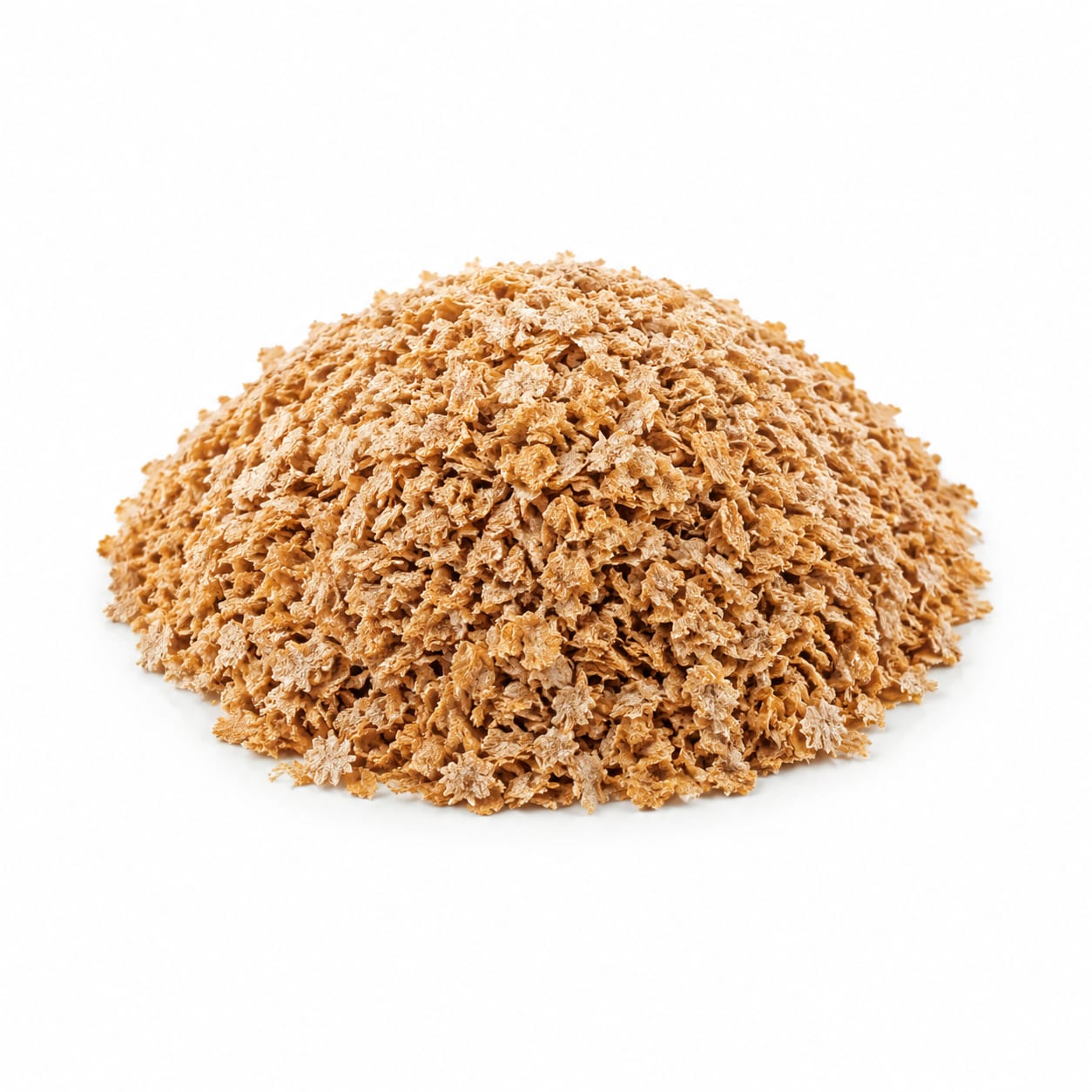
Wheat Bran
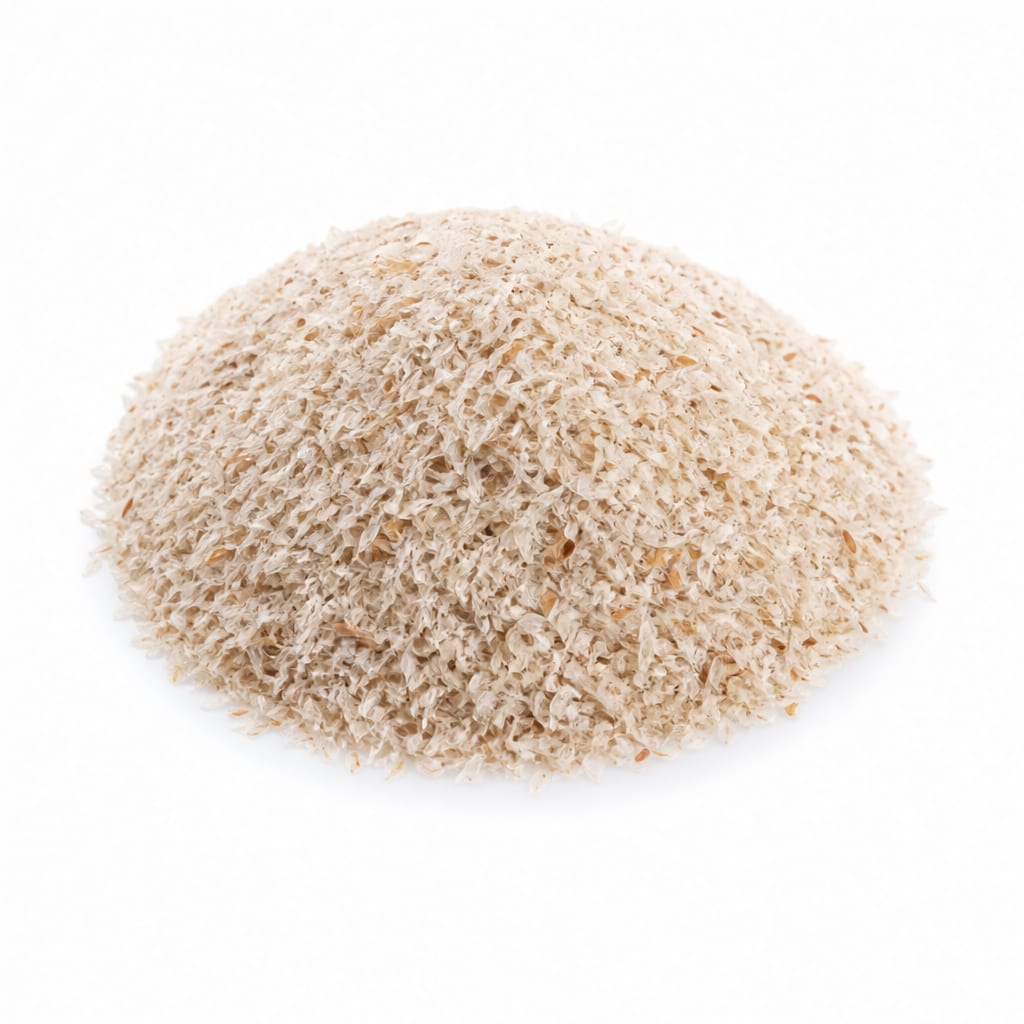
Psyllium Husk
Psyllium husk is the more clinically powerful fiber supplement, especially for cholesterol and blood sugar. Wheat bran is cheaper, more versatile in cooking, and better for simple bowel regularity.
Psyllium husk scores higher due to stronger clinical evidence for cholesterol reduction and blood sugar management. Wheat bran remains valuable for insoluble fiber needs and everyday affordability, but its gluten content and narrower therapeutic range limit its versatility.
Targeted therapeutic benefits versus everyday practicality and cost
At a glance
Executive summary
Overall
It depends
Healthier
Psyllium Husk
More practical
Wheat Bran
Daily use
It depends
Key comparison lenses
Fiber type effectiveness for digestive health
These are two of the most concentrated fiber sources, but they work very differently in the body
Cholesterol and heart health impact
Psyllium has strong clinical evidence for lowering LDL cholesterol; wheat bran does not
Blood sugar management
Soluble fiber in psyllium slows glucose absorption more effectively than insoluble fiber
Safety and tolerance concerns
Psyllium carries a genuine choking risk if improperly consumed; wheat bran can cause bloating
Gluten sensitivity compatibility
Wheat bran contains gluten, making psyllium the only option for celiac or gluten-sensitive users
Cost and accessibility for daily use
Wheat bran is significantly cheaper and available in most grocery stores
Best choice for
Wheat Bran
- People wanting affordable daily fiber boost
- Home bakers adding fiber to muffins or breads
- Those primarily seeking bowel regularity
- Anyone already eating wheat products without issues
- Budget-conscious consumers
Psyllium Husk
- People with high cholesterol needing a proven intervention
- Diabetics seeking better blood sugar control
- Gluten-sensitive or celiac individuals
- Those with IBS-C under medical guidance
- Anyone wanting a flavorless, mixable fiber supplement
Least suitable for
Wheat Bran
- People with celiac disease or gluten sensitivity
- Those with wheat allergies
- People sensitive to phytic acid reducing mineral absorption
- Anyone needing soluble fiber specifically for cholesterol
Psyllium Husk
- People who struggle to drink enough water throughout the day
- Those with swallowing difficulties
- Anyone taking medications at the same time of day
- People wanting fiber they can bake with
Deep comparison
Dimension by dimension
Each lens scores both foods and breaks down who each option suits.
- Dimension 1 · Priority 95Psyllium Husk
Fiber Quality and Type
Wheat Bran · 70Psyllium Husk · 90Wheat bran is mostly insoluble fiber that adds bulk to stool. Psyllium is predominantly soluble fiber that forms a gel, offering broader health benefits beyond regularity.
Tradeoff
Insoluble fiber moves things through faster, but soluble fiber does more for cholesterol, blood sugar, and satiety
Why it matters
The type of fiber determines which health problems it actually helps solve
Real-world impact
If you only need help going to the bathroom, wheat bran works fine. If you also want heart and metabolic benefits, psyllium delivers more per gram.
Wheat Bran
- Quick transit time for occasional constipation
- Adding roughage without gel-like texture
Better for
- No meaningful cholesterol-lowering effect
- Does not slow glucose absorption
Worse for
Psyllium Husk
- Cholesterol reduction
- Blood sugar stabilization
- Feeling fuller for longer after meals
Better for
- Gel texture can be unpleasant if not mixed well
- Less effective for simply speeding up transit
Worse for
- Dimension 2 · Priority 90It depends
Digestive Regularity
Wheat Bran · 82Psyllium Husk · 85Both improve bowel movements effectively, but through different mechanisms. Wheat bran physically speeds things up. Psyllium normalizes stool consistency in both directions.
Tradeoff
Wheat bran is better for simple constipation; psyllium helps with both constipation and loose stools
Why it matters
People with alternating bowel issues get more stable results from psyllium
Real-world impact
If your digestion swings between constipation and diarrhea, psyllium is more reliable. If you just need things moving, wheat bran is straightforward.
Wheat Bran
- Simple constipation relief
- People who want predictable, faster transit
Better for
- Can worsen bloating in sensitive people
- Does not help with diarrhea
Worse for
Psyllium Husk
- IBS with mixed symptoms
- Normalizing stool whether too loose or too hard
- Gentler, less cramping effect
Better for
- Requires adequate water intake to work properly
Worse for
- Dimension 3 · Priority 88Psyllium Husk
Heart Health and Cholesterol
Wheat Bran · 35Psyllium Husk · 92Psyllium has FDA-approved health claims for reducing heart disease risk by lowering LDL cholesterol. Wheat bran has minimal effect on cholesterol levels.
Tradeoff
If heart health is your priority, psyllium is clinically in a different league
Why it matters
Soluble fiber binds bile acids and removes cholesterol; insoluble fiber does not
Real-world impact
Taking 5-10g of psyllium daily can lower LDL cholesterol by 5-10%. Wheat bran simply cannot match this.
Wheat Bran
- No meaningful cholesterol-lowering effect
- Does not bind bile acids
Worse for
Psyllium Husk
- LDL cholesterol reduction
- Cardiovascular risk reduction
- Complementary to statin therapy
Better for
- Dimension 4 · Priority 82Psyllium Husk
Blood Sugar Control
Wheat Bran · 50Psyllium Husk · 85Psyllium's soluble fiber slows carbohydrate absorption, reducing post-meal glucose spikes. Wheat bran has a smaller effect on glycemic response.
Tradeoff
Soluble fiber creates a physical barrier to glucose absorption; insoluble fiber does not
Why it matters
For diabetics and prediabetics, post-meal spikes matter more than fasting glucose
Real-world impact
Taking psyllium with meals can reduce blood sugar spikes by 10-20%. Wheat bran offers modest improvement at best.
Wheat Bran
- Minor improvement in glycemic load when baked into foods
Better for
- Does not form the gel needed to slow glucose absorption
Worse for
Psyllium Husk
- Meaningful reduction in post-meal glucose spikes
- Better HbA1c control over time
- Can be taken specifically with problem meals
Better for
- Dimension 5 · Priority 80Wheat Bran
Safety and Side Effects
Wheat Bran · 78Psyllium Husk · 65Wheat bran may cause bloating but is generally safe. Psyllium carries a rare but serious choking risk if taken without enough water.
Tradeoff
Wheat bran's discomfort is mild; psyllium's worst-case scenario is dangerous
Why it matters
Psyllium expands dramatically in liquid. Taking it dry or with insufficient water can block the throat or intestines.
Real-world impact
Always take psyllium with at least 8oz of water, drink more water throughout the day, and never take it dry. Wheat bran just requires starting with small amounts.
Wheat Bran
- Lower risk of serious adverse events
- No choking hazard
- More forgiving if you forget to drink extra water
Better for
- More likely to cause bloating and flatulence initially
- Phytic acid can reduce mineral absorption
Worse for
Psyllium Husk
- Less gas and bloating for most people at effective doses
Better for
- Genuine choking risk if consumed improperly
- Bowel obstruction risk if dehydrated
- Can interfere with medication absorption if taken simultaneously
Worse for
- Dimension 6 · Priority 78Psyllium Husk
Allergen and Sensitivity Profile
Wheat Bran · 45Psyllium Husk · 90Wheat bran contains gluten and is unsuitable for celiac or wheat-sensitive individuals. Psyllium is naturally gluten-free and hypoallergenic.
Tradeoff
For a significant portion of the population, wheat bran is simply not an option
Why it matters
Roughly 1% of people have celiac disease and up to 6% have non-celiac gluten sensitivity
Real-world impact
If you have any wheat or gluten issues, psyllium is your safe choice. Wheat bran is off the table entirely.
Wheat Bran
- Contains gluten
- Contains wheat allergens
- Cross-contamination risk in processing
Worse for
Psyllium Husk
- Safe for celiac disease
- Safe for gluten sensitivity
- Safe for wheat allergy
- Hypoallergenic profile
Better for
- Dimension 7 · Priority 70Wheat Bran
Practicality and Versatility
Wheat Bran · 85Psyllium Husk · 60Wheat bran can be baked into foods, sprinkled on cereal, or mixed into smoothies with pleasant texture. Psyllium is best mixed into liquid and consumed quickly before it gels.
Tradeoff
Wheat bran integrates into meals naturally; psyllium feels more like taking medicine
Why it matters
The best fiber supplement is the one you actually use consistently
Real-world impact
You can add wheat bran to muffins, pancakes, or yogurt without thinking. Psyllium requires planning, water, and timing.
Wheat Bran
- Easy to bake into recipes
- Pleasant nutty flavor
- Does not change texture of foods dramatically
- Available in most grocery stores
Better for
- Limited to wheat-friendly recipes
- Noticeable texture in some dishes
Worse for
Psyllium Husk
- Tasteless when mixed into liquids
- Can be hidden in smoothies easily
- Available as convenient capsules
Better for
- Must be consumed immediately after mixing
- Gels quickly making it unpleasant if delayed
- Cannot be baked into most recipes effectively
- Requires intentional water consumption
Worse for
- Dimension 8 · Priority 65Wheat Bran
Nutrient Density Beyond Fiber
Wheat Bran · 80Psyllium Husk · 40Wheat bran contains meaningful amounts of iron, magnesium, zinc, B vitamins, and protein. Psyllium is essentially pure fiber with minimal additional nutrients.
Tradeoff
Wheat bran is a food; psyllium is a supplement
Why it matters
If you are replacing other foods with fiber supplements, wheat bran contributes more overall nutrition
Real-world impact
A quarter cup of wheat bran provides about 15% of your daily iron and magnesium. Psyllium provides almost nothing beyond fiber.
Wheat Bran
- Iron content supports energy
- Magnesium supports muscle and nerve function
- B vitamins support metabolism
- Small amount of protein
Better for
- Phytic acid reduces absorption of the minerals it contains
- Calories are higher than psyllium per serving
Worse for
Psyllium Husk
- Cleaner if you only want fiber without extra calories or nutrients
Better for
- Essentially empty of vitamins and minerals
- No protein contribution
Worse for
- Dimension 9 · Priority 60Wheat Bran
Cost and Accessibility
Wheat Bran · 90Psyllium Husk · 65Wheat bran is one of the cheapest fiber sources available. Psyllium costs 2-4 times more per equivalent fiber dose.
Tradeoff
Daily supplementation over months makes cost difference meaningful for many households
Why it matters
Fiber only works if you take it daily. Affordability affects consistency.
Real-world impact
Wheat bran runs about $2-4 per pound. Psyllium husk typically costs $8-15 per pound. Over a year, this difference adds up.
Wheat Bran
- Significantly cheaper per gram of fiber
- Available in bulk at most grocery stores
- No need for specialty health food stores
Better for
Psyllium Husk
- Available in capsule form for convenience
- Widely available online and in pharmacies
Better for
- Higher cost per serving
- May require online ordering for best quality
Worse for
Timeline
Health impact over time
Short-term
Hours to days
Wheat Bran
- Increased bowel movement frequency within 1-2 days
- Possible bloating and gas during first week of use
- Feeling of fullness after meals when added to food
Psyllium Husk
- Softer, more formed stools within 1-3 days
- Mild fullness sensation from gel formation in stomach
- Reduced post-meal blood sugar spikes when taken with food
Long-term
Months to years
Wheat Bran
- Improved bowel regularity maintained over time
- Possible reduced diverticular disease risk
- Mineral absorption may be slightly reduced due to phytic acid
- No significant cholesterol reduction expected
Psyllium Husk
- 5-10% LDL cholesterol reduction with consistent daily use
- Improved HbA1c in diabetics over months
- Reduced cardiovascular event risk in high-risk populations
- Better bowel habit normalization sustained long-term
Risk profile
Safety & processing
Both are single-ingredient, minimally processed products. Wheat bran is milled from wheat kernels. Psyllium husk is simply separated from psyllium seeds. Neither typically contains additives unless flavored or sweetened versions are purchased.
Wheat Bran
Gluten exposure
highContains gluten. Strictly unsuitable for anyone with celiac disease or wheat allergy. Even trace amounts trigger reactions in sensitive individuals.
Phytic acid mineral interference
lowPhytic acid binds iron, zinc, and calcium, reducing their absorption. Soaking or fermenting wheat bran before consumption reduces this effect.
Pesticide residue
mediumConventional wheat is often sprayed with glyphosate as a desiccant. Choosing organic wheat bran reduces this exposure significantly.
Psyllium Husk
Choking hazard
highPsyllium expands rapidly when wet. Taking it without adequate water or swallowing it dry can cause throat obstruction. Always consume with at least 8 ounces of water.
Bowel obstruction
mediumInadequate water intake throughout the day can cause psyllium to harden in the intestines. People with chronic constipation or narrowed intestines should consult a doctor first.
Medication interference
mediumPsyllium can reduce absorption of many medications including thyroid hormones, antidepressants, and blood pressure drugs. Take medications at least 2 hours before or after psyllium.
Who wins for whom
Audience fit
Same foods, different winners depending on your goal.
children
Wheat BranWheat bran can be hidden in familiar foods like muffins and pancakes. Psyllium's choking risk and texture make it less appropriate for young children without medical supervision.
daily consumption
It dependsWheat bran is easier to incorporate daily through food. Psyllium is more effective therapeutically but requires more discipline around water intake and timing.
diabetes
Psyllium HuskPsyllium has strong evidence for reducing post-meal glucose spikes and improving HbA1c over time. Wheat bran does not meaningfully impact blood sugar control.
elderly
Psyllium HuskConstipation is extremely common in older adults, and psyllium normalizes stool consistency more gently. However, elderly users must be diligent about water intake to avoid obstruction.
muscle gain
Wheat BranWheat bran provides small amounts of protein and minerals that support training, while psyllium contributes only fiber. Neither is a muscle-building food, but wheat bran offers slightly more nutritional support.
weight loss
Psyllium HuskPsyllium's soluble fiber creates more satiety by forming a gel in the stomach, helping control appetite between meals more effectively than wheat bran's insoluble fiber.
Your move
Decision guide
Choose Wheat Bran
- You want affordable fiber you can bake into everyday foods
- Bowel regularity is your only real concern
- You eat wheat products without any digestive issues
- You prefer getting fiber from food rather than supplements
- You are on a tight budget and need long-term consistency
Choose Psyllium Husk
- You have high cholesterol and want a proven natural intervention
- You are diabetic or prediabetic and need better glucose control
- You are gluten-sensitive, celiac, or wheat-allergic
- You have IBS with alternating constipation and diarrhea
- You want a flavorless fiber that mixes into any beverage
Either works if
- You simply need more daily fiber and have no specific health conditions
- You can tolerate wheat and have no cholesterol concerns
- You are willing to experiment and see which your body prefers
Avoid both if
- You have a bowel obstruction or severe gastrointestinal narrowing
- You are currently experiencing acute abdominal pain of unknown cause
- You have difficulty swallowing or chronic dehydration
- Your doctor has recommended a low-fiber diet for a medical condition
Final recommendation
If you have high cholesterol, diabetes, or gluten sensitivity, psyllium husk is the clear choice with strong clinical backing. If you are simply looking for affordable, food-based fiber to improve regularity, wheat bran gets the job done for less money. Many people benefit from using both: wheat bran in their morning cereal or baking, and psyllium as a targeted supplement before meals that spike blood sugar. Whichever you choose, start with a small dose and increase gradually over two weeks to minimize bloating and gas.
Practical
Consumer tips
- 1
Start with half the recommended dose of either fiber for the first week to let your digestive system adjust
- 2
If using psyllium, drink it immediately after mixing. Waiting even 2 minutes creates an unpleasant gel texture
- 3
Take psyllium at least 2 hours apart from any medications to avoid interference with absorption
- 4
Choose organic wheat bran when possible to reduce glyphosate exposure from conventional wheat processing
- 5
Psyllium capsules are convenient but expensive. Bulk powder is much cheaper per dose if you can tolerate the texture
- 6
Add wheat bran to pancake batter, muffin mixes, or overnight oats for easy daily intake without thinking about it
- 7
If psyllium causes gas, try splitting your dose between morning and evening rather than taking it all at once
- 8
Never take psyllium husk dry. Always mix it into at least 8 ounces of water or another beverage
- 9
Both fibers work best when combined with at least 64 ounces of total daily water intake
- 10
If you have ongoing digestive issues, talk to a doctor before starting either fiber supplement rather than self-treating