
Nutrition comparison
Wheat Bran vs Oat Bran: Which is Better for Digestion and Heart Health?
Compare Wheat Bran and Oat Bran. Discover which bran is best for constipation, cholesterol, and blood sugar, and learn the key nutritional differences.
Overall winner · Oat Bran
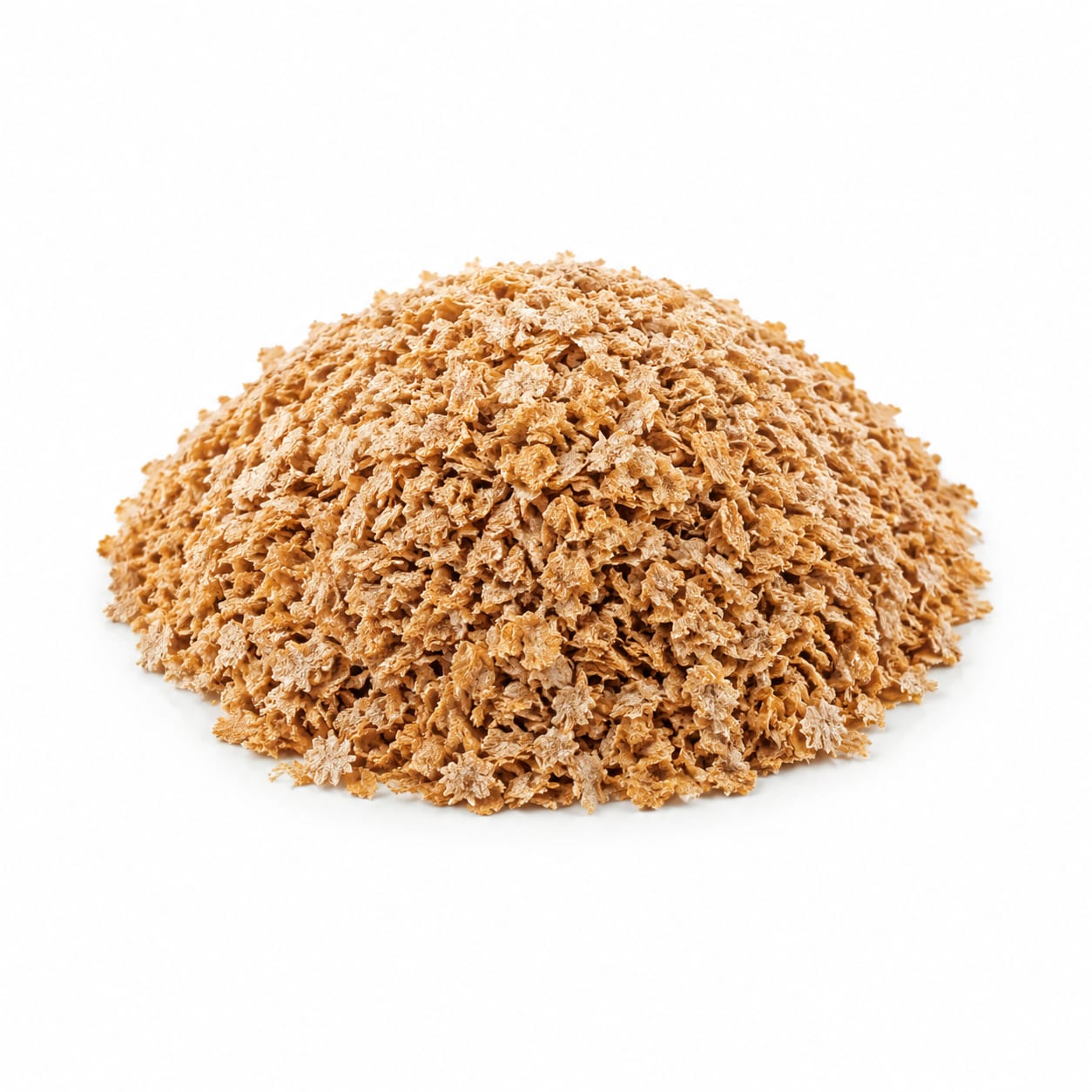
Wheat Bran
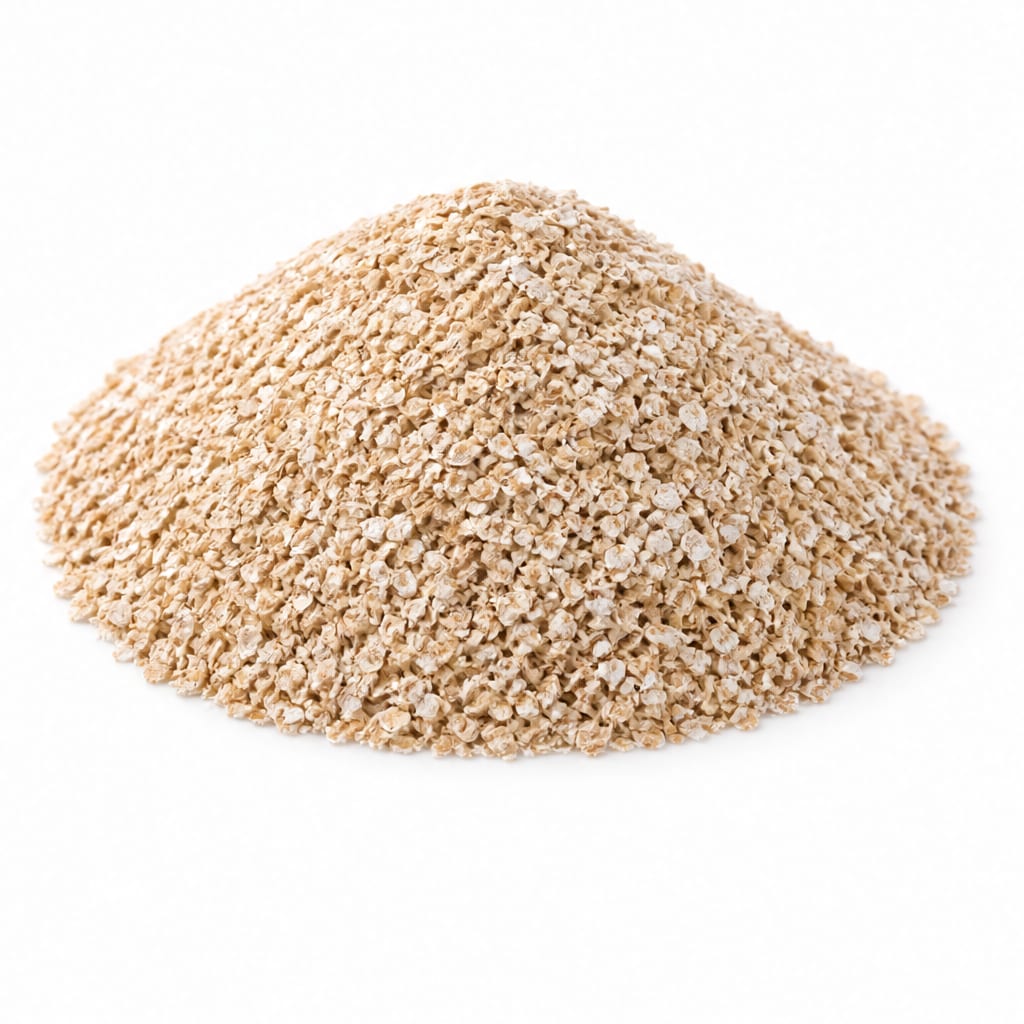
Oat Bran
Oat Bran wins for overall health benefits and versatility, but Wheat Bran is the ultimate choice for stubborn constipation.
Oat Bran scores higher due to its broader metabolic benefits like cholesterol reduction and blood sugar stabilization, though Wheat Bran remains unmatched for digestive regularity.
Oat Bran protects your heart and steadies blood sugar, while Wheat Bran keeps your digestion moving faster.
At a glance
Executive summary
Overall
Oat Bran
Healthier
Oat Bran
More practical
Oat Bran
Daily use
Oat Bran
Key comparison lenses
Digestive regularity and constipation relief
Wheat Bran is the gold standard for constipation relief, while Oat Bran offers gentler, broader digestive support.
Heart health and cholesterol management
Oat Bran's beta-glucan actively lowers cholesterol, a benefit Wheat Bran lacks.
Blood sugar control
Oat Bran's soluble fiber slows glucose absorption, making it superior for glycemic management.
Gluten sensitivity and celiac safety
Wheat Bran contains gluten, making Oat Bran the necessary choice for those with celiac disease or gluten intolerance.
Best choice for
Wheat Bran
- Severe constipation relief
- Quick digestive transit
- Adding crunch to baked goods
Oat Bran
- Lowering cholesterol
- Managing diabetes
- A comforting warm breakfast
Least suitable for
Wheat Bran
- People with celiac disease or gluten intolerance
- Those prone to loose stools
- Individuals needing cholesterol reduction
Oat Bran
- Those needing aggressive constipation relief
- People strictly avoiding even trace gluten cross-contamination unless certified gluten-free
Deep comparison
Dimension by dimension
Each lens scores both foods and breaks down who each option suits.
- Dimension 1 · Priority 95Wheat Bran
Digestive Regularity
Wheat Bran · 95Oat Bran · 75Wheat Bran is the most effective natural laxative due to its massive insoluble fiber content.
Tradeoff
Wheat Bran speeds up transit time aggressively, while Oat Bran promotes a gentler, softer stool.
Why it matters
If you struggle with chronic constipation, Wheat Bran will work noticeably faster and more reliably.
Real-world impact
A bowl of Wheat Bran can resolve bathroom struggles within a day or two, whereas Oat Bran offers milder, steadier support.
Wheat Bran
- Chronic constipation
- Sluggish digestion
Better for
- Diarrhea-prone individuals
- Sudden large increases in fiber intake without water
Worse for
Oat Bran
- Irritable bowel syndrome with alternating constipation and diarrhea
- Gentle daily maintenance
Better for
- Severe impaction or chronic slow transit
Worse for
- Dimension 2 · Priority 90Oat Bran
Heart Health and Cholesterol
Wheat Bran · 50Oat Bran · 95Oat Bran contains beta-glucan, a soluble fiber clinically proven to lower LDL cholesterol.
Tradeoff
You get cholesterol-lowering power from Oat Bran, but Wheat Bran offers almost none of this specific benefit.
Why it matters
Soluble fiber binds to cholesterol in the gut, preventing it from entering your bloodstream.
Real-world impact
Eating Oat Bran daily can meaningfully reduce your cholesterol numbers over a few months, acting like a daily heart-hug.
Wheat Bran
- Dyslipidemia
Worse for
Oat Bran
- High cholesterol
- Family history of heart disease
- Metabolic syndrome
Better for
- Dimension 3 · Priority 85Oat Bran
Blood Sugar Stability
Wheat Bran · 65Oat Bran · 90Oat Bran's soluble fiber forms a gel that slows down sugar absorption, preventing spikes.
Tradeoff
Oat Bran provides steadier, longer-lasting energy, while Wheat Bran has less impact on glucose regulation.
Why it matters
Avoiding blood sugar spikes means fewer afternoon crashes and reduced cravings.
Real-world impact
An Oat Bran breakfast keeps you feeling balanced and focused until lunch, with no sudden energy dip.
Wheat Bran
- Reactive hypoglycemia
Worse for
Oat Bran
- Type 2 diabetes
- Insulin resistance
- Preventing afternoon energy crashes
Better for
- Dimension 4 · Priority 70Oat Bran
Culinary Versatility and Taste
Wheat Bran · 55Oat Bran · 85Oat Bran cooks into a creamy, comforting porridge, while Wheat Bran is gritty and earthy.
Tradeoff
Oat Bran is enjoyable on its own as a hot cereal, whereas Wheat Bran is usually best hidden in smoothies or baked goods.
Why it matters
You are more likely to eat a food daily if it actually tastes good and feels comforting.
Real-world impact
Oat Bran feels like a cozy morning meal; Wheat Bran feels like a health supplement you have to choke down.
Wheat Bran
- Adding a crunchy topping to yogurt
- Mixing into hearty breads
Better for
- Eating as a standalone porridge
Worse for
Oat Bran
- Hot breakfast cereals
- Smoothies needing a thick, creamy texture
Better for
- Adding a dry, crunchy texture to baked goods
Worse for
Timeline
Health impact over time
Short-term
Hours to days
Wheat Bran
- Rapid relief from constipation
- Possible bloating or gas if introduced too quickly
- Very filling in large amounts
Oat Bran
- Steadier energy after meals
- Gentle improvement in bowel movements
- Creamy, satisfying texture that feels comforting
Long-term
Months to years
Wheat Bran
- Reduced risk of diverticulitis
- Consistent digestive regularity
- No significant impact on cholesterol
Oat Bran
- Lower LDL cholesterol levels
- Improved insulin sensitivity
- Better long-term heart health outcomes
Risk profile
Safety & processing
Both Wheat Bran and Oat Bran are minimally processed outer layers of the grain, containing no artificial additives when purchased pure.
Wheat Bran
Gluten content
highContains gluten, making it strictly unsafe for those with celiac disease or severe gluten intolerance.
Phytic acid
lowCan bind to minerals like iron and zinc, slightly reducing their absorption, though usually not a concern in balanced diets.
Oat Bran
Gluten cross-contamination
mediumOats are inherently gluten-free but are frequently processed on shared equipment with wheat. Certified gluten-free Oat Bran is required for celiacs.
Phytic acid
lowSimilar to Wheat Bran, it contains phytic acid which can mildly inhibit mineral absorption.
Who wins for whom
Audience fit
Same foods, different winners depending on your goal.
children
Oat BranOat Bran's creamy, mild taste is much easier for kids to accept than Wheat Bran's gritty texture, and it provides steadier energy for school days.
daily consumption
Oat BranOat Bran is easier to eat daily due to its taste and broader metabolic benefits, whereas Wheat Bran can be too harsh for everyday use in large amounts.
diabetes
Oat BranThe beta-glucan in Oat Bran directly slows glucose absorption, making it far superior for blood sugar management.
elderly
Oat BranOat Bran offers dual benefits for older adults: gentle regularity plus heart-protective cholesterol reduction.
muscle gain
It dependsNeither is a significant protein source; both are used for fiber, though Oat Bran has slightly more protein per serving.
weight loss
Oat BranOat Bran's soluble fiber creates a lasting feeling of fullness and steadies blood sugar, reducing cravings better than the insoluble fiber in Wheat Bran.
Your move
Decision guide
Choose Wheat Bran
- You struggle with chronic constipation and need aggressive relief
- You want to add a dry, crunchy fiber boost to baked goods or smoothies
- You have no gluten sensitivities and want the cheapest, most effective laxative fiber
Choose Oat Bran
- You want to lower your cholesterol or protect your heart
- You need to manage blood sugar levels or insulin resistance
- You prefer a warm, creamy breakfast that tastes good on its own
- You have a mild gluten sensitivity and choose certified gluten-free Oat Bran
Either works if
- You simply want to increase your daily fiber intake
- You are mixing fiber into a heavily flavored smoothie where taste differences vanish
Avoid both if
- You have a severe gastrointestinal blockage
- You are currently on a strict low-fiber diet prescribed by a doctor
- You are drastically increasing fiber without also increasing water intake
Final recommendation
For most people, Oat Bran is the better daily choice because it tastes better, lowers cholesterol, and steadies blood sugar. Keep Wheat Bran on hand specifically for times when digestion slows down and you need reliable, fast relief.
Practical
Consumer tips
- 1
Always increase fiber intake gradually to avoid bloating and gas.
- 2
Drink plenty of water when consuming either bran; without enough fluid, Wheat Bran can actually worsen constipation.
- 3
If you have celiac disease, only choose Oat Bran that is explicitly certified gluten-free.
- 4
Oat Bran makes an excellent thickener for soups and gravies, adding hidden nutrition.
- 5
Store both in the refrigerator or freezer to prevent the natural oils from going rancid.