
Nutrition comparison
Wheat Bran vs Flaxseed: Which Fiber Powerhouse Is Better?
Compare wheat bran and flaxseed for digestion, weight loss, and heart health. Learn the key differences in fiber types, omega-3s, and calories.
Overall winner · Flaxseed
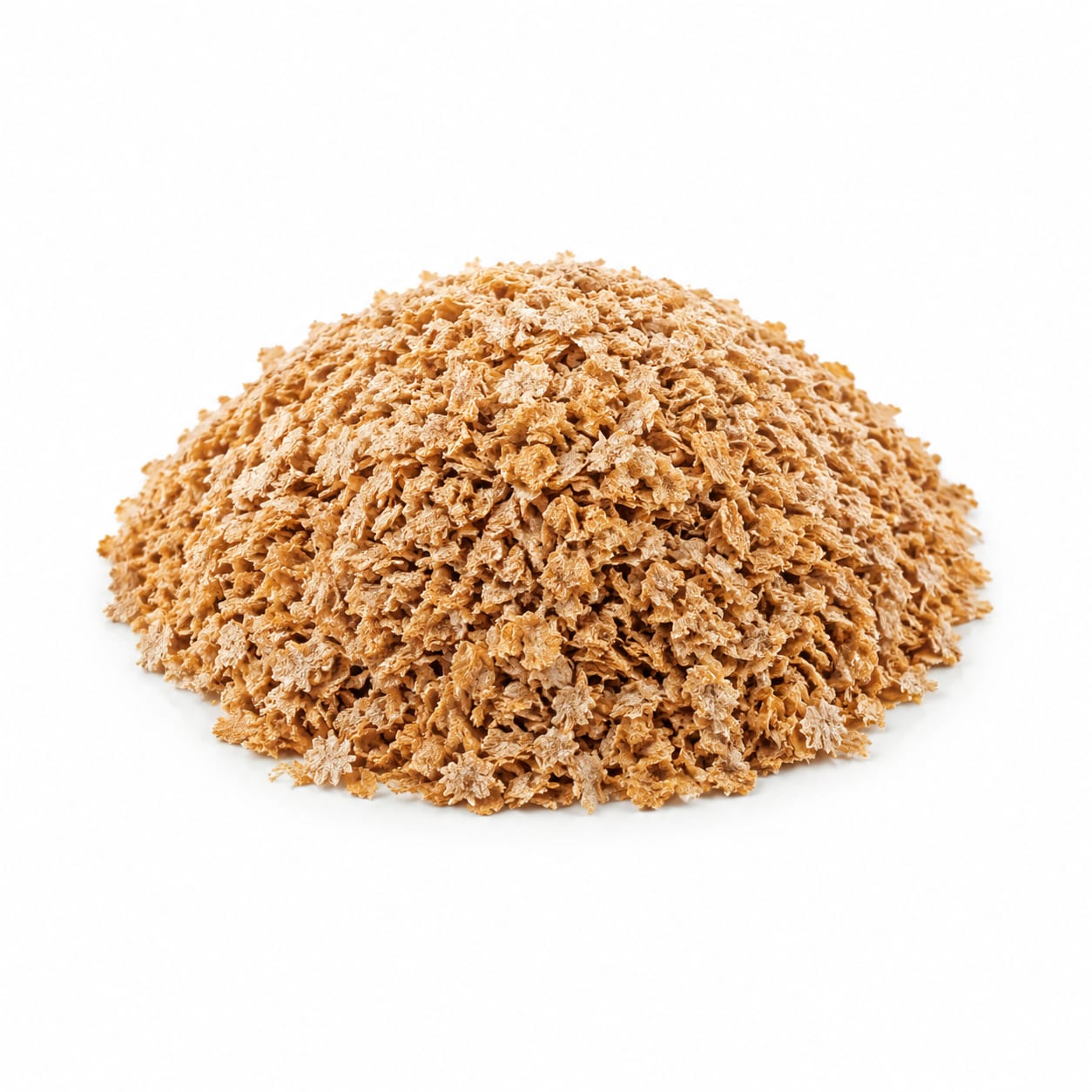
Wheat Bran
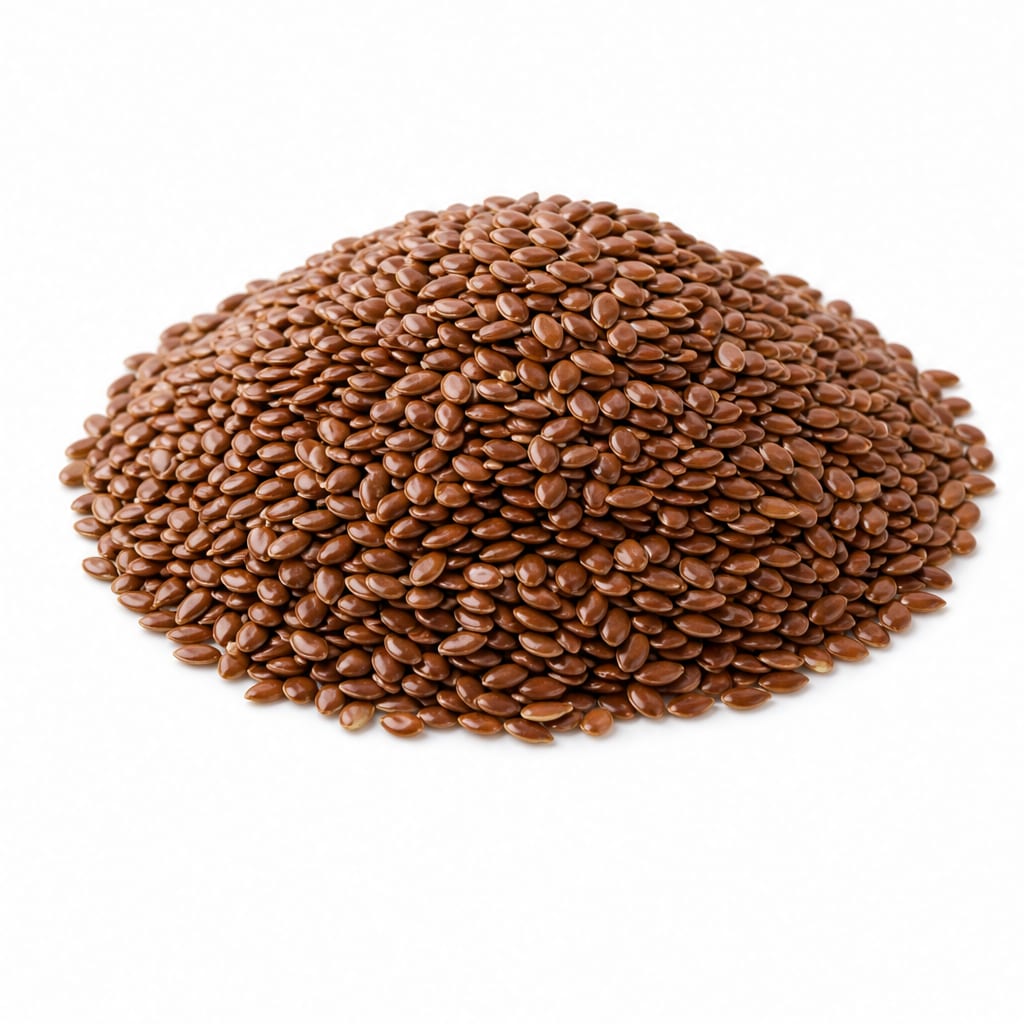
Flaxseed
Flaxseed offers a more well-rounded nutritional profile with healthy fats and lignans, while Wheat Bran is a lower-calorie, targeted fiber boost for strict regularity.
Flaxseed scores higher due to its omega-3 content, lignans, and balanced fiber, but Wheat Bran remains a top-tier choice for low-calorie digestive regularity.
Calorie-dense omega-3s and soluble fiber versus low-calorie insoluble bulk.
At a glance
Executive summary
Overall
Flaxseed
Healthier
Flaxseed
More practical
Wheat Bran
Daily use
Flaxseed
Key comparison lenses
Fiber type effectiveness for digestion
Wheat Bran is predominantly insoluble fiber for bulk, while Flaxseed offers a mix of soluble and insoluble fiber for broader gut health.
Omega-3 and fat intake
Flaxseed is a top plant source of ALA omega-3s, whereas Wheat Bran is virtually fat-free.
Calorie density for weight management
Wheat Bran provides high fiber at a very low calorie cost, while Flaxseed is calorie-dense due to its fat content.
Gluten tolerance and allergies
Wheat Bran contains gluten, making Flaxseed the necessary choice for those with celiac disease or gluten sensitivity.
Best choice for
Wheat Bran
- Severe constipation relief
- Ultra-low calorie fiber supplementation
- Shelf-stable baking ingredient
Flaxseed
- Heart health and cholesterol management
- Omega-3 supplementation for vegans
- Blood sugar stabilization
Least suitable for
Wheat Bran
- People with celiac disease or gluten sensitivity
- Those with irritable bowel syndrome (IBS)
- Anyone needing healthy fats in their diet
Flaxseed
- Strict calorie restriction diets
- People who dislike grinding seeds or managing fridge storage
- Those taking blood thinners without medical supervision
Deep comparison
Dimension by dimension
Each lens scores both foods and breaks down who each option suits.
- Dimension 1 · Priority 95Wheat Bran
Digestive Regularity & Bulk
Wheat Bran · 92Flaxseed · 78Wheat Bran provides unmatched insoluble fiber bulk that directly speeds up intestinal transit, whereas Flaxseed offers a gentler, more balanced fiber approach.
Tradeoff
Wheat Bran gets things moving fast but can irritate sensitive guts, while Flaxseed is soothing but less aggressive for severe constipation.
Why it matters
If you are chronically constipated, Wheat Bran is the faster and more reliable fix.
Real-world impact
You will notice quicker bathroom trips with Wheat Bran, but less bloating and smoother digestion with Flaxseed.
Wheat Bran
- Chronic constipation sufferers
- People needing fast digestive motility
Better for
- People with IBS or loose stools
- Those with gluten intolerance
Worse for
Flaxseed
- People with IBS or sensitive stomachs
- Those seeking gentle daily regularity
Better for
- Those needing immediate constipation relief
- People who do not drink enough water with fiber
Worse for
- Dimension 2 · Priority 90Flaxseed
Heart Health & Cholesterol
Wheat Bran · 55Flaxseed · 93Flaxseed is rich in soluble fiber and omega-3 ALA, which actively lower cholesterol, while Wheat Bran lacks healthy fats and has less soluble fiber.
Tradeoff
You get cardiovascular protection and anti-inflammatory fats from Flaxseed, but at a higher calorie cost than Wheat Bran.
Why it matters
Heart disease prevention requires both soluble fiber and healthy fats, which Flaxseed delivers in one package.
Real-world impact
Regularly eating ground Flaxseed can improve cholesterol panels over months, whereas Wheat Bran mainly helps digestion.
Wheat Bran
- Those strictly managing calorie intake for heart health
- People already taking omega-3 supplements
Better for
- Those relying on diet alone for omega-3s
- People needing to lower cholesterol through soluble fiber
Worse for
Flaxseed
- People with high LDL cholesterol
- Vegans needing plant-based omega-3s
Better for
- People on blood thinners who must limit omega-3 intake
Worse for
- Dimension 3 · Priority 85Wheat Bran
Calorie Density & Weight Management
Wheat Bran · 88Flaxseed · 70Wheat Bran delivers massive fiber with very few calories, making it a dieter's dream, while Flaxseed is calorie-dense due to its fat content.
Tradeoff
Wheat Bran helps you feel full without costing much of your calorie budget, whereas Flaxseed provides sustained energy but can easily push you over your limit.
Why it matters
If you are strictly counting calories, Wheat Bran gives you more fiber volume per calorie.
Real-world impact
You can add multiple tablespoons of Wheat Bran to a smoothie without guilt, but Flaxseed servings must be carefully measured.
Wheat Bran
- Strict calorie counters
- People who struggle with portion control
Better for
- Athletes needing calorie-dense fuel
- Underweight individuals
Worse for
Flaxseed
- Those needing healthy weight gain
- People doing intermittent fasting who need satiating fats
Better for
- Those prone to overeating calorie-dense foods
- People on very low-calorie diets
Worse for
- Dimension 4 · Priority 80Flaxseed
Nutrient Density & Hormonal Benefits
Wheat Bran · 60Flaxseed · 90Flaxseed contains lignans, which have antioxidant and mild estrogenic properties, plus essential fats, whereas Wheat Bran is mostly just fiber and trace minerals.
Tradeoff
Flaxseed offers systemic hormonal and cellular benefits beyond the gut, while Wheat Bran's benefits are largely confined to the digestive tract.
Why it matters
Lignans in Flaxseed can help with menopausal symptoms and oxidative stress, offering more than just roughage.
Real-world impact
Women going through menopause might find symptom relief with Flaxseed, a benefit Wheat Bran cannot provide.
Wheat Bran
- Those who only want a simple fiber supplement
- People avoiding phytoestrogens
Better for
- Those looking for comprehensive nutritional supplements
- People needing essential fatty acids
Worse for
Flaxseed
- Women experiencing perimenopause
- People seeking high antioxidant intake
Better for
- People with hormone-sensitive conditions who avoid phytoestrogens
Worse for
- Dimension 5 · Priority 75Wheat Bran
Convenience & Preparation
Wheat Bran · 85Flaxseed · 65Wheat Bran is ready to eat straight from the bag and shelf-stable, while Flaxseed must be ground fresh and stored carefully to prevent rancidity.
Tradeoff
Wheat Bran is grab-and-go with no prep, whereas Flaxseed requires a grinder and fridge space to maintain its healthy oils.
Why it matters
If a food is hard to prepare or spoils quickly, you are less likely to use it daily.
Real-world impact
You can keep Wheat Bran in the pantry for months, but Flaxseed goes bad in the pantry and requires extra steps before eating.
Wheat Bran
- Busy people who want zero-prep nutrition
- Those with limited fridge space
Better for
- People who prefer a nutty, versatile flavor in baking
- Those who want a fat source for smoothies
Worse for
Flaxseed
- People who already grind coffee or seeds daily
- Those who prioritize nutrient quality over convenience
Better for
- People who hate extra kitchen prep
- Those who forget to use perishable items
Worse for
Timeline
Health impact over time
Short-term
Hours to days
Wheat Bran
- Rapid relief from constipation
- Can cause bloating or gas if introduced too quickly
Flaxseed
- Increased satiety after meals
- Requires grinding to access nutrients, otherwise passes whole
Long-term
Months to years
Wheat Bran
- Consistent bowel regularity
- Potential mineral depletion from phytic acid if consumed in extreme excess
Flaxseed
- Reduced cardiovascular risk from omega-3s
- Potential hormonal balancing effects from lignans
Risk profile
Safety & processing
Both are whole-food ingredients with minimal processing. Wheat Bran is simply the outer layer of the wheat kernel milled off, and Flaxseed is harvested whole directly from the plant.
Wheat Bran
Gluten exposure
highContains gluten, making it strictly unsafe for anyone with celiac disease or non-celiac gluten sensitivity.
Phytic acid interference
mediumBinds to minerals like iron and zinc, potentially reducing their absorption if consumed in very large amounts alongside meals.
Flaxseed
Rancidity
mediumThe high omega-3 fat content oxidizes quickly if left unground or at room temperature, leading to a bitter taste and loss of nutrients.
Cyanogenic glycosides
lowContains trace amounts that can release cyanide, but the levels are far too low to cause harm in normal dietary amounts.
Who wins for whom
Audience fit
Same foods, different winners depending on your goal.
children
FlaxseedFlaxseed provides essential omega-3 fats crucial for brain development, provided it is finely ground and served safely.
daily consumption
FlaxseedFlaxseed offers broader daily health benefits covering heart, brain, and hormones, making it a more comprehensive daily supplement.
diabetes
FlaxseedFlaxseed's soluble fiber and healthy fats stabilize blood sugar more effectively than the purely insoluble fiber in Wheat Bran.
elderly
Wheat BranWheat Bran is simpler to use, shelf-stable, and highly effective for age-related constipation without requiring fridge storage or grinding.
muscle gain
FlaxseedFlaxseed provides healthy fats essential for hormone production like testosterone, which supports muscle growth.
weight loss
Wheat BranWheat Bran is much lower in calories while still providing a strong fullness factor, making it easier to stick to a calorie deficit.
Your move
Decision guide
Choose Wheat Bran
- You need a low-calorie fiber supplement
- You struggle with chronic constipation
- You want a shelf-stable ingredient for baking
Choose Flaxseed
- You want to boost your omega-3 intake
- You need to lower your cholesterol
- You are vegan and need healthy fats
Either works if
- You just want to increase your daily fiber intake
- You are looking to add texture to oatmeal or yogurt
Avoid both if
- You have a severe bowel obstruction
- You are currently on a strict low-residue diet prescribed by a doctor
Final recommendation
Choose Flaxseed if you want a multi-benefit superfood that supports your heart, hormones, and digestion, provided you do not mind the prep work. Choose Wheat Bran if your primary goal is simple, low-calorie digestive regularity without the hassle of grinding and refrigeration.
Practical
Consumer tips
- 1
Always grind Flaxseed right before eating to prevent rancidity and unlock nutrients
- 2
Introduce Wheat Bran slowly over a week to avoid gas and cramping
- 3
Store Flaxseed in the fridge or freezer to keep the delicate oils from spoiling
- 4
Wheat Bran can be mixed into yogurt or oatmeal, while ground Flaxseed makes a great egg substitute in vegan baking