
Nutrition comparison
Wheat Bran vs White Flour: Fiber, Nutrition, and Health Compared
Discover the nutritional differences between Wheat Bran and White Flour. Learn which is better for digestion, blood sugar, and baking, and how to use them effectively.
Overall winner · Wheat Bran
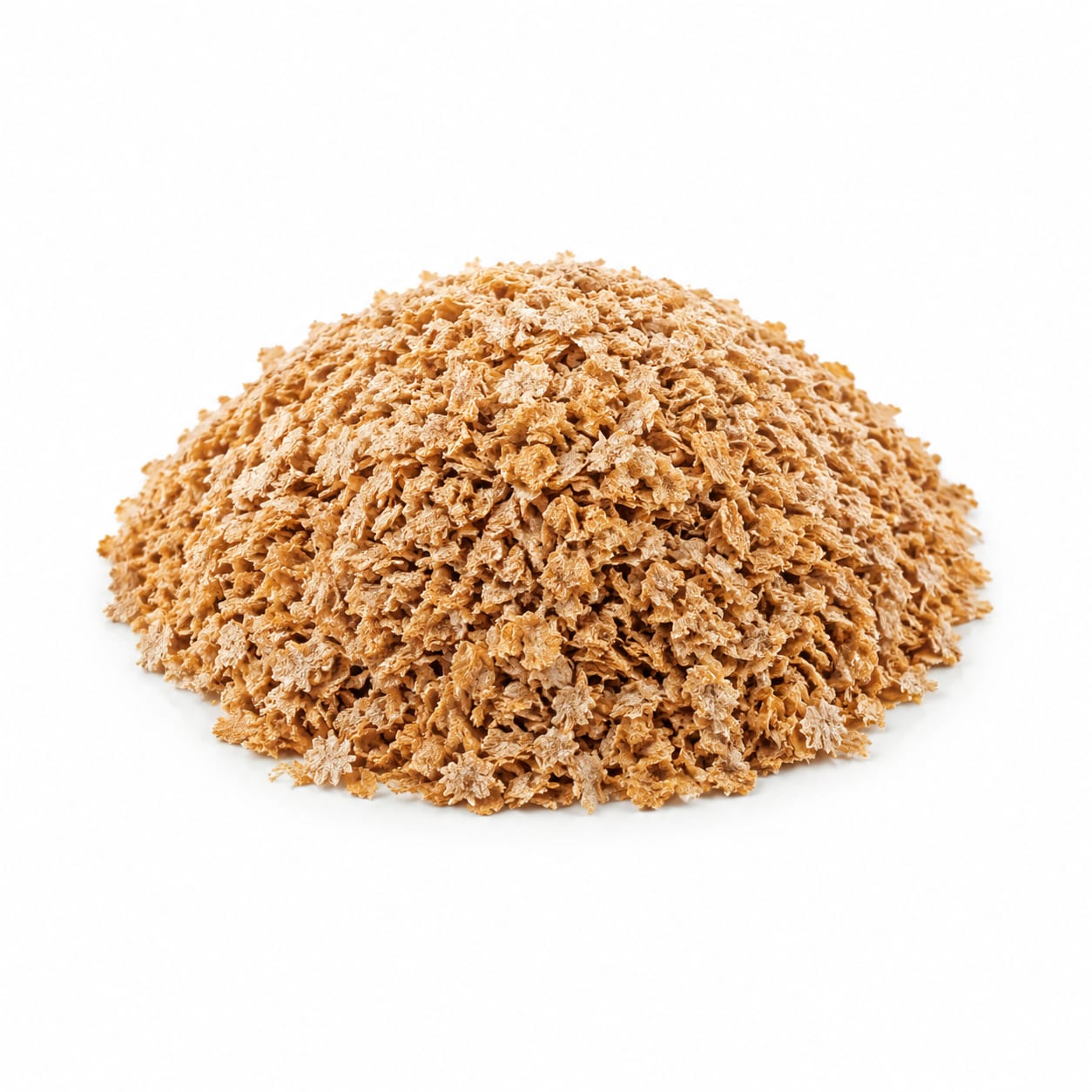
Wheat Bran
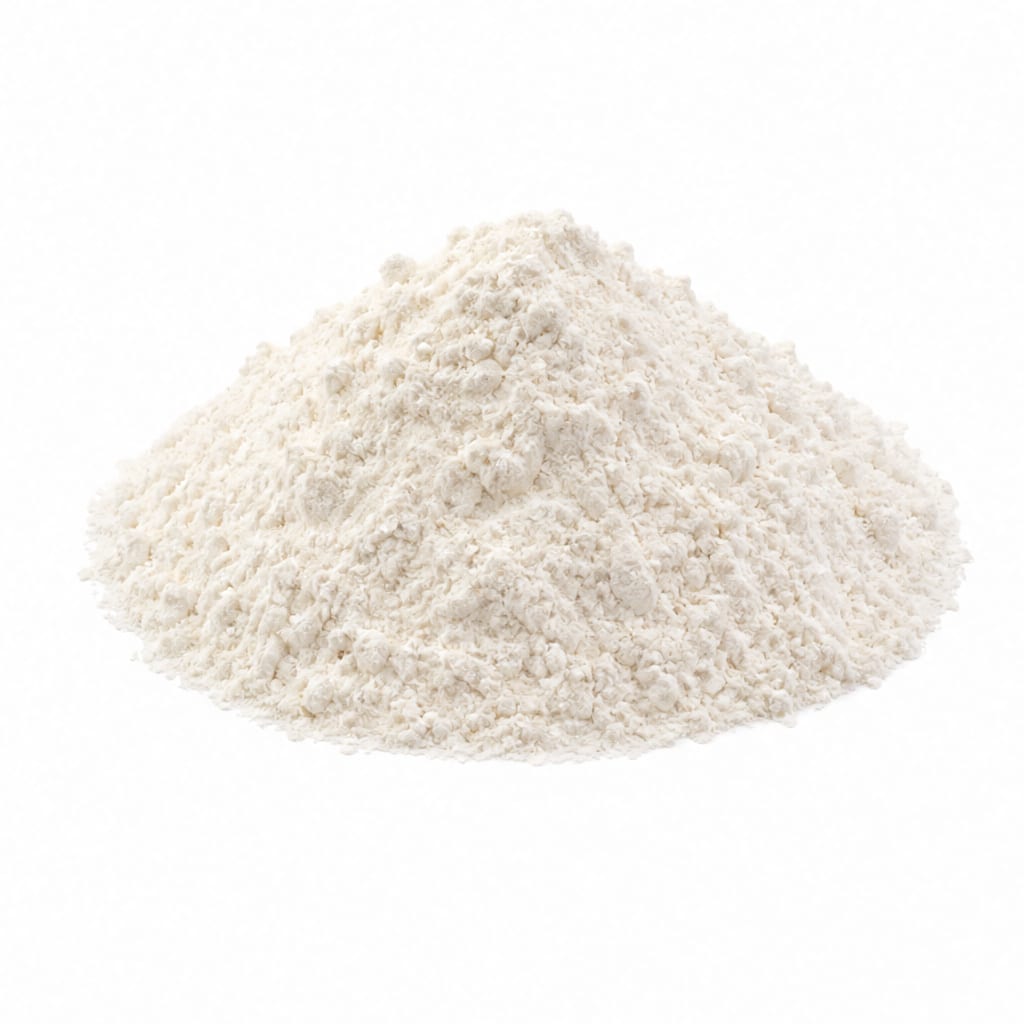
White Flour
Wheat Bran dominates for health and digestion, while White Flour offers unmatched baking versatility but lacks nutritional value.
Wheat Bran scores significantly higher due to its exceptional fiber content, mineral density, and blood sugar benefits, whereas White Flour is nutritionally stripped and metabolically disruptive.
You trade digestive and metabolic benefits for culinary smoothness and texture.
At a glance
Executive summary
Overall
Wheat Bran
Healthier
Wheat Bran
More practical
White Flour
Daily use
Wheat Bran
Key comparison lenses
Fiber and Digestive Health
Wheat Bran is one of the most concentrated sources of dietary fiber available, while White Flour is almost entirely devoid of it.
Blood Sugar Impact
White Flour causes rapid blood sugar spikes, whereas Wheat Bran slows digestion and stabilizes glucose levels.
Nutrient Density
White Flour is stripped of the nutrient-rich bran and germ; Wheat Bran retains the mineral-dense outer layer of the wheat kernel.
Culinary Versatility
White Flour is a kitchen staple for baking structure and texture, while Wheat Bran is primarily used as a nutritional additive.
Best choice for
Wheat Bran
- People managing constipation
- Diabetics seeking blood sugar control
- Those increasing daily fiber intake
White Flour
- Baking light and fluffy textured goods
- Thickening sauces and gravies
- Making traditional fresh pasta
Least suitable for
Wheat Bran
- Those with severe IBS who are sensitive to insoluble fiber
- People wanting light, airy baked goods
White Flour
- Diabetics managing blood sugar
- Those needing more daily fiber
- People avoiding metabolic crashes
Deep comparison
Dimension by dimension
Each lens scores both foods and breaks down who each option suits.
- Dimension 1 · Priority 98Wheat Bran
Fiber & Digestive Health
Wheat Bran · 98White Flour · 5Wheat Bran is a fiber powerhouse that keeps you regular, while White Flour contributes almost nothing to digestive health.
Tradeoff
You get massive digestive support from Wheat Bran, but it cannot replace White Flour in baking structure.
Why it matters
Low fiber diets lead to constipation and gut dysbiosis; White Flour exacerbates this.
Real-world impact
Adding Wheat Bran means fewer digestive issues and more regular bathroom trips; relying on White Flour often means needing fiber supplements.
Wheat Bran
- Relieving constipation
- Feeding beneficial gut bacteria
- Adding bulk to stool
Better for
- Severe IBS flare-ups where insoluble fiber irritates the gut
- Those needing a low-fiber diet
Worse for
White Flour
- Easy digestion for acute GI distress on a bland diet
- Low residue diets pre-medical procedures
Better for
- Daily regularity
- Preventing diverticulosis
Worse for
- Dimension 2 · Priority 92Wheat Bran
Blood Sugar Stability
Wheat Bran · 90White Flour · 15Wheat Bran slows down carbohydrate absorption, preventing sugar crashes. White Flour digests rapidly, causing spikes and slumps.
Tradeoff
Steady sustained energy versus quick but fleeting fuel.
Why it matters
Blood sugar roller coasters drive cravings, fatigue, and long-term insulin resistance.
Real-world impact
A White Flour bagel leaves you hungry an hour later; Wheat Bran keeps you full and energized until your next meal.
Wheat Bran
- Preventing afternoon energy crashes
- Managing insulin resistance
- Reducing sugar cravings
Better for
- Situations requiring rapid energy delivery
Worse for
White Flour
- Quick carb replenishment after intense glycogen-depleting exercise
Better for
- Sitting at a desk all day
- Pre-diabetics
- Managing weight
Worse for
- Dimension 3 · Priority 85Wheat Bran
Nutrient Density
Wheat Bran · 80White Flour · 20Wheat Bran is packed with magnesium, iron, and B vitamins. White Flour is mostly empty starch unless synthetically enriched.
Tradeoff
Whole-food nutrition versus refined carbohydrate calories.
Why it matters
Nutrient-dense foods satisfy the body's needs without excess calories.
Real-world impact
Getting minerals from Wheat Bran supports muscle function and energy production naturally, while White Flour requires synthetic fortification to avoid deficiencies.
Wheat Bran
- Boosting magnesium intake
- Getting natural B vitamins
- Increasing iron consumption
Better for
- Those with hemochromatosis who need to limit iron
Worse for
White Flour
- Preventing nutrient deficiencies
- Supporting metabolic health
Worse for
- Dimension 4 · Priority 75White Flour
Culinary Versatility & Texture
Wheat Bran · 25White Flour · 95White Flour creates the light, fluffy textures people love in baking. Wheat Bran is gritty and used only as an additive.
Tradeoff
Perfect baking chemistry versus nutritional enhancement.
Why it matters
Food must be enjoyable; texture heavily influences satisfaction and dietary adherence.
Real-world impact
White Flour makes a tender cake; Wheat Bran makes a dense, heavy muffin.
Wheat Bran
- Adding crunch to yogurt
- Boosting fiber in smoothies
Better for
- Delicate baking
- Smooth textures
Worse for
White Flour
- Making fluffy bread
- Creating smooth sauces
- Baking pastries
Better for
- High-fiber recipes
- Low-glycemic cooking
Worse for
Timeline
Health impact over time
Short-term
Hours to days
Wheat Bran
- Increased bowel movements
- Feeling very full quickly
- Possible bloating or gas if introduced too fast
White Flour
- Quick energy burst followed by a crash
- Feeling hungry again soon after eating
Long-term
Months to years
Wheat Bran
- Lower risk of colon cancer
- Improved cardiovascular markers
- Better weight management
White Flour
- Increased risk of type 2 diabetes
- Weight gain from excess empty calories
- Higher systemic inflammation
Risk profile
Safety & processing
Wheat Bran is simply the outer layer of the wheat kernel, separated but unrefined. White Flour is heavily refined, stripping away the bran and germ, and is often bleached with chemical agents.
Wheat Bran
Phytic Acid Interference
mediumWheat Bran contains phytic acid which can bind to minerals like iron and zinc, reducing their absorption if consumed in large amounts alongside supplements.
Pesticide Residue
mediumAs the outer layer of the grain, Wheat Bran can concentrate pesticide residues if not organically grown.
White Flour
Bleaching Chemicals
mediumSome White Flours are bleached with chlorine or peroxides, which leaves trace chemical residues and degrades the remaining nutrients.
Alloxan Contamination
lowChemical bleaching can produce alloxan, a compound that destroys pancreatic beta cells in lab animals, though the risk in humans from trace amounts is heavily debated.
Who wins for whom
Audience fit
Same foods, different winners depending on your goal.
children
It dependsWhite Flour is often preferred for palatability in kids' foods, but Wheat Bran is crucial for preventing childhood constipation; a mix is usually best.
daily consumption
Wheat BranDaily Wheat Bran supports long-term gut and metabolic health, while daily White Flour contributes to chronic disease risk.
diabetes
Wheat BranWheat Bran drastically slows glucose absorption, while White Flour causes dangerous blood sugar spikes.
elderly
Wheat BranDigestive regularity is a common issue in older adults, and Wheat Bran's insoluble fiber directly addresses this, whereas White Flour worsens sluggish digestion.
muscle gain
White FlourWhite Flour provides easily digestible carbohydrates that can help hit high calorie and carb targets needed for intense training and recovery.
weight loss
Wheat BranWheat Bran's massive fiber content provides bulk and satiety with very few absorbable calories, making it far easier to eat less overall.
Your move
Decision guide
Choose Wheat Bran
- You struggle with constipation
- You want to lower your blood sugar spikes
- You need more fiber in your diet
- You are trying to lose weight
Choose White Flour
- You are baking a birthday cake
- You need a thickener for gravy
- You are carbo-loading for a marathon
- You have acute diarrhea and need a low-food bulk binder
Either works if
- You are making homemade bread where you can substitute some White Flour for Wheat Bran
Avoid both if
- You have celiac disease or a severe gluten intolerance
Final recommendation
Use Wheat Bran as a daily nutritional booster in oatmeal or smoothies, and keep White Flour strictly for occasional baking where texture truly matters. Better yet, swap White Flour for whole wheat flour in everyday cooking to get a middle ground.
Practical
Consumer tips
- 1
Start with just one tablespoon of Wheat Bran daily and increase slowly to avoid bloating and gas.
- 2
Always drink plenty of water when consuming Wheat Bran; without enough fluid, it can actually cause constipation.
- 3
If you bake with White Flour, try replacing a quarter of it with Wheat Bran to boost the fiber content without ruining the texture completely.
- 4
Look for unbleached White Flour to avoid unnecessary chemical exposure from chlorine or peroxides.
- 5
Store Wheat Bran in the fridge or freezer; the natural oils in the bran can go rancid at room temperature.