
Nutrition comparison
Wheat Bran vs Quinoa: Fiber Powerhouse vs Complete Protein
Comparing Wheat Bran and Quinoa for fiber, protein, and digestion. Find out which is better for weight loss, muscle gain, and daily health.
Overall winner · Quinoa
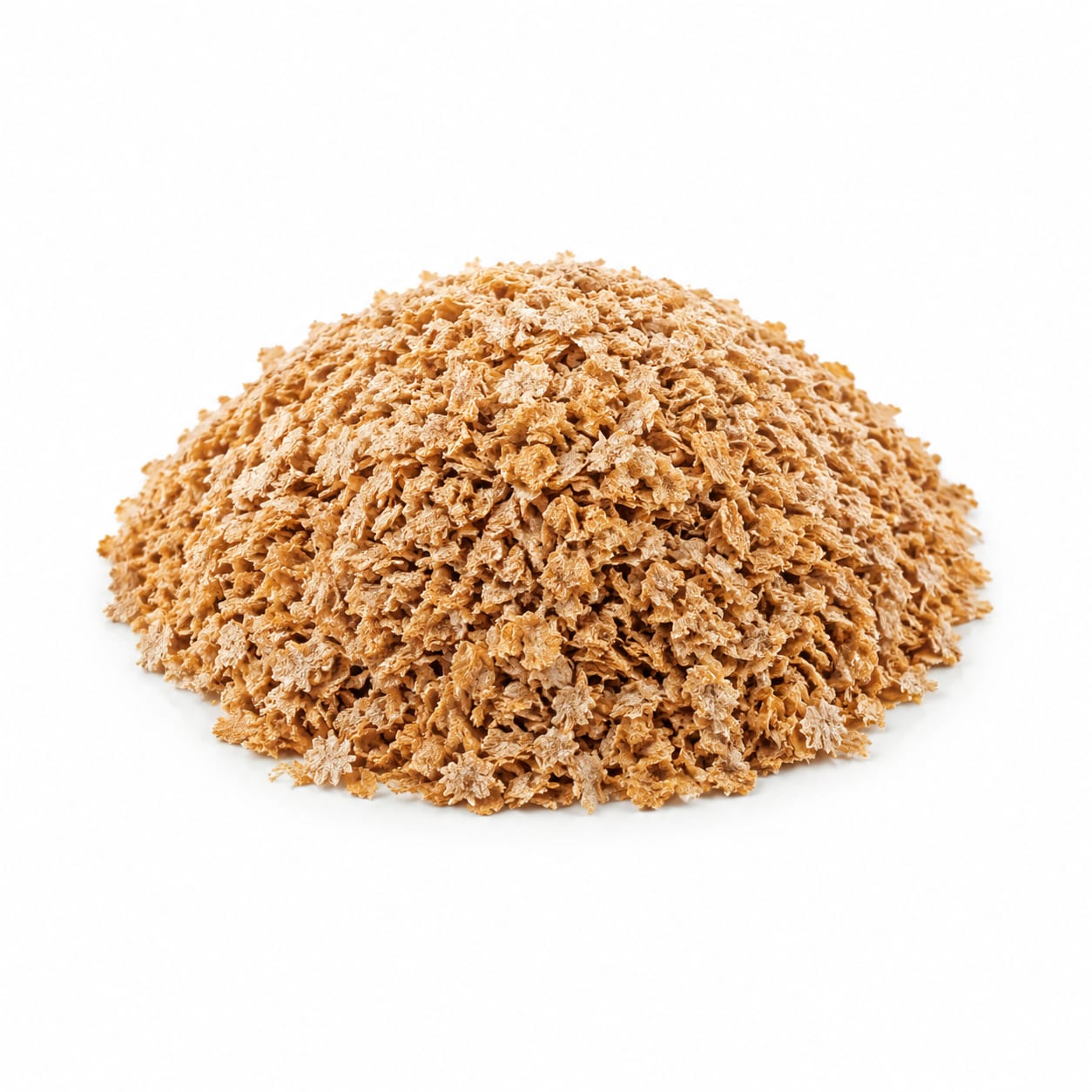
Wheat Bran
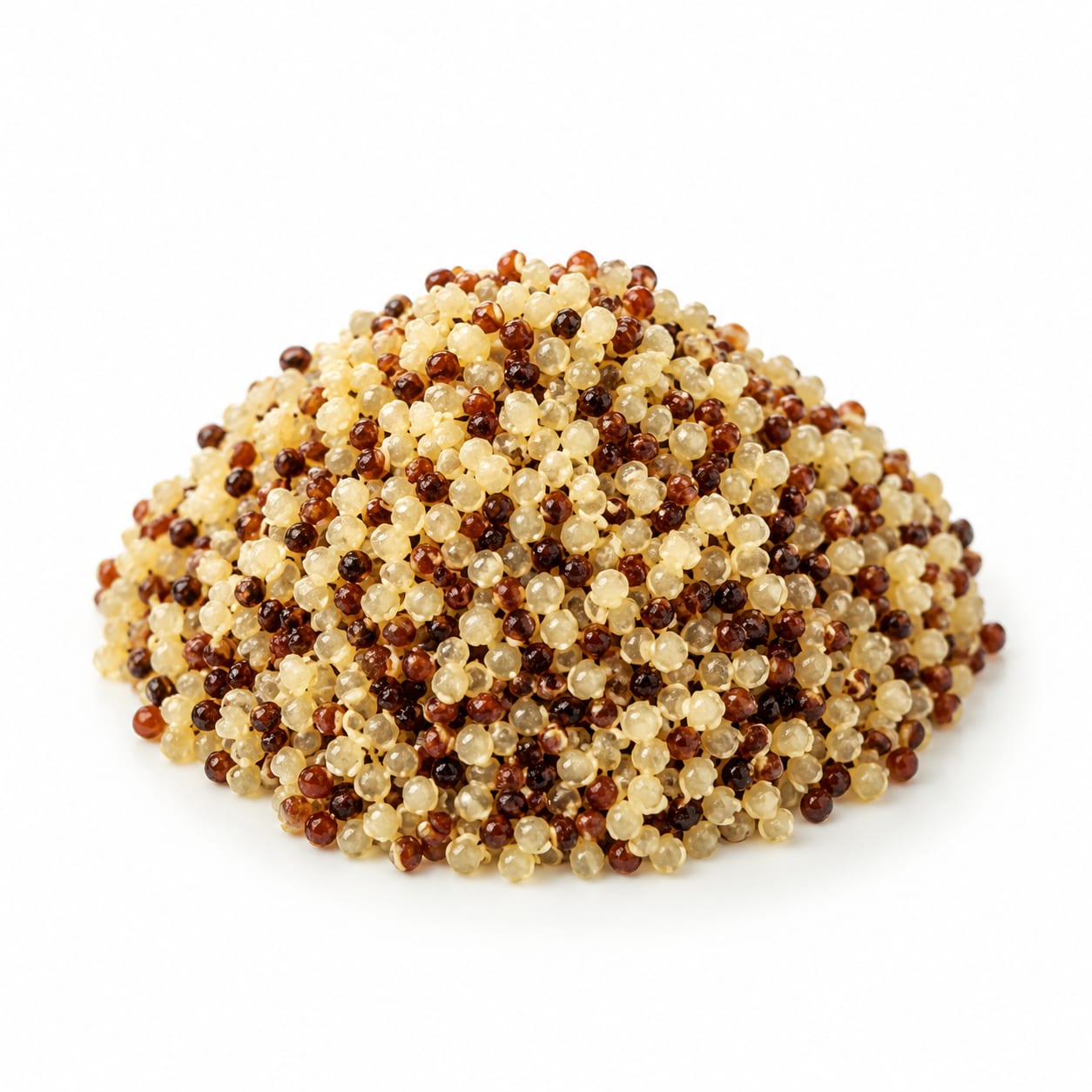
Quinoa
Quinoa is a balanced, protein-rich staple, while Wheat Bran is a concentrated fiber supplement best used to target digestion.
Quinoa scores higher due to its complete protein profile and broad micronutrient content, making it a sustainable daily staple. Wheat Bran is excellent for specific fiber needs but lacks the nutritional balance to serve as a primary food.
Complete protein and versatile eating versus extreme insoluble fiber for digestive regularity.
At a glance
Executive summary
Overall
Quinoa
Healthier
Quinoa
More practical
Quinoa
Daily use
Quinoa
Key comparison lenses
Digestive regularity vs balanced nutrition
Wheat Bran is famous for extreme fiber, while Quinoa offers a gentler, more balanced nutritional profile.
Protein quality and completeness
Quinoa is a rare plant-based complete protein, whereas Wheat Bran provides minimal incomplete protein.
Blood sugar management strategies
Both help stabilize blood sugar, but Wheat Bran acts as an aggressive fiber speed bump while Quinoa provides steady energy.
Standalone meal vs supplement use
Quinoa works as a meal base, while Wheat Bran is typically a mix-in supplement.
Best choice for
Wheat Bran
- Severe constipation relief
- Drastically increasing daily fiber intake
- Low-calorie volume eating
Quinoa
- Balanced plant-based meals
- Post-workout recovery
- Sustained energy throughout the day
Least suitable for
Wheat Bran
- People with IBS or sensitive stomachs
- Those needing a complete protein source
- Anyone looking for a standalone meal base
Quinoa
- Strict low-calorie diets
- Those needing a massive insoluble fiber boost
Deep comparison
Dimension by dimension
Each lens scores both foods and breaks down who each option suits.
- Dimension 1 · Priority 95Wheat Bran
Digestive Health & Regularity
Wheat Bran · 98Quinoa · 75Wheat Bran is the undisputed king of insoluble fiber, moving things through your digestive tract fast.
Tradeoff
Too much Wheat Bran can cause bloating and discomfort if water intake is low, while Quinoa offers gentler, more tolerable fiber.
Why it matters
If you struggle with constipation, Wheat Bran is a game-changer; if you have a sensitive gut, Quinoa is much safer.
Real-world impact
Adding Wheat Bran to your morning oatmeal can mean the difference between sluggish digestion and easy bathroom trips.
Wheat Bran
- Relieving constipation
- Adding bulk to stool
Better for
- IBS flare-ups
- Bloating if water intake is low
Worse for
Quinoa
- Gentle daily digestion
- Feeding gut bacteria with soluble fiber
Better for
- Severe constipation that needs aggressive intervention
Worse for
- Dimension 2 · Priority 85Quinoa
Protein Quality & Muscle Support
Wheat Bran · 30Quinoa · 90Quinoa provides a complete protein with all essential amino acids, while Wheat Bran offers minimal, incomplete protein.
Tradeoff
You get muscle-building blocks from Quinoa, but Wheat Bran takes up stomach space with almost zero protein payoff.
Why it matters
For plant-based eaters, Quinoa is a rare grain that actually helps repair and build muscle.
Real-world impact
A Quinoa bowl after a workout actually supports recovery, whereas Wheat Bran would leave you needing another protein source.
Wheat Bran
- Muscle maintenance
- Satiety from protein
Worse for
Quinoa
- Post-workout recovery
- Plant-based protein needs
- Staying full longer from protein
Better for
- Dimension 3 · Priority 80Wheat Bran
Blood Sugar Stability
Wheat Bran · 88Quinoa · 82Wheat Bran's extreme fiber slows down carbohydrate absorption more aggressively than Quinoa.
Tradeoff
Wheat Bran barely has any carbs to absorb in the first place, while Quinoa provides steady energy alongside its fiber.
Why it matters
If you are spiking after meals, mixing Wheat Bran into your food acts like a speed bump for sugar absorption.
Real-world impact
Sprinkling Wheat Bran on a high-carb meal can prevent the afternoon energy crash.
Wheat Bran
- Blunting blood sugar spikes from other foods
- Virtually zero net carbs
Better for
- Lacks the energy you need for active days
Worse for
Quinoa
- Providing steady, lasting energy without crashes
Better for
- Slightly higher carbohydrate load
Worse for
- Dimension 4 · Priority 75Quinoa
Nutrient Density & Micronutrients
Wheat Bran · 60Quinoa · 92Quinoa is packed with magnesium, iron, and B-vitamins, while Wheat Bran offers a narrower nutritional profile.
Tradeoff
Quinoa fuels your body's cellular processes broadly, whereas Wheat Bran mostly just focuses on the digestive tract.
Why it matters
Eating Quinoa gives you the minerals that help with sleep, muscle cramps, and energy production.
Real-world impact
Choosing Quinoa means you are getting a meal that actively fights nutrient deficiencies, not just keeping you regular.
Wheat Bran
- Getting a massive dose of insoluble fiber
Better for
- Broad nutritional support
Worse for
Quinoa
- Boosting magnesium for sleep and recovery
- Increasing iron intake
- Getting B-vitamins for energy
Better for
- Dimension 5 · Priority 70Quinoa
Versatility & Practicality
Wheat Bran · 50Quinoa · 90Quinoa works as a main dish, side, or salad base, while Wheat Bran is mostly just a mix-in.
Tradeoff
You can build an entire meal around Quinoa, but Wheat Bran is just a supporting actor you sprinkle on top.
Why it matters
A food you can cook easily and eat as a main course is far more likely to become a healthy habit.
Real-world impact
Cooking a batch of Quinoa takes 15 minutes and gives you a ready-to-eat meal base for days.
Wheat Bran
- Mixing into smoothies or yogurt for a quick fiber boost
Better for
- Eating as a standalone dish
- Cooking into diverse recipes
Worse for
Quinoa
- Meal prepping
- Serving as a rice substitute
- Creating balanced bowls
Better for
Timeline
Health impact over time
Short-term
Hours to days
Wheat Bran
- Immediate increase in bowel movement frequency
- Potential bloating or gas if introduced too quickly
- Very quick feeling of fullness
Quinoa
- Steady energy without a sugar crash
- Comfortable, satisfying fullness
- Easy on the stomach for most people
Long-term
Months to years
Wheat Bran
- Greatly reduced risk of constipation and diverticulitis
- Possible mineral absorption interference if consumed in extreme excess
- Lower colorectal cancer risk
Quinoa
- Improved metabolic health from complete protein and fiber
- Better muscle retention as you age
- Sustained nutrient status, especially magnesium and iron
Risk profile
Safety & processing
Both are whole, minimally processed foods. Wheat Bran is simply the outer layer of the wheat kernel, and Quinoa is a whole seed that is cooked in its natural state.
Wheat Bran
Phytic acid interference
mediumHigh phytic acid in Wheat Bran can bind to minerals like iron and zinc, reducing their absorption if consumed in large amounts.
Gluten exposure
highWheat Bran contains gluten, making it completely unsafe for those with celiac disease or gluten sensitivity.
Quinoa
Saponin residue
lowUnrinsed Quinoa contains bitter saponins that can cause mild stomach upset; rinsing before cooking eliminates this.
Cross-contamination in processing
lowSome Quinoa processing facilities also process wheat, so those with celiac should seek certified gluten-free Quinoa.
Who wins for whom
Audience fit
Same foods, different winners depending on your goal.
children
QuinoaQuinoa offers balanced nutrition and complete protein for growing bodies, whereas Wheat Bran is too harsh for delicate digestive systems and fills them up without enough nutrients.
daily consumption
QuinoaQuinoa is a nutritionally complete staple you can eat at every meal, while daily heavy consumption of Wheat Bran can interfere with mineral absorption.
diabetes
Wheat BranWheat Bran's extreme fiber content is incredibly effective at blunting blood sugar spikes, though Quinoa is also a solid low-GI choice.
elderly
It dependsWheat Bran is excellent for elderly individuals struggling with constipation, but Quinoa is better for preserving muscle mass; the choice depends on their primary health concern.
muscle gain
QuinoaQuinoa provides complete protein necessary for muscle repair, while Wheat Bran lacks the amino acids needed for growth.
weight loss
Wheat BranWheat Bran provides massive volume and fullness for almost zero calories, making it easier to stay in a deficit.
Your move
Decision guide
Choose Wheat Bran
- You struggle with chronic constipation and need a reliable solution
- You are on a strict low-calorie diet and need maximum fullness
- You want to blunt the blood sugar spike of a high-carb meal
Choose Quinoa
- You need a balanced, plant-based protein source
- You want a versatile meal base for bowls or sides
- You are looking for gentle, everyday fiber without bloating
Either works if
- You want to improve your daily fiber intake
- You are looking for natural, unprocessed carbohydrate sources
Avoid both if
- You are on a strict zero-carb or keto diet
- You have severe digestive disorders that restrict all roughage
Final recommendation
Use Quinoa as your everyday nutritional staple for balanced energy and protein, and keep Wheat Bran in your pantry as a targeted tool for digestion and blood sugar control.
Practical
Consumer tips
- 1
Introduce Wheat Bran slowly over a week and drink plenty of water to avoid bloating and constipation.
- 2
Always rinse Quinoa under cold water before cooking to wash off the bitter saponin coating.
- 3
Mix a tablespoon of Wheat Bran into your morning oatmeal or smoothie for a fiber boost without changing the flavor.
- 4
Cook Quinoa in broth instead of water for a more flavorful side dish.