
Nutrition comparison
Wheat Bran vs Whole Wheat Flour: Fiber, Nutrition, and Best Uses
Comparing Wheat Bran and Whole Wheat Flour? Learn the key differences in fiber content, blood sugar impact, and how to use each for better health and baking.
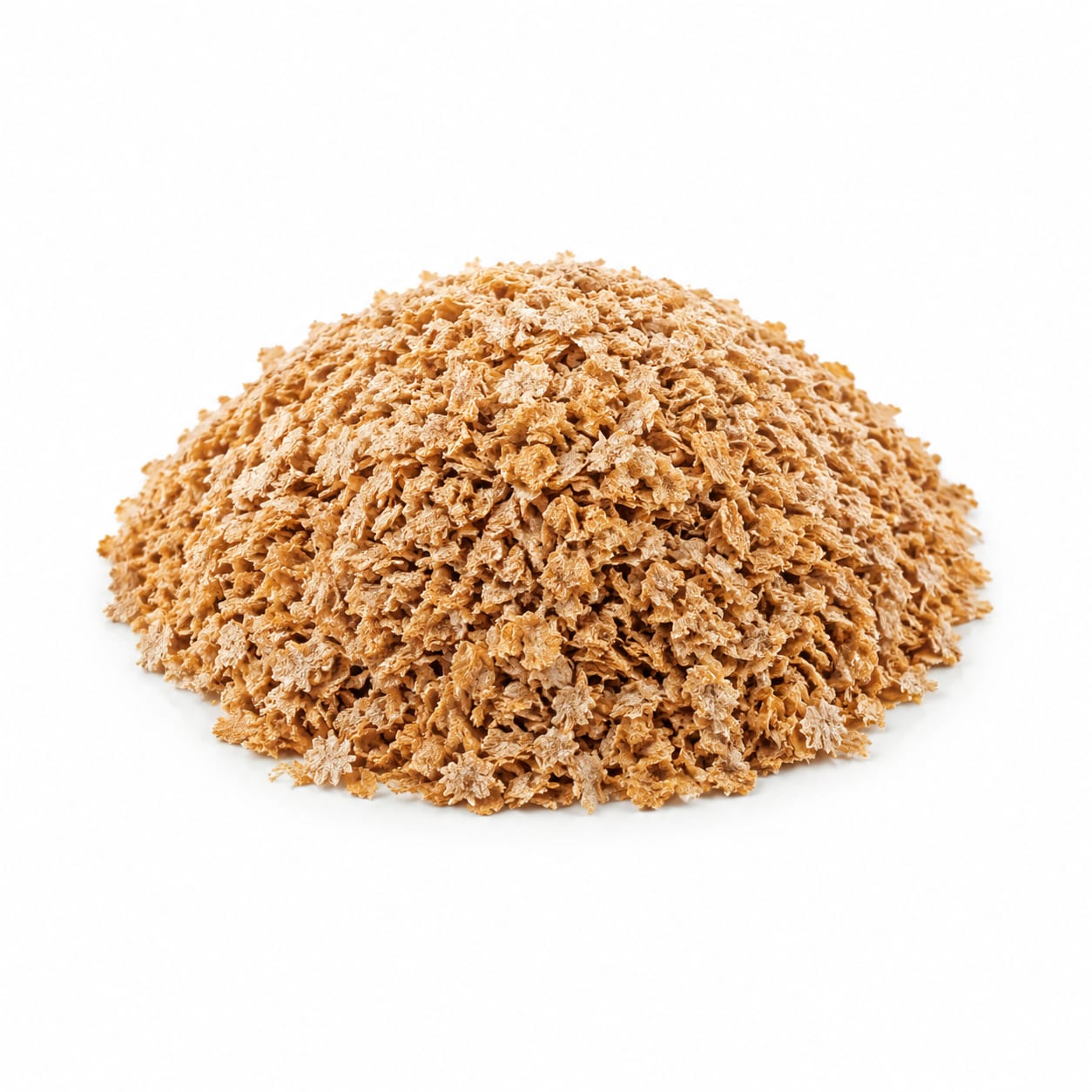
Wheat Bran
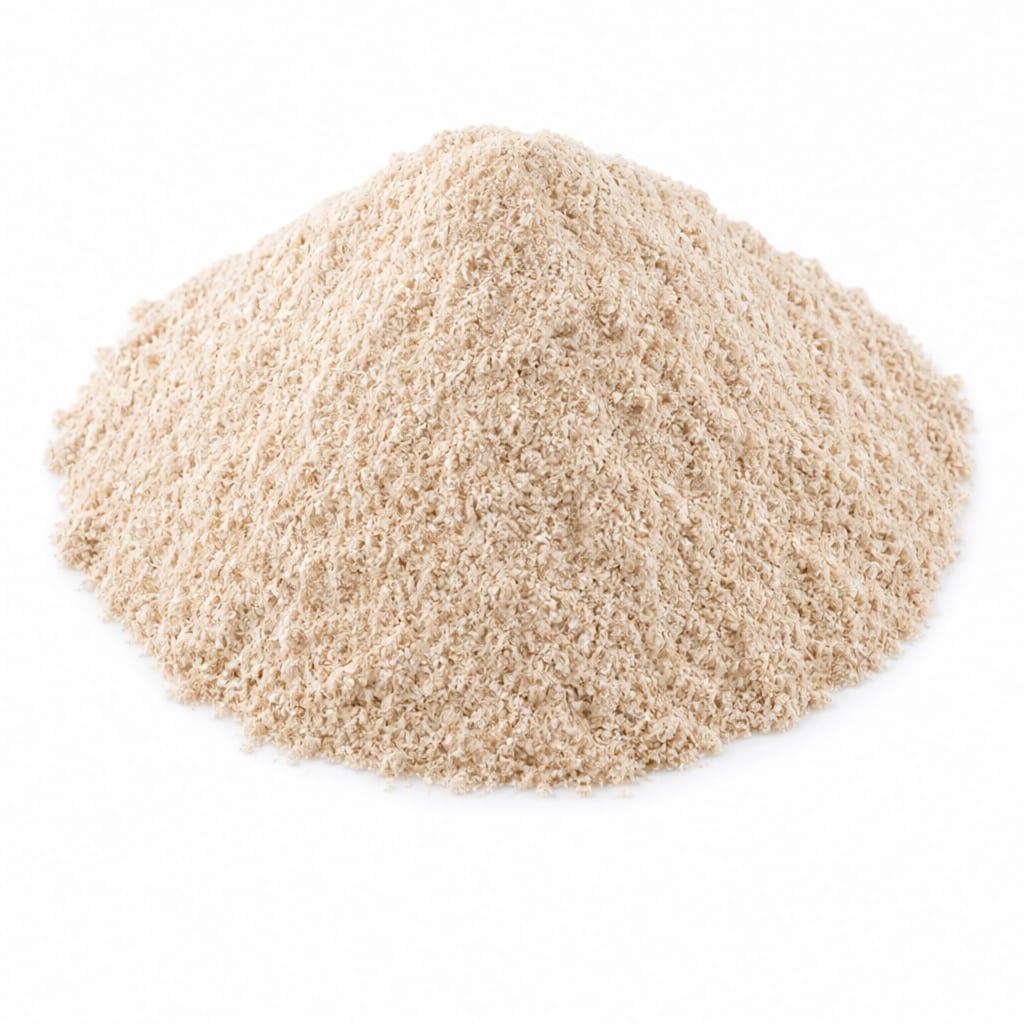
Whole Wheat Flour
Wheat Bran is a fiber powerhouse best used as a supplement, while Whole Wheat Flour is a balanced, energy-providing staple for everyday cooking.
Wheat Bran scores slightly higher for targeted health benefits like extreme fiber and blood sugar control, but Whole Wheat Flour is far more practical and provides essential energy, making them suited for different roles.
Maximum fiber and minimal calories versus culinary versatility and satisfying energy.
At a glance
Executive summary
Overall
It depends
Healthier
Wheat Bran
More practical
Whole Wheat Flour
Daily use
It depends
Key comparison lenses
Fiber supplementation vs versatile baking staple
Wheat Bran is primarily consumed for its extreme fiber content, while Whole Wheat Flour is a foundational ingredient for energy and cooking.
Blood sugar management
Wheat Bran has virtually no digestible carbs, making it a tool for glucose control, whereas Whole Wheat Flour provides actual carbohydrates that impact blood sugar.
Culinary functionality
Whole Wheat Flour creates structure in baking, while Wheat Bran is mostly an add-in that cannot bind or rise on its own.
Best choice for
Wheat Bran
- Combating constipation
- Lowering the glycemic impact of meals
- Adding bulk to smoothies or yogurt
Whole Wheat Flour
- Baking whole grain breads and pastries
- Sustained energy for active days
- Balanced macronutrient intake
Least suitable for
Wheat Bran
- People with sensitive digestive tracts unaccustomed to high fiber
- Those needing calorie-dense energy sources
Whole Wheat Flour
- People on strict very-low-carb diets
- Those needing a concentrated fiber boost
Deep comparison
Dimension by dimension
Each lens scores both foods and breaks down who each option suits.
- Dimension 1 · Priority 95Wheat Bran
Fiber & Digestive Health
Wheat Bran · 98Whole Wheat Flour · 65Wheat Bran is almost entirely fiber, delivering massive digestive benefits, whereas Whole Wheat Flour offers a moderate amount.
Tradeoff
You get unmatched bowel regularity with Wheat Bran, but it can cause bloating if you overdo it; Whole Wheat Flour is gentler on the gut.
Why it matters
Fiber keeps you full and prevents constipation, but too much too fast causes discomfort.
Real-world impact
Adding Wheat Bran to a smoothie will keep you full for hours, while Whole Wheat Flour in pancakes provides comfortable, normal fullness.
Wheat Bran
- Relieving constipation
- Feeding gut bacteria with insoluble fiber
Better for
- Sensitive stomachs
- Sudden large increases in fiber intake
Worse for
Whole Wheat Flour
- Gentle daily digestion
- Avoiding bloating or gas
Better for
- Severe constipation requiring aggressive intervention
Worse for
- Dimension 2 · Priority 85Wheat Bran
Blood Sugar Control
Wheat Bran · 95Whole Wheat Flour · 60Wheat Bran has virtually no digestible carbs, making it blood sugar neutral. Whole Wheat Flour contains starches that raise blood sugar.
Tradeoff
Wheat Bran won't spike your blood sugar at all, while Whole Wheat Flour provides necessary energy but requires an insulin response.
Why it matters
Stable blood sugar prevents energy crashes and cravings.
Real-world impact
Wheat Bran mixed into food slows down sugar absorption, whereas eating Whole Wheat Flour bread alone can cause a mild afternoon energy dip.
Wheat Bran
- Diabetics needing strict glucose control
- Reducing glycemic load of meals
Better for
- Situations requiring quick energy
Worse for
Whole Wheat Flour
- Athletes needing pre-workout carbs
- Preventing hypoglycemia during long activities
Better for
- Insulin resistance management
Worse for
- Dimension 3 · Priority 80Whole Wheat Flour
Culinary Versatility & Satiety
Wheat Bran · 30Whole Wheat Flour · 90Whole Wheat Flour is a kitchen staple that creates satisfying, structured foods. Wheat Bran is mostly an add-in that cannot bind or rise on its own.
Tradeoff
Whole Wheat Flour makes actual meals that satisfy deeply; Wheat Bran is a nutritional booster that relies on other ingredients to be palatable.
Why it matters
Food must be enjoyable and practical to sustain healthy habits.
Real-world impact
You can make a comforting loaf of bread with Whole Wheat Flour, but Wheat Bran alone just makes a dry, crumbly mess.
Wheat Bran
- Adding crunch and fiber to yogurt or muffins
Better for
- Baking standalone recipes
- Creating satisfying textures
Worse for
Whole Wheat Flour
- Making breads, pizzas, and pastries
- Creating filling, structured meals
Better for
- Ultra-low-calorie recipe modifications
Worse for
- Dimension 4 · Priority 70It depends
Nutrient Density & Absorption
Wheat Bran · 70Whole Wheat Flour · 75Wheat Bran is rich in minerals but contains phytic acid that blocks their absorption. Whole Wheat Flour has fewer minerals per gram but better overall nutrient balance.
Tradeoff
Wheat Bran packs more raw minerals but holds onto them tightly; Whole Wheat Flour offers a more absorbable, rounded nutrient profile.
Why it matters
Eating nutrients only matters if your body can actually absorb them.
Real-world impact
Relying solely on Wheat Bran for iron or zinc might leave you deficient, whereas Whole Wheat Flour provides a more reliable spectrum of usable nutrients.
Wheat Bran
- Getting raw mineral content
Better for
- Risk of mineral deficiency due to phytic acid binding
Worse for
Whole Wheat Flour
- Balanced macronutrients
- Better mineral bioavailability
Better for
- Lower total fiber and mineral concentration per serving
Worse for
Timeline
Health impact over time
Short-term
Hours to days
Wheat Bran
- Rapid feeling of fullness
- Possible gas or bloating if consumed too quickly
- Immediate relief for sluggish digestion
Whole Wheat Flour
- Steady, comforting energy
- Satiety from a balanced meal
- Mild blood sugar rise depending on portion
Long-term
Months to years
Wheat Bran
- Excellent colon health and regularity
- Potential mineral deficiencies if phytic acid is not managed
- Lower risk of diverticulitis
Whole Wheat Flour
- Sustained energy for active lifestyles
- Moderate cardiovascular benefits from whole grains
- Healthy weight management when replacing refined carbs
Risk profile
Safety & processing
Both are simple milled wheat products with no artificial additives, though Wheat Bran is just the isolated outer layer while Whole Wheat Flour contains the entire kernel.
Wheat Bran
Phytic acid mineral binding
mediumWheat Bran is very high in phytic acid, which can bind to iron, zinc, and calcium, preventing their absorption in your gut.
Digestive blockage
lowEating Wheat Bran without adequate water can lead to constipation or bowel obstruction instead of relieving it.
Whole Wheat Flour
Glyphosate residue
lowConventionally grown wheat can carry trace pesticide residues; choosing organic Whole Wheat Flour mitigates this.
Gluten intolerance
mediumContains gluten, which is problematic for those with celiac disease or gluten sensitivity.
Who wins for whom
Audience fit
Same foods, different winners depending on your goal.
children
Whole Wheat FlourKids need calorie-dense, gentle foods for growth and energy; Wheat Bran is too harsh on their developing digestive systems.
daily consumption
Whole Wheat FlourWhole Wheat Flour is a balanced staple that provides sustainable energy, whereas Wheat Bran is best used as a targeted supplement rather than a daily foundation.
diabetes
Wheat BranWith virtually no digestible carbs, Wheat Bran will not spike blood sugar and can slow down the absorption of carbs eaten with it.
elderly
It dependsWheat Bran is great for elderly folks battling constipation, but Whole Wheat Flour is better if they have fragile digestion or poor appetite.
muscle gain
Whole Wheat FlourWhole Wheat Flour provides the carbohydrates and calories needed to fuel workouts and support muscle growth.
weight loss
Wheat BranWheat Bran provides massive bulk and fullness for almost zero calories, making it easier to stay in a deficit.
Your move
Decision guide
Choose Wheat Bran
- You struggle with constipation
- You want to lower the glycemic index of your meals
- You need a low-calorie way to feel full
Choose Whole Wheat Flour
- You want to bake wholesome breads and pastries
- You need lasting energy for an active day
- You want a balanced whole grain staple
Either works if
- You are looking to increase whole grain intake
- You want to avoid refined white flour products
Avoid both if
- You have celiac disease or a severe gluten intolerance
Final recommendation
Use Whole Wheat Flour as your everyday baking and cooking staple, and keep Wheat Bran on hand as a powerful fiber booster to mix into smoothies, yogurt, or baked goods when you need extra fullness or digestive support.
Practical
Consumer tips
- 1
If adding Wheat Bran to your diet, increase your water intake significantly to prevent constipation.
- 2
You can replace up to a third of Whole Wheat Flour with Wheat Bran in muffin or pancake recipes for a massive fiber upgrade without ruining the texture.
- 3
Soaking Wheat Bran before eating can help reduce phytic acid and improve mineral absorption.
- 4
Store Whole Wheat Flour in the fridge or freezer to prevent the natural wheat germ oils from going rancid.