
Nutrition comparison
Wheat Germ vs Wheat Bran: Which Is Better for Fiber, Nutrition, and Digestion?
Wheat Bran dominates in fiber and digestive health. Wheat Germ wins on vitamins, minerals, and healthy fats. Compare them side by side to find which fits your health goals.
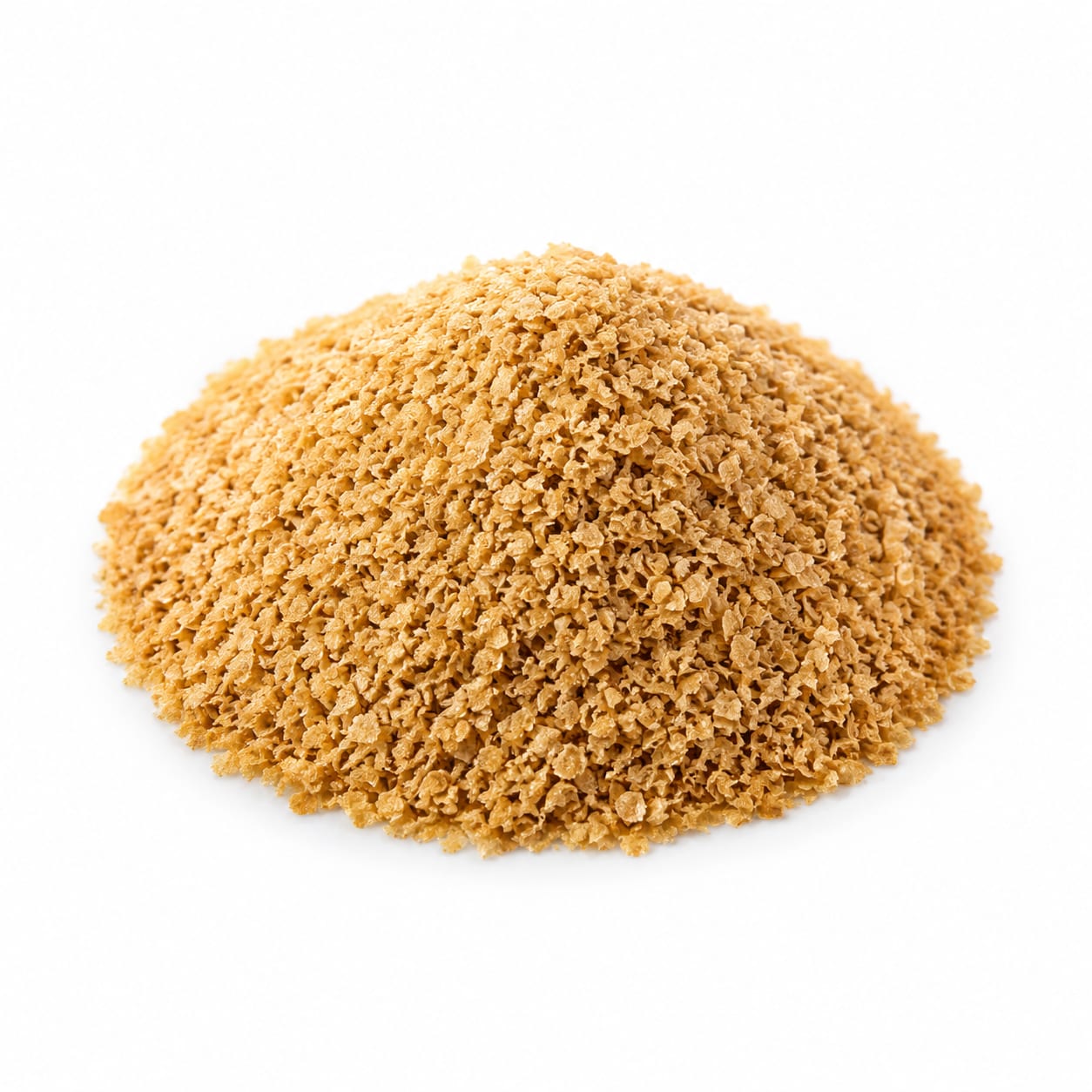
Wheat Germ
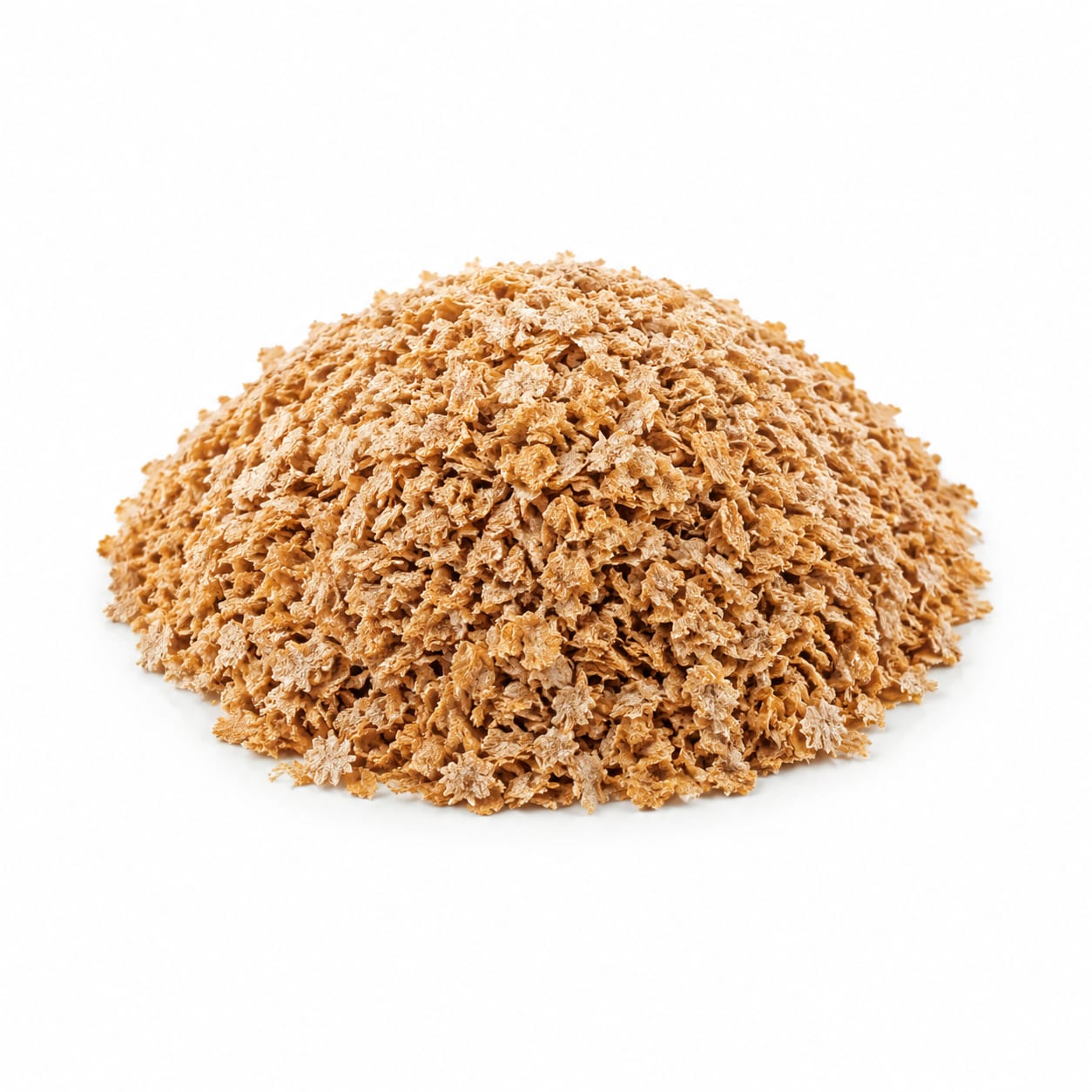
Wheat Bran
Wheat Germ is the nutrient-dense multivitamin; Wheat Bran is the fiber bulldozer. They serve completely different purposes despite coming from the same grain.
Wheat Bran edges ahead due to its unmatched fiber content, longer shelf life, and broader applicability for digestion and blood sugar. Wheat Germ wins on nutrient breadth but loses practicality points because it spoils quickly and serves a narrower use case.
Wheat Germ gives you healthy fats, vitamin E, folate, and more protein — but spoils fast and has less fiber. Wheat Bran delivers unmatched fiber for digestion and blood sugar but is nutritionally narrower.
At a glance
Executive summary
Overall
It depends
Healthier
It depends
More practical
Wheat Bran
Daily use
Wheat Bran
Key comparison lenses
digestive health and fiber
Wheat Bran is one of the highest-fiber foods available, while Wheat Germ offers moderate fiber — this is the starkest difference between them
nutrient density comparison
Wheat Germ is a vitamin and mineral powerhouse, while Wheat Bran is more narrowly focused on fiber and a few minerals
weight management and satiety
Both support fullness but through different mechanisms — bulk fiber versus healthy fats and protein
blood sugar control
Wheat Bran's insoluble fiber slows glucose absorption more aggressively, making it relevant for diabetes management
shelf stability and convenience
Wheat Germ spoils quickly due to its fat content, while Wheat Bran stores easily — a real-world dealbreaker for some users
Best choice for
Wheat Germ
- People wanting a natural vitamin and mineral boost
- Those seeking plant-based healthy fats and vitamin E
- Anyone needing more folate in their diet
- Smoothie or yogurt toppers wanting a nutty, nutrient-rich addition
- Older adults needing zinc and B vitamins for immune support
Wheat Bran
- People struggling with constipation or irregular digestion
- Diabetics aiming for tighter blood sugar control
- Anyone maximizing fiber intake on a low-calorie budget
- Meal preppers who want a pantry-stable fiber source
- Those on weight loss plans needing maximum fullness per calorie
Least suitable for
Wheat Germ
- People with severe gluten sensitivity or celiac disease
- Those who buy in bulk and store food slowly — it will go rancid
- Anyone already getting plenty of healthy fats from other sources
- People primarily seeking digestive regularity
Wheat Bran
- People with irritable bowel syndrome who are fiber-sensitive
- Those unaccustomed to high fiber — introducing it too fast causes bloating
- Anyone needing calorie-dense nutrition or healthy fat intake
- People looking for a broad-spectrum nutrient boost rather than fiber specifically
Deep comparison
Dimension by dimension
Each lens scores both foods and breaks down who each option suits.
- Dimension 1 · Priority 95Wheat Bran
Fiber and Digestive Health
Wheat Germ · 55Wheat Bran · 97Wheat Bran is one of the most concentrated fiber sources on earth. Wheat Germ provides decent fiber but cannot compete here.
Tradeoff
Wheat Bran's extreme fiber is a blessing for regularity but can cause bloating if you ramp up too fast. Wheat Germ is gentler on the stomach but won't solve constipation the way Bran will.
Why it matters
Most people get barely half the fiber they need. Wheat Bran closes that gap dramatically; Wheat Germ only partially helps.
Real-world impact
A couple tablespoons of Wheat Bran in your morning oatmeal can mean the difference between struggling and smooth sailing in the bathroom. Wheat Germ won't move the needle the same way.
Wheat Germ
- Gentle fiber supplementation without overwhelming the gut
- People transitioning into higher fiber who need a softer start
Better for
- Anyone relying on it as their primary fiber strategy will be disappointed
Worse for
Wheat Bran
- Chronic constipation relief
- Bulkier stools and more predictable digestion
- Feeding gut bacteria with insoluble fiber fermentation byproducts
Better for
- IBS sufferers who react poorly to large amounts of insoluble fiber
- Sudden introduction causing gas, cramping, and bloating
Worse for
- Dimension 2 · Priority 90Wheat Germ
Vitamin and Mineral Density
Wheat Germ · 92Wheat Bran · 58Wheat Germ is essentially a natural multivitamin — rich in vitamin E, folate, thiamin, zinc, magnesium, and phosphorus. Wheat Bran has some minerals but lacks the breadth.
Tradeoff
Wheat Germ's nutritional richness comes with more calories and fat. Wheat Bran is leaner but you miss out on fat-soluble vitamins and the broader micronutrient spectrum.
Why it matters
If your diet has micronutrient gaps, Wheat Germ fills them more completely. Wheat Bran mainly contributes iron, magnesium, and selenium.
Real-world impact
Adding Wheat Germ to a smoothie is like taking a food-based vitamin. You get noticeable folate, vitamin E, and zinc — nutrients many people run low on.
Wheat Germ
- Natural folate boost for pregnant women or those planning pregnancy
- Vitamin E for skin, immune, and antioxidant support
- Zinc and magnesium for recovery and sleep quality
- B vitamin complex for energy metabolism
Better for
- The fat content means more calories per serving if you are strictly counting
Worse for
Wheat Bran
- Iron supplementation through food
- Selenium for thyroid function
Better for
- Missing the fat-soluble vitamin coverage
- Narrower mineral profile overall
Worse for
- Dimension 3 · Priority 75Wheat Germ
Protein Quality and Content
Wheat Germ · 78Wheat Bran · 55Wheat Germ contains roughly 23-28g of protein per 100g, while Wheat Bran sits around 13-16g. Wheat Germ also provides a more complete amino acid profile.
Tradeoff
Neither is a primary protein source, but Wheat Germ contributes meaningfully to daily protein targets. Wheat Bran's protein is more of a bonus than a feature.
Why it matters
If you are plant-based or struggling to hit protein goals, every gram counts. Wheat Germ helps more here.
Real-world impact
Two tablespoons of Wheat Germ add about 3-4g of protein to your meal. Not huge, but meaningful when stacked with other sources throughout the day.
Wheat Germ
- Plant-based eaters needing supplementary protein
- Post-workout meals where extra protein supports recovery
Better for
- Still not a high enough protein source to rely on alone
Worse for
Wheat Bran
- Situations where protein is not the priority and fiber is
Better for
- Protein contribution is minimal and not a reason to choose it
Worse for
- Dimension 4 · Priority 80Wheat Bran
Blood Sugar Stability
Wheat Germ · 62Wheat Bran · 88Wheat Bran's massive insoluble fiber content slows carbohydrate absorption and reduces glycemic response more effectively than Wheat Germ.
Tradeoff
Wheat Germ still helps modestly with blood sugar, but its lower fiber and higher fat content make it less potent for glucose management specifically.
Why it matters
For prediabetics, diabetics, or anyone avoiding afternoon energy crashes, Wheat Bran is the more targeted tool.
Real-world impact
Mixing Wheat Bran into a carb-heavy meal can noticeably flatten the blood sugar spike. Wheat Germ softens it slightly but not as dramatically.
Wheat Germ
- Mild blood sugar support alongside other benefits
Better for
- Not sufficient as a standalone strategy for blood sugar management
Worse for
Wheat Bran
- Diabetics needing tighter post-meal glucose control
- Anyone trying to eliminate mid-afternoon energy crashes
- Reducing the glycemic impact of high-carb meals
Better for
- Does not address the healthy fat intake that also supports metabolic health long-term
Worse for
- Dimension 5 · Priority 82Wheat Bran
Satiety and Fullness
Wheat Germ · 68Wheat Bran · 85Wheat Bran absorbs water and physically fills the stomach, creating strong mechanical fullness. Wheat Germ satisfies through fat and protein but with less volume.
Tradeoff
Wheat Bran's fullness is bulk-based and can feel heavy or even uncomfortable. Wheat Germ's fullness is more comfortable but shorter-lasting.
Why it matters
If you are trying to eat less without feeling deprived, Wheat Bran's volume-based satiety is more effective for most people.
Real-world impact
A bowl of oatmeal with Wheat Bran keeps you full for hours. The same bowl with Wheat Germ is satisfying but you may get hungry sooner.
Wheat Germ
- People who dislike the heavy, bloated feeling of high-fiber meals
- Those wanting a lighter but nutrient-rich addition
Better for
- Satiety fades faster than fiber-based fullness
Worse for
Wheat Bran
- Weight loss diets where maximum fullness per calorie matters
- Preventing between-meal snacking
Better for
- Can feel uncomfortably heavy if you overdo the portion
Worse for
- Dimension 6 · Priority 70Wheat Bran
Shelf Life and Practicality
Wheat Germ · 35Wheat Bran · 90Wheat Germ goes rancid within weeks at room temperature due to its oil content. Wheat Bran is nearly shelf-stable indefinitely if kept dry.
Tradeoff
Wheat Germ requires refrigeration and careful storage. Wheat Bran is a pantry staple you can buy in bulk without worry.
Why it matters
A supplement you throw away because it went bad is a supplement that cost you money and gave you nothing. This is Wheat Germ's biggest practical weakness.
Real-world impact
Many people buy Wheat Germ enthusiastically, use it twice, and find it spoiled a month later. Wheat Bran sits patiently waiting for you.
Wheat Germ
- Disciplined users who will refrigerate it and use it consistently within weeks
Better for
- Waste risk from rancidity
- Requires refrigeration after opening
- Shorter usable window means smaller, more frequent purchases
Worse for
Wheat Bran
- Meal preppers and bulk buyers
- Anyone who uses fiber supplements sporadically
- Pantry organization and long-term storage
Better for
- No significant practical downsides
Worse for
- Dimension 7 · Priority 78It depends
Heart Health
Wheat Germ · 75Wheat Bran · 75Wheat Germ supports heart health through vitamin E, healthy fats, and folate. Wheat Bran supports it through cholesterol-lowering fiber. Different mechanisms, similar value.
Tradeoff
Wheat Germ addresses oxidative stress and homocysteine levels. Wheat Bran addresses cholesterol directly. Both matter; neither is complete alone.
Why it matters
Heart disease risk is multifactorial. The best approach uses both pathways, but if forced to choose, it depends on your specific risk profile.
Real-world impact
If your cholesterol is your main concern, Wheat Bran is more directly helpful. If inflammation and oxidative stress are bigger issues, Wheat Germ's vitamin E and fats are more relevant.
Wheat Germ
- People with elevated homocysteine or oxidative stress markers
- Those whose cholesterol is already managed but want broader cardiovascular protection
Better for
- Does not directly lower cholesterol the way Wheat Bran's fiber can
Worse for
Wheat Bran
- People with elevated LDL cholesterol
- Those needing soluble fiber's cholesterol-binding effect
Better for
- Missing the antioxidant and healthy fat components that protect blood vessels long-term
Worse for
Timeline
Health impact over time
Short-term
Hours to days
Wheat Germ
- Mild energy support from B vitamins within hours of consumption
- Comfortable satiety without heaviness
- Nutrient replenishment if your diet has gaps
Wheat Bran
- Noticeable improvement in bowel regularity within 1-2 days
- Possible bloating or gas if introduced too quickly
- Stronger physical fullness after meals
Long-term
Months to years
Wheat Germ
- Improved antioxidant status from consistent vitamin E intake
- Better folate status supporting cell repair and cardiovascular health
- Zinc and magnesium supporting immune function and sleep over months
- Risk of rancid consumption if storage is careless, which introduces oxidative fats
Wheat Bran
- Significantly improved digestive regularity and gut health
- Lower LDL cholesterol from sustained high fiber intake
- Better blood sugar control reducing long-term diabetes risk
- Possible mineral absorption interference if consumed in extreme excess without balance
Risk profile
Safety & processing
Both Wheat Germ and Wheat Bran are simple milled fractions of the wheat kernel. Neither contains artificial additives in its pure form. Both are as natural as any whole-grain component gets.
Wheat Germ
Rancidity from oxidized fats
mediumWheat Germ's oils go rancid at room temperature within weeks. Consuming rancid fats introduces harmful oxidized compounds. Always refrigerate and use within a few months of opening.
Gluten exposure
highWheat Germ contains gluten and is strictly unsafe for anyone with celiac disease or gluten sensitivity.
Wheat Bran
Phytic acid and mineral absorption interference
lowVery high Wheat Bran intake can bind to iron, zinc, and calcium, reducing their absorption. This is mainly a concern at extreme intakes or for people already deficient.
Gluten exposure
highWheat Bran contains gluten and is strictly unsafe for anyone with celiac disease or gluten sensitivity.
Digestive distress from rapid fiber increase
mediumJumping from low fiber to high Wheat Bran intake can cause cramping, gas, and bloating. Increase gradually over 1-2 weeks.
Who wins for whom
Audience fit
Same foods, different winners depending on your goal.
children
Wheat GermWheat Germ's broader nutrient profile — especially folate, zinc, and B vitamins — supports growth and development. Wheat Bran's fiber density can be too much for small digestive systems.
daily consumption
Wheat BranWheat Bran's long shelf life, gentle daily fiber support, and lower calorie cost make it easier to sustain as a daily habit without waste or hassle.
diabetes
Wheat BranWheat Bran's exceptional fiber content slows glucose absorption more effectively, leading to flatter blood sugar curves after meals.
elderly
It dependsWheat Bran helps with the constipation that commonly affects older adults. Wheat Germ supports immune function and nutrient absorption that decline with age. Both are valuable; choose based on the more pressing concern.
muscle gain
Wheat GermWheat Germ has nearly double the protein content and provides zinc and magnesium, which support muscle recovery and testosterone production.
weight loss
Wheat BranWheat Bran provides more fiber per calorie, creating stronger fullness with fewer calories. It helps you eat less without feeling deprived.
Your move
Decision guide
Choose Wheat Germ
- You want a natural, food-based vitamin and mineral supplement
- Healthy fats, vitamin E, and folate are priorities for you
- You can commit to refrigerating it and using it within a few weeks
- You are looking for a nutty, flavorful addition to smoothies, yogurt, or baking
- Protein content matters more to you than fiber
Choose Wheat Bran
- Digestive regularity is your primary goal
- You want the most fiber per calorie possible
- You are managing blood sugar or cholesterol
- You need something shelf-stable you can buy in bulk
- You want a reliable daily habit without spoilage risk
Either works if
- You tolerate gluten and want to boost your whole-grain intake
- You are looking for a nutritious addition to oatmeal, baking, or smoothies
- Neither is your primary food — both are supplements to an already decent diet
Avoid both if
- You have celiac disease or non-celiac gluten sensitivity
- You are on a strict low-fiber diet for medical reasons such as pre-surgery or IBD flares
- You expect either to be a magic bullet rather than a supportive addition
Final recommendation
If you can only choose one, Wheat Bran is the more practical and impactful daily supplement for most people — fiber gaps are more common than vitamin E gaps, and it actually stays fresh in your pantry. But if your digestion is fine and you want broader nutritional coverage, Wheat Germ is the richer nutrient source. The ideal move? Keep Wheat Bran for daily fiber and buy small amounts of Wheat Germ for its vitamin and mineral boost, storing it in the fridge.
Practical
Consumer tips
- 1
Store Wheat Germ in the refrigerator or freezer immediately after opening. It can go rancid in as little as two weeks at room temperature.
- 2
Wheat Bran can be stored in an airtight container at room temperature for months without issue.
- 3
Introduce Wheat Bran gradually — start with one teaspoon per day and increase over two weeks to avoid bloating and gas.
- 4
Toast Wheat Germ lightly in a dry pan before adding it to foods. This enhances its nutty flavor and slightly extends its usable life.
- 5
Both can be mixed into oatmeal, smoothies, muffins, or pancake batter. Wheat Germ adds richness; Wheat Bran adds bulk and fiber.
- 6
If you have celiac disease or gluten sensitivity, neither Wheat Germ nor Wheat Bran is safe. Look for certified gluten-free alternatives like oat bran or flaxseed.
- 7
Do not consume Wheat Germ that smells like paint or old nuts — that is rancidity, and those oxidized fats are harmful.
- 8
For the best of both worlds, use Wheat Bran daily for fiber and Wheat Germ a few times per week for its micronutrient boost.