
Fruit
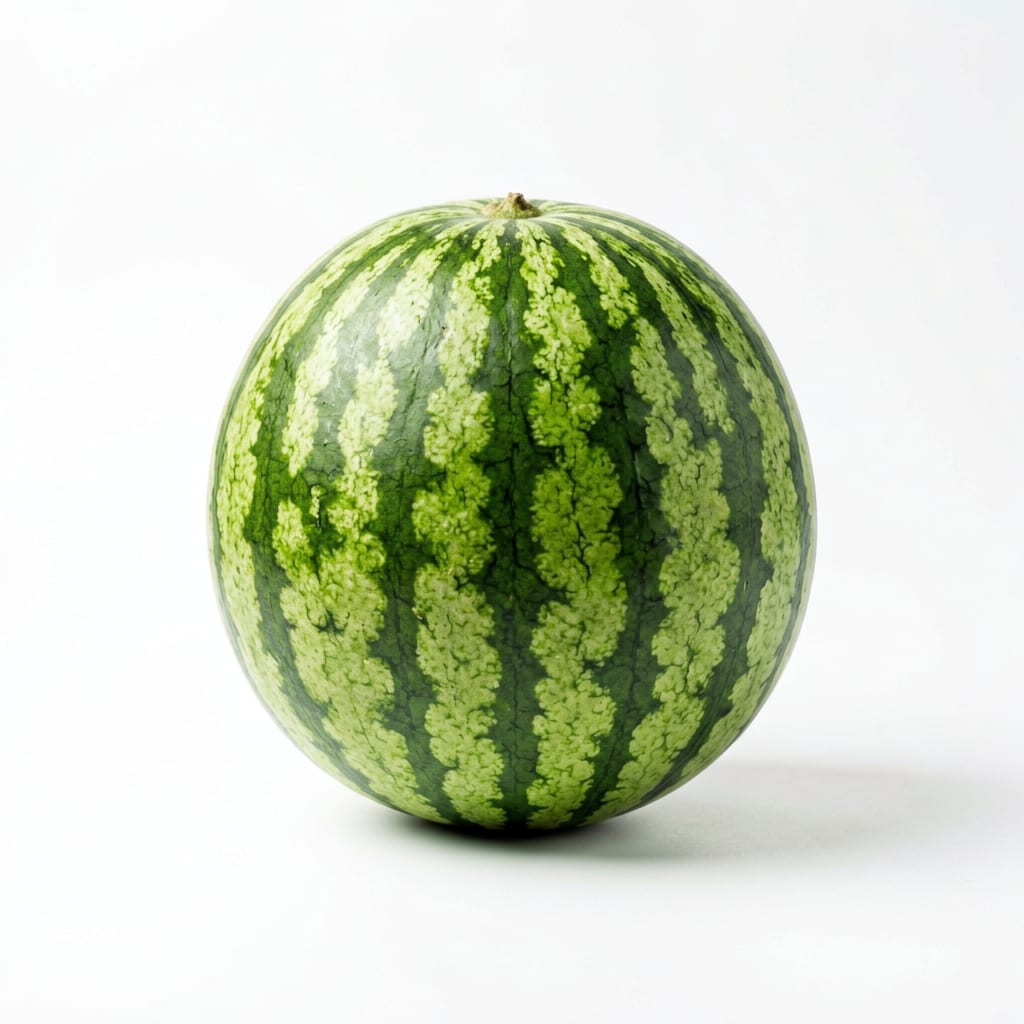
Watermelon
A highly hydrating, low-calorie summer fruit rich in lycopene and water content.
A large, sweet fruit with green rind and vibrant red, watery flesh, widely consumed for its exceptional hydration properties and refreshing taste during warm weather.
high-volume low-calorie hydration fruit
Typical serving · 152g
Common varieties · seedless, mini, yellow, crimson sweet, icebox +1 more
Overall context score across nutrition, safety, and diet fit
At a glance
Quick facts
Simple indicators based on nutrition, processing, and diet fit.
The story
What makes it unique
Watermelon is a rapidly digesting fruit composed of over 90% water. It has a high glycemic index but a very low glycemic load due to its minimal carbohydrate density per serving. Satiety is primarily driven by gastric distension from volume rather than fiber or protein content. It provides notable antioxidants, specifically lycopene and citrulline.
Varieties: seedless · mini · yellow · crimson sweet · icebox · sugar baby
Per 100g
Nutrition breakdown
Macro balance and key metrics at a glance.
Energy
Density 0.30 kcal/g
Protein
Carbs
Fat
Fiber
Sugar
6.2 g
Sodium
1 mg
Potassium
112 mg
Glycemic index
76
Glycemic load
5
Water content
91.4%
Standout compounds
Nutrient highlights
Lycopene
highPowerful antioxidant that protects cells from damage and supports heart health
Citrulline
moderateAmino acid that converts to arginine, supporting nitric oxide production and blood flow
Vitamin C
moderateSupports immune function and collagen synthesis
Potassium
lowEssential for fluid balance and nerve signaling
Vitamin A
lowImportant for eye health and immune function
Wellness map
Health scores & processing
NOVA processing scale
Unprocessed · Whole food
Whole, fresh fruit requiring no processing or added ingredients.
Diet compatibility
- Weight loss
- Muscle gain
- Diabetes
- Gut health
- Low carb
- High protein
- Heart health
Relative standing
Food rankings
Qualitative ranks compared to similar whole foods.
- Satietymoderate
- Blood sugargood
- Nutrient densitymoderate
- Fitness fuelexcellent
- Processing qualityexcellent
Eat with confidence
Food safety profile
The thick rind protects the flesh from pesticide exposure, but the rind surface can harbor bacteria that contaminate the fruit when sliced.
Evidence confidence 90%
- Pesticideslow
- Antibioticslow
- Heavy metalslow
- Contaminationmoderate
Watch for
- salmonella
- listeria
Safer choices
Whole melons washed at home; avoid pre-cut melons left unrefrigerated.
Prep tips
Scrub the rind thoroughly under running water before slicing to prevent transferring bacteria to the flesh.
Pre-cut melons are a frequent source of foodborne illness outbreaks due to improper handling and temperature control.
Deep dive
Health analysis
How this food may fit different goals and preparation choices.
Weight loss
High water and volume create short-term fullness with minimal calories, though the satiety effect fades quickly due to low fiber.
Blood sugar
Rapid absorption causes a quick but small blood sugar rise due to low carbohydrate density per typical serving.
Fitness & energy
Excellent for hydration and quick pre-workout fuel; contains citrulline which may aid blood flow and muscle recovery.
Gut health
Low fiber limits microbiome benefits, acting mostly as a hydration tool rather than a prebiotic.
Processing quality
Whole, unprocessed food with intact cellular structure and natural nutrient matrix.
Food safety
Low pesticide risk, but surface bacteria on the rind can contaminate the flesh if not washed before cutting.
Common mistakes
Assuming it is high in fiber, or overeating it which can add up in sugar despite the low calorie density.
Best preparation
Fresh, cubed, or blended; wash rind thoroughly before cutting.
Practical guide
Best use cases
When and how this food fits real eating patterns.
Pre-workout hydration
Provides rapid-digesting carbs and high water content to fuel exercise and prevent dehydration.
High-volume low-calorie snacking
Allows large portion sizes for minimal calories, helping with calorie restriction and satiety.
Post-exercise muscle recovery
Citrulline content may help reduce muscle soreness and improve arterial function after intense workouts.
Hot weather hydration
High water and electrolyte content makes it ideal for cooling down and rehydrating in summer heat.
Balance sheet
Pros & cons
Upsides
- Extremely hydrating at over 91% water
- Low calorie density supports weight loss
- Rich in lycopene for antioxidant protection
- Contains citrulline which may improve blood flow
- Quick-digesting carbohydrate source for exercise
Trade-offs
- Low fiber content limits long-term satiety
- High glycemic index can cause rapid blood sugar shifts if overeaten
- Not suitable for strict low-carb or ketogenic diets
- Low in protein and essential dietary fats
Fit check
Who is it for?
Great match
- high-volume eaters
- pre-workout fueling
- hot weather hydration
- quick energy needs
Consider alternatives
- strict ketogenic diets
- sustained satiety without added fat or protein
- managing high blood sugar with large portions
Side by side
How it compares
Open the full head-to-head analysis for nutrition, safety, and practical tradeoffs.
This food
Watermelon
VS90% alike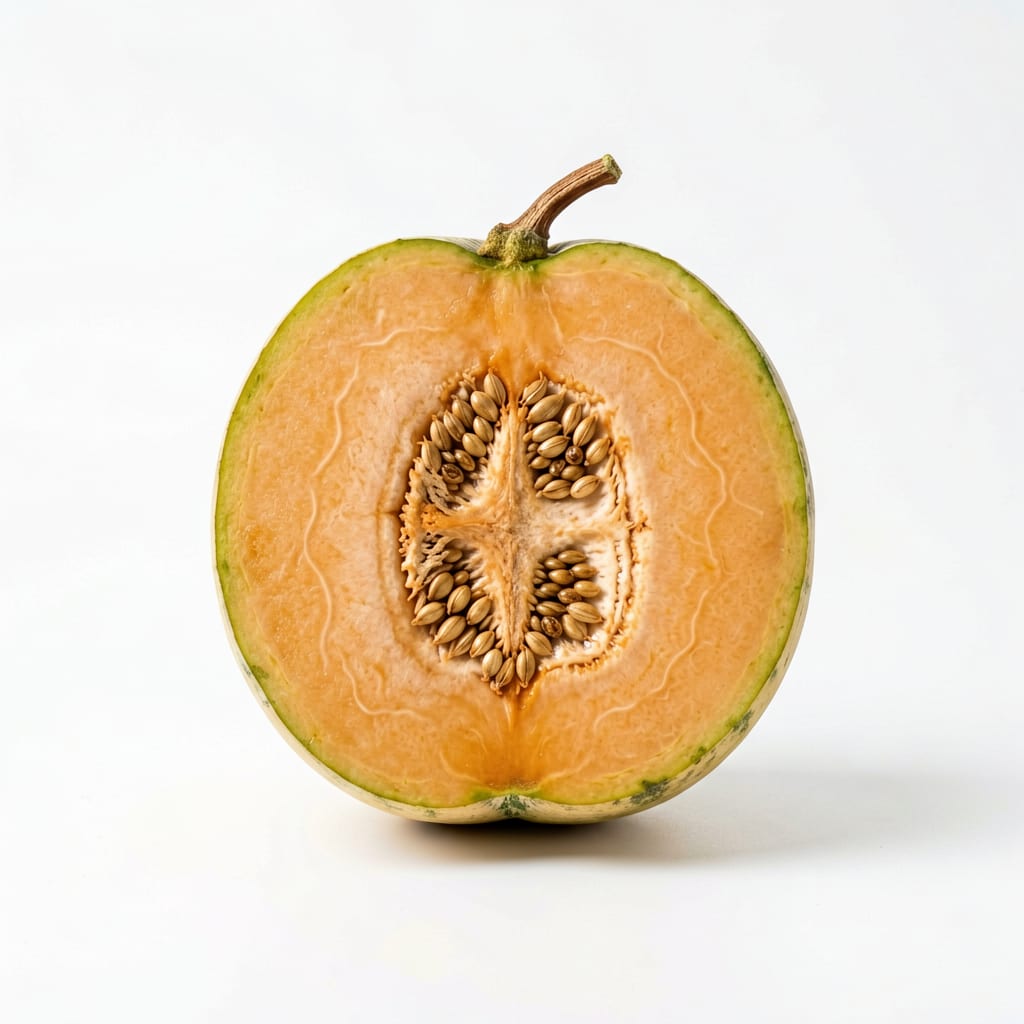
Compare with
Cantaloupe
Cantaloupe offers more vitamin A and fiber, while watermelon provides superior hydration and lycopene.
Cantaloupe provides more fiber and vitamin A, while watermelon is richer in lycopene and offers slightly better hydration.
This food
Watermelon
VS85% alike
Compare with
Honeydew
Honeydew is slightly higher in fiber and potassium, but watermelon is lower in calories and richer in antioxidants.
Honeydew offers more potassium and fiber, but watermelon has fewer calories and significantly more lycopene.
This food
Watermelon
VS75% alike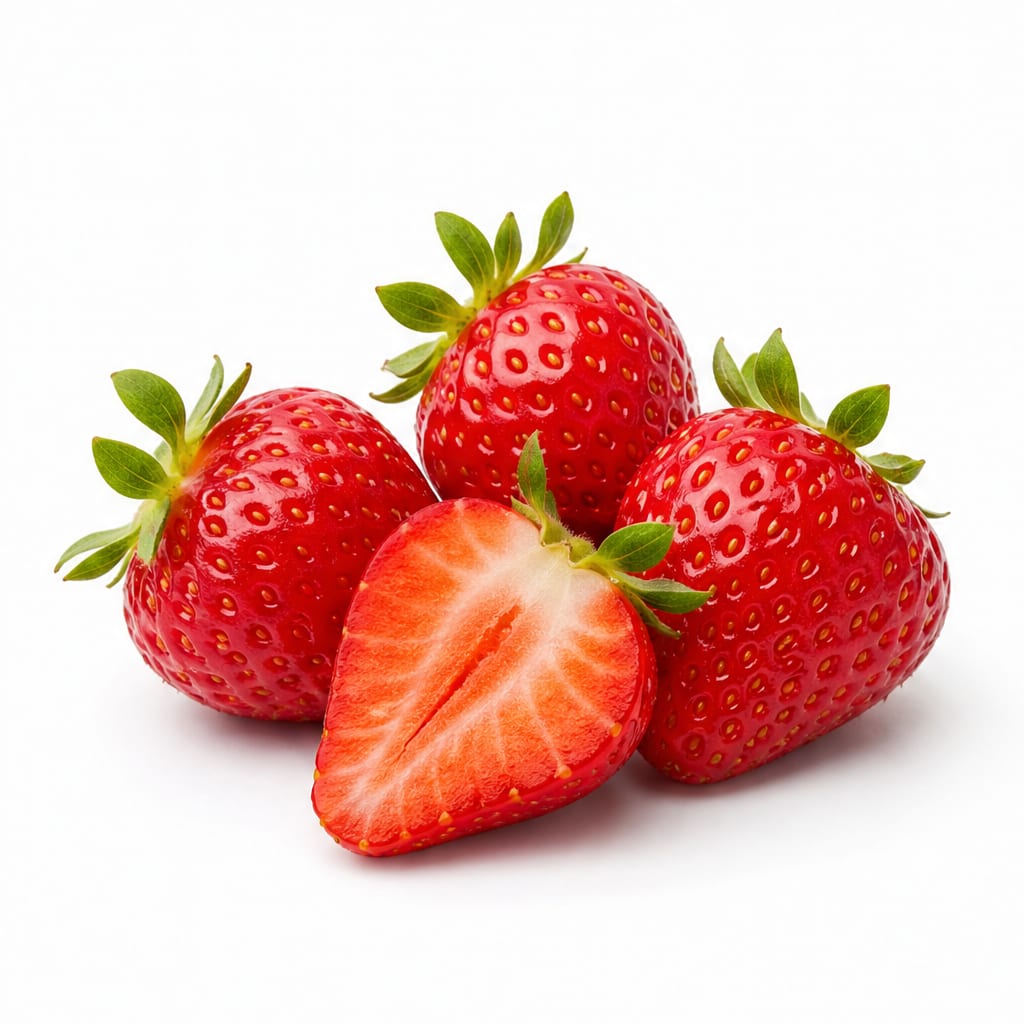
Compare with
Strawberries
Strawberries are much higher in fiber and lower in sugar, while watermelon provides faster hydration and higher volume.
Strawberries are better for fiber and blood sugar control, while watermelon is superior for quick hydration and pre-workout fuel.
This food
Watermelon
VS70% alike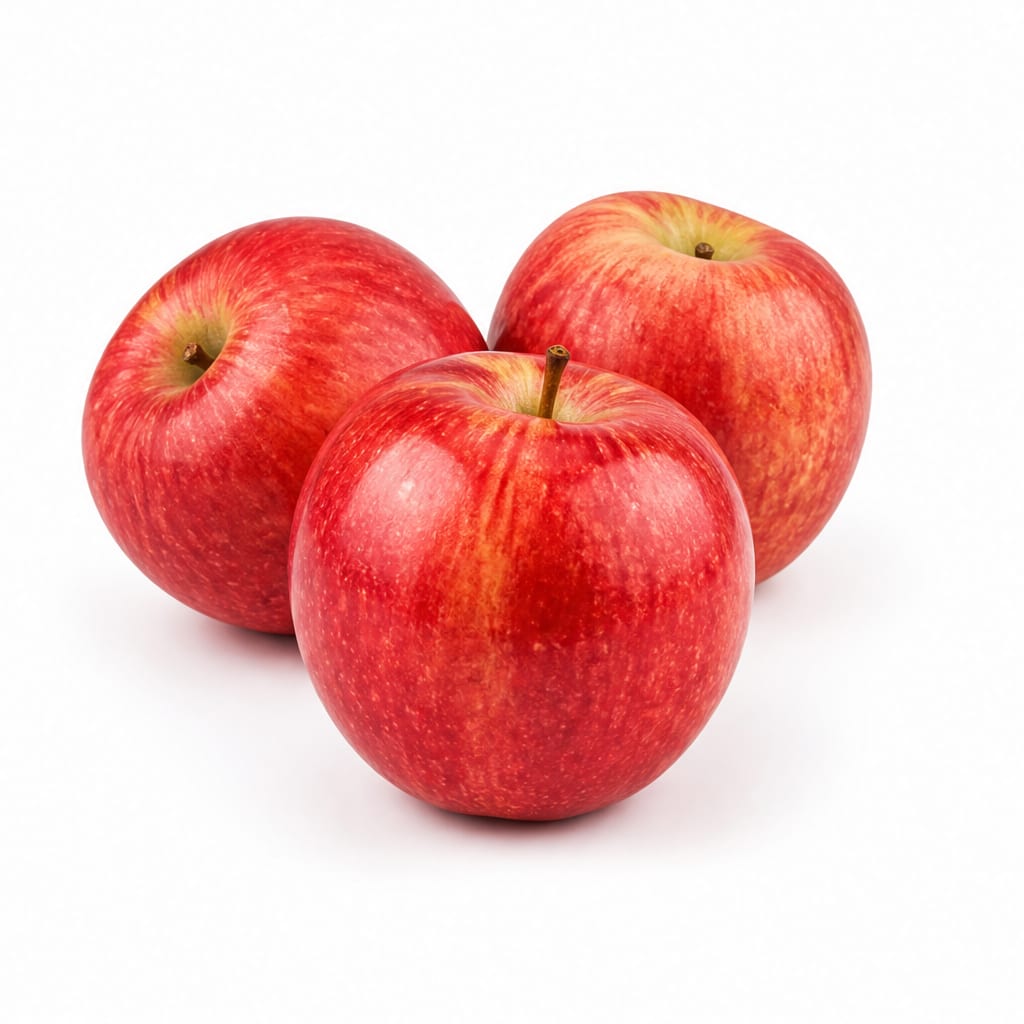
Compare with
Apples
Apples are significantly higher in fiber and better for sustained satiety, whereas watermelon is lower in calories and better for quick hydration.
Apples provide more fiber and sustained energy, while watermelon is lower in calories and better for rapid hydration.
This food
Watermelon
VS70% alike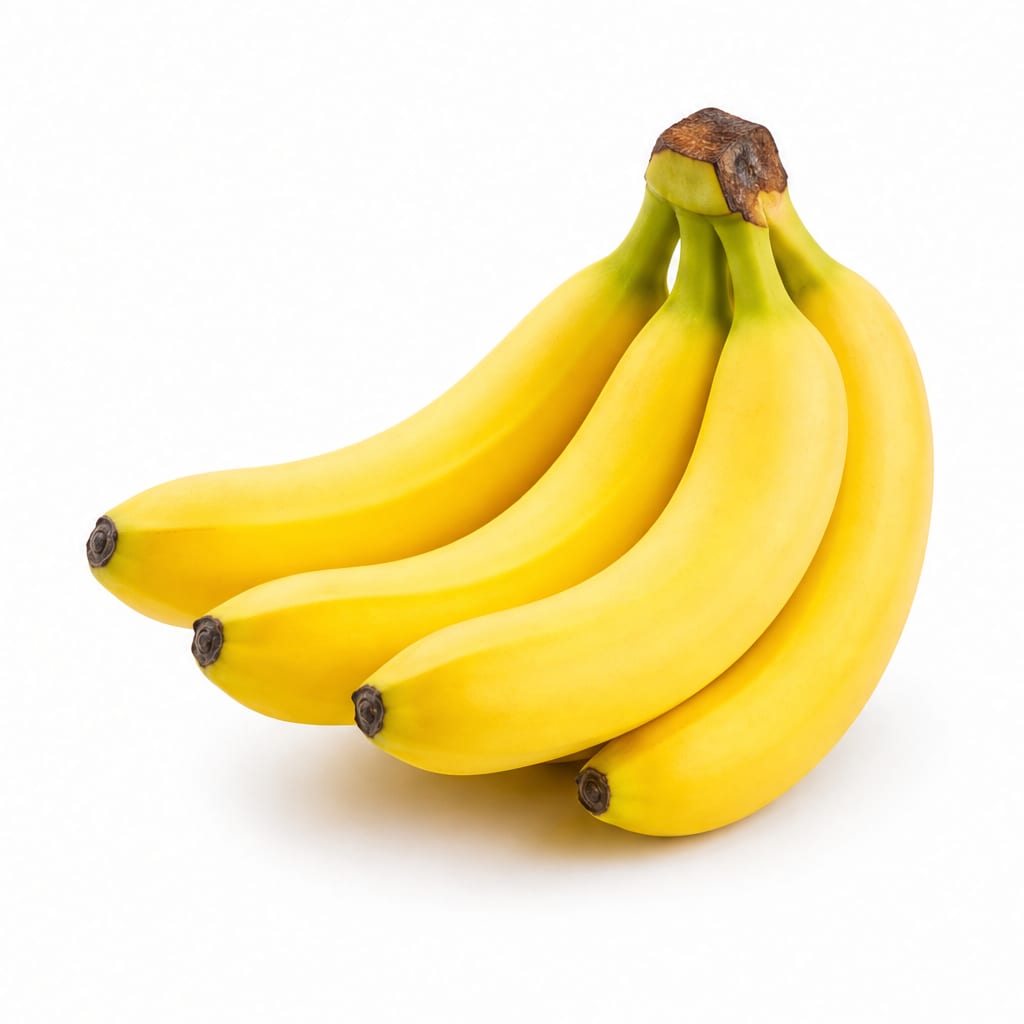
Compare with
Bananas
Bananas provide more potassium and dense energy, while watermelon is lower in calories and better for high-volume eating and hydration.
Bananas offer more potassium and sustained carbs for recovery, while watermelon provides superior hydration and fewer calories.
This food
Watermelon
VS80% alike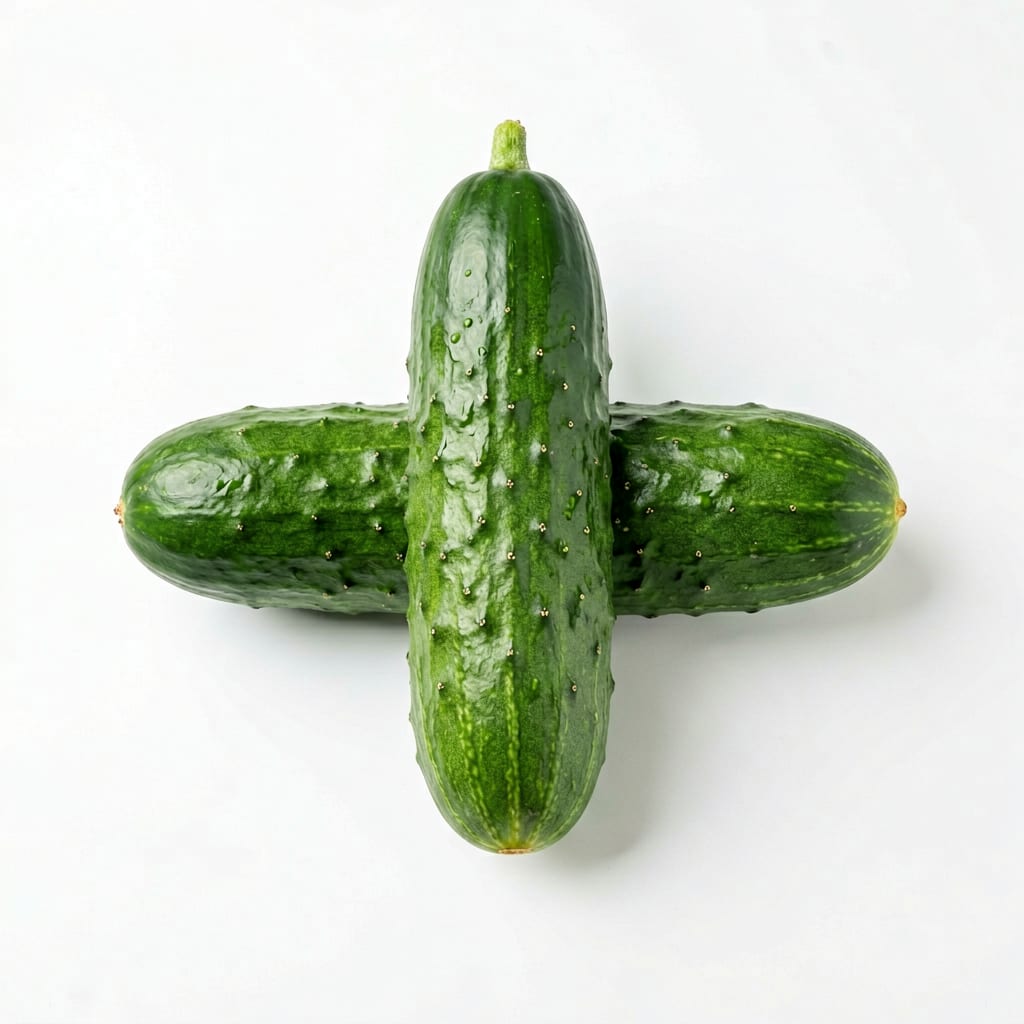
Compare with
Cucumber
Cucumber is lower in calories and sugar, while watermelon offers more carbohydrates for energy and significantly more lycopene.
Cucumber is lower in sugar and calories, while watermelon provides more workout fuel and antioxidants like lycopene.
This food
Watermelon
VS65% alike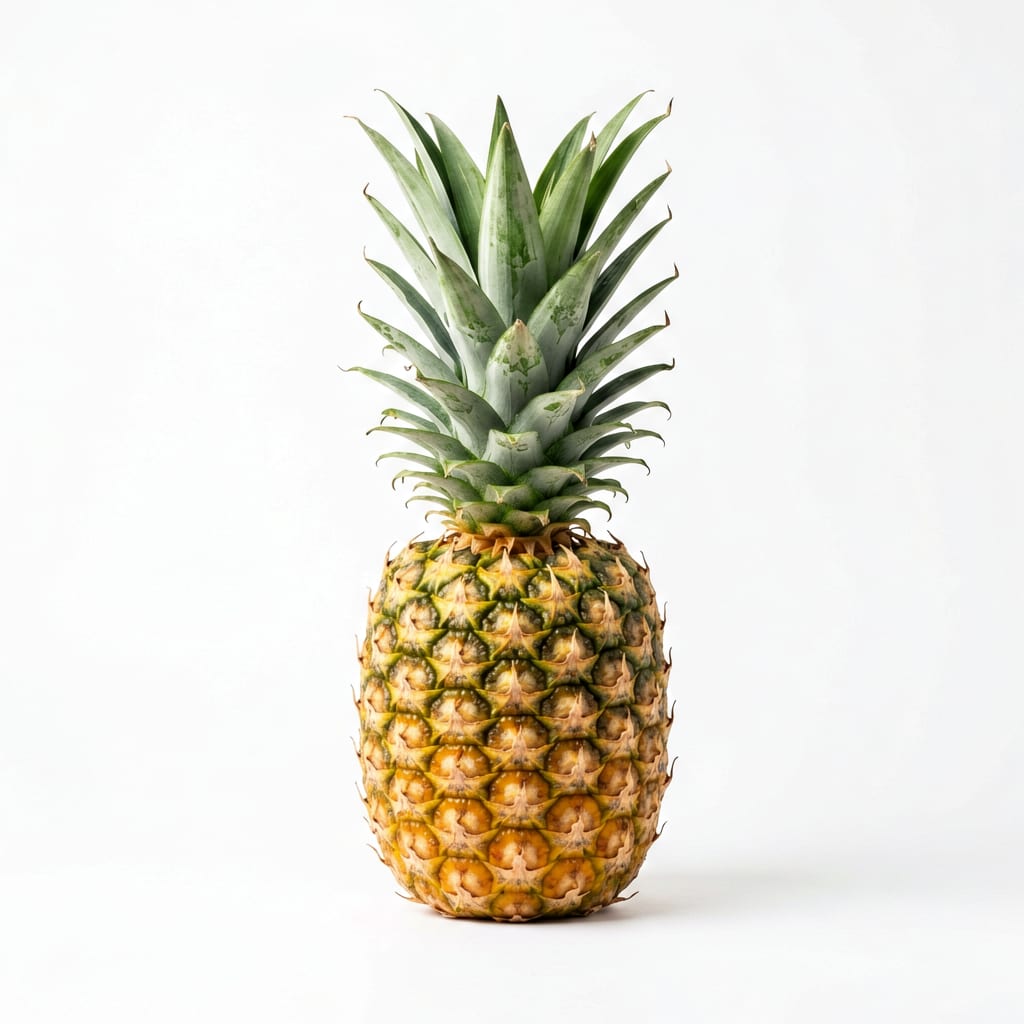
Compare with
Pineapple
Pineapple contains more vitamin C and bromelain for digestion, but watermelon is lower in sugar and higher in hydration volume.
Pineapple offers more vitamin C and digestive enzymes, while watermelon is lower in sugar and better for hydration.
This food
Watermelon
VS65% alike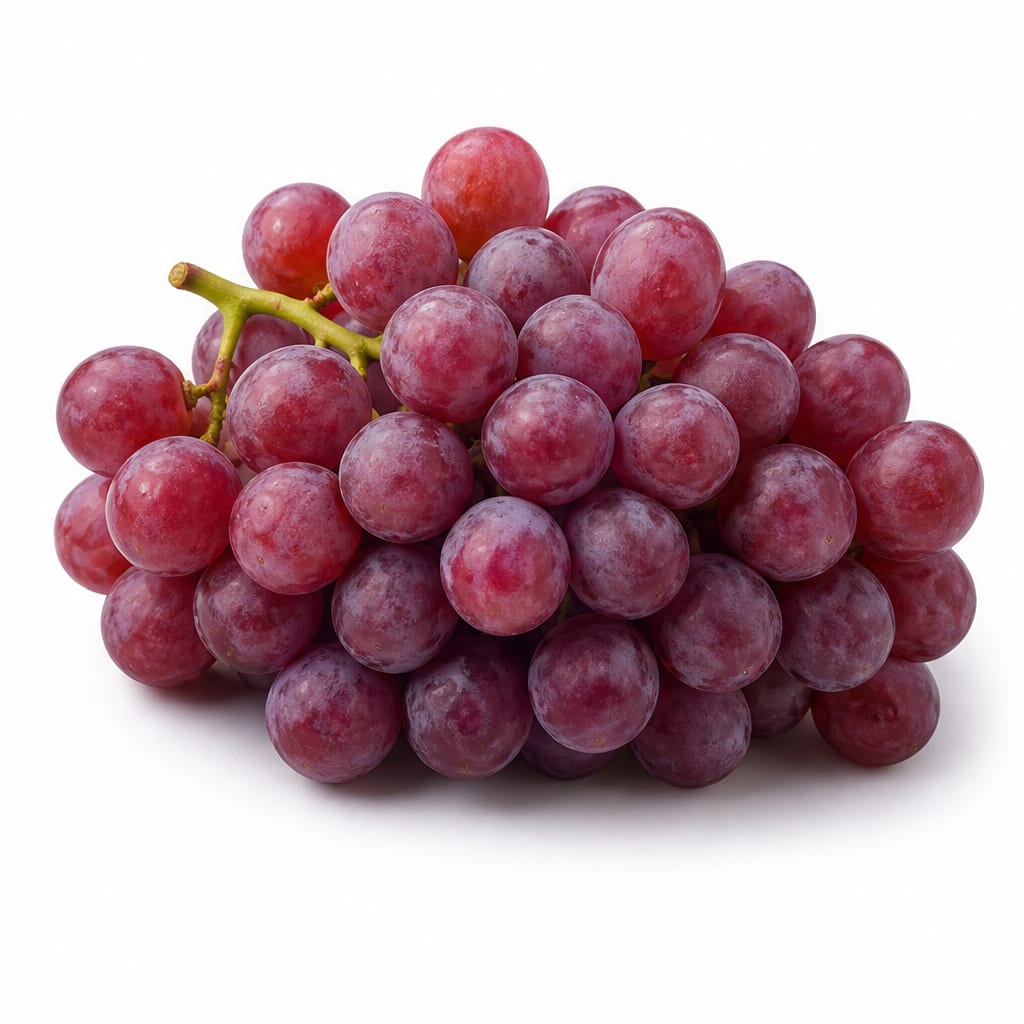
Compare with
Grapes
Grapes are higher in sugar and antioxidants like resveratrol, while watermelon is lower in calories and offers more hydration per serving.
Watermelon is lower in calories and much more hydrating, while grapes are higher in sugar and contain resveratrol.
This food
Watermelon
VS60% alike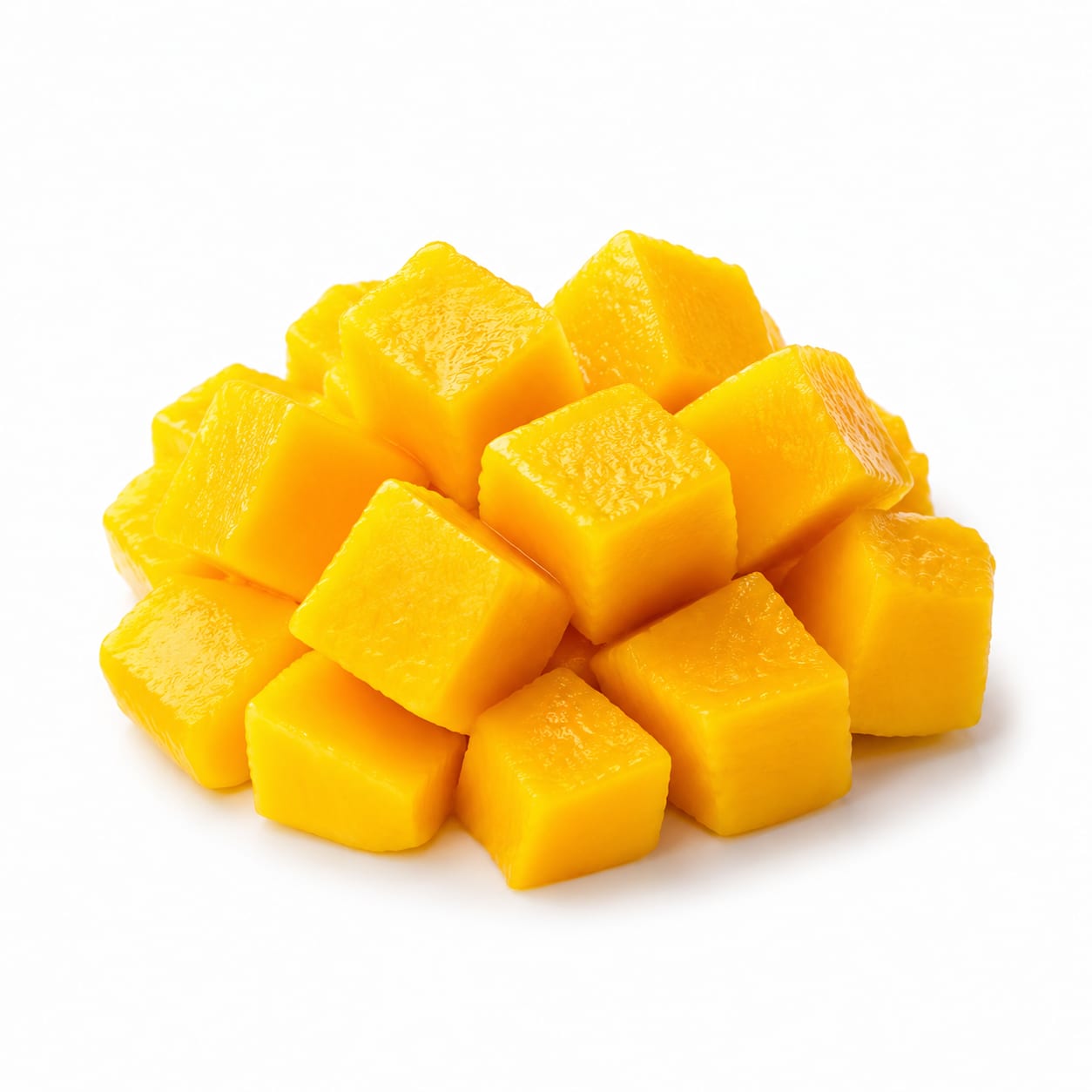
Compare with
Mango
Mango is richer in vitamin A and fiber, but watermelon has a lower glycemic load and is more hydrating.
Mango provides more fiber and vitamin A, but watermelon is significantly lower in calories and better for hydration.
This food
Watermelon
VS65% alike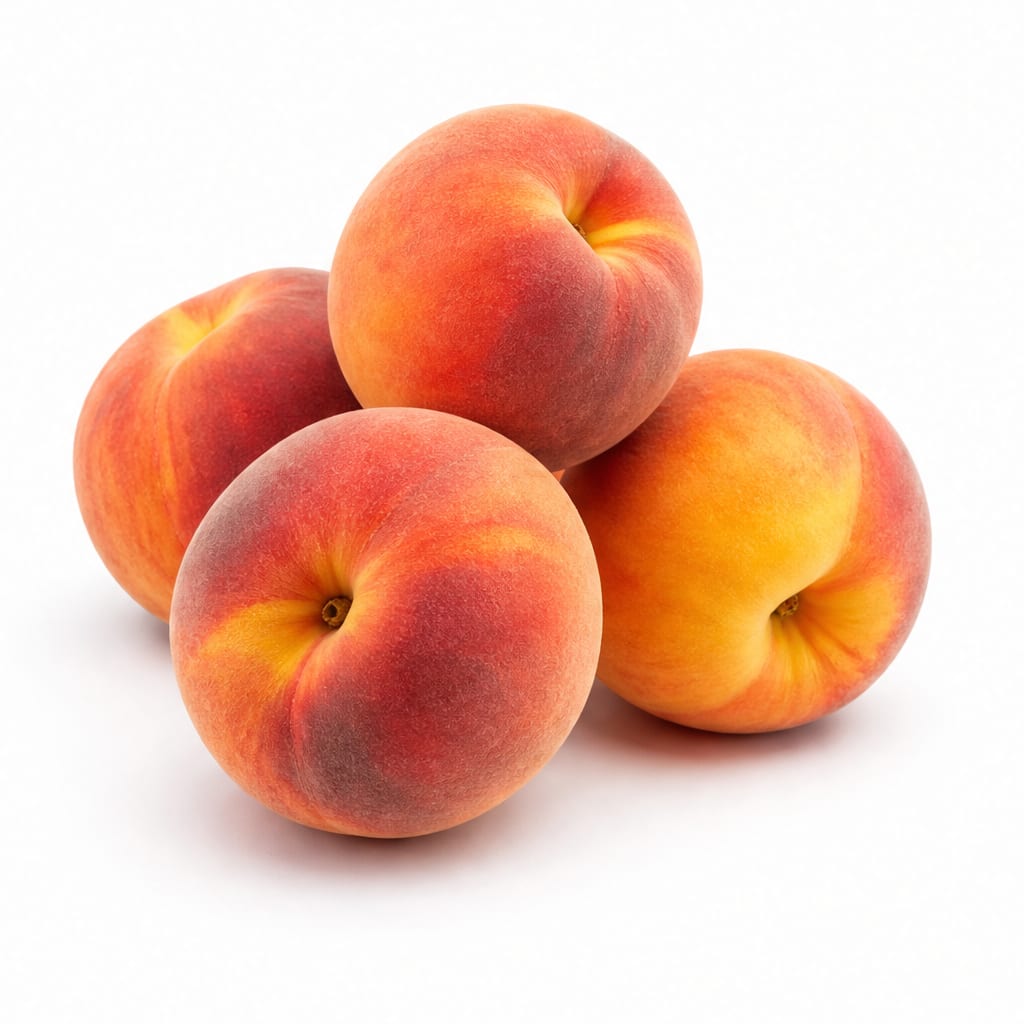
Compare with
Peaches
Peaches provide more fiber per calorie, while watermelon delivers superior hydration and lycopene.
Peaches are higher in fiber for better satiety, while watermelon offers more volume and hydration for fewer calories.
Common questions
FAQ
Answers aligned with how people search for this food.
Is watermelon good for weight loss?
Yes, watermelon is excellent for weight loss due to its high water content and low calorie density, allowing you to eat a large volume for few calories.
Can diabetics eat watermelon?
Yes, in moderation. While watermelon has a high glycemic index, its glycemic load per serving is very low, meaning a typical portion will not cause a massive blood sugar spike.
Is watermelon high in sugar?
Watermelon is relatively low in sugar per 100g compared to many other fruits, but because people often eat large portions, the total sugar consumed can add up quickly.
Does watermelon have a high glycemic index?
Yes, watermelon has a GI of 76, which is considered high. However, it contains very few carbohydrates per serving, resulting in a low glycemic load of 5.
What are the benefits of eating watermelon?
Watermelon provides superior hydration, is rich in the antioxidant lycopene, contains citrulline which supports blood flow, and offers a high volume of food for minimal calories.
Is watermelon a good pre-workout snack?
Yes, watermelon is a great pre-workout snack. It provides easily digestible carbohydrates for energy, high water content for hydration, and citrulline which may enhance blood flow to muscles.
How much water is in watermelon?
Watermelon is approximately 91.4% water by weight, making it one of the most hydrating fruits available.
Is watermelon high in fiber?
No, watermelon contains only 0.4g of fiber per 100g. It is not a significant source of dietary fiber.
Transparency
Data confidence
Estimated confidence for nutrition data, interpretation, safety notes, and comparisons.
Nutrition data
Health analysis
Food safety
Comparisons