
Nutrition comparison
Watermelon vs Honeydew: Nutrition, Sugar, and Health Benefits Compared
Comparing Watermelon and Honeydew melon? Discover which is better for hydration, weight loss, and vitamins, and learn the real nutritional differences.
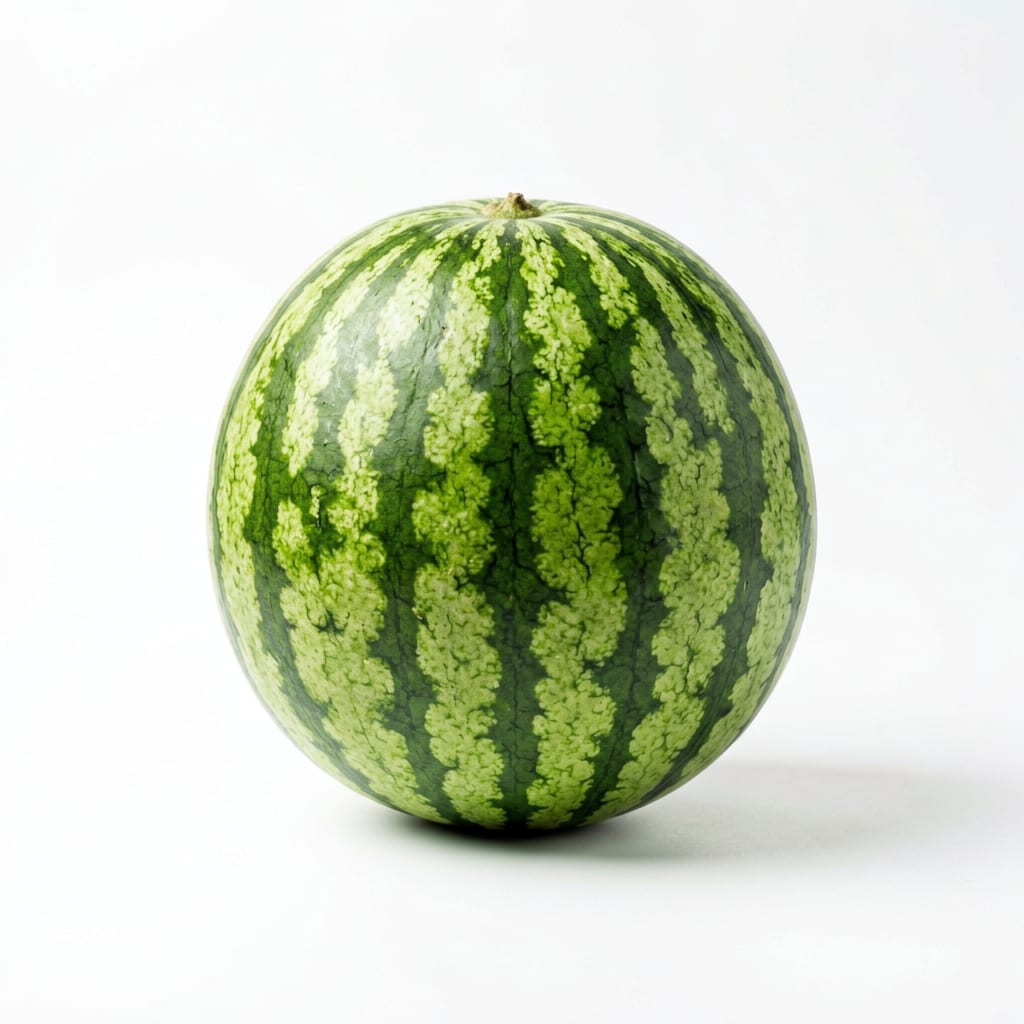
Watermelon
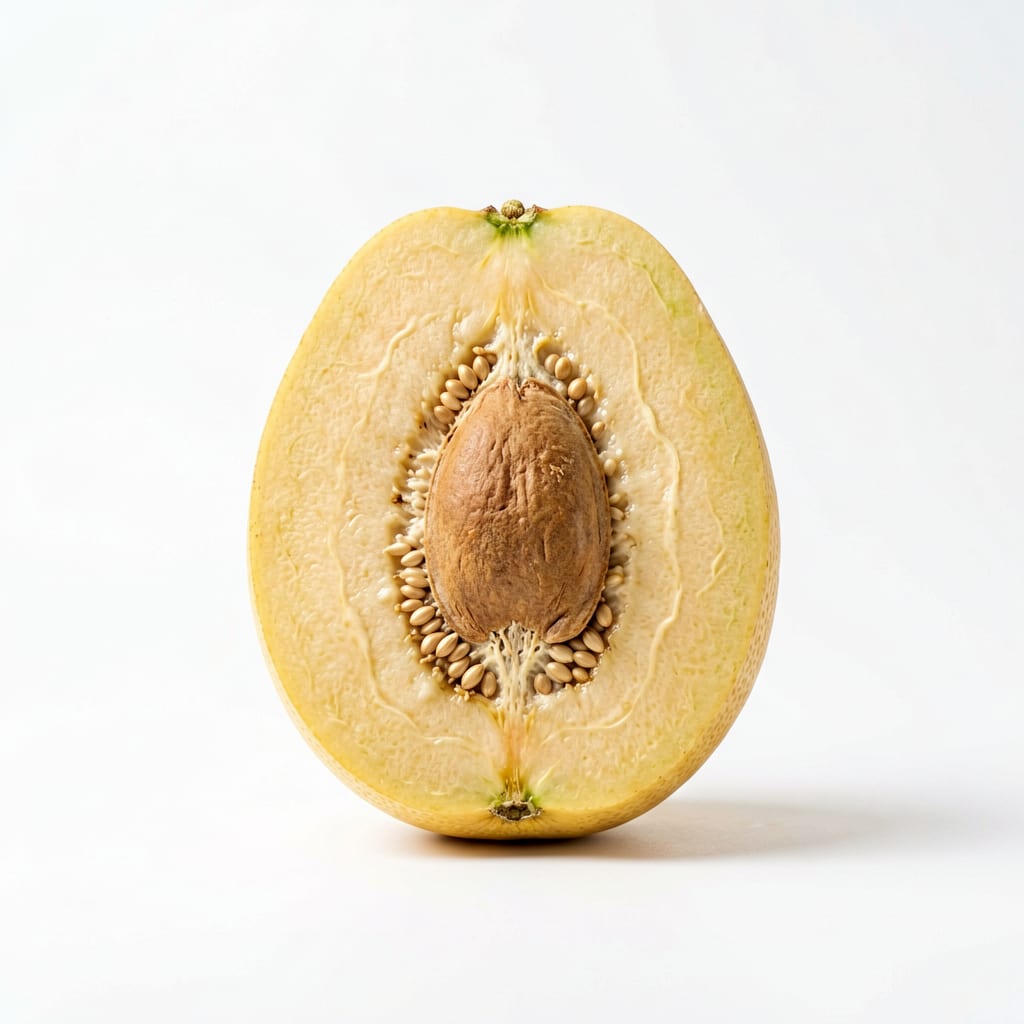
Honeydew
Watermelon is the ultimate low-calorie hydrator, while Honeydew brings more vitamin C and potassium in a meal-prep-friendly package.
Honeydew edges out slightly due to higher overall nutrient density and practicality, but Watermelon remains a top-tier low-calorie hydrator.
Maximum hydration and lycopene versus higher micronutrient density and better fridge longevity.
At a glance
Executive summary
Overall
It depends
Healthier
It depends
More practical
Honeydew
Daily use
Honeydew
Key comparison lenses
Hydration and refreshment
Watermelon is famously high in water content, making it a go-to for hot days and rehydration.
Sugar and calorie density
Both are sweet melons, so users often wonder which has less sugar and fewer calories.
Antioxidant profile
Watermelon offers unique lycopene, while Honeydew provides a strong vitamin C punch.
Meal prep and storage practicality
Watermelon gets mushy and takes up fridge space, whereas Honeydew cubes hold up well for weekly prep.
Best choice for
Watermelon
- Hot summer days
- Low-calorie snacking
- Post-workout hydration
Honeydew
- Fruit salads and meal prep
- Boosting vitamin C intake
- Supporting healthy blood pressure
Least suitable for
Watermelon
- Meal prepping days in advance
- Those needing calorie-dense energy
Honeydew
- Strict low-sugar diets
- Maximum hydration needs
Deep comparison
Dimension by dimension
Each lens scores both foods and breaks down who each option suits.
- Dimension 1 · Priority 90Watermelon
Hydration & Refreshment
Watermelon · 98Honeydew · 85Watermelon is over 90% water, making it one of the most hydrating foods you can eat.
Tradeoff
You get extreme hydration but fewer concentrated nutrients per bite compared to Honeydew.
Why it matters
Staying hydrated supports energy levels and prevents overeating disguised as hunger.
Real-world impact
A cold slice of Watermelon after mowing the lawn feels instantly reviving in a way Honeydew just doesn't match.
Watermelon
- Hot weather cooling
- Post-workout rehydration
- Large volume low-cal snacking
Better for
- Getting dense nutrition in a small serving
Worse for
Honeydew
- Consistent daily fluid intake without the mess
Better for
- Extreme thirst quenching
Worse for
- Dimension 2 · Priority 85Watermelon
Blood Sugar & Calorie Impact
Watermelon · 82Honeydew · 70Watermelon has fewer calories and less sugar per serving, though it has a higher glycemic index.
Tradeoff
Watermelon's sugar hits the bloodstream faster, but the total sugar load is much lower than Honeydew.
Why it matters
Total sugar consumed matters more for weight and blood sugar than the speed of absorption alone.
Real-world impact
You can eat a massive bowl of Watermelon for the same calories as a small handful of Honeydew cubes.
Watermelon
- Calorie-controlled snacking
- Satisfying sweet cravings with less sugar
Better for
- People who overeat high-GI foods and feel hungry soon after
Worse for
Honeydew
- Slower energy release due to slightly lower GI
Better for
- Those watching total carbohydrate intake
Worse for
- Dimension 3 · Priority 80Honeydew
Micronutrient Density
Watermelon · 65Honeydew · 85Honeydew delivers significantly more vitamin C and potassium per calorie than Watermelon.
Tradeoff
You sacrifice the unique lycopene found in Watermelon for broader everyday vitamins in Honeydew.
Why it matters
Potassium helps manage blood pressure, while vitamin C supports immune function and skin health.
Real-world impact
Adding Honeydew to your breakfast gives a more meaningful boost to your daily vitamin C goals.
Watermelon
- Targeting lycopene for prostate and heart health
Better for
- Relying on it as a primary vitamin source
Worse for
Honeydew
- Boosting immune system
- Increasing potassium for blood pressure management
Better for
- Getting specific antioxidant benefits of lycopene
Worse for
- Dimension 4 · Priority 75Honeydew
Meal Prep & Storage
Watermelon · 55Honeydew · 85Honeydew cubes hold their shape and texture in the fridge for days, while Watermelon breaks down quickly.
Tradeoff
Watermelon's soft, watery texture makes it a poor choice for make-ahead meals, despite being easy to blend.
Why it matters
Food that stores well is more likely to actually get eaten rather than wasted.
Real-world impact
Chopped Honeydew stays firm in a fruit salad for a potluck; Watermelon turns the whole bowl into soup.
Watermelon
- Blending into smoothies or juices immediately
Better for
- Preparing days in advance
- Mixing with other delicate fruits
Worse for
Honeydew
- Weekly meal prep
- Fruit salads
- Packing in lunchboxes
Better for
- Blending into a smooth liquid
Worse for
Timeline
Health impact over time
Short-term
Hours to days
Watermelon
- Rapid hydration
- Quick but short-lasting energy spike
- Very filling due to water volume
Honeydew
- Steadier energy release
- Moderate fullness
- Quick vitamin C boost
Long-term
Months to years
Watermelon
- Lycopene supports heart and prostate health
- Low calorie intake aids weight maintenance
- High water volume supports kidney function
Honeydew
- Potassium helps maintain healthy blood pressure
- Vitamin C supports collagen and skin health
- Consistent fiber intake aids digestion
Risk profile
Safety & processing
Both Watermelon and Honeydew are whole, raw fruits with no added ingredients, making them equally clean choices.
Watermelon
Foodborne illness from rind
mediumWatermelon rind can harbor bacteria like Salmonella if not washed before cutting, which can transfer to the flesh.
Picnic spoilage
mediumBecause it is mostly water and sugar, leaving cut Watermelon out in the heat creates a breeding ground for bacteria quickly.
Honeydew
Foodborne illness from rind
mediumLike Watermelon, the rough rind can trap pathogens that contaminate the fruit when sliced.
Who wins for whom
Audience fit
Same foods, different winners depending on your goal.
children
WatermelonKids love the sweet, watery crunch and fun of eating Watermelon slices, and it keeps them hydrated during play.
daily consumption
HoneydewHoneydew's firmer texture, better fridge life, and higher vitamin C make it a more practical and nutrient-dense daily staple.
diabetes
WatermelonDespite a higher glycemic index, Watermelon has a much lower glycemic load per typical serving, meaning less actual blood sugar impact.
elderly
HoneydewHoneydew offers more potassium for blood pressure management and vitamin C for immune support, which are often prioritized in older adults.
muscle gain
HoneydewHoneydew provides slightly more carbohydrates and potassium, which help replenish glycogen and prevent cramps after lifting.
weight loss
WatermelonWatermelon's massive water volume fills you up for very few calories, making it the ultimate diet-friendly sweet treat.
Your move
Decision guide
Choose Watermelon
- You want maximum volume for minimum calories
- It is a hot day and you need serious hydration
- You want a lycopene boost for heart health
- You are making a smoothie or agua fresca
Choose Honeydew
- You are meal prepping for the week
- You want a firm fruit for fruit salads or skewers
- You need more vitamin C and potassium in your diet
- You want a sweeter, denser snack
Either works if
- You just want a healthy, natural sweet treat
- You need a refreshing afternoon pick-me-up
- You are trying to increase your daily fruit intake
Avoid both if
- You are on a strict very low-carb or keto diet
- You have severe fructose intolerance
Final recommendation
Let the season and your fridge space guide you. Grab Watermelon for immediate refreshment and low-calorie volume, but choose Honeydew when you need a meal-prep-friendly fruit that packs more vitamin C and potassium per bite.
Practical
Consumer tips
- 1
Always wash the outside of both melons before slicing to prevent dragging bacteria from the rind into the flesh.
- 2
A ripe Watermelon should feel heavy for its size and have a creamy yellow spot where it sat on the ground.
- 3
Honeydew is ripe when the rind feels slightly tacky or velvety, not perfectly smooth and slick.
- 4
Store cut melon in an airtight container in the fridge and consume within 3 to 4 days.