
Nutrition comparison
Watermelon vs Peaches: Nutrition, Hydration, and Health Comparison
Watermelon delivers superior hydration and lycopene while peaches offer more fiber and steadier blood sugar. Discover which fruit fits your health goals best.
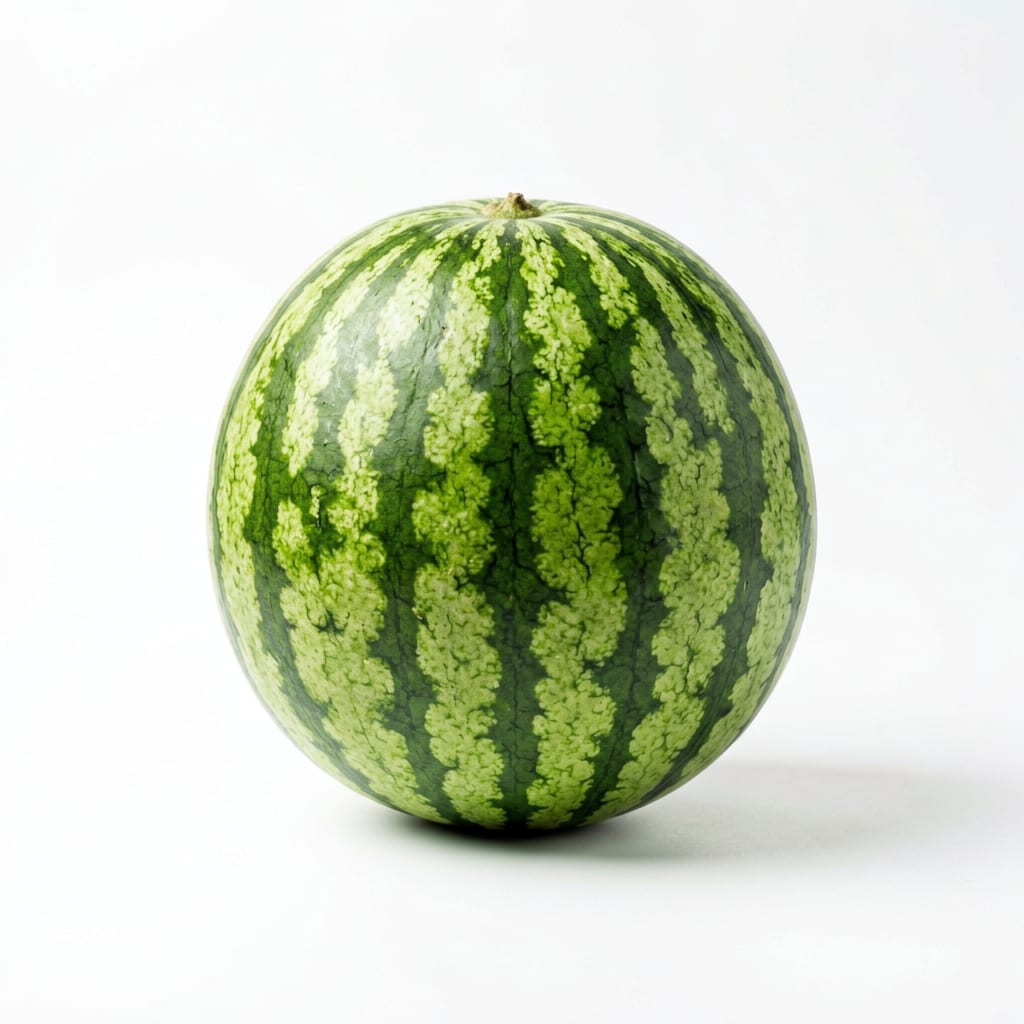
Watermelon
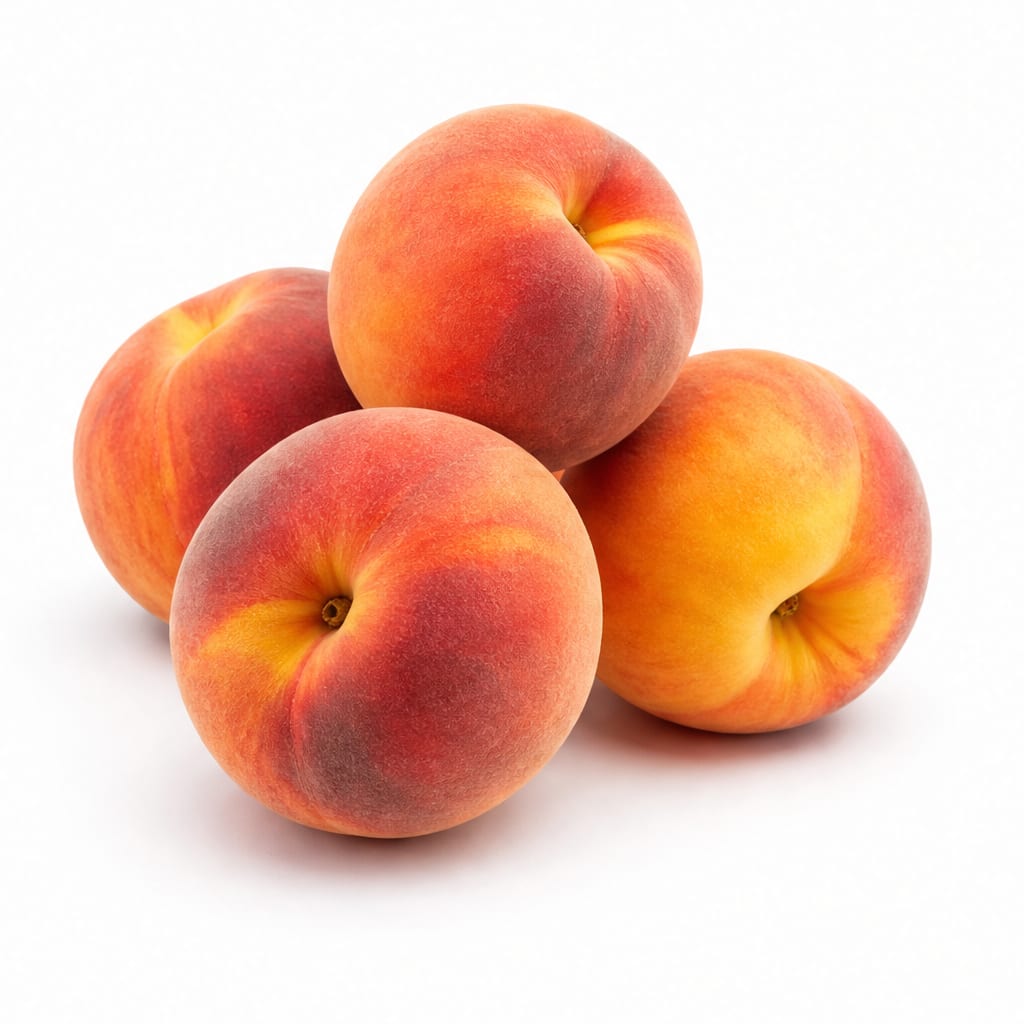
Peaches
Watermelon dominates for hydration and lycopene, while peaches win on fiber, blood sugar stability, and satiety. Your pick depends on what your body needs most.
Peaches edge ahead due to better fiber, steadier blood sugar response, and natural portion control. Watermelon scores lower mainly because its low satiety and high glycemic index make it easier to overconsume, despite superior hydration and lycopene content.
Massive hydration and antioxidants versus better fullness and steadier energy
At a glance
Executive summary
Overall
It depends
Healthier
It depends
More practical
Peaches
Daily use
Peaches
Key comparison lenses
Hydration and refreshment value
Watermelon is one of the most hydrating foods available, making this a key differentiator for summer snacking and post-exercise recovery
Blood sugar impact and satiety
Both are sweet fruits but differ significantly in fiber content and glycemic response, which matters for daily snacking decisions
Antioxidant profile differences
Watermelon offers unique lycopene while peaches provide different polyphenols, making this relevant for long-term health optimization
Pesticide and contamination exposure
Peaches consistently rank on the Dirty Dozen list while watermelon has lower pesticide concerns due to thick rind protection
Portion control and overeating risk
Watermelon's low calorie density can lead to large volume consumption, while peaches are naturally portion-controlled
Best choice for
Watermelon
- Hot summer days when hydration is the priority
- Post-workout recovery needing quick fluid replenishment
- Large gatherings where a refreshing shared fruit matters
- People seeking lycopene for prostate or heart health
Peaches
- Daily snack routines where satiety and portion control matter
- Managing blood sugar while still enjoying sweet fruit
- On-the-go eating where portability and convenience count
- Breakfast pairing with yogurt or oatmeal for sustained energy
Least suitable for
Watermelon
- Blood sugar management without portion discipline
- Travel or commuting due to size and messiness
- Small households that cannot finish a whole melon quickly
- People who find watery textures unsatisfying
Peaches
- Severe oral allergy syndrome sufferers (birch pollen cross-reactivity)
- Situations requiring high-volume low-calorie eating
- Anyone avoiding fruits on the Dirty Dozen list who cannot find organic
Deep comparison
Dimension by dimension
Each lens scores both foods and breaks down who each option suits.
- Dimension 1 · Priority 90Watermelon
Hydration and Refreshment
Watermelon · 95Peaches · 62Watermelon is essentially flavored water with nutrients, delivering unmatched hydration per bite.
Tradeoff
That same wateriness means less substance per serving, leaving you hungry again sooner
Why it matters
Staying hydrated affects energy, mood, and physical performance more than most people realize
Real-world impact
On a hot afternoon, a bowl of watermelon quenches thirst in a way peaches simply cannot match
Watermelon
- Post-exercise rehydration
- Summer heat relief
- Replacing sugary drinks with a natural alternative
Better for
- When you need a snack to hold you over for hours
Worse for
Peaches
- Situations where you want a snack that actually fills you up
- Longer lasting satisfaction between meals
Better for
- Rapid rehydration after sweating heavily
Worse for
- Dimension 2 · Priority 85Peaches
Blood Sugar Stability
Watermelon · 45Peaches · 72Peaches provide steadier energy thanks to more fiber and a lower glycemic index, while watermelon spikes blood sugar faster despite its low calorie density.
Tradeoff
Watermelon's high GI does not mean it is off-limits, but it requires more mindful portion control
Why it matters
Blood sugar crashes after snacking lead to fatigue, cravings, and irritability within an hour
Real-world impact
A peach as an afternoon snack keeps you steady until dinner. A large watermelon portion might leave you reaching for more food 45 minutes later
Watermelon
- Quick energy before short intense activity
Better for
- Anyone monitoring blood sugar closely
- Situations where you cannot eat again soon
Worse for
Peaches
- Sustained energy between meals
- Diabetes-friendly fruit choice
- Avoiding the afternoon crash cycle
Better for
- Athletes needing rapid carbohydrate availability
Worse for
- Dimension 3 · Priority 75It depends
Antioxidant and Micronutrient Profile
Watermelon · 78Peaches · 73Watermelon delivers exceptional lycopene for heart and prostate health. Peaches offer broader polyphenol diversity and more vitamin C per serving.
Tradeoff
Lycopene is rare in most diets, making watermelon uniquely valuable. Peaches provide more versatile antioxidant coverage overall.
Why it matters
Different antioxidants protect different systems, so variety matters more than loading one type
Real-world impact
Eating watermelon regularly gives you a lycopene boost few other fruits can match. Peaches contribute to a wider antioxidant foundation day to day
Watermelon
- Prostate health concerns in men
- Cardiovascular antioxidant support
- Anti-inflammatory lycopene intake
Better for
- Those relying on it as their sole fruit source for vitamin C
Worse for
Peaches
- Skin health and collagen support via vitamin C
- Broad-spectrum polyphenol intake
- Immune system maintenance
Better for
- Anyone specifically targeting lycopene intake
Worse for
- Dimension 4 · Priority 80Peaches
Satiety and Portion Control
Watermelon · 40Peaches · 78A single peach feels like a complete snack. Watermelon invites endless refills because each bite disappears without registering fullness.
Tradeoff
Watermelon's low calorie density is both a strength and a trap depending on your eating habits
Why it matters
Foods that fail to satisfy lead to more total calorie consumption throughout the day
Real-world impact
It is easy to eat half a watermelon mindlessly. Nobody accidentally eats six peaches in one sitting
Watermelon
- Volume eaters who want large portions with fewer calories
- Diet phases where feeling like you ate a lot matters psychologically
Better for
- Mindless eating patterns
- Emotional eaters who struggle with stopping
Worse for
Peaches
- Natural portion boundaries
- Snacking without triggering more snacking
- Weight management without counting
Better for
- People who feel deprived by small portions
Worse for
- Dimension 5 · Priority 70Watermelon
Pesticide Exposure and Safety
Watermelon · 82Peaches · 48Watermelon's thick rind blocks most pesticide residue from reaching the flesh. Peaches are consistently on the Dirty Dozen list with high surface contamination.
Tradeoff
Choosing organic peaches resolves most concerns but adds cost and reduces availability
Why it matters
Chronic low-dose pesticide exposure affects hormonal and neurological health over decades
Real-world impact
You can eat conventional watermelon with minimal worry. Conventional peaches deserve the organic splurge if you eat them regularly
Watermelon
- Budget-conscious shoppers buying conventional produce
- Families wanting lower pesticide exposure without premium prices
Better for
- No significant downside here
Worse for
Peaches
- Access to organic or locally grown unsprayed options
Better for
- Conventional peach consumption as a daily habit
- Children who are more vulnerable to pesticide residues
Worse for
- Dimension 6 · Priority 65Peaches
Convenience and Practicality
Watermelon · 38Peaches · 80Peaches are grab-and-go snacks. Watermelon requires cutting, seeding, refrigeration, and container storage.
Tradeoff
Watermelon's impracticality means it gets eaten less often but in larger quantities when it does
Why it matters
The best healthy food is the one you actually reach for when hungry and busy
Real-world impact
Tossing a peach in your bag takes two seconds. Preparing watermelon is a kitchen task that deters spontaneous snacking
Watermelon
- Home settings with prep time
- Parties and shared eating occasions
Better for
- Busy mornings
- Office snacking
- Travel situations
Worse for
Peaches
- Work lunches and commute snacks
- Backpacking and outdoor activities
- Quick breakfast additions
Better for
- Catering to large groups
Worse for
Timeline
Health impact over time
Short-term
Hours to days
Watermelon
- Rapid thirst quenching and rehydration within minutes
- Quick blood sugar rise that may cause a brief energy spike followed by a dip
- Feeling physically full from volume but not necessarily satisfied
Peaches
- Moderate energy boost without the crash cycle
- Gentle digestive stimulation from fiber content
- More sustained fullness that delays next hunger cue by 1-2 hours
Long-term
Months to years
Watermelon
- Consistent lycopene intake supporting cardiovascular and prostate health
- Excellent hydration habits if used as a regular water replacement strategy
- Risk of overconsumption patterns if portion awareness is low
Peaches
- Better blood sugar regulation habits from fiber-rich fruit choices
- Improved digestive regularity from consistent fiber intake
- Significant pesticide body burden if eating conventional peaches daily without going organic
Risk profile
Safety & processing
Both fruits are whole foods eaten in their natural state. Neither carries processing concerns unless purchased pre-cut or canned, which introduces different tradeoffs worth avoiding when possible.
Watermelon
Foodborne illness from pre-cut melon
mediumPre-cut watermelon has been linked to Salmonella outbreaks. The moist flesh supports bacterial growth once the rind barrier is broken. Always refrigerate cut melon promptly and consume within 3 days.
Pesticide residue on rind transfer
lowWhile the flesh is well-protected, cutting through an unwashed rind can drag surface contaminants inward. Rinse the whole melon before cutting.
Peaches
High pesticide residue on conventional fruit
highPeaches rank consistently in the EWG Dirty Dozen. Soft skin and heavy spraying create significant surface contamination that washing cannot fully remove. Organic is strongly recommended for frequent consumption.
Oral allergy syndrome
mediumPeople with birch pollen allergy may experience mouth itching and swelling from fresh peaches. Cooking denatures the allergen protein and usually resolves the reaction.
Who wins for whom
Audience fit
Same foods, different winners depending on your goal.
children
PeachesPeaches are easier to portion, hold, and eat without the mess of watermelon. Lower pesticide risk is achievable with organic peaches, and the fiber supports healthy digestion in growing kids.
daily consumption
PeachesPeaches offer more balanced nutrition per serving with better satiety, steadier energy, and easier integration into daily routines without the prep and storage hassle of watermelon.
diabetes
PeachesPeaches have a lower glycemic index and more fiber to slow sugar absorption, making blood sugar management more predictable and easier to dose for.
elderly
WatermelonHydration becomes a critical concern with age, and watermelon addresses this naturally. The soft texture is easy to chew, and lycopene supports prostate and cardiovascular health in older adults.
muscle gain
WatermelonWatermelon delivers faster-digesting carbohydrates and superior hydration, both useful around workout windows. The citrulline content may also support blood flow and exercise performance.
weight loss
It dependsWatermelon offers more volume per calorie for large-portion satisfaction, but peaches provide better satiety per serving which prevents compensatory snacking. Choose based on whether you struggle more with portion size or between-meal hunger.
Your move
Decision guide
Choose Watermelon
- You are active in hot weather and need serious hydration
- Prostate health or cardiovascular antioxidant support is a priority
- You want a low-calorie volume food that feels indulgent in large portions
- You are eating socially and need a crowd-pleasing refreshing option
Choose Peaches
- You want a satisfying daily snack that prevents the hunger rebound
- Blood sugar stability matters for your health goals
- You need portable fruit for work, travel, or on-the-go eating
- You can access organic peaches and want broad antioxidant benefits
Either works if
- You simply want whole fruit instead of processed sweets
- Seasonal summer eating is your focus and both are locally available
- Hydration and fiber are both adequate in your overall diet
Avoid both if
- You have a strict low-sugar or ketogenic protocol that limits all sweet fruits
- You have fructose intolerance or malabsorption issues
Final recommendation
Keep both in rotation. Watermelon is your hot-day hydration hero and lycopene source. Peaches are your reliable daily snack for steady energy and satisfaction. If budget forces a choice for daily eating, peaches win on practicality and blood sugar stability, provided you buy organic.
Practical
Consumer tips
- 1
Always wash watermelon rind before cutting to prevent dragging bacteria or pesticides into the flesh
- 2
Buy organic peaches whenever possible since they rank among the most pesticide-contaminated fruits
- 3
Freeze watermelon cubes for a refreshing slushy snack that also slows down eating speed
- 4
Choose peaches that yield slightly to pressure for the best flavor and nutrient density
- 5
Pre-cut watermelon should be consumed within three days and kept consistently refrigerated
- 6
If organic peaches are unavailable, peel them to remove the most contaminated surface layer
- 7
Pair watermelon with a protein or fat source like feta cheese to blunt the blood sugar spike
- 8
Grilling peaches intensifies their natural sweetness and denatures oral allergy proteins for sensitive individuals