
Nutrition comparison
Watermelon vs Cucumber: Nutrition, Sugar, and Health Comparison
Comparing watermelon and cucumber for weight loss, blood sugar, and hydration. Discover which low-calorie food is better for your specific health goals.
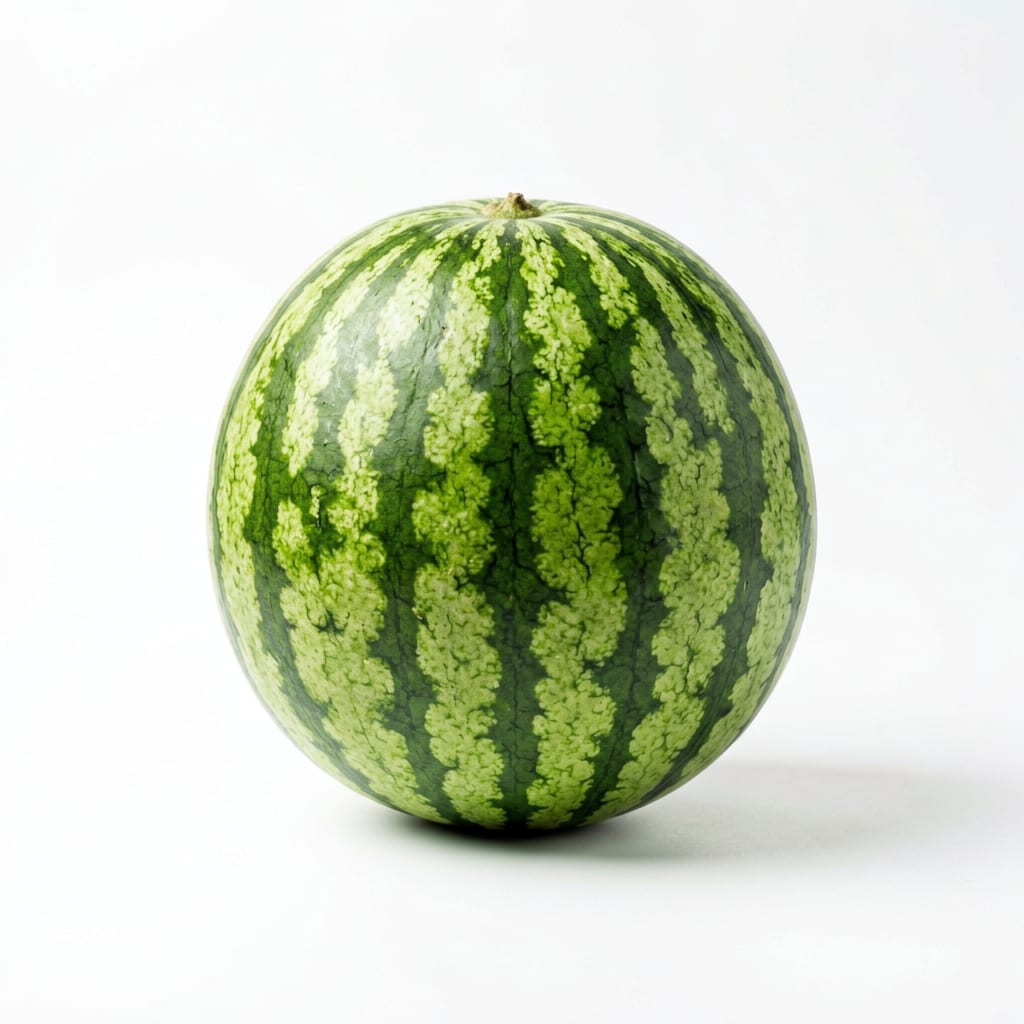
Watermelon
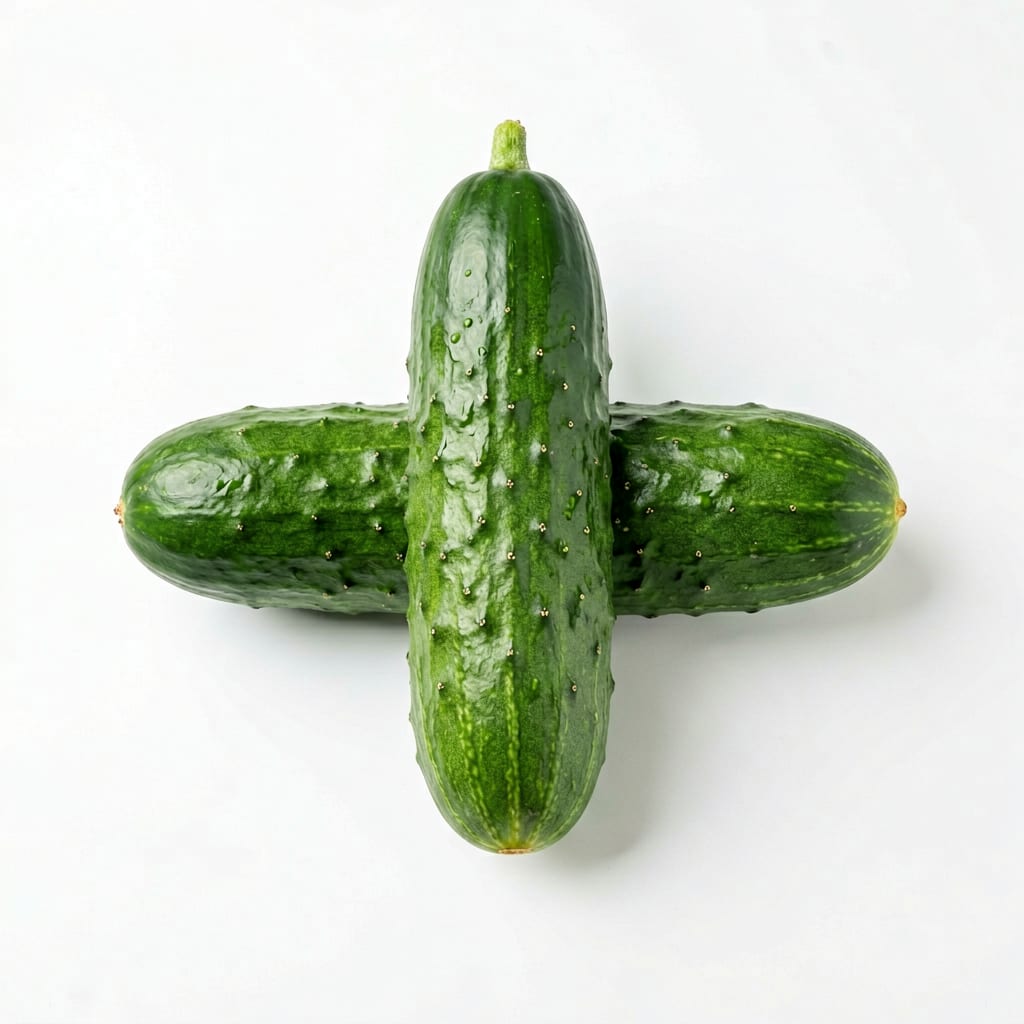
Cucumber
Watermelon delivers sweet hydration and antioxidants, while cucumber provides guilt-free crunch and zero blood sugar impact.
Cucumber scores slightly higher for daily, unrestricted use due to its negligible sugar and calorie content. Watermelon wins on micronutrients and satisfaction but requires more portion awareness due to its sugar content.
Natural sugar and micronutrients versus rock-bottom calories and absolute blood sugar safety.
At a glance
Executive summary
Overall
It depends
Healthier
It depends
More practical
Cucumber
Daily use
Cucumber
Key comparison lenses
Low-calorie snacking and weight management
Both foods are famous for being low in calories, but users often want to know which offers more satiety without the sugar.
Blood sugar control and diabetes safety
Watermelon is known for its high glycemic index, while cucumber is virtually carb-free, making this a critical differentiator.
Hydration and summer refreshment
Both are water-dense summer staples, but they satisfy different cravings—sweet versus savory.
Best choice for
Watermelon
- Post-workout natural sugar and hydration
- Satisfying sweet cravings without junk food
- Boosting antioxidant intake with lycopene
Cucumber
- Unlimited snacking with virtually no caloric cost
- Managing blood sugar or following a keto diet
- Adding bulk to meals without adding calories
Least suitable for
Watermelon
- Strict low-carb or keto diets
- People managing severe blood sugar spikes
- Those who struggle with portion control on sweet foods
Cucumber
- Replenishing energy after intense exercise
- Anyone needing calorie density or healthy weight gain
- Satisfying a sweet tooth
Deep comparison
Dimension by dimension
Each lens scores both foods and breaks down who each option suits.
- Dimension 1 · Priority 95Cucumber
Blood Sugar and Low-Carb Compatibility
Watermelon · 40Cucumber · 98Cucumber is a zero-guilt carb-free food, while watermelon can cause a noticeable blood sugar rise.
Tradeoff
You give out on natural sweetness and energy to get perfect blood sugar stability.
Why it matters
For anyone monitoring glucose, watermelon's high glycemic load can be a hidden trap despite being a whole food.
Real-world impact
Eating watermelon can lead to an afternoon energy crash for sensitive individuals, whereas cucumber provides steady, crash-free crunching.
Watermelon
- Quick pre-workout energy
Better for
- Insulin resistance
- Fasting windows
Worse for
Cucumber
- Diabetics
- Keto dieters
- Steady afternoon energy
Better for
- Acute energy needs
Worse for
- Dimension 2 · Priority 80Watermelon
Micronutrient Density
Watermelon · 82Cucumber · 45Watermelon is a surprising powerhouse of antioxidants, while cucumber is mostly water with trace nutrients.
Tradeoff
You get significantly more vitamins and antioxidants, but they come packaged with sugar.
Why it matters
Lycopene in watermelon supports heart health and reduces inflammation in ways cucumber simply cannot match.
Real-world impact
Regularly eating watermelon can visibly improve skin health and recovery, while cucumber mainly keeps you hydrated.
Watermelon
- Heart health
- Anti-aging
- Post-workout recovery
Better for
- Nutrient-density per calorie compared to berries
Worse for
Cucumber
- Basic hydration
Better for
- Meanful vitamin intake
Worse for
- Dimension 3 · Priority 90Cucumber
Calorie Density and Weight Management
Watermelon · 75Cucumber · 95Cucumber is the ultimate volume-eating food, offering more physical crunch per calorie than almost anything else.
Tradeoff
Watermelon is still low-calorie, but it is much easier to accidentally consume a large amount of natural sugars.
Why it matters
When you want to snack mindlessly while watching TV, cucumber lets you eat a massive bowl for minimal calories.
Real-world impact
A whole cucumber is about 30 calories. A few large wedges of watermelon can easily hit 150+ calories from sugar.
Watermelon
- Feeling emotionally satisfied by sweet flavor
Better for
- Portion control
Worse for
Cucumber
- Mindless snacking
- Volume eating
- Strict calorie deficits
Better for
- Feeling deeply satiated
Worse for
- Dimension 4 · Priority 85It depends
Hydration and Refreshment
Watermelon · 90Cucumber · 88Both are over 95% water, but they serve different hydration moods—sweet juice versus crisp snap.
Tradeoff
Watermelon acts like a natural sports drink; cucumber acts like crunchy water.
Why it matters
In hot weather, watermelon replaces both fluids and lost sugars, while cucumber just replaces fluids.
Real-world impact
After mowing the lawn, watermelon feels deeply rehydrating and energizing. Cucumber feels refreshing but won't replenish energy.
Watermelon
- Hot summer rehydration
- Post-sweat electrolyte and sugar replacement
Better for
- Savory snack cravings
Worse for
Cucumber
- Between-meal thirst quenching without sugar
Better for
- Situations requiring quick energy
Worse for
- Dimension 5 · Priority 70Cucumber
Culinary Versatility
Watermelon · 55Cucumber · 85Cucumber seamlessly fits into salads, sandwiches, dips, and infusions. Watermelon is mostly limited to sweet applications or niche savory salads.
Tradeoff
Cucumber is a culinary workhorse but lacks the standalone dessert-like appeal of watermelon.
Why it matters
A food you can integrate into multiple daily meals is easier to consume consistently.
Real-world impact
You can throw cucumber into a lunch salad, snack on it with hummus, and infuse your water with it. Watermelon is usually a standalone snack.
Watermelon
- Dessert alternatives
- Smoothie bases
Better for
- Savory recipe integration
Worse for
Cucumber
- Salads
- Sandwiches
- Dipping vessels
Better for
- Acting as a sweet treat
Worse for
Timeline
Health impact over time
Short-term
Hours to days
Watermelon
- Quick burst of energy from natural sugars
- Rapid hydration and fullness from water volume
- Potential blood sugar spike followed by a mild crash
Cucumber
- Immediate crunch satisfaction without sugar crash
- Light and comfortable feeling in the stomach
- No impact on blood glucose
Long-term
Months to years
Watermelon
- Improved antioxidant status from high lycopene
- Better heart health markers if portioned correctly
- Risk of weight gain if overconsumed due to sugar content
Cucumber
- Effortless calorie control and weight maintenance
- Steady blood sugar levels over time
- Minimal nutritional impact due to low vitamin density
Risk profile
Safety & processing
Both foods are whole, raw, and unprocessed when purchased fresh, making them equally excellent choices for clean eating.
Watermelon
Surface bacteria transfer
mediumKnife blades can drag bacteria from the rind into the flesh if the outside is not washed properly before cutting.
Cucumber
Pesticide residue on skin
mediumCucumbers are often heavily sprayed and traditionally consumed with the skin on, making thorough washing or peeling important.
Digestive irritation
lowCucurbitacins in the skin and seeds can cause bloating or gas in sensitive individuals.
Who wins for whom
Audience fit
Same foods, different winners depending on your goal.
children
WatermelonKids naturally gravitate toward the sweet, fun texture of watermelon, ensuring they stay hydrated happily.
daily consumption
CucumberCucumber's savory profile and zero sugar make it easier to eat every single day without metabolic consequences.
diabetes
CucumberCucumber has virtually zero carbohydrates and will not spike blood sugar, making it a worry-free snack.
elderly
CucumberCucumber is easier to manage for blood sugar stability and offers a soft crunch without high sugar loads.
muscle gain
WatermelonWatermelon provides simple sugars that help replenish glycogen after heavy lifting, alongside hydration.
weight loss
CucumberCucumber allows for massive portion sizes with almost zero caloric cost or sugar impact.
Your move
Decision guide
Choose Watermelon
- You need a natural, hydrating post-workout reward
- You are craving sweets but want to avoid junk food
- You want to boost your antioxidant intake with lycopene
Choose Cucumber
- You are watching your blood sugar or following a low-carb diet
- You want to mindlessly munch on something crunchy
- You need a versatile veggie for salads and snacks
Either works if
- You simply need to stay hydrated on a hot day
- You are looking for a low-calorie way to fill your stomach before a meal
Avoid both if
- You need a dense source of lasting energy or protein
- You are looking for a food that will keep you full for hours
Final recommendation
Keep both in your fridge. Use cucumber as your daily, eat-as-much-as-you-want savory staple, and save watermelon for post-workout recovery or when you need a sweet, refreshing treat.
Practical
Consumer tips
- 1
Always wash watermelon rind before slicing to prevent dragging bacteria into the flesh.
- 2
Leave cucumber skin on for maximum fiber, but choose organic or wash thoroughly to avoid pesticides.
- 3
Pair watermelon with a protein or fat like feta cheese or Greek yogurt to slow down sugar absorption.
- 4
Use cucumber slices as a low-carb replacement for crackers when eating hummus or guacamole.
- 5
Freeze watermelon cubes for a naturally sweet, slushy summer snack.