
Nutrition comparison
Watermelon vs Apples: Which Fruit Is Better for Your Health Goals?
Compare watermelon and apples on hydration, fiber, blood sugar impact, and satiety. Find out which fruit fits your daily routine and which is best for specific health goals.
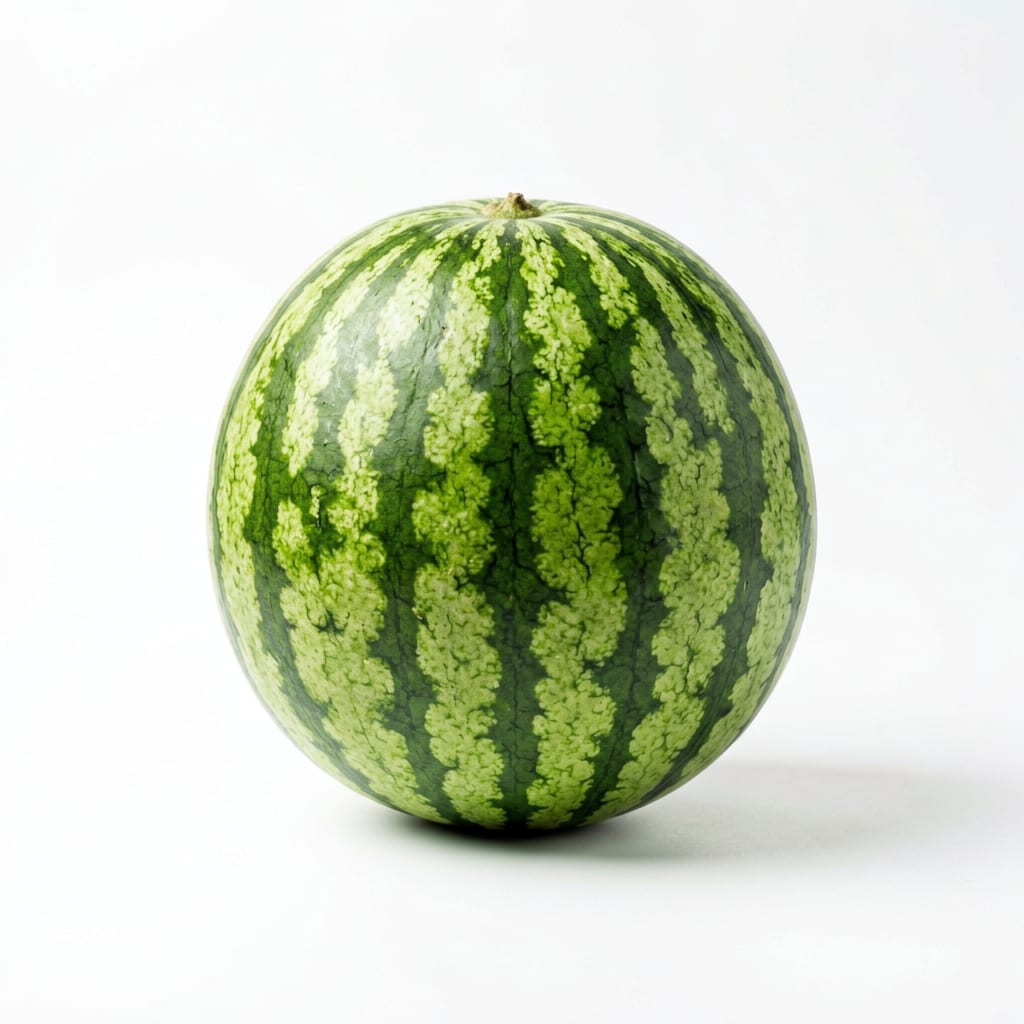
Watermelon
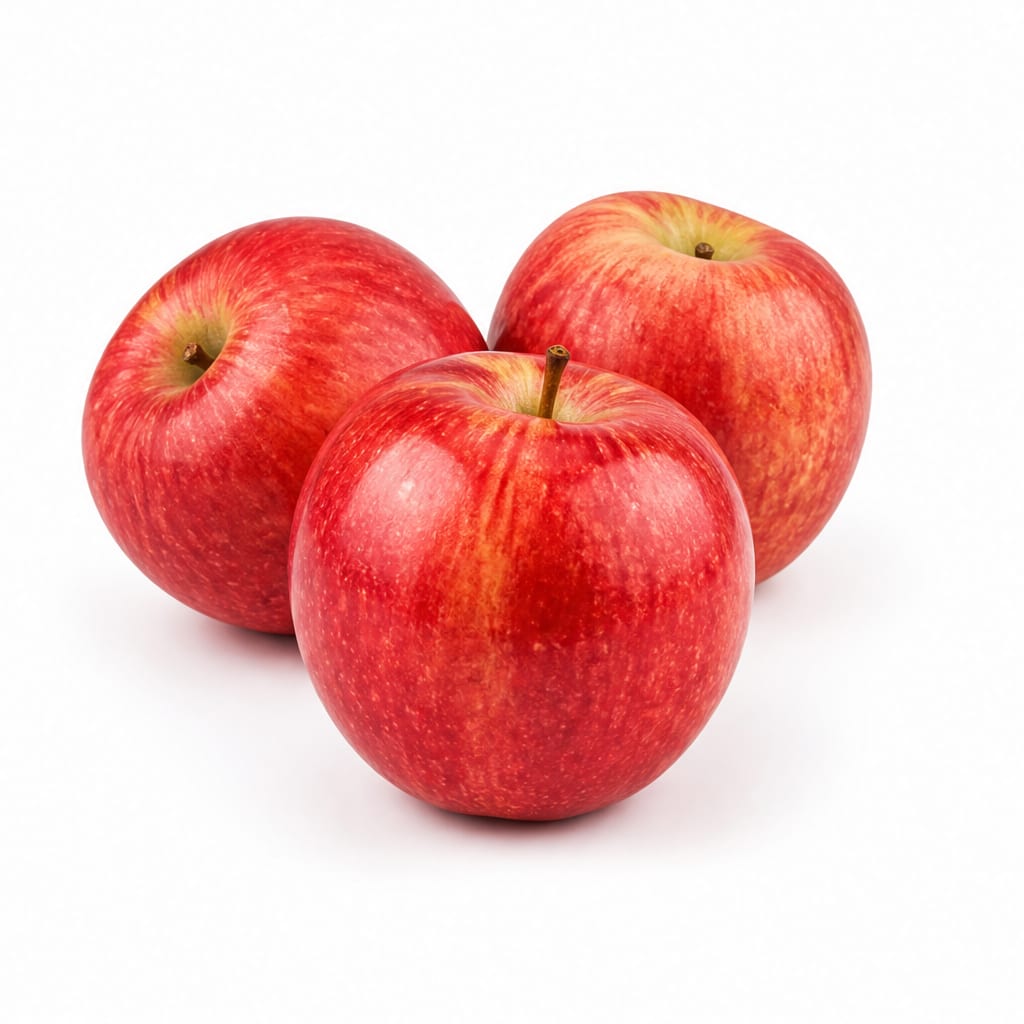
Apples
Apples win for daily reliability and fullness; watermelon wins for hydration and hot-weather refreshment. They serve completely different snacking needs.
Apples score higher due to superior fiber, better blood sugar stability, and everyday practicality. Watermelon remains valuable for hydration and low calorie density but falls short on satiety and year-round versatility.
Apples give you lasting satiety and steadier energy from fiber, while watermelon gives you instant hydration and a lighter eating experience but leaves you hungry sooner.
At a glance
Executive summary
Overall
It depends
Healthier
Apples
More practical
Apples
Daily use
Apples
Key comparison lenses
blood sugar impact and glycemic load
Both are sweet fruits with different glycemic profiles that significantly affect energy and hunger
satiety and portion control
Watermelon's low calorie density makes overeating easy by volume, while apples are naturally portion-controlled and more filling
hydration and refreshment
Watermelon is one of the most hydrating foods available, making this a key differentiator
fiber and digestive health
Apples provide substantially more fiber, which affects fullness, gut health, and blood sugar stability
everyday practicality and convenience
Apples are portable and shelf-stable; watermelon requires refrigeration and prep
pesticide exposure
Apples consistently rank on the Dirty Dozen list, while watermelon has lower pesticide concerns
Best choice for
Watermelon
- Hot summer days when hydration matters most
- Post-workout refreshment with quick carbs
- Light snacking when you want volume without heaviness
- People who struggle to drink enough water
- Low-calorie dessert alternatives
Apples
- Sustained energy between meals
- Daily fruit intake you can count on for fullness
- Blood sugar management and steady glucose
- Gut health and digestive regularity
- On-the-go snacking that travels well
Least suitable for
Watermelon
- Blood sugar management without portion control
- Backpacking or travel without refrigeration
- Satiety-focused eating plans
- People who tend to overeat sweet foods
Apples
- Severe oral allergy syndrome sufferers
- People who need high-volume low-calorie food
- Hot-weather hydration replacement
- Those who find raw apples hard to digest
Deep comparison
Dimension by dimension
Each lens scores both foods and breaks down who each option suits.
- Dimension 1 · Priority 90Watermelon
Hydration and Refreshment
Watermelon · 95Apples · 55Watermelon is essentially flavored water with vitamins, making it one of the most hydrating foods you can eat.
Tradeoff
That high water content means less nutritional density per bite compared to apples.
Why it matters
In hot weather or after exercise, eating your hydration can feel more satisfying than drinking plain water.
Real-world impact
A big bowl of watermelon on a summer afternoon can replace 1-2 glasses of water while feeling like a treat.
Watermelon
- Post-workout rehydration
- Hot weather snacking
- People who forget to drink water
- Light refreshing desserts
Better for
- When you need concentrated nutrition in a small portion
Worse for
Apples
- Situations where water intake is already adequate
Better for
- Replacing fluids after heavy sweating
Worse for
- Dimension 2 · Priority 92Apples
Blood Sugar Stability
Watermelon · 52Apples · 78Watermelon has a high glycemic index but low glycemic load per typical serving. Apples have a lower GI and more fiber to slow sugar absorption.
Tradeoff
A small watermelon portion is fine for blood sugar, but it is remarkably easy to eat a large amount quickly because it feels light.
Why it matters
The fiber in apples creates a natural brake on both eating speed and glucose spikes, while watermelon's lack of fiber removes that safeguard.
Real-world impact
Eating a whole apple leaves you satisfied. Eating a comparable calorie amount of watermelon feels like a warmup, making second and third servings likely.
Watermelon
- Quick pre-workout energy when you want fast carbs
Better for
- Late-night snacking that may spike blood sugar before bed
- Portion control for anyone monitoring glucose
Worse for
Apples
- Between-meal snacking without energy crashes
- Diabetes or prediabetes management
- Sustained afternoon energy
- Reducing sugar cravings over time
Better for
- When fast carbohydrate availability is the goal
Worse for
- Dimension 3 · Priority 88Apples
Satiety and Fullness
Watermelon · 40Apples · 82Apples are one of the most filling fruits per calorie thanks to their fiber and chewing resistance. Watermelon disappears from your stomach fast.
Tradeoff
Watermelon's lightness feels pleasant in the moment but means you will be hungry again within an hour.
Why it matters
If you are snacking to bridge a 3-hour gap between meals, apples actually bridge that gap. Watermelon barely covers 45 minutes.
Real-world impact
An apple at 3pm can carry you to dinner. A watermelon snack at 3pm means you are eyeing the pantry by 4pm.
Watermelon
- When you want a light palate cleanser after a heavy meal
- When fullness is not the goal
Better for
- Anyone trying to reduce snacking frequency
- Emotional eaters who benefit from feeling full
Worse for
Apples
- Weight management through natural portion control
- Bridging long gaps between meals
- Preventing overeating at the next meal
Better for
- Right after a large meal when you feel stuffed
Worse for
- Dimension 4 · Priority 84Apples
Fiber and Gut Health
Watermelon · 25Apples · 85A medium apple provides about 4.5g of fiber. Two cups of watermelon give you less than 1g. This is not a close comparison.
Tradeoff
Watermelon's low fiber is what makes it so light and refreshing, but it is also what makes it less useful for digestive health.
Why it matters
Fiber feeds gut bacteria, slows sugar absorption, and keeps you regular. Apples contribute meaningfully to daily fiber goals; watermelon barely registers.
Real-world impact
Eating an apple a day moves the needle on your 25-30g fiber target. Watermelon is essentially a fiber-free food.
Watermelon
- People who need low-residue diets
- Right before intense exercise when fiber could cause discomfort
Better for
- Anyone relying on fruit for fiber intake
Worse for
Apples
- Daily digestive regularity
- Gut microbiome support
- Cholesterol management through soluble fiber
Better for
- Those with sensitive digestion who find raw apple fiber irritating
Worse for
- Dimension 5 · Priority 75It depends
Antioxidant Profile
Watermelon · 78Apples · 76Watermelon delivers lycopene, a powerful antioxidant rare in other fruits. Apples provide quercetin and catechins. Both are valuable but in entirely different ways.
Tradeoff
Lycopene supports prostate and cardiovascular health. Quercetin supports immune and anti-inflammatory pathways. You get different benefits from each.
Why it matters
Lycopene is hard to get from other common fruits, making watermelon uniquely valuable. Quercetin from apples is more widely available from other sources.
Real-world impact
Eating both fruits regularly gives you broader antioxidant coverage than doubling down on either one.
Watermelon
- Prostate health concerns
- Cardiovascular antioxidant support
- Diversifying lycopene intake beyond tomatoes
Better for
- When you already eat tomato-based foods regularly
Worse for
Apples
- Immune system support
- Anti-inflammatory benefits
- Lung health maintenance
Better for
- When dietary lycopene intake is low
Worse for
- Dimension 6 · Priority 78Apples
Practicality and Convenience
Watermelon · 45Apples · 90Apples are the ultimate grab-and-go fruit. Watermelon requires cutting, refrigeration, and creates messy leftovers.
Tradeoff
Watermelon's impracticality is seasonal and contextual. At a picnic, it is perfect. In a Tuesday lunch bag, it is a hassle.
Why it matters
The fruit you can actually bring with you is the fruit you will actually eat. Convenience drives consistency.
Real-world impact
Throwing an apple in your bag takes 2 seconds. Preparing watermelon for transport takes containers, planning, and a fridge at your destination.
Watermelon
- Home snacking on weekends
- Picnics and gatherings
- When you have time to prep and refrigerate
Better for
- Busy weekday mornings
- Any situation requiring shelf-stable portability
Worse for
Apples
- Work lunches and commuting
- Travel and hiking
- Emergency snack stash in your bag
- Quick breakfast on the way out
Better for
- Serving a crowd at a summer gathering
Worse for
- Dimension 7 · Priority 72Watermelon
Pesticide and Contamination Concerns
Watermelon · 80Apples · 50Apples consistently rank in the top 5 of the EWG Dirty Dozen for pesticide residues. Watermelon's thick rind protects the edible flesh significantly.
Tradeoff
Organic apples are more expensive but widely available. Watermelon's lower risk means conventional is generally acceptable.
Why it matters
If you eat apples daily, pesticide exposure accumulates. Choosing organic apples matters more than choosing organic watermelon.
Real-world impact
A daily apple habit with conventional produce means consistent low-level pesticide exposure. Watermelon's thick rind acts as a natural barrier.
Watermelon
- Budget-conscious shoppers who buy conventional produce
- Reducing overall pesticide exposure without buying organic
Better for
- Situations where pesticide concern is minimal
Worse for
Apples
- When you can afford and access organic apples
Better for
- Daily consumption of conventional apples over years
Worse for
Timeline
Health impact over time
Short-term
Hours to days
Watermelon
- Quick hydration boost within 30 minutes
- Rapid but short-lived energy from natural sugars
- Light feeling in the stomach, minimal digestive effort
- Possible blood sugar spike if eaten in large quantities
Apples
- Gradual energy release over 1-2 hours
- Noticeable fullness that reduces subsequent snacking
- Steadier blood sugar with minimal spike
- Mild digestive activation from fiber and chewing
Long-term
Months to years
Watermelon
- Improved hydration habits if eaten regularly in warm months
- Better lycopene intake for cardiovascular and prostate health
- Possible higher sugar intake if portions are not managed
- Minimal contribution to daily fiber goals
Apples
- Improved digestive regularity from consistent fiber intake
- Better blood sugar management over months and years
- Support for gut microbiome diversity through pectin
- Reduced cholesterol absorption from soluble fiber
Risk profile
Safety & processing
Both watermelon and apples are whole, unprocessed foods as typically consumed. Neither carries additive concerns in their natural form. The main difference is that apples are more likely to have wax coatings applied for shelf appearance, which is harmless but worth rinsing. Watermelon's rind protects the flesh from most surface treatments.
Watermelon
Foodborne illness from improper cutting
mediumKnives passing through the rind can carry bacteria into the flesh. Always wash the exterior before cutting.
Rapid bacterial growth at room temperature
mediumCut watermelon should be refrigerated within 2 hours. Left at room temperature, it becomes a bacterial breeding ground.
Apples
Pesticide residue on skin
mediumApples rank consistently high on the Dirty Dozen list. Peeling removes most residue but also eliminates half the fiber and many antioxidants.
Wax coating ingestion
lowConventional apples often have shellac or carnauba wax. Food-safe but unappealing to some consumers. Washing with baking soda solution helps.
Cyanogenic compounds in seeds
lowApple seeds contain amygdalin, which releases cyanide when crushed. You would need to chew hundreds of seeds for toxicity, but avoid making them a habit.
Who wins for whom
Audience fit
Same foods, different winners depending on your goal.
children
It dependsApples are better for daily lunchboxes and sustained energy. Watermelon is better for hydration during active summer play. Both are excellent choices in different contexts.
daily consumption
ApplesApples are available year-round, travel well, provide consistent fiber, and support steady energy. Watermelon is seasonal and less nutritionally reliable as a daily staple.
diabetes
ApplesApples have a lower glycemic index and significantly more fiber, which slows glucose absorption. Watermelon can fit in small portions but requires more careful monitoring.
elderly
ApplesApples provide fiber for digestive regularity, which becomes increasingly important with age. Watermelon's soft texture is easier to chew but contributes less nutritionally.
muscle gain
It dependsNeither fruit is a muscle-building food. Watermelon offers slightly faster post-workout carbs for glycogen replenishment, but the difference is minimal.
weight loss
ApplesApples provide more satiety per calorie, reducing overall daily intake. Watermelon's low calorie density is helpful, but its low satiety often leads to overconsumption by volume.
Your move
Decision guide
Choose Watermelon
- You are hot, sweaty, or dehydrated and need refreshment now
- It is summer and watermelon is in season and locally available
- You want a light dessert that will not sit heavy before bed
- You struggle with hydration and need water-rich foods to supplement intake
- You are doing a long outdoor activity and need quick carbs and fluids
Choose Apples
- You need a reliable daily fruit that keeps you full between meals
- You are managing blood sugar, weight, or digestive health
- You want a snack that travels anywhere without prep
- You are building consistent eating habits you can maintain year-round
- You care about hitting your daily fiber target
Either works if
- You simply want more fruit variety in your diet
- You are healthy and active with no specific blood sugar concerns
- You are meal prepping and can include both across different occasions
Avoid both if
- You have a severe fructose intolerance or malabsorption condition
- You are on a strict very-low-carb ketogenic protocol
- You have been advised to limit all fruit sugar by your healthcare provider
Final recommendation
Keep both in rotation but let apples be your daily driver and watermelon be your seasonal specialist. An apple a day actually does move the needle on fiber, fullness, and blood sugar stability. Watermelon shines in its niche as the most refreshing fruit available, but it is not built for everyday nutritional reliability. Use watermelon when hydration and refreshment are the priority. Use apples when satiety, convenience, and metabolic steadiness matter more.
Practical
Consumer tips
- 1
Always wash watermelon rind before cutting to prevent dragging bacteria into the flesh
- 2
Refrigerate cut watermelon within 2 hours and consume within 4 days
- 3
Choose organic apples if you eat them daily to reduce cumulative pesticide exposure
- 4
Wash apples in a baking soda solution for 12-15 seconds to remove most surface pesticide residue
- 5
Leave apple skin on to get the majority of fiber and antioxidants
- 6
Freeze watermelon cubes for a naturally hydrating popsicle alternative
- 7
Pair watermelon with a protein source like cottage cheese to improve satiety
- 8
Choose smaller watermelons for better flavor density and less waste
- 9
Store apples in the crisper drawer away from strong-smelling foods
- 10
Mix both fruits in a salad with mint and lime for a hydrating, fiber-balanced snack