
Nutrition comparison
Watermelon vs Cantaloupe: Nutrition, Hydration, and Health Benefits
Compare watermelon and cantaloupe to see which melon is better for weight loss, hydration, and vitamins. Discover the nutritional tradeoffs and find your ideal snack.
Overall winner · Cantaloupe
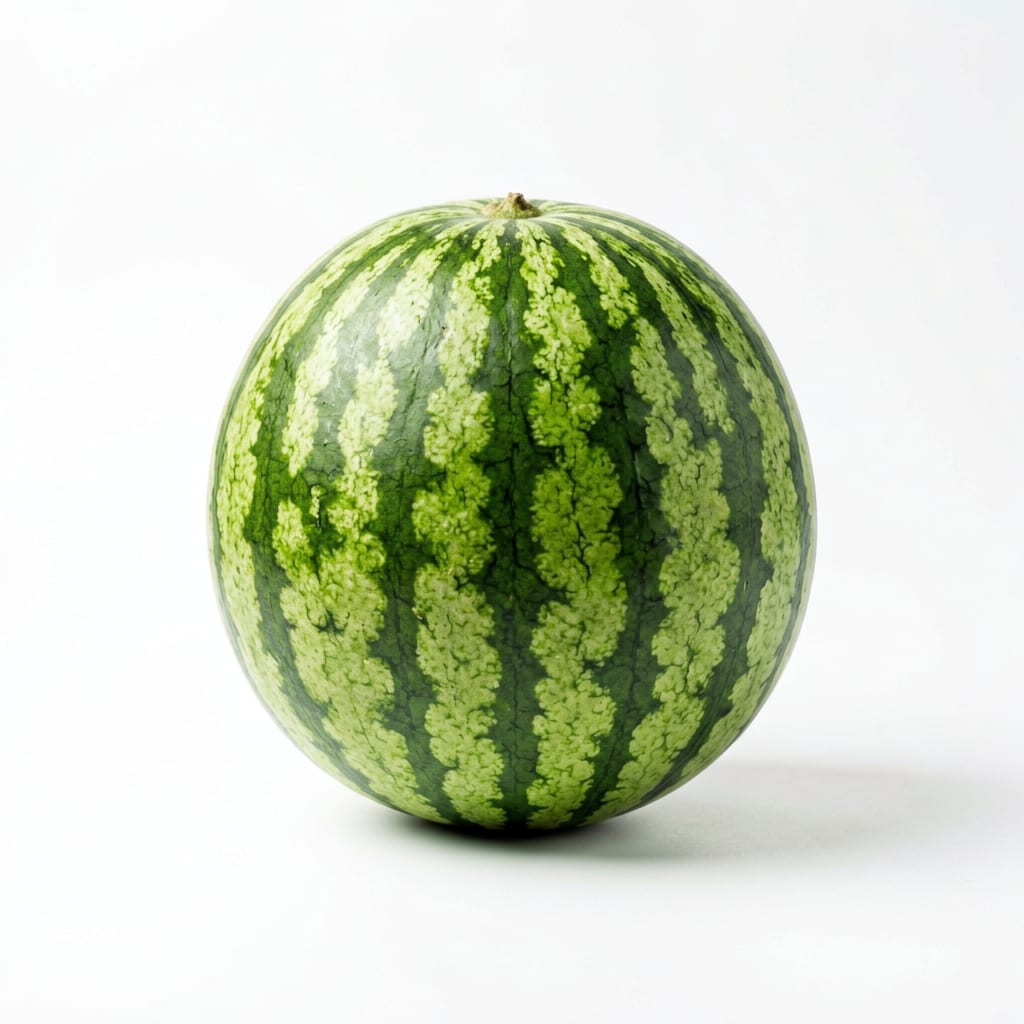
Watermelon
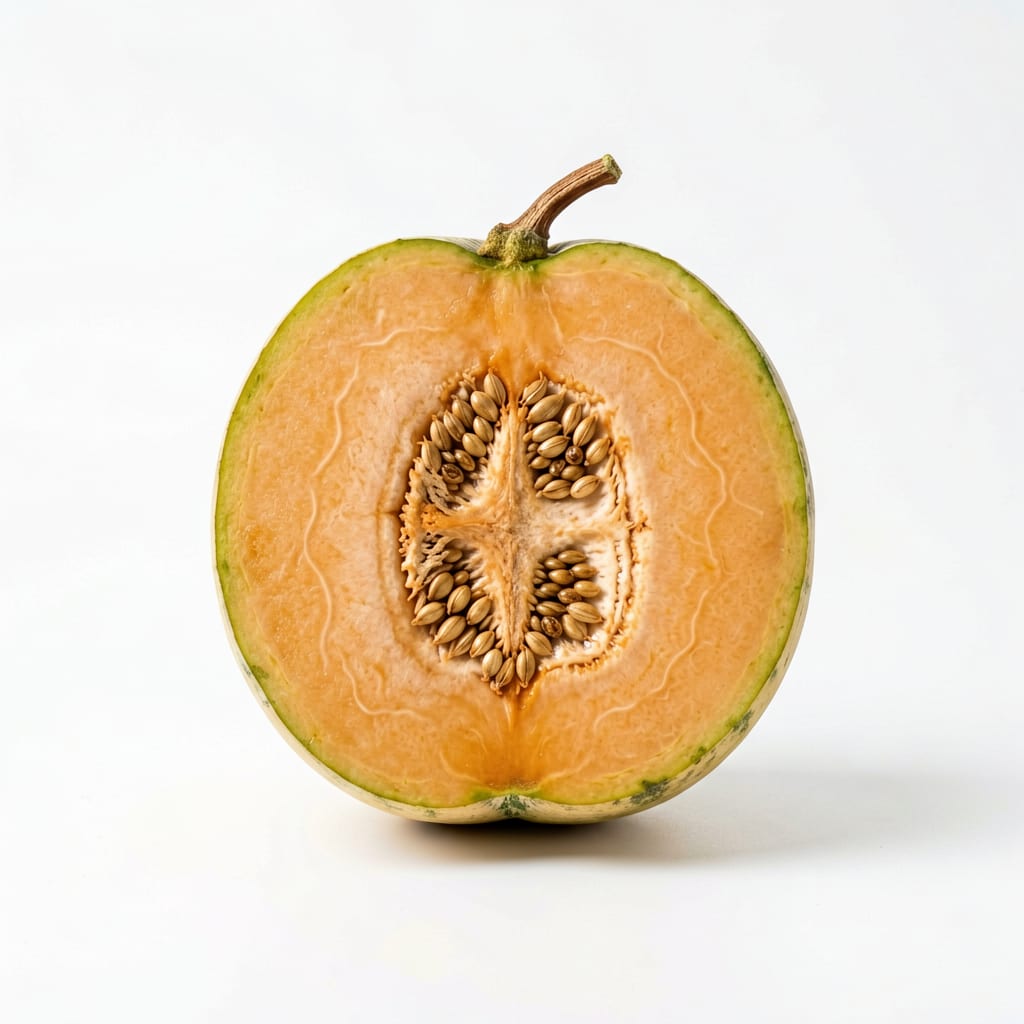
Cantaloupe
Cantaloupe packs more vitamins per bite, while watermelon is the ultimate low-calorie hydrator.
Cantaloupe scores higher overall due to its superior nutrient density and satiety, but watermelon remains an excellent choice for specific needs like hydration and low-calorie volume.
Nutrient density versus hydration and calorie density.
At a glance
Executive summary
Overall
Cantaloupe
Healthier
Cantaloupe
More practical
It depends
Daily use
Cantaloupe
Key comparison lenses
Hydration and low-calorie snacking
Watermelon is famous for its water content, making it a go-to for low-calorie volume eating, whereas cantaloupe offers slightly more substance.
Vitamin and nutrient density
Cantaloupe delivers a much stronger punch of vitamins A and C per serving, which naturally comes up when comparing these two melons.
Blood sugar impact
Both are sweet fruits, but their differing fiber and water contents lead to different glycemic responses that matter for daily energy.
Antioxidant benefits
Watermelon brings lycopene to the table while cantaloupe brings beta-carotene, making the comparison a choice between two distinct antioxidant profiles.
Best choice for
Watermelon
- Hot summer days when hydration is the priority
- Strict calorie-counting and volume eating
- Post-workout rehydration
Cantaloupe
- Boosting daily vitamin A and C intake
- A more filling afternoon snack
- Supporting eye health and immunity
Least suitable for
Watermelon
- Meeting daily vitamin needs efficiently
- Situations requiring sustained energy without a blood sugar dip
Cantaloupe
- Strict volume-eating diets where maximum portion size is desired
- Those who dislike the denser texture of orange melon
Deep comparison
Dimension by dimension
Each lens scores both foods and breaks down who each option suits.
- Dimension 1 · Priority 90Watermelon
Hydration & Refreshment
Watermelon · 95Cantaloupe · 75Watermelon is over 90% water, making it incredibly thirst-quenching and light on the stomach.
Tradeoff
You get more volume and hydration from watermelon, but fewer vitamins per serving compared to cantaloupe.
Why it matters
Staying hydrated helps with energy levels and appetite control, especially in hot weather or after exercise.
Real-world impact
Eating a large bowl of watermelon feels like drinking a glass of water with a sweet crunch, perfect for summer afternoons.
Watermelon
- Post-workout rehydration
- Hot summer days
- Large volume snacking
Better for
- Situations needing sustained energy
- Meeting daily vitamin needs efficiently
Worse for
Cantaloupe
- Nutrient-dense breakfast side
- More filling afternoon snack
Better for
- Strict calorie-volume diets where you want the biggest portion
Worse for
- Dimension 2 · Priority 88Cantaloupe
Nutrient Density
Watermelon · 55Cantaloupe · 92Cantaloupe is a powerhouse of Vitamin A and Vitamin C, delivering significantly more nutrients per calorie.
Tradeoff
Cantaloupe trades some of the sheer volume of watermelon for a much denser hit of essential vitamins.
Why it matters
Getting more vitamins from your snacks means better immune function, skin health, and vision without needing supplements.
Real-world impact
A single cup of cantaloupe covers most of your daily Vitamin A needs, while watermelon leaves you short.
Watermelon
- Lighter nutrient load if eating other vitamin-rich foods
Better for
- Relying on fruit as a primary vitamin source
- Preventing nutrient gaps in a low-calorie diet
Worse for
Cantaloupe
- Boosting immune health
- Supporting eye health
- Getting more nutrition out of fewer calories
Better for
- Those who dislike the stronger flavor or denser texture
Worse for
- Dimension 3 · Priority 80Cantaloupe
Blood Sugar Stability
Watermelon · 62Cantaloupe · 70Cantaloupe has a lower glycemic index and slightly more fiber, leading to a gentler blood sugar rise.
Tradeoff
Watermelon digests very quickly due to its high water and low fiber content, which can cause a faster blood sugar spike.
Why it matters
Steadier blood sugar means fewer energy crashes and better hunger control throughout the day.
Real-world impact
Eating watermelon alone on an empty stomach might leave you hungry again an hour later, while cantaloupe provides a bit more staying power.
Watermelon
- Quick energy before a short workout
- Easy digestion for sensitive stomachs
Better for
- People with insulin resistance
- Those prone to sugar crashes
Worse for
Cantaloupe
- Managing afternoon cravings
- Diabetics looking for safer fruit choices
Better for
- Moments when you need immediate, light energy
Worse for
- Dimension 4 · Priority 75It depends
Antioxidant Profile
Watermelon · 82Cantaloupe · 85Watermelon is rich in lycopene for heart and skin health, while cantaloupe is packed with beta-carotene for vision and immunity.
Tradeoff
You choose between lycopene and beta-carotene, both powerful but targeting different body systems.
Why it matters
A diverse antioxidant intake protects against cellular damage and supports long-term health.
Real-world impact
Eating watermelon gives your skin a lycopene shield against UV damage, whereas cantaloupe acts like a vision-protecting multivitamin.
Watermelon
- Heart health support
- Skin protection from oxidative stress
Better for
- Those specifically needing more Vitamin A for vision
Worse for
Cantaloupe
- Eye health maintenance
- Immune system boosting
Better for
- Those looking for the specific heart benefits of lycopene
Worse for
- Dimension 5 · Priority 78Cantaloupe
Satiety & Fullness
Watermelon · 58Cantaloupe · 75Cantaloupe is more filling per serving due to its denser nutrient profile and slightly higher fiber content.
Tradeoff
Watermelon lets you eat a massive volume for few calories, but that fullness fades quickly.
Why it matters
Snacks that keep you full longer help prevent overeating and make it easier to stick to your dietary goals.
Real-world impact
A bowl of cantaloupe will keep you satisfied until your next meal, while watermelon might have you reaching for another snack shortly after.
Watermelon
- When you want to eat a large portion without guilt
- Light late-night snacking
Better for
- Controlling hunger between meals
- Sustained satiety
Worse for
Cantaloupe
- Bridging the gap between meals
- Preventing afternoon energy crashes
Better for
- Volume eating for strict diet phases
Worse for
Timeline
Health impact over time
Short-term
Hours to days
Watermelon
- Rapid hydration
- Quick but short-lasting energy
- Light feeling in the stomach
Cantaloupe
- More sustained energy
- Better immediate satiety
- Gentler blood sugar response
Long-term
Months to years
Watermelon
- Improved heart health from lycopene
- Better skin protection from UV stress
- Easier weight maintenance via volume eating
Cantaloupe
- Stronger immune system from Vitamin C
- Better vision from Vitamin A
- Reduced risk of nutrient deficiencies
Risk profile
Safety & processing
Both watermelon and cantaloupe are whole, unprocessed fruits with no added ingredients, making them equally excellent choices for clean eating.
Watermelon
Foodborne illness from rind contamination
mediumListeria or Salmonella can live on the rind; if not washed before cutting, the knife can drag bacteria into the flesh.
Cantaloupe
Foodborne illness from netted rind
highCantaloupe's rough netted rind is a notorious breeding ground for Salmonella and is linked to frequent outbreaks. Washing thoroughly before cutting is critical.
Who wins for whom
Audience fit
Same foods, different winners depending on your goal.
children
WatermelonWatermelon is universally loved by kids, fun to eat, and provides excellent hydration during active play.
daily consumption
CantaloupeCantaloupe delivers a broader and more concentrated range of daily vitamins, making it a more impactful everyday staple.
diabetes
CantaloupeCantaloupe has a lower glycemic index and slightly more fiber, resulting in a gentler impact on blood sugar.
elderly
CantaloupeCantaloupe's high Vitamin A and C content supports aging immune systems and eye health, which are common concerns for older adults.
muscle gain
CantaloupeCantaloupe provides more potassium and carbohydrates per serving, which helps with muscle recovery and cramp prevention.
weight loss
WatermelonWatermelon's extreme low calorie density allows for massive portions, making it easier to feel full while staying in a deficit.
Your move
Decision guide
Choose Watermelon
- You want maximum food volume for minimal calories
- You are highly active and need serious hydration
- It is a hot summer day and you need a refreshing treat
- You want to boost your lycopene intake for heart health
Choose Cantaloupe
- You want a snack that actually keeps you full
- You are focused on getting more vitamins from your food
- You need steady energy without a sugar crash
- You want to support your vision and immune system
Either works if
- You just want a healthy, unprocessed sweet snack
- You are looking for natural hydration alternatives to plain water
- You need a quick breakfast side or lunch addition
Avoid both if
- You have severe fructose intolerance
- You are on a very strict ketogenic diet
Final recommendation
Choose watermelon when hydration and volume are your top priorities, but lean toward cantaloupe for everyday snacking where nutrient density and lasting fullness matter more.
Practical
Consumer tips
- 1
Always wash the outside of both melons thoroughly before cutting to prevent knife contamination.
- 2
Store cut melon in an airtight container in the fridge and consume within 3-4 days.
- 3
Pair either melon with a protein source like Greek yogurt or cottage cheese to stabilize blood sugar and increase satiety.
- 4
Choose whole melons over pre-cut to reduce the risk of foodborne illness and save money.